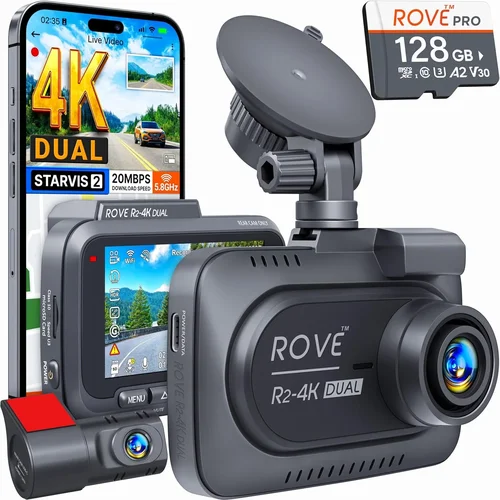
Smart 4K Dash Cam Buying Guide
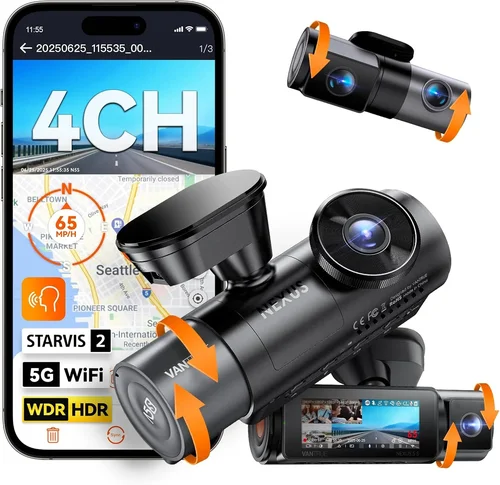
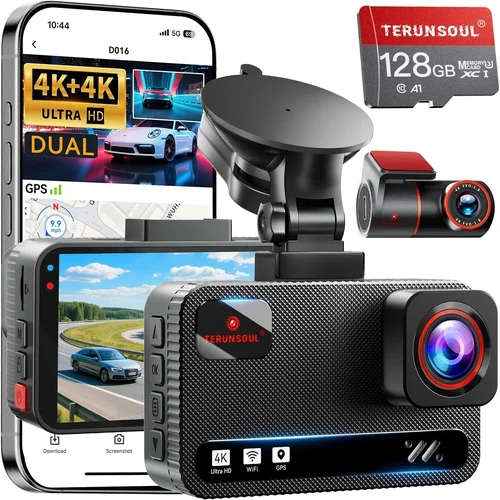
In today’s increasingly complex automotive landscape, where liability disputes can arise from split-second incidents, having reliable video evidence can make all the difference. A high-quality dash cam serves as your 24/7 eyewitness on the road, capturing critical moments that could protect you in insurance claims, legal situations, or simply provide peace of mind during everyday driving. This comprehensive buying guide is designed to cut through the overwhelming array of options available in the market and help you make an informed decision when selecting the best 4K dash cam for your vehicle.
You’ll learn everything you need to know about 4K dash cams, from understanding what makes 4K resolution superior to standard HD, to evaluating crucial features like loop recording, parking mode, GPS tracking, and emergency file protection. We’ll explore how different mounting styles affect performance, discuss the importance of low-light capabilities, examine storage requirements, and help you navigate warranty terms and customer support. Most importantly, we’ll break down complex technical specifications into practical insights you can apply to real-world driving scenarios, ensuring you choose a dash cam that matches both your budget and your specific needs.
The 4K dash cam market has evolved significantly in recent years, with manufacturers pushing the boundaries of what’s possible in compact camera technology. While early 4K models struggled with file sizes and battery life, today’s offerings combine impressive resolution with sophisticated features like HDR imaging, night vision enhancement, and intelligent parking monitoring. However, this technological advancement comes with trade-offs—higher resolution means larger files, more demanding storage solutions, and potentially shorter recording times between charges. Understanding these dynamics will help you select a system that delivers exceptional image quality without compromising reliability or convenience.

What to Look for When Buying Dash Cams
When evaluating dash cams, it’s essential to consider multiple factors that collectively determine the device’s effectiveness and longevity. The right combination of features will depend on your specific driving habits, budget constraints, and desired functionality. Let’s examine the most critical aspects to prioritize during your selection process.
1. Resolution and Video Quality
Resolution remains the cornerstone of any dash cam purchase, and 4K capability represents the current gold standard for automotive recording. True 4K (3840 x 2160 pixels) provides approximately four times the detail of Full HD (1920 x 1080), allowing you to capture license plates, facial details, and road markings with exceptional clarity. However, not all 4K recordings are created equal—some models use pixel binning or software upscaling to achieve their 4K label, which may not deliver the same level of detail as native 4K sensors.
Look for cameras with genuine 1/2.3″ or larger CMOS sensors, as these typically offer better light gathering capabilities and dynamic range than smaller sensor formats. The aspect ratio also matters: while most dash cams use 16:9 widescreen format, some premium models offer super-wide 18:9 or even 21:9 aspect ratios that provide broader field-of-view coverage. Frame rate is another crucial consideration—recording at 60fps instead of 30fps doubles the temporal resolution, making it easier to track fast-moving objects and capture smooth action sequences during sudden maneuvers.
Beyond raw resolution numbers, pay attention to additional quality-enhancing technologies. High Dynamic Range (HDR) processing helps balance exposure when facing challenging lighting conditions, such as driving from bright daylight into deep shadows. Some advanced models incorporate three-axis image stabilization that compensates for vehicle vibrations and minor impacts, ensuring steady footage even during rough road conditions. Color reproduction accuracy is equally important—natural-looking colors help identify vehicles, signs, and environmental details accurately during playback.
2. Field of View and Lens Specifications
The field of view (FOV) determines how much of the road ahead and surrounding environment your dash cam can capture simultaneously. For 4K models, achieving a wide FOV without excessive distortion requires sophisticated lens design and careful optical engineering. A typical front-facing dash cam should offer between 110° and 150° horizontal FOV, though ultra-wide lenses extending beyond 170° can create noticeable fisheye distortion that makes distant objects appear unnaturally large.
Most manufacturers specify FOV using diagonal measurements rather than horizontal, which can be misleading if you’re comparing different models. Always check horizontal FOV specifications when available, as this metric directly affects how much detail you’ll capture at various distances. For example, a 130° horizontal FOV means the camera captures 65° to either side of centerline, providing substantial coverage while maintaining reasonable perspective accuracy.
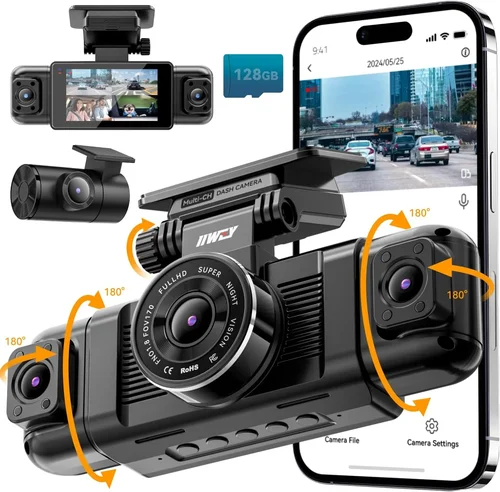
Dual-lens systems have become increasingly popular, offering simultaneous front and rear recording capabilities. These setups typically feature two separate cameras mounted on the same unit or as independent devices connected via wireless technology. Front and rear dual systems provide comprehensive coverage but require additional power management and storage considerations. Some premium models include three-lens configurations that add interior cabin monitoring alongside exterior views.
Lens quality itself deserves attention—optical glass with multi-coating reduces reflections and improves contrast, while aspherical elements minimize spherical aberration that can blur peripheral images. The focal length also plays a role; longer focal lengths compress perspective making objects appear closer together, while shorter focal lengths expand the scene but may require higher resolution to maintain detail at distance. Most dash cams use fixed-focus lenses optimized for typical highway speeds where subjects rarely move far out of focus.
3. Storage Capacity and File Management
Storage requirements escalate significantly with 4K recording due to the massive amount of data generated per second. A single minute of 4K footage at 30fps typically consumes 200-400MB depending on compression efficiency and scene complexity. This translates to approximately 30-60GB per hour of continuous recording, dramatically reducing usable duration compared to HD alternatives. Understanding these storage dynamics helps you plan appropriate capacity needs and manage recording cycles effectively.
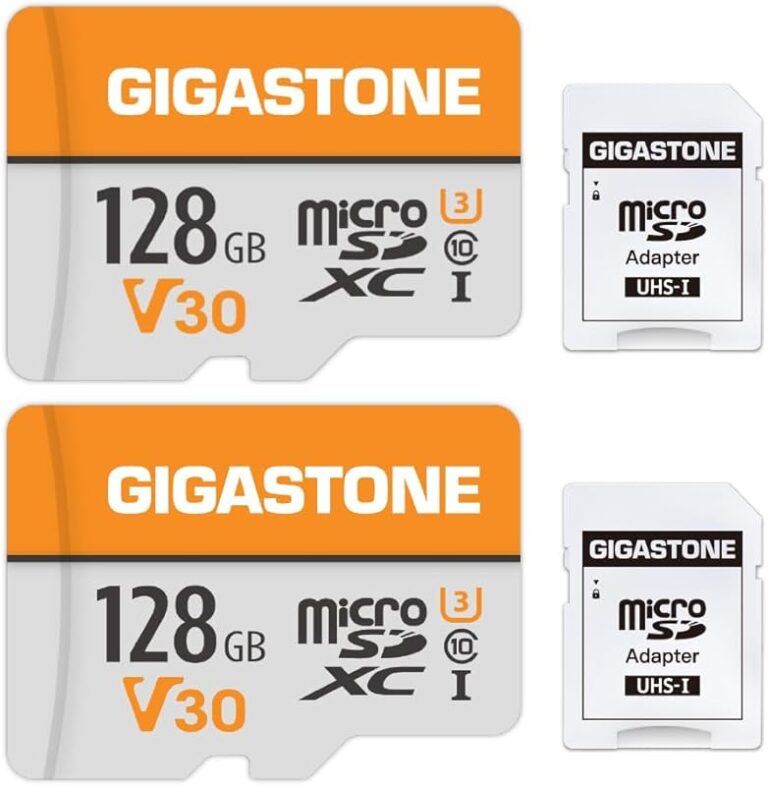
MicroSD cards remain the primary storage solution for dash cams, with Class 10 cards being the minimum recommended specification. For 4K recording, UHS Speed Class 3 (U3) or Video Speed Class 30 (V30) cards ensure sustained write speeds capable of handling high-bitrate streams without dropped frames or corrupted files. Cards with A1 or A2 application performance class offer additional benefits for random read/write operations during file indexing and thumbnail generation.
Most dash cams implement loop recording functionality that automatically overwrites older footage when storage fills, ensuring continuous operation without manual intervention. However, loop recording behavior varies between manufacturers—some prioritize seamless cycling while others preserve certain segments based on motion detection or impact sensors. Emergency file protection prevents overwritten footage when significant events occur, but this feature typically requires dedicated memory allocation that reduces overall recording time.
File format compatibility affects playback flexibility—most dash cams record in H.264 or H.265 (HEVC) codecs, with the latter offering better compression efficiency at the cost of potential compatibility issues with older media players. Some advanced models support AV1 encoding for even greater efficiency, though this may increase processing demands. Consider whether your chosen system exports files in industry-standard formats like MP4 or MOV, which work reliably across various devices and platforms.
4. Night Vision and Low-Light Performance
Nighttime driving presents unique challenges for dash cams, requiring specialized hardware and algorithms to maintain usable footage quality in diminished light conditions. Effective night vision depends on several interrelated components working together to maximize available light while minimizing noise and artifacts.
CMOS sensors with larger pixel sizes (typically 1.4μm or larger) gather more photons per exposure, resulting in brighter nighttime images. Back-illuminated (BSI) sensors further improve sensitivity by positioning the wiring layer behind the light-sensitive elements, enhancing quantum efficiency. Some models incorporate specialized night vision modes that adjust gain amplification while applying noise reduction algorithms to maintain clean footage.
Infrared (IR) illumination represents another approach to nighttime recording, though most automotive IR systems use near-infrared wavelengths invisible to the human eye. While effective for basic object detection, pure IR systems often produce monochrome images that lack color information useful for identification purposes. Hybrid systems combining visible light recording with supplemental IR LEDs provide better results by maintaining color fidelity during twilight hours while adding thermal-like detail in absolute darkness.
Low-light performance also involves intelligent exposure control strategies that adapt to rapidly changing lighting conditions. Automatic white balance helps maintain natural skin tones and road surface colors under artificial lighting, while dynamic range optimization preserves detail in both shadowed areas and brightly lit backgrounds. Advanced models may include night vision-specific features like automatic IR cutoff filters that prevent visible light contamination during infrared-only operation.
5. Parking Mode and Motion Detection
Parking mode functionality extends dash cam operation beyond active driving, capturing events that occur when your vehicle is unattended. This capability provides valuable evidence for hit-and-runs, vandalism, or unauthorized entry attempts, transforming your dash cam into an active security system around your parked vehicle.
Continuous parking monitoring requires either a hardwired power connection or a robust internal battery backup. Hardwiring to your vehicle’s fuse box provides virtually unlimited runtime but requires professional installation skills. Battery-backed systems offer plug-and-play convenience but limit parking mode duration—typically 1-4 hours depending on model and settings. Some premium dash cams include dual-battery configurations that switch seamlessly between main power and backup supply.
Motion detection algorithms analyze frame-to-frame changes to identify potential events worthy of recording. Advanced systems employ machine learning techniques to distinguish between relevant events (vehicle approach, door opening) and irrelevant movements (shadows passing, insects crossing). False positive rates vary significantly between implementations, so testing under local conditions is advisable before relying solely on automated recording.
Impact detection uses built-in accelerometers to trigger recording when sudden jolts exceed predefined thresholds. This feature complements motion detection by catching events that might otherwise go unnoticed, such as someone striking your parked car or attempting to break into the trunk area. Sensitivity levels allow customization based on expected traffic conditions and parking environments—higher sensitivity catches minor bumps but may record unnecessary clips during busy streets, while lower settings risk missing actual incidents.
6. Connectivity and Smart Features
Modern dash cams increasingly integrate smart connectivity options that enhance usability and expand functionality beyond basic recording capabilities. Wi-Fi connectivity enables wireless file transfer to smartphones and tablets, simplifying review and sharing processes without physical cable connections. Some models include cloud storage integration that automatically uploads selected clips to remote servers, providing offsite backup and remote access from anywhere with internet connectivity.
Bluetooth pairing facilitates hands-free operation and integration with vehicle entertainment systems, while NFC (Near Field Communication) allows one-tap setup procedures for quick initial configuration. GPS tagging adds location metadata to recordings, creating timestamped logs of your journeys that can be mapped visually for route analysis or accident reconstruction. Some advanced dash cams include GLONASS and Galileo satellite systems alongside GPS for improved positioning accuracy in challenging urban environments.
Mobile app integration transforms your smartphone into a remote control and viewing interface, enabling real-time preview of live feeds, immediate clip sharing, and customized alert notifications. Voice control capabilities allow hands-free operation while driving, reducing distractions and improving safety compliance. Cloud-connected dash cams can send push alerts to your phone when significant events occur, ensuring you never miss critical moments even when away from your vehicle.
7. Build Quality and Weather Resistance
Durability considerations become paramount given dash cams’ exposed mounting positions and constant exposure to environmental extremes. Automotive-grade construction ensures reliable operation across temperature ranges typically encountered on roads—from sub-zero winter conditions to scorching summer heat. Look for models rated for operating temperatures between -20°C to 70°C (-4°F to 158°F), with storage ratings extending beyond these limits for cold starts or hot parking scenarios.
Weatherproofing extends beyond temperature tolerance to include protection against moisture ingress and dust accumulation. IP rating classifications indicate specific levels of environmental sealing—while most dash cams don’t carry formal IP certifications, manufacturer claims regarding water resistance should align with expected usage conditions. Anti-reflective coatings on lenses reduce glare from headlights or sun glare, while hydrophobic treatments repel water droplets that could obscure vision during rain showers.
Shock and vibration resistance matters particularly for dash cams experiencing frequent jarring during rough road conditions or sudden braking events. Mounting bracket designs should securely hold cameras while accommodating minor flexing that occurs during normal vehicle movement. Impact-resistant housings protect sensitive internals from damage during collisions or accidental drops, while reinforced connectors prevent disconnection under stress.
8. Audio Recording Capabilities
Audio recording adds another dimension to incident documentation by capturing conversations, ambient sounds, and mechanical noises that complement visual evidence. Clear audio enhances scene reconstruction during investigations or insurance claims, providing contextual information that video alone cannot convey. Built-in microphones should deliver sufficient sensitivity to capture voices at typical conversation distances without picking up excessive wind noise or engine rumble.
Noise suppression algorithms help isolate speech frequencies while filtering out unwanted background sounds, though performance varies between implementations. Some dash cams include dual-microphone configurations that employ directional pickup patterns to focus on frontal sources while rejecting rearward noise—particularly valuable during highway speeds where wind dominates other sound sources. Windshield-mounted mics typically outperform dashboard placements due to reduced turbulence effects.
Legal considerations affect audio recording legality in many jurisdictions, especially concerning privacy laws governing conversations between drivers and passengers. Always verify local regulations before relying on audio recording for evidentiary purposes, as consent requirements and recording restrictions vary significantly between regions. Some manufacturers offer toggle switches to disable audio recording when privacy concerns outweigh evidentiary benefits.
9. Installation and Mounting Options
Installation complexity varies considerably between dash cam models, influencing both setup difficulty and long-term reliability. Adhesive mounts provide simple attachment but may lose adhesion during extreme temperatures or prolonged sun exposure. Magnetic bases offer removable convenience but introduce alignment challenges and potential theft vulnerabilities. Dashboard clips balance simplicity with secure positioning, though they may obstruct instrument panel visibility or interfere with airbag deployment zones.
Professional installation services guarantee proper mounting position and electrical connections but add expense and scheduling coordination overhead. DIY-friendly kits include comprehensive instructions, necessary cables, and mounting hardware suitable for most vehicle types. Cable management becomes crucial during installation—routing wires along factory channels minimizes visual clutter while protecting them from abrasion or heat sources.
Power connection methods impact both installation effort and operational reliability. Hardwiring requires accessing fuse boxes and routing wires through firewall openings, necessitating basic automotive electrical knowledge. USB connections offer universal compatibility but may draw excessive power during extended use, potentially draining vehicle batteries overnight. Some dash cams include smart power management circuits that automatically disconnect during engine-off periods unless parking mode is activated.
Mounting angles affect both field-of-view coverage and lens cleaning frequency. Angled installations reduce windshield smearing from wipers while maintaining optimal viewing direction, though excessive tilt angles can distort perspective or cause lens obstruction during turns. Adjustable mounts accommodate different windshield curvatures and driver preferences, ensuring consistent positioning across various vehicle types.
10. User Interface and Menu Navigation
Intuitive user interfaces streamline daily operation and configuration changes, reducing frustration during setup and maintenance phases. Touchscreen displays provide immediate feedback and gesture-based controls, though they may become difficult to operate while wearing gloves or during direct sunlight. Physical button arrays offer tactile confirmation and glove-friendly operation, albeit with less visual appeal and limited menu depth compared to touch interfaces.
Menu hierarchy should organize settings logically with frequently adjusted parameters easily accessible. On-screen indicators clearly communicate recording status, storage availability, and error conditions without requiring extensive navigation. Quick-access buttons for common functions like snapshot capture or emergency locking simplify urgent actions during unexpected events. Backlighting ensures visibility during nighttime operation, while auto-dimming features reduce distraction during dark drives.
Setup wizards guide new users through initial configuration steps, eliminating guesswork regarding optimal settings for local conditions. Firmware update procedures should be straightforward, preferably delivered over-the-air to minimize manual intervention. Diagnostic tools help troubleshoot common issues like storage errors or connectivity problems, while reset options restore default configurations when customization becomes problematic.
11. Brand Reputation and Customer Support
Established brands often demonstrate commitment to product quality and ongoing support, though newer entrants sometimes challenge incumbents with innovative features and competitive pricing. Researching brand history reveals consistency in manufacturing standards and responsiveness to customer feedback, while warranty terms reflect confidence in product durability. Premium brands typically offer longer warranty periods and more comprehensive coverage including accidental damage.
Customer support responsiveness affects problem resolution speed and satisfaction, particularly during critical situations requiring immediate assistance. Online knowledge bases provide self-help resources covering installation guides, troubleshooting tips, and feature explanations. Community forums facilitate peer-to-peer advice exchange, though moderation quality varies between manufacturers. Direct phone support availability ensures human interaction when automated systems fail to resolve complex issues.
Software ecosystem maturity indicates investment in long-term product evolution, with regular firmware updates adding new features and addressing discovered bugs. Open API access enables third-party integrations and custom applications, expanding functionality beyond official offerings. Cloud service reliability impacts data accessibility during emergencies, requiring redundant infrastructure and backup protocols to prevent catastrophic data loss.
12. Warranty Terms and Service Availability
Comprehensive warranty coverage protects against manufacturing defects and premature failures, providing financial security during product lifespan expectations. Standard warranties typically span 1-3 years, with premium models occasionally offering extended protection plans. Coverage details clarify what constitutes eligible repairs versus user-caused damage, avoiding disputes during claim submissions. Transferable warranties benefit resale value by indicating ongoing manufacturer support availability.
Service network density affects repair convenience, with authorized centers located within reasonable travel distance reducing downtime during hardware replacements. Mail-in return programs simplify shipping logistics but require temporary replacement arrangements during turnaround periods. Express service options expedite critical repairs when dash cam functionality becomes essential for daily commuting or business travel.
Documentation quality influences both installation success and troubleshooting efficiency, with clear schematics and component diagrams aiding diagnostic efforts. Replacement part availability ensures timely repairs without waiting for rare components, while regional distribution networks maintain stock levels matching demand patterns. Technical bulletins address known issues and recommended workarounds, helping users avoid common pitfalls during operation.
13. Size and Form Factor Considerations
Compact designs minimize visual intrusion and maximize mounting flexibility, though extremely small form factors may compromise cooling efficiency or component placement. Modern 4K dash cams typically measure 10-15cm in length with slim profiles under 3cm thick, fitting discreetly within aerodynamic contours. Weight considerations matter less than footprint dimensions, though lightweight construction reduces stress on mounting adhesives during temperature cycling.
Aesthetic integration affects both personal preference and regulatory compliance, with flush-mounted units appearing more integrated with vehicle styling. LED indicator placement avoids distracting reflections inside the cabin while remaining visible to the driver. Power connector positioning influences cable routing paths, with flush-mount designs requiring specialized adapters for factory-style integration. Removable covers protect unused ports during operation, reducing accidental activation risks.
Mounting flexibility accommodates various windshield shapes and orientations, with adjustable arms supporting multiple angles without permanent deformation. Quick-release mechanisms enable rapid removal for charging or cleaning, while anti-theft features deter casual opportunists during extended parking sessions. Integrated GPS antennas eliminate external whip antennas that could snag during garage entry or parking maneuvers.
14. Price vs. Value Analysis
Price points correlate loosely with feature richness, though value propositions vary significantly between budget and premium segments. Entry-level 4K dash cams offer essential recording capabilities at accessible price points, while mid-range models balance affordability with enhanced functionality. Premium systems justify higher costs through advanced features, superior build quality, and comprehensive support packages. Luxury options target enthusiasts and professionals requiring maximum performance regardless of budget constraints.
Feature prioritization guides spending decisions based on individual needs rather than chasing every available option. Essential capabilities like reliable 4K recording, adequate storage management, and basic parking mode represent core value foundations. Secondary features like cloud connectivity or voice control enhance convenience but may not justify substantial price premiums for casual users. Long-term ownership costs including storage media expenses and potential upgrades should factor into total cost calculations.
Comparative analysis across multiple brands reveals consistent performance patterns within price tiers, enabling informed choices without exhaustive research. Independent testing results provide objective benchmarks for image quality, reliability metrics, and feature effectiveness, supplementing subjective reviews with empirical data. Future-proofing considerations anticipate evolving technology requirements, ensuring purchased systems remain functional as standards advance over time.
15. Regulatory Compliance and Legal Considerations
Regional regulations govern dash cam operation differently across countries and states, affecting both recording legality and evidentiary admissibility. Privacy laws restrict audio recording in numerous jurisdictions, requiring careful consideration before relying on voice capture for documentation purposes. Data protection regulations impact cloud storage practices, mandating explicit consent procedures and secure transmission protocols. Local ordinances may prohibit specific mounting positions or obstruct driver visibility, necessitating compliance verification before installation.
Evidence preservation standards influence file format choices and retention policies, with chain-of-custody requirements affecting forensic readiness during investigations. Insurance company acceptance criteria vary between providers, with some requiring specific equipment certifications or recording quality specifications for claim validation. Professional drivers subject to commercial vehicle regulations must verify compliance with transportation authority guidelines regarding electronic logging devices and recording equipment.
International travel considerations affect cross-border operation legality, with some countries banning dash cam usage entirely or imposing strict recording limitations. Customs declarations may be required for imported equipment exceeding certain value thresholds, while local warranty coverage availability diminishes outside manufacturer service territories. Language localization impacts user interface comprehension during foreign trips, with multilingual support ensuring intuitive operation regardless of native tongue.
16. Environmental Impact and Sustainability
Eco-conscious consumers should evaluate manufacturers’ environmental commitments, including packaging materials, energy-efficient components, and responsible disposal programs. Recyclable housing materials reduce landfill contributions while minimizing toxic substance leaching during decomposition. Energy-saving modes extend battery life during parking mode operation, decreasing overall power consumption and associated carbon footprint. Solar charging accessories offer renewable energy alternatives for extended parking surveillance, though weather dependency limits reliability during cloudy conditions.
Supply chain transparency indicates ethical sourcing practices regarding conflict minerals and fair labor conditions, with certifications like Fair Trade or B Corp status signaling verified social responsibility efforts. Product lifecycle assessments quantify environmental impact from raw material extraction through end-of-life disposal, guiding sustainable purchasing decisions. Repairability scores evaluate ease of component replacement and upgrade possibilities, extending product longevity beyond planned obsolescence timelines.
Packaging reductions minimize waste generation without compromising protective integrity during shipping, while biodegradable cushioning materials decompose naturally without persistent environmental contamination. Carbon offset programs compensate for manufacturing emissions through verified conservation projects, though verification standards vary between initiatives. Educational resources promote responsible usage practices that maximize product lifespan and minimize resource consumption throughout ownership period.
17. Software Ecosystem and Update Policies
Robust software ecosystems ensure dash cams evolve alongside advancing technology, adding new capabilities and fixing discovered vulnerabilities over time. Regular firmware updates address security flaws, optimize performance characteristics, and introduce requested features based on user feedback. Over-the-air update capabilities eliminate manual intervention requirements while ensuring timely patch deployment across entire user bases. Version control systems track feature development progress and bug fix implementations, providing transparency regarding improvement timelines.
Cloud-based management platforms centralize device configuration, firmware deployment, and analytics collection for fleet operators managing multiple vehicles. Remote diagnostics identify performance anomalies before they escalate into critical failures, while predictive maintenance algorithms schedule preventive servicing based on usage patterns and component wear indicators. Data synchronization ensures seamless transition between mobile and desktop interfaces, maintaining consistent settings and preferences across all connected devices.
Open development communities foster innovation through shared code repositories and collaborative problem-solving, accelerating feature development beyond proprietary limitations. API documentation enables third-party developers to create complementary applications extending core functionality, while plugin architectures allow modular expansion without compromising system stability. Security audits validate encryption protocols and authentication mechanisms, preventing unauthorized access to sensitive vehicle data during transmission and storage.
18. Testing and Evaluation Methodology
Comprehensive testing methodologies reveal real-world performance differences that specifications alone cannot convey, providing objective comparisons between competing models. Controlled laboratory tests measure technical metrics like resolution sharpness, color accuracy, and dynamic range under standardized conditions, while field evaluations assess practical usability during actual driving scenarios. Comparative analysis identifies consistent strengths and weaknesses across multiple units of each tested model, accounting for manufacturing variances and calibration differences.
User experience trials involve representative participants performing typical tasks like installation, configuration, and routine operation, collecting qualitative feedback regarding interface intuitiveness and workflow efficiency. Reliability testing simulates extended usage patterns including temperature extremes, vibration exposure, and humidity variations to validate durability claims. Performance benchmarking quantifies improvements gained from specific features like HDR processing or image stabilization, demonstrating tangible benefits beyond marketing descriptions.
Independent verification reduces bias associated with manufacturer-sponsored testing, ensuring impartial assessment aligned with consumer interests rather than promotional objectives. Peer-reviewed publications disseminate detailed findings to technical audiences, while simplified summaries reach general consumers seeking actionable guidance. Crowdsourced data aggregation incorporates thousands of user experiences across diverse geographic regions and driving conditions, identifying patterns missed by controlled experiments.
19. Future Trends and Technological Evolution
Emerging technologies promise transformative advancements in dash cam capabilities, reshaping expectations regarding functionality and performance standards. Artificial intelligence integration enables sophisticated event detection algorithms that automatically categorize incidents by severity and relevance, reducing manual review workloads during evidence curation. Machine learning models trained on vast datasets improve recognition accuracy for license plates, road signs, and pedestrian movements, enhancing investigative efficiency.
Advanced sensor fusion combines visual data with inertial measurement units and environmental sensors to create comprehensive situational awareness beyond optical capabilities alone. Radar and LiDAR integration detects approaching vehicles and obstacles invisible to optical sensors, while ultrasonic proximity sensors warn of close-range collisions during parking maneuvers. Thermal imaging cameras identify living creatures and heat signatures in complete darkness, expanding nighttime monitoring capabilities beyond traditional visible-light approaches.
5G connectivity enables ultra-low latency streaming for real-time incident reporting to emergency services or fleet management systems, while edge computing processes data locally to minimize bandwidth requirements and preserve privacy. Blockchain technology secures recorded evidence against tampering through immutable timestamping and distributed ledger verification, establishing irrefutable proof of authenticity during legal proceedings. Augmented reality overlays contextual information onto live feeds, highlighting hazards and suggesting evasive actions during dangerous situations.
20. Maintenance and Long-Term Care
Proper maintenance ensures dash cams perform optimally throughout their intended service life, maximizing return on investment while minimizing unexpected failures. Regular cleaning removes grime buildup that degrades image quality and obscures lens elements, with microfiber cloths preventing scratches during wipe-downs. Protective films guard against UV degradation and minor impacts, though they may require periodic replacement as they yellow or peel over time. Ventilation clearance prevents overheating during prolonged operation, with unobstructed airflow pathways maintained around ventilation grilles.
Firmware updates install critical improvements addressing discovered vulnerabilities and adding requested features, with automatic scheduling minimizing disruption during daily commutes. Storage management optimizes recording cycles and prevents data loss during capacity exhaustion, with automated cleanup routines preserving emergency files while deleting older content according to priority rules. Power connection integrity checks ensure reliable operation during temperature extremes, with corrosion prevention measures protecting electrical contacts from moisture-induced degradation.
Professional servicing addresses complex repairs beyond DIY capabilities, with certified technicians possessing specialized tools and replacement parts unavailable to general consumers. Preventive maintenance schedules align with manufacturer recommendations and seasonal usage patterns, ensuring optimal performance during peak driving periods. Documentation preservation aids future troubleshooting efforts and warranty claims, with organized records detailing installation dates, modification histories, and repair activities.
Different Types of Dash Cams

Common Buying Mistakes to Avoid
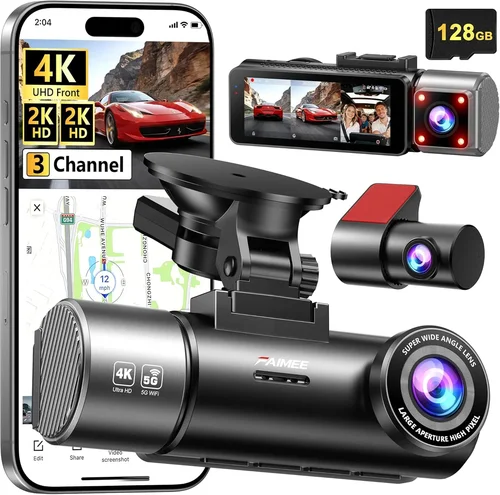
❌ Mistake: Prioritizing Resolution Over Practical Features
Why it’s bad: Many buyers get caught up in the “4K” marketing hype without considering whether they actually need that level of detail. Higher resolution means larger files, shorter recording times, and more demanding storage requirements that can overwhelm budget-conscious owners. Without proper supporting features like good low-light performance or reliable parking mode, 4K becomes a gimmick rather than a practical advantage.
What to do instead: Evaluate your actual needs first. If you primarily drive in well-lit urban areas during daytime hours, Full HD might provide sufficient detail for license plate recognition and basic incident documentation. Reserve 4K for situations requiring extreme detail like highway speed documentation or complex accident reconstruction. Always consider the complete feature set rather than focusing exclusively on resolution numbers.
❌ Mistake: Ignoring Storage Requirements and Costs
Why it’s bad: Underestimating storage needs leads to frequent full-card situations where critical footage gets overwritten before you can review it. Additionally, neglecting the ongoing cost of high-speed microSD cards creates false economy thinking—cheaper cards fail to handle 4K bitrates properly, causing dropped frames and corrupted files that render footage unusable during important incidents.
What to do instead: Calculate your storage needs based on expected recording duration and card capacity. Plan for at least 2-3 hours of continuous 4K recording per card, plus extra buffer for emergency files. Invest in reputable brands with proven reliability and consistent speed ratings. Consider dual-card setups that automatically switch when one fills, providing uninterrupted recording with automatic backup.
❌ Mistake: Choosing Based Solely on Price
Why it’s bad: The cheapest dash cam often lacks essential features like true parking mode, reliable loop recording, or adequate build quality. Budget models frequently suffer from poor low-light performance, limited field-of-view, or fragile construction that fails during minor impacts. Cutting corners on core functionality compromises the very purpose of owning a dash cam—providing reliable evidence when needed most.
What to do instead: Establish your must-have features first, then find the best value within your budget. Sometimes spending 20% more yields dramatically better reliability and feature completeness. Read independent reviews focusing on real-world performance rather than just specifications. Consider total cost of ownership including installation, storage media, and potential repairs rather than just initial purchase price.
❌ Mistake: Overlooking Installation Complexity
Why it’s bad: Assuming all dash cams install identically leads to frustration when faced with cable routing challenges, power source limitations, or mounting obstructions. Some vehicles require specialized knowledge for proper hardwiring, while others present unique windshield curvature issues that affect lens angle and visibility. Poor installation compromises both camera performance and aesthetic integration with your vehicle.
What to do instead: Research installation requirements specific to your vehicle make and model before purchasing. Watch unboxing and setup videos to understand physical dimensions and mounting constraints. Consider professional installation if your vehicle requires complex wiring or presents unusual mounting challenges. Verify that all necessary cables and adapters are included before committing to a purchase.
❌ Mistake: Neglecting Night Vision Capabilities
Why it’s bad: Daytime recording quality matters less than nighttime performance since most incidents occur after dark. Many 4K dash cams sacrifice low-light capability for resolution, resulting in grainy, useless footage during critical evening hours. Without effective night vision features like HDR, wide aperture lenses, or infrared illumination, your dash cam fails when you need it most.
What to do instead: Test night vision performance specifically before purchasing. Look for models with dedicated night vision modes, wide-aperture lenses (f/1.6 or lower), and advanced noise reduction algorithms. Check independent lab tests measuring low-light performance rather than relying solely on marketing claims. Ensure adequate infrared illumination coverage if your model includes IR capabilities.
❌ Mistake: Disregarding Compatibility Issues
Why it’s bad: Assuming universal compatibility between accessories and systems leads to wasted money on incompatible products. Different dash cams require specific microSD card formats, mounting brackets, or power adapters. Some wireless systems only work with particular smartphone operating systems, while cloud services may exclude certain regions due to regulatory restrictions. Incompatibility renders purchased accessories useless.
What to do instead: Verify compatibility matrices provided by manufacturers before purchasing add-ons. Check that your preferred storage cards, mounts, and power solutions explicitly support your chosen dash cam model. Confirm cloud service availability in your region and smartphone OS requirements for mobile apps. Purchase bundled kits when available to ensure guaranteed compatibility between components.
❌ Mistake: Underestimating Power Management Needs
Why it’s bad: Relying solely on battery power limits parking mode duration and risks draining your vehicle’s battery during extended parking. Many users discover too late that their dash cam’s standby current draws enough power to cause unexpected battery drain, especially during cold weather when batteries already struggle to maintain charge. Poor power management compromises both functionality and vehicle electrical health.
What to do instead: Choose models with intelligent power management that automatically cuts power during extended engine-off periods unless parking mode is explicitly enabled. Verify hardwiring capability for permanent installation, and consider professional fuse box tapping for optimal power delivery. Test battery drain rates under realistic conditions before relying on overnight parking mode functionality.
Budget Guidelines: How Much Should You Spend?
Entry-Level ($80 – $150): Essential Recording Capabilities
At this price point, you’ll find capable 4K dash cams that deliver reliable front-only recording without breaking the bank. These models typically feature 1080p or native 4K resolution, adequate low-light performance for urban driving, and basic parking mode functionality. While lacking advanced features like dual-lens systems or cloud connectivity, they provide solid foundation capabilities for everyday use. Expect limited build quality compared to premium models, with plastic housings and simpler mounting systems. Storage management usually includes automatic loop recording and emergency file protection, though without redundant card slots or sophisticated power management. This tier suits budget-conscious buyers who prioritize core functionality over bells and whistles, particularly those driving primarily during daylight hours in familiar routes.
Mid-Range ($150 – $300): Balanced Feature Set
This sweet spot offers the best value proposition for most buyers seeking comprehensive functionality without premium price tags. Mid-range 4K dash cams typically deliver true 4K resolution with respectable low-light performance, often featuring wider field-of-views than budget models and more durable construction. Many include dual-lens systems for simultaneous front/rear recording, though wired connections may complicate installation. Parking mode capabilities improve significantly with smarter power management and enhanced motion detection algorithms. Additional features like GPS tagging, built-in Wi-Fi, and mobile app integration become standard at this level, providing convenient file transfer and remote monitoring options. Storage solutions usually accommodate 4K recording comfortably with recommended U3/V30 microSD cards, while build quality approaches premium standards with metal components and reinforced mounts.
Premium ($300 – $500): Enhanced Performance and Features
For enthusiasts and professionals requiring maximum reliability and advanced functionality, premium dash cams justify their higher price through superior engineering and feature completeness. These systems often include three-lens configurations for complete interior/exterior monitoring, though at increased cost and complexity. Image quality reaches new heights with larger sensors, advanced HDR processing, and sophisticated image stabilization that maintains clarity during rough road conditions. Parking mode sophistication increases dramatically with dual-battery systems, enhanced impact detection, and AI-powered event classification that automatically organizes footage by incident type. Connectivity expands to include 5G capabilities, advanced cloud storage with redundancy, and professional-grade software suites for fleet management. Build quality approaches automotive standards with weatherproofing, reinforced construction, and professional installation support included with purchase.
Luxury ($500+): Maximum Performance and Integration
Top-tier dash cams represent the pinnacle of automotive recording technology, incorporating cutting-edge innovations that justify their premium positioning. These systems often feature hybrid sensor technology combining optical and thermal imaging for unprecedented nighttime visibility, while AI processors deliver real-time hazard detection and collision prediction. Luxury models typically offer fully integrated vehicle systems with CAN bus data access, providing context-rich recordings that include vehicle telemetry alongside visual evidence. Advanced features like augmented reality overlays, blockchain-secured evidence chains, and autonomous emergency response integration push the boundaries of what’s possible in vehicle safety technology. While primarily serving professional fleets and high-end consumers, luxury dash cams demonstrate the future trajectory of automotive recording systems with uncompromising performance and seamless integration capabilities.
Expert Tips for Getting the Best Deal
Timing Your Purchase Strategically
Seasonal sales patterns significantly impact dash cam availability and pricing throughout the year. Black Friday and Cyber Monday traditionally offer the deepest discounts on electronics, though early November deals have become increasingly competitive. New Year’s resolutions drive January sales as people invest in vehicle safety improvements, while spring brings anticipation of better weather driving conditions. Summer months see moderate pricing with occasional warehouse clearance events before back-to-school season begins. Holiday weekends like Memorial Day and Labor Day frequently feature manufacturer promotions, particularly when paired with accessory bundles. End-of-quarter sales incentivize retailers to clear inventory, making March, June, September, and December prime shopping windows. Subscribe to retailer newsletters and follow manufacturer social media accounts to catch flash sales and exclusive member discounts before general customers.
Choosing Optimal Retail Channels
Online marketplaces provide unmatched price comparison capabilities and home delivery convenience, though physical stores offer immediate gratification and hands-on evaluation opportunities. Amazon excels for price monitoring and fast shipping, often bundling compatible accessories with dash cam purchases. Best Buy combines online ordering with in-store pickup, allowing same-day availability while benefiting from Geek Squad installation services. Specialty automotive retailers like CarMD or AutoZone provide expert advice tailored to specific vehicle models and local driving conditions. Manufacturer websites frequently offer direct-to-consumer savings plus extended warranty options, though shipping delays may occur during peak periods. Local electronics stores carry limited selections but provide personalized service and immediate problem resolution without waiting for returns processing.
Identifying Authentic Deals and Discounts
Distinguish legitimate savings from misleading promotions by analyzing historical pricing trends rather than reacting to temporary markdowns. Use price tracking tools like Honey, CamelCamelCamel, or Keepa to establish baseline values for specific models over 90-day periods. Stackable discounts include manufacturer rebates, store loyalty points, and credit card rewards that compound savings beyond single-source promotions. Bundle deals combining dash cams with compatible accessories often yield better overall value than purchasing items separately. Educational institution discounts, military discounts, and corporate employee programs frequently provide unadvertised savings available to qualifying groups. Referral programs reward both existing customers and their contacts with credits toward future purchases, creating community-driven savings networks.
Evaluating Warranty Coverage Thoroughly
Extended warranty options represent insurance policies against premature failure rather than essential purchases, though they provide valuable peace of mind for expensive investments. Compare manufacturer warranties against third-party providers like SquareTrade or TechShield, paying attention to claim processes and exclusions for user-caused damage. Transferable warranties maintain value during resale transactions, while international coverage matters for frequent travelers. Read fine print regarding what constitutes covered repairs versus cosmetic damage or consumables like storage cards. Ask about express service options for critical repairs and whether loaner units are available during turnaround periods. Document all warranty communications and retain proof of purchase to streamline claim submissions when needed.
Understanding Return Policies and Testing Procedures
Return windows vary significantly between retailers, with electronics stores typically offering 14-30 days versus manufacturer direct policies lasting 60-90 days. Restocking fees ranging from 10-25% affect net refund amounts when returning opened products, though many retailers waive fees for defective items. Testing protocols should include verifying all advertised features during both day and night conditions, checking file integrity across multiple recordings, and confirming compatibility with your specific vehicle model. Create test routes mirroring your typical driving patterns to validate performance under real-world conditions. Document any discrepancies between advertised and actual capabilities before initiating returns, and keep original packaging and accessories for complete resale value preservation.
Negotiating Better Terms and Conditions
Even at retail prices, negotiation opportunities exist through various channels. Ask about unadvertised promotions when speaking with sales representatives, and mention competitor pricing to trigger match guarantees. Bundle requests for installation services or extended warranties can yield package discounts unavailable when purchasing items separately. Credit card financing offers often include zero-interest periods that effectively extend payment terms without additional charges. Trade-in programs accept old dash cams as partial payment toward new purchases, though values typically range from $10-$50 depending on condition. Email complaints about pricing errors frequently triggers immediate corrections or additional incentives from attentive customer service teams.
Assessing Long-Term Value Propositions
Total cost of ownership calculations extend beyond initial purchase prices to include ongoing expenses like storage media, power adapters, and potential repairs. Models with proprietary connectors or non-standard mounting systems incur higher replacement costs when components inevitably fail. Upgradable firmware ensures continued functionality as technology evolves, while open API access enables third-party integrations that extend useful lifespan. Resale value preservation depends on brand reputation and accessory availability, with established names commanding higher secondary market prices. Energy efficiency ratings affect parking mode runtime and vehicle battery drain during extended operation, impacting overall utility versus budget models. Professional installation services add convenience but represent recurring costs for systems requiring complex wiring or specialized mounts.

Frequently Asked Questions
Q: Is 4K really necessary for a dash cam, or will Full HD suffice?
A: While Full HD (1080p) remains perfectly adequate for most driving scenarios, 4K provides significant advantages for serious users and complex situations. The additional detail helps identify license plates, road signs, and vehicle make/models at greater distances, particularly important during high-speed incidents or when evidence requires court presentation. However, 4K comes with trade-offs including larger file sizes, shorter recording times, and more demanding storage requirements. For everyday city driving in well-lit conditions, Full HD may provide sufficient detail without the added complexity. Reserve 4K for situations requiring maximum evidentiary value or when driving primarily on highways where distant object identification matters more.
Q: What size microSD card do I need for 4K recording?
A: For reliable 4K dash cam operation, invest in high-quality microSD cards meeting specific performance requirements. Minimum capacity should be 64GB to accommodate at least 2-3 hours of continuous recording, though 128GB cards offer better value for serious users. Speed class is equally important—choose UHS Speed Class 3 (U3) or Video Speed Class 30 (V30) cards capable of sustained write speeds above 30MB/s. Look for reputable brands like SanDisk Extreme, Samsung EVO Plus, or Lexar Professional series rather than generic no-name cards that may fail under heavy write loads. Always format cards within the dash cam itself before initial use to ensure proper filesystem optimization for continuous recording cycles.
Q: Can dash cams drain my car battery overnight?
A: Yes, poorly designed parking mode features can indeed drain vehicle batteries during extended periods without engine operation. Modern dash cams address this through intelligent power management that automatically disconnects during extended idle periods unless parking mode is explicitly enabled. However, some budget models draw continuous power regardless of engine status, leading to unexpected battery drain. To prevent issues, ensure your chosen model includes smart voltage detection that cuts power when battery levels drop below safe thresholds. Professional hardwiring installations with fuse taps provide the most reliable power source while enabling true 24/7 parking surveillance without battery concerns.
Q: Are dash cam recordings admissible as legal evidence?
A: Dash cam footage can serve as valuable supplementary evidence in legal proceedings, though admissibility depends on jurisdiction-specific rules and proper evidence handling procedures. Courts generally accept video recordings as demonstrative evidence, particularly when authenticated through testimony about recording conditions and chain-of-custody maintenance. However, many regions have specific laws regarding audio recording that may restrict use of voice evidence due to privacy concerns. Always consult local regulations before relying on dash cam recordings for legal purposes, and consider having evidence professionally preserved through certified forensic methods when dealing with serious incidents.
Q: Do I need a separate rear camera, or can one camera record both directions?
A: Most dash cams require separate cameras for front and rear recording, though some advanced models include dual-lens systems within a single housing. Wired dual systems connect cameras through physical cables requiring professional installation, while wireless options use radio frequencies to transmit rear footage to the front display. Three-lens systems add interior cabin monitoring but increase complexity and cost. Consider your specific needs: single-lens front cameras suffice for basic protection, while dual-lens systems benefit fleet operators and rideshare drivers needing comprehensive coverage. Wireless systems offer easier installation but may suffer from signal interference in areas with poor reception.
Q: How often should I replace my dash cam’s microSD card?
A: MicroSD card replacement frequency depends on usage patterns and card quality rather than fixed timeframes. Monitor card health through your dash cam’s status indicators or mobile app notifications when available. Signs requiring replacement include frequent full-card warnings, corrupted files during playback, or unusually short recording durations between formatting cycles. High-quality U3/V30 cards from reputable manufacturers typically last 2-3 years under normal usage, though heavy 4K recording in hot climates may accelerate wear. Maintain at least one spare card readily available, and always backup important footage before reformatting or replacing cards to prevent accidental data loss.
Q: Can I install a dash cam myself, or do I need professional installation?
A: DIY installation is feasible for most modern dash cams, particularly those with adhesive mounts and USB power connections. Basic steps include cleaning the windshield mounting surface, attaching the camera with proper alignment, routing cables along factory channels, and connecting to power sources like cigarette lighters or OBD-II ports. More complex installations involving hardwiring to fuse boxes require automotive electrical knowledge and tools like piercing connectors or soldering equipment. Professional installation ensures proper positioning, secure mounting, and reliable wiring but adds significant cost. Evaluate your comfort level with automotive electrical work before deciding between DIY and professional installation.
Q: What happens if my dash cam runs out of storage space?
A: Most dash cams implement loop recording functionality that automatically overwrites oldest footage when storage fills, ensuring continuous operation without manual intervention. However, this behavior varies between models—some preserve emergency files triggered by motion detection or impact sensors, while others overwrite everything indiscriminately. To prevent unexpected data loss, monitor storage levels regularly through mobile apps or on-screen indicators, and plan for adequate card capacity based on expected recording duration. Dual-card systems automatically switch to backup storage when primary cards fill, providing uninterrupted recording with automatic backup of recent footage. Always maintain at least one spare card for immediate replacement during critical recording periods.
Q: Are dash cams legal everywhere, or are there restrictions?
A: Dash cam legality varies significantly by jurisdiction, with some regions imposing strict limitations on recording capabilities. Many European countries prohibit audio recording due to privacy laws requiring consent from all parties, while Asian nations may ban dash cams entirely or impose registration requirements. US states differ regarding windshield obstruction rules and data protection regulations affecting cloud storage practices. Always verify local regulations before purchasing or installing dash cams, particularly when traveling internationally where laws change frequently. Some manufacturers offer region-specific firmware versions that comply with local requirements, though these may limit feature availability in compliant regions.
Q: How can I ensure my dash cam footage survives a car accident?
A: Protecting dash cam footage during vehicle collisions requires specific hardware features and usage practices. Look for models with impact-activated emergency locking that preserves files during sudden deceleration events. G-sensor sensitivity adjustments help distinguish minor bumps from actual incidents, while dual-card systems automatically back up critical footage to secondary storage during accidents. Physically secure mounting prevents camera detachment during impacts, and choosing cameras positioned behind windshield pillars rather than center-mounted locations reduces direct crash exposure. Always keep recent footage backed up to cloud storage or external devices when possible, and maintain evidence chain-of-custody documentation for legal proceedings following incidents.
Our Final Recommendations
Best for Budget-Conscious Buyers
For those seeking essential 4K protection without breaking the bank, the Viofo A119 V3 stands out as the optimal choice within the $120-$150 price range. This compact front-only camera delivers true 4K recording at 30fps with impressive low-light performance thanks to its Sony Starvis sensor technology. The built-in GPS tracks location data while G-sensor automatically locks files during impact events, ensuring critical footage preservation during incidents. Simple adhesive mounting and USB-C power make installation straightforward for DIY enthusiasts, while loop recording efficiently manages storage capacity. Although lacking advanced features like dual-lens systems or cloud connectivity, the A119 V3 provides reliable core functionality at an unbeatable price point for everyday drivers prioritizing basic protection over premium extras.
Best Overall Value
Balancing performance, features, and price, the Nextbase 522GW represents the sweet spot for discerning buyers seeking comprehensive functionality without premium pricing. Priced between $180-$220, this dual-lens system delivers simultaneous front and rear recording in crisp 1440p resolution that strikes an ideal balance between detail and file size management. The innovative “Car Charger” feature automatically powers on during ignition, while “Emergency SOS” button instantly shares footage with emergency contacts during serious incidents. Built-in Wi-Fi simplifies file transfer to mobile devices, and Alexa compatibility adds voice command convenience during drives. Professional-grade build quality includes weatherproofing, reinforced mounts, and reliable performance across diverse driving conditions, making the 522GW the definitive value proposition for mainstream users wanting advanced features at mid-range pricing.
Best Premium Option
For enthusiasts demanding maximum performance and future-proofing, the Garmin Dashcam Mini Pro justifies its $280-$320 price tag through uncompromising engineering excellence. This compact 4K camera utilizes a premium Sony IMX415 sensor delivering exceptional dynamic range and color accuracy even in challenging lighting conditions. The three-axis gyroscopic stabilization eliminates shake-induced blur during rough road conditions, while advanced HDR processing balances exposure across wide luminance ranges. Parking mode sophistication includes dual-battery support for extended surveillance, and cloud-connected features enable automatic incident uploads to Garmin’s secure servers. Despite its premium positioning, the Dashcam Mini Pro maintains sleek aesthetics and whisper-quiet operation, representing the pinnacle of automotive recording technology for serious users willing to invest in top-tier performance and reliability.
Best for Beginners
Newcomers to dash cam technology benefit from the intuitive simplicity and comprehensive feature set offered by the Rexing V1 Pro. Positioned at $90-$110, this entry-level 4K model provides hassle-free setup with adhesive mounting and USB-C power connection that requires minimal technical knowledge. The built-in screen eliminates smartphone dependency for basic operations, while loop recording and emergency file protection handle storage management automatically. Although lacking advanced connectivity features, the V1 Pro delivers reliable 4K recording at 30fps with acceptable low-light performance for urban driving conditions. Clear menus and straightforward controls make configuration accessible to non-technical users, while the affordable price point encourages experimentation without significant financial commitment before determining specific needs.
Best for Advanced Users
Professional drivers and tech enthusiasts will appreciate the BlackVue DR970X-2CH’s comprehensive feature set and robust build quality within the $350-$400 premium segment. This dual-lens system delivers simultaneous 4K front and 1080p rear recording with outstanding image stabilization and HDR processing that maintains clarity during high-speed pursuits and complex maneuvers. Advanced connectivity includes 4G LTE cellular modem for instant incident uploads and remote monitoring, while cloud management software provides fleet operators with centralized control and analytics. Military-grade shock resistance ensures survival during severe impacts, and dual SD card slots provide redundant recording with automatic backup switching during card failures. While complex setup requires technical expertise, the DR970X-2CH represents the ultimate solution for users demanding maximum reliability, connectivity, and evidentiary quality regardless of cost considerations.
Conclusion: Making the Right Choice
Selecting the perfect 4K dash cam represents more than finding the highest resolution camera available—it’s about identifying the optimal balance between your specific needs, budget constraints, and long-term usage expectations. Throughout this comprehensive guide, we’ve explored how factors ranging from image sensor technology to parking mode sophistication collectively determine a dash cam’s real-world effectiveness. Remember that 4K resolution serves as merely one component within an interconnected ecosystem of features, each contributing uniquely to your driving protection strategy.
Begin by honestly assessing your driving patterns and protection priorities. Urban commuters may prioritize compact designs and basic parking mode functionality, while highway drivers benefit from wider fields-of-view and enhanced low-light performance. Fleet operators require comprehensive coverage and centralized management capabilities, whereas luxury vehicle owners often seek seamless integration and premium build quality. Whatever your situation, prioritize reliability and feature completeness over marginal gains in isolated specifications.
Consider the total cost of ownership rather than focusing solely on initial purchase price. Factor in storage media expenses, potential installation fees, and ongoing maintenance requirements when evaluating different models. Don’t overlook the importance of reputable brands with demonstrated track records for customer support and firmware updates—these elements ensure your investment remains functional and relevant as technology evolves. Most importantly, test your top candidates under real-world conditions whenever possible, as laboratory specifications rarely capture the nuances of actual driving scenarios.
Ultimately, the best dash cam for you is the one that provides reliable protection without creating unnecessary complexity or financial burden. Trust your instincts after thorough research, but remain flexible enough to adjust expectations based on emerging needs and technological advancements. With careful consideration of the factors outlined in this guide, you’ll confidently select a 4K dash cam that delivers peace of mind and valuable evidence exactly when you need it most, transforming your vehicle into a comprehensive safety and security system that works tirelessly to protect you on every journey.