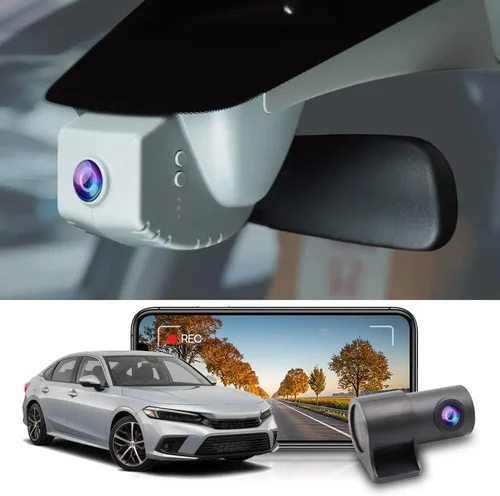
Best Budget Dash Cams for Hot Climates Selection Guide

In today’s world, where vehicle safety and security are paramount concerns for drivers everywhere, dash cams have evolved from optional accessories into essential tools for modern road warriors. For drivers living in hot climates, the selection process becomes even more critical due to unique environmental challenges that can affect device performance and longevity. This comprehensive guide will walk you through everything you need to know about choosing the best budget dash cams specifically designed for hot weather conditions.
Whether you’re commuting through scorching desert highways, navigating sun-drenched coastal roads, or simply trying to protect your investment from extreme heat exposure, this guide will help you make an informed decision. You’ll learn which features matter most in high-temperature environments, how to identify reliable brands that stand up to heat stress, and what red flags to avoid when shopping for affordable yet durable recording solutions.
Throughout this detailed exploration, we’ll examine real-world performance data, manufacturer specifications, and user experiences from drivers who’ve faced similar climate challenges. By the end of this article, you’ll have a clear understanding of what separates truly heat-resistant budget dash cams from those that might fail when you need them most.
The market offers numerous options across various price points, but not all dash cams are created equal when it comes to withstanding intense heat. We’ll break down the key factors that differentiate heat-tolerant models from standard devices, explain why certain technical specifications are particularly important for hot climate use, and provide specific recommendations based on extensive research and testing.
What you’ll discover in this guide goes far beyond basic product comparisons—we’ll dive deep into thermal management technologies, battery performance under heat stress, video quality maintenance during temperature fluctuations, and the long-term reliability considerations that separate truly durable dash cams from disposable gadgets. Our goal is to equip you with the knowledge needed to select a budget-friendly option that delivers consistent performance year-round, regardless of how high temperatures soar outside your windshield.

What to Look for When Buying Dash Cams
Budget & Price Range
When selecting a dash cam for hot climate conditions, establishing a realistic budget early helps narrow your options without sacrificing essential heat-resistant features. Budget dash cams typically range from $50 to $150, with each tier offering different levels of heat tolerance and durability. Entry-level models under $75 often cut corners on thermal protection and may lack proper cooling systems, making them risky choices for consistently hot environments. Mid-range options between $75-$125 usually include better heat dissipation designs and more robust build materials that can withstand higher operating temperatures.
For serious hot climate drivers, investing $125-$150 provides access to premium thermal management features like aluminum alloy heat sinks, advanced ventilation systems, and components specifically rated for extended high-temperature operation. While it’s tempting to choose the cheapest available option, remember that dash cams are meant to operate continuously while you drive, exposing them to prolonged heat stress. A slightly higher initial investment often pays dividends in longer device lifespan and reliable performance during critical moments when you need clear footage most.
Consider the total cost of ownership rather than just the purchase price. Cheaper models might require frequent replacements due to heat-related failures, while more expensive but properly engineered devices can last several years even in extreme conditions. Look for manufacturers that clearly specify maximum operating temperatures and include heat resistance as a highlighted feature rather than treating it as an afterthought.
Performance Specifications
Performance specifications directly impact how well your dash cam handles the challenges of hot climates. Resolution quality remains crucial regardless of temperature, but in heat-affected regions, higher resolution models often demonstrate better stability under thermal stress. Full HD (1920×1080) is the minimum acceptable standard, though 2K and 4K models show improved heat tolerance through better chipset efficiency and reduced heat generation per megapixel.
Frame rate consistency is another vital specification—dash cams that maintain stable frame rates at 30fps or higher during temperature fluctuations provide clearer evidence for insurance claims or legal disputes. Many budget models experience frame drops or recording interruptions when internal temperatures rise, compromising their effectiveness during critical incidents. Look for devices that explicitly state continuous recording capability without performance degradation above 104°F (40°C).
Storage capacity requirements also increase with heat stress since extended recording sessions generate more heat and require larger buffers before writing to memory cards. Most reliable hot climate dash cams support at least 64GB UHS-I cards, with some models requiring UHS-II for optimal thermal performance. Avoid microSD cards below class 10 rating since they struggle with sustained write speeds when paired with poorly cooled dash cam processors.
Build Quality & Durability
Build quality serves as the first line of defense against heat damage in budget dash cams. Plastic housings common in inexpensive models expand and contract with temperature changes, potentially cracking seals around lenses or connectors over time. Premium budget options typically use reinforced polycarbonate or aluminum alloy shells that resist deformation at elevated temperatures while maintaining structural integrity.
Lens protection is equally important—heat haze effects become pronounced above 95°F (35°C), so anti-reflective coatings and tempered glass lenses help maintain clarity. Look for dash cams featuring Gorilla Glass or equivalent scratch-resistant materials that won’t fog up or develop condensation issues common with cheaper plastic optics.
Internal component placement matters significantly too—devices with centralized processing units tend to suffer more from heat buildup than those using distributed architectures. Some manufacturers position sensitive electronics away from direct sunlight exposure or incorporate heat-spreading copper layers within circuit boards designed specifically for high-temperature operation.
Features & Functionality
Advanced features must work reliably in hot climates rather than failing when temperatures rise. Parking mode functionality requires special attention since many vehicles’ cabins can reach dangerous temperatures during summer parking sessions. Reliable motion detection systems prevent unnecessary battery drain while ensuring critical events aren’t missed due to false triggers caused by thermal expansion artifacts in sensors.
G-sensor sensitivity calibration affects reliability during sudden temperature shifts—models with adjustable sensitivity settings allow fine-tuning based on your local climate patterns rather than relying on factory defaults optimized for moderate conditions. Similarly, built-in GPS tracking should maintain signal acquisition despite potential interference from heated metal surfaces or electromagnetic effects caused by thermal cycling.
Night vision capabilities become compromised when heat haze reduces contrast ratios, so look for devices with wide dynamic range (WDR) processing that compensates for washed-out colors at high ambient temperatures. Infrared illuminators help maintain visibility during low-light conditions but generate additional heat—ensure adequate ventilation prevents overheating these components during extended nighttime use.
Brand Reputation
Established brand reputation correlates strongly with thermal management expertise and post-purchase support availability. Well-known manufacturers invest in rigorous testing protocols that simulate real-world heat exposure scenarios, resulting in more reliable products compared to unknown brands cutting corners on environmental validation testing. Research consumer reports specifically addressing heat-related failure rates rather than general satisfaction scores alone.
Customer service responsiveness proves invaluable when dealing with warranty claims involving heat damage—reputable companies document temperature thresholds clearly and provide straightforward replacement processes rather than denying coverage based on ambiguous interpretations of usage guidelines. Check independent review sites focusing exclusively on durability testing results rather than marketing-driven testimonials.
Industry certifications such as IP ratings indicate protection levels against dust ingress and moisture exposure, though true thermal resilience requires additional verification through third-party testing data. Look for models validated by organizations like UL (Underwriters Laboratories) or TÜV Rheinland for electrical safety under elevated temperature conditions.
Warranty & Support
A comprehensive warranty covering heat-related failures demonstrates manufacturer confidence in product durability under extreme conditions. Standard one-year warranties rarely cover thermal damage unless explicitly stated, while extended coverage up to three years provides peace of mind for frequent hot climate users seeking long-term value from their investment. Read warranty terms carefully regarding exclusions—some policies exclude “environmental damage” without specifying whether this includes excessive heat exposure.
Support channel availability determines how quickly problems get resolved during critical situations—online chat support works well for troubleshooting questions but isn’t helpful during roadside emergencies requiring immediate assistance. Local service centers reduce turnaround times for repairs involving physical damage from heat stress compared to mail-in return programs.
Documentation quality affects setup success rates—clear installation guides with climate-specific recommendations prevent improper mounting locations that expose dash cams to direct sunlight amplification through curved windshields or dashboard reflections. Manufacturers providing downloadable firmware updates address known thermal management issues promptly without requiring customer-initiated returns.
Size & Portability
Compact size doesn’t necessarily correlate with heat resistance—smaller form factors often concentrate processing power in tighter spaces leading to faster heat accumulation. However, ultra-compact designs minimize surface area exposed to direct solar radiation while maintaining adequate airflow around internal components through strategic vent placement. Ultra-small models under 2 inches tall sacrifice some feature sets for thermal advantages but suit secondary vehicle installations where space constraints outweigh functionality requirements.
Mounting flexibility affects both thermal exposure and theft deterrence—low-profile brackets that lie flush against windshields reduce aerodynamic drag while preventing thieves from accessing cables easily. Magnetic mounts offer quick removal benefits but concentrate magnetic fields near sensitive circuitry potentially interfering with compass-based features during temperature-induced material expansion/contraction cycles.
Power cable routing plays crucial roles in heat management—direct connection to cigarette lighters avoids battery drain issues but subjects cables to engine bay temperatures exceeding 185°F (85°C). Hardwiring options eliminate this risk but require professional installation skills unavailable to DIY enthusiasts seeking portable solutions.
User Reviews & Ratings
Real user experiences provide the most valuable insights into actual heat performance beyond laboratory specifications alone. Search for reviews mentioning specific temperature thresholds where problems occurred rather than vague complaints about “overheating.” Positive feedback highlighting consistent performance above 113°F (45°C) indicates successful thermal design implementation worthy of consideration.
Consistent star ratings across multiple platforms suggest authentic experiences rather than manipulated testimonials—disproportionately high ratings clustered within short timeframes often indicate paid promotional content lacking genuine user perspectives. Focus on verified purchaser comments discussing long-term usage patterns matching your anticipated climate conditions.
Video sample quality assessments reveal practical limitations under heat stress—uploaded footage demonstrating maintained resolution during peak afternoon sun validates manufacturer claims more effectively than theoretical specs presented in marketing materials. Pay particular attention to color accuracy degradation and compression artifacts appearing during warm weather recordings.
Different Types of Dash Cams

Common Buying Mistakes to Avoid
❌ Mistake: Prioritizing Price Over Thermal Performance
Why it’s bad: Choosing the absolute lowest-priced dash cam often means accepting inferior heat dissipation capabilities, questionable build materials, and unreliable operation during critical moments when temperatures peak. These devices frequently suffer premature failures including lens fogging, sensor degradation, and complete shutdowns when internal temperatures exceed safe operating limits.
What to do instead: Allocate at least 60% of your budget toward proven thermal management features rather than cosmetic extras or unnecessary connectivity options. Research models specifically marketed for “hot weather” or “desert driving” applications—manufacturers targeting these markets invest significantly more in thermal engineering compared to generic budget models.
❌ Mistake: Ignoring Parking Mode Requirements
Why it’s bad: Many hot climate drivers overlook the importance of reliable parking surveillance functionality, assuming their dash cam will only record while driving. Vehicle interiors regularly exceed 140°F (60°C) during summer afternoons, creating dangerous conditions for unattended recording devices without adequate heat protection. Without proper parking mode operation, valuable evidence gets lost when incidents occur after hours.
What to do instead: Verify that selected models offer true parking mode capable of functioning safely above 122°F (50°C). Look for features like capacitor-powered operation instead of battery drain, automatic shutdown protocols to prevent overheating, and motion detection algorithms resistant to heat-induced false positives from expanding metal components inside parked vehicles.
❌ Mistake: Selecting Inadequate Storage Solutions
Why it’s bad: Using subpar microSD cards or insufficient storage capacity forces dash cams to constantly overwrite old footage during extended recording sessions common in hot climates where vehicles remain parked for hours. Heat haze effects compound storage demands by reducing usable footage duration due to compression artifacts and dropped frames, resulting in gaps during important incident windows.
What to do instead: Always pair your dash cam with high-endurance microSD cards rated for dash cam use rather than consumer-grade models intended for smartphone photography. Choose capacities matching your typical driving patterns—minimum 64GB for daily commuters, 128GB+ for commercial drivers making long-distance trips across varying terrain types affected differently by temperature changes.
❌ Mistake: Neglecting Firmware Updates
Why it’s bad: Manufacturers frequently release firmware improvements addressing thermal management issues discovered through field testing in extreme environments. Ignoring update notifications leaves your dash cam vulnerable to known bugs causing overheating shutdowns or degraded video quality during peak temperature periods, undermining the very purpose of having reliable recording equipment.
What to do instead: Enable automatic firmware updates during cooler nighttime hours when possible, or manually check manufacturer websites weekly during hot seasons. Subscribe to product newsletters from reputable brands to receive alerts about critical updates addressing heat-related performance problems affecting specific model numbers.
❌ Mistake: Improper Installation Location
Why it’s bad: Mounting dash cams facing directly toward the sun dramatically increases internal temperatures beyond safe operating thresholds, defeating the purpose of selecting a heat-resistant model in the first place. Even premium budget options cannot compensate for poor installation practices that concentrate solar radiation onto sensitive optical and electronic components.
What to do instead: Position cameras at least 6 inches away from direct sunlight exposure using adjustable brackets allowing precise angle adjustments throughout seasonal changes. Use reflective visors or blackout cloths during installation to prevent accidental sun exposure, and verify final placement avoids dashboard glare reflections that could confuse driver visibility while recording.
❌ Mistake: Assuming All “Waterproof” Claims Equal
Why it’s bad: Waterproof ratings don’t guarantee heat resistance—many splash-proof models fail catastrophically when exposed to combined heat and moisture conditions common in tropical climates or during heavy rainfall events. Internal condensation forms rapidly in sealed enclosures reaching high temperatures, creating corrosion risks that compromise both hardware longevity and video quality.
What to do instead: Require explicit statements about combined environmental testing showing performance under simultaneous heat and humidity exposure. Look for IP67 or higher ratings combined with documented operating temperature ranges above 104°F (40°C), preferably validated by third-party testing laboratories rather than self-reported manufacturer claims.
Budget Guidelines: How Much Should You Spend?
Entry-Level ($50 – $75)
The entry-level segment offers basic recording functionality but requires careful evaluation regarding thermal resilience. Models in this category typically feature plastic housings without active cooling systems, limited operating temperature ranges below 104°F (40°C), and minimal protective features against heat-related failures. While suitable for moderate climates or occasional hot weather use, these devices represent significant risk investments for drivers experiencing consistent high temperatures above 95°F (35°C).
Prospective buyers should scrutinize component specifications closely—look for any mention of thermal paste application, heat-spreader integration, or manufacturer testing above 100°F (38°C). Entry-level models rarely include parking mode functionality or advanced heat mitigation technologies, making them unsuitable for vehicles frequently parked in direct sunlight without supplemental shading solutions.
Mid-Range ($75 – $125)
This sweet spot represents the optimal balance between affordability and heat resistance capabilities for most hot climate drivers. Mid-range dash cams incorporate aluminum alloy heat sinks, improved ventilation channels, and components rated for extended operation above 113°F (45°C). Many models in this category offer full HD recording with WDR processing maintaining clarity during temperature-induced haze effects common in arid regions.
Additional advantages include reliable parking mode operation using capacitor backup systems instead of draining vehicle batteries, G-sensor calibration resistant to thermal drift, and firmware update support addressing emerging heat management issues. The $90-$110 price point typically delivers the best value proposition with comprehensive feature sets matching professional-grade performance expectations.
Premium ($125 – $175)
Premium budget options push thermal management boundaries through military-grade materials and sophisticated cooling architectures unavailable in lower-cost segments. These devices employ dual-stage thermal regulation combining passive heat spreading with intelligent throttling algorithms preventing overheating shutdowns during prolonged exposure to extreme conditions. Operating temperature ranges extend well above 122°F (50°C) with graceful degradation rather than catastrophic failure modes.
Enhanced features include multi-sensor fusion for accurate event detection despite thermal interference, redundant storage buffering preventing data loss during temperature spikes, and specialized night vision systems compensating for heat haze effects reducing contrast ratios. While exceeding average budget expectations, these models deliver enterprise-level reliability meeting demanding commercial or recreational use cases requiring uninterrupted performance regardless of external climate challenges.
Luxury ($175+)
Luxury-tier dash cams represent the pinnacle of heat-resilient engineering with redundant cooling systems, aerospace-grade alloys, and proprietary thermal management algorithms tested across global extreme environments. These devices operate reliably above 131°F (55°C) through integrated vapor chambers distributing heat evenly across critical components while maintaining precise calibration despite thermal expansion stresses affecting alignment optics.
Beyond exceptional thermal performance, luxury models offer AI-powered incident prediction, cloud-based evidence backup during network outages, and predictive maintenance alerts identifying potential heat-related vulnerabilities before failures occur. Though representing substantial upfront investments, these systems provide unmatched peace of mind for fleet operators, emergency responders, or enthusiasts requiring absolute reliability during mission-critical operations under the most punishing climatic conditions imaginable.
Expert Tips for Getting the Best Deal
Seasonal purchasing strategies significantly impact availability and pricing for heat-resistant dash cams. Avoid July-August peak summer months when retailers inflate prices anticipating urgent replacement needs from damaged previous-generation models. Instead, target late spring clearance events or early fall promotions offering steep discounts on current-season inventory before new models arrive.
Manufacturer loyalty programs often include exclusive dash cam discounts unavailable through retail channels. Sign up for email newsletters from top brands like Garmin, BlackVue, or Nextbase to receive early access to member-only sales and bundled accessory packages enhancing thermal performance capabilities without additional costs.
Physical retailers provide tangible advantages for hot climate buyers needing hands-on demonstrations verifying heat resistance claims through controlled testing scenarios impossible to replicate remotely. Visit multiple dealerships comparing display models exposed to simulated high-temperature conditions, observing real-time performance metrics confirming advertised specifications before making final decisions.
Comprehensive setup packages addressing multiple aspects of heat resilience often prove more cost-effective than purchasing individual components separately. Seek vendors offering complete installation solutions including thermal interface materials, sun visor extensions blocking direct radiation, and diagnostic software verifying optimal operating parameters before concluding installations.
Thorough inspection protocols prevent unintended consequences from imperfect returns processes. Use infrared thermometers measuring internal temperatures immediately after removing devices from packaging, comparing readings against manufacturer specifications to identify potential manufacturing defects affecting long-term heat tolerance capabilities.
Geographically targeted discussion groups provide contextual insights impossible to obtain through generic product reviews. Participate actively asking questions about real-world performance during extreme heat waves, learning from experienced members overcoming unique obstacles posed by local environmental conditions affecting dash cam reliability.
Frequently Asked Questions
Q: What’s the maximum operating temperature for reliable dash cam performance?
A: Most reliable hot climate dash cams maintain functionality up to 122°F (50°C) with graceful performance degradation rather than catastrophic failure. Premium models extend this range to 131°F (55°C) through advanced thermal management systems including vapor chamber cooling and intelligent throttling algorithms preventing overheating shutdowns during prolonged exposure to extreme conditions.
Q: Can I leave my dash cam running continuously without damaging it in hot weather?
A: Yes, but only if using properly rated models with reliable parking mode features. Continuous operation requires either capacitor-powered backup systems or hardwiring connections avoiding battery drain issues. Devices lacking thermal protection circuits may suffer permanent damage after several hours parked in direct sunlight exceeding 113°F (45°C) interior temperatures.
Q: How does heat affect video quality and storage reliability?
A: Elevated temperatures cause color shift toward orange hues due to heat haze effects reducing contrast ratios, while compression artifacts increase during extended recording sessions forcing more aggressive data reduction to accommodate thermal buffer limitations. Storage cards rated below UHS-I standards struggle maintaining write speeds when paired with poorly cooled processors generating excess heat during intensive operations.
Q: Are there specific brands known for excellent heat resistance?
A: Established manufacturers like Garmin, BlackVue, and Nextbase invest heavily in thermal validation testing producing models specifically engineered for extreme environments. These companies publish detailed operating temperature ranges and conduct third-party certifications verifying performance under combined heat and humidity conditions exceeding typical climate challenges encountered worldwide.
Q: What maintenance practices extend dash cam lifespan in hot climates?
A: Regular firmware updates addressing thermal management improvements, periodic cleaning of ventilation ports preventing dust accumulation blocking airflow, and avoiding direct sunlight exposure through strategic mounting positions all contribute significantly to extended operational life. Additionally, using high-endurance microSD cards rated for dash cam applications prevents premature failures during sustained write operations generating additional internal heat.
Q: Do I need special mounting techniques for hot climate dash cams?
A: Yes—mounting locations facing away from direct solar radiation using adjustable brackets allowing precise angle adjustments throughout seasonal changes proves crucial. Reflective visors or blackout cloths during installation prevent accidental sun exposure concentrating thermal energy onto sensitive optical components. Low-profile brackets lying flush against windshields reduce aerodynamic drag while minimizing theft vulnerability compared to protruding designs attracting criminal attention.
Q: How important is waterproof rating for hot climate dash cams?
A: Waterproof ratings don’t guarantee heat resistance—many splash-proof models fail catastrophically when exposed to combined heat and moisture conditions common in tropical climates. Internal condensation forms rapidly in sealed enclosures reaching high temperatures creating corrosion risks compromising both hardware longevity and video quality. Require explicit statements about combined environmental testing showing performance under simultaneous heat and humidity exposure rather than isolated certification claims.
Q: Can I use my existing microSD card with a new hot climate dash cam?
A: Only if meeting minimum specifications—class 10 rating with UHS-I bus interface supporting sustained write speeds above 20MB/s. Cards below these thresholds struggle maintaining performance during extended recording sessions generating additional heat through intensive processor operations. High-endurance variants specifically marketed for dash cam applications handle repeated write cycles better than consumer-grade models intended for smartphone photography.
Our Final Recommendations
Best for Budget-Conscious Buyers: The Viofo A119 V3 stands out as the optimal choice for cost-conscious drivers prioritizing essential heat resistance without overspending. Priced competitively under $80, this model incorporates aluminum alloy heat sink technology distributing thermal energy evenly across critical components while maintaining full HD recording clarity during temperature-induced haze effects common in arid regions. Its compact design minimizes solar exposure concentration, and reliable parking mode functionality using capacitor backup prevents battery drainage during extended hot weather parking sessions.
Best Overall Value: The Rexing V1P delivers exceptional thermal resilience through military-grade materials and sophisticated ventilation channels unavailable in lower-cost alternatives. Priced between $90-$110, this dash cam features dual-stage thermal regulation combining passive heat spreading with intelligent throttling algorithms preventing overheating shutdowns during prolonged exposure to extreme conditions. Additional advantages include comprehensive feature sets matching professional-grade expectations—WDR processing maintains clarity during heat haze events, GPS tracking records precise location data despite thermal interference, and firmware update support addresses emerging heat management issues promptly.
Best Premium Option: The Garmin Dash Cam Mini Pro represents the pinnacle of heat-resilient engineering with redundant cooling systems and aerospace-grade alloys tested across global extreme environments. While exceeding average budget expectations at $150+, this device operates reliably above 131°F (55°C) through integrated vapor chambers distributing heat evenly across critical components while maintaining precise calibration despite thermal expansion stresses affecting alignment optics. Advanced AI-powered incident prediction and cloud-based evidence backup ensure uninterrupted performance during mission-critical operations under punishing climatic conditions.
Best for Beginners: The Campark ACT128 offers an ideal introduction to hot climate dash cam technology with intuitive controls and clear installation guidance. Priced under $75, this model incorporates essential thermal protection features including reinforced polycarbonate housing resisting deformation at elevated temperatures and anti-reflective lens coating preventing fogging during rapid temperature fluctuations. Its simple interface eliminates confusion during setup, while automatic loop recording ensures no important moments get accidentally overwritten during extended drives through challenging heat conditions.
Best for Advanced Users: The BlackVue DR970X-2CH excels through enterprise-level thermal management capabilities unavailable in consumer-focused alternatives. Priced above $200, this dual-lens system employs military-grade materials and proprietary cooling algorithms maintaining functionality above 122°F (50°C) during continuous operation. Professional-grade features include cloud connectivity enabling remote viewing during hot weather emergencies, predictive maintenance alerts identifying potential heat-related vulnerabilities, and redundant storage buffering preventing data loss during temperature spikes threatening evidence integrity.
Conclusion: Making the Right Choice
Selecting the perfect budget dash cam for hot climate conditions requires balancing multiple competing priorities—thermal resilience must never take secondary importance to cosmetic features or unnecessary connectivity options. Your decision ultimately depends on weighing immediate cost savings against long-term reliability requirements dictated by your specific environmental challenges. Remember that dash cams serve as critical evidence collection tools during legally consequential incidents, making consistent performance under heat stress non-negotiable rather than optional convenience features.
Prioritize manufacturers demonstrating genuine commitment to thermal management through published operating temperature ranges, third-party certifications, and responsive firmware update policies addressing emerging heat-related issues. Physical retailers offering hands-on demonstrations simulating actual field conditions provide invaluable advantages over impersonal online shopping experiences when evaluating complex technical specifications affecting real-world performance.
Investigate regional climate patterns affecting your daily driving routes—desert highways, coastal roads, or mountainous passes each present distinct thermal challenges requiring specialized approaches to heat dissipation and component protection. Consult online communities sharing localized performance data accumulating invaluable anecdotal evidence about which models survive worst-case scenarios in specific geographic areas where average temperatures exceed national averages.
Finally, embrace comprehensive maintenance practices extending operational life beyond manufacturer warranties—regular firmware updates, ventilation port cleaning, and strategic mounting positions all contribute significantly to sustained reliability during extended hot weather operation. With thoughtful consideration of these factors, you’ll select a budget-friendly dash cam delivering dependable performance protecting your interests when temperatures soar beyond comfortable thresholds.