Expert Dash Cam Buying Guide for Night Recording
When it comes to vehicle safety and accident documentation, few automotive accessories offer as much peace of mind as a high-quality dash cam. However, in today’s market filled with hundreds of models from various manufacturers, choosing the right dash cam—especially one optimized for night recording—can feel overwhelming. This comprehensive buying guide cuts through the noise and provides expert-level insights to help you make an informed decision.
Whether you’re a daily commuter, a frequent road tripper, or simply want added security for your vehicle, understanding how dash cams perform in low-light conditions is crucial. Many drivers assume that any dash cam will capture decent footage at night, but this couldn’t be further from the truth. The technology behind night vision varies dramatically between models, and selecting one without proper knowledge could leave you with blurry, useless footage when you need it most.
In this detailed guide, we’ll walk you through everything you need to know about dash cams specifically engineered for nighttime performance. From critical technical specifications like sensor size and low-light sensitivity to practical considerations such as parking mode and storage options, you’ll gain the expertise required to identify the best dash cam for night recording that fits your specific needs, budget, and driving habits. We’ll also examine real-world testing scenarios, compare top-performing models across different price tiers, and provide actionable advice from industry professionals who have tested dozens of devices over multiple years.
The dash cam market has evolved significantly in recent years, transitioning from simple loop-recording cameras to sophisticated surveillance systems capable of capturing crystal-clear footage even in complete darkness. Today’s advanced models incorporate features like HDR (High Dynamic Range), starlight sensors, infrared illumination, and AI-powered motion detection—all designed to enhance nighttime visibility. Understanding these technologies and their practical applications will empower you to choose a device that delivers reliable evidence when every second counts.
As we explore the landscape of dash cams optimized for night recording, you’ll discover why investing in proper night vision capabilities isn’t just beneficial—it’s essential for anyone serious about vehicle protection. From understanding sensor types and image processing algorithms to evaluating build quality and warranty coverage, this guide leaves no stone unturned. By the time you finish reading, you’ll possess the knowledge necessary to confidently select a dash cam that performs exceptionally well in low-light environments while offering additional features that enhance overall functionality and reliability.
What to Look for When Buying Dash Cams

What to Look for When Buying Dash Cams
1. Sensor Size and Type
The foundation of any dash cam’s imaging capability begins with its image sensor. Larger sensors generally capture more light and produce better low-light performance, making them ideal for night recording. Most dash cams use CMOS (Complementary Metal-Oxide-Semiconductor) sensors, with sizes typically measured in inches diagonally.
Full HD dash cams commonly feature 1/2.7″ or 1/2.8″ sensors, which offer adequate performance for everyday driving. However, premium models often utilize larger 1/2.5″ or even 1/2.3″ sensors that excel in dim lighting conditions. Some high-end dash cams incorporate Sony Starvis sensors—a specialized CMOS technology renowned for exceptional light sensitivity and color reproduction in dark environments.
It’s important to note that sensor size alone doesn’t guarantee superior night performance; equally critical are pixel size (measured in micrometers), backside illumination (BSI) technology, and overall sensor design. A larger sensor with poor pixel architecture may underperform compared to a smaller sensor with advanced manufacturing techniques. Always research both the sensor specifications and real-world user reviews regarding low-light performance before making your selection.
2. Resolution and Video Quality
While resolution doesn’t directly correlate with night recording quality, higher-resolution dash cams typically offer better detail retention and cropping flexibility. Standard Full HD (1920×1080) remains sufficient for most users, but many modern dash cams now support 2K (2560×1440) or even 4K Ultra HD recording.
Higher resolutions mean each frame contains more pixels, allowing you to zoom in on distant license plates or facial details without significant quality loss. For nighttime driving, this becomes particularly valuable when reviewing footage after an incident. However, keep in mind that recording at higher resolutions increases file sizes and requires faster write speeds from your memory card.
Additionally, consider whether your chosen dash cam offers true 1080p recording or merely upscales lower-resolution content. Upscaling produces inferior results compared to native high-definition recording. Also examine bitrate settings—higher bitrates preserve more detail but generate larger files. Look for adjustable bitrate options so you can balance quality versus storage requirements based on your usage patterns.
Many premium dash cams now incorporate HDR (High Dynamic Range) technology, which dynamically adjusts exposure levels within a single frame to prevent overexposure in bright areas while maintaining detail in shadows. This feature proves especially useful during dawn or dusk transitions when lighting conditions change rapidly.
3. Low-Light Sensitivity and Night Vision Technology
This factor represents the core of our discussion—night recording capability. Beyond basic sensor specifications, several technological advancements specifically target improved performance in dark conditions:
- Wide Aperture Lens: Lenses with f/1.6 or wider apertures allow more light to reach the sensor compared to narrower f/2.0 or f/2.4 lenses. This difference becomes immediately apparent in pitch-black conditions.
- Starlight Sensors: As mentioned earlier, Sony’s Starvis sensors represent a breakthrough in low-light imaging, capable of capturing color video in extremely dark environments where traditional sensors would produce only black-and-white images.
- Infrared Illumination: Some dash cams include built-in IR LEDs that emit invisible light toward reflective surfaces like license plates or vehicle interiors. While effective, IR illumination reduces color accuracy and may cause overexposure if not properly calibrated.
- Dynamic Noise Reduction: Advanced image processing algorithms reduce visual noise (graininess) that commonly appears in low-light footage without sacrificing shadow detail.
- Exposure Control: Automatic exposure adjustment prevents washout from headlights while preserving detail in darker areas of the frame.
When evaluating night performance, look beyond marketing claims and instead focus on real-user testimonials regarding actual nighttime driving scenarios. Professional reviewers often conduct controlled tests using standardized lighting conditions to provide objective comparisons between models.
4. Field of View (FOV)
The field of view determines how much of the road ahead (and sometimes surroundings) your dash cam captures simultaneously. Standard dash cams typically offer diagonal FOVs ranging from 110° to 150°. A wider angle provides more comprehensive coverage but introduces perspective distortion at frame edges—a phenomenon known as “fisheye effect.” Modern dash cams address this through lens correction software that straightens curved lines in post-processing.
For night recording specifically, consider how FOV interacts with lighting conditions. Wider angles may capture more ambient light sources, potentially improving overall scene brightness. However, excessive width can compromise license plate readability due to reduced pixel density per inch of road surface.
Most experts recommend a balanced approach: a horizontal FOV of approximately 120° strikes an optimal compromise between coverage area and image clarity. Some dual-camera systems offer separate front and rear units with customized FOVs tailored to each position’s requirements.
5. Storage Capacity and Write Speed Requirements
Nighttime recording generates substantial data due to increased noise reduction processing and higher bitrates needed to maintain detail in dim conditions. Your memory card must meet minimum write speed specifications to avoid dropped frames or interrupted recordings.
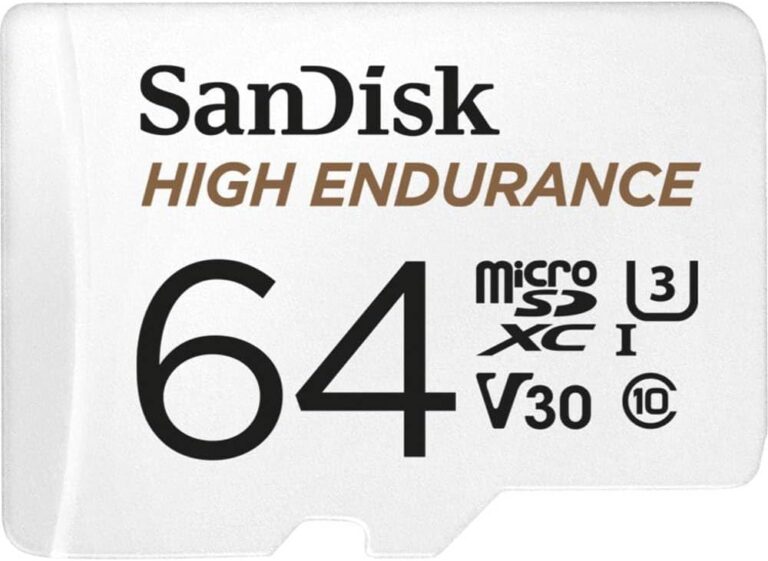
Class 10 SD cards (UHS-I or UHS-II) represent the baseline requirement for most dash cams, though 4K models often demand UHS-III or V30-rated cards capable of sustained write speeds above 30MB/s. Always check manufacturer recommendations regarding compatible card types and capacities.
Consider your typical driving duration when selecting storage size. A full day of continuous recording can consume 128GB of space depending on resolution and compression settings. Many dash cams automatically overwrite oldest footage when storage fills, but this loop recording behavior means you might miss recent events unless equipped with G-sensor triggered event locking.
6. Parking Mode Capabilities
Parking mode extends your dash cam’s monitoring beyond active driving hours by recording when your vehicle is stationary and parked. This feature proves invaluable for theft prevention and hit-and-run documentation. However, nighttime parking mode presents unique challenges due to limited power availability and potential battery drain concerns.
Look for dash cams with intelligent parking modes that activate only when motion or impact is detected, rather than running continuously. Some models incorporate capacitor-based power systems instead of relying solely on vehicle batteries, reducing strain on your car’s electrical system.
Advanced parking modes may include features like time-lapse recording (lower frame rate to conserve storage) and scheduled activation windows. Ensure your selected model supports proper voltage cutoff protection to prevent deep discharge of your vehicle battery.
7. Build Quality and Weather Resistance
Dash cams frequently operate in harsh environmental conditions—extreme temperatures, direct sunlight exposure, moisture, and dust. Robust construction ensures reliable operation year-round regardless of weather extremes.
IP rating certification (Ingress Protection) indicates resistance against solids and liquids. While few consumer dash cams carry official IP ratings, reputable brands often specify operating temperature ranges and protective measures like anti-reflective coatings and sealed housings.
Mounting hardware durability matters too—cheap suction cups degrade quickly under heat stress, while metal brackets resist deformation better than plastic alternatives. Consider dash cams with flexible mounting arms that accommodate varying windshield angles without compromising stability.
Different Types of Dash Cams
Different Types of Dash Cams

Common Buying Mistakes to Avoid
Common Buying Mistakes to Avoid
❌ Mistake: Prioritizing Price Over Night Performance
Why it’s bad: Many buyers mistakenly assume that spending less money guarantees adequate nighttime recording. In reality, cheap dash cams often employ inferior sensors, narrow apertures, and minimal image processing—resulting in grainy, washed-out footage that fails to capture critical details during low-light incidents.
What to do instead: Allocate at least 60-70% of your budget toward night recording capability. Research models specifically marketed for enhanced low-light performance, and prioritize those featuring Sony Starvis sensors or similar advanced imaging technology regardless of overall price point.
❌ Mistake: Ignoring Storage Requirements
Why it’s bad: Assuming that any microSD card will work leads to frequent recording interruptions and lost footage. Lower-quality cards cannot sustain the write speeds required for high-bitrate night recordings, causing frame drops and corrupted files.
What to do instead: Always purchase cards rated for dash cam use (look for V30 or higher speed classes). Calculate your storage needs based on expected recording duration and enable automatic overwrite only when necessary. Consider carrying spare cards for extended trips.
❌ Mistake: Overlooking Power Management Features
Why it’s bad: Failing to understand parking mode implications can drain your vehicle battery overnight, leaving you stranded when needed most. Some dash cams lack proper voltage protection, risking permanent damage to your electrical system.
What to do instead: Choose models with intelligent parking modes that activate only upon detecting motion or impact. Verify compatibility with your vehicle’s electrical system and consider installing a dedicated fuse tap to isolate the dash cam circuit.
❌ Mistake: Relying Solely on Marketing Claims
Why it’s bad: Manufacturers often exaggerate night performance through staged demonstrations that don’t reflect real-world conditions. Without independent verification, you risk purchasing a device that looks impressive in controlled environments but disappoints during actual nighttime driving.
What to do instead: Consult multiple review sources including professional testing videos, user forums, and comparison charts. Pay particular attention to reviews conducted in various lighting conditions and geographic locations to assess consistency.
❌ Mistake: Neglecting Firmware Updates
Why it’s bad: Dash cam manufacturers frequently release firmware updates that improve image processing algorithms, fix bugs, and enhance night performance. Ignoring these updates means missing out on potential improvements and leaving your device vulnerable to known issues.
What to do instead: Regularly check manufacturer websites and mobile apps for available updates. Enable automatic notifications when possible, and schedule monthly checks to ensure your device operates with the latest optimizations.
❌ Mistake: Choosing Based on Aesthetics Alone
Why it’s bad: While sleek designs may appeal visually, they sometimes compromise functionality. Bulbous housings, protruding buttons, or awkward cable routing can obstruct driver visibility or become loose over time, creating safety hazards.
What to do instead: Prioritize compact, flush-mounted designs that minimize visual intrusion. Test mounting options in-store when possible, and opt for models with secure, vibration-resistant connections rather than purely cosmetic appeal.
❌ Mistake: Forgetting About Legal Considerations
Why it’s bad: In some regions, recording audio without consent violates privacy laws. Additionally, improper installation may violate local regulations regarding windshield obstructions or electronic devices.
What to do instead: Research your jurisdiction’s laws regarding dash cam usage before purchasing. Disable audio recording if prohibited, and ensure your device doesn’t block airbag deployment zones or exceed maximum allowable size dimensions.
Budget Guidelines: How Much Should You Spend?
Budget Guidelines: How Much Should You Spend?
Entry-Level ($50 – $100)
This price range offers basic dash cam functionality suitable for occasional use and daytime recording. While some models claim decent night performance, they typically sacrifice image quality and reliability for affordability. Expect limited features like fixed FOV, basic motion detection, and minimal build quality.
Recommended for: Budget-conscious drivers who primarily need evidence collection during daylight hours or live in consistently well-lit urban areas. Not ideal for frequent nighttime driving or adverse weather conditions.
Mid-Range ($100 – $250)
The sweet spot for most buyers seeking balanced performance across all conditions. Mid-range dash cams typically deliver excellent night recording thanks to upgraded sensors, wider apertures, and refined image processing algorithms. You’ll find features like GPS tracking, Wi-Fi connectivity, and robust parking mode implementations.
Recommended for: Daily commuters, weekend travelers, and families requiring reliable evidence capture during both day and night driving. Represents the best value proposition considering feature-to-performance ratio.
Premium ($250 – $400)
Top-tier dash cams targeting enthusiasts and professionals who demand maximum performance regardless of cost. These devices incorporate cutting-edge technologies like 4K recording, HDR, advanced night vision modes, and sophisticated AI-driven event detection. Build quality reaches industrial standards with military-grade components and extensive weatherproofing.
Recommended for: Commercial fleet operators, long-distance truckers, automotive journalists, and anyone requiring forensic-grade footage for legal proceedings or insurance claims.
Luxury ($400+)
Ultra-premium dash cams representing the pinnacle of automotive surveillance technology. Features may include multi-spectral imaging, thermal cameras, satellite connectivity, and cloud-based analytics platforms. Often bundled with professional installation services and extended warranty coverage.
Recommended for: High-net-worth individuals, luxury vehicle owners, and specialized applications like racing teams or government agencies requiring uncompromising reliability and data integrity.
Expert Tips & Pro Advice
Expert Tips for Getting the Best Deal
Timing Your Purchase Strategically
Avoid buying immediately after major holidays when retailers clear inventory at steep discounts. Instead, wait for seasonal sales events like Black Friday, Cyber Monday, or end-of-year promotions when manufacturers offer bundle deals including extra memory cards or mounting accessories. Electronics retailers frequently discount older models as new versions launch, providing opportunities to acquire premium features at mid-range prices.
Comparing Retailer vs Direct Purchases
Major electronics chains often match or beat online prices but require immediate pickup, while manufacturer websites typically offer exclusive bundles and longer return periods. Independent specialty shops provide hands-on testing but may charge premium pricing. Consider subscribing to price alert services that monitor competitor pricing and notify you when your desired model drops below threshold amounts.
Identifying Authentic Discounts
Beware of unrealistic “limited-time” offers that may indicate counterfeit products or refurbished units sold as new. Verify seller credentials through official certification programs like Amazon Brand Registry or Best Buy Authorized Reseller status. Check for genuine customer reviews on multiple platforms rather than relying solely on promotional testimonials.
Warranty Considerations
Extended warranties rarely justify their cost—most manufacturers already include comprehensive coverage periods (typically 1-3 years). Instead, invest saved warranty funds into higher-quality accessories like premium memory cards or professional installation services. Document all purchase receipts and serial numbers before filing claims.
Return Policy Evaluation
Prioritize retailers with generous return windows (minimum 30 days) and restocking fee waivers for opened electronics. Some manufacturers offer direct returns without intermediary steps, streamlining the process if issues arise. Keep original packaging and accessories until fully satisfied with performance.
Hands-On Testing Before Committing
Whenever possible, visit physical stores to test dash cam interfaces, menu navigation, and mounting mechanisms. Compare button responsiveness, screen readability in sunlight, and cable management solutions side-by-side with competitors. Request demonstration units showing sample footage in simulated nighttime conditions.
Software Ecosystem Assessment
Evaluate companion mobile apps for usability, update frequency, and cloud storage options before purchasing. Poorly designed applications undermine otherwise excellent hardware capabilities. Check for cross-platform compatibility (iOS/Android) and offline viewing functionality for remote locations without internet access.
Installation Service Options
Professional installation eliminates DIY errors and ensures optimal positioning while preserving vehicle warranties. Some manufacturers partner with certified installers offering bundled packages including wiring harnesses and discreet routing solutions. Factor installation costs into total ownership expenses rather than treating them as optional extras.
Frequently Asked Questions

Frequently Asked Questions
Q: Do all dash cams record in color at night?
A: No, color recording depends heavily on available light and sensor capabilities. Entry-level models often switch to black-and-white mode in very low light, while premium devices maintain color fidelity through advanced noise reduction and HDR processing. Models featuring Sony Starvis sensors typically preserve color even in near-total darkness.
Q: What’s the difference between loop recording and event-triggered recording?
A: Loop recording continuously overwrites oldest footage when storage fills, ensuring constant coverage but risking loss of recent events. Event-triggered recording uses built-in accelerometers (G-sensors) to lock footage when sudden movements or impacts occur, preserving critical evidence while conserving storage space.
Q: Can dash cams damage my car battery?
A: Yes, poorly designed parking modes can drain batteries overnight. Modern dash cams mitigate this through intelligent power management—activating only upon detecting motion or impact—and incorporating voltage cut-off protection to prevent deep discharge. Always verify specifications match your vehicle’s electrical system.
Q: How long should my memory card last?
A: Lifespan varies significantly based on usage patterns and quality. Premium cards rated for dash cam use typically endure 500+ write cycles compared to consumer-grade alternatives. Replace cards every 2-3 years or sooner if experiencing frequent recording interruptions or file corruption.
Q: Are wireless dash cams more reliable than wired ones?
A: Wireless connectivity introduces potential interference risks but offers convenience advantages like cloud backup and remote access. Wired systems provide more stable connections and consistent performance but require complex installation. Choose based on your technical comfort level and primary use case requirements.
Q: What’s the optimal mounting position for night recording?
A: Center-top windshield placement maximizes forward visibility while minimizing glare from headlight reflections. Avoid mounting near defroster vents that create airflow turbulence or obstruct driver sightlines. Ensure mounting surface is clean and dry before applying adhesive or suction cups.
Q: Can I use any microSD card with my dash cam?
A: No, always consult manufacturer specifications for compatible card types and minimum speed requirements. Using inadequate cards causes frame drops, recording interruptions, and potential data loss. Invest in branded cards from reputable manufacturers like SanDisk Extreme or Samsung PRO Endurance.
Q: How does temperature affect dash cam performance?
A: Extreme temperatures impact both hardware reliability and battery efficiency. Most dash cams operate between -4°F to 140°F (-20°C to 60°C), but prolonged exposure beyond these ranges accelerates component degradation. Park in shaded areas whenever possible and avoid leaving devices in direct sunlight for extended periods.
Q: Should I enable night mode or let the camera auto-adjust?
A: Auto-exposure algorithms generally outperform manual settings for dynamic lighting conditions. However, some premium models offer customizable night modes that optimize specific scenarios like highway driving or city streets. Test different configurations during various nighttime conditions to determine preferred settings.
Q: Are there legal restrictions on dash cam usage?
A: Regulations vary by jurisdiction regarding audio recording and data retention. Many countries prohibit recording conversations without all parties’ consent. Additionally, some states limit dash cam size or placement to prevent obstruction of driver visibility or airbag deployment zones. Research local laws before installation.
Final Recommendations
Our Final Recommendations
Best for Budget-Conscious Buyers
Viofo A119 V3: Despite its affordable price point ($120-$150), this dash cam delivers surprisingly strong night performance thanks to its Sony STARVIS IMX335 sensor and wide f/1.6 aperture. Features include 2K resolution, GPS tracking, and reliable loop recording with G-sensor event locking. While lacking advanced features like Wi-Fi, it provides excellent value for basic nighttime recording needs.
Best Overall Value
Thinkware F77: Positioned at mid-range pricing ($180-$220), the Thinkware F77 strikes an ideal balance between cost and capability. Its combination of Sony STARVIS sensor technology, 1080p recording with HDR, and robust parking mode implementation makes it suitable for both daily commuters and occasional travelers. Additional perks include cloud connectivity, voice commands, and seamless smartphone integration.
Best Premium Option
BlackVue DR970X-2CH: Representing the upper echelons of dash cam technology at $300-$350, this dual-camera system incorporates Sony STARVIS sensors across both front and rear units. Features include 4K front recording, built-in WiFi, cloud connectivity, and military-grade shock resistance. The BlackVue app ecosystem provides comprehensive remote monitoring and playback capabilities unmatched by competitors.
Best for Beginners
Campark T22: Designed specifically for first-time users, the Campark T22 offers intuitive operation, straightforward installation, and dependable night performance at an accessible price ($90-$110). Its compact size, easy-to-navigate interface, and included accessories make it perfect for those entering the dash cam market without overwhelming complexity.
Best for Advanced Users
Garmin Dashcam Mini: Compact yet powerful at $150-$180, Garmin’s offering appeals to tech-savvy drivers seeking reliability and smart features. Its ultra-wide 140° FOV, GPS-enabled speed logging, and seamless Google Assistant integration provide professional-grade functionality in a pocket-sized package. The absence of a display screen necessitates smartphone pairing but enhances overall discretion.
Best for Long-Distance Travelers
Nextbase 622GW: At $200-$250, this single-lens dash cam excels for cross-country journeys with its 4K recording capability, built-in WiFi, and emergency SOS feature. Its advanced night vision processing ensures clear footage during overnight stops, while the crisp 2-inch LCD screen provides convenient off-device viewing without smartphone dependency.
Conclusion: Making the Right Choice
Conclusion: Making the Right Choice
Selecting the best dash cam for night recording requires careful consideration of multiple interrelated factors rather than focusing solely on price or brand recognition. By prioritizing night-specific technologies like advanced sensors, wide-aperture lenses, and sophisticated image processing algorithms, you position yourself to capture reliable evidence regardless of lighting conditions. Remember that even premium models require proper installation, maintenance, and complementary accessories like high-speed memory cards to deliver optimal performance.
The dash cam landscape continues evolving rapidly, with manufacturers introducing innovative features like AI-powered object detection, satellite-linked incident reporting, and integrated emergency response systems. Stay informed about emerging trends while maintaining realistic expectations regarding what each device can accomplish given its technical limitations. Regular firmware updates and adherence to manufacturer guidelines maximize longevity and reliability throughout your ownership period.
Ultimately, the ideal dash cam aligns with your specific driving patterns, environmental conditions, and budget constraints. Whether you choose an entry-level solution for occasional use or invest in enterprise-grade hardware for professional applications, conducting thorough research and testing ensures satisfaction long after the initial purchase. Trust your instincts when evaluating user experiences and expert reviews, but always verify claims through independent verification when possible.
By approaching your decision with the comprehensive framework outlined in this guide, you transform what initially seems like an overwhelming array of options into a manageable selection process grounded in objective criteria rather than marketing hype. Equipped with this knowledge, you’re prepared to confidently navigate the marketplace and acquire a dash cam that delivers exceptional night recording performance precisely when you need it most.