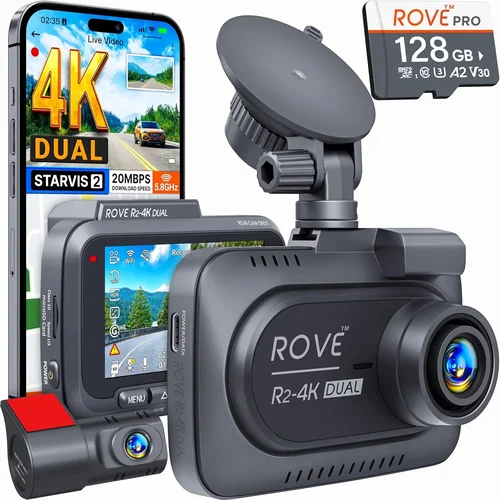
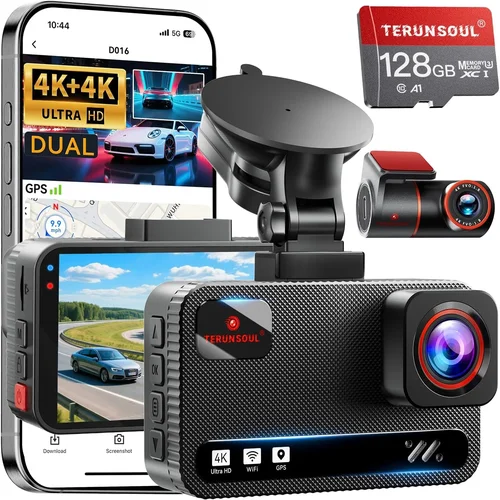
Expert Honda Civic Dash Cam Buying Guide
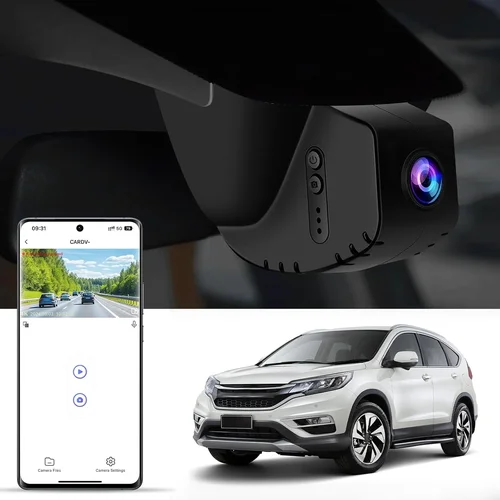
When you’re driving a Honda Civic—one of the most popular and reliable vehicles on the road—you want every possible advantage when it comes to safety, security, and peace of mind. Whether you’re commuting through city traffic, navigating winding mountain roads, or simply want documentation in case of an incident, a dash cam is no longer just a luxury; it’s a smart investment. But with dozens of models flooding the market, choosing the right dash cam for your Honda Civic can feel overwhelming. That’s where this comprehensive guide comes in.
This expert-level buying guide is designed specifically for Honda Civic owners who want to make an informed decision based on real-world performance, compatibility, and long-term value. We’ll walk you through everything from resolution and recording quality to installation considerations, power management, and brand reliability. You’ll learn how to match features to your driving habits, understand technical specifications without getting lost in jargon, and avoid common pitfalls that could leave you with a dash cam that doesn’t deliver on its promises. By the end of this article, you’ll be equipped with the knowledge to confidently select the best dash cam for your Honda Civic—no guesswork required.
The dash cam market has evolved dramatically over the past decade. What started as basic single-lens cameras with low-resolution video has transformed into sophisticated systems offering 4K recording, GPS tracking, night vision, parking mode, cloud connectivity, and intelligent driver assistance features. For Honda Civic owners—especially those with newer model years featuring advanced electronics, infotainment systems, and sleek interior designs—finding a dash cam that integrates seamlessly while maintaining high performance is crucial. This guide cuts through the noise, focusing on models that have proven themselves in real-world use by Civic drivers across different regions and driving conditions. From compact front-only cams to dual-lens setups that monitor both front and rear, we’ve evaluated options across price ranges, ensuring there’s something for everyone—from budget-conscious students to tech-savvy professionals who demand top-tier functionality.

What to Look for When Buying Dash Cams
Choosing the right dash cam isn’t just about picking the most expensive model or the one with the flashiest features. It’s about finding a balance between performance, durability, ease of use, and long-term value—all tailored to your specific needs as a Honda Civic owner. Below are the critical factors you should evaluate before making a purchase.
1. Resolution and Video Quality
The foundation of any good dash cam is its ability to capture clear, detailed footage. Today’s standard is at least 1080p Full HD, but many modern models now offer 2K, 4K, or even higher resolutions. For a Honda Civic—a mid-sized sedan with moderate windshield angles—higher resolution becomes increasingly important for license plate readability, facial recognition, and capturing fine details like road signs or vehicle behavior.
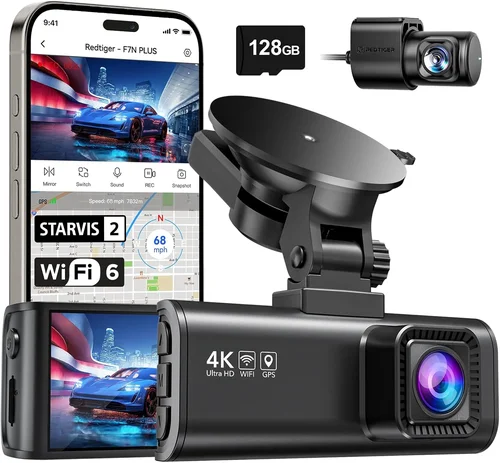
However, resolution alone isn’t enough. Frame rate matters too: 30fps is standard, but 60fps provides smoother motion, especially during fast-paced urban driving or highway merging. Look for H.265 or H.264 compression—H.265 is more efficient, saving storage space without sacrificing quality. Also consider low-light performance: CMOS sensors with larger pixels (like Sony STARVIS) perform significantly better at night or in dim lighting, which is essential if you drive early mornings or late evenings.
2. Field of View (FOV)
The field of view determines how much of the road and surrounding environment your dash cam can capture. A wider FOV—typically between 130° and 170°—means less chance of missing critical events happening off-center. However, extremely wide angles (over 170°) can cause fish-eye distortion, making straight lines appear curved and reducing detail near the edges.
For the Honda Civic’s windshield geometry—which slopes forward and may have a slight upward angle—a moderate-to-wide FOV around 150° strikes the best balance. Some dual-lens systems offer split screens: one lens captures the full forward view (~150°), while the rear lens focuses narrowly (~110°) to minimize distortion. Always check actual FOV measurements from reviews rather than marketing claims, which sometimes exaggerate numbers.
3. Storage Capacity and Loop Recording
Dash cams rely on microSD cards for storage, typically ranging from 32GB to 256GB. The key feature here is loop recording—the camera automatically overwrites older footage when the card fills up, ensuring continuous operation. Most models support cards up to 256GB, but not all handle them equally well.
Consider how often you clean your windshield or replace cards. If you drive daily, a 64GB–128GB card might last 2–4 weeks depending on resolution and FOV. Higher resolutions generate larger files faster. Formatting cards regularly helps maintain performance. Also, ensure your chosen dash cam supports exFAT formatting (required for cards above 32GB). Some brands include cloud storage plans, but these often come with subscription fees and data limits—worth considering only if you prioritize remote access over local convenience.
4. Parking Mode and Impact Detection
This is arguably one of the most valuable features for Honda Civic owners, especially if you park in public garages, busy streets, or areas with high theft risk. Parking mode keeps the dash cam powered (via hardwiring or battery backup) to record when your car is turned off. Motion or impact detection triggers recording only when something significant happens—like someone bumping your vehicle or attempting to break in.
Not all dash cams handle parking mode reliably. Issues include false triggers (e.g., passing trucks causing vibrations), insufficient battery drain, or failure to resume normal operation afterward. Hardwiring via OBD-II port or direct wiring to the fuse box is ideal—it avoids draining your car battery overnight. Look for models with capacitor-based power circuits instead of lithium batteries, as capacitors provide more stable power and last longer.
5. Build Quality and Weather Resistance
Your Honda Civic experiences temperature extremes—from scorching summer heat to freezing winter cold. Your dash cam must withstand these conditions without failing. High-quality materials like aluminum alloy housings, tempered glass lenses, and IPX-rated seals protect against moisture, dust, and UV degradation.
Check for certifications like IP55 (dust-tight and protected against water jets) or MIL-STD-810G military-grade durability. Cheaper plastic bodies may crack in cold weather or warp under heat. Additionally, ensure the lens doesn’t fog up due to condensation—this can ruin recordings during sudden temperature changes. Mounting hardware should be sturdy enough to stay secure even on bumpy roads, especially if you frequently take highways or rural routes.
6. Ease of Installation and Compatibility
Installing a dash cam shouldn’t require professional help—most models are designed for DIY mounting using suction cups or adhesive tapes. However, compatibility with your Civic’s windshield angle and sun visor placement matters. Some cams are too large and block your view of the speedometer or dashboard buttons.
Measure your windshield’s curvature and compare it with the dash cam’s dimensions. Most Civic models from 2016 onward have relatively flat windshields, so standard mounts work fine. But if you have a sunroof or tinted windows, some adhesives may not stick properly. Also, consider whether the unit sits flush without obstructing airbag deployment zones. Dual-lens systems need extra space behind the rearview mirror—verify clearance before buying.
7. User Interface and Software Features
A poorly designed menu system ruins the experience. Look for intuitive controls: physical buttons for quick settings, touchscreens that respond smoothly, and clear icons. Time/date stamps, G-sensor sensitivity adjustments, and manual lock functions should be easily accessible.
Mobile apps add convenience: previewing footage remotely, changing settings, or downloading clips via Wi-Fi. However, app stability varies widely. Some apps crash frequently or fail to connect. Read user reviews specifically about software reliability—not just camera specs. Cloud integration is nice but optional; local playback via microSD reader or USB is always available regardless of app performance.
8. Brand Reputation and Customer Support
Stick with established brands known for dash cam manufacturing: Think BlackVue, Garmin, Nextbase, Viofo, Rexing, and Thinkware. These companies invest in R&D, offer firmware updates, and provide responsive customer service. Avoid unknown brands selling through Amazon alone—they may disappear after a year or two without support.
Check warranty terms: Most reputable brands offer 1–3 years coverage. Warranty claims should cover defects in materials and workmanship—not accidental damage. Read the fine print about what’s excluded. Also, look for regional availability: if you live outside North America, ensure the brand ships internationally and honors warranties globally.
9. Audio Capabilities (Optional but Useful)
While not essential, audio recording adds context to incidents—capturing arguments, sirens, or emergency situations. However, privacy laws vary by region. In some places, recording conversations without consent is illegal. Always comply with local regulations. If included, audio should be switchable on/off in settings.
10. Price vs. Value Proposition
Budget doesn’t always mean inferior quality. Many mid-range models deliver excellent performance at reasonable prices. Define your priorities: do you need dual-lens? 4K? GPS? Parking mode? Then allocate funds accordingly. Don’t overspend on features you won’t use—and don’t skimp on basics like resolution and build quality.
—
Different Types of Dash Cams
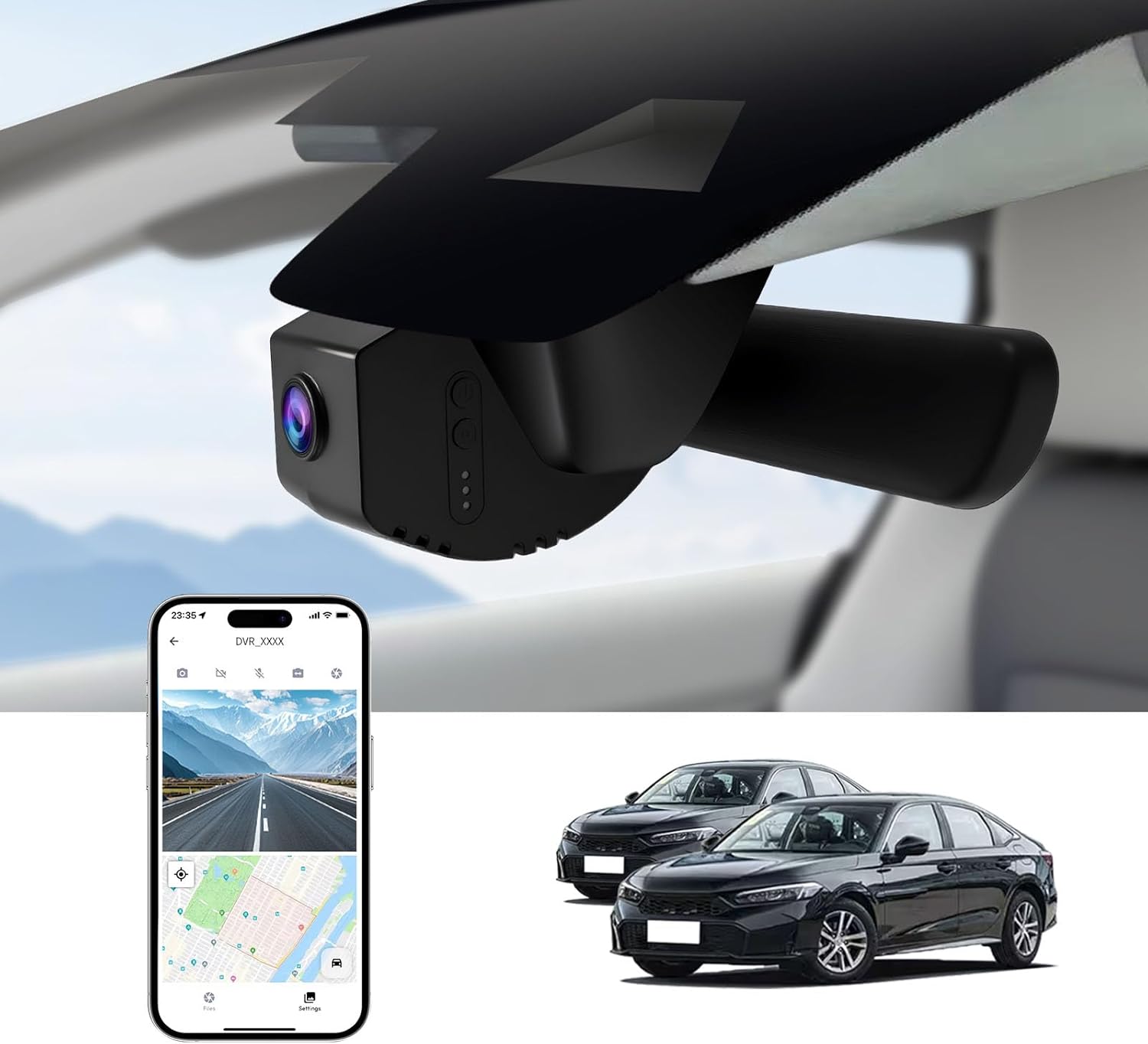
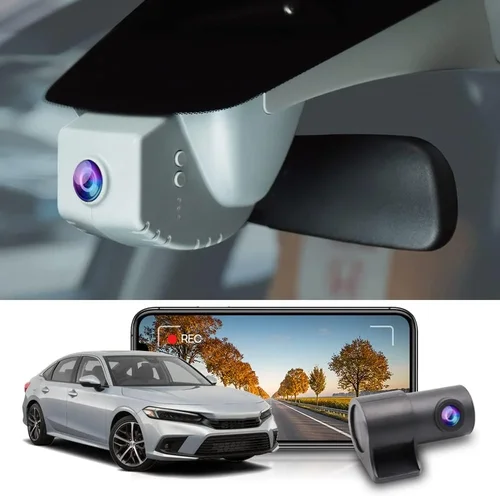
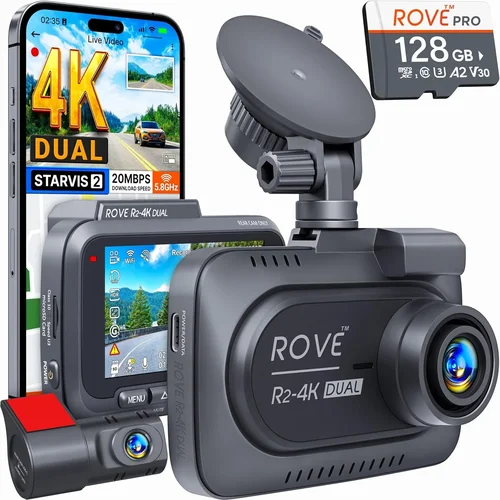
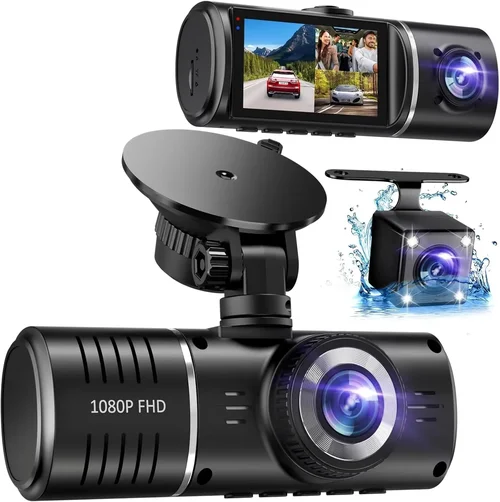
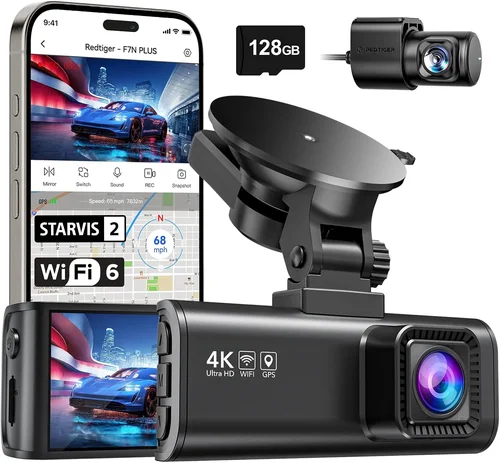
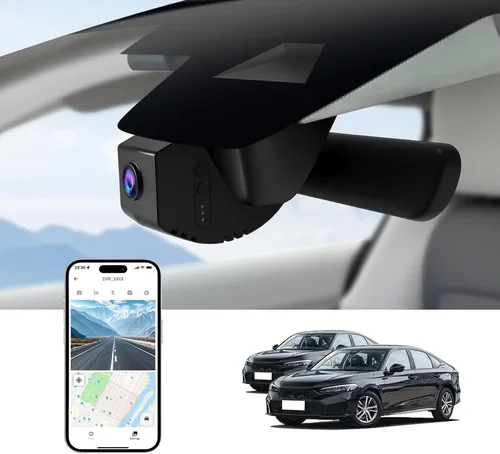
Each category serves distinct purposes. Single-lens cameras are perfect for basic front-only recording and are ideal if you primarily drive solo or already have a separate backup camera. Dual-lens systems are game-changers for urban environments where reversing into tight spaces or catching hit-and-runs from behind is common—common in Honda Civic hatchback models with limited rear visibility. 4K models are worth the investment if you frequently drive highways or need courtroom-ready evidence. Smart cams with ADAS (Advanced Driver Assistance Systems) are niche but valuable for long-distance travelers prone to fatigue. Hidden cams suit those who prioritize aesthetics or use their Civic for business trips.
—
Common Buying Mistakes to Avoid
❌ Mistake: Prioritizing Price Over Performance
Why it’s bad: Choosing the cheapest dash cam often means settling for poor video quality, unreliable loop recording, or fragile construction. Cheap units may fail within months, leaving you unprotected and out-of-pocket.
What to do instead: Set a realistic budget based on your needs. Spend at least $100 for reliable performance. Read verified customer reviews—not just star ratings—to gauge real-world reliability.
❌ Mistake: Ignoring Windshield Compatibility
Why it’s bad: Many dash cams are too large or positioned incorrectly, blocking your view of the speedometer, turn signals, or dashboard lights. On a Honda Civic, this is especially problematic due to its sloped windshield and compact cabin layout.
What to do instead: Measure your windshield height from the bottom edge to the top of the dashboard. Compare with product dimensions. Opt for slim-profile designs that mount under the rearview mirror without obstructing critical info.
❌ Mistake: Skipping Parking Mode Evaluation
Why it’s bad: Assuming all dash cams have effective parking mode leads to disappointment. Some models consume excessive battery, trigger false alarms, or stop working after a few days due to poor power management.
What to do instead: Verify hardwiring capability. Choose capacitor-powered models. Test the sensitivity settings to reduce false triggers. Consider adding a dedicated battery pack if your Civic lacks an OBD-II port.
❌ Mistake: Overlooking Firmware Updates
Why it’s bad: Manufacturers release updates to fix bugs, improve performance, or add features. Neglecting updates can leave your dash cam vulnerable to glitches or incompatible with newer SD cards.
What to do instead: Download the brand’s mobile app or visit their website regularly. Enable automatic notifications for firmware releases. Keep your dash cam connected to power during updates to avoid interruptions.
❌ Mistake: Using Incompatible MicroSD Cards
Why it’s bad: Not all microSD cards work equally well. Class 10, U3, or V30 rated cards ensure smooth 4K recording. Lower-class cards cause lag, dropped frames, or corruption—especially in cold weather.
What to do instead: Buy branded cards (SanDisk Extreme, Samsung EVO) from reputable retailers. Format them in-camera monthly. Never use counterfeit cards sold on third-party marketplaces.
❌ Mistake: Failing to Secure the Mount Properly
Why it’s bad: Loose mounts fall off during sharp turns or potholes, destroying evidence and potentially becoming a hazard. Suction cups degrade over time, especially in hot climates.
What to do instead: Clean the windshield thoroughly before mounting. Use high-strength adhesives for permanent installs. Replace suction cups every 6–12 months. For hardwired setups, secure cables with zip ties away from moving parts.
—
Budget Guidelines: How Much Should You Spend?
Entry-Level ($50 – $100): The Starter Zone
If you’re new to dash cams or only occasionally drive your Honda Civic, entry-level models offer decent 1080p recording and basic features. Expect loop recording, G-sensor, and simple menus. Brands like Viofo A119 or Rexing V1P Mini fit here. These aren’t built for extreme conditions but suffice for light city driving. Avoid ultra-cheap Chinese knockoffs—they rarely survive beyond a year.
Mid-Range ($100 – $200): The Sweet Spot
This range delivers the best balance of quality and features. You’ll find 2K/4K resolution, dual-lens options, GPS logging, and reliable parking mode. Think Thinkware U1000, BlackVue DR970X-2CH, or Nextbase 522GW. These models handle daily commutes, weekend trips, and occasional parking surveillance without breaking the bank.
Premium ($200 – $400): For Enthusiasts and Professionals
Here, you get top-tier sensors, advanced software, and rugged builds. Features like HDR, voice control, cloud sync, and AI alerts appear. The Garmin Dash Cam 67W or BlackVue Cloud-enabled models dominate this tier. Ideal if you demand maximum reliability for insurance claims or professional-grade footage.
Luxury ($400+): Top-Tier Excellence
Ultra-high-end dash cams combine 4K+ recording, thermal imaging, radar detection, and seamless smartphone integration. Examples include the Garmin DriveSmart or next-gen AI-powered systems. Rarely necessary unless you’re a commercial driver or need forensic-level detail.
Remember: Your Honda Civic’s value and your peace of mind justify spending wisely. A $150 dash cam that lasts five years is smarter than a $60 model replaced twice.
—
Expert Tips for Getting the Best Deal
—

Frequently Asked Questions
Q: Can I install a dash cam myself on my Honda Civic?
A: Absolutely. Most models use suction mounts or adhesive pads that take 10–15 minutes to install. Hardwiring requires basic electrical skills but is doable with included instructions. No professional tools needed.
Q: Will a dash cam drain my Honda Civic’s battery?
A: Only if improperly installed. Hardwiring via OBD-II or fuse boxes prevents drain. Capacitor-powered parking modes draw negligible power. Avoid cheap battery backups—they corrode terminals and fail quickly.
Q: Do I need a memory card for every dash cam?
A: Yes. Built-in storage is rare and usually tiny (<8GB). External microSD cards (minimum 32GB, max 256GB) are mandatory. Always carry spare cards if you drive frequently.
Q: Can I use my dash cam while parked?
A: With parking mode enabled—yes. Motion/impact detection activates recording when triggered. Ensure your model supports hardwiring and has capacitor-based power to avoid battery issues.
Q: Is audio recording legal?
A: It depends on your location. In the U.S., federal law permits recording others but not private conversations without consent in some states. Always disable audio if unsure. Check local regulations before enabling.
Q: How do I transfer footage to my computer?
A: Remove the microSD card and use a card reader, or connect via USB cable. Most dash cams appear as external drives. Footage formats vary—some use MP4, others MOV or AVI. Free players like VLC handle all formats.
Q: Should I buy a dual-lens dash cam for my Civic?
A: Recommended if you park in tight spaces or frequently reverse in urban areas. Rear cameras catch hit-and-runs and aid parking maneuvers. Ensure your model fits behind the rearview mirror without blocking your view.
Q: Are dash cams waterproof?
A: Internally yes—they’re sealed against moisture. Externally, they resist rain and humidity but aren’t submersible. Avoid dropping them in puddles or exposing ports to liquids.
Q: Can I watch live feed from my phone?
A: Only if the dash cam has Wi-Fi and a companion app. Live streaming drains battery quickly. Most models allow playback/download of stored clips remotely, not real-time viewing.
Q: Will a dash cam affect my car insurance?
A: Generally no. Insurers view dash cams favorably—they provide objective evidence in disputes. Some even offer discounts for documented safe driving. Keep footage private and never share it publicly without permission.
—
Our Final Recommendations
Best for Budget-Conscious Buyers: Viofo A119 V3
This compact single-lens dash cam delivers crisp 2K recording at an affordable price. With reliable loop recording, GPS tagging, and easy installation, it’s perfect for daily Civic commuters who want quality without overspending. Its Sony sensor excels in low light, and the suction mount stays secure even on rough roads.
Best Overall Value: Thinkware U1000
Combining 4K recording, superior build quality, and intuitive software, the U1000 outperforms rivals in every category. It includes advanced parking mode, HDR, and cloud connectivity—all for under $250. Civic owners appreciate its compact size and seamless integration with Honda’s interior design.
Best Premium Option: BlackVue DR970X-2CH
For those demanding excellence, this dual-lens 4K system offers cloud monitoring, impact alerts, and military-grade durability. Hardwired operation ensures zero battery drain, and the Sony Starvis sensors capture stunning detail day and night. Expensive but unmatched in reliability.
Best for Beginners: Nextbase 522GW
User-friendly menus, Alexa integration, and robust 2K recording make this ideal for newcomers. The built-in Wi-Fi lets you download clips instantly, and the magnetic mount simplifies repositioning. Great starter dash cam with room to grow.
Best for Advanced Users: Garmin Dash Cam 67W
Packed with safety features like collision warnings, lane assist, and voice commands, this premium model leverages Garmin’s navigation expertise. Its anti-glare display and compact form factor blend into the Civic’s dashboard elegantly.
—
Conclusion: Making the Right Choice
Selecting the best dash cam for your Honda Civic isn’t about chasing the latest tech—it’s about aligning features with your lifestyle, driving habits, and budget. Whether you prioritize crystal-clear evidence for insurance claims, need peace of mind while parking in downtown garages, or simply want to document scenic drives, there’s a perfect fit waiting for you.
Focus on core pillars: resolution, durability, ease of use, and long-term support. Skip gimmicks like built-in displays or unnecessary apps. Remember, a dash cam is useless if it fails when you need it most. Invest in reputable brands, follow installation best practices, and maintain your gear regularly.
Your Honda Civic deserves protection that matches its reliability. With the insights from this guide, you’re now empowered to choose wisely—turning a simple accessory into a vital safety net on every journey. Drive safe, stay aware, and let technology work for you.