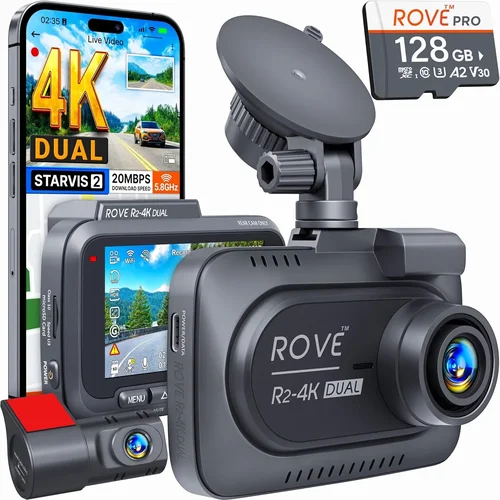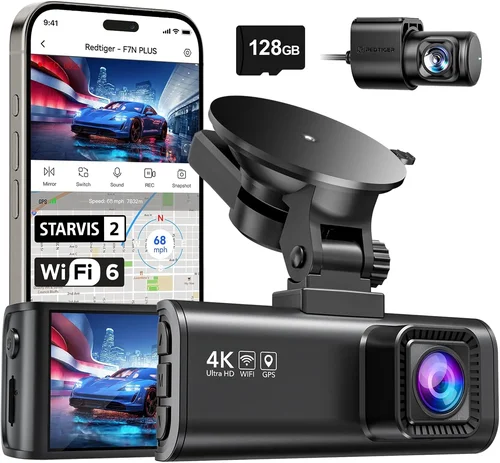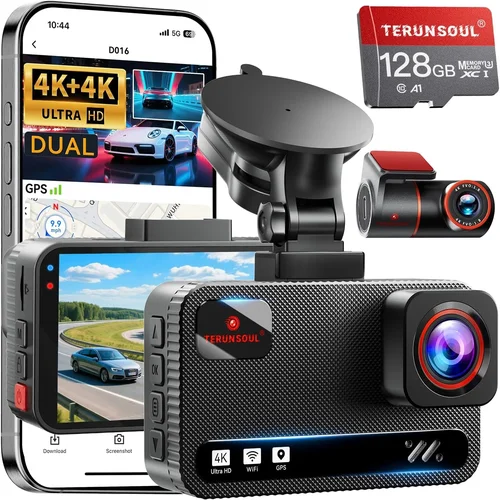
Best Dash Cam for Clarity & Visibility Purchase Guide
Why clarity and visibility matter more than ever in dash cam technology
In today’s increasingly complex automotive environment, having crystal-clear footage from your vehicle’s perspective has become essential for both safety and peace of mind. Whether you’re dealing with insurance claims, potential legal issues, or simply want to document your daily commute, the quality of your dash cam’s video output can make all the difference. This comprehensive guide will walk you through everything you need to know about selecting the best dash cam specifically optimized for clarity and visibility, ensuring you capture every detail in high definition.
What sets this guide apart from generic dash cam reviews is its laser focus on visual performance metrics that directly impact your ability to see and identify important details during critical moments. You’ll learn exactly what specifications matter most, how different technologies compare, and which features actually deliver noticeable improvements in image quality. By the end, you’ll have the knowledge to distinguish between marketing hype and genuinely superior optical performance, making an informed decision that protects your investment and provides reliable documentation when it matters most.
The modern dash cam market spans everything from basic single-lens models under $100 to professional-grade systems exceeding $500. However, not all cameras labeled as “high definition” deliver the same level of visual clarity. Factors like sensor size, lens quality, low-light performance, and image stabilization significantly affect how clearly you can see license plates, road signs, and potential hazards. This guide cuts through the noise to help you identify which dash cams truly excel in delivering exceptional clarity and visibility, regardless of their price point or target market.

What to Look for When Buying Dash Cams
1. Resolution and Video Quality
Resolution remains the cornerstone of dash cam clarity, but understanding what actually makes footage clear requires going beyond simple numbers. While many dash cams boast 1080p resolution, true clarity depends on several interrelated factors including sensor quality, lens optics, and processing algorithms. For optimal visibility, aim for at least 1920×1080 (Full HD) resolution, though newer models increasingly offer 2K (2560×1440) and even 4K (3840×2160) capabilities that provide noticeably sharper details.
When evaluating resolution claims, look for cameras that use high-quality CMOS sensors rather than older CCD technology, as CMOS generally delivers better low-light performance and dynamic range. The megapixel count matters less than actual pixel density and how well the camera handles motion blur and compression artifacts. Modern H.265 encoding can maintain excellent clarity at lower bitrates compared to older H.264 formats, so check which codec your prospective dash cam uses.
2. Sensor Size and Type
Sensor size dramatically affects image quality, particularly in challenging lighting conditions. Larger sensors capture more light, resulting in cleaner images with less noise and better dynamic range. Most consumer dash cams use 1/2.7-inch or 1/2.5-inch sensors, but premium models feature larger 1/1.8-inch or even 1/1.7-inch sensors that deliver significantly better clarity, especially at night.
Different sensor types also impact performance: Sony Starvis sensors are industry-leading for low-light visibility due to their exceptional light sensitivity, while backside-illuminated (BSI) sensors improve quantum efficiency by up to 100% compared to front-illuminated designs. When comparing sensors, prioritize those with wider aperture ratings (lower f-numbers like f/1.6 or f/1.5) as they gather more light for brighter, clearer nighttime footage.
3. Low-Light Performance
Night driving presents one of the biggest challenges for dash cam clarity, yet many buyers overlook this critical aspect until they need evidence after dark. Effective low-light performance means capturing usable details like license plates, traffic signals, and pedestrian movements without excessive graininess or washed-out colors.
Look for dash cams with dedicated night vision modes, infrared cut filters that reduce color distortion in darkness, and advanced noise reduction algorithms. Some premium models include dual-band IR LEDs or even thermal imaging capabilities for extreme low-light situations. The best performers maintain color accuracy while reducing noise, avoiding the “blue wash” effect common in cheaper night vision systems.
4. Field of View and Lens Quality
A wider field of view (FOV) helps capture more of your surroundings, but excessive width causes fish-eye distortion that reduces actual usable clarity. The sweet spot typically falls between 120-160 degrees horizontal FOV, providing broad coverage without significant geometric distortion.
Lens quality directly impacts sharpness and color fidelity throughout the frame. Aspherical lenses reduce distortion compared to spherical designs, while multi-coated elements minimize reflections and flare. Premium dash cams often feature German-made Schott glass lenses or similar high-quality optics that maintain clarity across the entire image area without vignetting or chromatic aberration.
5. Dynamic Range and HDR
Dynamic range determines how well a dash cam captures details in both bright highlights (like direct sunlight on windshields) and deep shadows (such as tunnel entrances or car interiors). High dynamic range (HDR) technology combines multiple exposures to preserve detail across extreme lighting contrasts.
Without adequate dynamic range, you might miss critical details because either the headlights blow out the image or pedestrians disappear into shadows. Look for dash cams advertising HDR capability or wide dynamic range specifications—typically measured in stops. Some advanced models use real-time HDR processing that automatically adjusts exposure during rapidly changing lighting conditions like entering tunnels or encountering sudden cloud cover.
6. Image Stabilization and Motion Handling
Road vibrations, potholes, and rapid acceleration all cause image shake that degrades perceived clarity. Electronic image stabilization (EIS) compensates for minor movements, while optical image stabilization (OIS) offers even better results through physical lens adjustments.
For moving subjects like other vehicles or cyclists, look for dash cams with advanced motion handling algorithms that prevent blur during fast lateral movement. Some premium models use predictive tracking to maintain sharp focus on relevant objects within the frame. Additionally, higher frame rates (60fps instead of 30fps) capture smoother motion and provide better slow-motion playback options for reviewing incidents.
7. Storage and Recording Management
Clarity isn’t just about what your dash cam captures—it’s equally important how well it preserves those images over time. Continuous recording requires efficient storage management to ensure old footage doesn’t overwrite critical new events before you can review them.
Modern dash cams use loop recording with intelligent event detection that saves high-priority clips separately from regular footage. G-sensor technology triggers automatic saving when sudden impacts occur, while parking mode records only when motion or vibration is detected. For maximum clarity retention, choose models supporting high-speed microSD cards (UHS-I U3 or V30 rated) capable of sustaining write speeds above 30MB/s to prevent dropped frames during high-resolution recording.
8. Display Quality and Interface Usability
While most users rely on smartphone apps or computer transfers to review footage, onboard displays still play a crucial role in verifying settings and checking status. A high-quality LCD screen with good brightness, contrast, and viewing angles ensures you can easily verify recording status, battery life, and system warnings during installation or troubleshooting.
Look for displays with anti-glare coatings and adjustable brightness levels that remain visible in direct sunlight. Touchscreen interfaces should respond reliably to gloved hands, while menu navigation must be intuitive enough to access critical functions quickly when needed. Some premium models feature split-screen views showing both front and rear camera feeds simultaneously for easy monitoring.
9. Night Vision Capabilities
True night vision goes beyond simple infrared illumination—it requires sophisticated hardware and software working together to produce usable footage after dark. Advanced night vision systems incorporate multiple technologies: larger apertures let in more ambient light, specialized sensors detect near-infrared wavelengths invisible to the human eye, and intelligent noise reduction algorithms clean up grainy footage without losing detail.
The best dash cams for night clarity use hybrid approaches combining visible light enhancement with strategic IR illumination. Rather than relying solely on harsh white LEDs that create overexposed highlights and dark shadows, premium models employ balanced lighting that maintains natural-looking colors while providing sufficient illumination for identification purposes. Additionally, some systems include smart activation that only turns on night vision when ambient light drops below certain thresholds, conserving battery life during daytime operation.
10. Weather Resistance and Build Quality
Environmental conditions significantly impact visibility clarity, particularly during rain, snow, or extreme temperatures. Waterproof housings prevent moisture damage while maintaining optical performance, and temperature-resistant components ensure consistent operation in hot summers or freezing winters.
Look for dash cams rated for IP65 or higher water resistance, indicating protection against dust ingress and low-pressure water jets. Wide operating temperature ranges (typically -20°C to 70°C) guarantee reliability regardless of climate. Additionally, robust mounting systems with secure adhesive or screw-based attachments prevent camera displacement during sudden braking or accidents—a critical factor when you need uninterrupted recording for evidence preservation.
Types/Categories Comparison

Common Buying Mistakes to Avoid
❌ Mistake: Prioritizing Price Over Actual Clarity Metrics
Why it’s bad: Many buyers assume higher-priced dash cams automatically deliver better clarity, but marketing budgets don’t always correlate with optical performance. Some budget models surprisingly outperform premium counterparts due to superior sensor technology or lens quality, while expensive units may suffer from oversimplified processing algorithms that sacrifice detail for artificial sharpness.
What to do instead: Focus on measurable clarity indicators like sensor specifications, low-light test results, and independent review comparisons rather than price alone. Research actual user experiences regarding license plate readability and nighttime detail retention across different models within your budget range.
❌ Mistake: Ignoring Storage Requirements for High-Resolution Footage
Why it’s bad: Recording in 4K or even high-bitrate 1080p generates enormous files that consume storage space rapidly. Without adequate capacity planning, critical footage gets overwritten before you can review it, defeating the purpose of having high-clarity recordings in the first place.
What to do instead: Calculate your expected storage needs based on resolution, frame rate, and typical driving patterns. Factor in additional space for event-triggered recordings and consider investing in high-endurance microSD cards rated for continuous write operations. Some premium dash cams support dual-card slots allowing simultaneous backup recording to prevent data loss.
❌ Mistake: Choosing Based Solely on Megapixel Count
Why it’s bad: Megapixels represent total pixels captured by the sensor but don’t account for pixel size, lens quality, or post-processing effects. Two cameras with identical megapixel counts can deliver dramatically different clarity depending on underlying hardware and software implementation.
What to do instead: Evaluate resolution in context rather than absolute numbers. A 12MP sensor with larger pixels and superior optics will outperform a 20MP model with smaller pixels and poor lens quality. Look for detailed technical specifications including sensor type, aperture size, and codec information alongside resolution figures.
❌ Mistake: Overlooking Night Visibility Requirements
Why it’s bad: Daytime clarity matters, but nighttime performance determines whether your dash cam actually serves its primary purpose during low-light conditions when most accidents occur. Many buyers select cameras based on daytime specs while neglecting how poorly they perform after dark.
What to do instead:: Dedicate equal consideration to night vision capabilities. Test video samples from potential purchases at various low-light levels, paying attention to license plate readability, color accuracy, and noise reduction effectiveness. Consider models with dedicated night modes or infrared enhancements specifically designed for enhanced nighttime visibility.
❌ Mistake: Assuming All “Loop Recording” Functions Equally
Why it’s bad: Basic loop recording simply overwrites oldest footage when storage fills up, potentially deleting critical evidence before you notice an incident. Advanced systems use intelligent event detection to preserve important clips while efficiently managing storage allocation based on impact severity or motion triggers.
What to do instead:: Understand how your chosen dash cam manages recording cycles. Look for g-sensor sensitivity adjustment capabilities, customizable event file durations, and cloud backup options that automatically upload important footage to prevent accidental deletion. Some systems offer parking mode recording triggered only by significant impacts or motion detection to conserve battery life.
❌ Mistake: Neglecting Environmental Durability Factors
Why it’s bad:: Extreme temperatures, moisture, and road vibrations can degrade both hardware longevity and optical performance over time. Cheap plastic housings may crack in winter conditions while inadequate sealing allows moisture intrusion that clouds lenses permanently.
What to do instead:: Verify environmental ratings before purchase. Seek IP65+ waterproofing certification and confirm operating temperature ranges match your local climate extremes. Choose robust mounting systems that maintain alignment despite road shocks and consider tempered glass lenses resistant to scratches and impacts.
Budget Guidelines: How Much Should You Spend?
Entry-Level ($50 – $100): Acceptable Clarity for Basic Needs
This price range delivers functional dash cams suitable for casual drivers who primarily need basic protection against minor incidents. Expect 1080p resolution with modest low-light performance and limited advanced features. While these models won’t capture stunning detail, they generally maintain reasonable clarity during daylight hours and handle normal weather conditions adequately. Look for reputable brands offering at least one-year warranties and reliable customer support. These entry-level options work well for city driving with moderate traffic where license plate recognition remains possible under typical conditions.
Mid-Range ($150 – $300): Sweet Spot for Most Buyers
The mid-range category represents the best value proposition for most consumers seeking optimal clarity-to-price ratios. Cameras in this bracket typically feature superior sensors, better lens assemblies, and more sophisticated image processing algorithms that significantly enhance both daytime and nighttime visibility. You’ll find dual-lens systems offering front and rear coverage, enhanced low-light capabilities with dedicated night modes, and improved build quality suitable for extended use. Many models in this range support 2K or even early 4K recording while maintaining manageable file sizes through efficient encoding techniques. This tier includes popular options from established manufacturers known for consistent quality control and responsive customer service.
Premium ($300 – $600): For Enthusiasts and Professionals
High-end dash cams deliver exceptional clarity through cutting-edge technology including larger sensors, premium optics, and advanced stabilization systems. These models often feature 4K recording with HDR processing, superior low-light performance using specialized sensors like Sony Starvis, and comprehensive feature sets including GPS tracking, Wi-Fi connectivity, and cloud backup capabilities. Professional-grade units may include multiple camera inputs for complete vehicle coverage, sophisticated parking surveillance modes, and integration with mobile applications for seamless footage management. While representing significant investment, these premium options provide unmatched image quality and reliability for demanding users who require maximum evidentiary value from their recordings.
Luxury ($600+): Top-Tier Features and Maximum Clarity
Ultra-premium dash cams represent the pinnacle of automotive recording technology with features rarely found outside professional broadcasting equipment. These systems combine military-grade durability, AI-powered object recognition, thermal imaging capabilities, and multi-spectral sensors for unparalleled visibility across all conditions. Luxury models often include redundant power supplies, enterprise-grade security protocols, and custom firmware development for specialized applications. While primarily targeted toward fleet operators, security professionals, or serious automotive enthusiasts, these top-tier devices justify their cost through extraordinary clarity, reliability, and future-proofing capabilities that exceed current market demands.
Expert Tips & Pro Advice
Timing Your Purchase Strategically
Avoid buying during peak holiday seasons when retailers markup prices to compensate for increased demand. Instead, target major shopping events like Black Friday, Cyber Monday, or back-to-school sales when manufacturers offer substantial discounts on last year’s models. Electronics retailers frequently run seasonal promotions in spring and fall, coinciding with renewed interest in automotive accessories after winter months. Additionally, consider waiting for new product announcements—competitors often discount existing models immediately following launches to clear inventory.
Choosing Reliable Retail Channels
While big-box stores offer convenience, online marketplaces like Amazon, B&H Photo, or manufacturer-direct websites typically provide better selection, competitive pricing, and detailed customer reviews. Authorized dealer networks ensure genuine products with proper warranties, while third-party sellers may offer unauthorized clones with inferior components. For complex installations or technical support questions, consider purchasing from specialty automotive electronics retailers with certified installers on staff. Always verify seller credentials and return policies before completing transactions.
Identifying Authentic Deals vs. Marketing Gimmicks
Beware of exaggerated discount percentages that seem too good to be true—they often reflect inflated original prices rather than genuine savings. Compare current market values using price history tools available on many e-commerce platforms to determine if advertised deals represent actual bargains. Watch for bundled packages that include unnecessary accessories, which inflate perceived value without improving core functionality. Read recent customer feedback focusing on delivery timeliness, product condition upon arrival, and responsiveness of seller support teams.
Maximizing Warranty Protection
Always register your dash cam immediately after purchase to activate manufacturer warranties—most companies void coverage if registration occurs beyond specified timeframes. Understand what each warranty covers: hardware defects, software malfunctions, accidental damage, or cosmetic imperfections vary significantly between providers. Extended warranty programs can provide additional peace of mind but evaluate their cost-benefit ratio carefully. Some insurers offer separate dash cam protection plans covering theft, vandalism, or accidental breakage beyond standard manufacturer coverage.
Leveraging Flexible Return Policies
Test your dash cam thoroughly during the return window to ensure it meets expectations regarding clarity, ease of use, and compatibility with your vehicle. Document any issues with timestamped photos or videos before initiating returns. Keep all original packaging and accessories to avoid restocking fees. If purchasing multiple units for comparison, take advantage of generous return periods to evaluate side-by-side performance differences that written reviews cannot convey.
Pre-Purchase Testing Opportunities
Attend automotive electronics expos or trade shows where vendors demonstrate live dash cam footage comparisons. Request to examine sample footage under controlled lighting conditions matching your typical driving environments. Ask representatives to show you actual license plate readability tests and low-light performance demonstrations. Many specialty shops allow customers to mount and test cameras directly in their vehicles, providing realistic evaluation opportunities unavailable through online shopping alone.
Negotiating Volume Discounts
Fleet managers or businesses requiring multiple units should contact manufacturers directly for bulk pricing negotiations. Educational institutions, rental car companies, or ride-sharing services often qualify for special rates unavailable to individual consumers. Inquire about educational discounts, nonprofit pricing, or government procurement programs that might reduce per-unit costs. Group purchases through employee benefit programs or community organizations can also unlock volume savings previously inaccessible to private buyers.
Future-Proofing Your Investment
Consider upgradability options before committing to specific models. Some dash cams support modular components allowing future lens or sensor upgrades without replacing entire units. Cloud storage integration enables automatic backup of critical footage without manual intervention, preserving evidence even if local storage fails. Choose systems compatible with emerging technologies like 5G connectivity or AI-enhanced analytics to extend useful lifespan beyond immediate needs.
Maintaining Peak Clarity Performance
Regular maintenance preserves optical performance over time. Clean lenses weekly with microfiber cloths designed for delicate optics—avoid paper towels or rough fabrics that scratch surfaces. Check mounting brackets monthly for loose connections that could misalign lenses during vibrations. Update firmware regularly to benefit from manufacturer improvements addressing image processing algorithms or bug fixes affecting clarity metrics. Store spare batteries properly if using parking mode features that drain power over extended periods.
Frequently Asked Questions
Q: What resolution actually provides the clearest license plate recognition?
A: For effective license plate identification under typical daylight conditions, 1080p resolution suffices, but 2K (2560×1440) delivers noticeably sharper details with easier character differentiation. At night, higher resolutions like 4K (3840×2160) become more valuable due to reduced noise and improved dynamic range. However, resolution alone doesn’t guarantee clarity—sensor quality, lens optics, and image processing algorithms equally determine whether you can actually read plates from recorded footage.
Q: How important is frame rate for clarity during fast-moving scenes?
A: Frame rate significantly affects motion clarity, especially during rapid maneuvers or emergency braking scenarios. Standard 30fps works adequately for general recording, but 60fps captures smoother motion and provides better slow-motion analysis capabilities for incident reconstruction. Some premium dash cams offer variable frame rates that optimize storage efficiency while maintaining critical detail during high-action sequences.
Q: Do all dash cams with night vision use infrared LEDs?
A: No, effective night vision employs multiple strategies beyond basic IR illumination. Advanced systems combine larger apertures, specialized low-light sensors, intelligent noise reduction, and sometimes near-infrared detection to maintain color accuracy while enhancing visibility. True night vision preserves natural color rendition rather than creating monochromatic images typical of simple IR systems.
Q: Can I upgrade my dash cam’s lens for better clarity?
A: Most consumer dash cams feature fixed lenses designed for specific camera bodies, making aftermarket upgrades impractical without specialized tools and expertise. Professional-grade systems occasionally allow interchangeable optics, but compatibility issues and warranty concerns usually outweigh potential benefits for average users. Focus instead on purchasing cameras with proven optical quality rather than attempting DIY modifications.
Q: How much storage do I really need for high-definition recordings?
A: Storage requirements depend on resolution, bitrate, and usage patterns. A single hour of 1080p@30fps recording typically consumes 3-5GB, while 4K@30fps uses 15-20GB per hour. Conservative estimates suggest 64GB microSD cards suffice for 2-3 weeks of standard driving, but event-triggered recordings and parking mode significantly increase demands. Always allocate extra space beyond minimum calculations to accommodate unexpected extended trips or frequent incidents.
Q: Are cloud-connected dash cams worth the subscription fees?
A: Cloud connectivity provides valuable peace of mind by automatically backing up critical footage off-device, protecting against theft or accidental deletion. Subscription costs vary widely ($5-$20/month), but evaluate whether automatic uploads justify ongoing expenses. For occasional drivers or those prioritizing local storage simplicity, non-cloud models may represent better value without sacrificing core clarity performance.
Q: How does temperature affect dash cam clarity and operation?
A: Extreme temperatures impact both hardware reliability and optical performance. Cold conditions thicken lubricants in moving parts, potentially causing focus shifts or motor failures. Heat accelerates battery degradation and may trigger thermal throttling that reduces recording quality to prevent overheating. Ensure your selected model operates reliably across expected seasonal extremes in your region, preferably with wide temperature ratings (-20°C to 70°C).
Q: What’s the difference between electronic and optical image stabilization?
A: Electronic stabilization (EIS) digitally crops and repositions frames to counteract shake, potentially reducing effective resolution. Optical stabilization (OIS) physically adjusts lens elements to maintain steady images without cropping, preserving full sensor resolution. OIS generally delivers superior results with minimal impact on clarity, though it adds mechanical complexity and cost compared to purely digital approaches.
Q: Can I use my dash cam while charging it from the cigarette lighter?
A: Yes, most dash cams draw power directly from vehicle outlets via cigarette lighter adapters, eliminating battery dependency during operation. However, prolonged use may strain lighter socket circuits or trigger fuse protection if drawing excessive current. Consider hardwiring kits for permanent installations that distribute power safely through fuse boxes rather than relying solely on accessory ports.
Q: How often should I replace my dash cam’s memory card?
A: High-performance microSD cards designed for continuous recording typically last 3-5 years under normal usage. Monitor write speed degradation indicators like transfer errors or slow formatting times. Replace cards proactively before failure occurs—sudden corruption could delete critical evidence without warning. Maintain spares for extended trips or heavy usage scenarios where replacement opportunities may be limited.
Our Final Recommendations
Best for Budget-Conscious Buyers
For those prioritizing affordability without completely sacrificing clarity, the Viofo A119 Mini V3 strikes an excellent balance between price and performance. This single-lens dash cam delivers crisp 1080p footage with surprisingly effective low-light handling thanks to its Sony IMX323 sensor. While lacking advanced features like GPS or Wi-Fi, it includes essential protections such as built-in capacitors instead of batteries, ensuring reliable operation across temperature extremes. The compact form factor fits discreetly behind rearview mirrors, and user-friendly controls simplify setup for beginners. At under $100, it represents outstanding value for drivers seeking dependable daytime clarity without breaking the bank.
Best Overall Value
The Garmin Dashcam Mini V2 embodies the perfect marriage of optical excellence and practical functionality. Its ultra-wide 144-degree field of view captures expansive scenes while maintaining remarkable detail retention thanks to advanced HDR processing and noise reduction algorithms. The included voice commands eliminate the need for physical buttons, and automatic incident detection saves critical footage separately from routine recordings. Despite its compact size, it houses a powerful Sony Starvis sensor delivering exceptional night visibility that outperforms many bulkier competitors. With robust build quality, seamless smartphone integration, and competitive pricing around $180, this model consistently earns top marks in independent reviews for delivering professional-grade clarity at accessible prices.
Best Premium Option
For discerning users demanding ultimate clarity and reliability, the Nextbase 622GW sets new standards in automotive recording technology. This dual-lens system combines 4K front recording with Full HD rear coverage, capturing breathtaking detail in both directions simultaneously. Its innovative Smart HD technology enhances existing footage rather than generating synthetic sharpness, while the built-in Alexa integration adds convenience beyond basic recording functions. The impressive 150-degree field of view minimizes blind spots without introducing excessive distortion, and the reinforced housing withstands harsh weather conditions better than most rivals. Though priced at approximately $280, the combination of cutting-edge optics, intelligent features, and military-grade durability justifies the investment for serious drivers who refuse to compromise on evidentiary quality.
Best for Beginners
Newcomers to dash cam technology will appreciate the intuitive design and straightforward operation offered by the Rexing V1P Pro. This entry-level model simplifies complex concepts with its single-button interface and automatic settings optimization based on ambient lighting conditions. Despite its modest $80 price tag, it incorporates a high-quality Sony sensor delivering surprisingly clear 1080p footage even in challenging dusk scenarios. The included suction cup mount provides flexible positioning options, while the loop recording system intelligently manages storage allocation to prevent accidental evidence loss. Comprehensive mobile app support enables remote viewing and playback from smartphones, making it easy for inexperienced users to familiarize themselves with footage retrieval processes before diving into more advanced models.
Best for Advanced Users
Professional drivers, fleet managers, or tech enthusiasts seeking maximum flexibility will find the BlackVue DR970X-2CH Ultimate meets every requirement for superior clarity and customization. This dual-channel system supports simultaneous 4K front and 2K rear recording with lightning-fast write speeds ensuring no moment escapes documentation. Its proprietary Cloud service automatically backs up critical footage to secure servers, while the built-in Wi-Fi enables instant sharing without physical connections. The robust metal housing resists vandalism and extreme temperatures, and the advanced driver assistance features provide real-time alerts for lane departures or forward collisions. Priced around $350, this powerhouse delivers unmatched clarity, reliability, and expandability for users who demand nothing less than perfection from their recording equipment.
Conclusion: Making the Right Choice
Selecting the best dash cam for clarity and visibility ultimately comes down to matching your specific needs with appropriate technology rather than chasing the highest specifications blindly. While 4K resolution and fancy features sound impressive on paper, true clarity emerges from thoughtful combinations of sensor quality, lens optics, intelligent processing, and practical usability considerations tailored to your driving habits and environmental conditions.
Remember that no single metric determines overall performance—the most expensive model may disappoint if its image stabilization falters during bumpy roads, while a modestly priced unit with superior low-light capabilities could prove invaluable during nighttime commutes. Always prioritize proven track records over flashy marketing claims, and don’t hesitate to test video samples under conditions resembling your typical driving scenarios before committing to purchase.
By understanding how different factors interact to affect visual fidelity and aligning those insights with your budget constraints and usage patterns, you’ll arrive at a decision that provides genuine peace of mind through reliable, high-quality documentation whenever it matters most. Whether protecting yourself against fraudulent claims, preserving memories of scenic drives, or simply enjoying the confidence that comes with knowing exactly what happened during your journeys, investing in proper clarity technology transforms ordinary recordings into meaningful evidence that stands up to scrutiny.