Expert Dash Cam Buying Guide for Fleets
As fleet managers and transportation companies face increasing pressure to ensure driver safety, reduce liability, and maintain operational efficiency, the importance of investing in high-quality dash cams cannot be overstated. The right dash cam system can provide invaluable evidence in the event of accidents, help monitor driver behavior, and contribute to overall fleet performance improvements. With countless options available on the market—from basic single-camera units to advanced multi-camera systems with cloud connectivity—making an informed purchasing decision requires careful consideration of multiple factors specific to fleet operations.
This comprehensive guide will walk you through everything you need to know when selecting the best dash cam for fleet vehicles, drawing from expert insights, real-world usage scenarios, and community feedback from platforms like Reddit where fleet professionals share their experiences. Whether you’re managing a small delivery operation with five trucks or overseeing a national logistics company with hundreds of vehicles, understanding the key features, technical specifications, and practical considerations will help you make a choice that delivers maximum value and protection.
The dash cam market has evolved significantly over the past decade, moving far beyond simple “black box” recording devices. Today’s fleet-grade solutions offer sophisticated features such as GPS tracking, driver identification, wireless video uploads, and integration with existing telematics platforms. However, this technological advancement comes at a cost, both financially and in terms of complexity. That’s why it’s crucial to balance cutting-edge capabilities with practical needs, ensuring your investment provides tangible benefits without unnecessary complications or expenses.

What to Look for When Buying Dash Cams
1. Budget & Price Range
When evaluating dash cams for fleet deployment, establishing a realistic budget is the first critical step. Fleet purchases involve multiple units across numerous vehicles, so even modest per-unit savings can translate into significant total expenditure reductions. Most reputable dash cam manufacturers offer models ranging from $50 to over $500 per unit, depending on features and build quality.
For fleet operators, the budget should consider not just the initial hardware cost but also ongoing expenses such as storage media replacement, software licensing fees, cloud subscription costs, installation labor, and maintenance support. Some premium systems require proprietary memory cards or specialized installation procedures that increase long-term ownership costs. Additionally, consider whether you’ll need to purchase additional accessories like hardwiring kits, parking mode modules, or mounting brackets.
A common mistake is prioritizing upfront savings over total cost of ownership. While entry-level dash cams may seem attractive at first glance, they often lack durability, reliable recording capabilities, and customer support—factors that become expensive when dealing with dozens or hundreds of units simultaneously. Conversely, overspending on excessive features that won’t actually be used by your drivers can waste valuable resources better spent elsewhere in your operation.
2. Performance Specifications
Technical specifications determine how effectively your dash cam will perform under various driving conditions. The most critical performance metrics include resolution quality, frame rate, sensor sensitivity, and low-light capability.
Resolution is typically measured in pixels, with Full HD (1920×1080) being the minimum acceptable standard for modern fleets. Higher resolutions like 2K or 4K provide marginally improved detail but come with increased file sizes and storage requirements. Frame rate (measured in frames per second) affects motion smoothness; 30fps is standard while 60fps offers smoother footage during rapid movements or emergencies.
Sensor size and aperture control how well the camera captures images in challenging lighting. Larger sensors (like those found in smartphone cameras) gather more light and produce cleaner images in dim conditions. Wide dynamic range (WDR) technology helps balance exposure between bright headlights and dark roads, reducing washed-out backgrounds or overly dark foregrounds.
Storage capacity directly impacts how much footage you can retain before older recordings are overwritten. Most dash cams use loop recording, automatically deleting the oldest files when storage fills up. However, some allow you to set retention periods based on your needs. Consider using high-endurance microSD cards designed for continuous write cycles rather than consumer-grade cards that wear out quickly.
3. Build Quality & Durability
Fleet vehicles operate in demanding environments—extreme temperatures, vibrations, dust, moisture, and potential physical impacts. Therefore, dash cam build quality must meet industrial standards rather than consumer expectations.
Look for ruggedized housings made from polycarbonate or aluminum alloys capable of withstanding drops up to several feet. Sealed connectors and cable grommets prevent water intrusion during heavy rain or car washes. Temperature resistance ratings indicate operational limits—some professional models function reliably from -20°F to 176°F (-29°C to 80°C).
Vibration resistance ensures stable recording even on rough terrains or poorly maintained roads. Shock-absorbing mounts and secure wiring harnesses minimize movement-related artifacts. Additionally, choose models with military-grade certifications (like MIL-STD-810G) or automotive-grade components validated through rigorous testing protocols.
Installation flexibility matters too—mounts should accommodate curved windshields and various vehicle angles without obstructing the driver’s view. Quick-release mechanisms simplify removal for cleaning or theft prevention. For windshield-mounted units, anti-glare coatings reduce reflections from dashboard displays or sunlight glare.
4. Features & Functionality
Modern dash cams offer numerous advanced features beyond basic video recording. Evaluate which capabilities align with your fleet’s operational needs and regulatory requirements.
G-sensor technology detects sudden impacts or collisions and locks corresponding footage to prevent accidental deletion. This feature proves invaluable during accident investigations. GPS logging adds location data to videos, enabling route analysis and verifying compliance with designated paths.
Wi-Fi connectivity allows wireless firmware updates, live viewing, and direct video downloads via mobile apps. Cloud-based platforms facilitate centralized management of multiple units, remote playback, and automatic backup to secure servers. Parking mode monitors vehicles when parked, triggering recording upon detecting motion or impact—though this drains battery unless hardwired.
Driver identification uses facial recognition or RFID tags to associate footage with specific operators, supporting accountability programs and training initiatives. Telematics integration syncs with existing GPS trackers, fuel monitoring systems, or engine diagnostics for holistic fleet oversight.
Voice commands and hands-free controls improve usability while minimizing distraction during operation. Some systems offer customizable alerts for speed limit breaches, lane departures, or harsh braking events. Real-time notifications alert dispatchers about incidents requiring immediate attention.
5. Brand Reputation
Choosing a trusted brand reduces risk and ensures consistent performance across your entire fleet. Established manufacturers invest heavily in research, quality control, and customer service infrastructure—critical assets when managing dozens or hundreds of devices.
Research manufacturer history, product reliability records, and industry reputation among peers. Check independent review sites, trade publications, and online forums like Reddit for real user experiences. Pay attention to response times for technical support inquiries and availability of spare parts.
Consider whether the brand specializes in fleet solutions or primarily targets individual consumers. Fleet-oriented companies understand unique challenges such as scalability, centralized management, and integration with business software ecosystems. They often provide dedicated account managers, bulk pricing structures, and tailored support packages.
Evaluate warranty terms carefully. Most reputable brands offer at least one year of coverage, but some extend this to three years or provide loaner units during repairs. Clarify what constitutes covered damage versus misuse exclusions. Also verify if warranties apply globally or only within certain regions.
6. Warranty & Support
Comprehensive warranty and support services protect your investment and minimize downtime. Given the scale of fleet deployments, even brief device failures can disrupt operations and compromise safety records.
Standard warranties typically cover defects in materials and workmanship for one to three years. Premium tiers might include accidental damage protection or unlimited replacements. Read fine print regarding exclusions—water damage, unauthorized modifications, or normal wear may void coverage.
Support channels matter greatly. Phone hotlines, email tickets, live chat, and remote diagnostics vary in responsiveness and expertise. Prioritize vendors offering 24/7 assistance, especially if your fleet operates across multiple time zones or includes international routes.
Training resources help staff deploy and manage systems effectively. Look for documentation, webinars, certification courses, and knowledge bases addressing common issues. Some providers offer managed services where they handle installation, configuration, monitoring, and maintenance remotely.
7. Size & Portability
Physical dimensions affect visibility, airflow, and aesthetic appeal inside the cabin. Oversized units may block instrument panels or create glare, while excessively small models might lack sufficient lens coverage or appear flimsy.
Compact designs save space and reduce visual clutter, making them ideal for tight cockpits or shared-use vehicles. Slim profiles minimize wind noise and aerodynamic drag. Magnetic mounts enable easy repositioning without drilling holes, useful for temporary assignments or rotating equipment between drivers.
Weight distribution impacts stability during turns or sudden maneuvers. Lightweight composites maintain rigidity without adding mass. Adjustable arms or swivel joints accommodate different windshield curvatures and viewing angles.
8. User Reviews & Ratings
Peer feedback offers invaluable insights beyond marketing claims. Online communities like Reddit, specialized forums, and social media groups host discussions where fleet operators share hands-on experiences, troubleshooting tips, and comparisons across competing products.
Pay particular attention to recurring complaints or praise regarding reliability, ease of use, software bugs, or compatibility issues. Note patterns over time—early adopters sometimes encounter unforeseen problems later addressed in firmware updates.
Beware of fake reviews or incentivized endorsements disguised as organic content. Focus on detailed narratives describing specific scenarios relevant to your operations. Questions about battery life, cold weather performance, or installation difficulties reveal practical realities often omitted from official specifications.
Different Types of Dash Cams

Common Buying Mistakes to Avoid
❌ Mistake: Ignoring Total Cost of Ownership
Why it’s bad: Focusing solely on upfront price leads to higher long-term expenses due to frequent replacements, subscription fees, or inefficient workflows.
What to do instead: Calculate total cost including hardware, installation, storage, cloud services, training, and support over a 3-5 year period before comparing options.
❌ Mistake: Overlooking Integration Capabilities
Why it’s bad: Incompatible systems create data silos, manual workarounds, and missed opportunities for automation and analytics.
What to do instead: Verify API availability, SDK support, and pre-built integrations with your existing telematics, HRIS, or fleet management platforms.
❌ Mistake: Choosing Based Solely on Resolution
Why it’s bad: High megapixels don’t guarantee usable footage if other specs suffer—poor low-light performance or unstable frame rates render expensive recordings useless in critical moments.
What to do instead: Prioritize balanced specifications: Full HD minimum, good WDR, reliable G-sensors, and robust night vision over chasing pixel counts alone.
❌ Mistake: Neglecting Driver Adoption
Why it’s bad: Complex interfaces, confusing menus, or intrusive designs frustrate drivers, leading to improper use, disabled units, or outright resistance.
What to do instead: Select intuitive controls, clear status indicators, and minimal distractions. Involve drivers in pilot testing and address usability concerns proactively.
❌ Mistake: Skipping Pilot Testing
Why it’s bad: Deploying nationwide without localized validation risks widespread failures due to regional differences in climate, road conditions, or vehicle types.
What to do instead: Run controlled trials with representative vehicles in diverse locations before full rollout. Collect feedback and adjust configurations accordingly.
❌ Mistake: Underestimating Storage Needs
Why it’s bad: Insufficient storage forces premature overwrite of evidence or requires constant manual intervention, defeating the purpose of automated recording.
What to do instead: Estimate daily recording volume based on average drive time and multiply by desired retention period. Use high-endurance cards and consider edge computing solutions for local buffering.
❌ Mistake: Disregarding Legal Compliance
Why it’s bad: Non-compliant systems fail court admissibility tests or violate privacy regulations, undermining legal defense efforts and exposing companies to fines.
What to do instead: Consult legal counsel familiar with local laws regarding consent, recording notice requirements, and data handling procedures. Ensure systems meet evidentiary standards.
Budget Guidelines: How Much Should You Spend?
Entry-Level ($50 – $150)
This tier suits small fleets or supplemental monitoring where primary focus remains on basic accident documentation rather than advanced analytics. Expect Full HD recording, loop functionality, and essential mounting hardware. Brands like Viofo, BlackVue, or Rexing dominate this segment with reliable performance at accessible prices.
Pros include affordability, straightforward operation, and minimal learning curve. Cons involve limited feature sets, shorter warranties, and occasional firmware instability. Ideal candidates include local couriers, ride-share partners, or seasonal contractors needing temporary coverage.
Mid-Range ($150 – $300)
The sweet spot for most mid-sized fleets balancing capability with value. These units deliver enhanced durability, improved low-light imaging, GPS tagging, Wi-Fi connectivity, and cloud management tools. Popular choices include Thinkware U1000, Garmin DriveLuxe, or next-gen models from BlackVue and Viofo.
Benefits encompass scalable architecture, driver identification basics, and moderate integration potential. Drawbacks may include subscription fees for cloud features or less rugged construction than premium alternatives. Recommended for businesses seeking ROI through reduced insurance premiums and improved compliance.
Premium ($300 – $600)
Top-tier performance targeting enterprises requiring maximum reliability, advanced analytics, and seamless ecosystem compatibility. Features often include 4K recording, AI-powered driver scoring, thermal cameras, dual-band Wi-Fi, LTE cellular connectivity, and enterprise-grade security protocols.
Advantages include predictive maintenance alerts, comprehensive reporting dashboards, and priority technical support. Limitations could involve steeper learning curves or higher per-unit costs affecting budget allocation. Suitable for logistics giants, hazardous material transporters, or companies with strict SLA requirements.
Luxury ($600+)
Exclusive offerings reserved for specialized applications demanding unmatched quality, customization, and support. Examples include custom-branded arrays, multi-spectral imaging systems, or fully integrated telematics suites with machine learning algorithms.
Strengths lie in unparalleled accuracy, global scalability, and white-glove deployment services. Weaknesses include exorbitant price points and dependency on vendor expertise. Reserved for Fortune 500 companies or government contractors operating in highly regulated sectors.
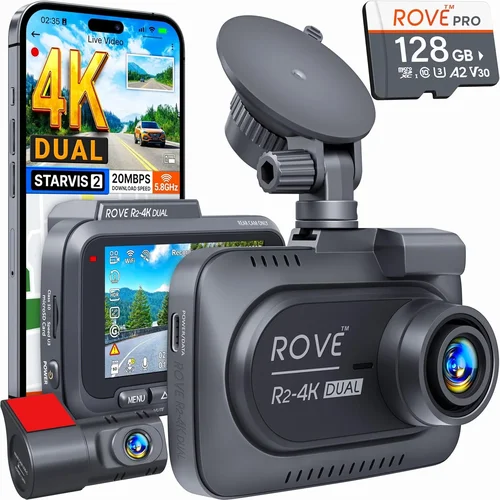
Expert Tips for Getting the Best Deal
Timing Matters: Purchase cycles align with automotive model years (August-February), new product launches (Q1/Q3), and end-of-quarter sales pushes. Watch for holiday promotions, trade show discounts, and manufacturer rebates.
Bulk Discounts: Negotiate volume pricing starting at 20+ units. Many vendors offer tiered incentives: 5% off 50 units, 10% off 100, etc. Request written agreements specifying all terms before signing contracts.
Refurbished Options: Certified refurbished units from authorized dealers provide substantial savings (30-50%) while retaining warranty coverage. Inspect return policies and restocking fees carefully.
Lease Programs: Equipment leasing spreads costs over time and qualifies as tax-deductible operating expense. Compare interest rates against outright purchase financing alternatives.
Trade-In Opportunities: Some manufacturers accept old dash cams toward new purchases. Even outdated models retain residual value through recycling programs or component reuse.
Open-Box Deals: Retailers occasionally discount returned items meeting cosmetic standards but functioning perfectly. Verify condition thoroughly and confirm return eligibility.
Negotiation Leverage: Emphasize long-term partnership prospects, willingness to provide testimonials, or referrals to other clients. Vendors motivated by repeat business often concede additional concessions.

Frequently Asked Questions
Q: Do I really need a dash cam for my fleet?
A: Yes, especially if you operate more than one vehicle. Dash cams provide objective evidence during disputes, support insurance claims, deter fraudulent activities, and encourage safer driving habits through behavioral awareness—all contributing to lower premiums and reduced accident rates.
Q: What resolution should I choose?
A: At minimum, Full HD (1920×1080) ensures readable license plates and clear facial details. For larger fleets or higher-risk operations, consider 2K or 4K models, though factor in increased storage demands and processing power requirements.
Q: How much storage do I need?
A: Assuming 1GB per hour of driving, plan for 16GB cards for 16 hours retention, 32GB for 32 hours, etc. Always round up and use high-endurance cards rated for 10,000+ write cycles. Automated cloud backups further reduce local storage burdens.
Q: Can dash cams record audio?
A: Most commercial dash cams disable audio recording due to privacy laws in many jurisdictions. Verify local regulations before enabling microphone functionality. Even when permitted, consider implementing opt-in policies and clear signage about surveillance.
Q: Are dash cams legal everywhere?
A: Laws vary significantly by state/province and country. Generally, two-party consent states require informing all recorded parties, while one-party consent allows recording if at least one participant consents. Consult legal advisors before deploying nationwide.
Q: How do I install multiple units efficiently?
A: Standardize mounting positions, wiring harnesses, and software configurations across your fleet. Train certified technicians or partner with specialized installers experienced in mass deployments. Use diagnostic tools to verify connectivity and settings remotely.
Q: What happens during power loss?
A: Built-in supercapacitors or lithium batteries provide 1-3 minutes of backup recording after ignition cutoff. Hardwiring eliminates battery drain concerns and enables true parking mode functionality without draining vehicle batteries.
Q: Can I view footage without removing SD cards?
A: Yes, Wi-Fi-enabled models allow wireless transfer to smartphones or tablets. Cloud platforms enable web-based playback from anywhere. Some systems support simultaneous viewing by multiple users with role-based permissions.
Q: How accurate are driver scoring algorithms?
A: Accuracy depends on sensor calibration, algorithm sophistication, and environmental conditions. Reputable vendors continuously refine models using anonymized datasets. Combine automated scores with human review for balanced assessments.
Q: What maintenance schedule should I follow?
A: Clean lenses monthly, inspect mounts quarterly, replace storage media annually, and update firmware biannually. Monitor error logs and alert statuses through central management consoles. Schedule preventive servicing before peak seasons.
Our Final Recommendations
Best for Budget-Conscious Buyers
The Viofo A119 V3 delivers exceptional value with Full HD recording, reliable G-sensor, and robust build quality at under $100. Its compact size minimizes obstruction while maintaining strong nighttime performance. Ideal for small delivery operations seeking affordable yet dependable protection.
Best Overall Value
The BlackVue DR970X-2CH strikes an optimal balance between features, durability, and price. Dual-channel recording, cloud connectivity, and impressive low-light capture justify its mid-range positioning. Widely praised in Reddit communities for reliability and responsive support.
Best Premium Option
The Thinkware F800 Pro offers enterprise-grade capabilities including 4K front recording, advanced WDR, and seamless telematics integration. Though pricier, its comprehensive feature set and proven track record make it worthwhile for medium to large fleets prioritizing performance.
Best for Beginners
The Garmin DriveLuxe 51LM boasts user-friendly interface, straightforward installation, and excellent image stabilization. Automatic incident detection and simple menu navigation reduce learning curves for new operators.
Best for Advanced Users
The Rexing V1P supports custom firmware, offers extensive configuration options, and integrates well with third-party analytics tools. Tech-savvy administrators appreciate its open architecture and scripting capabilities for bespoke workflows.
Conclusion: Making the Right Choice
Selecting the best dash cam for fleet vehicles transcends mere hardware selection—it represents a strategic investment in safety, accountability, and operational excellence. By systematically evaluating your specific requirements against key criteria like budget, performance, durability, and integration potential, you position your organization to maximize returns while minimizing risks.
Remember that no single solution fits every scenario perfectly. Tailor your approach based on fleet size, geographic scope, regulatory environment, and existing infrastructure. Engage stakeholders across departments—operations, legal, HR, and IT—to ensure alignment and buy-in throughout implementation.
Finally, embrace continuous improvement. Monitor KPIs such as accident frequency, insurance savings, driver satisfaction, and system uptime. Solicit feedback regularly and iterate on configurations as your needs evolve. With thoughtful planning and ongoing optimization, your dash cam initiative will deliver lasting value far beyond initial expectations.