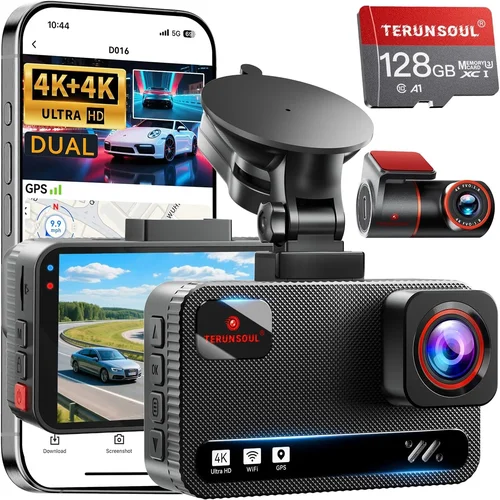
Expert Dash Cam Buying Guide


Why This Guide Matters
As a fleet manager or business owner operating multiple vehicles, you understand the importance of protecting your investment and ensuring driver safety. Dash cams have evolved from simple recording devices to sophisticated fleet management tools that can reduce liability, improve driver behavior, and provide invaluable evidence in accident investigations. With hundreds of models on the market, selecting the right dash cam for your fleet—especially one that handles both front and rear views—can feel overwhelming.
This comprehensive buying guide will walk you through every critical factor to consider when purchasing dash cams for fleet vehicles. You’ll learn about technical specifications, durability requirements, connectivity options, and cost-benefit analysis specifically tailored for commercial use. By the end of this article, you’ll have the knowledge to make informed decisions that protect your drivers, reduce insurance costs, and enhance overall fleet operations.
The dash cam market has grown exponentially over the past decade, with manufacturers like Garmin, Blackvue, Thinkware, and Nextbase now offering enterprise-grade solutions. However, not all dash cams are created equal when it comes to fleet applications. Many consumer models lack the reliability, remote monitoring capabilities, and rugged construction needed for professional use. Our expert analysis focuses exclusively on models that deliver the performance, durability, and features necessary for fleet deployment.
What to Look for When Buying Dash Cams
1. Fleet Management Integration
When evaluating dash cams for fleet vehicles, integration capabilities should be your top priority. Modern fleet dash cams must seamlessly connect with existing fleet management systems to provide real-time monitoring, automated reporting, and centralized control. Look for models that offer cloud-based platforms allowing you to view live footage from multiple vehicles simultaneously, receive alerts for specific events (like harsh braking or lane departures), and automatically upload recordings based on predefined criteria.
Advanced integration features include GPS tracking synchronization with your existing telematics system, driver identification through facial recognition or RFID technology, and automated incident tagging. These capabilities transform dash cams from passive recording devices into active safety and compliance tools. For example, when an accident occurs, the system should automatically notify your dispatch team, lock down relevant footage, and provide location data—all within seconds of the incident.
Additionally, consider whether the manufacturer offers API access or SDKs for custom integrations with your current fleet software. This becomes crucial as your fleet grows and your needs evolve. Some premium solutions even provide AI-powered analytics that detect distracted driving patterns or predict potential safety issues before they result in incidents.
2. Video Quality and Resolution Standards
Video quality is perhaps the most critical specification for fleet dash cams, directly impacting evidence reliability and incident reconstruction accuracy. For fleet applications, aim for at least 1080p Full HD resolution, though 4K Ultra HD is becoming increasingly standard in professional-grade models. Higher resolutions provide clearer detail for identifying license plates, road signs, and vehicle movements during critical moments.
However, resolution alone isn’t enough. Consider the frame rate—30fps is standard, but 60fps provides smoother motion capture during rapid events like sudden stops or collisions. The field of view (FOV) is equally important; wider angles (140-170 degrees) capture more of the road scene but may introduce fish-eye distortion. Look for models with advanced image stabilization and HDR (High Dynamic Range) technology that maintains visibility in challenging lighting conditions.
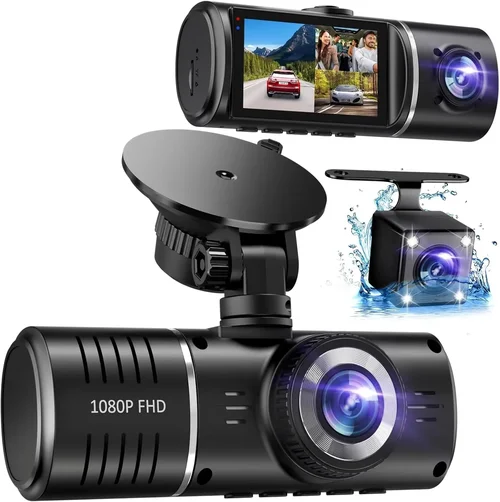
For rear cameras, similar standards apply, though some fleets opt for slightly lower resolutions since rear incidents typically involve slower speeds and less complex scenarios. Nevertheless, maintaining consistent quality between front and rear cameras ensures seamless footage integration and eliminates compatibility issues during review processes.
3. Storage Capacity and Recording Management
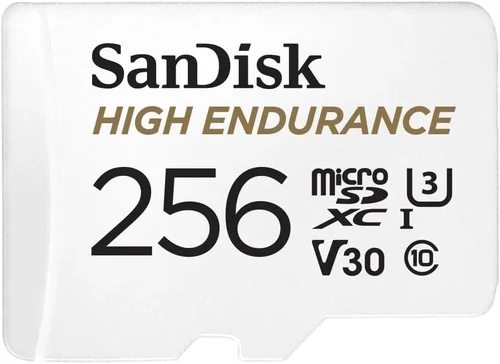
Storage management represents a significant operational challenge for fleet operators managing dozens or hundreds of vehicles. Dash cams require continuous recording cycles, meaning storage fills up rapidly without proper management systems. Most professional dash cams use microSD cards, with capacities ranging from 32GB to 512GB or more.
For fleet deployments, consider models with built-in storage management features like loop recording, automatic file deletion of oldest footage when space runs low, and event-based file locking. Event-based locking is particularly valuable—it automatically protects footage from accidents, sudden impacts, or other predefined triggers while allowing non-essential recordings to overwrite safely.
Cloud storage integration has become essential for modern fleet management. Cloud-based solutions eliminate the need for physical storage management entirely, automatically uploading critical footage to secure servers accessible from any device. This approach also facilitates easier evidence sharing with law enforcement, insurance companies, or legal teams during investigations.
When calculating storage needs, consider your retention policy and incident frequency. A typical fleet might need 7-30 days of rolling storage per vehicle, depending on local regulations and company policies. Factor in both front and rear camera requirements, as dual-camera setups consume approximately double the storage of single-camera systems.
4. Build Quality and Environmental Durability
Fleet vehicles operate in demanding environments where dash cams face extreme temperatures, vibrations, dust exposure, and potential impact damage. Unlike consumer models designed primarily for personal vehicles, fleet dash cams must withstand years of daily use without degradation. Look for military-grade shock resistance, IP67 or higher water/dust protection ratings, and wide operating temperature ranges (-20°C to +70°C).
Mounting hardware deserves special attention—professional-grade suction mounts with strong adhesion and vibration dampening are essential for heavy-duty vehicles. The power supply must handle voltage fluctuations common in fleet electrical systems and provide reliable operation through engine start/stop cycles. Some advanced models feature intelligent power management that switches to battery backup during ignition-off periods for final recording.
Consider the materials used in construction. Aircraft-grade aluminum housings resist corrosion and provide better heat dissipation than plastic alternatives. Tempered glass lenses offer superior scratch resistance compared to polycarbonate options. Additionally, verify that the manufacturer uses automotive-grade components certified for long-term reliability under harsh conditions.
5. Connectivity and Remote Monitoring
Remote monitoring capabilities transform dash cams from isolated devices into integrated fleet management assets. Modern professional dash cams offer multiple connectivity options including Wi-Fi, 4G LTE cellular, Ethernet, and Bluetooth. For fleet applications, cellular connectivity is often indispensable, enabling real-time video streaming, instant incident notifications, and remote configuration updates.
Evaluate the quality of the mobile app and web portal interface. Professional fleet managers need intuitive dashboards showing vehicle status, live camera feeds, event logs, and storage utilization across all vehicles. Features like geofencing, scheduled recording windows, and automated maintenance reminders significantly reduce administrative overhead.
Security considerations are paramount when transmitting sensitive footage over networks. Ensure the system uses end-to-end encryption, complies with data privacy regulations (GDPR, CCPA), and provides role-based access controls. Some advanced platforms offer blockchain-secured logging to prevent tampering with incident records—a crucial feature for legal protection.
6. Power Supply and Installation Requirements
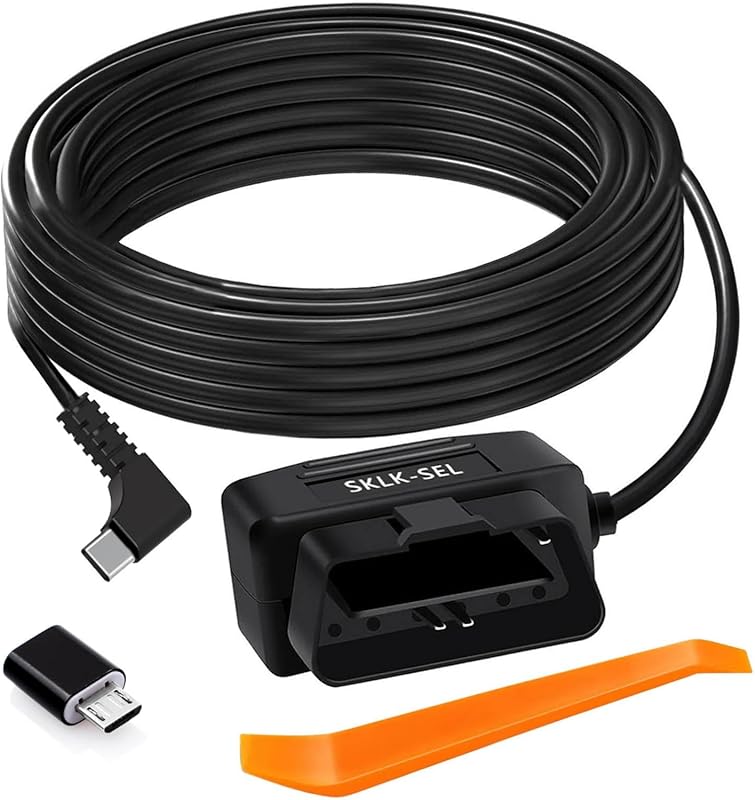
Power supply design affects both installation complexity and operational reliability. Fleet vehicles have varying electrical systems, requiring adaptable power solutions. Hardwired installations provide the most stable connection but require professional electrical work and void vehicle warranties if done incorrectly. Hardwire kits with fuse protection and smart voltage regulation are preferred for professional installations.
Alternative options include cigarette lighter adapters with surge protection or battery-powered models with extended recording capacity. However, battery-only systems require frequent recharging and lack the reliability needed for 24/7 fleet operations. Smart parking mode—recording while parked with motion detection—requires careful power management to avoid draining vehicle batteries during extended downtime.
Installation time and complexity impact fleet rollout schedules. Look for models with tool-free mounting systems, color-matched designs that blend with vehicle interiors, and clear documentation for technicians. Some manufacturers offer professional installation services or partner with certified installers to ensure consistent, high-quality deployments across your entire fleet.
7. Warranty and Technical Support
Professional dash cam warranties should match the expected lifespan of fleet vehicles—typically 3-5 years minimum. Consumer-grade warranties covering only 1-2 years are insufficient for commercial use where equipment failure could compromise safety and evidence integrity. Comprehensive warranty coverage should include parts, labor, and accidental damage protection.
Technical support quality varies dramatically between manufacturers. For fleet operations, prioritize companies with dedicated enterprise support teams available 24/7, multiple contact channels (phone, email, chat), and guaranteed response times. Some providers offer proactive monitoring services that alert them to potential issues before they affect your fleet operations.
Consider the availability of replacement parts and repair facilities. Global fleets benefit from manufacturers with regional service centers and local technician networks. Training resources for your maintenance staff or IT team are also valuable—some companies provide certification programs and hands-on workshops to maximize system utilization.
8. Compliance and Regulatory Considerations
Fleet dash cam deployment must comply with local, state/provincial, and national regulations regarding surveillance, privacy, and data retention. Different regions have varying requirements for recording consent, data storage duration, and evidence admissibility. For example, European Union countries enforce strict GDPR compliance for employee monitoring, requiring clear policies about when and how dash cam footage is accessed.
Some jurisdictions prohibit audio recording without explicit consent, which affects dash cam selection if you plan to use audio features. Others mandate specific data formatting or chain-of-custody procedures for legal evidence. Research your local regulations thoroughly and choose dash cam systems that support required compliance measures natively.
Insurance implications are another consideration. Many insurers offer discounts for fleets using approved dash cam systems with proper installation and maintenance protocols. Document your compliance efforts carefully, including installation dates, calibration certificates, and regular testing records, to maximize potential insurance benefits.
Different Types of Dash Cams

Common Buying Mistakes to Avoid
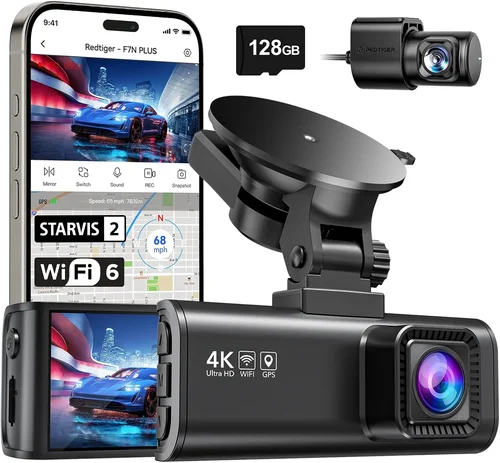
❌ Mistake: Ignoring Total Cost of Ownership
Why it’s bad: Many fleet managers focus solely on initial purchase price, overlooking ongoing costs like cloud storage subscriptions, replacement parts, software licenses, and technician labor. A seemingly affordable dash cam can become expensive over three years due to recurring fees and maintenance requirements.
What to do instead: Calculate true total cost of ownership by factoring in annual subscription fees (if applicable), expected lifespan, repair/replacement costs, and integration expenses. Request detailed pricing breakdowns from vendors and compare five-year projections rather than just first-year costs.
❌ Mistake: Choosing Based Solely on Price
Why it’s bad: Selecting the cheapest option often leads to unreliable performance, frequent failures, and inadequate features for fleet requirements. Low-cost dash cams typically lack essential capabilities like proper GPS accuracy, robust build quality, or cloud integration needed for professional operations.
What to do instead: Establish minimum feature requirements before comparing prices. Prioritize reliability and functionality over initial cost savings. Remember that poor-quality footage during critical incidents can be worse than no footage at all when determining legal outcomes.
❌ Mistake: Overlooking Scalability Requirements
Why it’s bad: Deploying incompatible systems across your fleet creates management nightmares, inconsistent data formats, and integration challenges. Starting with basic models may seem economical initially but forces costly system replacements later when your fleet grows or requirements change.
What to do instead:: Choose modular platforms designed for expansion. Ensure the chosen solution supports adding vehicles easily, integrates with existing fleet systems, and accommodates future technological upgrades without complete overhauls.
❌ Mistake: Neglecting Driver Acceptance
Why it’s bad:: Poor driver acceptance leads to underutilization, false sense of security, and potential conflicts. If drivers perceive dash cams as intrusive surveillance rather than safety tools, they may disable features, tamper with equipment, or resist proper usage protocols.
What to do instead:: Involve drivers early in selection process, emphasize safety benefits over surveillance aspects, provide clear usage guidelines, and establish fair review procedures that protect good drivers while addressing legitimate concerns about privacy.
❌ Mistake: Failing to Plan for Data Management
Why it’s bad:: Unmanaged dash cam data creates storage nightmares, compliance risks, and inefficient workflows. Without proper organization systems, finding relevant footage during investigations becomes time-consuming, and excessive storage consumption drives up operational costs.
What to do instead:: Implement structured data management policies upfront including retention schedules, automated categorization rules, secure backup procedures, and searchable metadata systems. Choose platforms with built-in analytics that help identify relevant clips quickly.
❌ Mistake: Underestimating Installation Complexity
Why it’s bad:: DIY installations often result in improper mounting, wiring errors, or incomplete configurations. Poor installations lead to equipment damage, false alarms, missed recordings, and voided warranties. Inconsistent deployments across your fleet create operational inconsistencies.
What to do instead:: Budget for professional installation services or invest in plug-and-play systems designed for easy self-installation. Verify installer qualifications and request proof of proper installation techniques before approving deployments.
❌ Mistake: Overlooking Software Updates and Maintenance
Why it’s bad:: Neglected software updates expose your fleet to security vulnerabilities, compatibility issues, and feature gaps. Outdated systems may fail during critical incidents when they’re needed most, and unpatched vulnerabilities could compromise sensitive operational data.
What to do instead:: Choose manufacturers with established update cycles, automated patching capabilities, and responsive support teams. Establish routine maintenance schedules including firmware updates, sensor cleaning, and system health checks.
Budget Guidelines: How Much Should You Spend?
Entry-Level ($150 – $400)
For small fleets or businesses starting their dash cam journey, entry-level systems offer basic dual-camera functionality at reasonable prices. These models typically provide 1080p recording, loop recording, G-sensor impact detection, and simple cloud connectivity. While lacking advanced features like AI analytics or extensive fleet management capabilities, they deliver essential protection for light-duty vehicles and delivery operations.
Recommended entry-level features include reliable GPS tracking, adequate storage management, and mobile app access for basic monitoring. Brands like Viofo, Rexing, and Blackview offer solid options in this range, though be cautious about extremely cheap models (<$100) that may sacrifice critical reliability factors for cost savings.
Mid-Range ($400 – $800)
The mid-range category represents the sweet spot for most fleet operators, balancing advanced features with reasonable pricing. These systems typically offer 4K front camera recording, enhanced night vision, sophisticated parking modes, robust cloud platforms, and improved build quality. Many mid-range models also include driver assistance features like lane departure warnings and forward collision alerts.
This price tier includes popular professional brands like Thinkware, Garmin, and Nextbase, which provide excellent value for money. Mid-range systems often support multi-vehicle management, detailed reporting dashboards, and integration with existing fleet software—features essential for growing operations.
Premium ($800 – $1,500)
Premium dash cam systems deliver enterprise-grade performance with comprehensive fleet management capabilities. These models typically feature multiple 4K cameras, advanced AI analytics, redundant storage options, military-grade durability, and sophisticated security features. Premium systems often include proprietary algorithms for incident prediction, detailed driver scoring, and customizable alert systems.
Brands like Blackvue, S700 Pro+, and various OEM solutions from major automotive suppliers dominate this category. Premium systems justify their higher price points through reduced insurance premiums, improved driver safety metrics, and enhanced legal protection during disputes.
Luxury ($1,500+)
Luxury dash cam solutions represent the cutting edge of fleet technology, incorporating experimental features and maximum reliability standards. These systems may include 8K recording capability, thermal imaging sensors, blockchain-secured logging, autonomous incident response, and predictive maintenance alerts. Luxury options often serve specialized applications like autonomous vehicle testing, emergency response units, or high-value cargo transportation.
While luxury systems offer unmatched capabilities, they frequently exceed practical fleet requirements and represent significant overinvestment for standard operations. Carefully evaluate whether advanced features translate to measurable ROI before committing to luxury-tier investments.
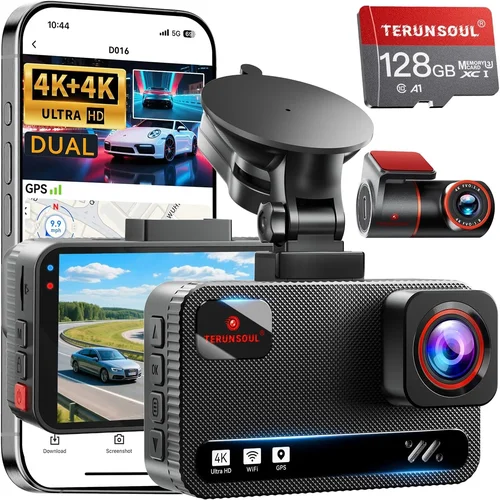
Expert Tips for Getting the Best Deal
1. Time Your Purchase Strategically
Major dash cam manufacturers typically announce new products in spring, leading to summer clearance sales of previous models. Additionally, many fleet equipment suppliers offer year-end inventory reductions in December. These seasonal opportunities can yield significant savings on last-generation professional models that still meet current requirements.
Monitor industry trade shows like CES, Intertraffic, and ATA conventions for exclusive dealer promotions and demo unit discounts. Many manufacturers provide special financing terms or bundled packages during these events, making them ideal for large-scale fleet purchases.
2. Leverage Volume Discounts
Most professional dash cam suppliers offer substantial volume discounts for fleet purchases. Don’t hesitate to negotiate pricing based on quantity—some providers provide tiered pricing structures where additional units beyond certain thresholds receive percentage-based reductions.
Consider bundling related services like installation, training, and extended warranties to maximize package deals. Some vendors offer “fleet starter kits” that include everything needed for initial deployment at discounted rates.
3. Evaluate Lease-to-Own Options
Rather than committing to large capital expenditures, explore lease-to-own arrangements offered by many dash cam manufacturers. These flexible financing options allow you to deploy systems immediately while spreading costs over multiple years, improving cash flow management for growing fleets.
Lease agreements often include upgrade provisions, allowing you to refresh technology every 2-3 years without large lump-sum payments. This approach keeps your fleet equipped with current technology while managing budget constraints effectively.
4. Negotiate Customized Service Packages
Instead of purchasing standalone hardware, negotiate comprehensive service bundles that include installation, maintenance, cloud storage, and technical support. These packages often cost less per vehicle than individual component purchases and simplify accounting by converting capital expenses to operational expenditures.
Request customized SLAs (Service Level Agreements) specifying response times, guaranteed uptime percentages, and penalty clauses for service failures. These contractual protections ensure accountability and minimize operational disruptions.
5. Utilize Government and Industry Programs
Many government agencies and industry associations offer grants or rebates for fleet safety improvements. Research programs like FMCSA SmartWay certification incentives, DOT safety improvement funds, or state-level fleet modernization grants that could offset dash cam implementation costs.
Join industry groups like NAFA Fleet Management Association or ACT (Advanced Clean Transportation) to access member-exclusive discounts, bulk purchasing cooperatives, and collective bargaining advantages for fleet equipment.
6. Compare Total Solution Providers vs Component Buyers
While buying individual components might seem cheaper initially, comprehensive solution providers often deliver better value through integrated systems, reduced installation complexity, and unified support structures. These providers handle compatibility issues, coordinate installations, and manage ongoing maintenance more efficiently than separate hardware/software purchases.
Request detailed proposals from solution providers that include all associated costs—not just hardware prices—to make accurate comparisons between different acquisition strategies.
7. Test Before Committing
Whenever possible, conduct pilot tests with shortlisted models before making large purchases. Deploy test units on select vehicles for 30-60 days to evaluate real-world performance, driver acceptance, and integration compatibility with your existing systems.
During testing phases, collect quantitative data on reliability metrics, storage efficiency, and user satisfaction scores. Share feedback with manufacturers to negotiate improved terms or feature enhancements based on actual usage patterns.
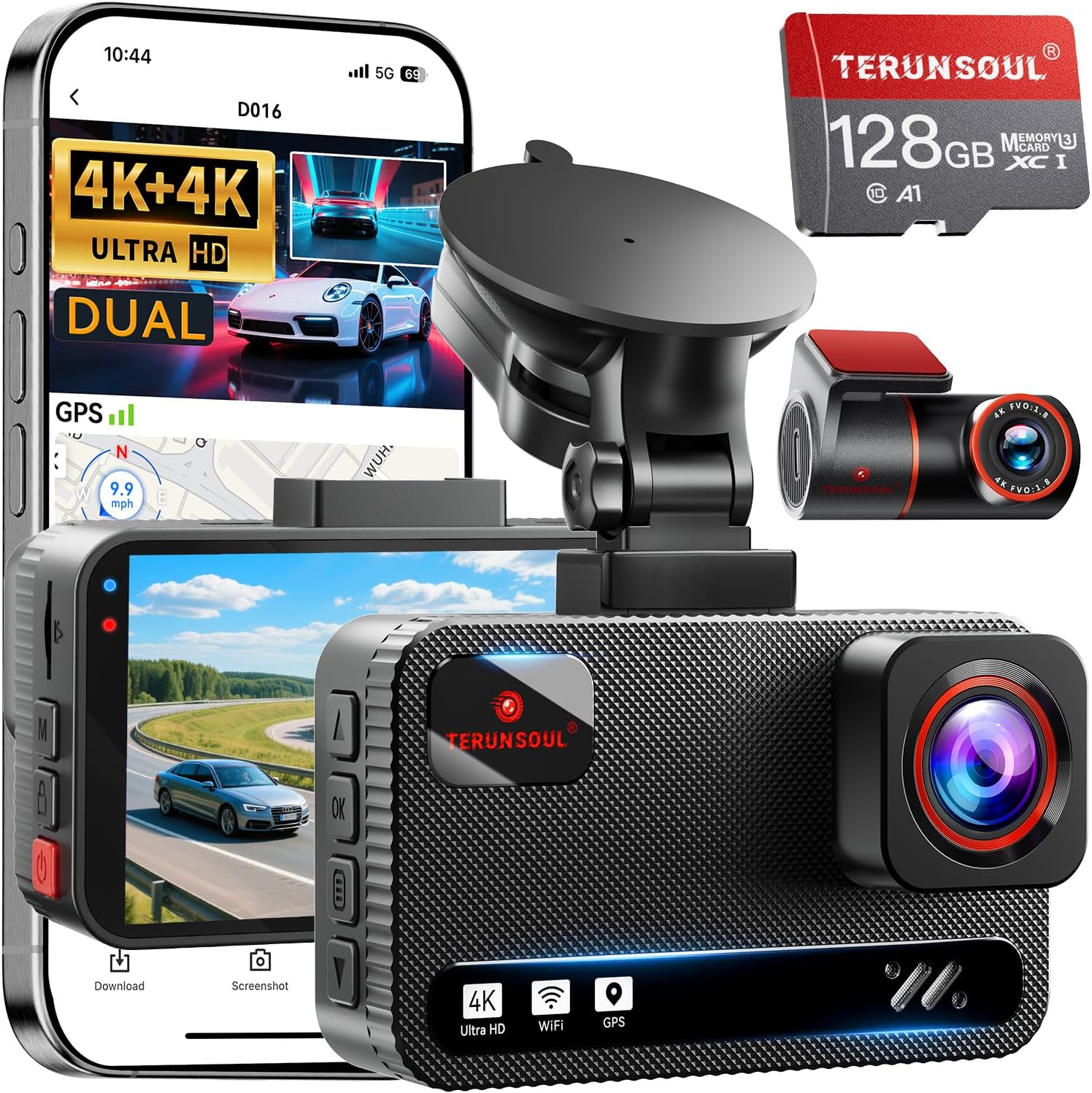
Frequently Asked Questions
Q: How many dash cams do I need for my fleet?
A: The number depends on your fleet size and coverage requirements. For standard operations, one front-facing camera per vehicle plus optional rear cameras provides adequate protection. Large fleets may benefit from multi-camera systems covering sides and interior cabin monitoring. Consider your vehicle types—tractor-trailers require different coverage than sedans or SUVs.
Q: What resolution should I choose for fleet dash cams?
A: For fleet applications, minimum 1080p Full HD is recommended, with 4K Ultra HD becoming standard for premium systems. Higher resolutions provide better detail for accident reconstruction and evidence identification. However, balance resolution with storage requirements and processing capabilities, especially when monitoring multiple vehicles simultaneously.
Q: How much storage do I need for fleet dash cams?
A: Storage needs vary based on retention policies and incident frequency. A typical fleet requires 7-30 days of rolling storage per vehicle. Dual-camera systems consume approximately double storage of single-camera setups. Cloud storage eliminates physical management but requires ongoing subscription fees. Calculate based on your longest required retention period plus buffer capacity for unexpected incidents.
Q: Can dash cams record audio in fleet vehicles?
A: Yes, but audio recording regulations vary significantly by jurisdiction. Many regions require explicit consent before recording conversations, while others prohibit audio entirely. Check local laws regarding workplace surveillance and employee privacy before enabling audio features. Some manufacturers offer region-specific firmware configurations to comply with local requirements.
Q: How do I integrate dash cams with existing fleet management systems?
A: Integration approaches depend on your current systems’ capabilities. Many modern dash cam platforms offer native integrations with popular fleet software like Geotab, Samsara, or Fleet Complete. For custom integrations, look for manufacturers providing APIs or SDKs. Consider middleware solutions if direct integration isn’t available, though this adds complexity and potential points of failure.
Q: What happens during power outages or battery drain?
A: Professional dash cam systems include backup power solutions like supercapacitors or secondary batteries to maintain recording during brief power interruptions. Smart parking modes prevent vehicle battery drain by activating only when motion is detected. Ensure your chosen system includes appropriate power management features for your fleet’s typical idle times and climate conditions.
Q: How do I train drivers to accept dash cam monitoring?
A: Successful driver acceptance requires transparent communication emphasizing safety benefits over surveillance concerns. Provide clear usage policies explaining when and how footage is reviewed, establish fair disciplinary procedures, and highlight insurance and safety advantages. Involving drivers in the selection process and demonstrating positive outcomes builds trust and reduces resistance to monitoring systems.
Q: Are there insurance benefits for fleets with dash cams?
A: Yes, many insurance providers offer premium discounts for fleets using approved dash cam systems. Discounts typically range from 10-25% depending on system sophistication, installation quality, and maintenance protocols. Maintain detailed records of system installations, calibrations, and incident reviews to qualify for maximum insurance benefits. Some providers require third-party certifications for full discount eligibility.
Q: How often should dash cam systems be maintained?
A: Professional maintenance schedules typically include monthly visual inspections, quarterly cleaning of lenses and sensors, biannual software/firmware updates, and annual professional servicing. More rigorous schedules apply to high-use fleets or extreme operating conditions. Automated diagnostic features in advanced systems can reduce manual maintenance requirements while ensuring optimal performance.
Q: What legal protections do dash cam systems provide?
A: Well-maintained dash cam systems create an objective record of events during incidents, reducing liability exposure and providing evidence for insurance claims or legal proceedings. Properly implemented systems demonstrate due diligence in safety management and can protect against false allegations. Chain-of-custody procedures and secure storage protocols maintain evidence integrity throughout legal processes.
Our Final Recommendations
Best for Budget-Conscious Buyers
The Viofo A119 V3 stands out as the optimal choice for fleets prioritizing cost-effectiveness without sacrificing essential functionality. This model delivers reliable 2K front camera recording, robust build quality, and solid cloud connectivity at an accessible price point. Its compact design fits discreetly in various vehicle types, and the included parking mode provides adequate protection during idle periods. While lacking advanced AI features, the A119 V3 offers exceptional value for basic fleet requirements.
Best Overall Value
Thinkware Q800 Pro emerges as the best balanced solution for most fleet operations seeking comprehensive features at reasonable pricing. This system provides outstanding 4K front recording, impressive night vision capabilities, sophisticated driver assistance features, and excellent integration options. The robust build quality withstands daily fleet use, while the intuitive management platform simplifies deployment across multiple vehicles. Thinkware’s reputation for reliability and responsive customer support further enhances its value proposition.
Best Premium Option
Blackvue DR900X-2CH represents the gold standard for premium fleet dash cam systems, delivering unmatched performance and reliability. This model features stunning 4K front recording, exceptional low-light sensitivity, military-grade shock resistance, and comprehensive cloud management capabilities. Advanced features like Wi-Fi connectivity, GPS logging, and intelligent parking modes provide complete vehicle protection. While positioned at the higher end of the price spectrum, Blackvue systems consistently demonstrate superior longevity and performance in demanding fleet environments.
Best for Beginners
The Rexing V1P Pro offers an excellent introduction to fleet dash cam technology with its user-friendly interface and straightforward installation process. This model provides reliable 2K recording, essential safety features, and basic cloud connectivity without overwhelming complexity. Its affordability makes it ideal for small fleets or organizations testing dash cam implementations before expanding deployments. The clear documentation and responsive support help newcomers navigate initial setup and troubleshooting challenges.
Best for Advanced Users
The Garmin Dash Cam 67W Professional edition caters to experienced fleet managers requiring sophisticated analytics and integration capabilities. This system combines impressive 4K recording quality with advanced driver behavior monitoring, customizable alert systems, and seamless integration with existing fleet software. The comprehensive data analytics provide actionable insights for safety improvement initiatives, while the robust build quality ensures reliable performance across diverse operating conditions. Advanced users appreciate the granular control options and detailed reporting features that support strategic fleet optimization.
Conclusion: Making the Right Choice
Selecting the best dash cam for fleet vehicles involves balancing multiple competing priorities—budget constraints, technical requirements, regulatory compliance, and operational realities. Rather than pursuing perfect solutions, successful fleet managers focus on identifying the optimal combination of features that deliver maximum value relative to their specific circumstances.
Remember that dash cams represent an investment in your fleet’s safety, liability protection, and operational efficiency. The most expensive system won’t provide adequate returns if it fails during critical incidents or creates unacceptable administrative burdens. Conversely, overly simplistic solutions may leave your fleet vulnerable to preventable accidents and legal complications.
Start by assessing your current pain points—whether they relate to insurance costs, accident frequency, driver management challenges, or compliance requirements. Then prioritize dash cam features that address those specific issues while accommodating your growth plans and budget limitations. Consider phased implementations that allow you to validate effectiveness before expanding deployments across your entire fleet.
Finally, recognize that dash cam technology continues evolving rapidly. Choose platforms with upgrade paths and flexible architectures that accommodate future advancements without requiring complete system replacements. Stay engaged with industry developments, participate in peer learning opportunities, and don’t hesitate to adjust your approach as your fleet’s needs evolve over time.
With careful planning and informed decision-making, dash cams can transform your fleet operations from reactive crisis management to proactive safety leadership—protecting your drivers, reducing costs, and positioning your organization for sustainable success in an increasingly competitive landscape.