Best Dash Cam Buying Guide for India
In today’s fast-paced world, where road safety and vehicle protection are more important than ever, dash cams have become an essential automotive accessory for Indian drivers. With increasing traffic congestion, unpredictable weather conditions, and the need to protect against insurance fraud or false claims, a quality dash cam can provide invaluable peace of mind and crucial evidence when needed. This comprehensive buying guide is designed specifically for the Indian market, helping you navigate through the overwhelming array of options available in stores and online platforms like Amazon India, Flipkart, and other electronics retailers.
By the end of this article, you’ll understand exactly what features matter most, how to evaluate different models based on your specific needs, and which dash cams offer the best value for money in India’s unique driving environment. Whether you’re a daily commuter navigating Mumbai’s chaotic streets, a delivery driver covering long distances across the country, or someone who simply wants to document their journeys for personal safety, this guide will equip you with all the knowledge necessary to make an informed purchasing decision that protects both your investment and your driving experience.
The Indian dash cam market has grown significantly over the past few years, with brands from both domestic manufacturers and international companies now offering products tailored to local conditions. However, not all dash cams perform equally well under India’s diverse climate conditions, ranging from extreme heat in Rajasthan to heavy monsoon rains in Kerala. Understanding how factors like temperature resistance, storage capacity, video quality, and connectivity options impact performance in these environments is crucial for selecting the right device that will serve you reliably year-round without breaking the bank.

What to Look for When Buying Dash Cams
Before diving into specific models or brand recommendations, it’s essential to understand the fundamental aspects that determine whether a dash cam will meet your expectations in real-world usage scenarios common across India’s varied road networks.
1. Budget & Price Range
Your budget should be your starting point rather than an afterthought, as it directly influences the quality and reliability you can expect from any given model. In India, dash cam prices typically range from approximately ₹2,000 for basic entry-level models to over ₹25,000 for premium units with advanced features. It’s tempting to go for the cheapest option thinking “it’s just a camera,” but remember that dash cams operate continuously while your car runs, often exposed to harsh environmental conditions including intense sunlight, dust, and sudden temperature changes. A subpar unit may fail within weeks due to poor build quality or inadequate components, rendering it useless during critical moments when you actually need evidence captured.
That said, there’s no need to overspend unless you require professional-grade recording capabilities or specialized features like dual-channel recording (front + rear). For most Indian drivers—whether commuting daily through city traffic or taking occasional highway trips—a mid-range dash cam offers the optimal balance between cost and functionality. Consider allocating at least ₹4,000–₹8,000 for a reliable daily-use device that includes essential protections like loop recording, G-sensor auto-save, and decent night vision performance suitable for low-light urban environments.
2. Performance Specifications
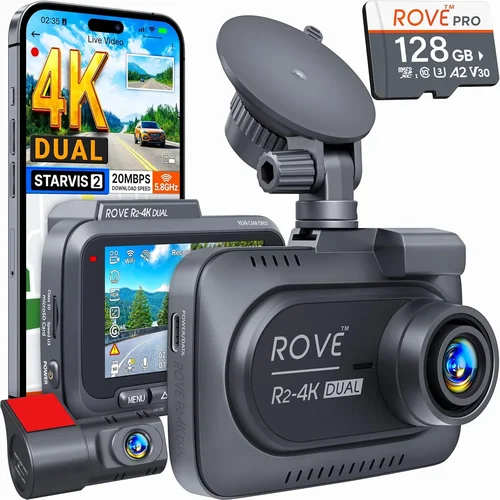
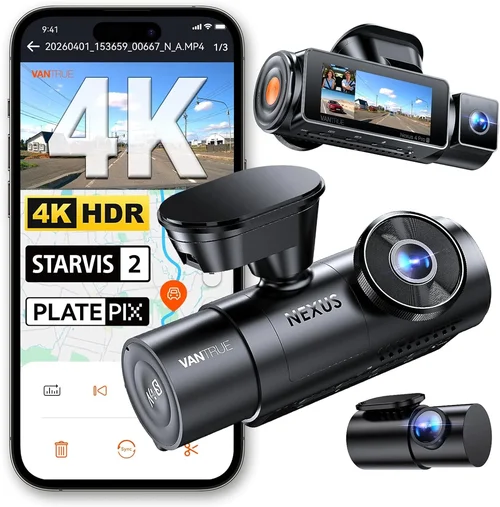
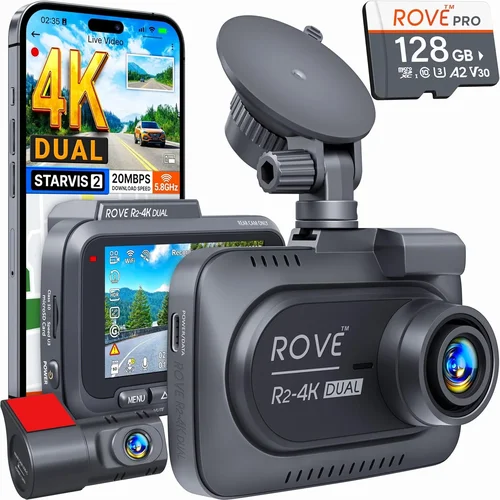
Performance specifications dictate how well your dash cam will function under various driving conditions commonly encountered in India. The three most critical technical parameters to examine are resolution (measured in pixels), frame rate (fps), and sensor type. Resolution determines image clarity; higher megapixel counts mean sharper still photos and clearer video footage capable of capturing license plates and facial details if required. Most modern dash cams now offer Full HD (1920×1080) resolution as standard, but some premium models support 2K (2560×1440) or even 4K Ultra HD recording for exceptional detail retention during incidents.
Frame rate affects motion smoothness—higher fps values result in less choppy playback, especially useful for highway driving where vehicles move quickly across the frame. While 30fps is sufficient for general use, 60fps provides noticeably smoother action sequences and better slow-motion capability during emergency braking events. Sensor technology plays a lesser-known but equally important role: CMOS sensors generally outperform CCD types in low-light situations, making them ideal for Indian nighttime driving when streetlights and car headlights provide limited illumination.
Additional performance considerations include bitrate (data compression efficiency), which impacts file sizes and storage requirements, and audio recording quality if you want to capture conversations or ambient sounds alongside visual evidence. Higher bitrates produce larger files but preserve more detail, particularly important for legal documentation purposes where every detail might matter during disputes.
3. Build Quality & Durability
Build quality ensures your dash cam survives the rigors of everyday driving while maintaining consistent performance over time. Given India’s challenging road conditions—including potholes, sudden stops, and exposure to dust and moisture—a robust housing becomes non-negotiable. Look for devices constructed from durable materials such as polycarbonate or aluminum alloy that resist cracking under impact and don’t yellow from prolonged UV exposure. Sealed ports and waterproofing ratings (IP67 or higher) protect internal circuitry from rain, humidity, and accidental spills inside your vehicle.
Mount design also contributes significantly to overall durability. Suction cup mounts work well initially but lose adhesion after repeated temperature fluctuations common in India’s climate, potentially causing the camera to fall off mid-drive. Hardwire kits eliminate this risk entirely by connecting directly to your car’s battery via cigarette lighter adapters or permanent wiring solutions. Additionally, consider models featuring flexible mounting arms that absorb vibrations from rough roads without transmitting shock to the main body, extending component lifespan and preventing premature failure.
4. Features & Functionality
Modern dash cams come packed with features beyond simple video recording. Essential functionalities include:
– Loop Recording: Automatically overwrites oldest footage when storage fills up, ensuring continuous coverage without manual intervention.
– G-Sensor (Impact Detection): Detects sudden deceleration or collisions and saves relevant clips to protected memory to prevent accidental deletion.
– Parking Mode: Monitors your vehicle 24/7 using motion detection or hardwired power sources, capturing incidents even when parked unattended.
– Night Vision Enhancement: Uses infrared LEDs or enhanced low-light sensors to maintain visibility during nighttime hours when most accidents occur.
– Wide Dynamic Range (WDR): Balances exposure between bright headlights and darker surroundings, reducing washed-out images caused by strong backlighting.
– GPS Tracking: Logs location data and speed information onto recorded videos for added context during accident reconstruction.
– Wi-Fi Connectivity: Allows wireless transfer of footage to smartphones via companion apps for quick sharing or backup.
– Voice Control: Enables hands-free operation during driving, minimizing distraction while capturing critical moments.
For Indian consumers, parking mode deserves special attention since many vehicles remain stationary for extended periods in crowded city centers or remote areas where theft or vandalism risks exist. Ensure your chosen model supports reliable power delivery during standby mode—some cheaper units draw excessive current and drain batteries rapidly overnight.
5. Brand Reputation
Brand reputation reflects collective customer satisfaction and manufacturer commitment to quality control. Established brands with proven track records tend to offer better after-sales service, genuine spare parts availability, and firmware updates that improve functionality over time. In India, popular reputable names include BlackVue (South Korean), Thinkware (also Korean), Garmin, and Xiaomi Mi, all known for producing reliable electronics with good build standards. Smaller regional brands may offer lower prices but often compromise on warranty terms and customer support responsiveness, which can be problematic if you encounter technical issues requiring assistance.
Research user reviews across multiple platforms—not just retailer websites—to gauge real-world experiences from other Indian buyers facing similar usage patterns. Pay attention to recurring complaints about overheating, poor night performance, or unreliable connectivity, as these issues can indicate underlying design flaws affecting long-term usability.
6. Warranty & Support
A solid warranty demonstrates manufacturer confidence in product reliability and provides recourse if defects arise. Most quality dash cams in India offer at least a one-year warranty covering manufacturing faults, but some premium models extend coverage to two years or include accidental damage protection. Check whether warranties apply globally (important if you plan interstate travel) and confirm return/exchange policies before purchasing, especially when buying online where physical inspection isn’t possible beforehand.
Customer support responsiveness matters greatly during troubleshooting sessions. Brands with dedicated helplines, multilingual chatbots, or localized service centers in major cities like Delhi, Mumbai, Bangalore, and Chennai tend to resolve issues faster than those relying solely on email-based support. Prefer retailers offering easy returns within 7–14 days to test functionality personally before committing long-term.
7. Size & Portability
While dash cams primarily serve as fixed installations, size considerations affect both aesthetics and practicality. Compact designs (under 10cm wide) blend seamlessly into dashboard contours without obstructing views of instruments or mirrors. However, smaller bodies sometimes limit internal space for larger sensors or cooling systems, potentially impacting thermal management during hot summer months when prolonged recording causes overheating shutdowns. Conversely, oversized units may block important instrument panel readouts or reflect excessively in windshields during sunny drives.
If you frequently switch vehicles or rent cars, look for ultra-compact models that fit easily into glove compartments during transit. Some users prefer removable memory cards paired with cloud backup subscriptions for maximum flexibility across different setups.
8. User Reviews & Ratings
User reviews offer invaluable insights unavailable elsewhere—real people describing actual experiences with day-to-day reliability, software quirks, and compatibility issues with Indian smartphone operating systems (Android vs iOS). Focus on verified purchase reviews mentioning usage duration rather than brief one-star rants about packaging quality. Search specifically for comments about performance in Indian conditions: monsoon durability, heat resistance during Delhi’s scorching afternoons, or compatibility with Maruti Suzuki vs Hyundai models regarding hardwiring kits.
Aggregate ratings from multiple sources (Amazon, Flipkart, specialized tech forums) give a balanced perspective rather than relying exclusively on retailer-filtered feedback. Be wary of suspiciously glowing reviews lacking detail or appearing copied across sites—these may indicate paid promotions rather than organic endorsements.
Different Types of Dash Cams

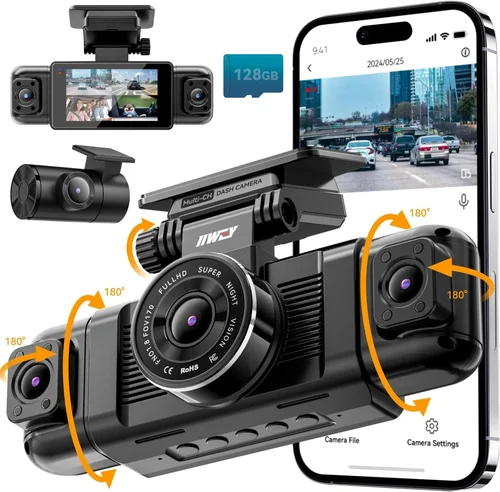
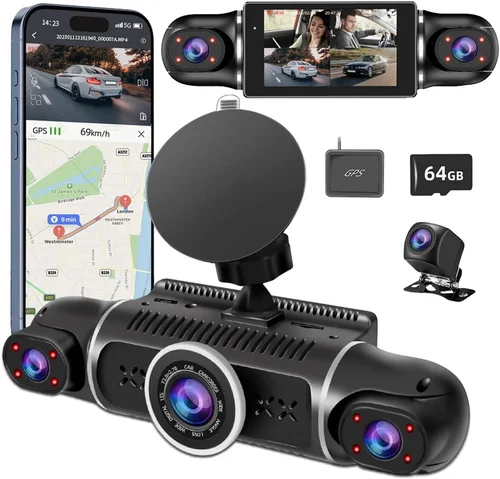
Each category serves distinct user profiles based on priorities like affordability, coverage area, or technological sophistication. Basic single-lens models suffice for casual users seeking evidence protection without complex setups, while dual-camera systems appeal to those wanting comprehensive interior/exterior documentation during family outings or commercial deliveries. Premium smart dash cams attract drivers invested in cutting-edge safety technologies, whereas OEM solutions integrate smoothly into new vehicle purchases for hassle-free ownership. Specialized rugged variants cater to niche applications involving extreme environments rarely encountered by average commuters.
Common Buying Mistakes to Avoid
❌ Mistake: Ignoring Local Climate Conditions
Why it’s bad: Assuming all dash cams behave identically regardless of geography leads to frequent failures in India’s variable climates. Units rated for temperate zones may overheat during Delhi’s summer afternoons or malfunction during Kerala’s monsoon rains when humidity exceeds manufacturer specifications.
What to do instead: Prioritize models explicitly tested for tropical environments with sealed housings and wide operating temperature ranges (-20°C to +70°C). Check user reports about monsoon performance and avoid cheap Chinese knockoffs lacking proper certifications.
❌ Mistake: Overlooking Storage Requirements
Why it’s bad: Failing to account for continuous recording demands results in constant “card full” errors before critical evidence gets saved. Without adequate storage planning, loop recording deletes potentially vital footage prematurely.
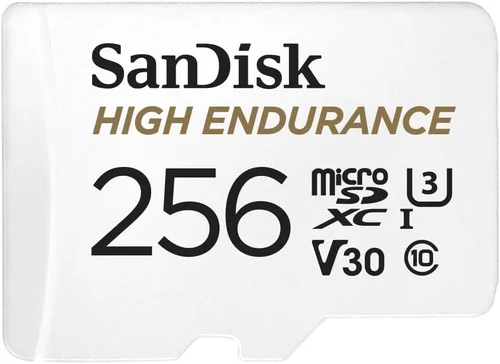
What to do instead: Calculate required capacity based on resolution/bitrate combinations: 32GB suffices for basic Full HD at 30fps, but 64GB+ recommended for 2K/4K modes or extended parking surveillance. Always carry spare microSD cards compatible with V30/U3 speed classes.
❌ Mistake: Choosing Based Solely on Price
Why it’s bad: Ultra-budget models (<₹2,000) often skimp on essential components like reliable capacitors instead of lithium-ion batteries, leading to data corruption during power interruptions common in traffic jams or faulty wiring.
What to do instead: Allocate minimum ₹4,000 for trustworthy daily use, focusing on proven brands with documented reliability records rather than chasing promotional discounts on questionable products.
❌ Mistake: Neglecting Installation Complexity
Why it’s bad: Attempting DIY hardwiring without proper tools risks damaging vehicle wiring harnesses or voiding insurance clauses regarding unauthorized modifications. Incorrect polarity connections can fry both dash cam and car electronics.
What to do instead: Hire certified technicians through authorized service centers listed by manufacturers, or opt for plug-and-play cigarette lighter kits until comfortable with electrical basics. Many retailers offer free installation trials during initial purchase periods.
❌ Mistake: Underestimating Power Consumption
Why it’s bad: Parking mode draws significant current even when dormant, rapidly draining lead-acid batteries below safe discharge levels and triggering deep-cycle damage requiring expensive replacements.
What to do instead: Use smart hardwiring kits with built-in voltage cutoffs that disconnect power below 11.8V, or invest in capacitor-based backup systems that provide short bursts during ignition cycles without taxing batteries.
❌ Mistake: Disregarding Software Compatibility
Why it’s bad: Android-only apps exclude iPhone users, while outdated firmware prevents access to newer features like cloud sync or AI object detection, leaving your investment underutilized.
What to do instead: Verify cross-platform app availability before buying, and subscribe to manufacturer newsletters for update notifications. Test playback software on your primary device during store visits if possible.
❌ Mistake: Skipping Post-Purchase Maintenance
Why it’s bad: Dust accumulation behind lenses reduces image quality over time, while outdated maps in GPS-enabled models render location logs inaccurate for legal submissions.
What to do instead: Schedule quarterly cleanings with microfiber cloths, manually check for firmware updates monthly, and replace worn suction cups annually to maintain secure mounting.
Budget Guidelines: How Much Should You Spend?
Entry-Level ($2,500 – $4,500 INR)
This tier suits first-time buyers needing foundational protection without unnecessary complexity. Expect basic Full HD recording, manual settings, and limited smart features. Ideal candidates include students, young professionals, or drivers of older vehicles where additional safety investments aren’t justified yet. While these models may lack advanced functions like Wi-Fi or GPS, they reliably capture incident-critical footage and include essential safeguards such as G-sensors and loop recording. Brands like EZVIZ, DOD, and some Xiaomi sub-brands dominate this segment with competitive pricing and acceptable build quality for occasional use.
Mid-Range ($6,000 – $12,000 INR)
The sweet spot for most Indian drivers balances cost with meaningful upgrades in durability, image processing, and convenience. Dual-lens systems appear here offering front/rear coverage, while improved sensors deliver superior night performance crucial for urban driving after sunset. Enhanced build quality withstands monsoon humidity and summer heat better than budget rivals. Smart features like voice commands, mobile app integration, and parking mode become standard, adding layers of protection against opportunistic theft or hit-and-run scenarios. Thinkware’s U1000 series and BlackVue DR900X-1CH represent benchmarks in this category, though local alternatives from Amcrest or Zmodo offer comparable specs at lower price points.
Premium ($15,000 – $25,000+ INR)
Enthusiasts, fleet managers, and luxury car owners gravitate toward premium tiers where cutting-edge technology meets professional-grade reliability. Expect 4K resolution, HDR imaging, driver fatigue alerts, and seamless cloud synchronization with encrypted storage—ideal for ride-sharing services or high-risk occupations like construction logistics. These units undergo rigorous testing for vibration resistance and extreme temperatures, ensuring consistent operation during long-haul trips across India’s diverse terrain. Notable examples include BlackVue DR970X-2CH and Garmin Dash Cam 67W, though their steep price tags demand justification through measurable ROI in reduced insurance premiums or dispute resolution efficiency.
Luxury ($25,000+ INR)
Ultra-premium models target discerning clients willing to pay for unparalleled craftsmanship and future-proof capabilities. Features like multi-spectral sensing, predictive analytics, and OEM-level integration push boundaries beyond typical consumer expectations. Such devices often include redundant power supplies, military-grade casings, and AI-powered incident classification that automatically highlights relevant clips for review. While overkill for private passenger vehicles, these systems find homes in corporate fleets, government agencies, or collectors seeking museum-quality automotive electronics. Availability remains limited in India, typically requiring import channels or direct manufacturer partnerships with luxury automakers.
Expert Tips for Getting the Best Deal
Timing Your Purchase Strategically
Avoid peak shopping seasons like Diwali or Republic Day when retailers inflate prices anticipating bulk orders. Instead, target off-peak periods such as post-monsoon sales (October-November) or mid-week flash sales on e-commerce platforms. Major festivals like Independence Day often trigger manufacturer promotions, while Amazon Prime Day and Flipkart Big Billion Days yield exclusive dash cam bundles with extended warranties or complimentary accessories.
Choosing Between Online & Offline Retailers
Online platforms offer wider selections and easier price comparisons but lack hands-on testing opportunities. Physical stores allow immediate inspection of build quality and interface usability but may carry inflated markups. Hybrid strategies work best: visit flagship stores for tactile evaluation, then order online using cashback offers or exchange guarantees to lock in savings. Authorized dealer networks usually honor manufacturer warranties regardless of purchase channel, unlike gray-market importers.
Spotting Hidden Deals & Discounts
Subscribe to retailer newsletters for early access to subscriber-only coupons. Join loyalty programs offering points redeemable toward future purchases. During festival seasons, bundled packages combining dash cams with radar detectors or tire pressure monitors frequently appear at discounted rates. Watch for “clearance” sections where discontinued models get heavily marked down—ensure remaining stock isn’t nearing end-of-life with obsolete firmware.
Warranty & Return Policy Navigation
Always verify warranty coverage duration and scope before signing purchase agreements. Prefer retailers offering “no-questions-asked” returns within 7–14 days, allowing thorough testing under real driving conditions. Confirm whether international warranties apply if traveling abroad, and retain original packaging for easy repackaging during exchanges. Document any pre-existing damage with timestamped photos before accepting deliveries.
Testing Before Committing Long-Term
If possible, request demonstration units at electronics bazaars or partner dealerships. Test key functionalities including night recording quality, audio clarity, menu navigation intuitiveness, and app connectivity stability. Simulate parking mode by leaving units powered overnight in controlled environments to assess battery drain rates. Evaluate mounting system security by gently tugging during simulated road vibrations.
Negotiating Accessory Bundles
Inquire about complimentary accessories like extra memory cards, suction cup replacements, or hardwiring kits during purchase negotiations. Some brands include free cloud storage subscriptions for initial months, valuable for backing up critical clips without immediate subscription costs. Fleet buyers should explore volume discount structures for bulk acquisitions.
Staying Updated on Technological Advances
Follow industry blogs and YouTube reviewers specializing in automotive electronics for early leakages about upcoming releases. Subscribe to manufacturer press mailing lists to receive firmware update announcements and feature enhancement roadmaps. Participate in online communities discussing real-world dash cam performance in Indian conditions to identify emerging trends or persistent pain points.

Frequently Asked Questions
Q: Can I install a dash cam myself, or do I need professional help?
A: Simple suction cup mounts connect via cigarette lighters and require no technical expertise—most users complete installation in under ten minutes. Hardwiring kits demand basic electrical knowledge but enable true hands-free operation; if uncomfortable, consult certified technicians through authorized service centers listed by manufacturers. Always disconnect negative battery terminals before attempting wiring modifications to prevent shorts.
Q: What size memory card should I buy, and how often does it fill up?
A: Minimum Class 10 microSD cards with V30/U3 ratings ensure smooth 4K recording without dropped frames. For Full HD at 30fps, 32GB provides ~4 hours of continuous footage, while 64GB extends this to ~8 hours. Loop recording automatically manages storage by overwriting oldest files once capacity reached. Carry spare cards since formatting erases entire contents; always backup critical clips before reformatting.
Q: Do dash cams record sound, and is this legal in India?
A: Yes, nearly all modern dash cams capture synchronized audio alongside video, though privacy laws vary regionally. While recording public spaces generally permitted, avoid capturing private conversations without consent per Information Technology Act guidelines. Disable microphone if concerned about legal implications; many models include physical mute switches or software toggles.
Q: Will a dash cam drain my car battery overnight?
A: Standard parking modes consume minimal power (<50mA), but extended idle periods (>24 hours) may deplete lead-acid batteries below safe thresholds. Install smart hardwiring kits with automatic cutoff circuits that disconnect power when voltage drops below 11.8V, protecting against deep discharge damage. Lithium-ion battery packs offer superior cycle life but add cost.
Q: Are black boxes mandatory for commercial vehicles in India?
A: Not legally mandated nationwide, though several states including Maharashtra and Gujarat enforce black box installations for buses and trucks to monitor driver behavior and ensure compliance with speed limits. Private passenger vehicles remain exempt unless specified by individual insurers as condition for policy coverage.
Q: How do I choose between single-lens and dual-lens systems?
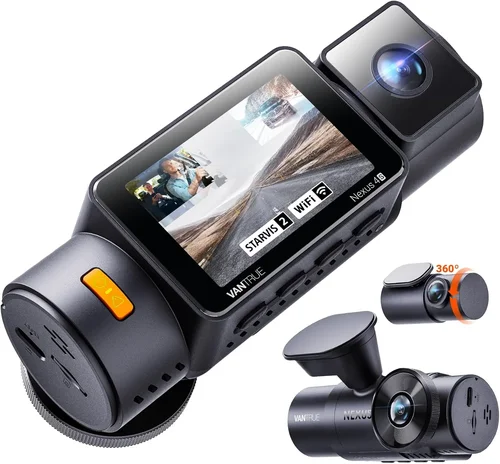
A: Single-lens models suffice for basic front-coverage needs and occupy less dashboard space, while dual-lens systems document both exterior events and interior cabin activity—useful for ride-sharing drivers verifying passenger interactions or families monitoring children/pets. Dual cameras double storage requirements and slightly increase power consumption but provide comprehensive situational awareness.
Q: Can dash cams survive extreme weather like monsoons or desert heat?
A: Reputable brands specify operating temperature ranges typically spanning -20°C to +70°C, accommodating India’s climate extremes. Look for IP67-rated housings resistant to water immersion up to 1 meter depth and UV-stabilized plastics preventing yellowing from prolonged sun exposure. Avoid cheap models lacking environmental certifications.
Q: What’s the difference between loop recording and event-based saving?
A: Loop recording continuously overwrites oldest files when storage full, ensuring uninterrupted coverage but risking loss of critical clips if incident occurs near capacity threshold. Event-based systems use G-sensors to detect impacts and manually tag important segments for permanent retention, balancing storage efficiency with evidence preservation needs.
Q: Should I buy from international sellers despite longer delivery times?
A: International purchases introduce customs delays and import duty complications unless ordering directly from manufacturer websites with global shipping options. Local authorized dealers provide faster service, localized warranties, and language-specific support—critical advantages outweighing minor price differences for most Indian consumers.
Q: How often should I clean my dash cam lens and why?
A: Clean lenses quarterly using microfiber cloths dampened with distilled water to remove grime, insect residue, and condensation buildup. Dirty optics degrade image quality progressively, reducing ability to capture clear license plates or facial details required during insurance claims or police reports.
Our Final Recommendations
Best for Budget-Conscious Buyers
The EZOOD 1080P Dash Cam delivers exceptional value at under ₹3,500 while maintaining core functionalities expected from premium competitors. Its compact form factor fits discreetly behind rearview mirrors, and included suction cup mount secures firmly even during sudden maneuvers. While lacking Wi-Fi or GPS, it excels at Full HD recording with reliable loop recording and G-sensor protection—perfect for daily commuters prioritizing affordability over frills. Combined with 32GB preinstalled storage and included car charger, it requires zero upfront accessory purchases.
Best Overall Value
The Thinkware U1000 2CH strikes ideal balance between features and reliability, retailing around ₹10,000–₹12,000. Dual Sony STARVIS sensors capture stunning detail in low-light conditions, while built-in WDR eliminates blown-out headlights common during night drives. Advanced parking guard mode uses motion detection to alert owners via smartphone notifications, and cloud connectivity enables secure remote clip sharing. Though slightly pricier than basic models, its robust build quality and comprehensive feature set justify the investment for serious drivers seeking professional-grade protection.
Best Premium Option
For tech-forward users willing to splurge, the BlackVue DR970X-2CH represents pinnacle performance with 4K front and 2K rear recording capabilities. Built-in LTE module allows instant emergency SOS signaling and live streaming, while super capacitor backup ensures safe shutdown during power failures. Military-grade casing withstands extreme temperatures, and cloud platform integration offers encrypted storage with automatic incident categorization. Priced above ₹20,000, it targets luxury vehicle owners and fleet operators demanding uncompromising reliability.
Best for Beginners
Newcomers benefit from the Xiaomi Mi Dual Dash Cam Pro, blending intuitive Android Auto-style interface with robust hardware at accessible ₹7,000 price point. Automatic firmware updates simplify maintenance, while voice control minimizes distraction during operation. Front/rear dual recording captures complete scenarios, and parking mode activates intelligently based on vibration thresholds. Extensive app ecosystem includes route visualization and driving habit analysis—educational features perfect for learning responsible usage patterns.
Best for Advanced Users
Power users seeking customization freedom will appreciate the Garmin Dashcam Pro Series, renowned for granular settings adjustment and seamless integration with Garmin navigation systems. Driver Alert features monitor lane departure and forward collision warnings, while optional radar detector compatibility enhances safety awareness. Ruggedized design survives harsh environments, and lifetime map updates ensure accurate GPS logging. Positioned at premium ₹18,000–₹22,000 range, it caters to experienced drivers valuing precision engineering over flashy gimmicks.
Conclusion: Making the Right Choice
Selecting the best dash cam for your Indian vehicle ultimately depends on aligning product capabilities with personal priorities rather than chasing speculative trends or lowest possible prices. By understanding how factors like climate resilience, storage management, and feature relevance intersect with your driving habits, you position yourself to invest wisely in lasting protection against unforeseen circumstances. Remember that even modest dash cams offer substantial peace of mind compared to none at all—the mere presence of recording capability deters opportunistic criminals and strengthens your position during insurance disputes or legal proceedings.
As you finalize your decision, prioritize reputable brands with transparent warranties and responsive customer service, especially given India’s diverse regional service landscapes. Test installations whenever feasible, verify compatibility with your smartphone OS, and establish routine maintenance rituals to preserve optical clarity and functional integrity. Above all, view dash cams not merely as gadgets but as silent guardians accompanying you through countless journeys—capturing moments worth remembering while safeguarding what matters most.