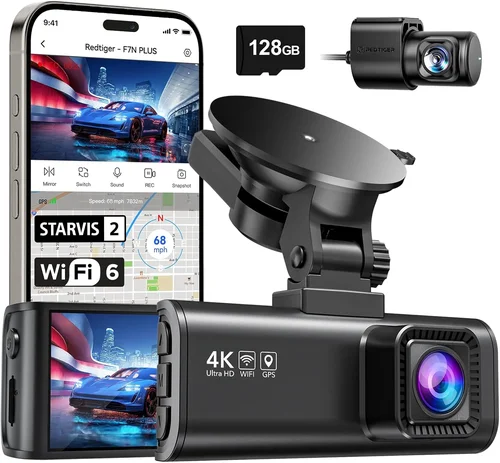
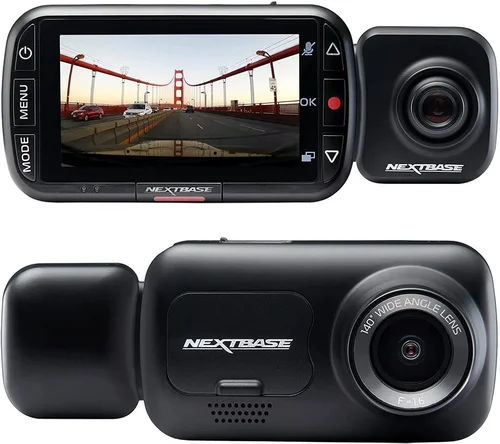
Complete Dash Cam Buying Guide for Australian Roads
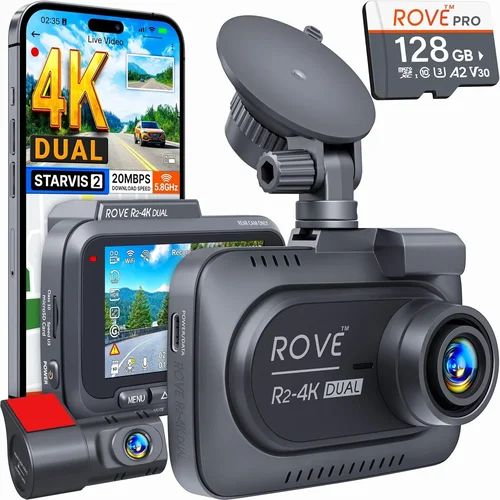
Choosing the right dash cam for Australian roads isn’t just about capturing video—it’s about navigating our unique driving conditions, from scorching desert highways to sudden downpours in coastal regions. With Australia’s extensive road network and varied weather patterns, having a reliable dash cam can mean the difference between peace of mind and potential legal battles after an incident. This comprehensive guide will walk you through everything you need to know to make an informed decision that matches your specific needs and budget.
You’ll learn how to evaluate critical features like night vision, GPS tracking, and storage capacity, understand the differences between various types of dash cams available in the market, and discover which brands have proven themselves reliable on Australian roads. We’ll also cover common pitfalls to avoid, provide realistic budget expectations, and share expert tips for getting the best value from your investment. Whether you’re a daily commuter, long-distance truck driver, or weekend adventure seeker, this guide will help you find the perfect dash cam solution for your vehicle and lifestyle.
The Australian market offers a diverse range of dash cam options, from basic single-camera units to advanced multi-channel systems with parking monitoring and cloud connectivity. What works for a sedan might not be suitable for a 4WD exploring remote outback tracks, and what appeals to a city driver may lack the durability needed for off-road use. By the end of this guide, you’ll have a clear understanding of how to match your requirements with the right technology, ensuring you get maximum protection, functionality, and value from your dash cam purchase.

What to Look for When Buying Dash Cams
1. Resolution Quality & Video Recording Standards
The foundation of any good dash cam is its ability to capture clear, detailed footage. For Australian roads, where incidents can happen quickly and conditions vary dramatically, resolution quality is paramount. Look for dash cams offering at least 1080p Full HD resolution, though 2K and 4K models are becoming increasingly popular and worth the investment if your budget allows.
Higher resolution doesn’t automatically guarantee better footage—you also need to consider the sensor size, image processing capabilities, and low-light performance. A 4K dash cam with poor low-light sensitivity might produce grainy nighttime footage, while a 1080p model with excellent image stabilization could capture clearer details in motion.
For Australian driving conditions specifically, consider dash cams with wide dynamic range (WDR) technology, which helps balance exposure when driving through tunnels, under bridges, or into bright sunlight. Many modern dash cams also offer HDR (High Dynamic Range) capabilities that further improve image quality in challenging lighting situations.
2. Field of View & Lens Specifications
A dash cam’s field of view (FOV) determines how much of the road ahead it can capture. A wider angle provides more coverage but can introduce fish-eye distortion at the edges. The optimal FOV for most vehicles is between 120-150 degrees horizontally, striking a balance between coverage and image clarity.
In Australia’s diverse driving environments, from narrow urban streets to wide-open highways, having an adjustable or wide-angle lens becomes particularly valuable. Some premium models feature multiple lens angles or even switchable FOV settings depending on driving conditions. Remember that the lens quality matters as much as the angle—optical glass lenses generally perform better than plastic alternatives.
When evaluating FOV, also consider the vertical angle. Most dash cams focus on horizontal coverage, but some advanced models include downward-tilting cameras for rear or interior monitoring, which can be useful for fleet operators or parents watching children in car seats.
3. Storage Capacity & Management
Storage requirements depend heavily on your recording settings and usage patterns. Most dash cams use microSD cards, typically ranging from 32GB to 1TB. For typical daily commuting in Australia, a 64GB card usually suffices for about 2-3 weeks of continuous recording at medium compression settings.
Consider dash cams with loop recording functionality—this automatically overwrites the oldest footage when the card fills up, ensuring you always have recent recordings without manual intervention. However, many modern dash cams include G-sensor technology that detects impacts and locks those files to prevent accidental overwriting during accidents.
Some advanced models feature cloud storage integration or built-in Wi-Fi for easy file transfer, though these often require ongoing subscription fees. For Australian drivers, local storage solutions with regular backup routines might be more practical and cost-effective in the long run.
4. Night Vision & Low-Light Performance
Australian roads present unique challenges at night, from poorly lit country highways to sudden rainstorms that reduce visibility. A dash cam’s night vision capabilities are crucial for capturing clear evidence when most other witnesses aren’t around.
Look for models with large aperture lenses (f/1.8 or lower), infrared LEDs, or enhanced CMOS sensors designed for low-light conditions. Many high-end dash cams feature starlight-level sensors that can capture usable footage in near-darkness. Image processing algorithms that reduce noise and enhance contrast also play a vital role in nighttime performance.
For extended parking monitoring or security mode, consider dash cams with dedicated night vision modes that significantly increase sensitivity while reducing power consumption. This is particularly important for vehicles parked in unlit areas or during Australia’s warm summer nights when battery drain becomes a concern.
5. Build Quality & Weather Resistance
Australia’s climate ranges from tropical humidity in northern regions to dry heat in central areas and occasional snow in southern mountains. Your dash cam must withstand these environmental extremes without failing.
Check for IP ratings indicating dust and water resistance—look for at least IP65 for basic protection against dust ingress and water jets. For extreme conditions, IP67 or higher ratings provide submersion protection up to 1 meter for 30 minutes, which could be crucial if your vehicle experiences flooding during storm events.
Temperature tolerance specifications are equally important. Many dash cams operate between -20°C to 70°C, but verify this matches your typical driving conditions. Heat buildup inside parked vehicles in summer can exceed 60°C, so choose models with adequate heat dissipation or parking cooling modes.
6. Power Supply & Installation Options
Dash cam power sources vary significantly between models, each with distinct advantages and limitations for Australian drivers. The most common options include hardwired connections, cigarette lighter adapters, USB ports, and wireless charging pads.
Hardwiring dash cams directly into your vehicle’s electrical system provides the most reliable power source and enables advanced features like parking mode, where the device continues recording when the engine is off. This requires professional installation but eliminates battery drain concerns during extended parking periods.
Cigarette lighter adapters offer the simplest installation but may draw excessive power from older vehicles’ electrical systems. Modern USB-C powered dash cams are becoming more popular due to their efficiency and compatibility with newer vehicle architectures. Consider your vehicle’s age, electrical system capacity, and whether you frequently park for extended periods when choosing your power solution.
7. Advanced Features & Smart Technology
Modern dash cams offer numerous smart features that enhance safety and convenience beyond basic video recording. These include GPS tracking for speed and location data, WiFi connectivity for easy file transfer, voice commands, and even artificial intelligence-powered incident detection.
GPS functionality adds valuable context to your recordings by embedding location, speed, and time stamps directly into the video files. This can be crucial for insurance claims or legal proceedings, especially on Australian highways where speed limits change frequently.
Smartphone app integration allows remote viewing, live streaming, and cloud backup—features particularly useful for fleet managers or parents monitoring teenage drivers. However, consider data usage costs and privacy implications when relying on cloud-based services for Australian drivers who frequently travel between cities and remote areas.
8. Audio Recording Capabilities
While not essential for all users, audio recording can provide additional evidence during incidents. Australian traffic laws regarding dash cam audio vary by state and territory, so it’s important to check local regulations before enabling this feature.
Quality audio recording requires good microphone placement and noise cancellation algorithms. Some dash cams offer adjustable audio levels or the option to disable audio recording entirely for privacy compliance. Consider whether you need both internal cabin audio (for passenger conversations or emergency situations) and external road audio (for traffic sounds or horn blasts).
9. Parking Mode & Event Detection
Parking mode is particularly valuable for Australian drivers who frequently leave their vehicles unattended in public places, shopping centers, or remote work sites. This feature allows the dash cam to continue monitoring while the car is parked, typically using reduced frame rates to conserve power.
Advanced event detection includes impact sensing (G-sensor), motion detection for parked vehicles, and even facial recognition in some premium models. For Australian conditions, look for dash cams with configurable sensitivity settings to reduce false triggers from passing trucks or heavy rainfall.
Power management is crucial for parking mode functionality. Many modern dash cams feature intelligent power saving that only activates recording when movement or impact is detected, significantly extending battery life during extended parking periods.
Different Types of Dash Cams

Common Buying Mistakes to Avoid
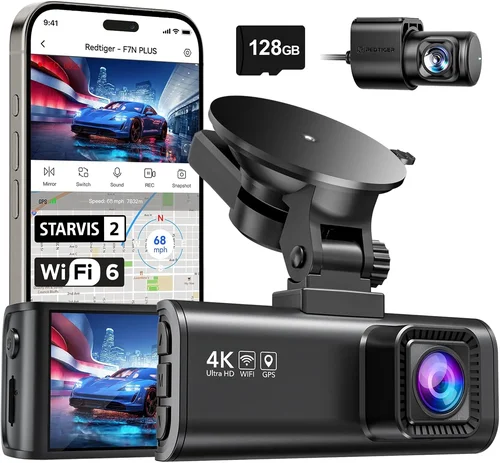
❌ Mistake: Choosing Based Solely on Price
Why it’s bad: Opting for the cheapest dash cam available often leads to disappointment when the device fails during critical moments. Low-cost models frequently suffer from poor image quality, unreliable performance, and limited warranty support—particularly problematic on Australia’s extensive road network where breakdowns can occur hundreds of kilometers from assistance.
What to do instead: Consider the total value proposition rather than just initial cost. A slightly more expensive dash cam with superior build quality, reliable brand reputation, and comprehensive warranty protection will likely serve you better over several years than multiple cheap replacements. Focus on features that matter most to your driving patterns and Australian road conditions.
❌ Mistake: Ignoring Compatibility Requirements
Why it’s bad: Assuming all dash cams will work with every vehicle type leads to installation headaches and potential electrical issues. Different vehicles have varying voltage requirements, fuse capacities, and dashboard designs that affect dash cam compatibility. In Australia, where vehicle age and modifications vary widely, this oversight can result in blown fuses, poor mounting options, or incompatible power adapters.
What to do instead: Check your vehicle’s specifications before purchasing. Verify voltage requirements (typically 12V or 24V systems), fuse box locations, and available mounting positions. For older Australian vehicles, consider dash cams with universal power adapters or consult professional installers familiar with local automotive standards.
❌ Mistake: Overlooking Local Regulations
Why it’s bad: Australian states and territories have different regulations regarding dash cam usage, particularly concerning audio recording. Using audio-enabled dash cams in certain jurisdictions could lead to fines or legal complications, especially when recording conversations involving others without consent.
What to do instead: Research your local laws before purchasing. Most Australian states allow video recording but restrict audio recording in specific circumstances. Consider dash cams with easily disabled audio features or purchase separate audio recorders if you need both visual and audio evidence. Always prioritize privacy and legal compliance over convenience.
❌ Mistake: Skipping Storage Planning
Why it’s bad: Underestimating storage needs results in either insufficient space for important footage or excessive card replacement costs. Australian drivers often cover long distances, especially on regional routes, generating more footage than urban commuters realize. Without proper storage management, you risk losing critical evidence during accidents or incidents.
What to do instead: Calculate your expected storage usage based on recording duration, compression settings, and frequency of use. Plan for regular backup routines and consider dash cams with automatic file management features. For extended trips or commercial use, invest in larger capacity cards or cloud backup solutions that match your usage patterns.
❌ Mistake: Neglecting Installation Quality
Why it’s bad: Poor installation compromises both functionality and aesthetics. Improperly mounted dash cams can obstruct driver views, interfere with airbags, or fail to capture optimal angles. Electrical connections that are too tight or loose can cause intermittent operation or damage to your vehicle’s electrical system—particularly concerning given Australia’s variable climate conditions.
What to do instead: Either choose dash cams with simple, secure mounting systems or invest in professional installation. Ensure the device is positioned for optimal visibility without blocking critical instrument panels or airbag deployment zones. Test all functions thoroughly after installation and adjust positioning as needed for comfortable driving.
❌ Mistake: Forgetting About Power Management
Why it’s bad: Inadequate power planning leads to unexpected shutdowns, drained batteries, or failed parking mode functionality. Australian summers can create extreme heat buildup in parked vehicles, potentially damaging electronics or triggering false alarms. Without proper power management, your dash cam may fail precisely when you need it most—during overnight parking or extended periods away from home.
What to do instead: Evaluate your power needs based on parking duration and climate conditions. Choose dash cams with intelligent power saving modes, consider hardwiring for reliable 24/7 operation, and select models with appropriate temperature tolerances for Australian conditions. Test power consumption during typical usage patterns to ensure compatibility with your vehicle’s electrical system.
❌ Mistake: Disregarding Software Updates
Why it’s bad: Modern dash cams often receive firmware updates that improve performance, add features, or fix bugs. Ignoring update notifications can leave your device vulnerable to known issues or missing out on enhanced functionality. Australian drivers benefit from updated maps, improved night vision algorithms, and better compatibility with new smartphone operating systems.
What to do instead: Enable automatic update notifications and regularly check manufacturer websites for new releases. Create a maintenance routine that includes periodic software checks alongside physical cleaning and storage management. Keeping your dash cam updated ensures optimal performance and extends its useful lifespan.
Budget Guidelines: How Much Should You Spend?
Entry-Level ($80 – $150 AUD)
This price range offers basic dash cam functionality suitable for casual drivers and first-time buyers. Models in this category typically feature 1080p resolution, 120-degree field of view, and essential recording features. While they may lack advanced capabilities like GPS tracking or WiFi connectivity, they provide reliable video evidence for everyday driving scenarios.
Entry-level dash cams are ideal for urban commuters with short daily drives or drivers seeking basic protection without significant upfront investment. These models often include loop recording, G-sensor impact detection, and simple mounting systems. However, expect limited build quality, shorter warranties, and fewer customer support options compared to premium models.
For Australian drivers considering their first dash cam, entry-level options represent a reasonable starting point. Just remember to factor in additional costs for memory cards, accessories, and potential professional installation when calculating your total investment.
Mid-Range ($150 – $300 AUD)
The mid-range segment represents the sweet spot for most Australian drivers, offering excellent value with enhanced features and reliability. These dash cams typically deliver 2K or better resolution, wider fields of view, improved low-light performance, and advanced functionalities like GPS logging, WiFi connectivity, and sophisticated parking mode.
This tier includes popular models from established brands with strong reputations for quality and customer service. You’ll find dual-system options, enhanced night vision capabilities, and better build quality suitable for diverse Australian driving conditions. Mid-range dash cams often come with longer warranties and more comprehensive customer support.
For drivers covering moderate distances, experiencing varied weather conditions, or requiring reliable evidence quality, mid-range dash cams provide the best balance of features, performance, and affordability. This category includes many recommended models for Australian roads due to their proven track records and value proposition.
Premium ($300 – $600 AUD)
Premium dash cams target serious drivers, fleet operators, and those requiring maximum reliability and functionality. These devices typically feature 4K recording, professional-grade sensors, advanced AI-powered incident detection, multi-channel recording options, and robust cloud integration capabilities.
In this range, you’ll find models with superior build quality, extensive environmental protections, and comprehensive feature sets including voice control, advanced parking monitoring, and sophisticated data management systems. Premium dash cams often include professional installation services, extended warranties, and priority customer support.
Australian drivers who frequently travel long distances, operate commercial vehicles, or require maximum evidence quality should consider premium options. These devices excel in extreme conditions and demanding usage scenarios where reliability and comprehensive protection are non-negotiable.
Luxury ($600+ AUD)
Luxury dash cam systems represent the pinnacle of automotive safety technology, targeting professional drivers, fleet managers, and enthusiasts demanding ultimate performance. These systems often include multiple high-resolution cameras, advanced AI analytics, redundant power systems, and enterprise-grade cloud management platforms.
Features at this level include real-time streaming, predictive collision avoidance, comprehensive vehicle monitoring, and integration with other automotive safety systems. Luxury dash cams may include specialized mounts, professional calibration services, and concierge support for installation and maintenance.
For Australian commercial operators, long-haul trucking companies, or individuals with exceptionally demanding requirements, luxury dash cam systems provide unmatched protection and functionality. While the investment is substantial, the comprehensive coverage and advanced capabilities justify the expense for those whose operations depend on reliable evidence collection and vehicle monitoring.
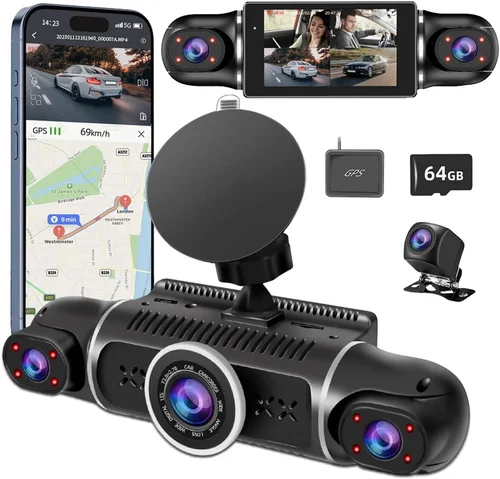
Expert Tips for Getting the Best Deal
Timing Your Purchase Strategically
Australian retailers typically follow global sales patterns, making certain times of year ideal for dash cam purchases. Black Friday and Boxing Day sales often feature significant discounts on automotive electronics, with prices dropping 20-40% below normal retail values. Spring and summer months may also see clearance sales as manufacturers introduce new models for the upcoming season.
Monitor major retailers like Officeworks, JB Hi-Fi, Amazon Australia, and Dick Smith throughout the year for special promotions. Sign up for email newsletters from dash cam manufacturers and major retailers to receive exclusive discount codes and early access to sales events. Consider purchasing during quieter retail periods (mid-week mornings) when staff can provide more personalized assistance with product selection and installation advice.
Comparing Retailer Options
Different retailers offer distinct advantages for dash cam purchases. Online platforms like Amazon Australia and Bunnings Warehouse provide extensive product comparisons and customer reviews but may lack hands-on testing opportunities. Physical stores such as Auto Electricians, Repco, and Supercheap Auto offer immediate availability, professional installation services, and face-to-face technical support.
For the best value, combine online research with in-store evaluation. Visit multiple retailers to compare models side-by-side, test camera angles and controls, and ask detailed questions about warranty terms and return policies. Some manufacturers only sell through authorized dealers, so verify compatibility with your preferred retailer before making a commitment.
Identifying Authentic Discounts
Beware of unrealistic “sale” prices that may indicate counterfeit products or inflated original prices. Authentic discounts typically range from 10-30% off manufacturer suggested retail prices. Compare current prices across multiple retailers and check manufacturer websites for official pricing guidelines. Be suspicious of deals offering 50%+ discounts, especially for premium models.
Look for bundle deals that include essential accessories like extra memory cards, protective cases, or professional installation services. Some retailers offer trade-in programs for old dash cams or provide free upgrades when purchasing higher-tier models. Always verify that discounted items include full manufacturer warranties and genuine parts.
Understanding Warranty Coverage
Comprehensive warranty terms significantly affect your total cost of ownership. Most reputable dash cam manufacturers offer 1-3 year warranties covering defects in materials and workmanship. Premium brands may provide extended warranties or international coverage, valuable for Australian drivers traveling abroad.
Read warranty fine print carefully—some exclusions apply for water damage, unauthorized modifications, or normal wear and tear. Register your dash cam immediately upon purchase to activate warranty coverage and enable faster claim processing. Keep receipts and proof of purchase in case warranty claims require documentation.
Evaluating Return Policies
Flexible return policies reduce risk when investing in unfamiliar technology. Most Australian retailers offer 30-day return windows for electronic goods, but policy specifics vary significantly. Some stores require original packaging and accessories, while others allow returns for opened boxes with minimal use.
Test your dash cam thoroughly during the return period—record sample footage, experiment with settings, and verify all advertised features work correctly. Document any issues with photos or videos to support potential returns or exchanges. Understanding return procedures before purchase prevents surprises if the device doesn’t meet your expectations.
Testing Before Committing
Whenever possible, test dash cam models before purchasing. Request demonstration units at retail locations or borrow friends’ devices for comparison. Pay attention to button responsiveness, menu navigation intuitiveness, and overall build feel. Test recording quality in various lighting conditions similar to your typical driving environments.
Ask retailers about loaner programs or trial periods that allow temporary use before committing to purchase. For complex installations like hardwiring, schedule consultation appointments to discuss options and receive professional advice tailored to your vehicle type and usage patterns.
Negotiating Better Terms
Don’t hesitate to negotiate favorable terms, especially for professional installations or bundled packages. Ask about free installation services, extended warranty options, or accessory bundles. Some retailers offer price matching against competitor advertisements or provide additional discounts for cash payments.
Consider purchasing during slower business periods when sales staff have more time to address individual concerns. Building rapport with knowledgeable staff can lead to insider information about upcoming promotions or discontinued models eligible for clearance pricing.
Considering Refurbished Options
Certified refurbished dash cams from authorized manufacturers can offer significant savings while maintaining quality standards. These devices undergo thorough testing, receive genuine replacement parts, and come with full warranty coverage equivalent to new units. Refurbished options are particularly attractive for premium models where the price difference justifies the risk reduction.
Always purchase refurbished devices through authorized channels to ensure authenticity and warranty validity. Ask about refurbishment processes, included accessories, and remaining warranty periods before making decisions.

Frequently Asked Questions
Q: Are dash cams legal to use in Australia?
A: Yes, dash cams are legal to use throughout Australia, but regulations vary by state and territory, particularly regarding audio recording. Most states permit video recording without restrictions, but audio recording has stricter rules. In New South Wales and Queensland, for example, you cannot record conversations without consent unless it’s for legitimate legal purposes. Always check your local laws and consider purchasing dash cams with easily disabled audio features to remain compliant across different regions.
Q: How much storage do I actually need for my dash cam?
A: Storage requirements depend on recording quality, compression settings, and usage patterns. For typical Australian daily driving, a 64GB microSD card provides approximately 2-3 weeks of recording at standard settings. Long-distance travelers or fleet operators covering hundreds of kilometers daily may need 128GB or larger cards. Consider dash cams with automatic file locking (G-sensor) and loop recording to optimize storage usage. Regular backup routines prevent accidental loss of important footage.
Q: Can dash cams work in extreme Australian weather conditions?
A: Yes, but you need appropriately rated equipment. Look for dash cams with IP65 or higher water and dust resistance ratings for Australian conditions. Temperature specifications should accommodate your typical driving environments—from tropical north to alpine south. Many modern dash cams operate between -20°C to 70°C, handling most Australian climates. For extreme heat buildup in parked vehicles, choose models with parking cooling modes or consider professional installation with thermal management solutions.
Q: Do I need professional installation for my dash cam?
A: Simple dash cams with suction cup mounts or adhesive brackets can be installed by most drivers, but hardwiring for parking mode benefits from professional expertise. Professional installation ensures proper electrical connections, optimal mounting positions, and compliance with manufacturer warranties. In Australia, where vehicle electrical systems vary significantly, professional installers understand local automotive standards and can troubleshoot compatibility issues. Many retailers offer free or discounted installation with dash cam purchases.
Q: How do I choose between 1080p, 2K, and 4K dash cams?
A: Higher resolution provides more detail but increases storage requirements and processing demands. For most Australian drivers, 1080p offers excellent value with manageable file sizes and reliable performance. 2K resolution delivers noticeably sharper images and is becoming the new standard for mid-range models. Reserve 4K for situations requiring maximum evidence quality—long-distance trucking, commercial operations, or areas with frequent minor incidents. Consider your typical recording scenarios, storage capacity, and whether the resolution improvement justifies the increased cost and storage requirements.
Q: What’s the best way to manage dash cam recordings for legal purposes?
A: Proper management ensures evidence admissibility and effective insurance claims. Use dash cams with automatic file locking during incidents (G-sensor), maintain consistent recording settings, and establish regular backup routines. Store original files securely—consider cloud backup for important recordings or local backups on encrypted drives. Keep a log of recording dates, incident descriptions, and chain-of-custody documentation. When sharing footage with authorities or insurers, request copies rather than sending originals to preserve your evidence.
Q: Can dash cams drain my car battery when parked?
A: Yes, parking mode can drain batteries if not properly configured. Modern dash cams address this with intelligent power management—only activating recording when movement or impact is detected. For Australian summer conditions where battery drain accelerates, choose dash cams with parking mode scheduling, voltage cut-off settings, or consider professional hardwiring with battery protection circuits. Some models enter ultra-low-power standby modes when no activity occurs, significantly extending battery life during extended parking periods.
Q: How do I handle different Australian road conditions with my dash cam?
A: Australian roads present diverse challenges requiring adaptable dash cam settings. For dusty outback tracks, enable automatic dust reduction filters or clean lenses regularly. Coastal routes benefit from enhanced wet weather performance, so choose models with good low-light capabilities for rainy conditions. Urban driving may require narrower fields of view to reduce distortion while highway travel benefits from wider angles. Adjust recording sensitivity based on your driving patterns and consider dash cams with customizable settings for different environments.
Q: What features matter most for insurance claims?
A: Insurance-friendly dash cams prioritize evidence quality and reliability. Essential features include high-resolution recording (at least 1080p), accurate timestamped GPS data, clear license plate capture, and reliable impact detection. Look for dash cams with minimal compression artifacts, good color accuracy, and consistent performance across lighting conditions. Cloud backup capabilities help preserve evidence if local storage fails, while professional-grade builds ensure device survival during incidents. Always verify your chosen model’s reputation for producing court-admissible evidence in Australian jurisdictions.
Q: Should I buy from Australian retailers or international sellers?
A: Australian retailers offer significant advantages for dash cam purchases. They provide local warranty coverage, understand Australian electrical standards, offer professional installation services, and supply genuine accessories. International purchases may seem cheaper but risk import duties, extended shipping times, and voided warranties. For Australian drivers, buying locally ensures compatibility with our vehicles, access to technical support, and compliance with local regulations. Major Australian retailers like JB Hi-Fi, Officeworks, and specialty automotive suppliers consistently stock reputable brands with comprehensive local support.
Our Final Recommendations
Best for Budget-Conscious Buyers
The Viofo A119 v3 stands out as an exceptional value proposition for Australian drivers seeking reliable performance without breaking the bank. Priced around $180 AUD, this dash cam delivers 2K recording with impressive night vision capabilities, GPS logging, and robust build quality that handles Australian road conditions well. Its compact design fits seamlessly into various vehicle dashboards, while the intuitive interface makes setup straightforward for first-time users. The A119 v3’s automatic parking mode with impact detection ensures protection even when you’re away from your vehicle, addressing common concerns about battery drain and security.
For those needing even more value, the BlackVue DR750S-1CH at approximately $250 AUD offers professional-grade features including cloud connectivity, superior image stabilization, and excellent low-light performance. While slightly above the strictest budget parameters, its durability and advanced functionality justify the investment for drivers covering long distances or experiencing harsh Australian conditions regularly. Both models include comprehensive Australian warranties and local customer support, ensuring peace of mind regardless of where your travels take you across the continent.
Best Overall Value
The Thinkware F800 Pro represents the perfect balance of features, performance, and reliability for most Australian drivers. At around $320 AUD, it delivers stunning 2K recording quality with advanced WDR technology that handles our variable lighting conditions beautifully. Its sophisticated parking mode uses intelligent power management to prevent battery drain while providing comprehensive vehicle monitoring. Thinkware’s cloud integration allows convenient file access and management, while their mobile app provides real-time viewing capabilities that prove invaluable during extended trips.
What truly sets the F800 Pro apart is its exceptional build quality and comprehensive feature set. The device includes four-channel input capability, allowing future expansion without replacing the entire system. Its sophisticated impact detection algorithms minimize false triggers while ensuring critical incidents aren’t missed. Thinkware’s reputation for reliability and their responsive Australian customer service make this dash cam an outstanding choice for drivers seeking maximum value from their investment.
Best Premium Option
For drivers demanding the absolute best in performance and features, the Garmin Dashcam Mini at approximately $380 AUD offers unparalleled convenience and reliability. Its compact, discreet design integrates seamlessly with Garmin’s ecosystem, while the 2K recording quality captures crisp details even in challenging conditions. What makes this premium option truly exceptional is its automatic incident detection, which intelligently identifies potential accidents and alerts nearby connected Garmin devices.
The Dashcam Mini’s cloud storage integration provides automatic backup of important footage, eliminating concerns about local storage failures. Its built-in Wi-Fi enables effortless file transfer to smartphones, while the companion app offers intuitive controls and management tools. Garmin’s reputation for quality extends to their dash cam line, with weather-resistant construction and reliable performance that handles Australia’s diverse driving environments. For drivers prioritizing convenience, reliability, and seamless integration with other navigation devices, this represents the pinnacle of premium dash cam technology.
Best for Beginners
The Viofo A119 Mini serves as an ideal introduction to dash cam technology for new users. Priced around $140 AUD, it delivers reliable 1080p recording with straightforward operation that won’t overwhelm first-time buyers. Its simple two-button interface focuses on essential functions—recording start/stop and settings adjustment—making it accessible for drivers uncomfortable with complex technology. The A119 Mini’s automatic file management handles loop recording and impact detection automatically, reducing the learning curve for new users.
What makes this model particularly suitable for beginners is its forgiving nature when it comes to installation and operation. The suction mount provides quick setup without permanent modifications, while the compact size doesn’t interfere with dashboard visibility. Viofo’s customer support resources and comprehensive user manuals help new owners navigate initial setup and basic troubleshooting. For drivers taking their first steps into dash cam ownership, this model provides essential protection without sacrificing simplicity.
Best for Advanced Users
The BlackVue DR970X-2CH represents the ultimate tool for experienced dash cam users and professionals. At approximately $550 AUD, this dual-channel system delivers 4K front recording with 2K rear capability, providing unprecedented detail and flexibility. Its sophisticated AI-powered event detection analyzes multiple factors simultaneously, distinguishing between relevant incidents and false triggers with remarkable accuracy. The DR970X-2CH’s comprehensive cloud integration includes real-time streaming, remote viewing, and automatic file backup—features that transform it from mere recording device into a complete vehicle monitoring solution.
Advanced users appreciate the extensive customization options, including programmable sensitivity settings, multiple parking mode configurations, and flexible mounting solutions. The system’s robust build quality and weather-resistant construction ensure reliable performance in Australia’s harshest conditions. BlackVue’s reputation for innovation and their commitment to regular firmware updates ensure the DR970X-2CH remains cutting-edge technology for years to come. For drivers with specific requirements or those managing multiple vehicles, this represents the most capable dash cam system currently available.
Conclusion: Making the Right Choice
Selecting the perfect dash cam for Australian roads requires careful consideration of your specific needs, driving patterns, and budget constraints. Rather than chasing the latest technological advances or lowest prices, focus on finding the right balance between essential features, reliable performance, and long-term value. The dash cam market offers something for every type of driver—from budget-conscious commuters to advanced users managing fleets of vehicles—but the key is matching your requirements with appropriate technology.
Remember that a dash cam is ultimately your first line of defense on the road, providing critical evidence when accidents occur and offering peace of mind during daily commutes. Australian driving conditions demand equipment that can withstand our unique climate variations, extensive road networks, and diverse traffic scenarios. By prioritizing build quality, image clarity, and reliable operation, you’ll invest in a tool that serves you faithfully for years to come.
Take time to research thoroughly, compare options objectively, and don’t hesitate to seek professional advice when installing or configuring your chosen device. The investment you make today in proper dash cam selection will pay dividends in security, evidence quality, and overall driving confidence. Whatever your needs, there’s a dash cam solution that will protect you and your vehicle while meeting your specific requirements for Australian roads.