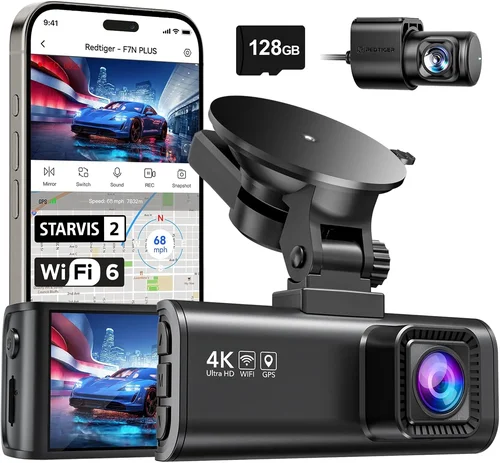
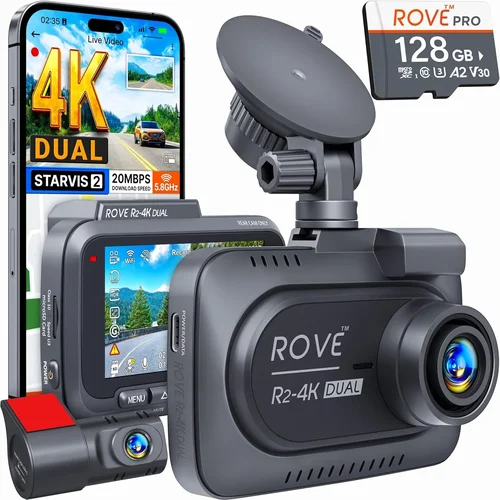
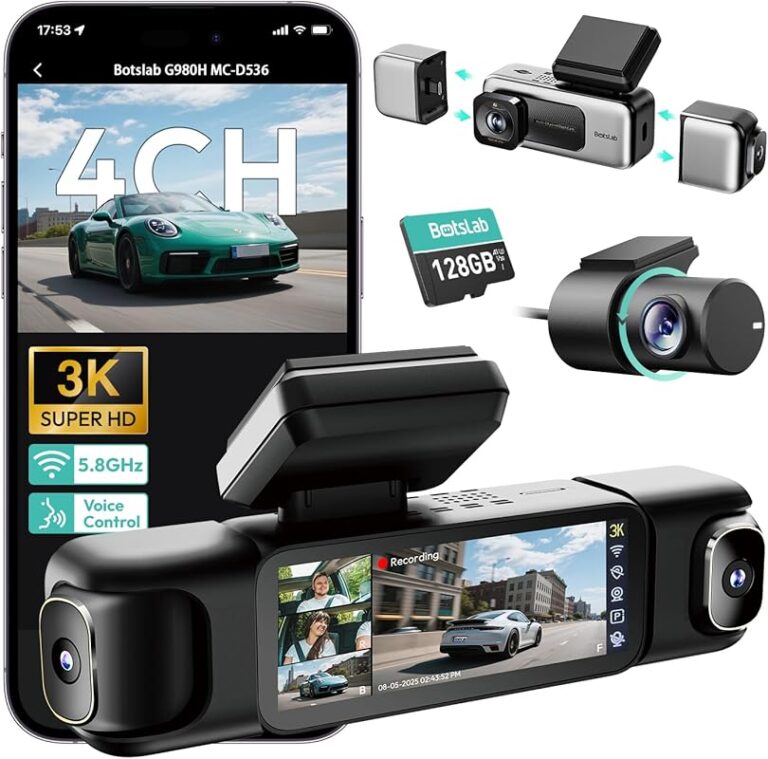
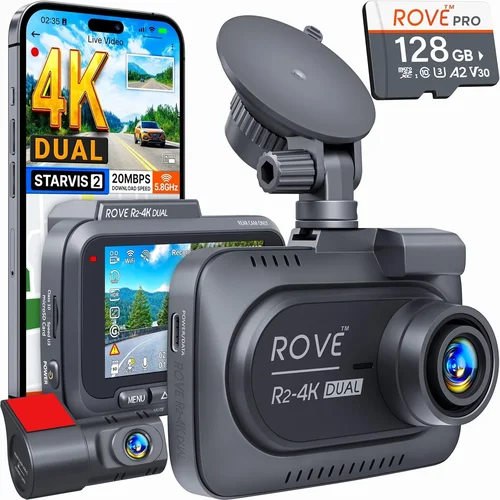
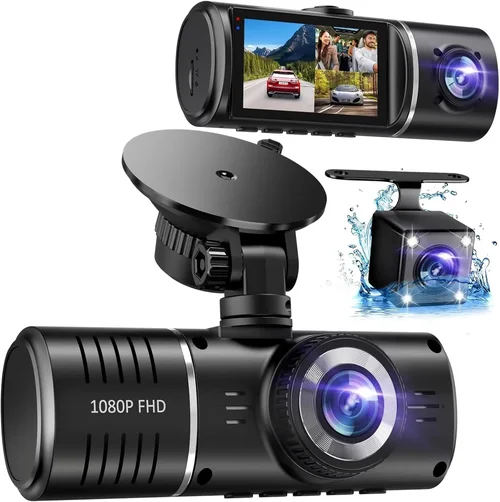
Best Dash Cam for Arizona Purchase Guide
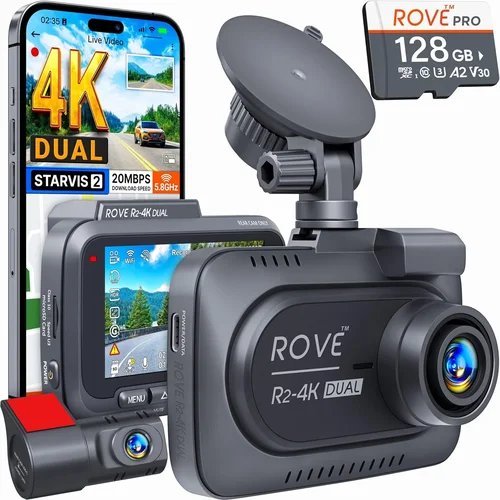
When you’re driving through the sprawling desert landscapes of Arizona—whether you’re navigating the sun-baked highways between Phoenix and Tucson, cruising along the scenic routes near Sedona, or commuting through the bustling streets of downtown Phoenix—you want peace of mind behind the wheel. The state’s unique climate, unpredictable weather patterns, and high rates of traffic incidents make having a reliable dash cam not just convenient, but essential. A quality dash cam can provide crucial evidence in case of accidents, help prevent insurance fraud, and even serve as your personal witness during disputes with other drivers. But with so many options on the market, choosing the best dash cam for Arizona conditions can feel overwhelming. That’s why we created this comprehensive guide—to cut through the noise and help you find a model that delivers top performance in extreme heat, dusty roads, and fast-paced urban environments.
This guide is designed to walk you through everything you need to know about selecting the right dash cam for Arizona’s demanding driving conditions. You’ll learn how to evaluate key features like resolution, recording capabilities, and build durability, while also understanding how environmental factors such as intense sunlight, sandstorms, and temperature swings affect dash cam performance. We’ll break down different types of dash cams, compare price ranges, highlight common mistakes buyers make, and offer expert tips tailored specifically to Arizona drivers. Whether you’re a daily commuter, a road trip enthusiast, or a parent concerned about teen drivers, you’ll leave this article equipped with the knowledge to make an informed, confident purchase.
The dash cam market has evolved rapidly over the past decade, offering everything from basic single-channel models to advanced multi-camera systems with GPS tracking, night vision, and cloud connectivity. While some brands promise cutting-edge technology at premium prices, others deliver solid functionality at budget-friendly rates. But not all dash cams are created equal—especially when it comes to handling Arizona’s harsh climate. For example, a camera that works flawlessly in mild coastal climates might overheat and shut down in the Valley of the Sun during summer afternoons. Similarly, models lacking proper sealing may fail after exposure to monsoon rains or dust storms. In this guide, we’ll focus on models that have proven reliability in Arizona’s extreme conditions, helping you avoid costly mistakes and ensuring your investment stands up to real-world use.

What to Look for When Buying Dash Cams
1. Budget & Price Range
Before diving into technical specs or brand names, it’s important to establish your budget. Dash cams range dramatically in price—from under $50 for basic entry-level models to over $400 for premium systems with dual cameras, GPS, and advanced parking monitoring. For most Arizona drivers, a mid-range option between $100 and $200 offers the best balance of performance, durability, and value. This price bracket typically includes 1080p or 2K+ video resolution, loop recording, G-sensor crash detection, and decent low-light performance—all critical features for capturing clear footage in Arizona’s bright sunlight or dim desert nights. While it might be tempting to go ultra-cheap, remember that a $30 dash cam likely won’t survive Arizona’s temperature extremes or provide usable video evidence. Conversely, spending $500+ only makes sense if you require professional-grade features like cloud storage, AI-powered alerts, or multiple camera angles.
2. Performance Specifications
The heart of any dash cam lies in its ability to record clear, stable video under varying conditions. Key performance metrics include resolution (measured in pixels), frame rate (FPS), and sensor quality. For Arizona drivers, we recommend at least 1080p Full HD resolution—ideally 2K or higher—for license plate clarity and detail. Frame rates should be 30 FPS minimum; higher frame rates (like 60 FPS) capture smoother motion during sudden stops or highway merges. Equally important is the field of view (FOV), which determines how much of the road ahead is visible. A 130°–150° FOV strikes a good balance between coverage and minimizing distortion at the edges. Additionally, look for wide dynamic range (WDR) technology, which balances exposure between bright skies and darker vehicles or shadows—crucial when driving eastbound into the setting sun or westbound into the rising sun.
3. Build Quality & Durability
Arizona’s climate presents unique challenges: scorching summer temperatures can exceed 110°F (43°C), monsoon seasons bring heavy rain and flash floods, and dust storms can coat lenses in fine particles. Your dash cam must withstand these extremes without failing. Look for models with ruggedized housings made from polycarbonate or ABS plastic that resist cracking under heat stress. Sealed connectors and waterproofing (IPX rating) are non-negotiable if you frequently drive through wet conditions. Internal components should also be shielded against thermal expansion and contraction. Brands like BlackVue, Garmin, and Thinkware are known for their military-grade or automotive-grade durability standards. Avoid flimsy models with exposed circuitry or thin plastic mounts that could shatter during a minor collision or fall off during rough handling.
4. Features & Functionality
Modern dash cams come packed with useful features beyond basic recording. Here’s what Arizona drivers should prioritize:
- Parking Mode: Essential for unattended vehicles. Choose models with motion detection or impact sensors that trigger recording when parked. Some support time-lapse or battery backup via hardwiring.
- G-Sensor: Automatically saves footage during sudden jolts or collisions—critical for preserving evidence after an accident.
- GPS Tracking: Logs speed, location, and route data, adding credibility to your logs if questioned by insurers or law enforcement.
- Wi-Fi/App Connectivity: Allows easy file transfer and live preview via smartphone—convenient when reviewing clips on the go.
- Dual Camera Support: Front and rear setups offer complete coverage, especially helpful on narrow canyon roads or busy city streets.
- Loop Recording: Ensures continuous recording by overwriting old files when storage fills up—no manual cleanup needed.
- Night Vision: Enhanced low-light sensitivity ensures usable footage even after sunset, when many Arizona accidents occur due to glare or reduced visibility.
5. Brand Reputation
Not all brands are created equal when it comes to long-term reliability. Established manufacturers invest in research, rigorous testing, and customer support. Research-backed brands include:
- BlackVue: Renowned for cloud connectivity, robust builds, and excellent customer service—ideal for tech-savvy users.
- Thinkware: Offers strong performance in heat resistance and WDR, popular among fleet operators and serious enthusiasts.
- Garmin: Known for intuitive interfaces, reliable firmware updates, and integration with navigation systems.
- Viofo: Provides great value with solid features and responsive support, favored by budget-conscious buyers who don’t want to compromise.
- Nextbase: UK-based but widely available in the U.S.; praised for sleek designs and advanced parking modes.
Avoid obscure brands with little online presence or no warranty—they may disappear overnight, leaving you without support or replacement parts.
6. Warranty & Support
A dash cam is a long-term investment, so protect it with a solid warranty. Most reputable brands offer 1–3 years of coverage for defects and sometimes accidental damage (check terms). Also consider the availability of local service centers or mail-in repair options. In Arizona, where travel distances can be significant, quick turnaround times matter. Read the fine print: some warranties void coverage if the unit is installed improperly or used outside recommended operating temperatures. Customer support responsiveness is equally important—test their chat or email response before purchasing.
7. Size & Portability
Compact dash cams are easier to conceal, reduce wind noise, and take up less space on your windshield. However, smaller units often sacrifice battery life or feature sets. For Arizona commuters, a slim profile (under 2 inches thick) is preferable, but don’t let size dictate your choice—functionality outweighs aesthetics. Magnetic mounts can be convenient for quick removal, but ensure they stay secure in high-speed winds common on open desert highways.
8. User Reviews & Ratings
Real-world feedback from fellow Arizona drivers is invaluable. Search Amazon, Best Buy, or Reddit threads using keywords like “Arizona dash cam” or “desert heat dash cam.” Pay attention to recurring complaints about overheating, poor night visibility, or unreliable parking mode. Positive reviews highlighting performance during monsoons or in direct sunlight signal a resilient model. Be wary of fake five-star ratings—look for detailed comments with photos or videos attached.
Different Types of Dash Cams

Common Buying Mistakes to Avoid
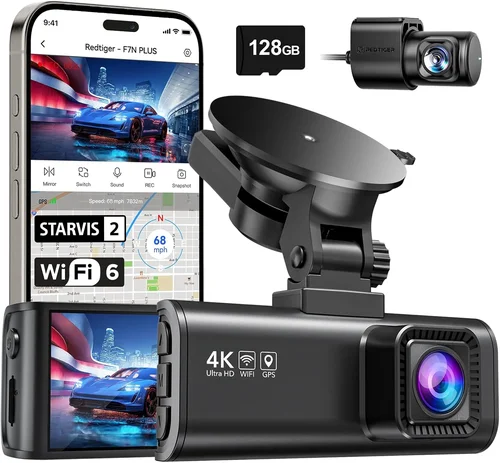
❌ Mistake: Ignoring Heat Resistance
Why it’s bad: Many dash cams fail in Arizona because they weren’t tested for extreme heat. Without adequate cooling or heat-shielded components, internal circuits can degrade quickly, causing shutdowns or permanent damage during summer months when interior car temperatures soar above 140°F (60°C).
What to do instead: Prioritize models explicitly rated for high-temperature operation (look for “operating temp: -4°F to 140°F” or similar). Brands like Thinkware and BlackVue test their devices under desert-like conditions. Avoid generic Chinese-made units with vague specifications.
❌ Mistake: Skipping Parking Mode Testing
Why it’s bad: If your dash cam doesn’t reliably activate when parked, it offers little protection against hit-and-runs or vandalism—common concerns in parking lots across Phoenix and Tucson.
What to do instead: Test the parking mode manually before relying on it. Ensure it activates within seconds of detecting motion or impact. Hardwire installation (via cigarette lighter adapter or direct OBD-II connection) is strongly recommended to avoid draining your battery.
❌ Mistake: Overlooking Lens Cleanliness
Why it’s bad: Desert dust coats lenses easily, leading to blurry footage. Without easy cleaning access or hydrophobic coatings, you risk missing critical details during sandstorms or dusty construction zones.
What to do instead: Choose models with smooth, curved glass lenses that repel water and dust. Carry a microfiber cloth and lens-safe cleaner in your glovebox. Avoid dome-shaped domes—they trap debris.
❌ Mistake: Choosing Based Solely on Price
Why it’s bad: The cheapest dash cam may lack essential features like G-sensors, loop recording, or decent resolution. You’ll end up buying a second unit later, wasting money.
What to do instead: Compare total cost of ownership—not just upfront price. Factor in SD card costs (Class 10 or U3 recommended), potential replacements, and lost time if the unit fails unexpectedly.
❌ Mistake: Neglecting Firmware Updates
Why it’s bad: Outdated firmware can cause bugs, compatibility issues, or security vulnerabilities. Some brands stop supporting older models after 1–2 years.
What to do instead: Pick brands with regular update schedules (e.g., BlackVue releases monthly patches). Enable automatic updates if available. Check manufacturer websites quarterly for new versions.
❌ Mistake: Installing Without Professional Help
Why it’s bad: Improper wiring can lead to blown fuses, false triggers, or voided warranties. DIY installations often result in messy cables blocking view or interfering with airbag deployment zones.
What to do instead: Use professional installers certified by the brand (many offer nationwide services). For hardwiring, connect directly to fuse boxes using fuse taps—never splice wires recklessly.
Budget Guidelines: How Much Should You Spend?
Entry-Level ($30 – $80)
This tier suits occasional drivers or those testing dash cams for the first time. Expect basic 1080p recording, limited FOV (~120°), and minimal extras like motion detection. Units here rarely survive prolonged heat exposure or heavy rain. Examples include brands like JOYROOM or Hievery. While tempting, we advise skipping this range unless you’re certain you’ll upgrade soon.
Mid-Range ($100 – $250)
The sweet spot for most Arizona drivers. These models deliver 2K resolution, 140°+ FOV, WDR, G-sensor, and reliable parking mode. Hardwiring kits are often included. Top contenders include Viofo A119 v3, Thinkware U1000, and Garmin Dash Cam 67W. They handle heat well, offer clear night footage, and integrate smoothly with smartphones via Wi-Fi.
Premium ($250 – $400)
Ideal for families, rideshare drivers, or frequent travelers. Features expand to include dual-channel recording, GPS logging, emergency SOS buttons, and enhanced cloud sync. BlackVue DR970X-2CH and Nextbase 622GW fall here. Battery life improves significantly, and build quality approaches automotive standards.
Luxury ($400+)
For professionals, commercial fleets, or tech enthusiasts seeking maximum reliability. Top-tier models offer 4K recording, AI driver assistance, real-time traffic alerts, and encrypted cloud storage. BlackVue Cloud Series and Garmin Speak+ represent this category. Justify the cost only if liability protection or data integrity is critical.
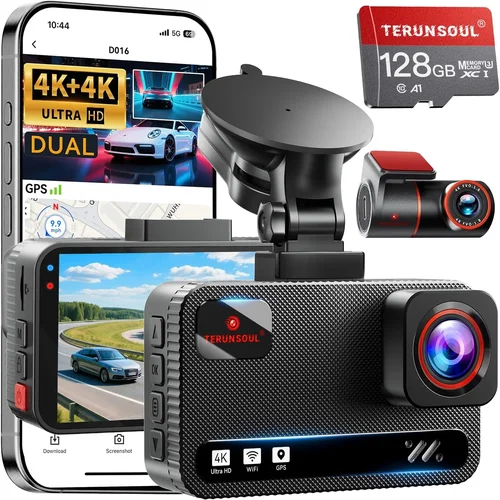
Expert Tips for Getting the Best Deal
Time Your Purchase Strategically: Avoid buying immediately after major holidays like Memorial Day or Labor Day. Wait for post-season sales in late August or early September when retailers discount summer electronics. Black Friday and Cyber Monday offer steep discounts, but stock often sells out quickly.
Leverage Online vs. In-Store Shopping: Websites like Amazon, B&H Photo, and Best Buy typically match local prices plus free shipping. Use Google Shopping to compare listings. In-store demos let you test ease of use, but don’t assume physical inspection guarantees performance—many reviewers report discrepancies between lab tests and real-world results.
Spot Hidden Deals: Sign up for newsletters from brands like Thinkware or Viofo—they often send exclusive promo codes. Check outlet stores (e.g., Costco, Sam’s Club) for refurbished units with full warranties. Bundle deals (e.g., camera + extra SD card + hardwire kit) save 15–20% versus individual purchases.
Verify Return Policies: Arizona’s consumer protection laws allow returns within 15–30 days, but policies vary by retailer. Keep original packaging and accessories to avoid restocking fees. Test the dash cam thoroughly—record sample clips, simulate parking mode, and review playback quality.
Prioritize Local Support: If possible, choose brands with service centers in Arizona (e.g., Phoenix or Tucson). This simplifies repairs or replacements if something goes wrong. Avoid international brands with overseas-only support—response times can exceed two weeks.
Use Third-Party Review Sites: Rely on trusted sources like Wirecutter, PCMag, or RTINGS.com rather than marketing-heavy YouTube influencers. Independent labs provide objective benchmarks for image quality, audio clarity, and heat tolerance.
Consider Extended Protection Plans: Products like SquareTrade or Best Buy Accidental Damage Coverage add peace of mind for $15–25/year. Especially valuable if you drive long distances through remote areas where replacement parts aren’t readily available.
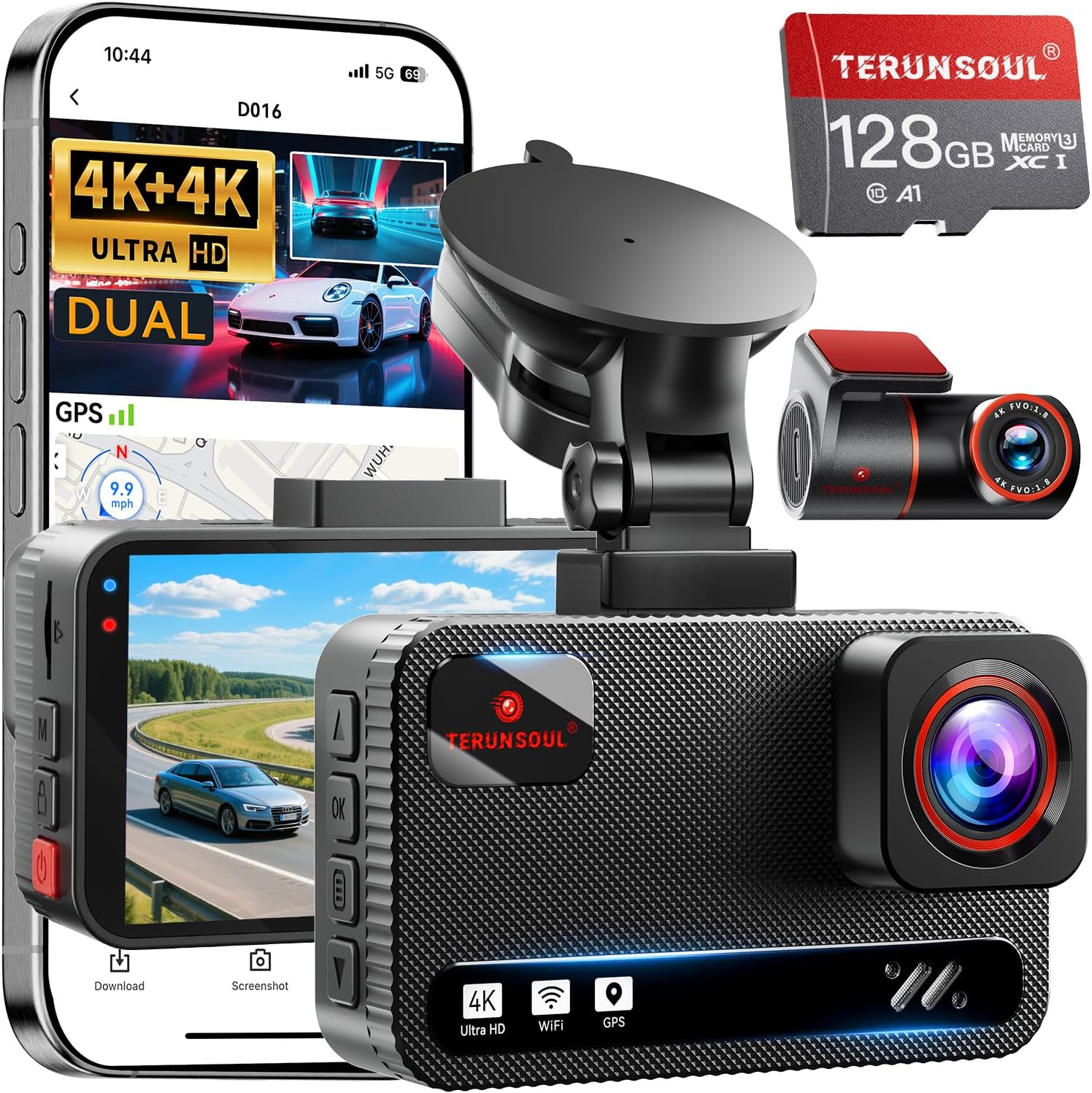
Frequently Asked Questions
Q: Do I need a dash cam in Arizona’s desert heat?
A: Absolutely. Extreme temperatures accelerate component wear. Only premium models with industrial-grade components reliably operate year-round. Cheap units may fail within months due to heat stress.
Q: Can my dash cam survive monsoon rains?
A: Yes—but only if it has IPX-rated waterproofing and sealed connectors. Avoid models with exposed USB ports or loose cable grommets. Test by spraying lightly during installation.
Q: Is parking mode safe for my car battery?
A: With hardwiring, no—it draws negligible power. Without hardwiring, most modern dash cams enter ultra-low-power standby (<10mA) after 10 minutes of inactivity. Still, hardwiring is strongly advised.
Q: What SD card size and class do I need?
A: Minimum 64GB Class 10 or U3 card. Larger sizes (128GB+) extend recording time and improve write speeds. Format cards in the dash cam itself to prevent corruption.
Q: Will my dash cam record in direct sunlight?
A: Yes, but WDR technology is essential. Without it, faces and plates appear overexposed. Look for explicit mention of HDR or WDR in specs.
Q: Are dash cams legal in Arizona?
A: Yes, as long as they’re mounted securely and don’t obstruct the driver’s view. Recording public roads is permitted; recording private property without consent may violate privacy laws.
Q: How do I clean my dash cam lens safely?
A: Use only microfiber cloths and lens-specific cleaners. Never spray liquid directly onto the lens. For stubborn dust, gently wipe with dry cotton swabs.
Q: Can I use my dash cam while charging?
A: Most modern models support simultaneous recording and charging via OBD-II adapters or cigarette lighter plugs. Older units may overheat—check manufacturer guidelines.
Q: Should I buy front-only or dual-camera?
A: Dual-camera systems offer fuller protection, especially on twisty mountain roads or busy intersections. Front-only models suffice for simple commutes, but dual setups justify their cost for frequent drivers.
Q: How long does battery life last in parking mode?
A: Typically 1–4 hours depending on model and settings. Hardwired units run indefinitely. Enable time-lapse mode (recording every 30 seconds) to conserve power.
Our Final Recommendations
Best for Budget-Conscious Buyers
Viofo A119 Mini V3 – Priced around $120, this compact 2K dash cam delivers crisp footage, reliable heat resistance, and easy app integration. Includes a magnetic mount and built-in GPS. Ideal for daily commuters who want premium features without overspending.
Best Overall Value
Thinkware U1000 – At ~$200, it offers stunning 2K clarity, superb WDR, and robust build quality. Supports dual-channel expansion and features advanced parking guard with impact detection. Trusted by professionals and everyday drivers alike.
Best Premium Option
BlackVue DR970X-2CH – Over $350, but worth it for cloud connectivity, superior night vision, and military-grade durability. Syncs seamlessly with BlackVue apps for remote viewing and management. Best for tech lovers and commercial users.
Best for Beginners
Garmin Dash Cam 67W – Simple interface, voice control, and automatic incident saving. Includes lifetime traffic alerts via Wi-Fi. Great for first-time buyers wanting hassle-free operation.
Best for Advanced Users
Nextbase 622GW – Features Alexa integration, 4K recording, and emergency SOS button. Compact design with excellent heat dissipation. Perfect for riders who want smart functionality and top-tier visuals.
Conclusion: Making the Right Choice
Choosing the best dash cam for Arizona isn’t just about picking the shiniest gadget—it’s about matching your vehicle, lifestyle, and environmental demands to a device engineered for resilience and clarity. Whether you’re dodging monsoon puddles on Route 66 or navigating rush-hour gridlock in Tempe, your dash cam should act as a vigilant guardian, capturing every detail without fail. Remember to prioritize heat tolerance, parking safety, and crystal-clear resolution over flashy extras. Invest in a reputable brand with strong local support, and always verify real-world performance through user reviews from fellow Arizonans. By focusing on these core principles, you’ll drive with confidence knowing your journey is documented—and protected—by technology that truly stands up to the desert sun.