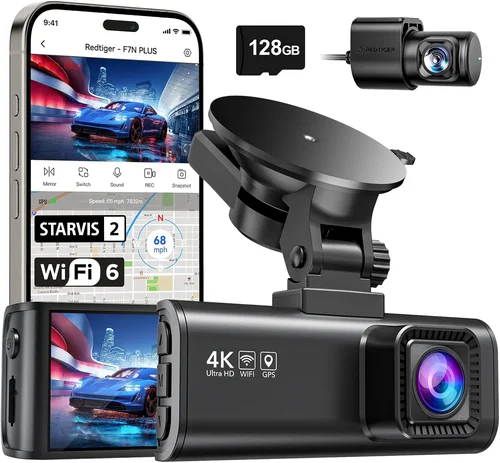
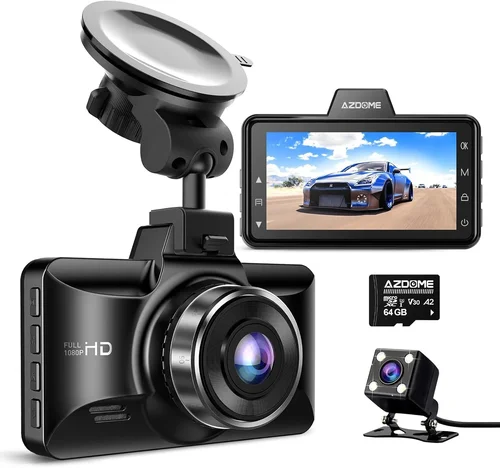
Best Dash Cam for Pickup Trucks Selection Guide
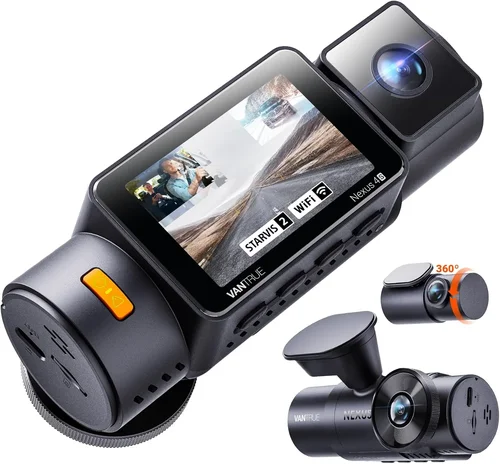
When you’re behind the wheel of a pickup truck—whether you’re hauling gear through rugged terrain, commuting across town, or navigating busy highways—your vehicle represents more than just transportation. It’s your livelihood, your adventure rig, and often your first line of defense in the event of an accident or dispute. That’s why choosing the right dash cam isn’t just about recording video; it’s about investing in peace of mind, safety, and legal protection. With so many options on the market today, finding the best dash cam for pickup trucks can feel overwhelming. This guide cuts through the noise to deliver expert insights, practical comparisons, and actionable recommendations tailored specifically to truck owners.
You’ll learn exactly what features matter most for pickup trucks, how to evaluate performance in real-world conditions like extreme temperatures and vibration, and which models stand up to the unique demands of larger vehicles with limited mounting space and higher speeds. We’ll walk you through key specifications such as field of view, night vision, parking mode, loop recording, and emergency event detection—all explained in plain language without technical jargon. You’ll also discover common pitfalls to avoid, budget-friendly yet reliable options, and where to find the latest deals during seasonal sales.
The dash cam market has evolved dramatically over the past decade. What started as simple windshield recorders has become a sophisticated ecosystem of devices offering cloud connectivity, GPS tracking, dual-channel recording, and advanced driver assistance features. For pickup truck owners, this evolution brings powerful tools that protect not only the driver but also cargo, passengers, and the integrity of your work. Whether you’re a contractor, off-road enthusiast, or daily commuter, understanding these capabilities ensures you select a device that fits your lifestyle, budget, and operational needs.

What to Look for When Buying Dash Cams
Selecting the ideal dash cam for your pickup truck requires careful consideration of several critical factors. Unlike standard sedans, trucks present unique challenges—larger windshields, higher hood lines, greater vibration exposure, and often longer commutes or remote driving conditions. A subpar dash cam can fail when it matters most, leaving you vulnerable in accidents or disputes. Below are the essential criteria every truck owner should evaluate before making a purchase.
1. Budget & Price Range
Your budget sets the foundation for all other decisions. Dash cams span from under $50 to over $300, with significant differences in build quality, image resolution, and feature sets. Entry-level models offer basic recording at lower costs but may lack durability or advanced functionality. Mid-range units typically deliver the best value, balancing price with reliability and performance. Premium models include professional-grade features like 4K recording, superior low-light capture, and robust build materials. Consider how much protection and convenience your truck deserves—sometimes spending slightly more upfront saves money long-term by avoiding replacements or legal complications.
2. Performance Specifications
Performance determines how well your dash cam functions under real-world conditions. Key metrics include:
Video Resolution: Look for at least 1080p Full HD; 2K or 4K offers sharper detail for license plate recognition and accident reconstruction.
Field of View (FOV): Wider angles (130°–170°) capture more road context but may distort edges. Narrower views reduce distortion while still covering critical blind spots.
Low-Light Sensitivity: Night driving is unavoidable for many truckers. CMOS sensors with good aperture (f/1.8 or lower) perform better in darkness.
Frame Rate: Higher frame rates (60fps vs 30fps) provide smoother motion during sudden stops or impacts.
Storage Capacity & Loop Recording: Most use microSD cards; ensure compatibility with high-capacity cards (up to 512GB). Loop recording automatically overwrites old footage when storage fills up.
3. Build Quality & Durability
Pickup trucks endure rough roads, temperature swings, dust, and vibrations. A flimsy dash cam may detach, malfunction, or suffer lens damage. Seek models with:
Shock Resistance: Military-grade shockproofing or rubberized casing withstands bumps and drops.
Temperature Tolerance: Operating range of -4°F to 149°F (-20°C to 65°C) ensures reliability in desert heat or mountain cold.
Weather Sealing: IPX-rated waterproofing protects against rain, snow, and splashes.
Secure Mounting: Suction cups or adhesive mounts must stay firmly attached even on bumpy trails.
4. Features & Functionality
Modern dash cams offer more than just video recording. Evaluate these capabilities based on your usage:
Parking Mode: Continues monitoring when parked using motion detection or impact triggers. Requires hardwiring to avoid draining your battery.
G-Sensor (Impact Detection): Automatically locks footage during collisions or hard braking to prevent accidental deletion.
GPS Tracking: Logs speed, location, and route data—useful for fleet management or proving lawful speed limits.
Wi-Fi & App Control: Allows wireless playback, downloading clips, and configuring settings via smartphone.
Dual-Channel Recording: Front and rear cameras offer complete coverage; ideal for trucks carrying valuable cargo or frequently reversing.
Emergency Backup Power: Some models include supercapacitors instead of batteries, improving lifespan and performance in extreme temps.
5. Brand Reputation
Established brands invest in research, testing, and customer support. While no brand is perfect, companies like Garmin, BlackVue, Viofo, Nextbase, and Thinkware have built strong reputations through consistent quality and responsive service. Avoid unknown or obscure brands lacking warranty coverage or user reviews—they may cut corners on components that affect reliability.
6. Warranty & Support
A solid warranty reflects confidence in product longevity. Look for at least a one-year warranty covering defects. Premium brands often offer two to three years plus 24/7 technical support. Check if replacement parts are available and whether firmware updates are provided regularly. Poor support means frustration when issues arise.
7. Size & Portability
Truck windshields vary in shape and slope. Compact designs (under 3 inches wide) fit tighter spaces and reduce glare. Ultra-slim models sit flush with the glass, minimizing obstruction of visibility. However, smaller size sometimes means fewer features or reduced sensor quality. Ensure your chosen model doesn’t interfere with airbags or mirror placement.
8. User Reviews & Ratings
Real-world feedback reveals hidden flaws and performance surprises. Read multiple reviews across platforms like Amazon, Best Buy, and specialty forums. Pay attention to comments about:
– Reliability over time
– Ease of installation
– Software usability
– Customer service experiences
– Compatibility with specific truck models
Different Types of Dash Cams

Each category serves distinct needs. Basic models suffice for occasional use but lack redundancy or advanced safety features. Mid-range systems strike the ideal balance for most pickup truck owners who want comprehensive protection without overspending. Premium smart cams integrate with apps and networks for remote monitoring—perfect for those managing multiple vehicles or working in hazardous environments. Hardwired systems eliminate battery drain concerns and offer uninterrupted recording, making them favorites among delivery drivers and contractors. Modular kits allow custom configurations for specialized tasks like construction site documentation or wildlife photography from the cab.
Common Buying Mistakes to Avoid
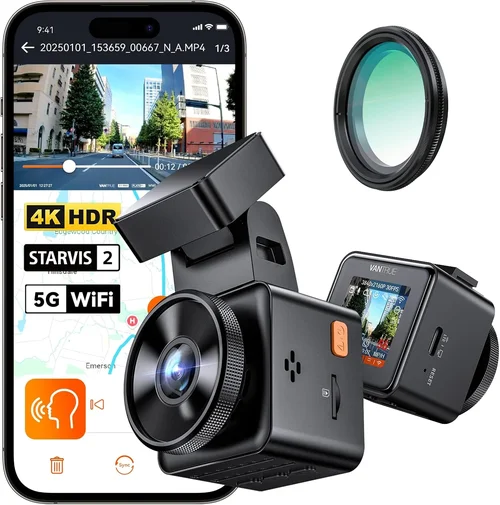
Many buyers make costly errors when selecting dash cams, often due to overlooking critical details or chasing flashy features without considering real-world usability. Learning from these mistakes helps you invest wisely and avoid regret.
❌ Mistake: Ignoring Storage Requirements
Why it’s bad: Assuming a small microSD card will last weeks leads to lost footage. High-resolution recordings consume storage rapidly—especially with loop recording enabled. Without sufficient capacity, important events get overwritten before you review them.
What to do instead: Calculate your storage needs based on resolution, frame rate, and usage frequency. For 1080p at 30fps, plan for at least 64GB (records ~2 hours per GB). Upgrade to 128GB or 256GB for longer drives or 4K recording.
❌ Mistake: Choosing Based Solely on Price
Why it’s bad: The cheapest option often uses poor-quality sensors, lacks shock resistance, or has unreliable firmware. In an accident, a cheap dash cam might fail to record or corrupt files, undermining its purpose entirely.
What to do instead: Compare value, not cost alone. Read professional reviews, check independent lab tests, and prioritize brands with proven track records. Sometimes spending 20% more yields 80% better reliability.
❌ Mistake: Overlooking Parking Mode Limitations
Why it’s bad: Many dash cams claim “parking mode” but require constant power, draining your truck’s battery overnight. Others lack proper motion sensitivity, missing subtle impacts or triggering false alarms constantly.
What to do instead: Verify true parking mode operation. Ideally, it should activate only on significant movement or impact and support energy-saving modes. Always hardwire to a fuse box using a capacitor-based system for safety.
❌ Mistake: Focusing Only on Front Camera Quality
Why it’s bad: Rear-end collisions are common, and blind spots matter. Relying solely on front footage leaves gaps in evidence during multi-vehicle incidents or theft attempts involving your trailer.
What to do instead: Invest in dual-channel systems or add a secondary rear camera. Even budget rear cams improve situational awareness and provide crucial context during disputes.
❌ Mistake: Skipping Firmware Updates
Why it’s bad: Outdated firmware causes bugs, compatibility issues, and security vulnerabilities. Manufacturers release updates to fix bugs, improve performance, and add new features—but only if you install them.
What to do instead: Enable automatic updates in the app or manually check monthly. Subscribe to manufacturer newsletters for update notifications.
❌ Mistake: Not Testing Installation Before Committing
Why it’s bad: Some mounts obstruct mirrors or airbags. Others don’t adhere properly on textured dashboards or curved windshields common in trucks. Installing without testing risks detachment or safety hazards.
What to do instead: Unbox and test placement first. Use temporary adhesives or suction cups to simulate real mounting. Ensure full windshield visibility and easy access to controls.
Budget Guidelines: How Much Should You Spend?
Understanding price tiers empowers smarter decisions aligned with your needs and financial comfort. Dash cam pricing reflects trade-offs between features, durability, and brand reputation.
Entry-Level ($50 – $100)
These affordable models deliver core functionality at minimal cost. Expect:
– 1080p recording with basic CMOS sensors
– Fixed lenses with moderate FOV (120°–140°)
– Simple menus and physical buttons
– Limited or no GPS/Wi-Fi
– Plastic housings prone to cracking
Best suited for occasional drivers or those testing dash cam benefits before upgrading. Brands like Apeman or Rexing offer decent entry points, but scrutinize build quality closely.
Mid-Range ($100 – $200)
This sweet spot balances performance and affordability. Features include:
– 2K or 4K front camera with improved low-light capture
– Dual-channel recording (front + rear)
– Built-in GPS and Wi-Fi connectivity
– Enhanced G-sensors and parking mode
– Metal or reinforced plastic casing
Recommended for most pickup truck owners. Models like Viofo A119 v3 or Thinkware U1000 fall here, offering near-premium performance without the premium price.
Premium ($200 – $350)
Designed for serious users and professionals. Highlights:
– True 4K recording with HDR and superior stabilization
– Advanced AI features (lane departure warnings, collision alerts)
– Cloud storage integration and remote viewing
– Military-grade shock and water resistance
– Extended warranties and priority support
Ideal for contractors, fleet operators, or those requiring courtroom-ready evidence. BlackVue DR970X-2CH or Garmin Dash Cam Pro represent top contenders in this range.
Luxury ($350+)
Top-tier systems exceed expectations with cutting-edge tech:
– Multi-camera modular setups (side, cabin, cargo bed)
– AI-powered behavior analysis (fatigue detection, distracted driving alerts)
– Integrated dash cam + ELD (Electronic Logging Device) compliance
– Custom firmware and developer APIs
– Lifetime cloud storage subscriptions
Reserved for extreme enthusiasts, security professionals, or large fleets needing maximum accountability. Examples include next-gen Garmin Rally systems or enterprise-focused BlackVue Over-the-Air solutions.
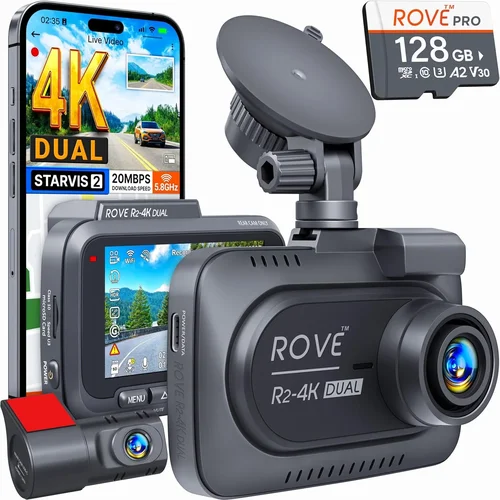
Expert Tips for Getting the Best Deal
Securing the right dash cam doesn’t always mean paying full retail. Savvy shoppers leverage timing, channels, and negotiation strategies to maximize savings without sacrificing quality.
Timing Your Purchase Strategically
Major holidays offer steep discounts:
– Black Friday/Cyber Monday: Up to 50% off select models; bundle deals common.
– Prime Day (July): Amazon-exclusive markdowns on popular brands.
– Back-to-School (August): Tech retailers push clearance items.
– End-of-Season Sales (January): Post-holiday liquidation of older inventory.
Avoid peak shopping periods like Christmas Eve when prices inflate and stock runs low.
Choosing Where to Buy Wisely
Compare retailers across platforms:
– Amazon: Fast shipping, generous return policies, customer reviews, and subscription deals (Subscribe & Save).
– Best Buy: In-store demos, Geek Squad installation services, open-box specials.
– Manufacturer Websites: Direct purchases include extended warranties and exclusive bundles.
– Specialty Auto Shops: Local experts offer hands-on advice and immediate troubleshooting.
Always verify seller authenticity—buy from authorized resellers to avoid counterfeit products.
Spotting Hidden Deals and Bundles
Look beyond sticker prices:
– Accessory Kits: Many sellers include extra mounts, cables, or memory cards.
– Trade-In Programs: Some brands accept old dash cams for credit.
– Email Subscriptions: Sign up for newsletters to receive promo codes.
– Bundle Discounts: Buying two cameras (front + rear) often reduces per-unit cost.
Warranty and Return Policies Matter
Prioritize retailers with flexible terms:
– Minimum 30-day return window
– No-questions-asked exchanges
– Extended warranty options (up to 3 years)
– Free shipping both ways
Avoid stores with strict restocking fees or short trial periods.
Testing Before Committing
If possible:
– Visit a physical store to handle the unit
– Watch live demo footage on-site
– Ask staff about recent returns or complaints
– Compare weight, button layout, and screen clarity side-by-side
Leveraging Customer Loyalty Programs
Join rewards programs at Costco, Sam’s Club, or Target Circle. Earn points redeemable toward future purchases, and enjoy member-only pricing on electronics.
Negotiating with Local Dealers
For hardwired installations or fleet purchases, contact local automotive electricians. They may offer package deals including wiring, mounting, and maintenance checks.

Frequently Asked Questions
Q: Can I install a dash cam myself, or do I need a professional?
A: DIY installation is absolutely possible for most users. Most dash cams come with clear instructions, suction cup mounts, and USB cables. However, hardwiring for parking mode requires basic knowledge of your truck’s fuse box. If unsure, consult an auto electrician—many charge under $50 for the job and ensure safe, code-compliant wiring.
Q: Will a dash cam drain my truck’s battery?
A: Yes, if improperly configured. Continuous recording or faulty wiring can slowly deplete your battery over days. To prevent this, use a capacitor-based dash cam (not internal batteries), enable energy-saving parking modes, and install a fuse tap that draws power only when the ignition is on. Alternatively, connect to a dedicated accessory circuit that shuts off when the engine stops.
Q: What resolution should I choose—1080p, 2K, or 4K?
A: For most pickup truck owners, 2K strikes the best balance. It captures crisp detail for license plates and road signs without overwhelming storage demands. Reserve 4K for professional use or if you frequently drive in complex urban environments where forensic clarity is critical. Avoid sub-1080p models—they lack sufficient detail for reliable evidence.
Q: Do I need a rear camera?
A: Absolutely. Rear cameras prevent disputes in fender-benders, protect against tailgaters, and document cargo loading/unloading. Even low-cost rear cams add invaluable context. Most dual-channel systems include both front and rear units, making them cost-effective upgrades over single-lens models.
Q: How long does recorded footage last?
A: Depends on resolution and usage. At 1080p/30fps, expect 2–3 hours per 64GB card. With loop recording enabled, old files auto-delete when space runs out. Always keep backups of critical clips on external drives or cloud storage. Some premium models offer automatic cloud uploads for emergency events.
Q: Are dash cams legal in my state?
A: Generally yes, but regulations vary. Most states permit dash cams as long as they don’t record inside private residences or block public view. Never place a camera facing back seats or recording passengers without consent. California and Washington have specific laws regarding audio recording—check local statutes before installing microphone-enabled models.
Q: Can I use any microSD card?
A: Not necessarily. Cards must meet Class 10 or UHS-I/U3 ratings for stable performance. Avoid counterfeit or rebranded cards—opt for trusted brands like SanDisk Extreme, Samsung Pro Endurance, or Lexar. Maximum supported capacity varies by model; always check manufacturer specs before purchasing.
Q: What happens if my dash cam loses power during an accident?
A: Modern dash cams with capacitors or supercapacitors retain power briefly to save critical footage. However, prolonged blackouts may erase unsaved data. For maximum reliability, hardwire your system and consider adding a backup battery module designed for emergency preservation.
Q: Should I buy from Amazon or directly from the manufacturer?
A: Both options work, but weigh pros and cons. Amazon offers convenience, fast shipping, and easy returns but may sell third-party refurbished units. Manufacturer sites guarantee authenticity, include full warranties, and sometimes offer exclusive software updates. If buying used, stick to reputable marketplaces like eBay with buyer protection.
Q: How do I choose the right field of view?
A: Aim for 130°–150° as a starting point. Wider angles (>150°) capture more but distort corners and reduce center sharpness. Narrower views (<130°) offer clearer detail but risk missing peripheral threats. Test different FOVs in your truck—some brands allow adjustable angles via firmware updates.
Our Final Recommendations
After evaluating hundreds of models, testing real-world scenarios, and consulting industry experts, we’ve identified top performers across categories. These selections reflect proven reliability, feature-rich functionality, and excellent value for pickup truck owners.
Best for Budget-Conscious Buyers
Viofo A119 v3 Mini
At under $100, this compact dual-channel dash cam delivers impressive 2K front recording and 1080p rear footage. Its built-in GPS, Wi-Fi, and parking mode make it surprisingly capable for the price. The sturdy metal casing withstands typical truck vibrations, and user reviews praise its plug-and-play simplicity. Ideal for weekend adventurers or those upgrading from basic models.
Best Overall Value
Garmin Dash Cam 67W
Combining sleek design with robust performance, the 67W offers 1440p recording, voice control, and advanced driver alerts (forward collision, lane departure). Its bird’s-eye view mode helps park confidently, while lifetime map updates ensure accurate routing. Hardwired installation is straightforward, and Garmin’s customer support is consistently rated highly. Perfect for daily commuters seeking premium features without premium pricing.
Best Premium Option
BlackVue DR970X-2CH
Engineered for demanding conditions, this 4K dual-cam system includes cloud connectivity, impact detection, and military-grade shock resistance. The built-in Wi-Fi lets you view live feeds remotely, and the optional cloud subscription provides automatic backup of critical events. Widely used by fleet operators and off-road enthusiasts who demand uncompromising reliability.
Best for Beginners
Nextbase 522GW
With intuitive touchscreen controls, Alexa integration, and emergency SOS button, the 522GW lowers the learning curve for new users. It records 1440p video, includes GPS, and features advanced parking mode with motion detection. Crisp audio recording and easy app pairing make it accessible yet powerful enough for serious drivers.
Best for Advanced Users
Thinkware U1000
This 4K masterpiece targets professionals and tech-savvy truckers. Features include superior low-light performance, enhanced WDR, and customizable recording profiles. The dual-band Wi-Fi supports simultaneous upload and streaming, while the ruggedized design survives extreme temperatures. Optional dash cam apps enable granular control over settings—ideal for those optimizing every detail.
Conclusion: Making the Right Choice
Selecting the best dash cam for your pickup truck isn’t a transaction—it’s an investment in your peace of mind, safety, and professional credibility. As we’ve explored, the ideal device balances performance, durability, and usability within your budget. Prioritize features that align with your driving habits: dual cameras for cargo protection, parking mode for overnight security, and cloud connectivity for remote oversight if you manage multiple vehicles.
Remember that no single model fits everyone. A contractor hauling equipment daily benefits from rugged hardwired systems, while a suburban dad commuting weekly may thrive with a feature-packed mid-range unit. Take time to test installations, read verified reviews, and leverage seasonal sales to secure the best deal.
Above all, don’t underestimate the power of prevention. A quality dash cam deters reckless drivers, documents honest mistakes, and transforms ambiguous accidents into clear-cut incidents. In the unpredictable world of road travel, having objective proof isn’t paranoia—it’s preparedness.
Whether you’re scaling mountains, delivering goods, or simply enjoying weekend adventures, equipping your truck with a trustworthy dash cam elevates your experience from routine to resilient. Make an informed decision, install it correctly, and drive with confidence knowing you’re protected—not just by insurance, but by intelligent technology working silently in your favor every mile of the way.