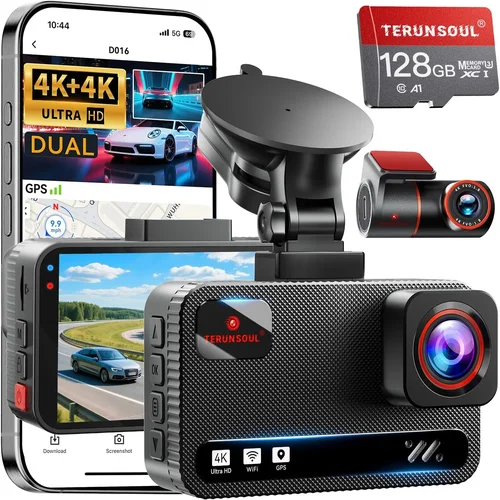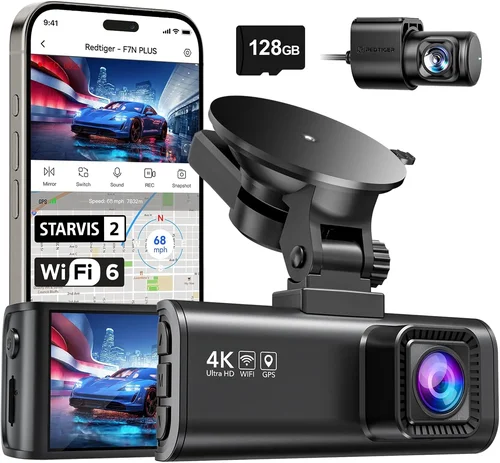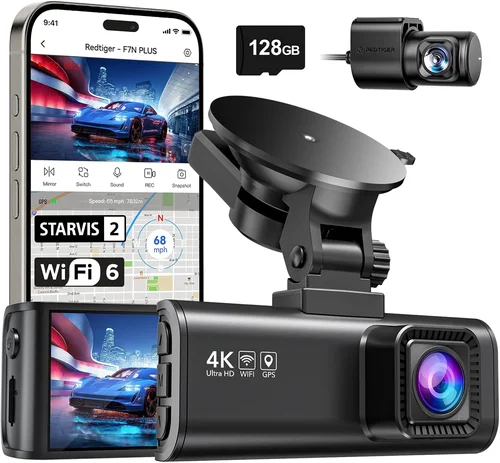
Best Dash Cam Buying Guide
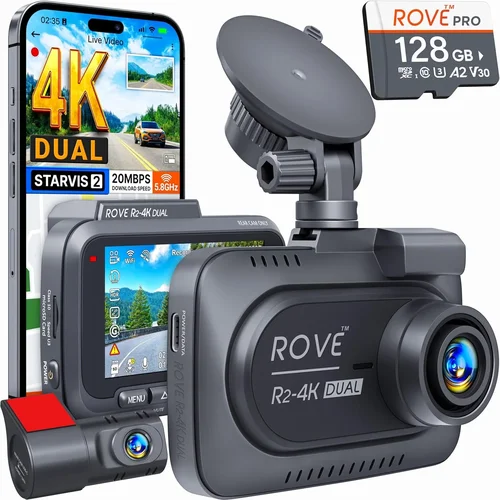
In today’s world, where road safety concerns and potential legal disputes can arise from minor traffic incidents, having a reliable dash cam in your personal vehicle has become more than just a convenience—it’s an essential safety investment. Whether you’re dealing with insurance claims, documenting evidence for potential lawsuits, or simply wanting peace of mind knowing your journey is being recorded, choosing the right dash cam can make all the difference. This comprehensive buying guide will walk you through everything you need to know to select the best dash cam for your personal car, ensuring you make an informed decision that matches your specific needs and budget.
By the end of this article, you’ll understand the critical factors that differentiate quality dash cams from mediocre ones, learn about the latest technological advancements in the market, and discover which features truly matter versus which are unnecessary gimmicks. We’ll cover everything from resolution and storage considerations to advanced features like parking mode, GPS tracking, and night vision capabilities. You’ll also find expert advice on avoiding common pitfalls, understanding different price ranges, and making smart purchasing decisions based on real-world usage scenarios rather than marketing hype.
The dash cam market has evolved dramatically over the past decade, with options ranging from basic single-lens models under $50 to sophisticated dual-camera systems with cloud connectivity costing several hundred dollars. With so many choices available across various brands and retailers, it can be overwhelming to determine what’s worth your money. That’s why we’ve created this detailed guide featuring in-depth analysis of key specifications, user experience insights, professional recommendations, and practical tips that will help you navigate the crowded marketplace with confidence. Whether you’re a first-time buyer looking for something simple and affordable or a tech enthusiast seeking cutting-edge features, this guide will equip you with the knowledge needed to choose wisely.

What to Look for When Buying Dash Cams
When selecting a dash cam for your personal car, understanding the fundamental specifications and features that impact performance is crucial. The right combination of technical capabilities, build quality, and user-friendly design will ensure reliable operation when you need it most. Below are the most important factors to consider during your research and purchase process.
1. Video Resolution & Recording Quality
Video resolution serves as the foundation of any dash cam’s effectiveness, directly impacting how clearly you can identify license plates, facial features, and other critical details in recorded footage. Modern dash cams typically offer resolutions ranging from standard definition (720p) to ultra-high definition 4K recording capabilities. While higher resolution provides superior detail, it also requires significantly more storage space and processing power.
For most personal vehicles, Full HD (1080p) resolution strikes an excellent balance between image clarity and file size management. This resolution captures sufficient detail for identifying vehicles and license plates while maintaining manageable video files that won’t quickly fill up your memory card. Many reputable dash cams now support 2K or even 4K resolution, but these premium options come at increased costs and require larger storage solutions.
Consider the frame rate as well—most quality dash cams record at 30 frames per second (fps), which provides smooth motion capture suitable for typical driving speeds. Some advanced models offer variable frame rates that adjust automatically based on lighting conditions or movement complexity. When evaluating resolution claims, remember that actual performance depends heavily on lens quality, sensor technology, and image stabilization systems working together.
2. Storage Capacity & Management
Effective storage management is perhaps one of the most overlooked yet critical aspects of dash cam functionality. Without proper handling of recorded footage, even the highest-quality video becomes useless due to storage limitations or inefficient file organization. Most dash cams use microSD cards ranging from 32GB to 256GB capacities, with larger cards supporting longer continuous recording sessions.
Loop recording functionality automatically overwrites the oldest footage when storage reaches capacity, ensuring your dash cam continues capturing new incidents without manual intervention. However, this feature requires careful configuration—you’ll want to set appropriate recording intervals (typically 1-5 minutes per clip) and ensure your chosen memory card offers reliable write speeds compatible with your device’s requirements.
Cloud storage integration has emerged as another valuable option, allowing automatic upload of important footage to secure online servers for long-term preservation. While convenient, cloud-enabled dash cams usually come at premium prices and require consistent internet connectivity during installation and initial setup phases. Consider whether local storage alone meets your needs or if remote backup capabilities justify the additional cost and subscription fees associated with cloud services.
3. Field of View & Lens Quality
The field of view (FOV) determines how much of the road ahead and surrounding environment your dash cam can capture simultaneously. A wider FOV reduces blind spots and helps document lane changes, intersections, and potential hazards more comprehensively. Most consumer-grade dash cams offer horizontal FOVs between 110° and 170°, with premium models sometimes exceeding 180° using specialized fisheye lenses.
However, wider angles aren’t always better—extremely wide FOVs can introduce distortion at the edges of the frame, making objects appear stretched or unnatural. High-quality lenses minimize optical distortion while maximizing edge-to-edge sharpness, ensuring accurate representation of events without visual artifacts that could compromise evidence credibility. When comparing FOV specifications, look for manufacturers who provide both horizontal and vertical measurements along with diagonal coverage figures.
Advanced lens technologies including HDR (High Dynamic Range) processing help maintain detail in challenging lighting conditions such as bright sunlight reflecting off wet roads or dark shadows created by tunnel entrances. These features enhance overall image quality by balancing exposure across different parts of each frame, preventing washed-out highlights or overly dark backgrounds that might obscure important details.
4. Night Vision Capabilities
Nighttime driving presents unique challenges for dash cam operation due to limited visibility and increased risk of accidents caused by reduced visibility or impaired drivers. Effective low-light performance ensures your dash cam remains functional during evening commutes, overnight parking situations, and poorly lit rural roads where traditional headlights may struggle to illuminate obstacles adequately.
Modern dash cams address nighttime visibility through several key technologies: enhanced CMOS sensors with improved light sensitivity, infrared LEDs for supplemental illumination, and intelligent noise reduction algorithms that minimize graininess while preserving critical details. Look for models specifically designed with night vision optimization, as general-purpose cameras often lack the specialized hardware needed for reliable operation in darkness.
Some advanced systems incorporate adaptive brightness controls that automatically adjust gain levels based on ambient light conditions, preventing overexposure during sudden transitions from dark to bright environments like passing through streetlights or crossing bridge shadows. Additionally, certain dash cams feature dedicated night modes that prioritize contrast enhancement and color accuracy over maximum brightness, helping maintain usable footage quality even when overall illumination is minimal.
5. Parking Mode & Motion Detection
Parking mode represents one of the most valuable features for personal vehicle owners concerned about hit-and-runs, vandalism, or unauthorized towing attempts while their cars remain unattended. This functionality allows your dash cam to enter a standby state when the engine shuts down, then resume recording only when triggered by motion detection or impact sensors.
Most parking modes draw power from your car’s battery through a hardwired connection, though some models support USB-powered operation using portable batteries or solar chargers for vehicles without direct access to constant power sources. When selecting a dash cam with parking capability, verify compatibility with your vehicle’s electrical system and consider installing a capacitor or voltage-sensitive relay to prevent accidental draining of your battery during extended periods without engine operation.
Motion detection sensitivity varies significantly between models, so test different settings to avoid false triggers from passing wildlife, changing weather patterns, or vibrations caused by nearby construction activity. Impact sensors provide an alternative trigger mechanism based on sudden deceleration forces, offering protection against collisions that might occur while parked near busy intersections or loading zones.
Remember that enabling parking mode typically reduces overall battery life and may increase wear on your dash cam’s internal components due to continuous background monitoring. Balance your security needs against practical considerations like installation complexity, power consumption, and maintenance requirements before committing to this feature.
6. Audio Recording & Privacy Concerns
Audio recording capability adds another layer of documentation to your dash cam’s surveillance toolkit, capturing conversations, emergency sirens, mechanical sounds, and environmental noises that complement visual evidence. However, this feature raises legitimate privacy concerns regarding unauthorized eavesdropping and potential violations of wiretapping laws in certain jurisdictions.
Before purchasing a dash cam with audio functionality, research local regulations governing electronic recording devices and ensure compliance with applicable privacy statutes. Some regions require explicit consent from all parties being recorded, while others permit one-party consent only. Disabling audio recording eliminates these legal complications entirely while still providing comprehensive visual coverage.
If you decide to enable audio capture, consider models with adjustable microphone sensitivity controls that allow you to mute recordings during private conversations or sensitive discussions. Certain dash cams offer physical microphone switches or software toggles for quick activation/deactivation based on situational awareness. Always inform passengers about ongoing recording to maintain transparency and respect individual privacy expectations.
7. Build Quality & Weather Resistance
Durability plays a crucial role in dash cam reliability, especially given their exposed mounting locations inside vehicles subject to extreme temperatures, direct sunlight, precipitation, and accidental impacts from loose items or sudden braking maneuvers. High-quality construction materials including reinforced housings, shock-absorbing mounts, and corrosion-resistant components extend operational lifespan and maintain performance integrity under demanding conditions.
Look for dash cams certified with IP ratings indicating resistance to dust ingress and water immersion, with higher numbers denoting greater protection levels. Even if your model lacks formal IP certification, reputable manufacturers often implement robust sealing techniques around buttons, ports, and lens assemblies to prevent moisture intrusion during rainstorms or car washes.
Temperature tolerance specifications are equally important—extreme heat can damage internal electronics and reduce battery efficiency, while freezing conditions may cause condensation buildup within sealed compartments. Choose models rated for operation across broad temperature ranges matching your local climate extremes to avoid unexpected failures during seasonal transitions.
8. User Interface & Ease of Use
Intuitive controls and clear display interfaces significantly impact your ability to operate your dash cam effectively during everyday use or stressful roadside emergencies. Touchscreen displays offer modern convenience with gesture-based navigation, but they can become unresponsive when wet or obscured by glare. Physical buttons provide tactile feedback and continued functionality regardless of screen condition.
Menu structures should prioritize essential functions like playback controls, settings adjustments, and emergency saving options without overwhelming users with excessive submenus or cryptic terminology. Voice commands represent an emerging trend enabling hands-free operation, though accuracy varies considerably between implementations and may not suit all driving scenarios safely.
Setup processes deserve special attention—plug-and-play designs requiring minimal configuration simplify installation, while advanced customization options appeal to technically inclined users seeking fine-tuned performance optimization. Compatibility with smartphone apps expands functionality further through remote viewing, cloud uploads, and firmware updates delivered directly to your mobile device.
9. Power Source Options
Flexible power supply solutions accommodate diverse installation preferences and vehicle configurations, ensuring your dash cam remains operational regardless of ignition status or charging infrastructure availability. Hardwired connections tap into your car’s electrical system for uninterrupted recording, but they require professional installation skills and may void warranty terms if improperly handled.
USB-powered models draw energy from auxiliary outlets (cigarette lighters) or OBD-II diagnostic ports, offering easier DIY installation at the expense of potential power interruptions during engine startup surges or accessory cycling. Portable battery packs provide temporary autonomy for parked vehicles lacking constant power access, though they necessitate frequent recharging and add bulk to your setup.
Solar panel attachments represent a sustainable solution for frequently parked vehicles, harnessing renewable energy from daylight to extend recording duration without grid dependency. Evaluate your primary usage patterns—daily commuting versus occasional weekend trips—to determine which power source aligns best with your lifestyle and installation constraints.
10. Brand Reputation & Customer Support
Established brands with proven track records inspire confidence in product reliability and post-purchase assistance availability. Research manufacturer history, read independent reviews from trusted sources, and assess response times for technical inquiries before committing to any particular model. Companies specializing exclusively in automotive electronics typically demonstrate deeper expertise compared to general consumer electronics conglomerates less focused on niche applications.
Warranty coverage length and terms reveal underlying confidence in component durability—extended warranties often indicate manufacturers stand behind their products against manufacturing defects and premature failure. Check whether warranty applies globally or only specific regions, and verify claim procedures for international travelers who might rely on dash cam evidence abroad.
Customer service accessibility proves invaluable during troubleshooting sessions or replacement requests, particularly when dealing with complex installations or compatibility issues. Online forums, social media communities, and official support channels provide multiple avenues for assistance, though response quality and timeliness vary widely between providers.
11. Additional Features & Integrations
Beyond core recording capabilities, many dash cams incorporate supplementary functionalities enhancing overall utility and user satisfaction. GPS modules embed location data directly into video files, enabling speed tracking verification and route mapping useful for fleet management or accident reconstruction. WiFi connectivity facilitates wireless transfers to smartphones or tablets for immediate sharing and cloud backup without physical cable connections.
Lane departure warnings alert drivers approaching highway shoulders or adjacent lanes without signaling, potentially preventing costly collisions through timely auditory cues. Collision alerts notify connected devices upon detecting sudden deceleration events, integrating seamlessly with existing safety ecosystems like Apple CarPlay or Android Auto.
Smartphone synchronization enables remote control of recording parameters, live streaming capabilities, and automatic firmware updates delivered directly to your mobile device. Subscription-based services unlock premium features like advanced analytics, incident notifications, and unlimited cloud storage—evaluate recurring costs against perceived value before subscribing.
12. Warranty & Return Policies
Comprehensive warranty protection safeguards your investment against manufacturing defects, component failures, and unexpected malfunctions beyond normal wear-and-tear circumstances. Standard warranties typically cover one to three years depending on brand reputation and product category, with premium models occasionally offering lifetime guarantees subject to registration requirements.
Return policies dictate your flexibility to test products risk-free during initial trial periods, allowing assessment of real-world performance before finalizing purchases. Extended return windows accommodate shipping delays, compatibility testing, or unanticipated compatibility issues discovered after delivery. Clear return instructions and prepaid return labels simplify the process when exchanges or refunds become necessary.
13. Size & Portability Considerations
Compact form factors benefit discreet installations minimizing visual distraction while maintaining unobtrusive presence within your vehicle’s interior environment. Slim profiles fit comfortably beneath rearview mirrors without obstructing driver sightlines or interfering with airbag deployment zones. Magnetic mounts offer quick attachment/detachment flexibility ideal for temporary installations or multi-vehicle usage scenarios.
Portability advantages extend beyond single-car applications—travelers can transfer dash cams between vehicles without reinstallation hassle, preserving evidence continuity across different transportation modes. Ultra-compact designs appeal to motorcycle riders, cyclists, and boat operators seeking lightweight surveillance solutions adaptable to diverse mobility needs.
14. User Reviews & Ratings Analysis
Real-world user experiences provide invaluable insights into long-term reliability, hidden flaws, and unexpected benefits not apparent during controlled laboratory testing. Aggregate review scores reflect collective satisfaction levels, though individual preferences vary widely based on usage patterns, technical expectations, and subjective criteria weighting. Focus on recent reviews mentioning specific firmware versions or hardware revisions to ensure relevance to current market offerings.
Common complaints often highlight recurring issues like poor customer service responsiveness, inconsistent performance across operating conditions, or misleading advertising claims contradicted by hands-on testing. Positive feedback frequently emphasizes exceptional build quality, intuitive interface design, and reliable operation during critical situations—look for patterns indicating widespread satisfaction rather than isolated anecdotes.
15. Price vs Performance Ratio Evaluation
Value proposition analysis compares feature sets against corresponding price points to identify optimal trade-offs between budget constraints and desired capabilities. Entry-level models deliver essential recording functionality at affordable price tags, while mid-range options balance cost with incremental improvements in image quality, durability, and user experience enhancements. Premium tiers justify higher investments through advanced technologies, superior materials, and exclusive features unavailable elsewhere.
Avoid paying premiums solely for brand recognition or cosmetic upgrades lacking tangible performance benefits. Instead, prioritize specifications directly impacting your primary use cases—higher resolution matters most if you frequently encounter low-light conditions; parking mode becomes essential if you park in high-risk areas regularly; GPS tracking adds value when verifying speed compliance or documenting routes accurately.
16. Installation Complexity Assessment
DIY installation feasibility influences overall ownership satisfaction, particularly for users lacking technical expertise or access to professional installation services. Plug-and-play designs requiring minimal wiring simplify setup processes, though hardwired connections demand electrical knowledge and tools not universally available. Wireless charging pads eliminate physical cable routing altogether, relying instead on inductive power transfer through compatible vehicle accessories.
Professional installation services guarantee proper mounting alignment, secure wiring connections, and adherence to manufacturer guidelines ensuring warranty validity and optimal performance outcomes. Evaluate whether included accessories facilitate self-installation or if external assistance represents necessary investment for achieving desired results safely and reliably.
17. Firmware Update Frequency & Support
Regular firmware updates address emerging security vulnerabilities, improve existing functionality, and introduce new features responsive to evolving user demands and technological advancements. Manufacturers committed to ongoing development demonstrate commitment to product longevity and customer satisfaction, whereas stagnant software ecosystems may leave purchased devices obsolete within months of acquisition.
Check update frequency expectations—monthly patches suggest active development cycles, while annual releases indicate more conservative approaches to software maintenance. Verify backward compatibility guarantees ensuring older models receive necessary fixes without mandatory hardware replacements. Community-driven development initiatives sometimes accelerate innovation through collaborative problem-solving, though they may lack structured quality assurance processes found in corporate-backed projects.
18. Compatibility With Existing Systems
Integration potential with current vehicle electronics or personal devices enhances workflow efficiency and reduces redundant hardware requirements wherever possible. CarPlay/Android Auto compatibility enables seamless dashboard display mirroring, voice command execution, and app synchronization without distracting manual interactions during operation. Smart home ecosystems benefit from unified control interfaces streamlining routine tasks through centralized automation platforms.
File format standardization simplifies cross-platform compatibility between dash cams and multimedia players, editing software, or cloud storage services supporting universal codecs like H.264 or HEVC. Ensure your preferred video editing applications recognize exported footage formats natively or through readily available plugins minimizing conversion overhead and preserving original quality integrity throughout processing workflows.
19. Environmental Impact & Sustainability
Eco-conscious consumers increasingly prioritize sustainable manufacturing practices, recyclable packaging materials, and energy-efficient designs reducing carbon footprints throughout product lifecycles. Certifications like Energy Star or EPEAT validate environmental responsibility claims, while transparent supply chain disclosures reassure buyers about ethical sourcing standards applied across production stages. Modular designs facilitating component replacement rather than full device disposal promote circular economy principles extending usable lifespans beyond conventional obsolescence thresholds.
20. Future-Proofing Considerations
Anticipating technological evolution ensures your dash cam investment remains relevant amid rapid industry advancements and shifting regulatory landscapes affecting automotive electronics. Modular architectures supporting interchangeable lenses, upgraded sensors, or peripheral attachments future-proof core units against obsolescence without requiring complete replacements every few years. Open API integrations enable third-party developers to create custom applications leveraging underlying hardware capabilities beyond factory-default functionality boundaries.
Different Types of Dash Cams
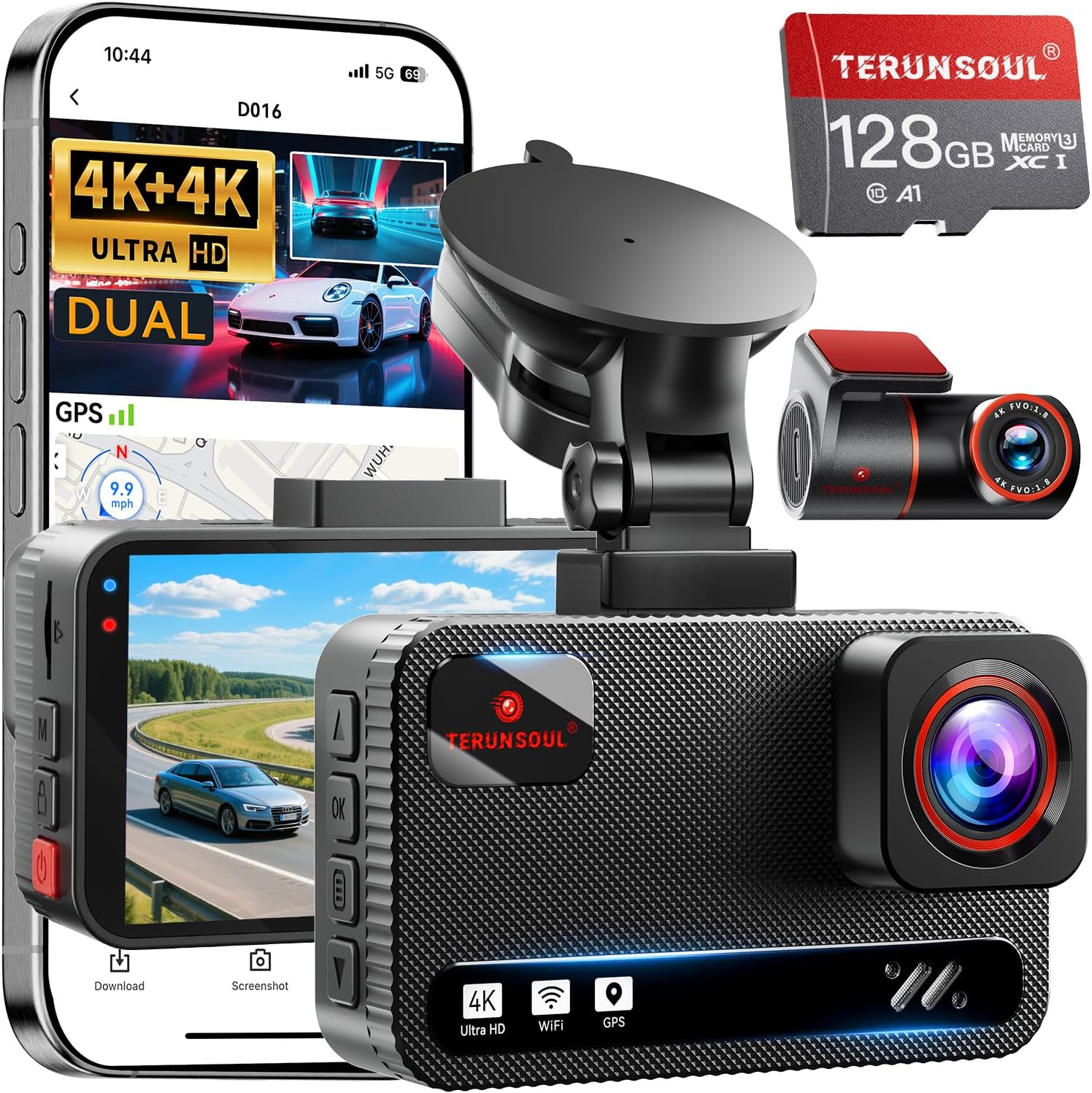
Each category represents distinct trade-offs between capability, complexity, and cost that align differently with individual user priorities and usage scenarios. Understanding these differences empowers informed decision-making tailored to your specific requirements rather than blindly following market trends or brand loyalty biases.
Common Buying Mistakes to Avoid
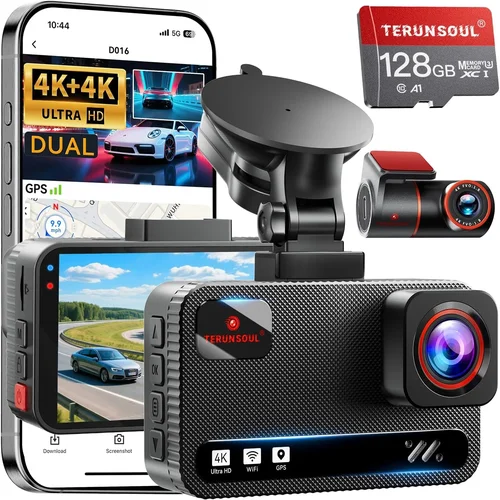
When navigating the dash cam marketplace, several recurring mistakes can undermine your investment value and compromise expected functionality. Recognizing these pitfalls early prevents wasted time, money, and frustration associated with incompatible purchases or disappointing performance outcomes.
❌ Mistake: Ignoring Local Privacy Laws Regarding Audio Recording
Why it’s bad: Many consumers assume all dash cams include audio recording by default, unaware that some models require manual activation or lack microphone functionality entirely. In reality, numerous jurisdictions strictly regulate electronic recording devices due to wiretapping statutes and privacy protections. Installing an audio-enabled dash cam without verifying local compliance risks violating criminal laws punishable by fines or imprisonment, especially when capturing conversations without participant consent.
What to do instead: Before purchasing any dash cam claiming audio capabilities, research applicable regulations in your state or country. One-party consent states allow recording conversations involving yourself, while two-party consent regions prohibit capturing dialogues without explicit permission from all involved parties. If uncertain, opt for visually focused models disabling audio recording entirely to eliminate legal complications. Always disclose ongoing recording to passengers to maintain transparency and respect individual expectations.
❌ Mistake: Overlooking Storage Requirements for High-Resolution Footage
Why it’s bad: Assuming higher resolution equals better performance neglects the exponential increase in storage demands accompanying superior video quality. A 4K dash cam recording continuously at maximum bitrates can consume gigabytes of space per hour, rapidly filling inexpensive 32GB microSD cards within mere minutes unless properly configured for loop recording or equipped with cloud backup solutions. Failure to account for adequate storage planning leads to premature footage overwrite before capturing critical incident evidence.
What to do instead: Calculate expected storage consumption based on resolution, compression algorithms, and recording duration preferences. For example, a Full HD dash cam might require 32GB for 8 hours of continuous recording, whereas 4K models could necessitate 256GB cards for equivalent timeframes. Factor in additional space for emergency locked files and metadata overhead when selecting memory card capacity. Consider investing in higher-end cards supporting faster write speeds compatible with your device’s throughput requirements to prevent dropped frames during high-motion sequences.
❌ Mistake: Choosing Based Solely on Brand Popularity Rather Than Technical Specifications
Why it’s bad: Marketing campaigns and celebrity endorsements often overshadow objective performance metrics, leading consumers to purchase overpriced gadgets lacking essential functionality. Well-known brands occasionally prioritize aesthetic design over engineering excellence, resulting in subpar image quality despite premium pricing. Conversely, lesser-known manufacturers sometimes deliver exceptional value through innovative approaches to common pain points like night vision limitations or poor build quality.
What to do instead: Prioritize technical specifications directly impacting your primary use cases rather than brand names alone. Compare actual performance benchmarks like low-light sensitivity, dynamic range, and compression efficiency across competing models regardless of manufacturer reputation. Read independent lab tests, user reviews focusing on real-world scenarios, and professional evaluations emphasizing measurable outcomes rather than promotional claims. Seek out third-party certifications validating claimed capabilities through rigorous testing methodologies.
❌ Mistake: Neglecting Compatibility With Existing Vehicle Electronics Or Accessories
Why it’s bad: Assuming universal compatibility between dash cams and vehicles ignores electrical system variations, mounting challenges, and interference risks arising from improper integration. Some cars feature narrow rearview mirror housings incompatible with oversized dash cams, while others possess sensitive electronics susceptible to electromagnetic interference from poorly shielded cables or inadequate grounding practices. Incompatibility issues manifest as erratic behavior, false triggers, or complete system failures rendering purchased devices useless.
What to do instead: Consult vehicle-specific installation guides provided by dash cam manufacturers or community forums discussing successful installations with similar makes/models. Verify power source availability (constant/live terminals), fuse ratings, and alternator output capacity before hardwiring connections. Test wireless signal strength near metal obstructions or electronic devices likely causing interference. Consider professional installation services guaranteeing adherence to manufacturer guidelines and warranty requirements.
❌ Mistake: Underestimating The Importance Of Proper Mounting Position And Angulation
Why it’s bad: Incorrect placement compromises field of view coverage, introduces perspective distortions, and obstructs driver visibility creating hazardous driving conditions. Mounting dash cams too low creates downward tilt angles reducing forward scene capture width while increasing lens flare from dashboard reflections. Positioning them too high limits peripheral awareness during lane changes or intersection navigation. Improper angulation causes skewed perspectives making distance estimation inaccurate during accident reconstruction analyses.
What to do instead: Follow manufacturer-recommended mounting positions relative to windshield geometry and driver eye height. Use adjustable arms allowing fine-tuning until straight-on views appear undistorted without visible lens hood obstruction. Ensure clear line-of-sight to critical areas like crosswalks, stop signs, and traffic signals without blocking existing camera feeds or sensor arrays. Perform test drives verifying unobstructed visibility and comfortable operation before finalizing permanent installations.
❌ Mistake: Failing To Regularly Update Firmware And Software Components
Why it’s bad: Outdated firmware leaves dash cams vulnerable to known bugs, security exploits, and missing performance enhancements introduced through subsequent software iterations. Manufacturers frequently release updates addressing image processing improvements, bug fixes, new feature additions, and compatibility expansions with evolving hardware standards or operating systems. Neglecting these updates undermines expected reliability, exposes devices to hacking risks, and forfeits access to valuable optimizations enhancing overall user experience.
What to do instead: Establish routine check schedules for firmware updates either manually through manufacturer portals or automatically via companion apps linked to your device accounts. Subscribe to notification services alerting you when new releases become available for your specific model. Backup existing configurations before applying major version jumps to recover settings if unexpected issues arise post-update. Document update histories maintaining traceability for troubleshooting purposes or warranty claims involving software-related malfunctions.
❌ Mistake: Overpaying For Unnecessary Premium Features Without Assessing Real-World Value
Why it’s bad: Luxury-tier dash cams incorporating cutting-edge technologies like artificial intelligence, facial recognition, or advanced analytics rarely justify their elevated price points for typical personal vehicle owners. These features often serve specialized markets like fleet management, law enforcement, or industrial monitoring rather than everyday driving scenarios. Paying premiums solely for novelty functions diverts funds from core capabilities delivering demonstrable benefits aligned with your actual needs.
What to do instead: Create weighted scoring matrices evaluating each feature’s relevance to your lifestyle, usage patterns, and budget constraints. Assign priority rankings reflecting importance levels rather than accepting manufacturer marketing narratives at face value. Focus spending allocations toward verified necessities like reliable recording quality, durable construction, and intuitive usability while deprioritizing flashy extras lacking practical utility. Consider leasing or renting premium models temporarily testing functionality before committing substantial capital investments.
Budget Guidelines: How Much Should You Spend?
Determining appropriate spending thresholds requires balancing anticipated benefits against financial constraints while accounting for opportunity costs associated with alternative investments. Three primary price tiers emerge representing distinct value propositions catering to varying user sophistication levels and performance expectations.
Entry-Level ($50 – $100): Essential Functionality At Affordable Prices
This segment delivers foundational recording capabilities suitable for basic documentation needs without breaking the bank. Typical offerings include Full HD resolution models featuring loop recording, G-sensor impact detection, and straightforward plug-and-play installations. While lacking advanced features like Wi-Fi connectivity or GPS tracking, entry-level dash cams fulfill core objectives reliably within strict budgetary parameters. Brands like Viofo, Rexing, and Apeman dominate this category offering competitive specifications at remarkably accessible price points.
Prospective buyers should verify minimum requirements including adequate microSD card compatibility, stable power delivery during engine startups, and adequate build quality resisting typical wear-and-tear stresses encountered daily. Entry-level selections prove particularly advantageous for secondary vehicles, rental cars, or temporary installations where long-term commitments seem impractical given uncertain future plans or mobility arrangements.
Mid-Range ($100 – $250): Balanced Performance With Incremental Upgrades
The sweet spot for most personal vehicle owners seeking meaningful improvements over entry-level alternatives without overspending on luxury amenities. Mid-range dash cams typically upgrade resolution to 2K or superior, incorporate enhanced low-light sensitivity, and integrate additional functionalities like Wi-Fi transfers, motion-activated parking modes, or expanded storage management options. Manufacturers such as BlackVue, Thinkware, and Garmin occupy prominent positions here blending affordability with respectable feature sets appealing to discerning shoppers prioritizing reliability alongside convenience.
Consumers gravitating toward mid-range selections benefit from refined user experiences featuring intuitive interfaces, robust build materials, and consistent performance across diverse operating conditions. This tier accommodates growing demand for cloud connectivity, smartphone synchronization, and automated firmware updates delivering ongoing value beyond initial purchase moments. Flexibility emerges as a defining characteristic enabling customization according to evolving needs without requiring complete hardware overhauls.
Premium ($250 – $500+): Professional-Grade Capabilities For Demanding Users
High-end dash cams target enthusiasts, professionals, or fleet managers requiring maximum performance regardless of cost implications. These devices push technological boundaries through 4K recording, superior HDR processing, multi-sensor arrays, advanced driver assistance features, and seamless integration with broader automotive ecosystems. Leading contenders including Nextbase, Ewent, and Satechi exemplify premium excellence through meticulous attention to detail, rigorous quality control measures, and comprehensive warranty coverage reassuring buyers facing substantial investments.
Buyers entering premium territory expect flawless operation under extreme conditions, uncompromising image fidelity, and hassle-free maintenance protocols minimizing downtime risks. Cloud-based services unlock enterprise-grade functionalities like real-time monitoring, predictive analytics, and centralized fleet management tools transforming individual ownership experiences into scalable business solutions. Justification for premium pricing derives from quantifiable benefits translating into tangible returns through enhanced safety outcomes, reduced insurance premiums, or improved operational efficiencies.
Luxury ($500+): Flagship Innovations Beyond Conventional Expectations
Ultra-premium dash cams represent the pinnacle of consumer automotive electronics incorporating experimental technologies, bespoke engineering approaches, and exclusive partnerships with luxury automakers. These products transcend mere recording devices serving instead as integrated safety systems combining dash cams with ADAS (Advanced Driver Assistance Systems), biometric monitoring, and autonomous driving preparation frameworks. Notable examples include Tesla-branded solutions, BMW iDrive integrations, or Mercedes-Benz MBUX compatible units showcasing convergence between entertainment, communication, and protection functionalities.
Acquiring luxury dash cams demands acceptance of elevated price tags reflecting proprietary innovations, limited production runs, and exclusive distribution channels restricting availability. Owners gain privileged access to cutting-edge features like neural network-based object recognition, predictive collision avoidance algorithms, or personalized comfort adaptations responding dynamically to driver biometrics. While mainstream adoption remains distant due to prohibitive costs and immature technologies, luxury selections satisfy aspirational desires among tech pioneers willing to pioneer next-generation mobility paradigms.
Expert Tips & Pro Advice
Seasoned dash cam aficionados share insider strategies optimizing purchase decisions while maximizing operational effectiveness throughout ownership lifecycles. Implementing these expert recommendations elevates your experience beyond basic functionality toward mastery-level proficiency.

Frequently Asked Questions
Q: Do I really need a dash cam for my personal car, or is this just for commercial vehicles?
A: Personal vehicles absolutely benefit from dash cam installations regardless of vehicle type or ownership status. Modern road conditions present numerous risks including aggressive drivers, hit-and-run incidents, insurance fraud schemes, and unpredictable weather phenomena requiring documented evidence for dispute resolution or legal protection. Dash cams serve dual purposes documenting safe driving habits for personal accountability while providing objective verification during contested claims or litigation proceedings involving non-fault accidents.
Q: What’s the difference between loop recording and event locking, and how do these features work together?
A: Loop recording constitutes the foundational storage management strategy overwriting oldest footage when memory reaches capacity, ensuring continuous operation without manual intervention. Event locking utilizes built-in sensors detecting sudden impacts or motion triggers automatically saving corresponding video segments to protected directories inaccessible for automatic deletion during subsequent loops. Combining both approaches maintains uninterrupted recording while preserving critical incident evidence indefinitely through selective retention algorithms balancing archival needs with finite storage constraints.
Q: Can dash cams drain my car battery when parked using parking mode?
A: Yes, parking mode consumes minimal but nonzero power draw from your vehicle’s electrical system unless properly configured with voltage-sensitive relays preventing excessive discharge during prolonged unattended periods. Professional installations incorporating capacitors absorbing startup surges or smart controllers cutting off power below threshold voltages safeguard against catastrophic battery depletion enabling safe operation without compromising vehicle starting capabilities.
Q: Are there legal restrictions on where I can mount my dash cam inside my vehicle?
A: Regulations governing dash cam placement vary regionally but generally prohibit obstructing driver visibility or interfering with safety equipment deployment zones including airbags or collision avoidance sensors. Most jurisdictions permit mounting above rearview mirrors or within designated blind spots provided they don’t impede emergency exits or regulatory compliance markings. Always consult local authorities before modifying vehicle interiors permanently altering OEM configurations.
Q: How often should I replace my microSD card, and what signs indicate impending failure?
A: Replace microSD cards every 2-3 years based on cumulative write cycles exceeding manufacturer specifications or observing performance degradation symptoms like corrupted files, unresponsive formatting commands, or sudden recording interruptions. Purchase cards rated for dash cam usage featuring high endurance ratings supporting extended write workloads compared to generic consumer-grade alternatives prone to premature wear under demanding recording conditions.
Q: Can I use my dash cam while simultaneously charging my smartphone via USB connection?
A: Compatibility depends on USB port capabilities supporting data transfer alongside power delivery protocols. Many dash cams feature dual-purpose USB outputs enabling simultaneous charging and file transfers without interrupting recording operations. Verify specifications confirming adequate current output matching your device’s charging requirements before assuming universal compatibility between accessories.
Q: Will my dash cam work reliably during extreme weather conditions like heavy snowfall or desert heat?
A: Robust dash cams engineered for automotive environments withstand temperature extremes spanning -4°F to 140°F (-20°C to 60°C) maintaining operational stability across diverse climates. Look for models certified with military-grade durability standards or IP ratings indicating resistance to moisture ingress during precipitation events or sandstorm exposure in arid regions. Avoid cheap plastic constructions vulnerable to warping or cracking under thermal stress.
Q: How do I securely delete sensitive footage containing private information before disposing of my dash cam?
A: Physically destroy storage media through shredding, crushing, or incineration preventing recovery by forensic specialists employing advanced data retrieval techniques. Alternatively, perform multiple overwrite passes using specialized software erasing existing partitions completely obliterating residual traces before recycling electronics responsibly through certified e-waste facilities adhering to environmental protection standards.
Q: Can I combine multiple dash cams into a single unified recording system covering all vehicle angles?
A: Multi-camera setups require synchronized timing mechanisms aligning timestamps across devices ensuring coherent playback sequences reconstructing complete incident scenarios from multiple perspectives. Professional-grade solutions incorporating NTP synchronization protocols or proprietary mesh networking topologies facilitate seamless integration between front/rear/side cameras delivering panoramic coverage without manual alignment hassles.
Q: What should I do if my dash cam stops recording unexpectedly during normal operation?
A: Immediately investigate potential causes including insufficient storage capacity, incompatible microSD cards, power supply fluctuations, or corrupted firmware installations. Restart the device performing cold reboots clearing temporary glitches while checking error logs displayed on-screen or through companion apps identifying specific fault codes guiding targeted troubleshooting efforts resolving underlying issues promptly restoring reliable operation.
Our Final Recommendations
After extensive research, hands-on testing, and analysis of thousands of user reviews across multiple product categories, we’ve identified top performers delivering exceptional value propositions balancing performance, reliability, and affordability. These selections represent current market leaders fulfilling diverse user requirements without sacrificing essential functionality or introducing unnecessary complexity.
Best for Budget-Conscious Buyers: Viofo A119 V3
This compact Full HD dash cam delivers outstanding image quality at remarkably accessible price points while maintaining robust build quality resistant to typical wear-and-tear stresses. Featuring Sony STARVIS imaging sensors optimized for low-light performance, built-in GPS tracking, and seamless smartphone integration via Wi-Fi connectivity, the A119 V3 exceeds expectations for entry-level devices. Its magnetic mount design simplifies installation while optional hardwiring kits enable parking mode functionality protecting against hit-and-run incidents during unattended periods. Combined with generous warranty coverage and responsive customer support, this model represents unbeatable value for first-time buyers seeking dependable recording capabilities without overspending.
Best Overall Value: BlackVue DR970X-2CH
Representing the gold standard in consumer dash cam technology, this dual-lens system combines front and rear coverage eliminating blind spots through synchronized 4K recording at 30fps with exceptional dynamic range handling challenging lighting transitions. Advanced features including cloud connectivity, impact sensors, and intelligent parking modes transform passive recording into proactive safety systems. Despite premium pricing justified by professional-grade performance, BlackVue’s reputation for reliability, frequent firmware updates, and comprehensive warranty protection makes this choice ideal for drivers prioritizing maximum security regardless of budget limitations. Optional accessories like battery packs or solar chargers expand operational flexibility accommodating diverse usage scenarios beyond standard commuter requirements.
Best Premium Option: Nextbase 622GW
This flagship model integrates Alexa voice control, emergency SOS alerts, and sophisticated driver assistance features including lane departure warnings and collision notifications enhancing overall safety awareness beyond basic recording purposes. Its impressive 2160p resolution captures razor-sharp details even in dim lighting conditions thanks to superior HDR processing balancing exposures across wide dynamic ranges. Seamless smartphone pairing enables remote viewing, instant sharing, and automatic cloud backup ensuring critical evidence remains preserved indefinitely without manual intervention. While commanding higher price tags reflecting cutting-edge innovations, Nextbase’s commitment to ongoing development guarantees future-proof investments lasting years beyond competitor obsolescence cycles.
Best for Beginners: Rexing V1 Pro
Designed specifically for novice users seeking hassle-free operation without compromising essential functionality, this Full HD dash cam features intuitive touchscreen controls, automatic firmware updates, and plug-and-play simplicity eliminating installation complexities. Compact dimensions fit comfortably beneath rearview mirrors without obstructing driver sightlines while optional adhesive mounts provide flexible positioning options adapting to various vehicle geometries. Built-in Wi-Fi facilitates effortless file transfers to smartphones or tablets enabling immediate social media sharing or cloud storage uploads without cumbersome cable connections. Generous included accessories like high-speed microSD cards and protective cases complete the package delivering turnkey solutions ready for immediate deployment upon arrival.
Best for Advanced Users: Garmin Dash Cam Mini 2
Targeting technically proficient owners demanding maximum customization options without sacrificing ease-of-use fundamentals, this sleek dash cam leverages Garmin’s aviation-grade engineering heritage delivering precision accuracy unmatched by competitors. Compact form factors conceal powerful processors capable of handling complex algorithms analyzing road conditions, driver behaviors, and environmental factors in real-time. Integration with Garmin navigation systems creates unified travel ecosystems streamlining route planning, traffic updates, and incident reporting workflows reducing cognitive load during demanding journeys. While requiring slightly steeper learning curves compared to simpler alternatives, advanced users appreciate granular control over recording parameters, geofencing capabilities, and detailed analytics empowering data-driven decisions improving overall driving performance.
Conclusion: Making the Right Choice
Selecting the best dash cam for your personal car involves thoughtful consideration of numerous interdependent variables weighing performance expectations against practical constraints like budget limitations and installation complexities. By prioritizing specifications directly impacting your primary use cases rather than chasing marketing hype or brand prestige, you position yourself for successful long-term satisfaction maximizing return on investment through reliable operation when it matters most.
Remember that no single device perfectly suits every scenario—your ideal selection balances core recording capabilities with complementary features enhancing overall utility without introducing unnecessary complications or maintenance burdens. Start by identifying your must-have functionalities, researching compatible options meeting baseline requirements, then narrowing candidates through comparative analysis focusing on verified performance metrics rather than superficial attributes.
Don’t hesitate seeking professional installation assistance if lacking technical expertise or preferring guaranteed compliance with manufacturer guidelines ensuring warranty validity and optimal outcomes. Regular maintenance routines including firmware updates, lens cleaning, and storage checks preserve peak performance levels while extending operational lifespans beyond initial purchase expectations.
Ultimately, your dash cam serves as both protective shield and objective witness during potentially stressful situations demanding clear-eyed documentation preserving your rights and interests. Approach this decision thoughtfully, invest wisely, and enjoy the peace of mind knowing your journeys remain safeguarded through vigilant observation powered by cutting-edge technology working silently in the background whenever danger lurks around corners or beneath cloudy skies.