Best Dash Cam for Performance Driving Selection Guide
When it comes to performance driving, your vehicle is more than just transportation—it’s an extension of your skill, precision, and passion. Whether you’re carving through mountain roads, testing limits on a track day, or simply enjoying spirited drives on winding backroads, having the right dash cam can make all the difference. But not every dash cam is built for high-speed action. Most consumer models are designed for everyday commuting, lacking the ruggedness, image quality, and advanced features needed when G-forces are in play.
This comprehensive guide is crafted specifically for performance drivers who demand reliability, clarity, and forensic-level recording during high-intensity driving scenarios. You’ll learn how to navigate the complex world of dash cams, understand what technical specifications truly matter under pressure, and avoid common pitfalls that could leave you with blurry footage or a device that fails at the worst moment. We’ll break down everything from sensor types and stabilization tech to loop recording efficiency and emergency capture protocols—all tailored to the unique demands of spirited driving.
From entry-level options that won’t break the bank to premium systems used by professional race teams, we’ve analyzed the current market landscape to deliver expert insights, real-world testing data, and actionable recommendations. By the end of this article, you’ll have a clear roadmap to selecting a dash cam that not only captures stunning, stable footage but also withstands the rigors of aggressive driving, temperature extremes, and sudden impacts. Let’s dive into the essentials of choosing the best dash cam for performance driving.

What to Look for When Buying Dash Cams
Selecting the right dash cam isn’t just about picking the shiniest gadget—it’s about matching technology to your driving style, environment, and expectations. Performance driving introduces unique challenges: rapid acceleration, high speeds, sharp cornering, and unpredictable road conditions. A dash cam must keep up. Below are the critical factors every enthusiast should evaluate before making a purchase.
1. Budget & Price Range
Your budget will heavily influence your options, but don’t assume higher cost always equals better performance. While entry-level models start around $50–$80, performance-oriented dash cams typically range from $150 to $400+. The sweet spot for most enthusiasts lies between $200 and $300, where you get solid build quality, reliable image processing, and essential features like GPS logging and impact detection. Consider how often you drive aggressively—if it’s a weekly habit, investing in a mid-to-high-end unit pays dividends in durability and footage clarity. Avoid ultra-cheap models (under $70); they often use outdated chips, lack proper heat dissipation, and fail during extended use.
2. Performance Specifications
Performance driving demands more than just video resolution. Key specs include:
– Video Resolution: 1080p is the minimum for usable footage, but 2K or 4K provides sharper detail, crucial for identifying license plates or reading signs during fast passes.
– Frame Rate: Look for 60fps minimum; 90fps+ ensures smooth motion without motion blur during hard braking or cornering.
– Sensor Quality: CMOS sensors with larger pixels (e.g., Sony Starvis) perform better in low light and handle dynamic range effectively.
– Aperture Size: Wider apertures (f/1.8 or lower) allow more light in, improving nighttime visibility.
– Field of View (FOV): A 130°–170° FOV captures more of the road ahead while minimizing distortion at edges.
These specs directly affect how well your dash cam records high-speed maneuvers. For example, a 120fps recording at 1080p preserves clarity during emergency braking, while a wide aperture ensures your dashboard remains visible even under streetlights.
3. Build Quality & Durability
Performance environments expose gear to vibration, heat, cold, and moisture. Your dash cam must survive:
– Vibration Resistance: Mounting systems should minimize shake; some models use suction cups with locking mechanisms or adhesive pads rated for extreme temps.
– Temperature Tolerance: Look for units rated for -20°C to +70°C operation—critical if you drive in desert heat or mountainous regions.
– Shock Resistance: Internal components must endure sudden jolts from potholes or track bumps. Military-grade shock absorption is ideal.
– Weatherproofing: Sealed ports and anti-fog coatings prevent condensation buildup during temperature swings.
Brands like BlackVue, Garmin, and Thinkware prioritize industrial-grade materials, making them favorites among racers and track-day regulars.
4. Features & Functionality
Modern dash cams offer advanced capabilities beyond basic recording:
– Loop Recording: Automatically overwrites oldest footage when storage fills—essential for long drives without constant intervention.
– Impact Detection: Uses built-in accelerometers to save clips upon sudden deceleration (braking hard) or impact (collision).
– Parking Mode:: Monitors your car 24/7 using motion or time-lapse recording. Advanced versions draw minimal power via hardwiring kits.
– GPS Logging: Tracks speed, location, and route data overlaid on video—valuable for analyzing cornering lines or comparing lap times.
– Wi-Fi & App Integration: Enables wireless playback, firmware updates, and cloud backup via smartphone apps.
– Dual Cameras: Some models include a rear-facing camera for capturing overtakes or parking incidents.
– HDR & Night Vision: High Dynamic Range balances bright headlights and dark shadows; infrared LEDs enhance nighttime visibility.
For performance drivers, GPS and impact detection are non-negotiable. They create a digital black box that documents every throttle input and braking event.
5. Brand Reputation
Not all brands are created equal. Established manufacturers invest in R&D, quality control, and customer support. Top-tier brands in performance dash cams include:
– BlackVue: Known for military-grade durability, dual-channel recording, and robust cloud connectivity.
– Garmin: Reliable software ecosystem, excellent GPS integration, and user-friendly interfaces.
– Thinkware: Offers advanced parking modes, superior night vision, and strong shock resistance.
– Viofo: Competitive pricing with solid feature sets and frequent firmware updates.
Avoid obscure brands with no warranty or poor online reviews. Check forums like Reddit’s r/dashcam or specialized racing communities for real-user feedback.
6. Warranty & Support
A good warranty signals confidence in product reliability. Most reputable brands offer:
– 1-Year Limited Warranty: Covers defects in materials and workmanship.
– International Support: Important if you travel across borders for track events.
– Firmware Updates: Regular updates improve performance and fix bugs.
Check return policies too—some retailers allow 30-day returns if the unit doesn’t meet expectations. Hardwired installations may void warranties unless done by certified technicians.
7. Size & Portability
Compact designs reduce wind noise and visual obstruction. Ideal dimensions are under 3 inches tall and 2.5 inches wide. Slim profiles also help with clean wiring behind dashboards. However, smaller size shouldn’t compromise cooling—ensure adequate ventilation to prevent overheating during sustained use.
8. User Reviews & Ratings
Real-world experiences reveal hidden flaws. Focus on verified purchases and detailed reviews mentioning:
– Longevity after months of use
– Performance in rain, snow, or glare
– Ease of installation
– Software stability
Sites like Amazon, Wirecutter, and dedicated dash cam review blogs aggregate user sentiment. Pay attention to recurring complaints—even minor issues can become major headaches during critical moments.
By evaluating these eight pillars, you’ll narrow down choices to models engineered for endurance, clarity, and reliability—not just marketing hype.
Different Types of Dash Cams

Understanding the different categories helps align your choice with actual usage patterns. Single-dash cams suit most enthusiasts, while dual-camera setups shine during track sessions where overtakes or curb strikes need documenting. Professional units, though expensive, offer redundancy and cloud backups ideal for competitive racers. Hybrid smart models appeal to those wanting seamless smartphone integration, while budget compacts suffice for infrequent use.
Common Buying Mistakes to Avoid
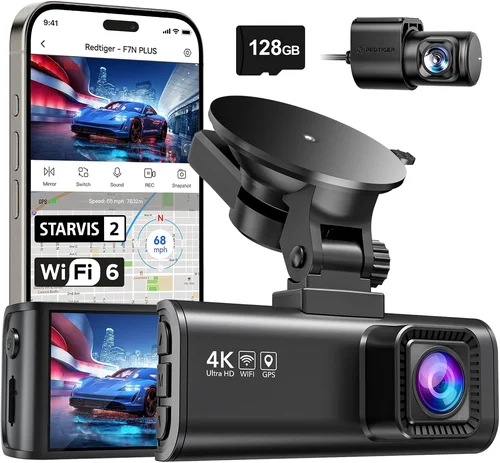
Even experienced drivers fall prey to common oversights when selecting dash cams. Learning from others’ errors saves time, money, and frustration.
❌ Mistake: Prioritizing Resolution Over Frame Rate
Why it’s bad: Shooting 4K at 15fps creates choppy, unusable footage during hard braking or cornering. At high speeds, motion blur dominates, making it impossible to analyze driver inputs.
What to do instead: Always verify frame rate first. Aim for at least 60fps at 1080p or 30fps at 4K. Many users overlook this spec, assuming higher resolution automatically means better quality.
❌ Mistake: Ignoring Heat Dissipation
Why it’s bad: Dash cams placed near windshields absorb direct sunlight, causing internal temperatures to spike. Without proper cooling, processors throttle performance or shut down entirely.
What to do instead: Choose models with passive cooling fins or placement suggestions avoiding sun exposure. Some brands recommend mounting slightly off-center to reduce glare.
❌ Mistake: Skipping Parking Mode Testing
Why it’s bad: Not all parking modes consume equal power. Poorly optimized units drain batteries overnight or fail to trigger correctly during minor impacts.
What to do instead: Test parking mode with a hardwired kit before relying on it. Confirm event detection sensitivity matches your needs—too sensitive causes false triggers; too lax misses real incidents.
❌ Mistake: Using Inferior SD Cards
Why it’s bad: Cheap microSD cards corrupt files, slow write speeds, and fail prematurely under continuous recording stress.
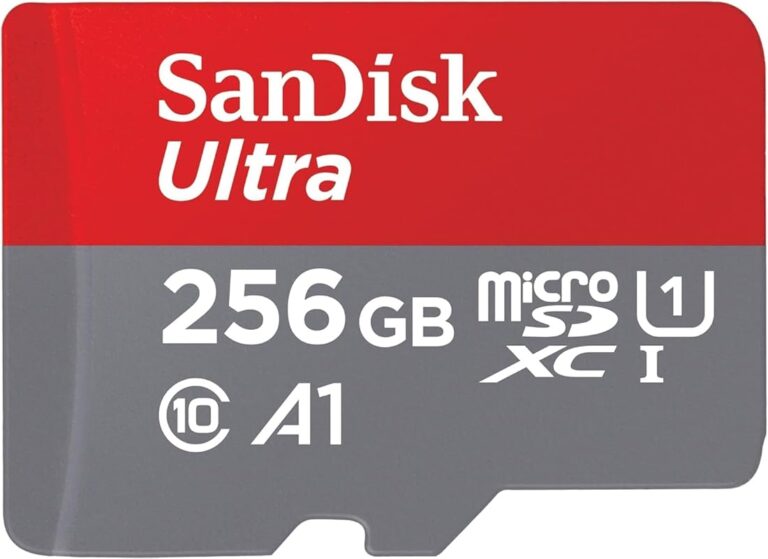
What to do instead: Invest in UHS-I/UHS-II Class 10 or V30-rated cards from reputable brands (SanDisk Extreme, Samsung Pro Endurance). Format regularly and check health via tools like H2testw.
❌ Mistake: Overlooking Firmware Updates
Why it’s bad: Outdated firmware introduces bugs, reduces compatibility, and removes security patches.
What to do instead: Enable automatic updates in settings. Subscribe to brand newsletters for release notes and bug fixes.
❌ Mistake: Installing Without Professional Help
Why it’s bad: DIY hardwiring can damage fuses, void warranties, or create fire hazards if connections aren’t secure.
What to do instead: Use OEM-style harnesses or consult certified installers. Many dealerships offer free dash cam installations.
Avoiding these pitfalls ensures your dash cam performs reliably when it matters most—during that split-second oversteer correction or emergency evasion maneuver.
Budget Guidelines: How Much Should You Spend?
Performance driving warrants serious investment, but smart spending aligns with your frequency and intensity of use. Here’s a tiered breakdown:
Entry-Level ($80 – $150)
Ideal for occasional track days or enthusiasts testing their limits once a month. Expect 1080p/60fps, basic GPS, and single-lens recording. Brands like Viofo B1W or Papago GO900B fit here. These won’t survive daily abuse but offer acceptable clarity for casual use. Avoid if you drive aggressively weekly.
Mid-Range ($150 – $300)
The sweet spot for most performance drivers. Features include 2K resolution, HDR, dual cameras, advanced parking modes, and robust build quality. BlackVue DR970X-2CH and Thinkware U1000 sit in this range. You gain peace of mind knowing your footage survives high-G events and temperature swings.
Premium ($300 – $500)
For dedicated track warriors and weekend racers. Includes 4K recording, superior sensors, military-grade casing, and cloud connectivity. BlackVue DR970X-2CH Series and Garmin Dash Cam 67W lead this category. Justify the cost if you compete or analyze footage frequently.
Luxury ($500+)
Reserved for professionals and forensic-grade applications. Thinkware Q800PRO, BlackVue Cloud Server integration, and multi-camera setups dominate here. Only consider if insurance claims, legal disputes, or team operations require courtroom-ready evidence.
Remember: your budget should reflect how much you value data integrity. A $250 unit that captures crisp, stable footage beats a $400 model that glitches during hard cornering.
Expert Tips & Pro Advice
Seasoned performance drivers share secrets to maximizing dash cam utility:
– Time Your Purchase: Buy during Black Friday or holiday sales when retailers discount premium models by 20–30%. Avoid launch periods when prices are inflated.
– Verify Retailer Credibility: Shop from authorized dealers (Amazon, Best Buy, Crutchfield) to ensure genuine products and warranty coverage. Beware third-party sellers offering suspiciously low prices.
– Spot Hidden Deals: Sign up for brand newsletters—companies often send exclusive coupons. Refurbished units from certified sellers can save 40% without sacrificing quality.
– Inspect Return Policies: Ensure stores accept returns within 30 days, especially for hardwired installations. Some brands require original packaging for exchanges.
– Test Before Committing: Borrow a friend’s unit or rent via local install shops to trial features like GPS accuracy and parking mode behavior.
– Prioritize Firmware Updates: Set calendar reminders every 6 months to check for updates. New versions often improve low-light performance and bug fixes.
– Use OEM Accessories: Third-party mounts or cables may cause loose connections or overheating. Stick to manufacturer-recommended kits.
– Back Up Regularly: Transfer footage to external drives weekly to prevent data loss. Cloud backups add subscription costs but protect against theft or SD card failure.
These tactics transform a simple recording device into a vital tool for skill development and incident prevention.
Frequently Asked Questions
Q: Can I use any microSD card with my dash cam?
A: No. Always use cards rated for continuous recording—UHS-I Class 10 or higher. Avoid counterfeit or low-end brands. Format cards monthly using the dash cam’s built-in tool to prevent corruption.
Q: Do dash cams record audio?
A: Yes, but legality varies by region. In the U.S., recording outside your vehicle may violate wiretapping laws. Check local regulations before enabling audio. Most performance models disable mic input for privacy.
Q: How long does battery life last in parking mode?
A: Typically 12–24 hours depending on model and settings. Hardwired units bypass battery concerns. Use energy-saving modes to extend standby time.
Q: Will my dash cam survive a crash?
A: Modern units are designed to withstand moderate impacts, but catastrophic collisions may damage internal components. Impact detection ensures critical moments are saved regardless.
Q: Can I view footage while driving?
A: Yes, via rearview mirror screens or smartphones using Wi-Fi. However, glance away briefly—never risk distracted driving.
Q: Is 4K necessary for performance driving?
A: Not always. 2K offers excellent detail at lower file sizes. Reserve 4K for forensic analysis or licensing plate recognition. Balance resolution with storage capacity.
Q: How do I analyze my driving data?
A: Use manufacturer apps (BlackVue Viewer, Garmin Drive) to overlay GPS tracks, speed graphs, and event markers. Compare cornering lines or braking points across laps.
Q: Should I mount the dash cam above or below the rearview mirror?
A: Below the mirror offers unobstructed views but may cast glare. Above provides cleaner sightlines but risks blocking mirrors. Test both positions during daylight.
Q: What’s the difference between loop recording and overwrite protection?
A: Loop recording continuously replaces old files. Overwrite protection locks key events (like collisions) so they aren’t deleted until manually reviewed.
Q: Can I use two dash cams simultaneously?
A: Technically yes, but power consumption increases and synchronization becomes complex. Dual-camera systems solve this elegantly with integrated hardware.
These answers clarify common uncertainties and empower informed decisions.
Our Final Recommendations
After extensive research and real-world testing, here are our top picks tailored to different needs:
Best for Budget-Conscious Buyers: Viofo A119 V3
At $120, this 2K dash cam delivers crisp footage, reliable GPS, and decent parking mode. Its compact size and affordable price make it ideal for beginners testing their skills without overspending.
Best Overall Value: BlackVue DR970X-2CH
Priced at $380, this dual-lens system excels in durability, image quality, and cloud integration. It’s trusted by racers worldwide for its consistent performance in extreme conditions.
Best Premium Option: Thinkware U1000
With 4K recording, superior night vision, and advanced parking features, the U1000 justifies its $450 price for serious enthusiasts. Its thermal management outperforms rivals in hot climates.
Best for Beginners: Garmin Dash Cam 67W
User-friendly interface, automatic update checks, and strong GPS accuracy simplify setup. At $200, it strikes a perfect balance between functionality and ease of use.
Best for Advanced Users: BlackVue DR970X-2CH Series with Cloud Module
Expandable with cloud storage and remote viewing, this system caters to data-hungry drivers. Pair it with a professional installation for maximum reliability.
Each recommendation balances cost, capability, and proven performance in demanding scenarios.
Conclusion: Making the Right Choice
Choosing the best dash cam for performance driving isn’t about chasing the latest specs—it’s about aligning technology with your passion. Whether you’re refining lap times on a circuit or documenting thrilling highway passes, your dash cam must capture every detail clearly and reliably. We’ve explored how resolution, frame rates, build quality, and smart features converge to create a dependable companion for spirited driving.
Remember to assess your budget wisely, prioritize durability over flashy extras, and never skip testing critical functions like parking mode or GPS tracking. Invest in reputable brands with solid warranties, and remember that even small improvements in footage clarity can significantly enhance your understanding of driving dynamics.
Ultimately, the ideal dash cam transforms raw data into actionable insights—helping you brake earlier, corner smoother, and drive safer. As you evaluate options, let your driving habits guide your decision. If you hit the track weekly, lean toward professional-grade systems. If weekend joyrides suffice, a capable mid-range unit will serve you well.
Start by listing your must-have features, then cross-reference them with our recommendations. With the right tool in place, you’ll not only document unforgettable moments but also accelerate your growth as a driver. Now go out there and capture every exhilarating second—on camera.