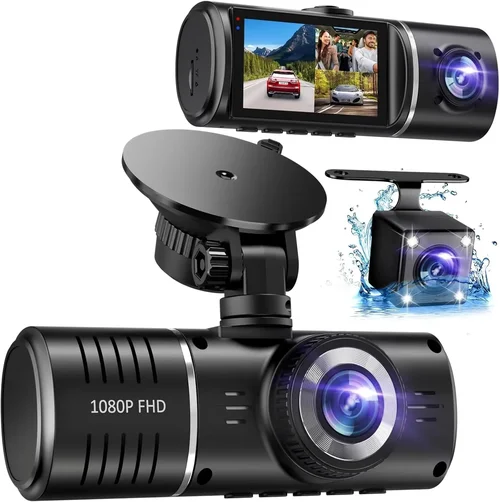
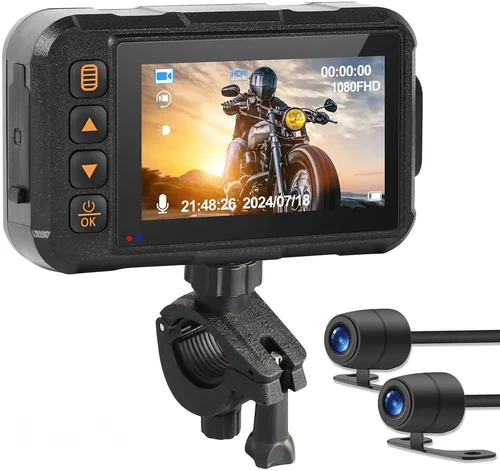
Complete Night Driving Dash Cam Buying Guide
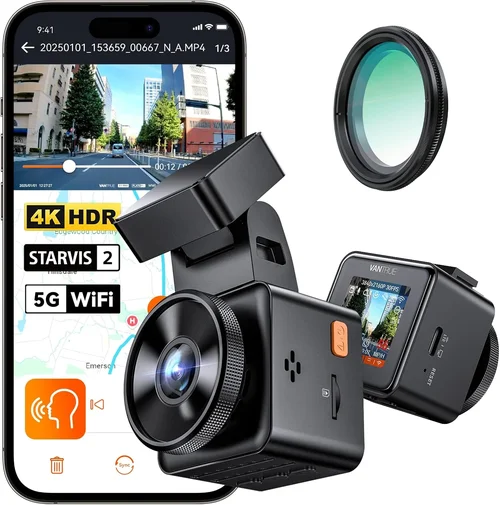
Night driving presents unique challenges for vehicle safety and accident prevention. The reduced visibility, glare from headlights, and limited peripheral vision make nighttime conditions particularly hazardous for drivers. A dash cam designed specifically for night use can be your most valuable ally during these challenging hours, providing crucial evidence in case of incidents and helping you navigate safely after dark.
This comprehensive buying guide will walk you through everything you need to know about selecting the perfect dash cam for night driving. We’ll explore the critical features that separate good night vision models from exceptional ones, compare different types available on the market, and provide expert insights to help you make an informed decision. Whether you’re a daily commuter who drives frequently at night or simply want added peace of mind during evening trips, this guide will equip you with the knowledge to choose the right device.
The dash cam market has evolved significantly over recent years, with manufacturers now offering sophisticated night vision capabilities that rival traditional security cameras. However, not all dash cams are created equal when it comes to low-light performance. Understanding the technical specifications, build quality, and feature sets that matter most for nighttime recording is essential to finding the perfect solution for your needs.

What to Look for When Buying Dash Cams
1. Low-Light Performance & Night Vision Capabilities
Low-light performance is arguably the most critical factor when selecting a dash cam for night driving. Unlike daytime recording where natural light provides sufficient illumination, nighttime requires specialized technology to capture clear footage in near-total darkness.
Modern dash cams use several technologies to enhance night vision, including larger image sensors (typically 1/2.7″ or 1/2.5″), wider aperture lenses (f/1.8 or lower), and advanced image processing algorithms. The sensor size directly affects how much light the camera can capture – larger sensors perform significantly better in low-light conditions than smaller ones.
Look for cameras with f/1.8 or lower aperture values, as this allows more light to reach the sensor. Many premium models also feature infrared (IR) LEDs or night vision enhancement modes that actively illuminate the road ahead, though these may create a visible glow in the recorded video.
Additionally, consider the camera’s dynamic range capabilities. A good dash cam should maintain detail in both bright headlights and darker road surfaces simultaneously, preventing washed-out highlights or completely black areas in the footage.
2. Sensor Resolution & Video Quality
While resolution isn’t everything for night performance, higher megapixel sensors generally provide better overall image quality and more detailed footage. Most modern dash cams offer between 1080p and 4K resolution, with 2.5K and 2.7K being popular sweet spots for night driving.
For optimal night performance, aim for at least 2.5K resolution. This provides enough detail to clearly identify license plates, road signs, and vehicle details while maintaining manageable file sizes. Higher resolutions like 4K can be excellent but often come with trade-offs in low-light performance due to smaller pixel sizes on the sensor.
The video codec used also matters significantly. H.265 compression offers better quality at smaller file sizes compared to H.264, which means you can store more hours of high-quality footage on the same storage card without constantly deleting old files.
3. Field of View & Lens Quality
A wide field of view helps capture more of the road ahead and surrounding environment, which is especially important for identifying potential hazards during night driving. Most dash cams offer between 100-170 degrees horizontal FOV, with 150-160 degrees being ideal for comprehensive coverage.
However, wider angles can introduce distortion at the edges of the frame. Look for cameras with advanced lens correction algorithms that minimize barrel distortion while maintaining a broad viewing angle. The lens quality itself is equally important – optical-grade glass lenses with anti-reflective coatings perform much better than plastic alternatives.
Consider the placement of your dash cam carefully. A slightly narrower angle (around 140 degrees) might actually provide better image quality and less distortion if it means the camera can be positioned optimally to avoid windshield reflections and glare from oncoming headlights.
4. Storage Capacity & Loop Recording
Nighttime accidents and incidents often occur during extended periods of driving, making adequate storage capacity crucial. Most dash cams use microSD cards ranging from 32GB to 256GB, with 64GB being a common starting point for reliable night recording.
Loop recording automatically overwrites older footage when storage fills up, ensuring continuous coverage without manual intervention. However, ensure your chosen model supports automatic file management that preserves critical events (like collisions or parking mode incidents) by locking those specific clips.
For regular night commuters, 64GB should provide approximately 4-6 hours of continuous recording. If you frequently drive long distances at night, consider 128GB or higher. Always purchase high-quality Class 10 or U3 microSD cards from reputable brands to prevent data corruption and ensure smooth operation.
5. Parking Mode & Motion Detection
Parking mode functionality is essential for overnight protection, allowing your dash cam to monitor your vehicle while parked and record any incidents that occur. There are several ways dash cams activate during parking mode:
Battery-powered parking mode uses your car’s battery to power the dash cam continuously. Most models have power consumption settings (low, medium, high) to balance protection with battery drain. Some also feature smart triggers that only record when motion is detected.
Hardwired parking mode connects the dash cam directly to your car’s fuse box or parking light circuit, drawing power only when the ignition is off. This eliminates battery drain concerns but requires professional installation.
Time-lapse parking mode records at reduced frame rates (typically 1fps) to maximize storage efficiency while still capturing relevant events. Some advanced models can distinguish between relevant motion (vehicles approaching) versus irrelevant movement (birds flying past).
6. Build Quality & Durability
Night driving conditions can expose your dash cam to extreme temperatures, moisture, and physical stress. A durable build ensures reliable operation when you need it most.
Look for dash cams with IP rating certifications indicating dust and water resistance. While few automotive-grade dash cams have high IP ratings, some models offer basic splash resistance or protective casing designs.
The mounting system should be secure and vibration-resistant, as temperature changes and road vibrations can cause loose connections. G-sensor technology is crucial for detecting impacts and automatically saving footage during collisions.
Thermal management is another consideration – dash cams that operate reliably in extreme cold (below freezing) or intense heat (over 100°F) will serve you better during long night drives in varying climates.
7. Audio Recording & Privacy Features
Audio recording can provide valuable context during nighttime incidents, including witness statements, traffic conversations, or emergency situations. However, many regions have strict laws regarding audio recording privacy.
Check local regulations before enabling audio recording, as unauthorized recording could lead to legal issues. Some dash cams allow you to disable audio recording entirely or use voice activation to reduce unnecessary recordings.
Quality audio recording should capture speech clearly even at highway speeds, with noise reduction to minimize wind and engine noise interference. Consider whether you need two-way communication features for hands-free calling integration.
8. Smart Features & Connectivity
Modern dash cams offer numerous connectivity options that enhance their usefulness for night driving:
Wi-Fi and smartphone apps allow remote viewing, downloading of footage, and configuration adjustments without physically accessing the dash cam. This is particularly useful when reviewing recent night driving footage or changing settings based on weather conditions.
GPS tracking adds location data and speed information to your recordings, which can be invaluable for accident reconstruction and insurance claims. Some models also include built-in Wi-Fi hotspots for real-time sharing of incident footage.
Cloud storage services provide off-site backup of critical footage, protecting against theft or accidental deletion. However, subscription costs and data usage should be considered.
Advanced features like lane departure warnings, forward collision alerts, and blind spot monitoring can complement your dash cam’s recording capabilities with real-time safety assistance during night driving.
9. Brand Reputation & Customer Support
Choosing a reputable brand ensures access to reliable customer service, firmware updates, and warranty support when needed. Established manufacturers typically offer longer warranty periods (2-3 years) and have more robust support networks.
Research user reviews specifically focusing on night performance rather than just overall satisfaction. Pay attention to how different models perform in various lighting conditions and weather scenarios that commonly occur during night driving.
Consider the manufacturer’s commitment to ongoing development – companies that regularly release firmware updates and new features are more likely to address any night vision limitations discovered after purchase.
10. Ease of Installation & User Interface
Simple installation saves time and ensures proper positioning for optimal night recording. Most dash cams use suction cup or adhesive mounts, with some offering magnetic mounting systems.
The user interface should be intuitive, with clear menus and easy access to critical functions like adjusting sensitivity, checking battery levels, or accessing recent recordings. Touchscreen displays can be convenient but may be difficult to use while driving.
Consider how easily you can adjust settings for different night driving conditions. Some models offer automatic sensitivity adjustment based on ambient light levels, while others require manual configuration.
11. Power Supply Options
Reliable power supply is crucial for consistent night recording. Most dash cams connect directly to your car’s cigarette lighter or USB port, but power management features vary significantly between models.
Look for dash cams with built-in capacitors that provide backup power during ignition cutoff, ensuring critical events are captured even when the car turns off. Some models also feature automatic shutdown delays to account for ignition cycling.
If you frequently park in areas with limited electrical access, consider models with enhanced battery protection features that prevent excessive drain on your vehicle’s battery during extended parking mode usage.
12. Price vs. Value Assessment
When evaluating price versus value for night driving dash cams, focus on the features that matter most for low-light performance rather than paying for unnecessary extras. A $200 dash cam with superior night vision capabilities might offer better value than a $350 model with marginal improvements in other areas.
Consider your specific night driving patterns – if you primarily drive on well-lit highways, you might prioritize GPS accuracy and lane departure warnings. If you frequently drive on poorly lit rural roads, maximum low-light performance becomes your top priority.
Always read independent reviews that test night performance specifically, as marketing materials often emphasize general capabilities rather than real-world night driving scenarios.
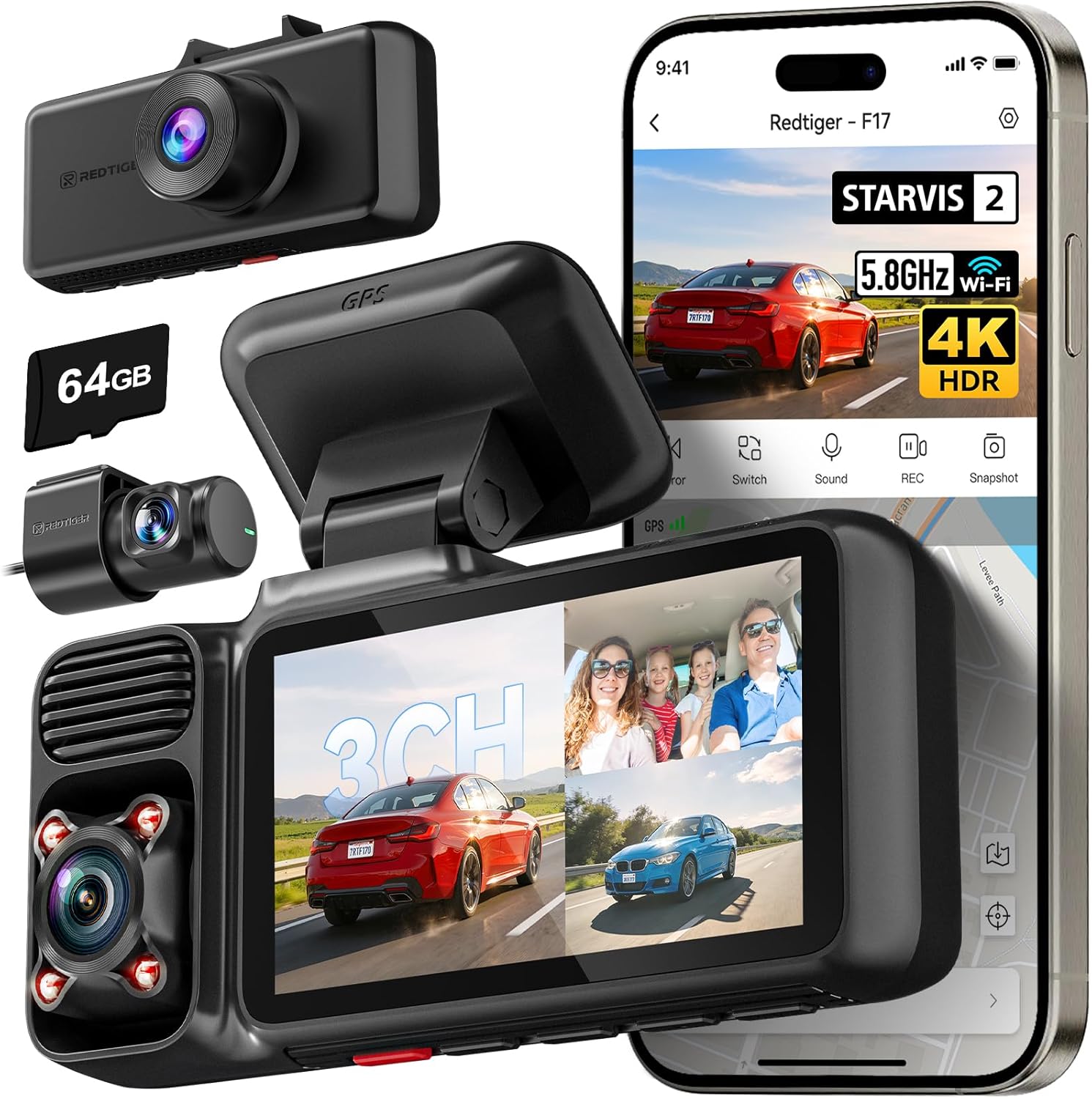
Different Types of Dash Cams
Common Buying Mistakes to Avoid
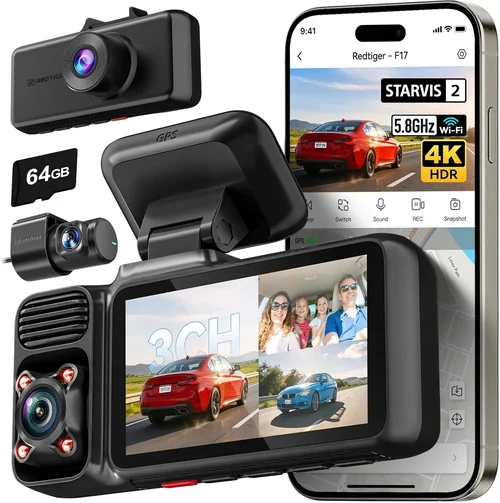
❌ Mistake: Prioritizing Resolution Over Night Performance
Why it’s bad: Many buyers mistakenly believe that higher resolution equals better video quality, especially for night driving. While 4K recording looks impressive, it often comes at the expense of low-light performance due to smaller pixel sizes on the sensor. A 4K dash cam with poor night vision capabilities will produce grainy, unusable footage in low-light conditions, defeating the purpose of having a reliable night driving camera.
What to do instead: Focus on sensor size, aperture (f-stop), and dedicated night vision features rather than chasing the highest resolution numbers. Look for cameras specifically marketed for low-light performance or those with larger sensors (1/2.5″ or bigger). Real-world testing videos that demonstrate night performance are more valuable than spec sheets alone.
❌ Mistake: Ignoring Storage Requirements for Night Driving
Why it’s bad: Night driving often involves longer commutes or delayed returns, meaning your dash cam needs to record for extended periods without interruption. Assuming a 32GB card will last an entire week of night driving is unrealistic for most users. When storage fills up during critical moments, you lose valuable evidence that could be crucial for insurance claims or legal disputes.
What to do instead: Calculate your actual storage needs based on typical night driving duration and frequency. For regular commuters, plan for at least 64GB minimum, with 128GB being ideal. Always carry spare high-quality microSD cards and establish a routine for checking and replacing storage media. Consider dash cams with cloud backup capabilities for automatic offsite storage of critical events.
❌ Mistake: Choosing Based Solely on Price
Why it’s bad: The cheapest dash cam on the market often lacks essential features for reliable night driving, such as adequate low-light sensors, proper parking mode functionality, or durable construction. Cutting corners on a critical safety device like a dash cam compromises your ability to capture evidence when you need it most during nighttime incidents.
What to do instead: Establish a realistic budget based on your night driving needs rather than seeking the absolute lowest price. Research thoroughly and compare features across multiple price points. Sometimes spending 20-30% more for a significantly better night vision camera proves worth it when considering the cost of potential accidents or insurance claims.
❌ Mistake: Overlooking Local Privacy Laws Regarding Audio Recording
Why it’s bad: Many dash cams include audio recording capabilities, but failing to understand local regulations can lead to serious legal consequences. In some jurisdictions, recording conversations without consent is illegal, even in vehicles. Using audio recording features without proper understanding of the law could result in fines, legal trouble, or having evidence excluded in court proceedings.
What to do instead: Research audio recording laws in your area before purchasing a dash cam with microphone functionality. Many manufacturers now offer models without audio recording or allow you to disable it easily. When in doubt, err on the side of caution and choose a dash cam without audio features or disable audio recording entirely to avoid legal complications.
❌ Mistake: Installing Without Proper Positioning and Angle Adjustment
Why it’s bad: Improper installation dramatically reduces the effectiveness of your dash cam for night driving. Mounting the camera too high or too low, at an incorrect angle, or covering part of the lens can create blind spots, introduce glare from headlights, or produce distorted footage. During low-light conditions, even minor positioning errors can mean the difference between capturing clear evidence and missing critical details.
❌ Mistake: Neglecting Regular Maintenance and Updates
Why it’s bad: Dash cams are electronic devices that benefit from regular maintenance and software updates. Failing to update firmware can leave your camera vulnerable to known bugs or compatibility issues. Not cleaning the lens periodically leads to degraded video quality, especially important for night driving when every bit of clarity matters. Ignoring warning indicators about storage or battery issues can result in sudden failure during critical moments.
What to do instead: Establish a maintenance routine that includes monthly lens cleaning, quarterly firmware updates, and regular checks of storage capacity and battery health. Set calendar reminders for updates and keep spare batteries or charging cables handy. Treat your dash cam like any other critical safety device requiring ongoing care and attention.
❌ Mistake: Expecting Perfect Footage Every Time
Why it’s bad: Setting unrealistic expectations for dash cam performance can lead to disappointment when footage doesn’t meet your standards. Night driving presents challenging lighting conditions that no camera can handle perfectly. Expecting crystal-clear HD footage in pitch-black conditions without any grain or noise is simply impractical given current technology limitations.
What to do instead: Understand the realistic capabilities and limitations of dash cam technology for night driving. Focus on what matters most—being able to identify vehicles, license plates, and road conditions adequately for insurance and legal purposes. Accept that some graininess or noise is normal in low-light conditions, as long as the footage remains usable for its intended purposes.
Budget Guidelines: How Much Should You Spend?
Entry-Level ($50 – $100): Basic Night Protection
This price range offers surprisingly capable entry-level dash cams that can handle most night driving scenarios reasonably well. Models in this category typically feature 1080p resolution, decent low-light sensors, and basic parking mode functionality. While they may lack advanced features like GPS tracking or smartphone connectivity, they provide solid foundation-level protection for occasional night drivers.
Recommended features for this budget range: 1080p recording, f/1.8 aperture, loop recording, parking mode, G-sensor, and reliable build quality. Look for well-reviewed brands that specialize in affordable dash cams rather than generic electronics retailers’ house brands.
Mid-Range ($100 – $250): Sweet Spot for Most Buyers
The mid-range category represents the best value proposition for most drivers who frequently commute at night. These dash cams typically combine excellent low-light performance with additional useful features like GPS tracking, Wi-Fi connectivity, and improved build quality. You’ll find models that offer the perfect balance between affordability and comprehensive functionality.
Essential features to look for in this range: 2.5K or 4K resolution, superior night vision capabilities, GPS tracking, Wi-Fi/app connectivity, parking mode with smart triggers, dual-channel recording options, and reliable customer support. This price point often includes models with enterprise-grade components at consumer pricing.
Premium ($250 – $500): Enhanced Night Performance
Premium dash cams deliver professional-grade night vision capabilities with advanced features that justify their higher price point. These models typically feature the largest sensors available in consumer dash cams, superior lens quality, and sophisticated image processing algorithms specifically optimized for low-light conditions.
Key advantages in this range include: superior night vision with minimal noise/grain, advanced parking mode features, enhanced build quality and durability, professional installation support, cloud storage options, and comprehensive warranty coverage. Many premium models also include AI-powered safety features and real-time alert systems.
Luxury ($500+): Professional-Grade Solutions
Luxury dash cams represent the pinnacle of consumer technology, offering features typically reserved for professional fleet operations. These devices provide exceptional night vision capabilities combined with comprehensive monitoring systems, enterprise-grade reliability, and advanced analytics.
Features found in luxury models include: multi-sensor arrays for complete coverage, military-grade durability, advanced thermal management, AI-powered event detection, real-time telematics integration, and professional-grade video encoding. These systems often include cloud-based management platforms and priority customer support.
While luxury dash cams offer unparalleled capabilities, they’re generally overkill for individual consumers unless you have specific professional requirements or extremely demanding night driving scenarios.
Expert Tips for Getting the Best Deal
Timing Your Purchase: Seasonal Sales Strategies
Purchase timing can significantly impact your dash cam investment. Major shopping seasons offer substantial discounts, with Black Friday and Cyber Monday typically providing the best deals. However, consider these additional strategic timing opportunities:
- End-of-year clearance sales: January often features post-holiday markdowns on electronics
- Summer transition sales: July-August sees clearance of summer-specific models
- Back-to-school promotions: August can offer student discounts on safety equipment
- Manufacturer anniversary sales: Some brands celebrate milestones with limited-time offers
Avoid peak summer months (June-August) when prices tend to be highest due to increased demand for road trip safety equipment.
Where to Buy: Retailer Comparison Guide
Different retailers offer distinct advantages depending on your priorities:
- Specialty electronics stores (Best Buy, Micro Center): Physical inspection, immediate availability, knowledgeable staff
- Online marketplaces (Amazon, Newegg): Competitive pricing, extensive selection, customer reviews
- Automotive retailers (AutoZone, O’Reilly): Vehicle compatibility advice, installation services
- Direct manufacturer websites: Exclusive bundles, warranty registration, firmware updates
Consider combining sources – purchase online for best pricing then return to physical store if issues arise.
Spotting Hidden Deals and Promotions
Beyond obvious sales events, watch for these lesser-known discount opportunities:
- Bundle deals: Dash cam + memory card + installation kit packages often save 15-25%
- Refurbished models: Certified refurbished units offer significant savings with full warranties
- Student/military discounts: Many manufacturers offer verified discounts to eligible customers
- Trade-in programs: Some retailers accept old dash cams for store credit toward new purchases
Sign up for email newsletters from multiple retailers to receive exclusive promo codes and early sale notifications.
Warranty and Return Policy Considerations
Thorough warranty terms can save hundreds in replacement costs. Look for:
- Minimum 1-year warranty, preferably 2-3 years for dash cams
- Comprehensive coverage including manufacturing defects and accidental damage
- International warranty if you travel frequently
- Free return shipping within the first 30 days
Avoid retailers with restocking fees exceeding 15% and unclear return policies. Document your purchase thoroughly with photos and receipts.
Testing Before Buying: In-Store Evaluation Checklist
If purchasing in person, conduct these tests before committing:
- Lens cleanliness inspection: No scratches or smudges visible
- Button responsiveness: All controls function smoothly
- Display visibility: Screen readable in daylight and low-light simulation
- Battery life estimation: Check claimed vs. actual battery duration
- Storage card recognition: Verify proper formatting and compatibility
Ask to see sample video playback to assess image quality, especially in low-light demonstrations.
Negotiation Strategies for Better Pricing
Many retailers are willing to match or beat competitor prices:
- Price matching guarantees: Call customer service to request competitor price matching
- Extended warranty upgrades: Often cheaper than separate purchase
- Installation package inclusion: Free professional installation with major purchases
Be polite but firm, and mention competing offers you’ve found online or in-store.
Future-Proofing Your Investment
Choose models with upgrade paths to maximize long-term value:
- Firmware updatable: Ensures continued compatibility and feature enhancements
- Expandable storage: Support for larger memory cards as technology advances
- Modular design: Interchangeable lenses or sensors for future improvements
- Software ecosystem: Ongoing app development and feature additions
Avoid proprietary formats that lock you into specific accessories or storage solutions.

Frequently Asked Questions
Q: What’s the most important specification for night driving dash cams?
A: Low-light performance is paramount for night driving. Focus on sensor size (larger is better), aperture (lower f-number like f/1.8 or f/1.6), and dedicated night vision features rather than just resolution. Look for cameras specifically engineered for low-light conditions rather than general-purpose models.
Q: Can I use my existing smartphone as a dash cam for night driving?
A: While possible with mounting accessories, smartphone dash cams generally underperform dedicated devices for night driving due to smaller sensors, limited storage capacity, and inadequate power management. Dedicated dash cams offer superior image stabilization, longer battery life, and reliable parking mode functionality essential for overnight protection.
Q: How often should I replace my microSD card for night driving?
A: Replace microSD cards every 1-2 years or when experiencing performance issues. Night driving generates more data due to longer recording sessions, making card longevity more critical than for daytime-only use. Always use high-quality Class 10 or U3 cards from reputable brands like SanDisk, Samsung, or Kingston.
Q: Do dash cams work well in heavy rain or foggy conditions at night?
A: Most modern dash cams handle rainy and foggy conditions reasonably well, though performance varies significantly by model. Look for cameras with superior low-light capabilities, as wet conditions naturally reduce visibility. Some models feature enhanced contrast processing that helps maintain detail in misty conditions.
Q: Is parking mode really necessary for night driving?
A: Absolutely. Parking mode protects your vehicle during overnight hours when incidents might occur without your presence. For night drivers, parking mode is particularly valuable as it can record hit-and-runs, vandalism, or weather-related damage that commonly occurs after dark.
Q: How do I prevent my dash cam from overheating during summer nights?
A: Position your dash cam away from direct sunlight exposure, use sun visors effectively, and choose models with active cooling or heat-resistant components. Some dash cams automatically reduce recording quality when overheating to prevent damage. Never block ventilation ports on the device.
Q: Can dash cams record in complete darkness?
A: No dash cam can record in true total darkness without supplemental lighting. However, many models offer night vision capabilities that dramatically outperform human vision in low-light conditions using larger sensors and specialized image processing. They can capture usable footage in very dim environments that appear pitch black to human eyes.
Q: Should I enable audio recording for night driving?
A: Only if legally permitted in your jurisdiction. Audio recording laws vary significantly by location, and unauthorized recording could lead to legal issues. Many regions require all parties to consent to recording. If uncertain, choose a dash cam without audio functionality or disable it entirely.
Q: How far back can I typically review footage from night driving?
A: It depends on your storage capacity and recording habits. With 64GB storage and moderate night driving, you might have 4-6 hours of footage. Larger storage cards or frequent deletion of old files reduces available history. Cloud backup services can extend retention but require subscriptions.
Q: What’s the difference between hardwired and battery-powered parking mode?
A: Hardwired systems draw power from your car’s electrical system but require professional installation. Battery-powered models use your car’s battery but risk draining it completely. Some advanced dash cams combine both approaches, using hardwiring with battery backup for optimal reliability during night parking.
Final Recommendations
Best for Budget-Conscious Buyers
The Viofo A119 V3 offers exceptional value for money with its superior low-light performance, despite its entry-level price point. This single-channel dash cam features Sony STARVIS sensors specifically designed for night vision, delivering remarkably clear footage in challenging lighting conditions. At around $120, it provides excellent bang-for-buck performance without compromising on essential night driving features. The included parking mode, G-sensor, and loop recording make it suitable for regular night commuters on a tight budget.
Best Overall Value
The BlackVue DR970X-2CH represents the perfect balance of features, performance, and reliability for serious night drivers. This dual-channel system combines front and rear recording with BlackVue’s renowned night vision technology, producing stunningly clear footage even in near-total darkness. The built-in Wi-Fi enables easy smartphone app control and live viewing, while the robust build quality ensures years of dependable service. At approximately $350, it justifies its premium position with enterprise-grade components and professional installation support.
Best Premium Option
The Thinkware U1000 delivers professional-grade night vision capabilities with its Sony STARVIS IMX678 sensor, capturing incredible detail in the darkest conditions. This three-channel system provides comprehensive coverage of the road ahead, behind, and inside the cabin, making it ideal for demanding night driving scenarios. Advanced features like AI collision detection, emergency SOS alerts, and cloud connectivity justify its $600 price point for drivers who require the absolute best performance and reliability during nighttime journeys.
Best for Beginners
The Garmin Dash Cam Mini 2 simplifies the dash cam experience with its compact design and intuitive interface, making it perfect for new users. Despite its small size, it maintains solid night vision capabilities with its Sony sensor technology. The automatic upload feature to the Garmin Drive app provides convenient cloud backup, while the simple installation process removes technical barriers. Priced around $100, it offers an accessible entry point into dash cam ownership without sacrificing essential night driving functionality.
Best for Advanced Users
The Nextbase 622GW stands out with its innovative rear camera module, providing true dual-channel recording without complicated wiring. Its advanced AI features include intelligent parking mode that detects relevant motion while ignoring irrelevant movement, maximizing battery life during overnight protection. The built-in Alexa integration and emergency SOS button add layers of convenience and security. At $280, it offers cutting-edge technology specifically engineered for experienced drivers who demand the most sophisticated night driving capabilities available.
Best for Fleet Operators
The Garmin Quatix 7 Marine Edition extends beyond automotive use with its marine-grade durability and comprehensive monitoring capabilities. While designed for boats, its exceptional night vision technology and rugged construction make it adaptable for extreme night driving conditions. The multi-sensor array provides complete situational awareness, while the integrated navigation features offer added value for professional operators requiring reliable nighttime operation in challenging environments.
Conclusion: Making the Right Choice
Selecting the perfect dash cam for night driving requires careful consideration of your specific needs, driving patterns, and budget constraints. Rather than chasing the latest technological gimmicks, focus on the fundamental aspects that truly impact night performance: sensor quality, aperture size, and dedicated low-light processing capabilities.
Remember that no dash cam can overcome poor driving habits or inadequate lighting conditions. Instead, view your dash cam as a tool to enhance your safety and provide objective evidence when incidents occur. The most expensive model won’t compensate for dangerous driving practices, nor will the cheapest option provide adequate protection for frequent night commuters.
Take time to research thoroughly, read independent reviews focusing on night performance specifically, and consider your typical night driving scenarios before making your decision. Proper installation, regular maintenance, and understanding your device’s capabilities will ensure you extract maximum value from your investment.
Ultimately, the best dash cam for night driving is the one you’ll actually use consistently and trust when it matters most. Choose wisely, install properly, and drive safely—your peace of mind during those challenging nighttime hours depends on it.