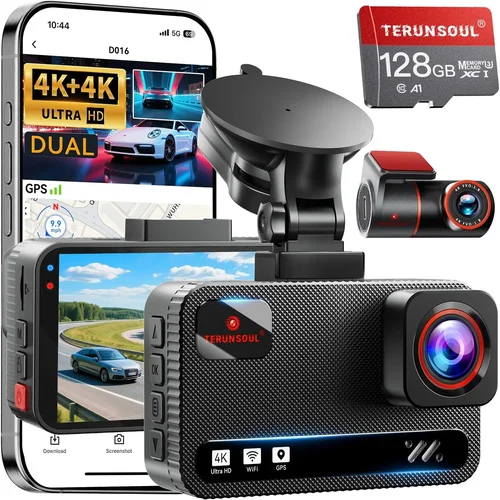
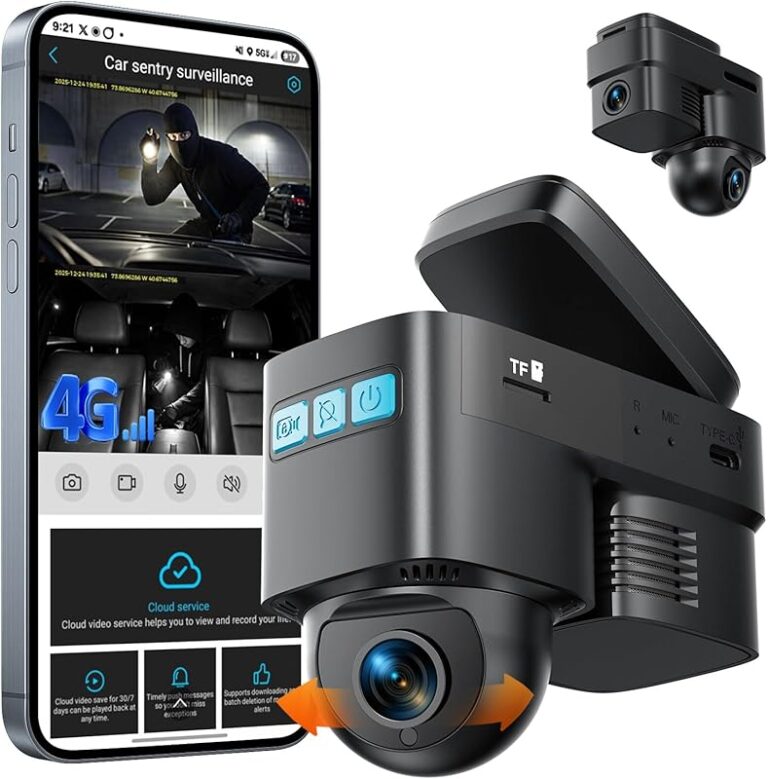
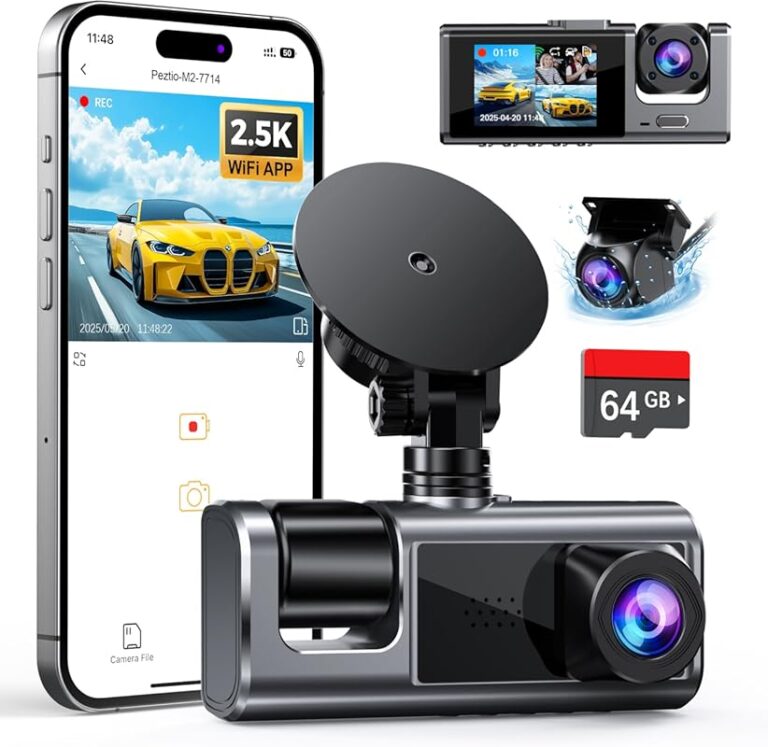
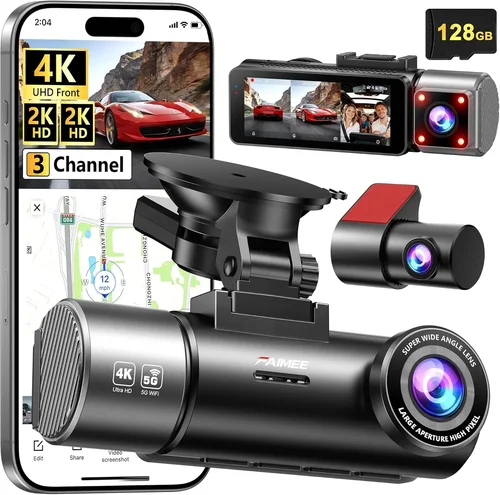
Best Dash Cam 2026 Buying Guide
In today’s increasingly complex automotive landscape, dash cams have evolved far beyond simple rear-view recording devices. These sophisticated safety systems now serve as essential tools for accident documentation, insurance claims, and even traffic violation protection. As we look toward 2026, the dash cam market has matured significantly with cutting-edge technology, enhanced connectivity features, and improved user experiences that make selecting the right device more crucial than ever.
This comprehensive buying guide will walk you through everything you need to know about choosing the best dash cam for your vehicle in 2026. Whether you’re a first-time buyer looking to protect yourself legally or an experienced driver wanting advanced safety features, understanding the key factors that differentiate quality dash cams will help you make an informed decision. We’ll explore the latest technological advancements, compare different types of dash cams, examine budget considerations, and provide expert insights to ensure you select a device that meets your specific needs while providing reliable performance for years to come.
The dash cam market in 2026 offers remarkable diversity, from basic entry-level models to sophisticated AI-powered systems. This guide will demystify the technical specifications, highlight real-world performance considerations, and help you navigate the overwhelming array of options available. By the end, you’ll have the knowledge to evaluate dash cams objectively and choose a solution that delivers peace of mind without breaking the bank.

What to Look for When Buying Dash Cams
1. Resolution and Video Quality
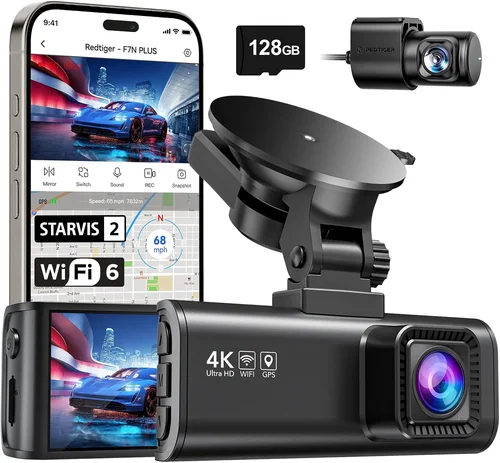
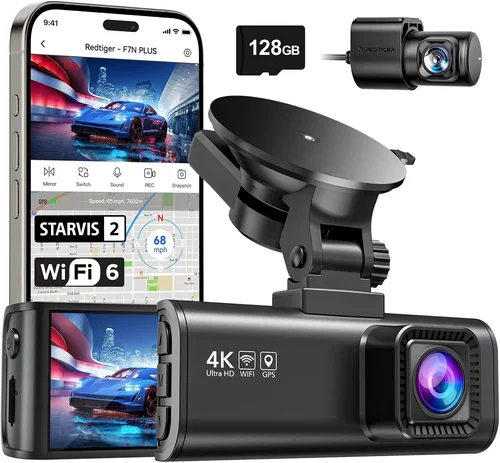
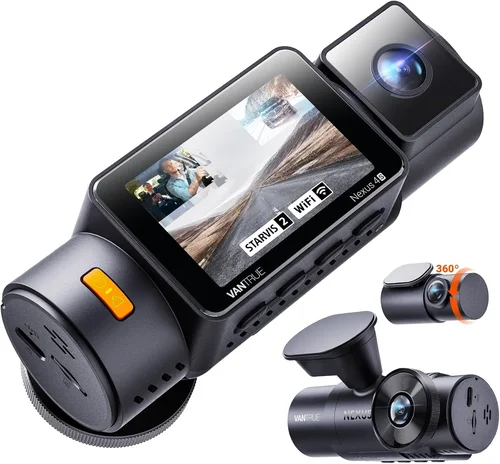
Video resolution remains one of the most critical factors when evaluating dash cams, directly impacting the clarity and detail captured during incidents. In 2026, most reputable manufacturers offer at least 1080p Full HD resolution, but the true differentiator lies in the sensor capabilities and video compression technology. Look for dash cams featuring Sony STARVIS sensors, which provide exceptional low-light performance and color accuracy crucial for nighttime driving.
The frame rate also plays a vital role—30fps is standard, but 60fps models capture smoother motion during high-speed scenarios like highway driving or emergency braking situations. Additionally, consider the field of view (FOV), typically ranging from 110° to 170°. A wider FOV captures more road context but may introduce distortion at the edges, while narrower angles provide clearer center detail but less peripheral coverage.
2. Storage Capacity and Management
Storage requirements vary significantly based on usage patterns and recording quality. Most dash cams use microSD cards, with capacities ranging from 32GB to 512GB. Consider your typical driving distance and frequency—frequent long-distance drivers should opt for higher capacity cards to minimize manual file management. The dash cam should automatically overwrite old footage when storage reaches capacity, but having sufficient space ensures recent events aren’t overwritten too quickly.
Built-in cloud storage represents another advancement in 2026, allowing automatic backup to secure online servers. This feature is particularly valuable for fleet operators or individuals who want guaranteed access to footage regardless of local device failure. However, cloud storage often requires monthly subscriptions and consumes cellular data, so weigh these costs against the benefits.
3. Night Vision and Low-Light Performance
Night vision capability dramatically affects dash cam effectiveness since most accidents occur after dark. Modern dash cams employ multiple technologies to enhance visibility in poor lighting conditions. Look for models with wide aperture lenses (f/1.8 or lower) and advanced image processing algorithms that reduce noise while maintaining detail.
WDR (Wide Dynamic Range) technology is essential for handling extreme lighting contrasts, such as driving toward bright headlights or navigating poorly lit intersections. Some premium models now feature infrared LEDs specifically designed for night recording, though these typically only illuminate the interior cabin rather than the road ahead.
4. GPS and Location Tracking
GPS functionality provides valuable context for recorded footage by automatically overlaying speed, location, and direction information. This feature proves invaluable for insurance claims and accident reconstruction, as it eliminates the guesswork about vehicle position and velocity during incidents. In 2026, most dash cams include built-in GPS with real-time tracking capabilities.
Some advanced models offer geofencing features that trigger specific recording modes when entering or leaving designated areas like school zones or construction sites. Additionally, GPS data can sync with navigation apps to provide turn-by-turn recording guidance, ensuring critical moments aren’t missed during complex maneuvers.
5. Parking Mode and Event Detection
Parking mode represents one of the most important safety features, continuously monitoring your vehicle while parked and automatically recording when movement or impact is detected. Look for dash cams with intelligent event detection that distinguishes between minor vibrations (like passing trucks) and genuine collision events requiring recording.
Motion-activated parking mode typically draws minimal power from your vehicle’s battery, but some models include capacitor-based power systems that eliminate the risk of draining your car battery overnight. Advanced parking modes may also include time-lapse recording, capturing brief footage every few seconds to conserve storage while maintaining awareness of potential threats.
6. Connectivity and Smart Features
Wireless connectivity has become standard in 2026 dash cams, enabling seamless smartphone integration through dedicated apps. Wi-Fi and Bluetooth connections allow instant video transfer, remote viewing, and firmware updates directly from your mobile device. Some models feature built-in cellular modems for real-time video streaming and cloud backup, though these require additional service plans.
Smartphone app integration typically includes features like live preview, playback controls, and cloud synchronization. Voice control capabilities are emerging as a convenience feature, allowing hands-free operation while driving. Always verify app compatibility with your specific smartphone model and operating system version.
7. Build Quality and Installation
Durability and weather resistance are crucial considerations, especially for vehicles exposed to harsh climates. Look for dash cams with IP65 or higher ingress protection ratings, ensuring resistance to dust and water splashes. The housing material should withstand temperature extremes, from sub-zero winter conditions to scorching summer heat.
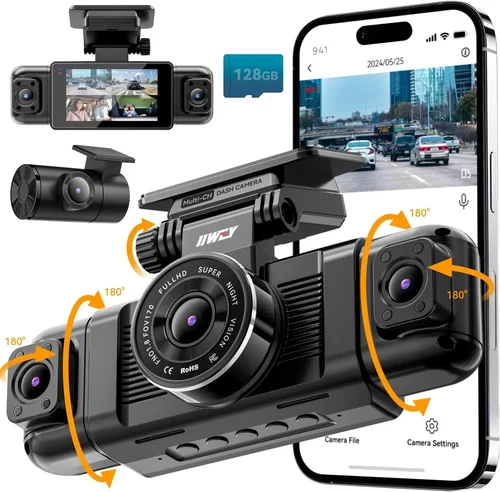
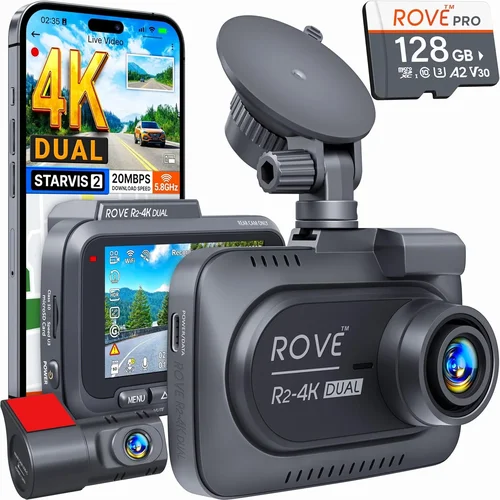
Installation complexity varies by model, with some featuring single-camera designs requiring minimal wiring, while others include dual cameras needing additional power connections. Professional installation services remain available for complex setups, but many 2026 models offer simplified plug-and-play installations. Consider whether the dash cam includes adhesive mounts, suction cups, or magnetic mounting options based on your preferred installation method.
8. Audio Recording Capabilities
Audio recording adds another layer of evidence collection, capturing conversations inside the vehicle and environmental sounds. While privacy laws vary by region, many dash cams include audio features with local recording indicators to inform passengers when audio is being captured. Look for models with clear audio recording and noise reduction technology to ensure intelligible sound quality.
Some premium dash cams now offer directional microphones that focus on front cabin audio while minimizing background noise. Always check local regulations regarding audio recording, as several jurisdictions prohibit recording conversations without consent from all parties involved.
Different Types of Dash Cams

Common Buying Mistakes to Avoid
❌ Mistake: Choosing Based Solely on Price
Why it’s bad: Opting for the cheapest option often means compromising on critical features like video quality, build durability, and reliability. Budget dash cams frequently suffer from poor low-light performance, unreliable loop recording, and short lifespans, ultimately costing more when replacement becomes necessary.
What to do instead: Focus on value rather than absolute lowest price. Compare feature sets across similar-priced models and prioritize quality components like sensor type, lens quality, and brand reputation. A slightly higher investment in a proven model often pays dividends in peace of mind and evidence quality.
❌ Mistake: Ignoring Storage Requirements
Why it’s bad: Underestimating storage needs leads to frequent manual cleanup or loss of recent footage when older files get overwritten prematurely. This becomes particularly problematic during extended trips or in areas with high accident rates where recent recordings prove most valuable.
❌ Mistake: Overlooking Compatibility Issues
Why it’s bad: Assuming universal compatibility with your vehicle or smartphone can lead to installation problems, software conflicts, or complete system incompatibility. Some dash cams require specific power adapters or wiring configurations that may not work with all vehicle models.
What to do instead: Research compatibility thoroughly before purchasing. Check manufacturer specifications for supported vehicle makes/models, verify smartphone app availability and OS requirements, and confirm power adapter compatibility. When in doubt, consult professional installers familiar with your specific vehicle.
❌ Mistake: Neglecting Weather and Environmental Factors
Why it’s bad: Failing to consider climate conditions can result in premature failure or reduced performance. Extreme temperatures, humidity, and weather exposure can degrade electronic components and affect recording quality in ways that compromise safety evidence.
What to do instead: Choose dash cams rated for your local climate conditions. Look for IP certification ratings indicating dust and water resistance, and consider temperature range specifications. Install strategically to minimize direct sun exposure and avoid areas prone to condensation buildup.
❌ Mistake: Skipping User Reviews and Professional Testing
Why it’s bad:
Why it’s bad: Relying solely on manufacturer specifications ignores real-world performance issues that don’t appear in technical documentation. Many dash cams suffer from firmware bugs, connectivity problems, or hardware defects that only surface after extended use.
What to do instead: Read multiple user reviews across different platforms, paying attention to consistent complaints or praise. Watch professional review videos that demonstrate actual performance under various conditions. Consider waiting for updated models that address known issues in previous versions.
❌ Mistake: Overlooking Privacy and Legal Compliance
Why it’s bad: Installing audio recording without proper notification can violate privacy laws and create legal complications. Similarly, improper installation or use of dash cam footage can lead to disputes or evidence being ruled inadmissible in court proceedings.
What to do instead: Understand and comply with local privacy regulations regarding audio recording. Display appropriate signage indicating audio capture, and familiarize yourself with evidence admissibility rules in your jurisdiction. Store footage securely and delete recordings promptly unless needed for legitimate purposes.
Budget Guidelines: How Much Should You Spend?
Entry-Level ($50 – $120)
This price range offers basic functionality suitable for occasional drivers or those seeking primary rear-view coverage. Entry-level dash cams typically feature 1080p recording, basic G-sensor event detection, and straightforward installation. While these models provide foundational protection, they often compromise on build quality, low-light performance, and advanced features. Expect limited storage management capabilities and minimal smart connectivity options. These dash cams represent the minimum viable product for basic accident documentation but may lack the reliability needed for frequent drivers or harsh environments.
Mid-Range ($120 – $250)
The sweet spot for most drivers, mid-range dash cams deliver significant improvements across all performance categories. This tier typically includes 2K or 4K recording capabilities, superior low-light sensors, enhanced build materials, and more sophisticated event detection algorithms. Most mid-range models feature dual-channel recording, GPS functionality, and reliable smartphone app integration. These devices offer excellent value for money, balancing cost with performance and reliability. They’re ideal for daily commuters, families, and anyone seeking dependable protection without premium price tags.
Premium ($250 – $500)
Premium dash cams represent the upper echelon of consumer technology, incorporating cutting-edge features and professional-grade components. This category includes models with advanced AI recognition, multiple camera arrays, cloud connectivity, and military-grade durability. Premium devices often feature superior image stabilization, enhanced night vision, and sophisticated parking monitoring systems. They’re engineered for demanding users who require maximum reliability, advanced functionality, and future-proof technology. While the price point is substantial, these dash cams deliver exceptional performance and peace of mind for serious drivers and professionals.
Luxury ($500+)
Luxury dash cam systems go beyond individual devices to provide comprehensive vehicle protection ecosystems. These solutions include multiple high-resolution cameras, professional-grade recording equipment, enterprise-level cloud infrastructure, and advanced analytics. Luxury offerings cater to fleet operators, commercial drivers, and technology enthusiasts seeking ultimate performance. Features may include real-time telematics integration, predictive collision avoidance, and automated evidence management systems. While primarily targeting business applications, luxury consumer models exist for those desiring the pinnacle of dash cam technology and uncompromising quality.
Expert Tips for Getting the Best Deal
Shop During Seasonal Sales Events
Timing your purchase around major sales events can yield significant savings. Black Friday, Cyber Monday, and holiday sales typically offer 20-30% discounts on dash cam systems. Electronics retailers like Amazon, Best Buy, and Costco regularly feature dash cam promotions during these periods. Additionally, back-to-school and end-of-year clearance events provide opportunities to snag last year’s models at steep discounts while still receiving full warranty coverage.
Compare Prices Across Multiple Retailers
Never assume the first retailer you check offers the best price. Compare consistently across major electronics chains, online marketplaces, and specialized automotive stores. Online comparison tools like Google Shopping and price tracking websites can identify historical pricing patterns and alert you to optimal purchase windows. Remember to factor in shipping costs, return policies, and warranty terms when comparing deals across different sellers.
Consider Refurbished or Open-Box Models
Certified refurbished dash cams offer substantial savings while maintaining quality standards. These units undergo thorough testing, repairs if needed, and come with renewed warranties comparable to new products. Open-box items from major retailers represent another cost-effective option, typically discounted 15-25% from original prices. Always verify refurbishment certification and warranty coverage before purchasing used or returned equipment.
Bundle Deals and Accessory Packages
Many manufacturers and retailers offer bundle packages that include essential accessories like extra memory cards, mounting brackets, and protective cases at reduced prices. These packages can save 10-15% compared to individual purchases. Professional installation services bundled with dash cam purchases often provide additional value through expert setup and calibration.
Negotiate with Local Dealerships
Automotive dealerships sometimes offer dash cam installations as part of service packages or promotional programs. Don’t hesitate to ask about available deals or bundle pricing when visiting dealerships for other services. Some dealerships partner with dash cam manufacturers for exclusive promotions or financing options.
Check Manufacturer Promotions and Rebates
Manufacturers frequently run seasonal promotions, trade-in programs, or rebate offers on their websites. Sign up for email newsletters to receive exclusive discount codes and early access to sales events. Some companies offer mail-in rebates for specific models or bundle purchases, providing additional savings on top of advertised prices.
Evaluate Total Value Including Warranty Coverage
Extended warranties and comprehensive protection plans can add value beyond immediate price considerations. Evaluate whether additional coverage justifies the cost based on the dash cam’s expected lifespan and repair likelihood. Some retailers offer free extended warranty periods with qualifying purchases, effectively reducing the overall ownership cost.
Test Before Committing to Purchase
Whenever possible, test dash cam functionality before finalizing your purchase. Many electronics stores allow hands-on demonstrations of recording quality, menu navigation, and feature accessibility. This trial period helps ensure the device meets your expectations and works properly with your vehicle’s electrical system before making a substantial financial commitment.

Frequently Asked Questions
Q: Do I need a dash cam for my vehicle?
A: While not legally required in most regions, dash cams provide valuable protection against false insurance claims, traffic violations, and accident disputes. They serve as objective witnesses that can significantly improve claim outcomes and potentially lower insurance premiums in some cases. For daily drivers, the peace of mind and documented evidence justify the investment regardless of legal requirements.
Q: How much storage space do I actually need?
A: Storage requirements depend on your driving habits and video quality settings. For basic 1080p recording at 30fps, plan for 1-2GB per hour of footage. Most users need 32-64GB cards for regular commuting, while frequent long-distance travelers benefit from 128GB+ capacity. Always purchase cards with U3 or V30 speed ratings to ensure smooth continuous recording without dropped frames.
Q: Can dash cams drain my car battery?
A: Modern dash cams draw minimal power, typically 1-2 watts during operation. Most models include low-power parking modes that consume even less energy. However, parking mode can drain batteries over extended periods. Solutions include using capacitor-based power systems, installing battery disconnect switches, or connecting to vehicles with reliable parking circuits that maintain power without draining the main battery.
Q: What’s the difference between loop recording and event detection?
A: Loop recording continuously overwrites oldest footage when storage fills, ensuring uninterrupted recording. Event detection uses accelerometers to identify impacts or sudden movements, automatically saving triggered clips to protected memory. Combining both systems provides comprehensive coverage—continuous background recording with priority protection for incident footage.
Q: Are dash cam recordings admissible in court?
A: Admissibility depends on jurisdiction, proper chain of custody, and evidence handling procedures. Well-maintained dash cam footage generally meets evidentiary standards when properly preserved. Key factors include timestamp accuracy, unaltered file integrity, and appropriate metadata preservation. Always follow local evidence protocols and avoid editing or altering original recordings.
Q: How do I install a dash cam safely and effectively?
A: Professional installation ensures proper placement, secure mounting, and correct wiring without damaging vehicle systems. For DIY installation, choose clean, flat surfaces away from airbag deployment zones, use quality adhesive mounts, and route cables neatly along factory pathways. Always disconnect the negative battery terminal before working on electrical systems and test functionality immediately after installation.
Q: Can I use multiple dash cams in one vehicle?
A: Yes, but consider power requirements and storage management carefully. Adding cameras increases electrical load and data storage needs. Most vehicles support multiple dash cams through separate power circuits or auxiliary power modules. Ensure adequate storage capacity and consider using dash cams with centralized management software for easier operation and file organization.
Q: What maintenance does a dash cam require?
A: Regular maintenance includes cleaning lenses with microfiber cloths, checking microSD card health using manufacturer diagnostic tools, and verifying software updates. Periodically review storage capacity and delete unnecessary files to prevent overwrite conflicts. Some models benefit from periodic factory resets to maintain optimal performance and resolve software glitches.
Q: How do I choose between wired and wireless dash cams?
A: Wireless dash cams offer convenience through smartphone integration and automatic file transfer, while wired systems provide more stable connections and reliable power delivery. Consider your tech comfort level, smartphone reliability, and preference for cable management. Wireless models require consistent Wi-Fi coverage and may experience connectivity issues in areas with poor signal strength.
Q: Are there any privacy concerns with dash cam audio?
A: Privacy regulations vary by region, but ethical dash cam use includes clear audio indicators and compliance with local laws. Many jurisdictions require consent from all conversation participants before recording. Some manufacturers now include visual audio status indicators and automatic muting features to address privacy concerns while maintaining evidence capabilities.
Our Final Recommendations
Best for Budget-Conscious Buyers
For those seeking reliable basic protection without premium features, the Thinkware U1000 stands out as the optimal choice. Priced competitively in the mid-range category, this dash cam delivers exceptional 2K recording quality, impressive low-light performance, and robust build durability. Its intuitive interface and reliable loop recording ensure dependable operation without overwhelming complexity. The U1000’s balanced feature set provides substantial value for drivers who prioritize core functionality over advanced smart features.
Best Overall Value
The Garmin Dash Cam 77 represents the perfect balance of performance, features, and reliability for the majority of drivers. This premium dash cam combines stunning 4K recording capabilities with Garmin’s renowned GPS technology and advanced driver assistance features. Its compact design, user-friendly interface, and seamless smartphone integration make it accessible to both tech-savvy users and beginners alike. The 77’s comprehensive feature set, including voice commands and live traffic updates, delivers exceptional value proposition for those wanting professional-grade protection without enterprise pricing.
Best Premium Option
Technology enthusiasts and professionals should consider the BlackVue DR970X-2CH, a top-tier dash cam system that redefines what’s possible in consumer automotive technology. This advanced dual-channel system features 4K front recording and 2K rear recording with impressive low-light sensitivity and sophisticated AI-powered event detection. Its cloud connectivity enables real-time monitoring, remote playback, and automatic cloud backup—features previously reserved for commercial fleets. The DR970X-2CH’s military-grade construction and comprehensive app ecosystem justify its premium positioning for those demanding ultimate performance.
Best for Beginners
New dash cam users will appreciate the Viofo A119 V3’s simplicity and reliability. This entry-level model provides hassle-free installation, straightforward operation, and dependable performance without overwhelming feature sets. Its compact size fits discreetly on dashboards, while automatic file management eliminates manual intervention. The A119 V3’s competitive pricing and proven track record make it an excellent introduction to dash cam technology for first-time buyers seeking basic protection without complexity.
Best for Advanced Users
Fleet managers and advanced users requiring comprehensive vehicle monitoring should invest in the Sennheiser Mobile Recorder Pro system. While primarily designed for commercial applications, this professional-grade solution offers unprecedented audio and video quality, multi-channel recording capabilities, and enterprise-level management features. Its advanced noise cancellation, directional microphone arrays, and sophisticated analytics provide detailed operational insights beyond basic safety recording. The Pro system’s modular architecture allows customization for specific operational requirements and regulatory compliance needs.
Conclusion: Making the Right Choice
Selecting the best dash cam for your vehicle in 2026 requires careful consideration of your specific needs, driving habits, and budget constraints. Rather than chasing the latest technological marvels, focus on finding a device that delivers reliable performance, adequate storage management, and features that genuinely enhance your safety and peace of mind. Remember that the most expensive dash cam isn’t necessarily the best fit—match your selection to your actual usage patterns and prioritize proven reliability over flashy innovations.
The dash cam landscape continues evolving rapidly, but core principles remain constant: prioritize video quality and low-light performance, ensure adequate storage capacity, and choose reputable brands with strong warranty support. Don’t overlook installation quality and ongoing maintenance requirements, as proper setup ensures optimal performance throughout the device’s lifespan. Whether you’re protecting a family vehicle, safeguarding a commercial fleet, or simply seeking personal security on the road, investing time in thoughtful research pays dividends in confidence and protection.
As you move forward with your dash cam decision, remember that this technology serves as your silent witness on the road—capturing critical moments when human memory fails and objectivity matters most. Choose wisely, install properly, and rest assured knowing you’ve taken proactive steps to protect yourself, your loved ones, and your property. Your journey begins with a single recording, but the peace of mind lasts a lifetime.