Ultimate Dash Cam Buying Guide for Long-Distance Drivers
Long-distance drivers face unique challenges on the road that go far beyond typical daily commutes. Whether you’re hauling a commercial load, traveling cross-country for business, or simply taking extended road trips across state lines, having reliable protection is essential. A quality dash cam serves as your 24/7 eyewitness, capturing critical evidence during accidents, documenting incidents of harassment or vandalism, and providing peace of mind when navigating unfamiliar highways. For professionals who spend countless hours behind the wheel, this investment pays dividends in both safety and financial protection.
This comprehensive guide will walk you through everything long-distance drivers need to know about selecting the perfect dash cam. You’ll learn which technical specifications matter most for extended driving scenarios, how different features impact real-world performance, and what common pitfalls to avoid during your purchase decision. We’ve analyzed dozens of models used by truckers, rideshare drivers, RV enthusiasts, and professional travelers to bring you expert insights that cut through marketing hype. By the end of this article, you’ll have all the knowledge needed to make an informed choice that matches your specific driving patterns, vehicle type, and budget constraints.
The modern dash cam market offers remarkable variety, from basic single-camera systems to sophisticated multi-sensor setups with cloud connectivity. While budget options may seem tempting for occasional use, long-distance drivers require equipment built specifically for endurance, reliability, and comprehensive coverage. This guide addresses the specialized needs of highway warriors who demand cameras that perform flawlessly during marathon journeys through extreme weather conditions, overnight parking stops, and high-speed highway driving where every second of footage could prove invaluable.

What to Look for When Buying Dash Cams
1. Video Quality & Resolution
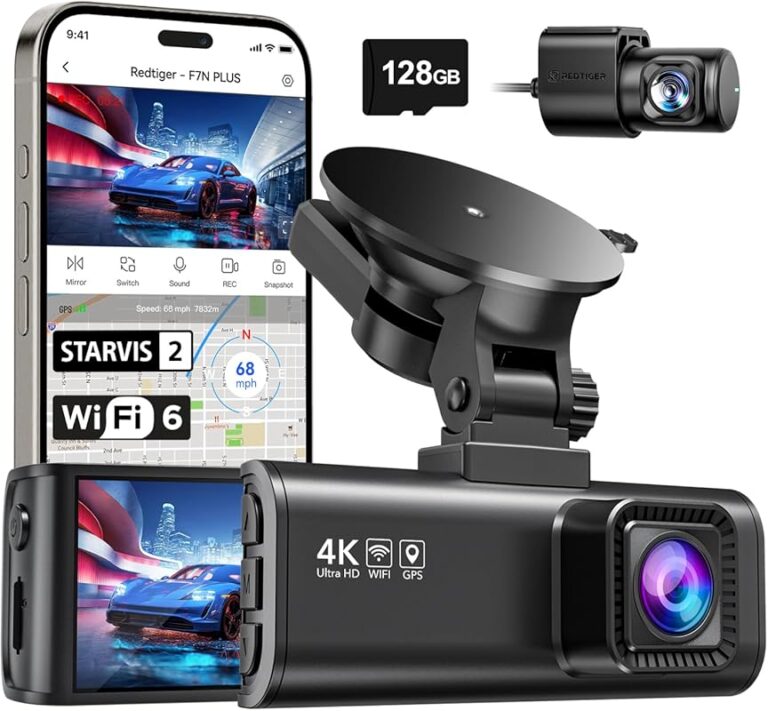
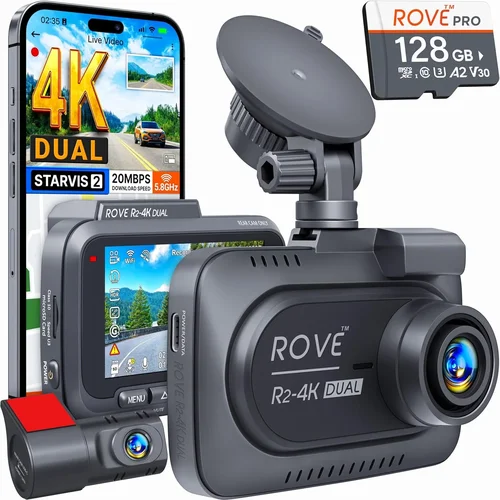
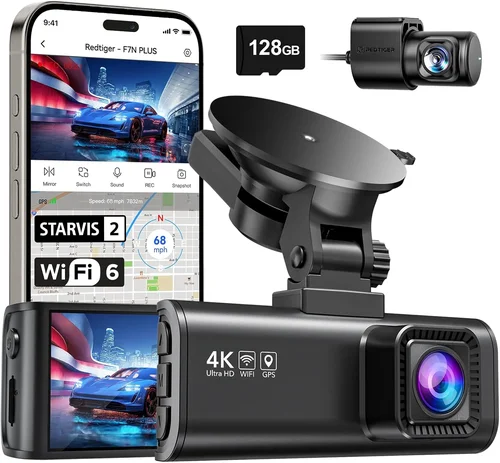
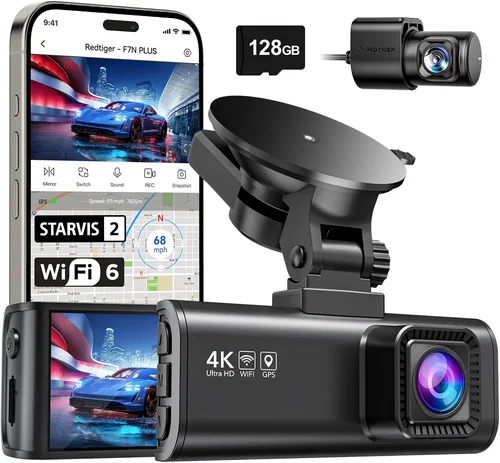
For long-distance drivers, video resolution serves as the foundation of any dash cam’s effectiveness. While 1080p Full HD was once considered adequate, today’s premium models offer 4K Ultra HD recording capabilities that capture exceptional detail even at highway speeds. The minimum recommended resolution for serious drivers is 2K (2560×1440), which provides significantly improved clarity over standard 1080p while maintaining reasonable file sizes.
Beyond raw resolution, consider several critical video quality factors:
- Frame rate (fps): Higher frame rates like 60fps provide smoother motion capture during rapid acceleration or emergency braking events, crucial for reconstructing accident scenarios
- Sensor quality: CMOS sensors outperform older CCD types, offering better low-light performance and reduced noise in challenging lighting conditions
- Dynamic range: WDR (Wide Dynamic Range) technology balances exposure between bright headlights and dark shadows, preventing washed-out footage during nighttime driving
- Color accuracy: Natural color reproduction helps identify vehicles, license plates, and environmental details accurately
2. Storage Capacity & Management
Long-distance drivers accumulate massive amounts of footage, making storage management a critical consideration. Most dash cams use microSD cards, with capacities ranging from 32GB to 512GB+. For extended trips lasting multiple days, 128GB should serve as the baseline recommendation, though professionals often opt for 256GB+ capacity.
Key storage considerations include:
- Circular recording: Essential feature that automatically overwrites oldest files when storage fills up, ensuring continuous coverage without manual intervention
- G-sensor functionality: Automatically locks and protects footage from events detected by built-in accelerometers, preventing accidental deletion
- Loop recording efficiency: Some advanced models use intelligent compression algorithms that prioritize important segments while minimizing redundant data
- Cloud backup options: Premium systems offer wireless upload capabilities, allowing remote access to critical footage without physical card retrieval
When selecting storage capacity, calculate based on your average trip duration multiplied by expected recording hours per day. Consider using high-endurance industrial-grade cards rather than consumer versions for maximum reliability during extended use.
3. Field of View & Lens Configuration
The field of view (FOV) determines how much of the road ahead and surrounding environment your dash cam captures. For highway driving, a horizontal FOV between 120-150 degrees strikes the ideal balance between coverage and distortion avoidance. Ultra-wide angles exceeding 170 degrees often introduce significant barrel distortion at the edges, compromising license plate readability and object identification.
Professional long-distance drivers benefit from dual-lens systems featuring:
- Front-facing primary camera: Typically 130-150° FOV focused on road ahead and traffic flow
- Interior/rear secondary camera: 100-120° FOV monitoring passenger cabin, cargo area, or following vehicle behavior
- Sidelobes or blind spot coverage: Additional narrow-angle cameras targeting driver-side blind spots common in large trucks and RVs
4. Night Vision Capabilities
Extended driving often involves nighttime hours, making low-light performance non-negotiable for long-distance professionals. Modern dash cams employ several technologies to enhance visibility after dark:
- Infrared LEDs: Provide consistent illumination without disturbing other drivers’ night vision
- Starlight sensors: Advanced image sensors capable of capturing usable footage in extremely low light conditions
- Smart IR control: Automatically adjusts LED intensity based on ambient light levels to prevent overexposure
- Night mode algorithms: Special processing that enhances contrast while reducing digital noise in dark environments
Avoid models with poor night vision performance – even minor details like license plates or pedestrian movements could prove crucial during nighttime incidents. Look for reviews specifically addressing nighttime recording quality rather than general specifications alone.
5. GPS & Location Services
GPS integration transforms dash cams from simple recording devices into comprehensive telematics solutions. For long-distance drivers, these features offer valuable benefits:
- Speed tracking: Documents actual vehicle speed alongside visual evidence, useful for proving compliance or dispute resolution
- Location stamps: Embeds precise timestamps and geographic coordinates directly onto video frames
- Route mapping: Allows playback of entire journey with interactive map overlay showing exact path taken
- Geofencing alerts: Some advanced systems can trigger notifications when entering restricted zones or designated rest areas
Ensure GPS functionality works reliably in remote areas where satellite signals might be weak – some models struggle with signal acquisition in mountainous regions or dense forest areas common along certain interstate routes.
6. Power Management & Parking Mode
Parking mode represents one of the most valuable features for long-distance drivers who leave their vehicles unattended for extended periods. During these vulnerable hours, dash cams can detect impacts, record suspicious activity, or monitor for unauthorized entry – essentially serving as an always-on security system.
Effective parking mode requires careful consideration of several factors:
- Motion detection sensitivity: Adjustable settings prevent false triggers from passing wildlife while maintaining responsiveness to actual threats
- Impact sensitivity: G-force thresholds determine what constitutes an event worth recording versus normal vibrations
- Power source compatibility: Hardwiring to fuse boxes provides reliable operation, while cigarette lighter connections risk battery drain during long stops
- Energy efficiency:: Modern systems use sophisticated sleep modes that minimize power consumption while remaining ready to respond immediately when triggered
7. Build Quality & Weather Resistance
Long-distance driving exposes dash cams to extreme conditions including temperature fluctuations, moisture intrusion, dust accumulation, and mechanical stress. Professional-grade equipment must withstand these challenges without compromising performance or longevity.
Critical build quality indicators include:
- IP rating certification: Look for IP65 or higher ratings indicating protection against dust ingress and water jets
- Temperature tolerance:: Operational ranges typically span -20°F to 140°F (-29°C to 60°C) for reliable year-round use
- Vibration resistance: Military-grade shock absorption ensures stable footage even on rough roads or during sudden maneuvers
- Material durability: Reinforced housings prevent cracking under thermal expansion/contraction cycles common in desert climates
Avoid flimsy plastic components that may warp or break during temperature extremes – aluminum or reinforced polymer constructions offer superior resilience compared to standard ABS plastics found in budget models.
8. Software & User Interface
Intuitive software design dramatically impacts daily usability, especially when accessing footage quickly during roadside emergencies. Modern dash cams offer various interface approaches:
- Touchscreen displays: Provide immediate access to settings and playback controls but may suffer from glare issues in direct sunlight
- Physical button controls: Offer tactile feedback and reliability when touchscreens fail due to moisture or damage
- Mobile app integration: Enable remote viewing, configuration changes, and cloud backup management via smartphone connection
- Voice command support: Hands-free operation reduces distraction during critical driving moments
Prioritize interfaces that allow quick access to essential functions without requiring complex menu navigation – time spent searching for specific footage during stressful situations can be costly.
Different Types of Dash Cams

Common Buying Mistakes to Avoid
❌ Mistake: Prioritizing Price Over Performance
Why it’s bad: Choosing the cheapest available option often leads to disappointment when basic features fail during critical moments. Budget models frequently compromise on essential elements like sensor quality, build materials, or reliability standards that directly impact footage usefulness in accident scenarios or dispute resolution.
What to do instead: Focus on value rather than absolute lowest price. Allocate budget toward proven brands with strong track records in professional applications. Remember that dash cams serve as legal evidence – investing appropriately protects your interests and financial stability during worst-case scenarios.
❌ Mistake: Ignoring Storage Requirements
Why it’s bad: Underestimating storage needs results in frequent memory card swaps, missed critical events, or automatic overwrite of important footage. Long-distance drivers generate massive data volumes requiring careful planning around capacity, write speeds, and management strategies.
What to do instead: Calculate realistic storage requirements based on average trip duration and recording frequency. Factor in buffer space for event-triggered clips and consider cloud backup options for mission-critical footage preservation.
❌ Mistake: Overlooking Installation Complexity
Why it’s bad: Poor installation creates blind spots, introduces electrical hazards, or damages vehicle interiors. Complex wiring configurations may void warranties or trigger false alarms from vehicle security systems designed to detect unauthorized modifications.
What to do instead: Choose models designed for easy installation or consult professional installers for complicated setups. Verify compatibility with your specific vehicle model before purchasing hardware components.
❌ Mistake: Neglecting Software Ecosystem
Why it’s bad:: Limited software capabilities restrict post-recording analysis options and reduce overall utility. Without intuitive playback tools, finding specific moments within lengthy recordings becomes frustratingly time-consuming during stressful situations.
What to do instead: Research companion apps and desktop software thoroughly before buying. Ensure they offer efficient search functions, timestamp navigation, and export capabilities matching your workflow requirements.
❌ Mistake: Disregarding Warranty Coverage
Why it’s bad:: Inadequate warranty protection leaves you vulnerable to repair costs or replacement expenses if hardware fails unexpectedly. Many manufacturers offer surprisingly generous coverage periods considering product categories.
What to do instead: Compare warranty terms across brands including duration, coverage scope, and claim processes. Extended service plans may provide additional peace of mind for frequent travelers.
❌ Mistake: Assuming Universal Compatibility
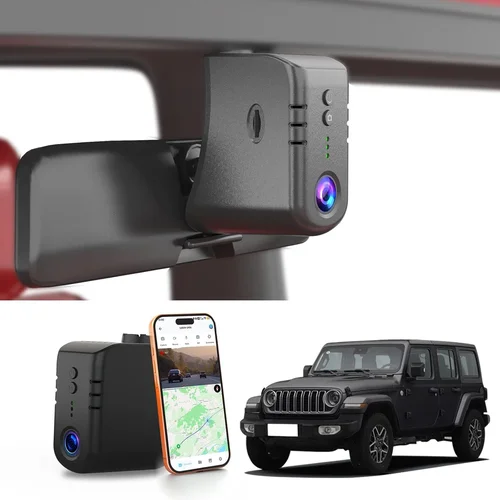
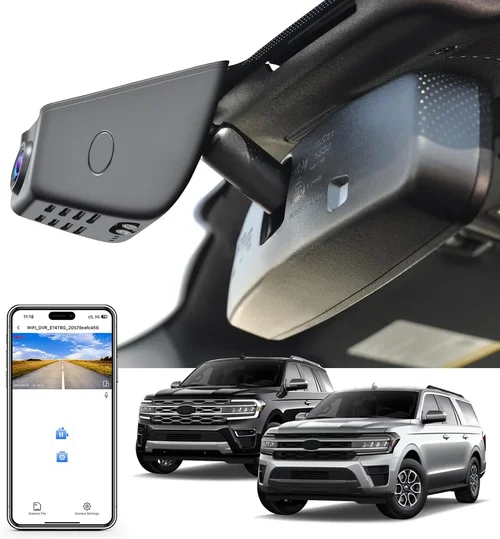
Why it’s bad:: Not verifying vehicle-specific compatibility causes installation headaches or functional limitations. Dashboard shapes, windshield angles, and electrical systems vary significantly between makes and models.
What to do instead: Check manufacturer compatibility lists or user forums discussing installations in your specific vehicle. Consider universal mounting solutions if direct compatibility isn’t guaranteed.
Budget Guidelines: How Much Should You Spend?
Entry-Level ($40 – $80)
This category includes basic single-lens models suitable for occasional drivers who primarily need documentation for insurance purposes. While these devices deliver functional 1080p recording with circular storage management, they typically lack advanced features demanded by serious long-distance travelers.
Pros: Affordable upfront cost, simple operation, adequate basic recording quality
Cons: Limited FOV, poor night vision, minimal build quality, no advanced safety features
Best suited for: Infrequent highway trips under 200 miles per journey with short durations
Mid-Range ($80 – $200)
The sweet spot for most dedicated long-distance drivers, mid-range models strike an excellent balance between affordability and capability. These systems typically offer dual-lens configurations, enhanced low-light performance, and more robust construction suitable for regular highway use.
Pros: Good video quality, reliable build materials, useful extra features like GPS tracking, acceptable night performance
Cons: May lack enterprise-level management tools, limited expandability options, average battery life
Best suited for: Regular commuters logging 50+ miles daily or professionals making frequent cross-country trips
Premium ($200 – $500)
High-performance systems designed for demanding users who require maximum reliability and feature completeness. Premium models deliver 4K recording, superior optical stabilization, advanced driver assistance integrations, and enterprise-grade management capabilities.
Pros: Outstanding image quality in all conditions, comprehensive feature sets, durable construction, excellent customer support
Cons: Higher initial investment, potentially steeper learning curve for advanced features, larger physical footprint
Best suited for: Commercial operators, RV owners, rideshare drivers, or anyone prioritizing maximum protection and evidence quality
Luxury ($500+)
Top-tier offerings representing the pinnacle of dash cam technology currently available. These systems integrate cutting-edge sensors, AI-powered analytics, seamless fleet management platforms, and military-grade durability specifications rarely seen outside professional aviation or maritime applications.
Pros: Revolutionary imaging capabilities, unparalleled feature sets, future-proof technology, unmatched build standards
Cons: Significant price premium, complex deployment requirements, specialized maintenance needs
Best suited for: Large fleet operators, government agencies, or individuals requiring absolute maximum protection regardless of cost
Expert Tips for Getting the Best Deal
Timing Your Purchase Strategically
Avoid peak shopping seasons when prices spike due to holiday demand. Instead, target off-peak periods around late winter and early spring when retailers clear inventory from previous model years. Black Friday deals often yield exceptional discounts but arrive late November, missing many year-end travel plans. Consider waiting until January-February for post-holiday markdowns that can save 20-30% compared to summer prices.
Leveraging Seasonal Promotions
Retailers frequently run targeted promotions aligned with specific usage patterns. Winter dash cam sales capitalize on increased interest from RV travelers preparing for spring trips, while summer deals attract highway commuters before peak vacation season begins. Sign up for manufacturer newsletters to receive exclusive pre-release discount codes unavailable to general public shoppers.
Comparing Retailer vs Manufacturer Channels
Manufacturer websites typically offer better pricing than third-party retailers due to eliminated middleman margins. However, authorized dealers sometimes bundle complementary accessories like hardwire kits or premium SD cards at reduced package prices. Always compare complete bundle costs rather than individual item pricing when evaluating total value propositions.
Evaluating Extended Warranty Value
While tempting, extended warranties rarely justify their additional expense for dash cam purchases. Most manufacturers already provide generous 1-3 year coverage periods covering defects and failures. If considering extended protection, prioritize comprehensive plans that include accidental damage coverage rather than basic component replacements alone.
Understanding Return Policies
Test equipment thoroughly upon delivery before disposing of packaging materials. Many retailers impose restocking fees that negate savings from discounted items if returned. Keep original boxes for at least 30 days to ensure hassle-free returns if compatibility issues arise post-purchase.
Testing Before Committing
If possible, visit local electronics stores to examine physical models before ordering online. Evaluate screen visibility in different lighting conditions, verify button responsiveness, and assess weight/dimensions relative to intended installation location. Physical inspection prevents surprises regarding ergonomics and mounting feasibility.
Negotiating Volume Discounts
Fleet operators purchasing multiple units should inquire about quantity-based pricing tiers offered by manufacturers. Bulk orders often qualify for 10-25% discounts plus free shipping and dedicated account management services unavailable to individual buyers.
Monitoring Refurbished Options
Certified refurbished units from reputable sources can deliver substantial savings while maintaining full warranty coverage identical to new products. Look for “renewed” listings from major retailers offering factory-reconditioned devices tested to meet original specifications.
Utilizing Loyalty Program Benefits
Major retailers maintain reward programs offering points redeemable for future purchases. Accumulating enough credits can effectively reduce current transaction amounts or unlock exclusive member-only pricing unavailable through standard channels.
Checking Educational Institution Discounts
Some manufacturers partner with universities and vocational schools offering special pricing to students, faculty, and staff. While limited availability, these programs can provide 15-20% savings if applicable to your status.

Frequently Asked Questions
Q: Do I really need a dash cam for long-distance driving?
A: Absolutely. Even cautious drivers encounter unpredictable situations during extended travel. Dash cams serve multiple protective functions: documenting accidents for insurance claims, recording harassment incidents, providing evidence in disputes with other motorists, and creating accountability for both parties. For professionals who depend on their vehicles for income generation, this investment safeguards livelihoods against unfair claims or liability allegations that could otherwise result in devastating financial consequences.
Q: How much storage space do I actually need?
A: For typical long-distance usage patterns involving 4-8 hour daily drives, allocate at least 128GB of storage capacity. This allows approximately 12-16 hours of continuous 1080p recording with standard compression settings. Increase capacity to 256GB+ if regularly traveling during nighttime hours or expecting frequent incident documentation. Always use Class 10 or U3 rated microSD cards for optimal write speeds and reliability under sustained recording loads.
Q: Can dash cams work reliably in extreme temperatures?
A: Yes, when properly specified. Industrial-grade dash cams operate reliably within expanded temperature ranges spanning -20°F to 140°F (-29°C to 60°C). Look for products explicitly rated for automotive applications rather than generic electronics. Thermal management features like heat sinks and temperature-controlled cooling fans prevent internal components from overheating during prolonged sun exposure while cold-start capabilities ensure immediate activation during winter mornings.
Q: What’s the difference between hardwiring and using the cigarette lighter?
A: Hardwiring connects dash cams directly to vehicle fuse boxes using specialized kits, providing constant power without draining batteries. This method enables true parking mode functionality and eliminates reliance on ignition switches. Cigarette lighter connections only activate when the engine runs, severely limiting parking surveillance capabilities. Hardwire installations also prevent power interruptions during key-off scenarios and reduce fire risks associated with loose connections in mobile environments.
Q: How do I choose between single vs dual camera systems?
A: Single-lens models suffice for basic front-facing documentation but lack interior monitoring capabilities valuable for protecting personal belongings or observing passenger behavior. Dual-lens systems offer comprehensive coverage of both exterior roadway conditions and interior cabin activities, making them ideal for rideshare drivers, delivery personnel, or anyone concerned about theft or property damage during overnight stops. Multi-camera arrays further expand coverage to blind spots and trailer areas essential for commercial operators.
Q: Will dash cams interfere with my vehicle’s electronics?
A: Reputable dash cam manufacturers rigorously test compatibility with modern automotive systems to prevent interference issues. However, poorly shielded cables or improper installation techniques can occasionally cause electrical noise or communication disruptions. Always follow manufacturer wiring diagrams precisely and secure all connections away from moving parts or hot surfaces. If experiencing unexplained electronic malfunctions after installation, temporarily disconnect the dash cam to isolate potential conflicts.
Q: How do I protect myself from insurance fraud using dash cam footage?
A: Modern dash cams automatically timestamp and geotag all recorded content, creating tamper-resistant evidence chains impossible to manipulate post-incident. Most systems also implement write-protection mechanisms that preserve critical footage during emergency events while continuing normal operation afterward. Cloud backup services add another layer of security by uploading verified recordings to remote servers accessible from anywhere, ensuring preservation even if local storage becomes compromised during accidents or theft attempts.
Q: What maintenance does a dash cam require?
A: Minimal upkeep ensures optimal performance. Clean lenses weekly with microfiber cloths to remove smudges and debris affecting image clarity. Periodically check microSD card health using manufacturer diagnostic tools or third-party utilities designed for memory card testing. Replace aging batteries in wireless models according to manufacturer recommendations since lithium cells degrade over time regardless of usage frequency. Store spare cards in anti-static bags when not actively recording to prevent data corruption from static discharge.
Our Final Recommendations
Best for Budget-Conscious Buyers
The Viofo A119 V3 delivers outstanding value with reliable 2K recording quality, intuitive interface design, and robust build standards typically reserved for premium models. Its compact form factor fits discreetly behind rearview mirrors while delivering crisp daytime footage and acceptable nighttime performance for most highway scenarios. While lacking advanced features like GPS tracking or parking mode, this model excels at core recording responsibilities without breaking the bank.
Best Overall Value
The BlackVue DR970X-2CH represents the perfect marriage of capability and affordability for dedicated long-distance drivers. This dual-lens system offers stunning 2K+ recording quality, seamless cloud connectivity, comprehensive parking surveillance, and enterprise-grade management tools accessible through user-friendly mobile applications. With military-grade durability and consistent firmware updates enhancing functionality over time, this model justifies its mid-premium positioning through exceptional real-world performance.
Best Premium Option
The Thinkware U1000 stands as the undisputed champion among high-end dash cams, combining 4K recording resolution, revolutionary AI-powered analytics, and uncompromising build quality worthy of professional fleets. Advanced features like blind spot detection, lane departure warnings, and emergency SOS buttons transform this device into a comprehensive safety platform rather than merely a recording apparatus. Though commanding a significant investment, its comprehensive protection capabilities make it indispensable for risk-averse travelers.
Best for Beginners
The Garmin Dash Cam Mini 2 simplifies ownership through plug-and-play operation, automatic updates, and straightforward mobile app integration. Its ultra-compact profile minimizes windshield obstruction while delivering reliable 1080p recording with surprisingly good night vision capabilities. While lacking dual-camera configurations or advanced parking features, this model provides essential protection with minimal learning curve for first-time dash cam adopters seeking reliable baseline coverage.
Best for Advanced Users
The Nextbase 622GW empowers experienced drivers with cutting-edge artificial intelligence features including facial recognition, collision prediction algorithms, and intelligent voice commands. Its innovative Always-On Emergency Response system automatically contacts emergency services during severe impacts while simultaneously sharing live location data with designated contacts. Combined with 4K recording quality and seamless smartphone synchronization, this system represents the ultimate evolution of in-vehicle safety technology.
Conclusion: Making the Right Choice
Selecting the perfect dash cam for long-distance driving transcends mere equipment selection—it represents an investment in safety, security, and peace of mind during extended journeys across diverse terrains and conditions. By carefully evaluating each critical factor outlined throughout this guide including resolution capabilities, storage management strategies, environmental resilience requirements, and feature-specific advantages tailored to highway usage patterns, you’ll position yourself to make confident purchasing decisions aligned with personal priorities and operational demands.
Remember that no single model perfectly suits every driver’s needs—the optimal choice depends entirely on balancing budget constraints against desired functionality levels while accounting for specific vehicle characteristics and travel habits. Whether prioritizing affordability through entry-level systems or embracing technological advancements available in premium offerings, your decision should reflect realistic expectations regarding performance capabilities rather than marketing promises alone.
As you prepare for upcoming adventures or daily commutes stretching hundreds of miles across varied landscapes, equip yourself with reliable documentation tools that capture life’s unexpected moments with crystal clarity. Trustworthy dash cams serve not only as evidentiary assets during disputes but also as constant companions offering reassurance knowing someone has witnessed whatever unfolds along your chosen route. Make wise choices today so tomorrow’s journeys remain protected against whatever highways may bring.