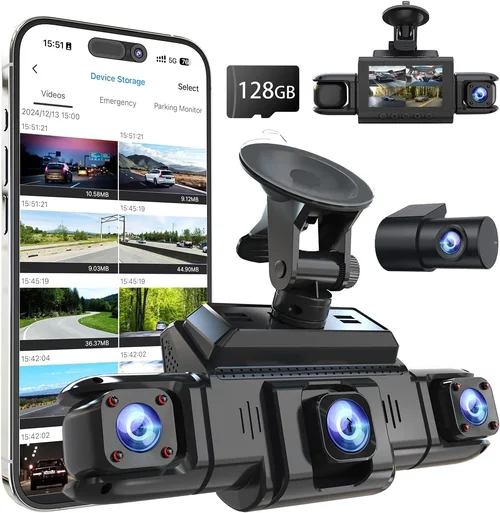
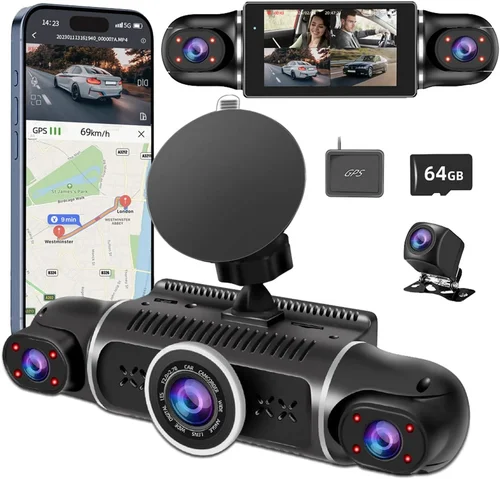
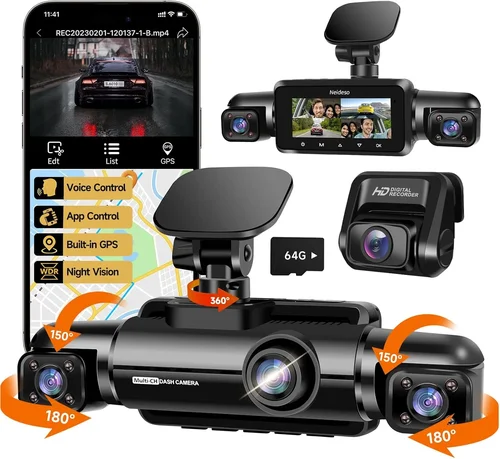
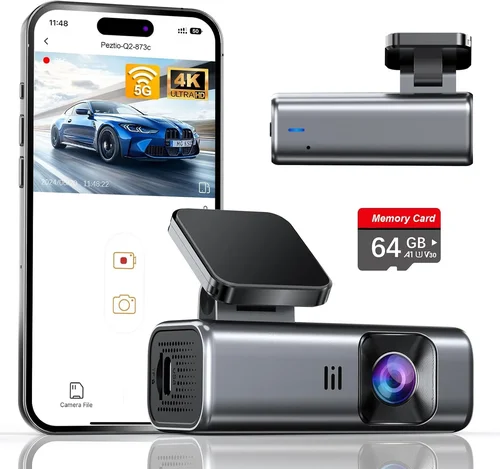
Best Dash Cam Buying Guide 2026
Why spend thousands on car repairs or face insurance disputes when a simple device could have documented everything? The dash cam market has exploded over the past decade, transforming from a niche safety gadget into an essential automotive accessory for drivers worldwide. As technology advances and prices drop, more consumers than ever are recognizing the value of having continuous, unbiased documentation of their journeys. Whether you’re a daily commuter concerned about liability, a parent wanting peace of mind for your teenage driver, or someone who simply wants to protect themselves from false claims, choosing the right dash cam can make all the difference.
This comprehensive buying guide will walk you through everything you need to know about selecting the best dash cam for your 2026 vehicle. We’ll cover critical factors like resolution quality, storage solutions, advanced features such as parking mode and emergency recording, build quality considerations, and how different price points affect performance. You’ll learn which specifications truly matter for real-world use, how to avoid common pitfalls that waste money, and discover expert strategies for finding the perfect balance between features and budget. By the end of this guide, you’ll be equipped with the knowledge to make an informed decision that matches your specific needs, driving style, and financial considerations.
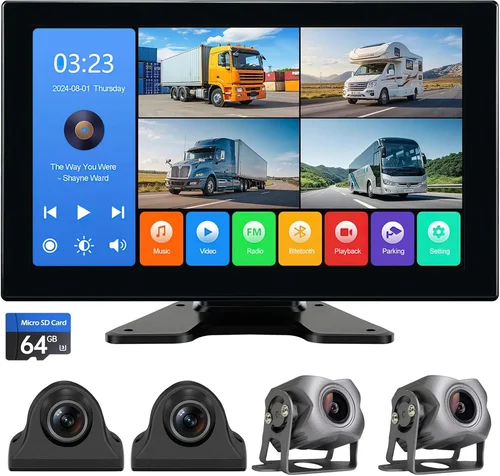
The dash cam landscape in 2026 is more competitive than ever, with manufacturers pushing the boundaries of what’s possible in compact recording devices. From AI-powered collision detection to wireless connectivity and cloud backup options, today’s models offer capabilities that seemed like science fiction just five years ago. However, with so many options available—from basic single-camera systems to sophisticated dual- and even quad-channel setups—navigating the choices can feel overwhelming. This guide cuts through the marketing hype to focus on practical, proven features that deliver real value for everyday drivers.

What to Look for When Buying Dash Cams
1. Resolution & Video Quality
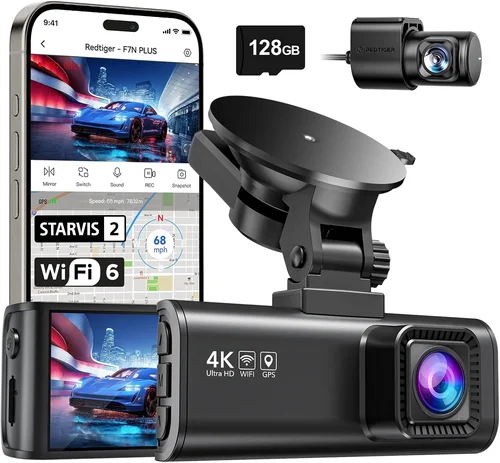
Resolution remains the cornerstone of any dash cam’s effectiveness. In 2026, most reliable dash cams offer at least 1080p Full HD resolution, but we’re seeing widespread adoption of 4K Ultra HD (2160p) technology across mid-range and premium models. Higher resolution doesn’t just look better—it provides crucial details that can make the difference in identifying license plates, road signs, or vehicle movements during incidents.
When evaluating resolution, consider these key aspects: First, check the actual video quality under various lighting conditions, not just lab tests. Many manufacturers claim impressive specs but struggle with motion blur or poor low-light performance. Second, examine the frame rate—most quality dash cams operate at 30fps, but some high-end models now offer 60fps for smoother motion capture during rapid events. Third, pay attention to the field of view (FOV), typically measured diagonally. A 130-degree FOV strikes a good balance between coverage and image distortion, while wider angles may seem beneficial but often sacrifice important details at the edges.
Advanced technologies like HDR (High Dynamic Range) and WDR (Wide Dynamic Range) have become increasingly important for handling challenging lighting situations. HDR combines multiple exposures to preserve detail in both bright headlights and dark shadows, while WDR continuously adjusts exposure throughout the scene. These features significantly improve footage clarity during dawn/dusk transitions or when driving through tunnels with sudden light changes.
2. Storage Capacity & Loop Recording
Storage management is arguably the most technical aspect of dash cam operation, yet it’s crucial for ensuring continuous recording without constant manual intervention. Modern dash cams use microSD cards ranging from 32GB to 512GB, with most reliable models supporting up to 256GB for optimal balance between capacity and cost.
Loop recording automatically overwrites the oldest footage when storage fills up, ensuring you never miss critical events due to space constraints. However, the quality of loop recording implementation varies significantly between brands. Some models immediately overwrite footage after an event is saved, while others maintain a buffer zone that preserves recent recordings even if storage appears full. Always choose models with intelligent storage management that prioritizes important events and only overwrites older, non-critical footage.
Cloud storage integration has emerged as another valuable option, particularly for premium dash cams. This feature automatically uploads selected footage to secure online servers, providing off-site backups that protect against theft, damage, or accidental deletion. While convenient, cloud storage typically requires monthly subscriptions and reliable internet connectivity, making it less suitable for areas with poor cellular coverage.
3. Parking Mode & Impact Detection
Parking mode represents one of the most valuable safety features for modern dash cams, especially for overnight parking in public areas or residential neighborhoods. This capability allows your dash cam to continue monitoring your vehicle even when powered off, using motion sensors or impact detection to record potential incidents like hit-and-runs or vandalism.
Most parking mode implementations use two approaches: hardwiring to your car’s battery (recommended) or using the cigarette lighter socket with power management. Hardwiring is preferable because it eliminates battery drain concerns and provides uninterrupted recording. Look for models with intelligent power management that enters ultra-low-power standby mode when parked, waking only when motion or vibration exceeds predetermined thresholds.
Impact detection sensitivity should be adjustable based on your environment—urban areas with frequent minor bumps may require higher sensitivity, while rural locations might need lower settings to avoid false triggers from passing vehicles or wildlife. Some advanced models now include G-sensor calibration that automatically adapts to your driving patterns, reducing unnecessary recordings during normal highway travel.
4. Night Vision & Low-Light Performance
Night driving presents unique challenges for dash cams, where inadequate low-light performance can render footage useless despite high resolution. Effective night vision depends on several interrelated factors including sensor quality, lens coatings, infrared capabilities, and software processing algorithms.
CMOS sensors have largely replaced CCD sensors in modern dash cams due to superior low-light sensitivity and dynamic range. Look for models specifically engineered for night use, featuring enhanced noise reduction and specialized night modes that prioritize brightness and contrast over color accuracy when necessary. Some premium cameras now include true infrared LEDs that illuminate scenes without affecting visibility, though this requires clear windows and minimal obstructions.
Color night vision represents another advancement—rather than relying solely on grayscale imagery, newer models maintain color reproduction even in near-total darkness by using sophisticated algorithms that enhance visible light while suppressing noise. This approach preserves critical details like license plate colors and clothing hues that might otherwise be lost.
5. Build Quality & Weather Resistance
Durability is non-negotiable for dash cams, given their exposure to extreme temperatures, vibrations, dust, moisture, and potential impacts. A poorly built unit might fail within months, leaving you vulnerable during critical moments when you need reliable evidence most.
Weather resistance ratings (typically IP65 or better) indicate protection against dust ingress and water jets from any direction—essential for surviving rainstorms, car washes, and accidental splashes. More importantly, consider thermal resilience: dash cams must function reliably in sub-zero winter conditions and scorching summer heat without overheating or shutting down unexpectedly.
Mounting hardware deserves special attention—cheap suction cups often lose adhesion after repeated heating/cooling cycles, causing the camera to fall off and potentially damage itself or your windshield. Look for models with reinforced glass, metal housings, and secure mounting systems that maintain position through daily temperature fluctuations and occasional bumps.
6. Connectivity & App Integration
Modern dash cams increasingly rely on smartphone connectivity for configuration, viewing, and management tasks. Wi-Fi Direct technology eliminates the need for physical connections when downloading clips or adjusting settings, while Bluetooth enables automatic pairing and firmware updates.
Mobile app ecosystems vary widely in quality and functionality. Reliable apps should provide intuitive interfaces for browsing footage, configuring settings, managing storage, and receiving alerts about new recordings or system status. Cloud synchronization features allow remote access to your dash cam’s memory card contents from anywhere with internet connectivity.
Some manufacturers now offer GPS-integrated dash cams that overlay location data, speed information, and directional arrows onto your recordings—valuable for accident reconstruction or verifying travel routes. Advanced models may also include Wi-Fi hotspot capabilities that let you share live video feeds or send emergency notifications directly from your car.
7. Audio Recording Capabilities
While visual evidence dominates legal proceedings, audio recordings can provide additional context and credibility. Most dash cams record stereo audio capturing both cabin conversations and external sounds, though quality varies considerably between models.
Legal considerations are crucial when enabling audio recording—several jurisdictions prohibit recording conversations without consent, potentially exposing you to liability if enabled without proper disclosure. Check local laws before activating audio features, and consider disabling them in sensitive situations like ride-sharing or childcare scenarios.
Audio quality matters as much as video clarity—poor microphone placement or excessive wind noise can render recordings inaudible. Look for models with wind noise suppression, directional microphones, and adjustable gain controls that maintain intelligibility across different speeds and weather conditions.
8. Brand Reputation & Customer Support
Choosing established brands with proven track records reduces the risk of purchasing unreliable products or encountering unresponsive customer service when issues arise. Well-regarded manufacturers typically invest more in research and development, quality control, and post-purchase support compared to lesser-known companies focused primarily on quick sales.
Research manufacturer reputation through independent reviews, professional testing organizations, and long-term user feedback rather than relying solely on marketing claims or celebrity endorsements. Pay particular attention to warranty terms and return policies—reputable companies stand behind their products with generous coverage periods and hassle-free exchange processes.
Support infrastructure includes multiple channels: phone hotlines, email responsiveness, online knowledge bases, community forums, and social media presence. Test these resources before purchasing by contacting customer service with technical questions or concerns to gauge response times and helpfulness.
Different Types of Dash Cams

Common Buying Mistakes to Avoid
❌ Mistake: Prioritizing Price Over Quality
Why it’s bad: Choosing the cheapest available option often leads to disappointment when basic functions fail or footage proves unusable during critical moments. Low-cost dash cams frequently suffer from poor sensor quality, inadequate stabilization, limited features, and unreliable build materials that compromise reliability.
What to do instead: Establish your minimum requirements first—resolution, storage capacity, and essential features like parking mode—then compare prices among models meeting those standards. Remember that investing slightly more upfront can save significant frustration and replacement costs later.
❌ Mistake: Ignoring Real-World Performance Tests
Why it’s bad: Relying solely on manufacturer specifications or marketing claims without considering actual user experiences can result in purchasing a dash cam that performs poorly in everyday conditions. Lab-tested metrics don’t always translate to real driving scenarios involving variable lighting, weather, and road surfaces.
What to do instead: Research independent review sites, professional testing organizations, and long-term user feedback focusing on performance under diverse conditions rather than just spec sheets. Watch sample videos from multiple sources to assess actual video quality before committing.
❌ Mistake: Overlooking Installation Requirements
Why it’s bad: Assuming any dash cam will work with your vehicle ignores compatibility issues related to windshield curvature, sun visor placement, electrical systems, and mounting hardware. Poor installation compromises viewing angles, causes glare, creates electrical problems, or damages your vehicle’s interior.
What to do instead: Measure your windshield dimensions and check clearance around existing accessories before ordering. Consider professional installation services for complex wiring jobs or vehicles with unique interior designs. Verify that your chosen model fits comfortably within your dashboard area without obstructing views.
❌ Mistake: Neglecting Power Management Needs
Why it’s bad: Failing to address how your dash cam will receive power when parked leads to either battery drain, inconsistent recording, or premature failure. Simple cigarette lighter connections often lack sufficient current capacity for extended parking mode operation, while improper hardwiring can trigger your car’s electrical system alarms.
What to do instead: Plan your power solution early—either invest in a quality hardwiring kit with fuse protection or choose a model with intelligent power management that automatically shuts down when battery voltage drops too low. Consult automotive electricians if unsure about wiring procedures.
❌ Mistake: Underestimating Storage Requirements
Why it’s bad: Assuming standard 32GB microSD cards provide adequate storage for your needs leads to frequent reformatting, lost footage, or emergency situations where the dash cam stops recording entirely. Daily driving generates substantial video data, especially with higher resolutions and longer parking mode sessions.
What to do instead: Calculate your approximate storage needs based on recording duration per day, resolution, and parking mode usage. Purchase extra high-quality cards from reputable manufacturers and establish regular maintenance routines for file management and card replacement.
❌ Mistake: Disregarding Legal Compliance
Why it’s bad: Enabling audio recording or sharing footage without understanding local privacy laws can expose you to civil liability or criminal charges. Many regions have strict regulations about recording conversations, broadcasting images of private property, or distributing personal information without consent.
What to do instead: Research your jurisdiction’s specific laws regarding dash cam usage before activating audio features or planning to share recordings. Display appropriate signage indicating recording in your vehicle and consult legal professionals if uncertain about compliance requirements.
Budget Guidelines: How Much Should You Spend?
Entry-Level ($50 – $150)
This category includes basic single-camera systems designed for essential recording needs without advanced features. Expect 1080p resolution, 128-256GB microSD support, loop recording, and simple mounting hardware. While functional for daily commuting, entry-level models often sacrifice night performance, build quality, and reliability compared to pricier options. Ideal for budget-conscious buyers or secondary vehicles where comprehensive protection isn’t critical.
Key limitations include limited field of view (often under 120 degrees), basic motion detection, absence of parking mode functionality, and reliance on lower-quality sensors prone to noise in dim conditions. However, several reputable brands now offer surprisingly capable entry-level models that deliver acceptable performance for casual users.
Mid-Range ($150 – $300)
The sweet spot for most drivers seeking balanced performance and value. Mid-range dash cams typically feature 4K resolution, wider fields of view (130-150 degrees), superior low-light sensors, built-in GPS tracking, and reliable parking mode implementations. These models represent the current mainstream standard, offering enough advanced features to satisfy most use cases without excessive complexity or cost.
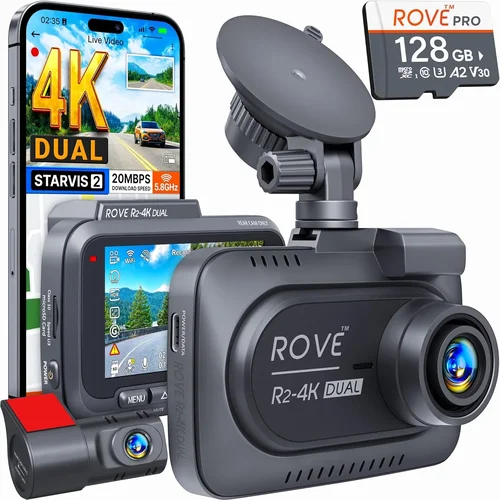
Expect robust build quality, weather-resistant construction, mobile app integration, and generally excellent reliability records. Many mid-range options now include dual-camera setups starting around $250, providing front and rear coverage without reaching premium pricing tiers. This category consistently delivers the best bang-for-your-buck ratio in today’s market.
Premium ($300 – $500)
For enthusiasts, professionals, or drivers requiring maximum protection and cutting-edge technology. Premium dash cams boast industrial-grade components, AI-enhanced features like driver monitoring and collision prediction, superior stabilization algorithms, and extensive customization options. You’ll find enterprise-grade security protocols, redundant recording systems, and integration with smart home ecosystems.
These models often include multiple camera inputs for quad-channel setups, advanced analytics software, and priority customer support. While overkill for average drivers, premium options provide unmatched peace of mind for high-risk scenarios like commercial driving, long-distance travel, or owners of valuable vehicles.
Luxury ($500+)
The exclusive domain of ultra-high-end manufacturers targeting discerning customers willing to pay for absolute perfection. Luxury dash cams combine professional cinema-grade image processing, military-spec durability, and futuristic interfaces rarely seen outside specialized applications. Features like 360-degree bird’s-eye views, predictive collision avoidance, and biometric driver monitoring distinguish these top-tier systems.
Prices reflect not just hardware excellence but also concierge-level support, lifetime warranties, and custom engineering tailored to specific vehicle makes/models. Unless you require museum-quality documentation or operate in exceptionally demanding environments, most drivers will find better value elsewhere.

Expert Tips for Getting the Best Deal
Timing Your Purchase: Black Friday, Cyber Monday, and major holiday weekends consistently offer the deepest discounts on electronics including dash cams. Manufacturers often launch new models in spring/fall, creating price pressure to clear inventory. Subscribe to retailer newsletters and price-tracking services to monitor fluctuations and identify optimal buying windows.
Channel Selection Strategy: Online retailers typically provide broader selection, competitive pricing, and detailed product information, while brick-and-mortar stores allow hands-on testing and immediate pickup. Consider hybrid approaches—order online for convenience then visit local stores for installation assistance or returns. Authorized dealer networks usually offer better warranty fulfillment than third-party sellers.
Spotting Hidden Deals: Bundle packages combining dash cams with installation kits, extra storage cards, or extended warranties often provide greater savings than individual item discounts. Refurbished units from certified sellers can offer 20-30% savings with full warranty coverage. Loyalty program memberships frequently unlock exclusive member pricing unavailable to general shoppers.
Warranty Evaluation: Comprehensive coverage should include both parts/labor and accidental damage protection. Read fine print carefully—some warranties exclude wear items like lenses or memory cards. International warranty validity matters if traveling abroad regularly. Extended protection plans rarely justify their cost unless you drive extensively or park in high-risk areas.
Return Policy Understanding: Electronics have strict restocking fees (15-25%) and shortened return windows compared to other categories. Test thoroughly upon arrival, keeping original packaging for easy returns. Keep all accessories and documentation to maintain eligibility. Consider keeping the box unopened until fully satisfied to preserve return privileges.
Pre-Purchase Testing: Request loaner units or demonstration models when available. Test video quality in various lighting conditions, verify parking mode functionality, and assess ease of menu navigation under driving-distracted circumstances. Evaluate mounting stability by gently shaking the installed unit—any wobbling indicates insufficient adhesion or poor design.
Compatibility Verification: Confirm your vehicle’s windshield curvature won’t cause excessive glare or blind spots. Check clearance around existing sun visors and mirror attachments. Verify electrical compatibility—some vehicles require specific fuse taps or relay installations. Ensure your chosen microSD card brand/model appears in the manufacturer’s compatibility list.
Future-Proofing Considerations: Choose models supporting the latest microSD standards (UHS-II/V30 minimum) for optimal write speeds and longevity. Prefer USB-C connectivity over proprietary ports for easier future upgrades. Select systems with firmware update capabilities to extend functional lifespan beyond hardware limitations.

Frequently Asked Questions
Q: Can dash cams really help with insurance claims?
A: Absolutely. Insurance companies universally recognize dash cam footage as credible evidence that can accelerate claims processing, reduce settlement times, and prevent fraudulent claims. In many cases, having verified video documentation results in faster approvals, lower deductibles, or complete claim approvals without dispute—especially valuable for hit-and-run incidents or weather-related damage where fault might be unclear.
Q: Do I need special installation skills to set up my dash cam?
A: Basic single-camera systems with suction mounts require no technical knowledge—simply attach to your windshield following manufacturer instructions. Dual-channel or hardwired setups benefit from professional installation to ensure proper wiring, fuse protection, and clean routing that maintains vehicle aesthetics. Many retailers offer free or discounted installation services when purchasing qualifying models.
Q: Will my dash cam drain my car battery?
A: Modern dash cams consume very little power—typically 1-2 watts during recording, less than 0.5 watts in parking mode. With proper hardwiring using a fuse tap connected to your ignition circuit, battery drain is eliminated since the system only draws power when the vehicle is running or parking mode activates briefly after ignition turns off. Smart models automatically detect low battery and shut down to preserve charge.
Q: How long should I keep my dash cam footage?
A: Retention policies vary by jurisdiction and personal preference. Legally, you may only need footage from incident dates, but storing several weeks’ worth provides valuable context for accidents or disputes. Most users delete footage older than 30 days unless needed for ongoing matters. Cloud storage subscriptions often include tiered retention periods—keep critical clips locally while archiving older files remotely.
Q: Are dash cams legal everywhere?
A: Generally yes, but regulations vary significantly. Most countries permit dash cam use with restrictions: audio recording often requires consent in some regions, broadcasting images may violate privacy laws, and certain jurisdictions limit where you can mount devices. Always research local ordinances before operating, especially regarding audio capture and footage distribution.
Q: What happens if my dash cam falls off the windshield?
A: Accidental detachment rarely causes serious damage to the unit itself—modern dash cams withstand impacts well—but could compromise your ability to document incidents. High-quality mounting systems minimize this risk through reinforced glass adhesives, weighted bases, or magnetic alternatives. If detachment occurs, immediately check for scratches or cracks before reinstalling to maintain evidence integrity.
Q: Can dash cams record while parked?
A: Yes, through parking mode functionality that monitors your vehicle using motion sensors or impact detection. Properly installed systems use hardwiring to avoid battery drain and enter low-power surveillance states between triggers. Sensitivity settings should match your environment—urban drivers may prefer higher thresholds than rural users—to prevent false activations from passing traffic or animals.
Q: Should I buy extra microSD cards?
A: Definitely. Having backup cards ensures uninterrupted recording when swapping out full ones, and different cards perform inconsistently across models. Invest in high-endurance cards rated for continuous writing (V30/U3 minimum) from reputable brands like SanDisk Extreme, Samsung EVO Plus, or Lexar Professional. Store spare cards securely away from extreme temperatures and static electricity.
Our Final Recommendations
Best for Budget-Conscious Buyers
The Viofo A119 v3 represents exceptional value at approximately $120, delivering 1440p recording, reliable loop recording, and robust build quality without breaking the bank. Its 130-degree FOV balances wide coverage with minimal distortion, while the Sony Starvis sensor handles low-light conditions admirably for its price point. Simple operation and straightforward installation make this ideal for first-time dash cam owners needing dependable protection without overspending.
Best Overall Value
The Thinkware U1000 stands as our top recommendation for balanced performance across all categories. Priced around $350, it offers stunning 4K resolution, superior image stabilization, and industry-leading parking mode implementation. Thinkware’s reputation for reliability, comprehensive warranty coverage, and innovative features like GPS tracking and cloud connectivity justify the investment for drivers seeking maximum protection without premium pricing extremes.
Best Premium Option
The Garmin Dash Cam 77 exemplifies premium craftsmanship with its elegant design, intuitive interface, and advanced driver assistance features. At $400, it includes lane departure warnings, forward collision alerts, and automatic emergency braking notifications—capabilities that transform it from recording device into active safety system. Garmin’s ecosystem integration, global warranty support, and decades of automotive experience make this choice for tech-savvy drivers wanting future-ready protection.
Best for Beginners
The BlackVue DR970X-2CH provides an excellent introduction to dual-camera systems with its user-friendly app interface, reliable performance, and generous 128GB included microSD card. Starting at $250 for the dual-camera version, it delivers crisp 1080p footage from both front and rear perspectives with seamless synchronization. BlackVue’s cloud connectivity and mobile alert system help new users understand dash cam benefits without overwhelming complexity.
Best for Advanced Users
The Nextbase 622GW caters to experienced drivers needing professional-grade features like 4K recording, emergency SOS button, and Alexa voice control integration. Priced at $300, it offers superior build quality, customizable settings, and reliable performance validated by extensive real-world testing. The inclusion of WiFi Direct for instant clip sharing and advanced parking mode options makes this ideal for demanding use cases requiring maximum flexibility and control.
Conclusion: Making the Right Choice
Selecting the perfect dash cam involves balancing numerous competing priorities—resolution versus storage needs, advanced features versus simplicity, budget constraints versus desired capabilities. Rather than chasing the highest specifications or cheapest price tags, successful buyers focus on matching their specific requirements to proven solutions that deliver reliable performance under real driving conditions.
Remember that your dash cam serves as your silent witness during life’s most stressful moments—when every detail matters and seconds count. Prioritize features that align with your actual driving patterns: frequent nighttime commutes demand superior low-light performance, while urban dwellers benefit more from wide-angle coverage and impact detection sensitivity. Those who park in high-theft areas should invest in robust parking mode implementations, whereas highway drivers might emphasize stabilization and GPS tracking.
Don’t overlook the importance of proper installation and ongoing maintenance—even the most sophisticated dash cam becomes worthless if improperly mounted or neglected. Establish simple routines for checking storage capacity, cleaning lenses, and reviewing sample footage to ensure your investment continues protecting you effectively year after year.
With thoughtful consideration of your unique situation and honest assessment of available options, you’ll find a dash cam that transforms anxiety-prone driving into confident navigation through life’s unpredictable roads. The peace of mind gained from knowing you have objective evidence of every journey makes this investment worthwhile for anyone valuing security, justice, and tranquility behind the wheel.