Best Dash Cam Buying Guide for Canada Weather
When you’re driving through Canada’s diverse and often challenging weather conditions—from blinding snowstorms to sudden ice patches and freezing rain—having a reliable dash cam isn’t just convenient; it’s essential. A high-quality dash cam can provide peace of mind, protect you in the event of an accident, and serve as undeniable evidence in disputes with insurance companies or other drivers. But not all dash cams are created equal, especially when it comes to handling the unique demands of Canadian winters and variable road conditions.
This comprehensive buying guide is designed specifically for Canadian drivers who want a dash cam that performs reliably year-round. You’ll learn how to navigate the technical jargon, compare features that matter most in cold climates, and avoid common pitfalls that could leave you vulnerable during winter driving. Whether you’re a daily commuter navigating Toronto traffic, a rural driver facing long stretches of snowy highways, or someone who simply wants to document their journeys across Canada’s vast landscapes, this guide will help you make an informed decision.
The market for dash cams has exploded over the past decade, but many models are optimized for temperate climates and may fail under extreme cold, moisture, or low-light conditions typical of much of Canada. This article cuts through the noise by focusing on performance in real-world Canadian environments, highlighting key specifications like low-light sensitivity, cold-weather operation, and durability. We’ll also break down budget considerations, explain what features actually matter (and which are unnecessary), and share expert tips on installation, storage, and maintenance so your device keeps working when you need it most.

What to Look for When Buying Dash Cams
Choosing the right dash cam for Canada’s unpredictable weather requires careful attention to several critical factors. Not every model will handle sub-zero temperatures or heavy snowfall equally well, so understanding these elements before purchasing can save you time, money, and frustration down the road.
1. Temperature Resistance & Cold Weather Performance
Driving in Canada means dealing with temperatures that frequently dip below -30°C, especially in provinces like Alberta, Saskatchewan, Manitoba, and Quebec. Most consumer electronics struggle at such extremes, so temperature resistance is non-negotiable. Look for dash cams rated for operation between -20°C and +70°C. These models typically use industrial-grade components and have undergone rigorous testing to ensure functionality during winter months.
Additionally, consider how the device handles condensation and moisture buildup. Some units come with hydrophobic glass coatings that repel water and prevent fogging, which is crucial when parked overnight in snow-covered parking lots. Without proper sealing or thermal management, internal condensation can damage sensors or cause recording interruptions.
2. Low-Light and Night Vision Capabilities
Canadian winters bring short daylight hours and frequent darkness during rush hour commutes. A dash cam with strong low-light performance ensures clear footage even after sunset. Seek models equipped with Sony Starvis sensors, which excel in capturing detail in dim conditions. Backside Illuminated (BSI) sensors improve light sensitivity by up to 50% compared to standard CMOS sensors.
Night vision also depends on aperture size—look for f/1.8 or wider lenses, which allow more light into the sensor. Some advanced models include infrared LEDs or starlight technology, though these are less common in mid-range devices. Regardless of specs, always check user reviews from Canadian buyers who’ve tested the camera during actual nighttime driving.
3. Video Quality and Resolution
Resolution directly impacts clarity and usefulness of recorded footage. While Full HD (1920×1080) remains the industry standard, many modern dash cams now offer 2K (2560×1440) or even 4K resolution. Higher resolutions capture finer details—such as license plates, road signs, and facial expressions—which can be vital in legal situations.
However, keep in mind that higher resolution generates larger video files, requiring faster write speeds from your memory card and potentially reducing recording time. For most Canadian drivers, 2K resolution strikes an excellent balance between detail and file size. Always pair your dash cam with a Class 10 or U3 microSD card to avoid dropped frames or corrupted clips.
4. Field of View (FOV) and Lens Quality
The field of view determines how much of the road ahead (and sometimes sides and rear) your dash cam captures. A wider FOV offers broader coverage but may introduce distortion at the edges. Most dash cams range from 120° to 170°, with 140° being a sweet spot for frontal visibility without excessive warping.
Lens quality matters too. Aspherical lenses reduce chromatic aberration and improve sharpness, while multi-coated optics minimize reflections from headlights or sunlight. Some premium models feature three-lens systems (front, cabin, and rear), giving you comprehensive coverage inside and outside the vehicle—ideal for monitoring passengers or valuables.
5. Storage and Loop Recording Functionality
Dash cams rely on loop recording to continuously overwrite old footage once the memory card fills up. This ensures uninterrupted operation without manual intervention. Ensure your chosen model supports seamless loop recording with minimal gaps between clips.
Also consider whether the device automatically detects impact and saves critical events as locked files—preventing them from being overwritten during regular cycling. G-sensor sensitivity should be adjustable so you can fine-tune how aggressively it triggers event recording based on your driving style.
6. Parking Mode and Motion Detection
In regions where vehicles are parked outdoors for extended periods, parking mode protects against hit-and-runs or theft attempts. When hardwired into your car’s fuse box, the dash cam enters a low-power standby state and wakes up upon detecting motion or vibration.
Not all parking modes perform equally in cold weather. Some devices shut down completely if left plugged in overnight due to battery drain concerns. Opt for models with intelligent power management that conserves energy while still capturing relevant activity. Additionally, verify that the parking mode continues functioning reliably in temperatures below freezing.
7. Build Quality and Weatherproofing
Exposure to snow, salt, road salt runoff, and fluctuating temperatures tests a dash cam’s resilience. Housing should be made of durable materials like aluminum alloy or reinforced plastic, with secure mounting brackets that won’t loosen over time.
Gasket seals and IP ratings (if available) indicate resistance to dust and water ingress. While true IP67 certification is rare in dash cams, look for descriptions like “water-resistant” or “splash-proof.” Avoid flimsy plastic casings that crack when exposed to rapid temperature changes or physical impacts.
8. Ease of Use and User Interface
A complicated menu system defeats the purpose of having a dash cam—you don’t want to fumble with settings while driving. Choose a unit with intuitive controls, clear menus, and quick-access buttons for toggling recording or viewing recent clips.
Touchscreen interfaces offer convenience but can become unresponsive in cold weather due to screen lag or condensation. Physical buttons are often more reliable. Also, ensure the display is readable in direct sunlight—anti-glare coatings help significantly.
9. Wi-Fi Connectivity and Mobile App Integration
Modern dash cams often include Wi-Fi or Bluetooth for transferring footage to smartphones via companion apps. This allows you to quickly share evidence or review recordings without removing the memory card.
For Canadian users, however, connectivity can be spotty in remote areas. If you plan to use the app frequently, test its performance in your usual routes. Also, confirm that the app works seamlessly with both Android and iOS devices, and check for firmware updates that address regional compatibility issues.
10. Brand Reputation and Customer Support
Purchasing from a reputable brand increases the likelihood of receiving timely support, firmware updates, and genuine replacement parts—especially important if your device malfunctions during winter travel. Brands like BlackVue, Garmin, Nextbase, and Thinkware have established strong reputations in North America and offer dedicated customer service teams familiar with local needs.
Check warranty terms: most reliable dash cams come with at least a two-year warranty covering defects in materials and workmanship. Some even extend coverage to accidental damage if purchased through authorized retailers.
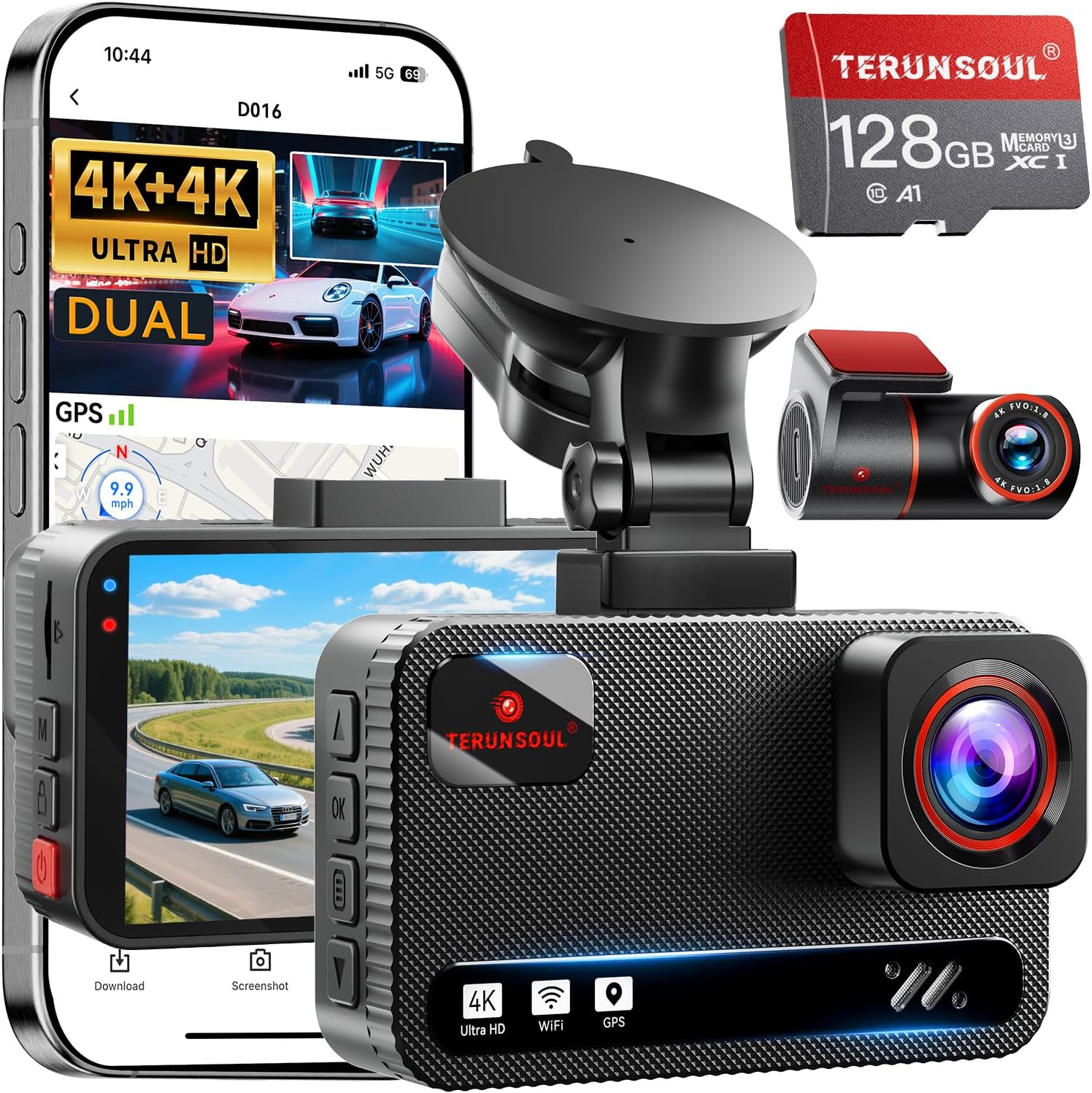
Different Types of Dash Cams
Common Buying Mistakes to Avoid
❌ Mistake: Ignoring Temperature Specifications
Why it’s bad: Many buyers assume all dash cams work equally well in winter. In reality, cheap models may fail to boot up in sub-zero temperatures or produce blurry footage due to lens frosting.
What to do instead: Always verify operating temperature ranges. If the spec sheet doesn’t mention cold-weather performance, contact the manufacturer before buying.
❌ Mistake: Choosing Based Solely on Price
Why it’s bad: The cheapest option often lacks essential features like G-sensing, parking mode, or reliable night vision. You risk spending more later on repairs or replacements.
What to do instead: Compare value, not just cost. A slightly pricier model with better build quality and support may save you money long-term.
❌ Mistake: Skipping Memory Card Compatibility
Why it’s bad: Using an incompatible or slow microSD card leads to dropped frames, failed recordings, or corrupted files—especially problematic during emergency situations.
What to do instead: Stick to reputable brands like SanDisk, Samsung, or Lexar, and ensure the card meets Class 10/U3 speed requirements. Format it using the dash cam itself for optimal performance.
❌ Mistake: Overlooking Installation Requirements
Why it’s bad: Some drivers attempt DIY installation without understanding wiring needs. Poorly routed cables can interfere with airbags, violate warranties, or get damaged by heat or movement.
What to do instead: Either learn proper routing techniques or invest in professional installation services. Most premium brands offer certified installers across major Canadian cities.
❌ Mistake: Assuming All Features Are Useful
Why it’s bad: Features like voice control, GPS logging, or built-in sirens add complexity without universal benefit. They may drain battery life or increase false alarms in snowy conditions.
What to do instead: Prioritize core functions: clear video, reliable parking mode, and robust cold-weather operation. Extra bells and whistles should only matter if they align with your specific needs.
❌ Mistake: Neglecting Firmware Updates
Why it’s bad: Manufacturers frequently release firmware fixes for bugs, security vulnerabilities, or performance improvements. Ignoring updates leaves your device outdated and potentially unreliable.
What to do instead: Regularly check the manufacturer’s website or mobile app for updates. Enable automatic notifications if available.
Budget Guidelines: How Much Should You Spend?
Entry-Level ($80 – $150 CAD)
This tier suits occasional drivers or those on tight budgets. Expect basic Full HD recording, modest low-light performance, and limited extras like single-lens setups or short parking mode durations. While functional, these models may lack cold-weather reliability and advanced safety features. Ideal if you primarily drive in mild climates or need backup insurance footage rather than forensic-grade clarity.
Mid-Range ($150 – $300 CAD)
The sweet spot for most Canadian drivers. Mid-tier dash cams typically deliver 2K resolution, strong night vision, dual-lens systems, and dependable parking mode. Brands like Thinkware, Nextbase, and Viofo dominate this space with models engineered for North American conditions. You’ll find excellent temperature tolerance, intuitive apps, and solid customer support—all within a reasonable price point.
Premium ($300 – $600 CAD)
For frequent travelers, professionals, or those prioritizing maximum protection, premium options offer top-tier sensors, cloud connectivity, AI-powered alerts, and ruggedized designs. BlackVue and Garmin lead here, providing military-grade durability, real-time GPS tracking, and integration with smartphone platforms. These devices justify their cost through superior reliability and forensic-level evidence quality.
Luxury ($600+ CAD)
Ultra-high-end models cater to fleet managers, ride-share drivers, or collectors seeking cutting-edge technology. Features include 4K+ recording, HDR imaging, thermal cameras, and satellite connectivity. While overkill for private use, they represent the pinnacle of dash cam engineering—designed for extreme environments and mission-critical applications.
Expert Tips & Pro Advice
Buy During Holiday Sales
The best deals appear around Boxing Day (December 26), Cyber Monday, and early spring promotions. Retailers like Best Buy, Amazon Canada, and Canadian Tire often slash prices by 20–40%. Set price-drop alerts to snag discounts before stock runs out.
Verify Local Return Policies
Electronics stores vary in return windows. Most accept returns within 15 days, but some extend to 30. Keep original packaging and receipts to avoid restocking fees. Test your dash cam immediately upon delivery—don’t wait until after installation.
Choose Authorized Retailers
Purchase from official distributors or big-box stores to guarantee authenticity and access to warranties. Avoid third-party sellers on eBay or Facebook Marketplace unless verified. Counterfeit devices flood online marketplaces and rarely meet advertised specs.
Test Before Committing
If possible, visit a physical store to handle the unit. Check button responsiveness, screen readability, and menu navigation. Ask staff about seasonal performance—some stores carry demo models used in winter tests.
Prioritize Warranty Coverage
A two-year warranty is standard; anything shorter feels risky. Confirm whether coverage includes accidental drops or environmental damage. International shipping costs for repairs can negate savings on cheaper units.
Hardwire for Reliability
Plug-and-play USB connections drain your car battery over time. Hardwiring via the fuse box powers the dash cam only when the ignition is on, preserving battery life and enabling true parking mode functionality.
Use High-Quality Accessories
Invest in a reputable fuse tap harness and adhesive mounts rated for automotive use. Cheap adhesives fail in heat or freeze-thaw cycles. Reinforced wiring kits prevent chafing against metal surfaces.

Frequently Asked Questions
Q: Can dash cams survive Canadian winters?
A: Yes, but only if rated for low-temperature operation. Look for models specifying -20°C minimum operating temps. Proper installation and accessories further enhance winter resilience.
Q: Do I need a separate rear camera?
A: It depends on your needs. Rear cameras help prevent backing collisions and monitor blind spots. For city driving or family vehicles, dual-lens systems are highly recommended. Rural or highway drivers may prioritize front-only models for longer-distance coverage.
Q: Will my dash cam drain my car battery?
A: Only if left plugged in continuously. Hardwired dash cams draw power only when the engine runs or parking mode activates briefly upon detecting motion. Always use a fuse tap with a delay circuit to avoid parasitic drain.
Q: What resolution should I choose?
A: At minimum, Full HD (1080p). For clearer details in accidents or disputes, 2K or 4K is ideal. Balance resolution with storage demands—higher resolutions fill cards faster.
Q: How long do recordings last?
A: Typically 3–5 minutes per clip, depending on file size settings. Longer clips consume more space. Adjust sensitivity in the menu to match your preferences.
Q: Can I view footage while driving?
A: Yes, but safety first! Use voice commands or glance away briefly. Never operate the device manually while moving—distracted driving laws apply everywhere in Canada.
Q: Are dash cams legal in Canada?
A: Legally permitted in passenger vehicles for personal use. Commercial fleets must comply with provincial regulations regarding recording duration and data privacy. Always respect privacy laws when capturing others.
Q: Should I buy Canadian-specific models?
A: Not necessarily. Most global dash cams perform identically in Canada if temperature-rated. However, some brands offer localized firmware or support—check availability before importing.
Our Final Recommendations
Best for Budget-Conscious Buyers
Viofo A11 Pro – Priced around $160 CAD, this dual-lens dash cam delivers 2K front recording, impressive night vision, and reliable cold-weather performance. Its compact design fits most windshields, and the included app simplifies file management. A proven choice for cost-aware drivers seeking dependable protection.
Best Overall Value
Thinkware Q800 Pro – At approximately $280 CAD, this model combines 2K resolution, three-channel recording (front, cabin, rear), and robust build quality. Thinkware’s reputation for firmware updates and customer service makes it a favorite among Canadian reviewers. Excellent balance of features and reliability.
Best Premium Option
BlackVue DR970X-2CH – Over $500 CAD, yet unmatched in durability and smart features. Equipped with WDR, parking guard, and cloud connectivity, it’s designed for professionals and frequent travelers. Rated for extreme temperatures and backed by responsive European support teams familiar with harsh climates.
Best for Beginners
Nextbase 522GW – Around $200 CAD, this user-friendly dash cam offers Alexa integration, emergency SOS, and crisp 1440p video. Intuitive interface and straightforward installation appeal to first-time buyers. Regular software updates keep it current with new features.
Best for Advanced Users
Garmin Dash Cam 67W – Priced near $350 CAD, it provides lifetime map updates, voice control, and advanced driver alerts. Though primarily front-facing, its rugged design and reliable performance suit tech-savvy owners who demand precision and convenience.
Conclusion: Making the Right Choice
Selecting the best dash cam for Canada’s demanding weather isn’t just about picking the shiniest gadget—it’s about finding a tool that stays functional when you need it most. By prioritizing cold-weather performance, low-light capability, and durable construction, you ensure your investment delivers peace of mind throughout the seasons. Remember to factor in installation, storage habits, and ongoing support as much as upfront features.
Take time to assess your driving patterns: urban vs. highway, short commutes vs. cross-country trips, and how often you park outdoors. Match those realities to the recommendations above, and you’ll avoid buyer’s remorse. Don’t rush—test models if possible, read local reviews, and leverage holiday sales to maximize value.
Ultimately, a great dash cam does more than record incidents; it deters reckless behavior, supports insurance claims, and captures memories of Canada’s breathtaking roads—even under gray skies and falling snow. Choose wisely, stay safe, and enjoy the journey.