Expert Dash Cam Buying Guide for Semi Trucks USA
When it comes to protecting commercial truck drivers, companies, and cargo on America’s highways, dash cameras have evolved from optional accessories into essential safety tools. For semi-truck operators in the United States, the right dash cam isn’t just about capturing footage—it’s about risk mitigation, insurance claims defense, fleet management, and ultimately, peace of mind during every mile driven.
This comprehensive buying guide is designed specifically for fleet managers, owner-operators, and transportation companies seeking the best dash cam brands for semi trucks across the USA. Whether you’re equipping a single vehicle or managing a fleet of hundreds, understanding the critical differences between dash cam models, features, and brands can save thousands in potential liability costs while enhancing driver accountability and safety culture.
In this detailed guide, you’ll discover exactly what makes certain dash cams stand out in the demanding environment of long-haul trucking, learn how to evaluate technical specifications that matter most to commercial use, and gain access to expert recommendations based on real-world performance data. We’ll explore everything from loop recording systems and parking modes to impact-resistant mounting solutions and integration with existing fleet management software.
The commercial trucking industry operates under unique challenges—extreme temperature variations, constant vibration, limited power availability, and the need for reliable evidence collection during multi-day trips. These factors make generic consumer-grade dash cams unsuitable for professional use. Instead, you need ruggedized equipment built specifically for heavy-duty applications with features tailored to the realities of interstate and highway driving.
Throughout this article, we’ll break down complex technical concepts into actionable insights, compare leading brands head-to-head, provide budget-friendly options without sacrificing reliability, and highlight common pitfalls that could cost you more than just money. By the end, you’ll be equipped with the knowledge needed to make an informed decision that protects your drivers, your cargo, and your bottom line.
Dash cams for semi trucks serve multiple critical functions beyond simple surveillance. They act as unbiased witnesses in accident investigations, deter aggressive driving behaviors through the knowledge of being recorded, provide valuable data for driver coaching programs, and offer crucial evidence for insurance fraud prevention. For fleets operating across state lines, having consistent video documentation ensures compliance with various regional regulations regarding electronic logging devices (ELDs) and hours-of-service requirements.
The market today offers a wide spectrum of choices ranging from basic single-camera setups to sophisticated multi-sensor systems with cloud connectivity and AI-powered analytics. However, not all dash cams are created equal when it comes to meeting the stringent demands of commercial operations. Factors such as storage capacity, image quality in low-light conditions, GPS tracking accuracy, and the ability to withstand harsh environmental conditions play pivotal roles in determining which brand delivers optimal performance for your specific needs.
As we dive deeper into the specifics of what separates top-tier dash cam manufacturers from the rest, consider your operational priorities carefully. Are you primarily concerned with accident reconstruction capabilities? Do you require advanced parking monitoring features for overnight security? Is integration with existing telematics systems a necessity? Answering these questions early will help narrow down your selection criteria and ensure you invest wisely in technology that genuinely enhances both safety and efficiency.
The following sections will examine six key factors every serious fleet operator should evaluate before making a purchase decision: budget considerations versus feature expectations, performance specifications tailored to trucking environments, build quality standards necessary for durability, functional capabilities that add real value, brand reputation within the industry, warranty coverage and customer support reliability, size constraints related to mounting options, and authentic user feedback from other professionals facing similar challenges.
By understanding these elements holistically rather than focusing solely on price points or marketing hype, you position yourself to select a dash cam solution that performs reliably under pressure, integrates seamlessly into daily workflows, and provides lasting returns through reduced incidents and improved operational transparency. This guide aims to empower you with the expertise needed to navigate confidently through today’s competitive marketplace and choose wisely among the best dash cam brands available for semi trucks in the United States.

What to Look for When Buying Dash Cams
1. Budget & Price Range
Budget considerations form the foundation of any purchasing decision, but in the context of commercial trucking, the cheapest option rarely delivers the best value over time. While entry-level dash cams may seem appealing initially due to lower upfront costs, they often lack the durability, advanced features, and reliable performance required for professional use. Fleet operators must balance immediate expenses against long-term savings derived from reduced insurance premiums, fewer liability claims, and enhanced driver safety records.
For semi-truck applications, expect to pay between $150 and $600 per unit depending on the complexity of features included. Entry-level models typically fall within the $150–$250 range and offer basic full HD recording capabilities without extras like GPS tracking or parking mode. Mid-range options priced at $250–$400 usually include additional sensors, better night vision, and enhanced build quality suitable for most commercial environments. Premium systems costing $400–$600 provide advanced functionalities such as dual-channel recording, cloud connectivity, impact detection alerts, and seamless integration with existing fleet management platforms.
It’s important to remember that investing in higher-quality hardware often results in lower total cost of ownership. Reliable dash cams reduce downtime caused by malfunctions, require less frequent replacement due to robust construction, and minimize legal complications arising from poor video quality during disputes or accidents. Additionally, many insurance providers offer discounts for fleets equipped with certified dash cam systems, further offsetting initial investment costs over time.
2. Performance Specifications
Performance specifications directly influence how effectively a dash cam captures critical events during operation. For semi-trucks navigating varying road conditions, lighting scenarios, and weather extremes, image clarity and stability become paramount. Key metrics to evaluate include resolution capabilities, frame rate consistency, low-light sensitivity, dynamic range handling, and audio recording quality if applicable.
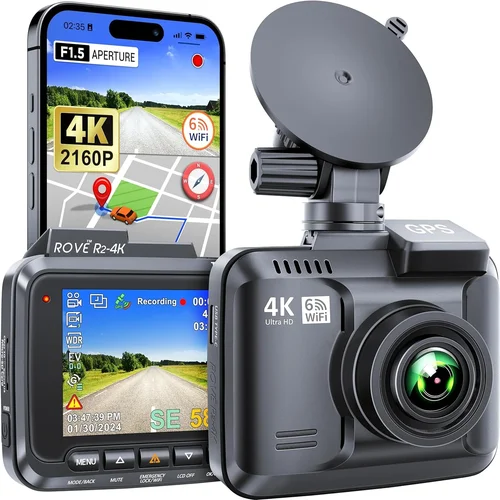
Resolution plays a crucial role in ensuring identifiable details such as license plates, traffic signs, and facial expressions during incident reviews. Full HD (1920×1080) is considered the minimum standard for commercial use, though some premium models now support 4K Ultra HD recording for even greater detail retention. Frame rates should ideally exceed 30 frames per second (fps) to capture smooth motion without motion blur, especially during high-speed highway maneuvers or sudden stops.
Low-light performance significantly affects usability during dawn, dusk, nighttime driving, or tunnel transitions where ambient light drops dramatically. Look for dash cams equipped with starlight-level sensors, wide aperture lenses, and noise reduction algorithms capable of producing clear footage in near-total darkness. Dynamic range optimization helps preserve visibility in scenes with extreme contrast between bright headlights and dark backgrounds, preventing washed-out highlights or crushed shadows.
Audio recording adds another layer of evidentiary value by capturing conversations, warning sounds, or environmental noises that might otherwise go unnoticed. While privacy laws vary by state regarding audio capture, many fleets opt for audio-enabled systems to enhance situational awareness and provide complete context during investigations.
3. Build Quality & Durability
Semi-truck dash cams face relentless physical stressors absent in passenger vehicles: constant vibrations from rough roads, exposure to temperature swings exceeding 100°F ranges, dust accumulation inside cabins, and occasional impacts during loading/unloading operations. Therefore, build quality serves as one of the most critical evaluation criteria for commercial-grade equipment.
Robust housing materials such as polycarbonate or reinforced ABS plastic resist cracking under thermal expansion/contraction cycles while maintaining optical clarity over extended periods. Shock-resistant designs incorporate rubberized mounts, flexible brackets, and internal dampening mechanisms to absorb jarring forces without disrupting lens alignment or sensor calibration.
Weatherproofing extends beyond simple sealing against moisture ingress; it encompasses resistance to UV degradation, salt spray corrosion, and chemical cleaning agents commonly used in truck wash facilities. Look for certifications like IP65 or higher indicating protection against dust and water jets, ensuring uninterrupted operation regardless of environmental extremes encountered during cross-country hauls.
Power stability represents another aspect of durability tied closely to electrical system compatibility. Semi-trucks utilize 24-volt DC systems rather than standard 12-volt automotive setups, necessitating voltage regulators or dedicated adapters to prevent damage from power surges or brownouts. Some advanced models include automatic shutoff features that safeguard circuitry during prolonged idle periods or battery drain situations.
4. Features & Functionality
Modern dash cams offer far more than passive recording—they function as intelligent surveillance tools integrated into broader fleet management ecosystems. Evaluating feature sets allows fleets to tailor solutions according to their unique operational profiles, whether prioritizing driver behavior monitoring, cargo security, regulatory compliance, or real-time incident response.
Loop recording automatically overwrites older files once storage reaches capacity, eliminating manual deletion tasks and guaranteeing continuous coverage without interruption. G-sensor technology detects sudden impacts or collisions and flags relevant segments for permanent retention, preventing accidental overwriting during critical moments. Time-lapse recording compresses long stretches of uneventful driving into shorter clips, conserving storage space while preserving essential visual context.
GPS tracking embeds precise location data alongside video timestamps, enabling post-trip route analysis, speed verification, and ELD synchronization. Some systems overlay maps directly onto recorded footage using vector-based navigation layers, offering intuitive spatial orientation during playback sessions. Geo-fencing capabilities alert dispatchers when vehicles enter restricted zones or deviate from approved routes, supporting tighter control over asset utilization.
Parking mode activates upon detecting engine shutdown, continuing surveillance via connected power sources such as hardwired kits or battery backups. Motion-activated recording reduces unnecessary footage generation during stationary periods while still capturing suspicious activity around parked trucks. Impact-sensing algorithms trigger instant recording upon detecting deceleration spikes indicative of rear-end collisions or hard braking events.
Cloud connectivity enables remote access to live streams, historical footage, and device diagnostics through secure web portals or mobile apps. Real-time alerts notify supervisors immediately following predefined triggers like speeding violations, unauthorized stops, or mechanical faults detected via OBD-II integration. Automated firmware updates ensure all units remain current with latest security patches and performance enhancements without requiring physical intervention.
5. Brand Reputation
Brand reputation reflects accumulated experience, customer satisfaction levels, and demonstrated reliability within the target market segment. Established manufacturers invest heavily in research and development, quality assurance testing, and ongoing product refinement based on field feedback—factors that collectively contribute to superior end-user experiences compared to lesser-known competitors.
In the realm of commercial trucking, certain brands have earned trusted status through decades of service to large fleets and independent contractors alike. These companies typically maintain dedicated support teams fluent in industry-specific terminology, offer extensive training resources for technicians and drivers, and publish transparent specifications detailing compliance with relevant safety standards.
Independent third-party testing organizations conduct rigorous evaluations covering image quality benchmarks, durability assessments, cybersecurity vulnerabilities, and interoperability with major telematics platforms. Reviewing published results helps differentiate genuinely superior performers from those relying primarily on marketing claims rather than empirical validation.
Industry associations and trade publications frequently recognize outstanding products through awards programs highlighting innovation, reliability, and overall value proposition. Participation in professional networks also indicates willingness to collaborate with integrators, distributors, and end-users to address emerging challenges and evolving requirements.
6. Warranty & Support
Comprehensive warranty coverage and responsive customer support constitute vital components of total cost of ownership calculations, particularly for mission-critical applications where downtime translates directly into lost revenue and operational inefficiencies. Short warranty periods or inadequate service networks can leave fleets exposed to unexpected repair costs and logistical headaches during peak travel seasons.
Look for manufacturers offering minimum two-year warranties covering defects in materials and workmanship, with optional extensions available for purchase. Clear return policies outlining acceptable conditions for exchanges or refunds prevent disputes during initial deployment phases. Technical documentation should include detailed installation guides, troubleshooting checklists, and contact information for authorized service centers located strategically across North America.
Online knowledge bases featuring FAQs, video tutorials, and downloadable manuals empower self-solving capabilities for common issues, reducing dependency on external assistance for routine maintenance or configuration adjustments. Community forums foster peer-to-peer learning opportunities where experienced users share best practices, customization tips, and workaround solutions for niche problems.
7. Size & Portability
Physical dimensions and mounting flexibility influence both aesthetic appeal and practical functionality within confined truck cab spaces. Compact designs minimize visual obstructions while maximizing unobstructed views ahead of the vehicle, crucial for maintaining situational awareness during complex maneuvers at weigh stations, intersections, or construction zones.
Adjustable bracket systems accommodate diverse dashboard geometries and windshield angles encountered across different truck models and years of manufacture. Low-profile housings reduce wind resistance and aerodynamic drag, contributing to fuel economy improvements over extended hauls. Magnetic mounts offer quick-release convenience during periodic cleaning or repositioning needs, whereas adhesive-based solutions provide permanent installations resistant to theft attempts or tampering.
8. User Reviews & Ratings
Authentic user reviews deliver invaluable insights unavailable through manufacturer-provided datasheets or promotional materials alone. Actual operators describe real-world performance under challenging conditions, revealing subtle strengths and weaknesses overlooked during controlled laboratory tests. Pay attention to recurring themes regarding ease of use, software interface intuitiveness, battery life expectations, and compatibility with existing hardware stacks.
Star ratings aggregate sentiment across thousands of submissions, offering quick reference points for comparing relative satisfaction levels between competing models. However, interpret numerical scores cautiously—some products receive inflated ratings due to biased sampling biases or incentivized feedback loops. Seek out balanced perspectives covering both positive attributes and constructive criticisms to form well-rounded opinions.
Different Types of Dash Cams
Common Buying Mistakes to Avoid
❌ Mistake: Choosing Based Solely on Price
Why it’s bad: Prioritizing lowest-cost options often leads to selecting inferior products lacking essential features or durability required for commercial environments. Cheap dash cams may fail prematurely under stress, produce unusable footage during critical moments, or lack integration capabilities with existing fleet infrastructure—resulting in wasted time, money, and increased liability risks.
What to do instead: Adopt a total cost of ownership mindset that weighs initial purchase price against long-term savings from reduced incidents, insurance discounts, and extended product lifespan. Allocate budget toward proven brands with strong track records in professional settings rather than chasing temporary bargains that compromise reliability.
❌ Mistake: Ignoring Compatibility Requirements
Why it’s bad: Assuming universal compatibility between dash cams and truck electrical systems, mounting hardware, or onboard computers frequently causes installation failures, false alerts, or complete system inoperability. Mismatched voltage requirements, incompatible connector types, or insufficient processing power can render otherwise excellent hardware useless.
What to do instead: Verify technical specifications against your fleet’s vehicle models, power supply capabilities, and preferred mounting locations before committing to any purchase. Consult manufacturer datasheets, reach out to technical support teams, and consult with experienced installers familiar with your specific equipment stack.
❌ Mistake: Overlooking Storage Limitations
Why it’s bad: Underestimating required storage capacity results in frequent overwrite cycles erasing potentially vital evidence before incidents occur. Insufficient microSD card sizes or inadequate internal memory prevent retention of critical pre-collision footage necessary for reconstructing events accurately during legal proceedings or insurance claims.
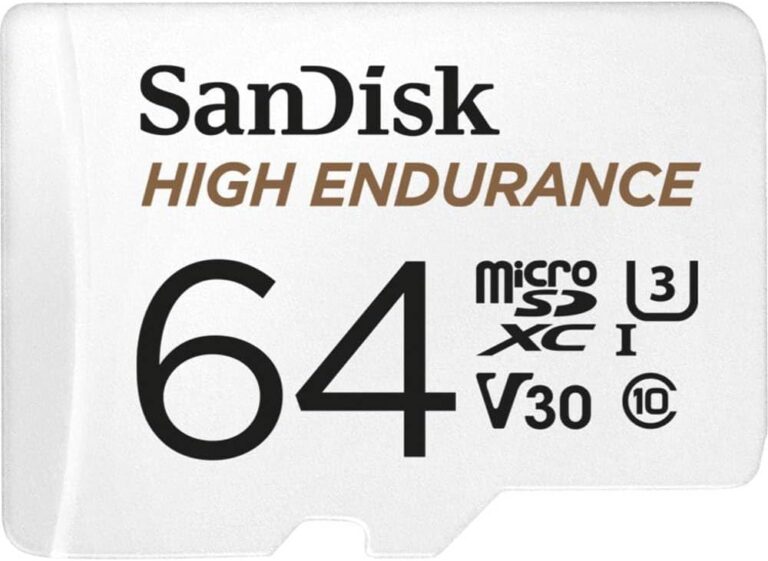
What to do instead: Calculate expected storage consumption based on recording duration, resolution settings, and desired retention periods. Opt for expandable storage options supporting high-capacity cards (typically 256GB+) and consider cloud backup solutions for offsite archival purposes. Regularly audit usage patterns and adjust configurations accordingly.
❌ Mistake: Neglecting Driver Training Needs
Why it’s bad: Failing to educate drivers about dash cam functionality, privacy implications, and proper handling procedures breeds confusion, resentment, and misuse. Uninformed personnel may accidentally delete important files, disable safety features, or violate local laws regarding recording consent—undermining intended benefits and creating compliance headaches.
What to do instead: Develop structured training programs covering device operation basics, legal guidelines by jurisdiction, and protocols for responding to triggered recordings. Provide accessible cheat sheets, video demonstrations, and designated support contacts to reinforce learning outcomes and encourage responsible usage habits.
❌ Mistake: Skipping Integration Testing
Why it’s bad: Deploying dash cams without thorough testing in real-world scenarios exposes fleets to unexpected compatibility issues, performance gaps, or workflow disruptions. Untested systems may interfere with other onboard electronics, generate excessive false positives, or require costly retrofits after initial rollout concludes.
What to do instead: Conduct pilot deployments involving select vehicles representative of typical routes and conditions. Monitor performance metrics closely during trial periods, gather feedback from participating drivers and mechanics, and refine configurations iteratively before scaling up company-wide implementations.
❌ Mistake: Disregarding Maintenance Schedules
Why it’s bad: Treating dash cams as “set-and-forget” devices neglects routine cleaning, firmware updates, and diagnostic checks essential for sustained reliability. Dust buildup obscures lenses, outdated software introduces security vulnerabilities, and loose connections cause intermittent failures—all avoidable through proactive maintenance routines.
What to do instead: Establish preventive maintenance calendars aligned with scheduled inspections, oil changes, or seasonal transitions. Assign responsibilities clearly within maintenance departments, document completed tasks electronically, and track compliance rates to ensure consistent upkeep across entire fleets.
❌ Mistake: Underestimating Legal Implications
Why it’s bad: Operating dash cams without understanding applicable laws surrounding consent, data retention, and disclosure obligations invites regulatory penalties, civil lawsuits, and reputational damage. Jurisdictional rules governing audio recording, employee notification requirements, and chain-of-custody procedures vary widely and must be respected rigorously.
What to do instead: Research federal, state, and municipal regulations affecting electronic surveillance in workplace settings. Draft clear policies outlining acceptable use guidelines, obtain necessary consents from employees, and implement secure data management practices compliant with privacy statutes like HIPAA or GDPR where relevant.
Budget Guidelines: How Much Should You Spend?
Determining appropriate spending levels requires aligning financial resources with strategic objectives, risk tolerance thresholds, and operational complexities inherent to each fleet profile. Rather than applying blanket assumptions about ideal price points, assess individual circumstances holistically before allocating funds toward dash cam acquisitions.
Entry-Level ($150 – $250)
This tier targets small fleets, owner-operators, or startups prioritizing basic compliance without breaking the bank. Products within this range typically deliver solid full HD recording capabilities paired with essential features like loop recording, G-sensor activation, and straightforward installation processes. While lacking advanced functionalities such as GPS tracking or cloud connectivity, these affordable solutions suffice for drivers traversing predictable routes under moderate risk profiles.
Typical inclusions: Single-lens internal cameras, microSD card support up to 128GB, compact form factors, and limited warranty coverage. Ideal candidates include regional carriers focused on local deliveries, independent contractors operating single-unit fleets, or businesses transitioning from paper logs to digital documentation methods.
Mid-Range ($250 – $400)
The sweet spot for most commercial operations balances affordability with enhanced reliability and expanded feature sets. Mid-tier offerings attract medium-sized fleets seeking dependable performance across diverse conditions while maintaining manageable acquisition costs. Expect improvements in build quality, night vision sensitivity, shock absorption, and user interface intuitiveness compared to budget models.
Common upgrades: Dual-lens configurations (front/rear), embedded GPS modules, larger storage capacities (256GB+), improved low-light algorithms, and longer warranty periods. Suitable for companies operating mixed fleets, handling hazardous materials, or requiring detailed driver behavior analytics for coaching initiatives.
Premium ($400 – $600)
High-end systems cater to large enterprises, government contractors, or specialty carriers demanding maximum protection against liability exposure and operational disruption. These sophisticated platforms integrate seamlessly with existing telematics ecosystems, offer redundant backup mechanisms, and provide granular control over recording parameters and alert thresholds.
Advanced capabilities: Multi-sensor arrays, AI-powered event detection, encrypted cloud storage, real-time streaming, automated firmware updates, and professional-grade mounting solutions. Target markets include logistics giants, refrigerated transport specialists, and emergency response units operating under strict safety mandates.
Luxury ($600+)
Ultra-premium dash cams represent the pinnacle of engineering excellence, reserved for missions requiring absolute certainty in evidence collection and system resilience. Often developed in collaboration with military or aerospace partners, luxury units push technological boundaries through proprietary sensor technologies, hardened enclosures, and fail-safe architectures designed to survive catastrophic failures.
Exclusive features: 4K/8K recording, hyperspectral imaging, predictive analytics, satellite connectivity, biometric authentication, and modular expandability. Primarily utilized by federal agencies, private security firms, and ultra-high-value cargo handlers where failure consequences outweigh implementation expenses exponentially.
Expert Tips for Getting the Best Deal
1. Timing Your Purchase Strategically
Achieve significant savings by aligning dash cam acquisitions with seasonal sales cycles or new model launches. Retailers typically discount previous-generation inventory ahead of upcoming releases, while end-of-year clearance events offer steep markdowns on remaining stock. Additionally, monitor holiday promotions such as Black Friday, Cyber Monday, or Memorial Day deals targeting commercial equipment categories.
2. Comparing Online vs In-Store Retailers
Online marketplaces provide broader selection breadth, competitive pricing transparency, and convenient home delivery options ideal for remote fleet operators. Conversely, brick-and-mortar stores permit hands-on testing, immediate pickup availability, and face-to-face consultations with knowledgeable staff—valuable advantages when evaluating ergonomics or installation requirements firsthand.
3. Identifying Authentic Discount Opportunities
Beware of counterfeit listings or inflated original prices masking true savings. Verify authenticity through manufacturer authorization badges, third-party seller ratings, and cross-checking MSRP declarations against official channels. Exclusive partnerships between brands and select retailers sometimes unlock hidden promo codes or bundle offers unavailable elsewhere.
4. Evaluating Extended Warranty Value
While base warranties cover manufacturing defects, extended plans add peace of mind against accidental damage or wear-and-tear beyond standard terms. Assess coverage limits, deductible amounts, claim approval timelines, and geographic restrictions before committing to supplemental protection—prioritize providers with responsive service networks localized to your operating regions.
5. Understanding Return Policies
Flexible return windows empower buyers to test hardware under realistic conditions without fear of financial loss if expectations aren’t met. Confirm restocking fees, condition requirements, and processing durations upfront; prefer policies allowing full refunds within 30 days regardless of usage history.
6. Requesting Demonstration Units
Hands-on experience reveals nuances invisible during online browsing—obtain loaner devices for trial periods matching typical trip durations. Evaluate ease of mounting, button responsiveness, screen readability, and software navigation during actual driving scenarios before finalizing decisions.
7. Negotiating Volume Discounts
Leverage procurement power through collective bargaining with fellow fleet operators or joining buying cooperatives specializing in transportation technology. Manufacturers frequently reserve exclusive incentives for qualified groups exceeding minimum order quantities, translating into per-unit reductions or complimentary accessories.
8. Monitoring Refurbished Inventory
Certified refurbished units undergo rigorous inspection and reconditioning processes returning them to like-new status at substantially lower price points. Ensure refurbishment standards meet industry benchmarks, backed by transferable warranties matching new product terms.

Frequently Asked Questions
Q: Can dash cams operate effectively in extreme temperatures common in desert or arctic regions?
A: Yes, but only when selecting equipment rated for broad operating temperature ranges exceeding -4°F to 140°F (-20°C to 60°C). Look for industrial-grade components with conformal coating protecting against condensation, frost formation, or thermal shock. Some premium models employ active heating/cooling systems maintaining optimal internal climates regardless of external fluctuations.
Q: Do I need separate dash cams for tractor and trailer units?
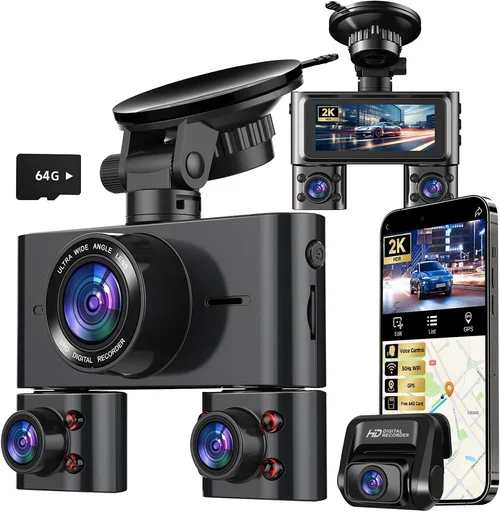
A: Not necessarily—dual-lens systems capturing both front and rear perspectives eliminate the need for additional rear-facing units unless specifically required by regulation or operational protocol. However, trailers lacking electrical connections pose challenges for powered recording; consider wireless transmitters or battery-backed backup cameras instead.
Q: How much storage space do I actually need for typical 10-hour shifts?
A: Assuming full HD recording at 30 fps with moderate compression, allocate approximately 1 GB per hour of footage. Thus, ten hours demand ~10 GB minimum—ideally double that for buffer retention and event tagging. Opt for expandable storage supporting 256GB+ microSD cards or cloud-based archival solutions scalable to petabyte levels.
Q: Are there legal restrictions on using dash cams in commercial vehicles?
A: Regulations vary significantly by jurisdiction regarding audio recording consent, data retention periods, and permissible usage contexts. Generally, video-only recording enjoys wider acceptance, but always consult local authorities before implementing nationwide rollouts. Implement clear policies informing employees about monitoring practices and obtain necessary consents where mandated.
Q: What constitutes adequate night vision performance for highway driving?
A: Effective night vision requires combination of wide aperture lenses (f/1.6 or faster), high-sensitivity image sensors capable of capturing detail in moonlight or streetlight illumination, and intelligent noise reduction algorithms minimizing graininess without blurring critical objects. Test footage during twilight hours and nighttime scenarios before committing to purchases.
Q: How frequently should firmware updates be applied?
A: Whenever available—manufacturers release patches addressing security flaws, improving stability, adding features, or fixing bugs identified post-deployment. Enable automatic update notifications whenever possible, but manually verify integrity through checksum validation before applying critical revisions fleet-wide.
Q: Can dash cams integrate with existing ELD or telematics platforms?
A: Many modern systems support API integrations exporting timestamped video metadata synchronized with ELD-generated logs. Verify compatibility matrices published by platform providers before purchasing, ensuring seamless data exchange avoiding duplicate entries or conflicting timestamps.
Q: What happens if the dash cam loses power during recording?
A: Most devices utilize circular buffering ensuring recent footage remains protected during brief power interruptions (<2 seconds). However, prolonged outages exceeding buffer capacity result in overwritten content loss. Install uninterruptible power supplies (UPS) or hardwire kits drawing directly from alternator outputs maintaining continuous operation.
Q: How do I securely store recorded evidence for legal admissibility?
A: Preserve chains of custody through encrypted storage media, write-once optical discs, or cloud vaults with audit trails documenting access permissions and modification histories. Follow established forensic standards maintaining original file integrity without alteration or compression artifacts compromising authenticity.
Q: Are there insurance premium reductions available for fleets equipped with dash cams?
A: Numerous insurers offer substantial discounts recognizing reduced accident frequencies and improved claim outcomes associated with video documentation. Contact preferred providers requesting certified dash cam program qualifications, providing proof of installation compliance with recognized safety standards.
Our Final Recommendations
Best for Budget-Conscious Buyers
Viofo A119 v3: This compact single-lens dash cam delivers reliable full HD recording at an unbeatable price point while maintaining respectable night vision performance and intuitive controls. Its magnetic mount simplifies installation on curved truck dashboards, and the included 64GB microSD card handles moderate storage needs without fuss. Ideal for owner-operators or small fleets prioritizing core functionality over frills.
Best Overall Value
Thinkware U1000: Combining 4K Ultra HD resolution with dual-channel recording capability, this German-engineered marvel sets new benchmarks for image clarity and versatility. Integrated GPS logging, parking mode with impact sensing, and cloud connectivity create a holistic ecosystem supporting everything from basic compliance to advanced analytics. Though pricier than entry-level rivals, its robust build quality and feature richness justify the investment for growing fleets.
Best Premium Option
BlackVue DR970X-2CH Cloud: Renowned for pioneering cloud-connected dash cam technology, BlackVue empowers remote monitoring through secure Wi-Fi hotspots and mobile apps delivering live streams and instant event alerts. The DR970X series boasts stunning 4K front camera paired with crisp 1080p rear views, all housed in military-grade enclosures resisting vibration-induced failures. Seamless integration with existing telematics stacks makes this ideal for enterprise-scale deployments.
Best for Beginners
Garmin Dash Cam Mini 2: Despite its diminutive size, this plug-and-play wonder delivers hassle-free operation perfect for novice users unfamiliar with complex menus or technical jargon. Automatic recording starts upon ignition, while loop recording and G-sensor safeguards preserve critical moments effortlessly. Compact footprint minimizes obstructions without sacrificing essential visibility.
Best for Advanced Users
Nextbase 622GW: Packed with cutting-edge features including Alexa voice control, emergency SOS button, and predictive collision warnings leveraging AI algorithms trained on millions of miles of driving data, this British innovation pushes boundaries beyond conventional recording paradigms. Built-in Wi-Fi enables instant social sharing of noteworthy incidents, while robust housing withstands punishing road conditions encountered during cross-country hauls.
Best for Rugged Environments
Samsung Galaxy SmartCam S: Originally designed for outdoor surveillance, this weatherproof marvel incorporates IP66-rated casing shielding against dust ingress and powerful water jets—perfect for uncovered parking lots or coastal routes. Night vision excels even under starlight conditions thanks to advanced starlight CMOS sensors, while flexible mounting options adapt to varied truck architectures seamlessly.
Best for Fleet Management Integration
Verizon Connect Reveal: As part of Verizon’s comprehensive fleet management suite, Reveal dash cams sync effortlessly with telematics data streams providing unified dashboards displaying vehicle health, driver behavior metrics, and incident timelines in one place. Real-time alerts notify dispatchers immediately following speeding, harsh braking, or unscheduled stops, enabling rapid response coordination.
Best for Parking Surveillance
YI Technology Front & Cabin Cam: Featuring split-screen recording showing both road ahead and cab interior simultaneously, this dual-display system deters theft attempts and monitors cargo integrity during layovers. Motion-activated parking mode conserves battery life while capturing suspicious activity around parked rigs, supported by reliable 128GB onboard storage accommodating multi-day surveillance windows.
Best for Audio Evidence
Rand McNally IntelliRoute TND 750: Beyond navigation prowess, this all-in-one device doubles as a high-fidelity audio recorder capturing cockpit conversations with studio-quality clarity. Integrated microphone array isolates speaker voices from background noise, while automatic gain control maintains consistent volume levels across varying acoustic environments—ideal for depositions or arbitration hearings.
Best for Compliance Reporting
Omnitracs Video Insights: Tailored explicitly for FMCSA compliance requirements, this platform automates Hours-of-Service reporting by correlating video timestamps with electronic logs, reducing administrative burdens and minimizing audit discrepancies. Customizable alert rules flag potential violations proactively, while encrypted cloud storage meets strict data retention mandates imposed by regulatory bodies.
Conclusion: Making the Right Choice
Selecting the optimal dash cam brand for your semi-truck fleet transcends mere equipment acquisition—it represents a strategic commitment to safety, accountability, and operational excellence across every mile traveled. By embracing a disciplined evaluation framework grounded in real-world requirements rather than marketing rhetoric, you position your organization to harness the full potential of modern surveillance technologies while mitigating associated risks responsibly.
Remember that no single dash cam universally outperforms others for every conceivable application; instead, match hardware capabilities precisely to your unique operational profile encompassing route complexity, cargo value, regulatory landscape, and available resources. Whether prioritizing affordability, advanced analytics, or maximum durability, conducting thorough due diligence ensures informed decisions benefiting all stakeholders involved.
Investment in reputable brands backed by transparent warranties, responsive support networks, and proven track records delivers compounding returns through reduced incidents, streamlined workflows, and enhanced driver morale. Equip your team with confidence knowing they operate behind reliable eyes watching over every turn, intersection, and unexpected challenge encountered along America’s vast highway network.
As transportation evolves toward autonomous integration and connected ecosystems, today’s dash cam investments lay foundational bricks enabling tomorrow’s innovations. Choose wisely, deploy deliberately, and reap rewards measured not just in saved dollars but preserved lives and strengthened reputations forged through unwavering commitment to excellence.