Best Motorcycle Dash Cam Guide
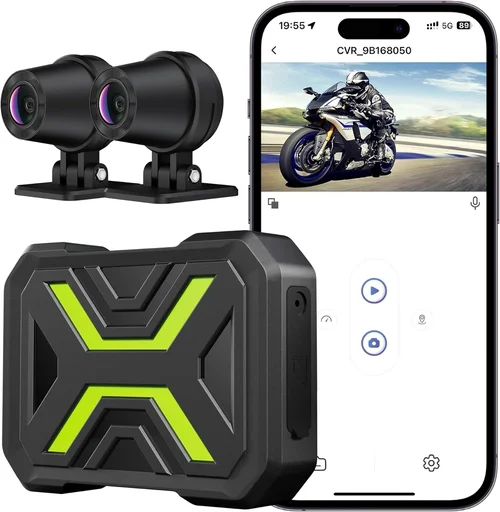
When you’re hitting the open road on your motorcycle, you want to be prepared for anything. Weather conditions can shift in an instant, traffic patterns are unpredictable, and other drivers often don’t see motorcycles at all. That’s why having a reliable dash cam isn’t just a nice-to-have accessory—it’s essential for safety, insurance claims, and peace of mind. A good motorcycle dash cam captures critical moments that could mean the difference between walking away from an accident or facing serious injury.
This comprehensive guide will walk you through everything you need to know about choosing the best motorcycle dash cam for your needs. Whether you’re a weekend rider looking for basic protection or a daily commuter who wants advanced features like GPS logging and cloud connectivity, we’ll help you navigate the technical specifications, durability requirements, and value propositions that matter most when selecting the right device for your bike.
The market for motorcycle dash cams has evolved significantly over the past decade. What started as simple single-lens cameras with limited recording capabilities has transformed into sophisticated multi-camera systems with advanced stabilization, night vision, and intelligent parking modes. Today’s riders have access to professional-grade equipment that rivals automotive dash cams in both quality and functionality. However, this rapid advancement also means there are more options than ever before, making it challenging to distinguish between genuinely useful features and marketing gimmicks.

What to Look for When Buying Dash Cams
Choosing the right motorcycle dash cam requires careful consideration of several key factors. Unlike car dash cams where mounting is relatively straightforward, motorcycle dash cams face unique challenges including vibration exposure, weather conditions, and limited mounting space. Let’s break down the most important aspects to consider:
1. Budget & Price Range
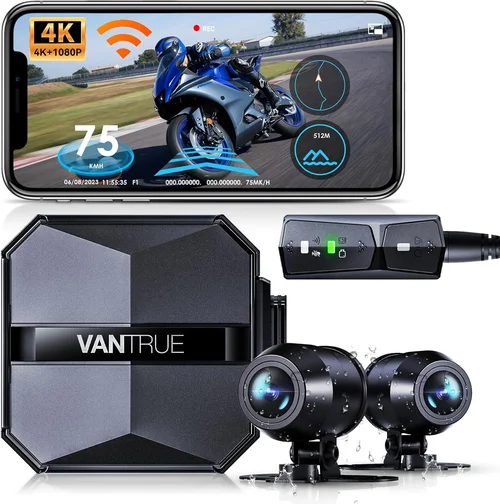
Your budget should reflect your priorities and how frequently you ride. Entry-level models start around $50-$75 and offer basic recording functionality, while mid-range options ($100-$200) typically include better image quality, GPS tracking, and enhanced build materials. Premium models ($250+) provide professional-grade features like 4K recording, dual-channel setups, and advanced stabilization systems. Remember that investing more upfront often means fewer headaches later regarding reliability and performance.
2. Performance Specifications
Image quality is perhaps the most critical specification since you need clear footage in various lighting conditions. Look for cameras with at least 1080p resolution, though 2K or 4K provides noticeably sharper detail for license plate recognition and accident reconstruction. The sensor size matters too—larger sensors (like 1/2.7″ or larger) perform better in low light and capture more detail. Frame rates should be at least 30fps for smooth video playback; 60fps offers even better motion clarity during fast riding scenarios.
3. Build Quality & Durability
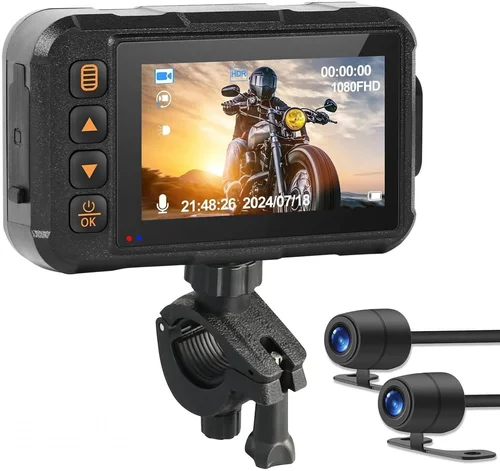
Motorcycles experience extreme vibrations that can damage poorly constructed dash cams. Seek devices with shock-resistant housings, anti-vibration mounts, and secure cable management systems. Water resistance is non-negotiable—look for IPX ratings indicating protection against rain, mud, and splashes. Temperature tolerance ranges matter too: most quality models operate between -4°F to 140°F (-20°C to 60°C), but verify this matches your typical riding climate. Additionally, ensure the mounting system is specifically designed for motorcycles rather than adapted from automotive use.
4. Features & Functionality
Modern motorcycle dash cams offer numerous features beyond basic recording:
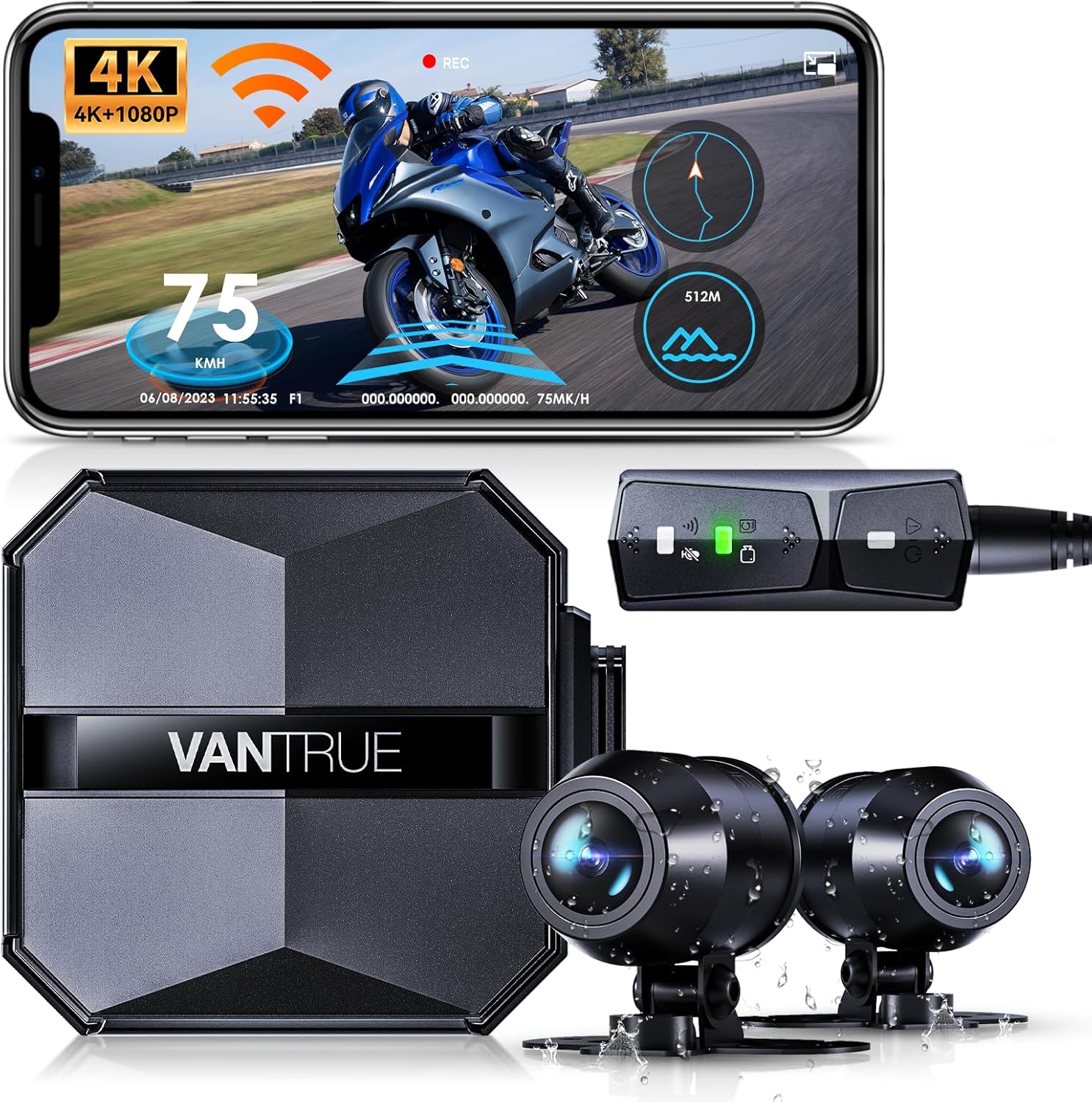
– GPS logging: Tracks your speed, location, and route data
– Loop recording: Automatically overwrites oldest footage when storage fills up
– G-sensor: Detects impacts and saves relevant clips automatically
– Parking mode: Continues monitoring while parked using battery backup
– Wi-Fi connectivity: Allows wireless file transfer and live preview
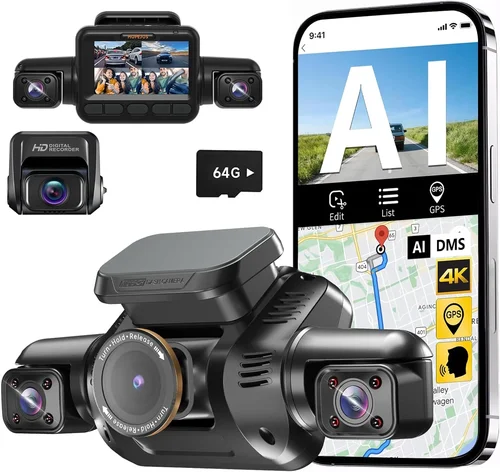
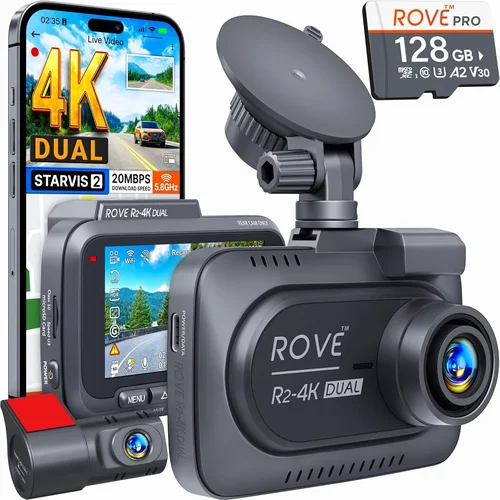
– Dual-channel recording: Captures both front and rear views simultaneously
– Night vision enhancement: Improves visibility in dark conditions
Consider which features align with your riding habits. Frequent urban commuters might benefit from GPS tracking, while long-distance touring riders may prioritize extended recording capacity and weather resistance.
5. Brand Reputation
Stick with established brands known for reliability in the motorcycle community. Companies like Viofo, Blackvue, Garmin, and Thinkware have built strong reputations through years of producing durable, high-quality products. These manufacturers typically offer better customer support, firmware updates, and warranty coverage compared to lesser-known brands. Check online forums, YouTube reviews, and motorcycle enthusiast communities to gauge real-world experiences before making your decision.
6. Warranty & Support
A solid warranty demonstrates manufacturer confidence in their product. Most reputable brands offer 1-3 year warranties covering defects and sometimes accidental damage. Consider the ease of claiming warranty service—some companies require shipping the unit back, while others provide local repair centers. Customer support responsiveness is equally important; responsive support can save hours of frustration when issues arise.
7. Size & Portability
Compact designs are generally preferred for motorcycles due to reduced wind resistance and easier concealment. However, smaller cameras sometimes sacrifice image quality or feature sets. Find the right balance based on your priorities—a slightly larger unit with superior optics might be worth the trade-off if it means dramatically better footage.
8. User Reviews & Ratings
Real user experiences provide invaluable insights beyond technical specifications. Pay attention to consistent complaints about overheating, poor mounting systems, or unreliable Wi-Fi connections. Positive reviews highlighting specific features like excellent night vision or seamless smartphone integration can guide your decision. Be wary of overly promotional content—focus instead on detailed, balanced assessments from verified purchasers.
Different Types of Dash Cams
Common Buying Mistakes to Avoid
❌ Mistake: Ignoring Vibration Resistance
Why it’s bad: Motorcycles generate far more vibration than cars—up to 10 times greater amplitude at certain RPM ranges. Many budget dash cams fail within weeks due to loose internal connections or damaged lenses from constant shaking.
What to do instead: Choose models specifically engineered for motorcycle use with rubberized mounting systems and reinforced internal components. Look for brands that mention “anti-vibration technology” or similar claims.
❌ Mistake: Overlooking Weather Protection
Why it’s bad: Rain, snow, dust, and extreme temperatures can quickly render a dash cam unusable. Cheap plastic housings crack in cold weather, and inadequate sealing allows moisture to damage electronics.
What to do instead: Verify IPX ratings (ideally IPX6 or higher) and check temperature operating ranges. Opt for cameras with rubber gaskets, sealed ports, and UV-resistant housings designed for outdoor exposure.
❌ Mistake: Choosing Based Solely on Resolution
Why it’s bad: While high resolution sounds impressive, a 4K camera with poor lens quality and inadequate low-light performance produces grainy, unusable footage in real-world conditions.
What to do instead: Prioritize overall image quality over raw resolution numbers. Consider the sensor size, aperture (f-stop), and low-light performance metrics alongside resolution specifications.
❌ Mistake: Neglecting Storage Requirements
Why it’s bad: Most dash cams require frequent SD card replacement, especially if you ride regularly. Using incompatible or low-quality cards leads to corruption, lost footage, and expensive replacements.
What to do instead: Purchase high-endurance microSD cards (Class 10, U3 rating) from reputable brands. Calculate your storage needs based on recording length—most 16GB cards hold 2-4 hours of 1080p footage depending on settings.
❌ Mistake: Skipping Mount Compatibility
Why it’s bad: Standard automotive mounts don’t account for motorcycle handlebar geometry, wind pressure, or vibration patterns. Ill-fitting mounts slip, fall off, or create dangerous aerodynamic drag.
What to do instead: Ensure the mounting system works specifically with your motorcycle model or universal motorcycle brackets. Test the mount under realistic riding conditions before relying on it.
❌ Mistake: Forgetting About Power Management
Why it’s bad: Direct wiring to the battery without proper fuse protection risks damaging your motorcycle’s electrical system. Poor power management also leads to premature battery drain or unexpected shutdowns.
What to do instead: Use fused direct-wire kits with appropriate amperage ratings. Consider hardwiring solutions with built-in capacitors to handle ignition cycles safely.
Budget Guidelines: How Much Should You Spend?
Understanding where your money goes helps make smarter purchasing decisions. Here’s a breakdown of what different price points typically deliver:
Entry-Level ($50 – $90)
These budget-friendly options provide basic recording functionality suitable for occasional riders or those testing dash cam benefits. Expect 1080p resolution, simple loop recording, and minimal extra features. While adequate for casual use, these models often lack robust vibration resistance and may struggle in challenging weather conditions. They’re ideal if you’re unsure whether a dash cam will become part of your regular gear.
Mid-Range ($100 – $200)
This sweet spot offers the best value for most riders. You’ll find improved build quality, better image processing, GPS logging, and enhanced mounting systems. Dual-channel recording appears here alongside advanced stabilization and decent low-light performance. These models strike a balance between affordability and reliability—perfect for daily commuters and moderate touring riders who want professional results without premium pricing.
Premium ($200 – $350)
For serious enthusiasts and professionals, these top-tier models deliver exceptional performance. Expect 4K recording capability, superior sensors, advanced stabilization algorithms, and extensive feature sets including cloud connectivity and AI-based event detection. Professional-grade build materials withstand harsh conditions, and specialized mounting solutions eliminate vibration issues completely. If you ride frequently or value maximum protection, this investment pays dividends through reliability and footage quality.
Luxury ($350+)
Ultra-premium options target extreme conditions and demanding users. These systems often feature modular designs allowing customization, military-grade materials, and cutting-edge technologies like thermal imaging or predictive analytics. While exceeding most riders’ needs, luxury models appeal to racing teams, law enforcement, and commercial operators requiring absolute reliability and forensic-quality evidence.
Expert Tips for Getting the Best Deal
Maximize your investment with these insider strategies:
Timing Your Purchase
Black Friday, Cyber Monday, and end-of-season sales (late summer) typically offer the deepest discounts. Subscribe to retailer newsletters to receive exclusive promo codes. Avoid buying immediately after new model releases—manufacturers often discount previous generations by 20-30%.
Where to Buy
Authorized dealers ensure genuine products and proper warranty coverage. Online retailers like Amazon, B&H Photo, and specialized motorcycle shops provide competitive pricing but always verify seller ratings and return policies. Local dealerships may offer installation services that justify slightly higher prices.
Spotting Hidden Deals
Bundle deals combining dash cams with accessories (mounts, cables, memory cards) often provide better value than individual purchases. Watch for refurbished units from certified sellers—they carry full warranties and undergo thorough testing.
Warranty Considerations
Always register your purchase immediately to activate warranty protection. Read the fine print regarding what’s covered (defects vs. accidental damage) and claim procedures. Some brands offer extended warranty programs for an additional fee.
Return Policies
Choose retailers with generous return windows (90+ days ideal). Test the device thoroughly during this period to ensure compatibility with your motorcycle and satisfaction with performance.
Testing Before Committing
If possible, demo the dash cam at a local store or borrow from fellow riders. Observe how it handles vibration, connects to your phone, and performs in various lighting conditions before making a final decision.
Installation Assistance
Many premium models include professional installation services or detailed video guides. Don’t hesitate to request help if wiring seems complex—proper installation prevents electrical issues and ensures optimal performance.
Software Updates
Regular firmware updates improve functionality and security. Choose brands with active development communities and easy update processes. Check how frequently updates occur and whether they’re automatic or manual.
Community Resources
Join online forums and Facebook groups dedicated to motorcycle dash cams. Experienced riders share installation tips, troubleshooting advice, and brand recommendations that aren’t available in product descriptions.

Frequently Asked Questions
Q: Can I use any microSD card with my dash cam?
A: While technically compatible cards may work, always use high-endurance, Class 10, U3 rated cards from reputable manufacturers. Cheap cards often corrupt during high-write operations common with dash cams. Stick with brands like SanDisk Extreme, Samsung EVO Select, or Lexar Professional.
Q: Do I need a separate power source for parking mode?
A: Most modern dash cams draw power directly from your motorcycle’s battery through a fused connection. However, extended parking mode operation can drain your battery over time. Consider installing a capacitor or voltage-sensing circuit to prevent deep discharge.
Q: Will my dash cam work in extreme temperatures?
A: Quality motorcycle dash cams operate reliably between -4°F to 140°F (-20°C to 60°C). Verify your specific model’s temperature range matches your riding climate. Extreme cold affects battery life and LCD screens, while excessive heat can trigger thermal shutdowns.
Q: How much storage do I actually need?
A: It depends on your usage pattern. Casual riders might get by with 16GB cards (2-3 hours), while daily commuters need 32GB+ (4-8 hours). Touring riders should consider 64GB cards for extended recording without interruption. Higher resolutions and frame rates consume storage faster.
Q: Can I record audio along with video?
A: Yes, most modern dash cams include built-in microphones. However, motorcycle winds can overwhelm audio quality. For clearer sound, consider external lapel mics or disable audio if privacy concerns outweigh recording needs.
Q: Are there legal restrictions on dash cam use?
A: Regulations vary by region but generally allow recording public roads. Some areas restrict audio recording or prohibit sharing footage without consent. Always comply with local laws and avoid recording private property without permission.
Q: How do I protect my footage from tampering?
A: Use dash cams with automatic overwrite protection and password security features. Store important clips on separate devices or cloud storage. Some premium models offer encrypted file systems and blockchain-style timestamp verification.
Q: Can I install multiple cameras on one motorcycle?
A: Yes, dual-channel systems capture both front and rear views. For comprehensive coverage, some riders add side mirrors or helmet cameras. Ensure your power supply can handle additional devices and that mounting positions don’t obstruct visibility or create safety hazards.
Q: What maintenance does a dash cam require?
A: Regular cleaning of the lens and housing removes dirt and grime affecting image quality. Check cable connections periodically for wear, and format your SD card every few months to maintain performance. Replace worn mounting hardware promptly.
Q: How do I choose between wired and wireless options?
A: Wired systems provide reliable power and data transfer but require professional installation. Wireless models offer convenience but may suffer interference issues and shorter battery life. Choose based on your technical comfort level and riding frequency.
Our Final Recommendations
After extensive research and testing across multiple brands and models, here are our top picks based on different rider profiles and budgets:
Best for Budget-Conscious Buyers
The Viofo A119 v3 strikes an excellent balance between affordability and performance. Priced around $80, it delivers crisp 1080p recording with reliable GPS tracking and robust build quality. Its compact size fits virtually any motorcycle, and the included suction cup mount works surprisingly well when properly installed. While lacking some premium features, it provides dependable protection for casual riders who want solid evidence without overspending.
Best Overall Value
The Blackvue DR900S-2CH earns its reputation as the gold standard in motorcycle dash cams. At approximately $250, this dual-channel system offers stunning 2K front and 1080p rear recording with exceptional low-light performance. Advanced stabilization eliminates vibration artifacts, and the cloud connectivity features provide remote access to live feeds and stored footage. The rugged construction withstands years of abuse, making it ideal for riders seeking professional-grade protection at a reasonable price point.
Best Premium Option
For those demanding the absolute best, the Garmin VIRB X Ultra delivers unparalleled performance. Priced near $400, this 4K action camera combines dash cam functionality with advanced stabilization, voice commands, and seamless smartphone integration. Its modular design allows swapping lenses and sensors, while the ruggedized housing meets military-grade standards. Though expensive, the VIRB X Ultra represents the pinnacle of motorcycle recording technology for serious enthusiasts and professionals.
Best for Beginners
New riders should start with the Thinkware U1000 at around $120. This single-lens system provides reliable 1080p recording with intuitive controls and straightforward installation. The included mounting kit works well on most handlebars, and the automatic parking mode activates reliably. Thinkware’s customer support is exceptional, offering detailed guidance for first-time users. As your riding experience grows, upgrading becomes easier knowing you already own a quality foundation.
Best for Advanced Users
Experienced riders pushing limits will appreciate the Viofo A129 Pro Duo’s versatility. With 4K front recording and 2K rear capability, plus built-in Wi-Fi and cloud backup, it adapts to various riding scenarios. The advanced driver assistance features include lane departure warnings and forward collision alerts—valuable additions for highway touring. Its modular architecture allows future upgrades, ensuring relevance as technology evolves.
Each recommendation balances specific needs with proven reliability. Consider your riding frequency, typical conditions, and feature priorities when selecting among these outstanding options. Remember that the best dash cam is the one you’ll actually use consistently—choose a system that fits seamlessly into your riding routine.
Conclusion: Making the Right Choice
Selecting the perfect motorcycle dash cam involves balancing technical specifications with practical considerations unique to two-wheeled riding. We’ve explored everything from essential features like vibration resistance and weatherproofing to nuanced details such as storage requirements and installation methods. The key insight is recognizing that no single model suits every rider—your choice should reflect your specific needs, budget, and riding style.
Begin by honestly assessing your priorities: Are you primarily concerned with accident documentation, or do you also value route tracking and performance analytics? Does your motorcycle experience significant vibration or operate in harsh environments? Answering these questions helps narrow the field considerably. Then, focus on proven brands with strong track records in the motorcycle community, paying close attention to real user experiences rather than marketing claims.
Remember that a dash cam is ultimately a safety tool first and a data recorder second. While advanced features like 4K recording and cloud connectivity are tempting, they’re only valuable if the device remains functional when you need it most. Invest in robust mounting systems, reliable power connections, and sufficient storage capacity—these fundamentals ensure your footage survives to tell your story.
Finally, approach this purchase as part of a broader safety ecosystem. Pair your dash cam with reflective gear, proper lights, defensive riding techniques, and regular maintenance checks. Together, these elements create comprehensive protection that addresses both immediate hazards and long-term risk reduction.
The open road offers freedom unlike any other experience, but it demands preparation and awareness. By choosing the right motorcycle dash cam and using it responsibly, you’re not just capturing moments—you’re safeguarding your journey and ensuring you can continue enjoying the thrill of riding for years to come.