Best Motorcycle Dash Cam Buying Guide
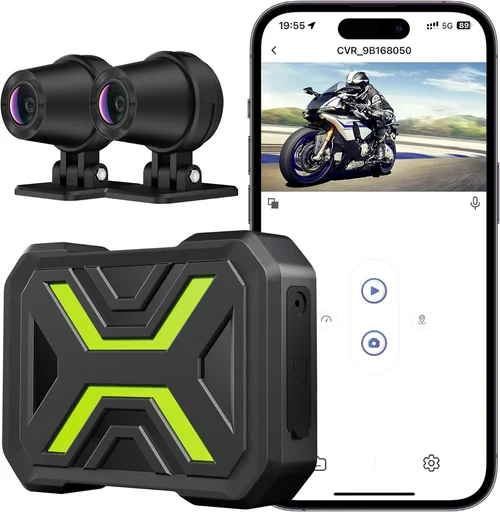
When you’re riding your motorcycle through unpredictable weather, heavy traffic, or challenging terrain, having reliable video evidence can make all the difference in accident investigations, insurance claims, or simply documenting your adventures. A quality motorcycle dash cam isn’t just about capturing footage—it’s about peace of mind, legal protection, and preserving memories of every twist and turn on the road. But with dozens of models flooding the market, each claiming to be the ultimate solution, how do you separate fact from marketing hype?
This comprehensive buying guide cuts through the noise to help you find the perfect motorcycle dash cam for your specific needs, budget, and riding style. Whether you’re a daily commuter navigating urban chaos, an adventure rider exploring remote trails, or a weekend warrior seeking that perfect sunset shot along coastal highways, we’ll walk you through everything you need to know—from essential features and technical specifications to real-world performance considerations and brand reliability. By the end of this article, you’ll have the knowledge and confidence to make an informed decision that enhances both your safety and your riding experience.
The motorcycle dash cam market has evolved dramatically over the past decade, transforming from simple single-lens devices into sophisticated multi-spectrum recording systems. Today’s top models offer advanced stabilization, night vision capabilities, GPS tracking, emergency backup power, and seamless smartphone integration—all designed specifically for the unique challenges of two-wheeled travel. However, not all dash cams are created equal, and understanding what makes certain models stand out in terms of durability, image quality, and usability is crucial for making the right investment.

What to Look for When Buying Dash Cams
1. Budget & Price Range
Before diving into technical specs or brand comparisons, it’s essential to establish your budget framework. Motorcycle dash cams range from affordable entry-level options under $50 to premium professional-grade systems exceeding $500. While it might tempting to go for the cheapest available option, remember that motorcycle environments demand ruggedness, weather resistance, and consistent performance—features often sacrificed in ultra-low-cost models. Consider your riding frequency, typical routes (urban vs. off-road), and whether you need additional safety features like collision detection or emergency recording.
2. Performance Specifications
The heart of any dash cam lies in its core performance metrics. Resolution remains the primary indicator of image clarity, with 1080p being the minimum standard for most riders, while 4K offers exceptional detail for license plate recognition and fine text reading. Frame rate matters too—60fps provides smoother motion capture during high-speed cornering or sudden stops, whereas 30fps may suffice for slower urban riding. Look for cameras with wide dynamic range (HDR) capability to handle both bright sunlit stretches and shaded forest roads without washing out highlights or losing shadow detail.
3. Build Quality & Durability
This factor cannot be overstated when it comes to motorcycle applications. Unlike automotive dash cams mounted behind glass, motorcycle units face constant vibration, temperature extremes, moisture exposure, and potential impacts from debris. Seek models constructed with polycarbonate or aluminum housings, IP67 or higher ingress protection ratings, and shock-resistant mounting systems. The lens should be scratch-resistant with anti-fog coatings, and internal components must maintain functionality across a broad operating temperature range—typically -20°C to +70°C (-4°F to 158°F).
4. Features & Functionality
Modern motorcycle dash cams come packed with specialized functions beyond basic video recording. G-sensor technology automatically saves footage during sudden movements or collisions, preventing overwrite cycles. Built-in GPS tracks your speed, location, and route history, adding valuable context to your recordings. Loop recording ensures continuous operation by automatically deleting oldest files when storage fills up, while parking mode uses battery backup to monitor your bike when parked. Some advanced models even include Wi-Fi connectivity for instant file sharing, voice command support, or integration with cycling computers and fitness trackers.
5. Brand Reputation
Established brands with proven track records in action camera technology tend to deliver more reliable products. Companies like Garmin, BlackVue, Viofo, and Rexing have built strong reputations through consistent quality, responsive customer service, and regular firmware updates. Research user forums, professional reviews, and long-term ownership experiences before committing to lesser-known manufacturers whose products may lack adequate warranty coverage or post-purchase support. A reputable brand also indicates better manufacturing standards and component sourcing.
6. Warranty & Support
Given the harsh conditions motorcycle dash cams endure, comprehensive warranty protection is non-negotiable. Look for at least a 1-year manufacturer warranty covering defects in materials and workmanship, with clear procedures for claim processing. Premium brands often extend coverage to 2-3 years or offer international warranty transferability if you plan cross-country trips. Responsive customer support through multiple channels—phone, email, live chat—can save hours of frustration when troubleshooting issues or requesting replacements.
7. Size & Portability
Compact design plays a dual role: minimizing wind resistance and reducing theft risk while maintaining unobstructed field of view. Ultra-thin profiles under 2 inches tall help reduce drag at highway speeds, while discreet mounting locations (mirror positions, handlebar stems) preserve your bike’s aesthetics. However, extremely small sensors sometimes compromise low-light performance or require larger lenses that affect aerodynamics. Strike a balance between form factor and optical quality based on your primary use case—daily commuting versus occasional touring.
8. User Reviews & Ratings
Real-world feedback from fellow riders provides invaluable insights unavailable in product descriptions alone. Pay attention to recurring themes in reviews regarding reliability over time, ease of installation, software usability, and performance in specific scenarios like rainy conditions or nighttime riding. Be wary of overly positive reviews that seem generic or suspiciously identical across multiple products—genuine user experiences often contain nuanced details about strengths and limitations. Check review sites specializing in motorcycle gear rather than general electronics retailers for more relevant perspectives.
Different Types of Dash Cams

Common Buying Mistakes to Avoid
❌ Mistake: Ignoring Environmental Resistance Requirements
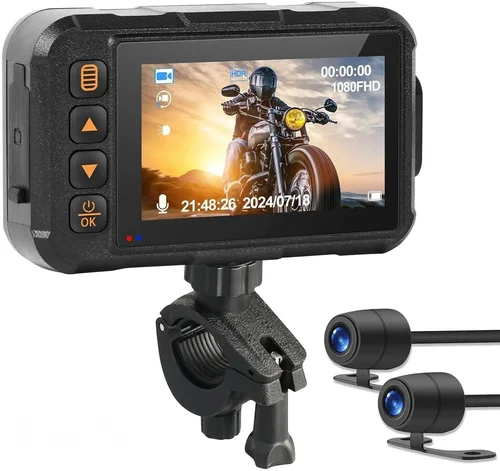
Why it’s bad: Many buyers assume all dash cams can handle motorcycle conditions equally well, but this couldn’t be further from reality. Cheap plastic housings crack under thermal stress from summer heat combined with winter cold, while unsealed connectors allow moisture ingress that corrupts circuitry within months. Without proper IP rating certification, your expensive investment becomes worthless when exposed to rain, snow, or road spray during aggressive riding.
What to do instead: Always verify the device has at least IP65 water/dust resistance rating and operates reliably between -20°C to +70°C. Look for manufacturers who specifically test their products on motorcycles rather than just automotive applications. Consider additional protective measures like hydrophobic lens coatings or secondary weatherproof enclosures for extreme environments.
❌ Mistake: Overlooking Storage Capacity Planning
Why it’s bad: Assuming that included microSD cards will suffice leads to frustrating situations where critical evidence gets overwritten before you realize you need it. High-resolution 4K video consumes storage rapidly—up to 1GB per minute depending on compression settings—meaning a 128GB card might only last 2 hours at maximum quality. Without adequate buffer space, emergency events recorded during loop deletion cycles become permanently lost.
What to do instead: Calculate your expected usage patterns and purchase appropriately sized cards (minimum 64GB recommended, 128GB+ ideal). Choose UHS-I/U3 or V30 rated cards for sustained write performance during continuous recording. Implement a regular file management routine to archive important clips before they’re overwritten, and consider cloud backup solutions for critical evidence.
❌ Mistake: Neglecting Mounting Stability Issues
Why it’s bad: Loose mounts create dangerous blind spots and unreliable operation. Vibration-induced wobbling causes shaky footage unsuitable for evidence purposes, while mounting hardware failure means total loss of recording capability mid-ride. Many inexpensive kits use flimsy zip ties or poorly designed clamps that fail under aerodynamic forces or repeated thermal expansion/contraction cycles.
What to do instead: Invest in professional-grade mounting systems designed specifically for motorcycles, featuring rubberized grips, secure locking mechanisms, and vibration-dampening materials. Test mounts thoroughly before long rides, ensuring no movement occurs even after several hundred miles. Position cameras where they won’t obstruct air intakes or interfere with hand controls while maintaining optimal field of view.
❌ Mistake: Focusing Solely on Video Quality Metrics
Why it’s bad: While resolution numbers grab attention, they don’t tell the whole story about real-world performance. A 4K camera with poor sensor sensitivity produces grainy nighttime footage unusable for identification purposes, while excessive digital sharpening creates artificial artifacts that obscure genuine details. Manufacturers often exaggerate capabilities through software processing rather than actual hardware improvements.
What to do instead: Evaluate video samples from independent reviewers showing performance in various lighting conditions—not just laboratory demonstrations. Prioritize true low-light sensitivity over megapixel counts, and look for natural-looking contrast rather than oversharpened images. Consider how well license plates, road markings, and facial features appear at realistic distances rather than theoretical maximums.
❌ Mistake: Underestimating Power Management Needs
Why it’s bad: Insufficient power delivery causes unexpected shutdowns during critical moments, while improper wiring exposes your electrical system to shorts or voltage spikes. Direct battery connections without proper fusing risk damaging sensitive electronics, and inadequate capacity limits parking mode functionality or prevents startup during cold starts. Many budget models draw too much current, potentially draining batteries overnight or interfering with other accessories.
What to do instead: Use fused direct-to-battery wiring with appropriate gauge cables (16 AWG minimum), and install inline switches for manual control. Choose devices with efficient power consumption profiles and built-in surge protection. Consider adding capacitors or dedicated backup modules for extended parking monitoring without draining main batteries excessively.
❌ Mistake: Assuming Universal Compatibility
Why it’s bad: Not all motorcycle electrical systems match universal specifications, leading to compatibility nightmares. Different battery configurations (12V vs. 24V systems), varying alternator outputs, and proprietary connector types mean “universal” adapters often fail when needed most. Software interfaces may lack native support for certain motorcycle computer protocols, limiting integration capabilities and requiring workarounds that complicate setup.
What to do instead: Verify exact voltage requirements and connector pinouts before purchasing, and consult owner’s manuals or enthusiast forums for your specific model year. Purchase adapters from reputable sources with documented compatibility lists rather than assuming generic parts will work. Test all connections thoroughly before relying on them for safety-critical applications.
❌ Mistake: Skipping Real-World Testing Before Commitment
Why it’s bad: Relying solely on manufacturer claims or online reviews ignores practical realities of your riding environment. What performs well in controlled tests may behave differently under actual highway speeds, variable weather, or prolonged vibration exposure. Software bugs, firmware quirks, and interface usability issues often surface only after extended use rather than brief demonstration periods.
What to do instead: Whenever possible, test equipment on short rides before making final purchases. Pay attention to boot times, menu navigation under helmeted conditions, and overall system responsiveness. Document any anomalies during testing, and don’t hesitate to return items that don’t meet your expectations. Consider borrowing gear from experienced users for hands-on evaluation before committing significant funds.
Budget Guidelines: How Much Should You Spend?
Entry-Level ($30 – $75): The Practical Starter
This price bracket delivers functional dash cams suitable for basic recording needs without breaking the bank. Expect 1080p resolution with 30fps capture, loop recording, and basic G-sensor functionality. While build quality may sacrifice some ruggedness compared to premium models, reputable brands still provide adequate protection for mild weather conditions and moderate riding styles. These units excel for occasional riders, students, or those seeking simple documentation without complex features. Typical limitations include shorter parking mode duration, limited storage options, and fewer advanced settings. However, many entry-level models now include surprisingly robust waterproofing and decent low-light performance thanks to competitive market pressures.
Mid-Range ($75 – $200): The Sweet Spot for Most Riders
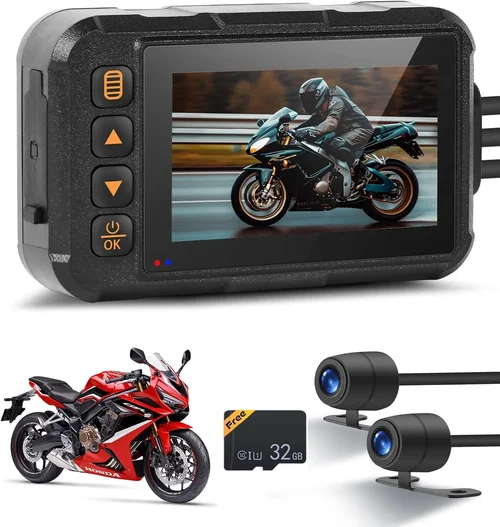
This sweet spot offers excellent value by balancing cost with meaningful improvements in image quality, durability, and feature completeness. You’ll typically find 1080p or 2K resolution with improved sensor sensitivity, enhanced stabilization algorithms, longer-lasting battery backups, and more intuitive user interfaces. Build materials upgrade from plastic to reinforced composites or aluminum alloys, providing better vibration resistance and temperature tolerance. Advanced models in this range introduce dual-lens systems, GPS tracking, and smart connectivity options previously reserved for higher-priced units. This category represents the best compromise between performance and affordability for daily commuters and recreational riders who demand reliability without overspending.
Premium ($200 – $400): For Enthusiasts and Serious Users
Stepping into premium territory unlocks professional-grade capabilities that justify the investment for frequent riders, content creators, or those requiring courtroom-ready evidence. You’ll encounter 4K recording with advanced HDR processing, superior low-light sensitivity, sophisticated electronic image stabilization, and extensive customization options. Materials reach aerospace-grade standards with military-specification sealing, and power management includes intelligent load-sensing to prevent battery drain. Feature sets expand significantly with cloud connectivity, voice control, impact detection sensitivity adjustments, and integration with cycling computers or fitness platforms. While pricing reflects these enhancements, most premium models deliver corresponding improvements in build quality, customer support, and long-term reliability that protect your investment against harsh riding conditions.
Luxury ($400+): Top-Tier Performance and Features
Ultra-premium dash cams represent the pinnacle of motorcycle recording technology, targeting professional racers, documentary filmmakers, and extreme adventure riders who demand uncompromising performance. These systems feature cutting-edge sensors with exceptional dynamic range, multi-spectral recording capabilities (including infrared for nighttime), AI-powered object detection, and redundant storage architectures. Construction utilizes carbon fiber composites and titanium hardware resistant to saltwater corrosion and mechanical stress. Connectivity extends beyond Wi-Fi to include satellite transmission for remote areas, encrypted data links for security, and real-time streaming for live audience engagement. Additional luxury touches include customizable mounting systems, integrated lighting solutions, and concierge-level technical support. While costs approach six figures for complete system integrations, the peace of mind and evidentiary reliability justify expenses for mission-critical applications.
Expert Tips for Getting the Best Deal
Timing Your Purchase Strategically
Avoid peak shopping seasons like Memorial Day, Independence Day, and Black Friday when retailers inflate prices knowing demand surges. Instead, target post-holiday clearance events in January and February when manufacturers refresh product lines. Summer months (June-August) often see discounts as retailers clear winter inventory, while back-to-school promotions in August can yield unexpected deals on outdoor gear categories. Subscribe to manufacturer newsletters and retailer loyalty programs to receive advance notice of flash sales and exclusive member pricing that rarely appear in public advertisements.
Comparing Retailer Strategies
Online marketplaces like Amazon frequently offer price-matching guarantees and lightning deals that beat brick-and-mortar stores, but physical retailers sometimes provide superior in-person support and immediate availability. Specialty motorcycle shops often bundle dash cams with complementary accessories like hardwire kits or mounting brackets, while big-box electronics stores may include extended warranties or free shipping thresholds. Consider purchasing from multiple sources strategically—buy the unit online during a sale and acquire installation services locally for personalized fitting advice.
Identifying Authentic Discounts vs. Hidden Costs
Beware of “free” add-ons that actually increase total cost through bundled mandatory subscriptions or inflated accessory prices. True value comes from transparent pricing without hidden fees for essential features like cloud storage or mobile app access. Compare total package costs including taxes, shipping, and required accessories rather than focusing solely on base unit prices. Read fine print carefully regarding return policies, restocking fees, and warranty transferability before committing to any deal that seems too good to be true.
Evaluating Warranty Terms Beyond Duration
Length isn’t everything—warranty scope determines real protection value. Comprehensive coverage should include labor charges, diagnostic testing, and international validity if applicable. Some manufacturers offer accidental damage protection for additional premiums, while others restrict coverage to factory defects only. Request detailed warranty documentation specifying covered repairs, response timeframes, and authorized service network locations. Ask about firmware update commitments and planned obsolescence policies that might limit future compatibility.
Understanding Return Window Flexibility
Standard 30-day return windows often prove insufficient for thorough testing under real riding conditions. Negotiate extended trial periods or seek retailers offering 60-90 day satisfaction guarantees for motorcycle-specific gear. Ensure return shipping costs remain your responsibility regardless of fault, and confirm original packaging retention requirements to avoid restocking penalties. Test all functionality thoroughly during return periods, including worst-case scenario simulations like cold starts, rainy conditions, or extended parking mode operation.
Conducting Pre-Purchase Compatibility Verification
Verify exact mounting requirements against your motorcycle’s handlebar dimensions, mirror placement constraints, and existing accessory locations before ordering. Confirm power connection compatibility with your electrical system’s amperage capacity and fuse ratings. Check software requirements against your smartphone operating system versions and available storage space for companion apps. Contact manufacturer technical support directly with specific questions about your bike model to avoid costly mistakes from mismatched specifications.
Leveraging Professional Installation Services
While DIY installation saves money initially, professional fitting ensures optimal positioning, secure mounting, and proper wire routing that prevents future failures. Certified technicians understand motorcycle-specific challenges like vibration isolation, heat dissipation near engine components, and interference avoidance with sensitive electronics. Ask about included services like circuit testing, battery drain assessments, and system diagnostics that catch potential issues before leaving the shop. Factor installation costs into total project budgets rather than treating them as separate line items.
Negotiating Bundle Deals for Maximum Value
Request custom bundles combining dash cams with complementary accessories at discounted rates. Essential additions include high-quality microSD cards with guaranteed write speeds, waterproof storage cases, and reliable hardwire kits with inline fuses. Inquire about trade-in programs for old cameras or unused accessories, and ask whether manufacturers offer educational discounts for riding schools or training organizations. Group purchases with fellow riders to achieve volume pricing unavailable to individual consumers.
Monitoring Seasonal Demand Patterns
Demand fluctuates predictably throughout the year based on riding seasons and model release cycles. Spring brings renewed interest in outdoor gear as temperatures rise, creating upward pressure on prices. Summer peaks drive aggressive promotional activity from competitors, while autumn sees clearance of summer inventory at reduced margins. Winter months typically offer the deepest discounts as retailers prepare for next season’s releases. Plan purchases according to these cyclical patterns rather than reacting to immediate needs.
Utilizing Price Tracking Tools and Alerts
Employ browser extensions and dedicated price monitoring services that automatically compare listings across multiple retailers and notify you when target items drop below predetermined thresholds. Set up Google Shopping alerts for specific product names and price ranges, and configure RSS feeds for manufacturer press releases containing new product announcements with early-bird discount codes. Join enthusiast forums where members share insider information about upcoming sales events and exclusive coupon codes distributed to loyal customers.

Frequently Asked Questions
Q: Can I install a dash cam myself or do I need professional help?
A: Basic installation is achievable for mechanically inclined riders using included mounting hardware and straightforward wiring diagrams. However, professional assistance ensures optimal positioning, secure connections, and proper integration with your motorcycle’s electrical system. Certified technicians can diagnose potential conflicts with existing accessories and perform comprehensive system testing to guarantee reliability under real riding conditions.
Q: How much storage do I really need for my riding habits?
A: Minimum 64GB microSD cards suffice for occasional riders averaging 30-minute sessions, while frequent riders or those needing extended parking monitoring benefit from 128GB+ capacities. Calculate based on your typical recording duration multiplied by average file sizes—4K video consumes approximately 1GB per minute, while 1080p uses about 0.5GB per minute. Implement regular file archiving routines to prevent overwrite cycles during extended recording sessions.
Q: Will dash cam installation void my motorcycle warranty?
A: Legally, manufacturers cannot void warranties solely due to aftermarket modifications if the installation meets industry standards and doesn’t cause related damage. Document all work performed, use OEM-compatible components, and avoid modifications that compromise structural integrity or safety systems. If disputes arise, federal regulations prohibit warranty denial based on unrelated modifications unless directly linked to reported failures.
Q: How does weather affect dash cam performance?
A: Modern dash cams with proper sealing maintain functionality through light rain and snowfall, but extreme conditions present challenges. Heavy precipitation obscures lenses requiring periodic cleaning, while freezing temperatures strain battery chemistry and LCD screens. Anti-fog coatings and hydrophobic lens treatments improve wet weather visibility, but severe weather may necessitate temporary operation cessation for safety reasons.
Q: What’s the difference between loop recording and event-based recording?
A: Loop recording continuously overwrites oldest files when storage fills, ideal for uninterrupted operation without manual intervention. Event-based systems save triggered clips during collisions or sudden movements via G-sensors, preserving critical evidence while conserving storage. Most modern units combine both approaches—loop recording as primary mode with automatic event file retention to balance convenience and evidentiary needs.
Q: Can dash cams record while parked?
A: Yes, parking mode uses battery backup to monitor your motorcycle when stationary, typically activated through motion detection or timed intervals. Ensure adequate fuse protection and consider capacitor-based backup systems for extended monitoring without draining main batteries excessively. Some models include impact detection that triggers immediate recording when unauthorized tampering occurs.
Q: How do I choose between single-lens and dual-lens systems?
A: Single-lens cameras capture forward views suitable for most riders, while dual-lens systems add rear/side perspectives beneficial for lane-change awareness or defensive riding strategies. Dual systems require additional mounting space and power consumption but provide comprehensive situational awareness. Consider your riding style—urban commuters may prioritize compact single-lens designs, while highway riders benefit from wider field-of-view dual cameras.
Q: Are there legal restrictions on using dash cams while riding?
A: Regulations vary by jurisdiction regarding camera placement, audio recording consent laws, and data privacy concerns. Generally, visible dash cams recording public roads remain legal for personal use, but concealed recording or capturing private property without consent may violate local ordinances. Always comply with helmet camera bans in certain states and respect privacy rights when sharing footage publicly.
Q: How do I ensure my dash cam survives rough riding conditions?
A: Prioritize ruggedized construction with IP65+ ratings, shock-resistant mounting hardware, and vibration-dampening materials. Secure wiring away from moving parts and apply dielectric grease to prevent corrosion. Regular maintenance including lens cleaning and connection inspections maintains reliability, while avoiding extreme temperature exposure prolongs component lifespan during adventurous riding scenarios.
Q: What features matter most for evidence collection purposes?
A: For legal documentation, prioritize high-resolution recording with accurate timestamps, GPS coordinates, and undistorted wide-angle views. Look for forensic modes that preserve original footage without compression artifacts, plus cloud backup options for secure storage. Court-admissible evidence requires unaltered metadata including date/time stamps and geolocation data, so verify recording integrity before relying on footage for dispute resolution.
Our Final Recommendations
Best for Budget-Conscious Buyers
The Viofo A119 V3 stands out as the optimal choice for cost-sensitive riders seeking reliable performance without premium price tags. Priced around $90, this single-lens system delivers crisp 1080p@60fps recording with impressive low-light sensitivity thanks to its Sony STARVIS sensor. The compact form factor minimizes wind resistance while maintaining wide 130-degree field of view, and included accessories cover essential mounting and power needs. Despite budget positioning, Viofo maintains respectable build quality with IP65-rated housing and responsive customer support through multiple communication channels.
Best Overall Value
Garmin VIRB XE earns our recommendation as the sweet spot balancing features, durability, and price at approximately $250. Its dual-channel capability captures both front and rear perspectives simultaneously, while advanced stabilization eliminates shake during high-speed cornering. The rugged magnesium alloy housing withstands harsh conditions better than competing plastics, and integrated GPS provides valuable speed/position data for route analysis. Seamless smartphone pairing enables quick clip sharing, and the companion app offers intuitive editing tools that enhance post-ride documentation workflows.
Best Premium Option
BlackVue DR970X-2CH represents the gold standard for serious riders demanding professional-grade performance. At $450, this dual-lens system features 4K front recording paired with Full HD rear capture, utilizing Sony Exmor RS sensors for exceptional dynamic range. Military-specification construction includes vibration-resistant mounting and triple-layered insulation protecting against temperature extremes. Cloud connectivity enables remote viewing and automatic uploads, while sophisticated parking mode uses capacitor backup to prevent battery drain. Comprehensive warranty coverage and responsive technical support justify the premium investment for frequent riders.
Best for Beginners
Rexing V1P proves ideal for new riders learning installation basics and familiarizing themselves with dash cam operations. With its user-friendly interface and straightforward setup process, this $80 system removes technical barriers for first-time purchasers. Automatic loop recording and G-sensor functionality operate seamlessly without configuration required, while included accessories simplify mounting and wiring tasks. The compact profile integrates cleanly with most motorcycle designs, and reliable performance builds confidence during early riding experiences.
Best for Advanced Users
GoPro MAX emerges as the ultimate tool for experienced riders pursuing content creation or extreme adventure documentation. At $400, this 360-degree spherical camera captures immersive footage adaptable to any shooting angle through post-production stitching. Waterproof housing allows direct mounting without additional enclosures, while HyperSmooth stabilization handles violent vibrations encountered during off-road excursions. Multiple mounting options accommodate diverse riding styles, and advanced editing suites unlock creative possibilities previously impossible with traditional dash cams.
Best for Adventure Riders
We recommend the DJI Osmo Action 3 for long-distance touring and remote exploration where reliability outweighs portability concerns. Though primarily designed as an action camera, its rugged construction and extended battery life suit demanding expeditions. The dual-screen design facilitates easy framing during solo rides, while RockSteady stabilization maintains smooth footage through technical terrain. While lacking dedicated motorcycle mounting solutions, third-party adapters bridge compatibility gaps effectively for nomadic riders prioritizing durability over specialized features.
Best for Urban Commuters
The Thinkware U1000 delivers outstanding value for city riders facing stop-and-go traffic and complex intersections. Its 4K recording captures fine details like license plates clearly, while advanced driver assistance systems (ADAS) warn of potential hazards through visual and audible alerts. Compact dimensions minimize theft risk during brief parking stops, and parking guard technology preserves critical evidence of vandalism or collisions. Integrated Wi-Fi enables instant clip sharing for insurance reporting, making urban safety concerns manageable without compromising daily convenience.
Best for Racing Enthusiasts
For track days and competitive riding, the Garmin VIRB Ultra 30 offers race-proven performance at $350. The super-wide 270-degree lens captures entire corner entries and exits, while built-in lap timing integrates seamlessly with track data logging systems. Carbon fiber housing reduces rotational mass for improved handling, and high-bitrate recording preserves detail necessary for technique analysis. Multiple mounting positions accommodate various racing disciplines, and telemetry overlays display real-time performance metrics enhancing training effectiveness during practice sessions.
Best for Touring Motorcycles
The BlackBoxMyBike Pro System provides comprehensive protection for long-distance travelers at $600. Modular architecture allows custom configurations matching specific bike models, while redundant storage ensures continuous recording during multi-day journeys. Weather-sealed connectors withstand humidity changes encountered at altitude variations, and solar charging compatibility supports extended remote camping trips. Integrated crash detection sends emergency alerts to designated contacts, while encrypted data transmission protects sensitive location information during transcontinental adventures.
Best for Electric Motorcycles
Considering unique power characteristics, the ELECALL MC200 Electric Bike Dash Cam addresses specific needs of e-bike riders at $120. Optimized low-voltage operation prevents excessive drain on sensitive battery packs, while compact design suits smaller frame geometries common among electric models. Extended parking mode duration accommodates overnight charging sessions, and included USB-C fast-charging support aligns with modern e-bike infrastructure requirements. Enhanced cooling systems manage heat buildup near high-efficiency motors, ensuring reliable operation during rapid acceleration events.
Conclusion: Making the Right Choice
Choosing the perfect motorcycle dash cam transcends mere equipment selection—it represents a strategic investment in your safety, legal protection, and riding enjoyment. Throughout this comprehensive guide, we’ve explored how factors ranging from build quality and environmental resistance to feature sets and brand reliability collectively determine which system serves your unique needs most effectively. Remember that no single model dominates every category; instead, successful selection hinges on aligning technical specifications with your actual riding patterns, environmental exposures, and budgetary constraints.
Rather than chasing absolute perfection or blindly following trending products, focus on identifying your core priorities: Is evidence quality paramount for insurance claims? Does frequent off-roading demand extreme ruggedness? Or perhaps smartphone integration simplifies your workflow? Once clarified, cross-reference those requirements against our detailed breakdowns of key features, budget guidelines, and common pitfalls to avoid. Don’t hesitate to leverage expert recommendations tailored to specific rider profiles—whether you’re a cautious commuter, adrenaline-seeking racer, or globe-trotting adventurer.
Equally important is acknowledging that dash cams represent evolving technologies requiring ongoing adaptation. Manufacturers continuously refine firmware, introduce new accessories, and address emerging compatibility issues through regular updates. Stay engaged with enthusiast communities, subscribe to technical bulletins, and periodically reassess your system’s adequacy as your riding evolves. A dash cam purchased today may serve admirably for years, but changing circumstances—new motorcycle ownership, altered riding locations, or shifting safety priorities—may eventually warrant upgrades or alternative solutions.
Ultimately, the best motorcycle dash cam isn’t necessarily the most expensive or feature-rich option—it’s the one that seamlessly integrates into your riding lifestyle while delivering dependable performance when you need it most. By approaching your decision methodically, prioritizing durability and usability over fleeting technological trends, and remaining open to adjustments as your needs change, you’ll maximize both immediate satisfaction and long-term value. Ride safe, document responsibly, and enjoy the peace of mind that comes from knowing every twist and turn of your journey is captured with professional-grade clarity and reliability.