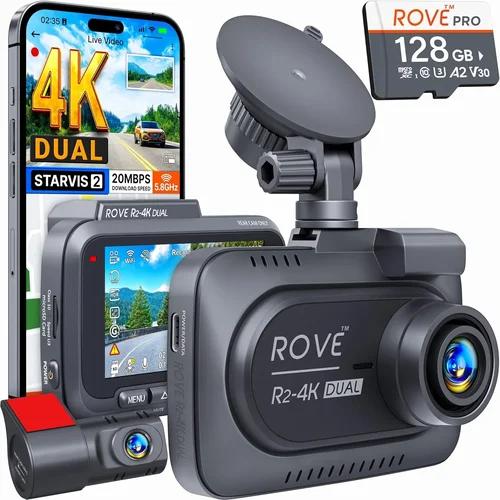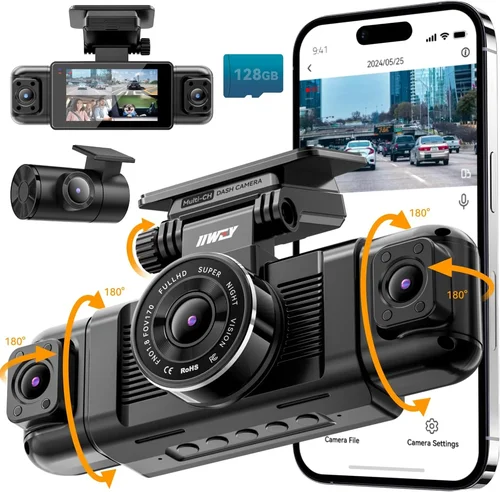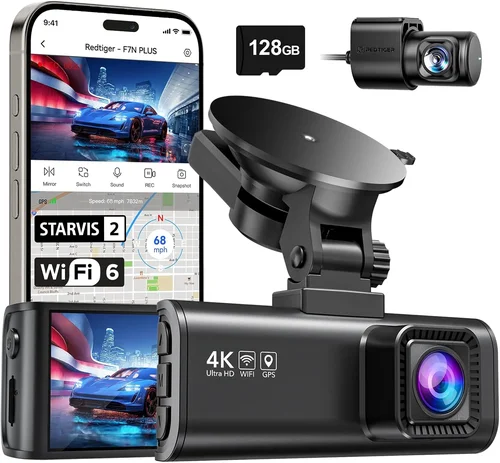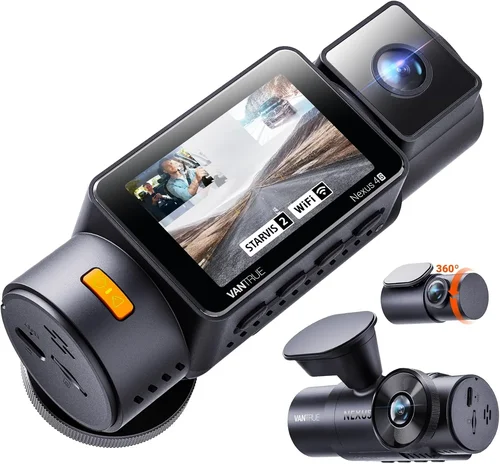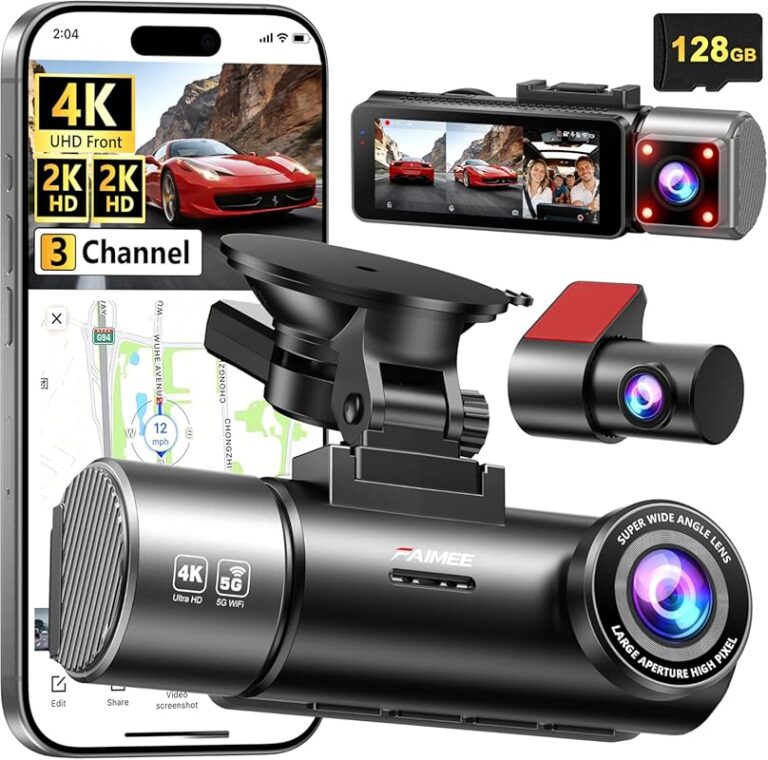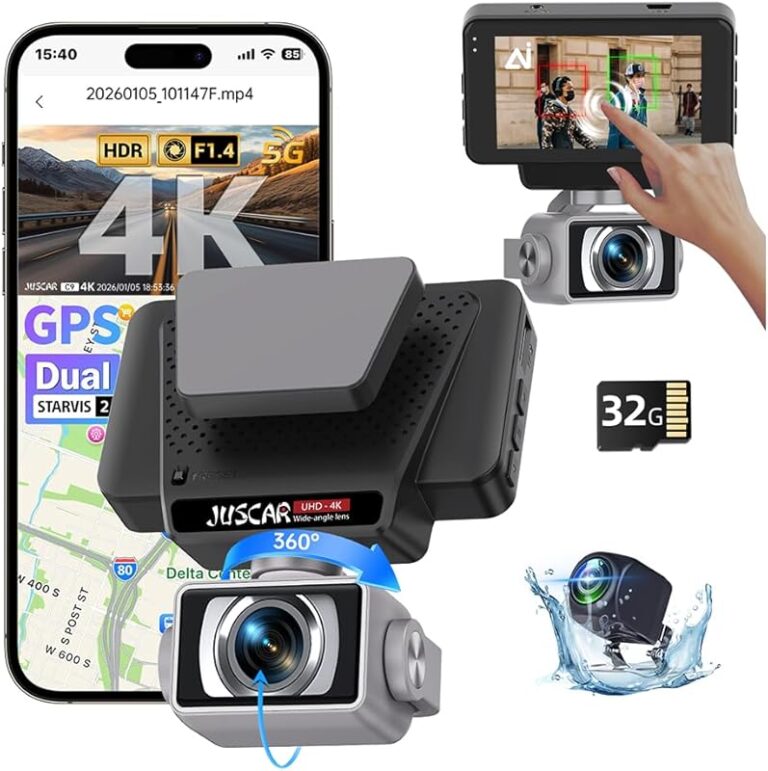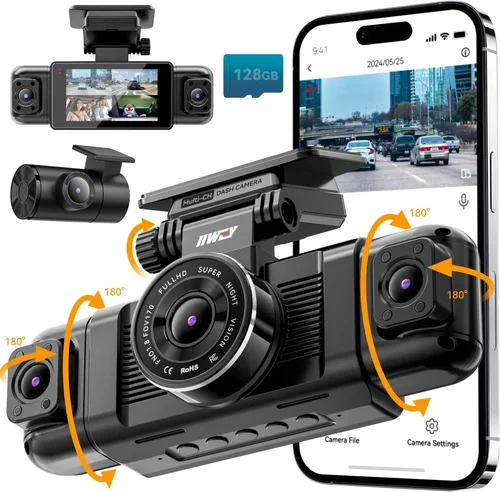
Complete Best Dash Cam for Low Light Buying Guide
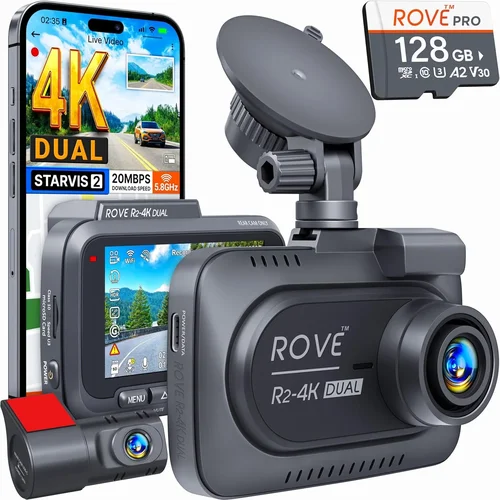
Why investing in a dash cam for low light conditions is more important than ever before. As driving hours extend into dusk, dawn, and nighttime, having reliable footage becomes critical for safety, insurance claims, and peace of mind. This comprehensive buying guide will walk you through everything you need to know about selecting the best dash cam for low light performance.
Whether you’re a daily commuter navigating city streets after sunset or a long-distance traveler covering rural roads at night, understanding how different models handle challenging lighting conditions can make all the difference in capturing clear, usable evidence. You’ll learn about sensor technology, image processing capabilities, and real-world performance metrics that matter most when visibility drops.
The market today offers an overwhelming array of options ranging from budget-friendly entry-level models to professional-grade systems with advanced features. Each comes with its own set of trade-offs between price, functionality, and image quality. By the end of this guide, you’ll have a clear framework for evaluating specifications, comparing features, and making an informed decision based on your specific needs and driving patterns.

What to Look for When Buying Dash Cams
1. Low Light Performance Metrics
When shopping for a dash cam specifically designed for low light conditions, focus on several key technical indicators that directly impact image clarity in dim environments. The most crucial specification is the camera’s aperture size, measured as f-stop values. Lower f-numbers like f/1.5 or f/1.6 allow significantly more light to reach the sensor compared to higher numbers like f/2.0 or f/2.4. This translates to brighter, clearer footage when driving during twilight hours or in poorly lit urban areas.
Beyond aperture size, consider the sensor’s sensitivity to light using ISO measurements. Modern dash cams typically use CMOS sensors with varying ISO ranges—look for models supporting ISO 3200 or higher, which perform much better in dark conditions without excessive noise. Additionally, check if the device includes built-in infrared (IR) LEDs or night vision capabilities, particularly important for recording license plates and facial details during complete darkness.
Image stabilization technology also plays a vital role in maintaining video quality during low-light scenarios. Optical image stabilization (OIS) helps reduce blur caused by vehicle vibrations while Electronic Image Stabilization (EIS) digitally corrects shaky footage. Both technologies work together to ensure your recordings remain watchable even on bumpy roads during nighttime driving.
2. Sensor Type and Resolution
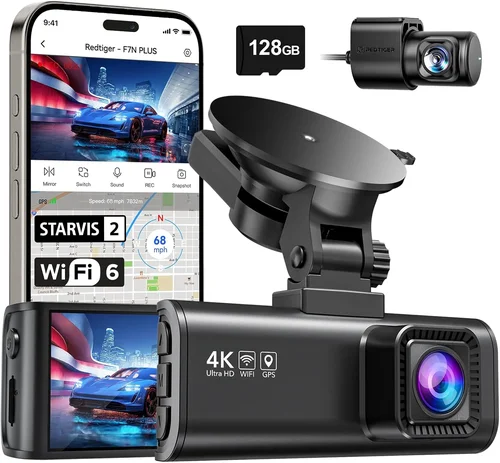
The type of image sensor fundamentally determines how well your dash cam captures detail in various lighting conditions. Most modern units use either Sony Starvis sensors or generic CMOS chips, with Sony components consistently delivering superior low-light performance due to their larger pixel sizes and enhanced light-gathering capabilities. When comparing resolutions, understand that 1080p Full HD remains sufficient for most users, but 2K and 4K Ultra HD provide noticeably sharper details—especially valuable for identifying vehicle make/model and reading license plates clearly.
Consider the megapixel count alongside resolution: higher megapixels don’t always mean better quality unless paired with appropriate lens optics and image processing algorithms. For example, a 2K resolution with 3MP might outperform a 4K model with only 1.5MP if the latter lacks proper light sensitivity optimization. Always prioritize sensor quality over raw resolution numbers alone.
3. Night Vision Capabilities
Advanced night vision features separate truly capable low-light dash cams from mediocre performers. Look for models equipped with dual-channel recording (front and rear cameras), wide dynamic range (WDR) technology, and HDR (High Dynamic Range) support. These technologies help balance bright headlights with darker road surfaces, preventing washed-out highlights while preserving shadow details simultaneously.
Some premium units include specialized night modes that automatically adjust exposure settings based on ambient lighting levels detected by onboard sensors. Others feature manually adjustable brightness/contrast controls accessible through mobile apps or physical buttons. Regardless of approach, verify that these functions actually improve rather than degrade daytime performance—many budget models sacrifice daylight quality to enhance nighttime output unnaturally.
4. Storage Capacity and Loop Recording
Storage requirements vary dramatically depending on your usage frequency and desired retention period. Entry-level dash cams often come with microSD cards included (typically 16GB–32GB), suitable for basic loop recording where older files automatically overwrite newer ones. However, if you frequently encounter incidents requiring extended footage preservation, invest in higher-capacity storage solutions like 64GB or 128GB cards capable of storing multiple hours of high-definition video.
Loop recording functionality ensures continuous operation without manual intervention by automatically deleting the oldest clips once storage reaches capacity. Some advanced models offer event-triggered retention—where critical incidents are saved separately from routine footage—plus cloud backup options for remote access and emergency recovery scenarios. Always confirm compatibility between your chosen dash cam model and popular storage brands like SanDisk, Samsung, or Lexar.
5. Field of View (FOV)
The angle captured by your dash cam’s lens determines what portion of the road ahead appears in each frame. Standard FOV ranges from 110° to 170°, with wider angles offering broader coverage but potentially distorting distant objects due to fisheye effects. Narrower fields (~90°) minimize distortion but may miss important peripheral events like sudden lane changes or pedestrian crossings.
For optimal low-light performance, aim for a balanced FOV around 130°–150°. This range provides adequate coverage while maintaining acceptable geometric accuracy across the central image area. Test reviews mentioning “distortion-free” or “minimal barrel effect” when evaluating candidate models, as excessive warping makes forensic analysis difficult regardless of resolution quality.
6. Additional Safety Features
While primary concern centers around low-light imaging, modern dash cams integrate numerous supplementary safety technologies worth considering during purchase decisions. Collision detection systems trigger automatic recording during hard braking or impact events, ensuring critical moments aren’t missed even if driver reaction time lags behind incident onset. Similarly, parking mode activates surveillance when parked, monitoring surroundings via motion detection or impact alerts until retrieval.
Other valuable additions include GPS tracking (for speed/distance logging), Wi-Fi connectivity (enabling smartphone app control and live streaming), voice commands, and even AI-powered object recognition for distinguishing between vehicles, cyclists, and pedestrians. While not essential for pure low-light performance, these extras enhance overall utility and user experience substantially.
7. Build Quality and Weather Resistance
Durability matters greatly given dash cams’ exposed placement locations inside vehicles subjected to extreme temperatures, humidity fluctuations, and potential physical impacts. Opt for models constructed with robust materials like aluminum housings instead of flimsy plastic shells prone to cracking under heat stress or cold contraction. Waterproof ratings (IPX rating system) indicate protection against dust ingress and liquid splashes—aim for IP65 or above for reliable operation in diverse climates.
Mounting mechanisms should secure firmly without obstructing dashboard visibility or airbag deployment zones. Quick-release designs simplify removal for charging or storage convenience while reducing theft risk when parked overnight. Always verify warranty coverage duration and repair policies offered by manufacturers regarding accidental damage or environmental exposure claims.
8. Brand Reputation and Customer Support
Established brands generally deliver more consistent product quality and responsive customer service compared to lesser-known manufacturers lacking proven track records. Research independent review sites, consumer forums, and verified purchaser feedback focusing specifically on long-term reliability and post-purchase support responsiveness. Brands like BlackVue, Garmin, Nextbase, and Thinkware consistently rank highly for both hardware performance and software ecosystem maturity.
Check availability of firmware updates addressing known issues or adding new features over time. Manufacturer-backed mobile applications streamline configuration management, clip sharing, and emergency alert notifications—all crucial for maximizing dash cam effectiveness beyond mere recording functionality.
9. Price vs. Value Assessment
Determining appropriate spending thresholds requires balancing upfront costs against expected lifespan and feature utility. Budget-conscious buyers shouldn’t overlook mid-range options offering near-premium performance at fractionally higher prices—often including essential low-light enhancements missing from cheapest tiers. Conversely, overspending on unnecessary luxury features rarely justifies marginal gains unless you require professional-grade documentation standards for legal proceedings or commercial fleet operations.
Create a weighted scoring matrix assigning priority levels to each evaluated criterion based on personal driving habits and risk tolerance. Allocate greater importance to low-light metrics if nighttime commuting dominates your schedule, while prioritizing storage capacity or GPS accuracy if you frequently travel unfamiliar routes requiring navigation assistance.
10. Compatibility and Integration
Ensure seamless integration with existing vehicle electronics and preferred mobile devices before finalizing purchases. USB-C charging interfaces offer faster power delivery and universal compatibility across modern smartphones/tablets versus legacy Micro-USB ports. Car adapters supporting cigarette lighter sockets or direct wiring kits provide stable power sources immune to ignition cycling interruptions common with portable batteries.
Smartphone companion apps should support both Android and iOS platforms with intuitive interfaces for playback, settings adjustment, and firmware upgrades. Cloud synchronization features enable off-site backup storage protecting against local device loss while facilitating easy sharing with insurers or law enforcement agencies during dispute resolution processes.
Different Types of Dash Cams

Common Buying Mistakes to Avoid
❌ Mistake: Prioritizing Resolution Over Sensor Quality
Many shoppers mistakenly believe higher megapixel counts automatically translate to better image quality, especially in low-light situations. In reality, a 4K dash cam with inferior sensor technology may produce noisier, grainier footage than a 1080p model featuring advanced low-light optimization. Always research sensor manufacturer specifications—Sony Starvis sensors consistently outperform generic CMOS chips regardless of resolution differences.
❌ Mistake: Ignoring Real-World Nighttime Performance
Manufacturers often highlight theoretical maximums without demonstrating practical usability during actual nighttime driving. Beware of marketing claims like “ultra-bright night vision” or “zero-noise low-light capture” unless supported by third-party testing videos showing comparable performance against competitors. Request sample footage comparisons or seek verified owner testimonials describing experiences during evening commutes or highway travel.
❌ Mistake: Choosing Based Solely on Price
While affordability matters, extremely cheap dash cams (<$40) frequently compromise core functionalities like reliable loop recording, stable mounting hardware, or adequate heat dissipation. Instead, adopt a value-driven mindset allocating funds toward proven brands offering balanced feature sets meeting your specific requirements rather than chasing absolute lowest-cost options.
❌ Mistake: Overlooking Compatibility Requirements
Assuming universal compatibility between accessories and vehicle setups leads to frustration down the line. Verify microSD card formats (most require Class 10/UHS-I minimum), power adapter voltages matching your region’s electrical standards, and smartphone OS versions compatible with companion apps before committing to purchases.