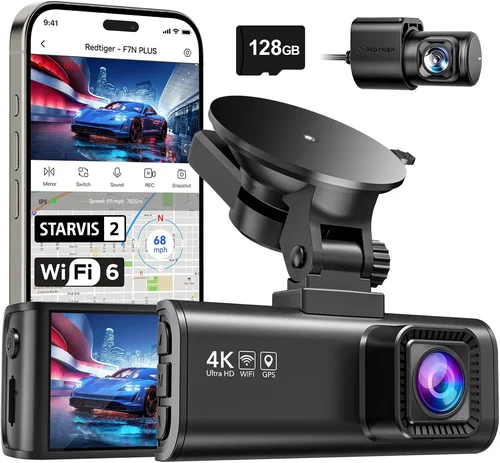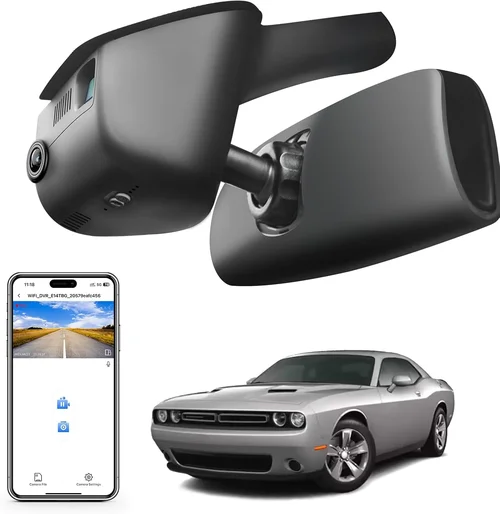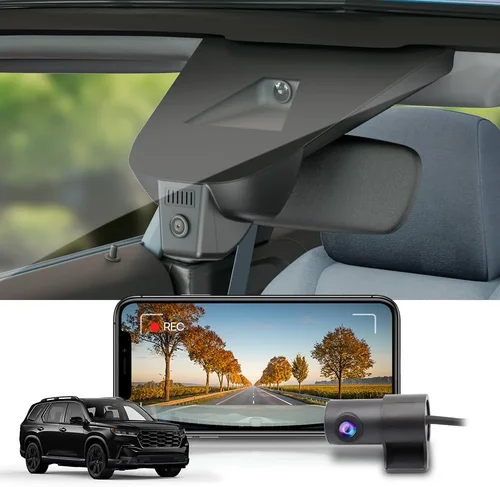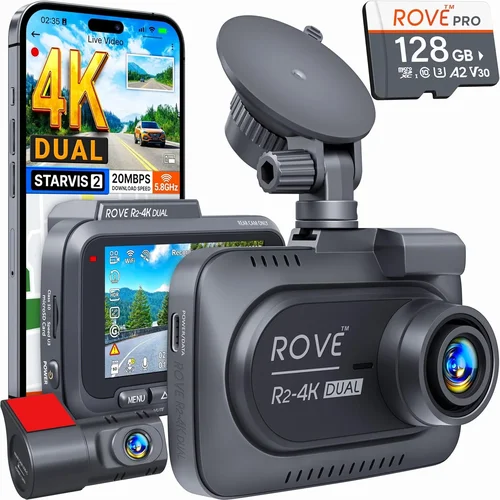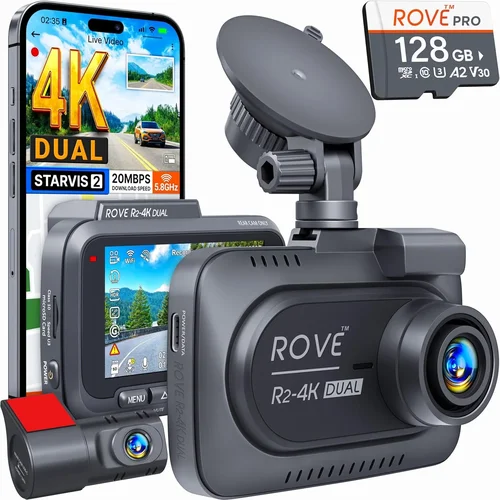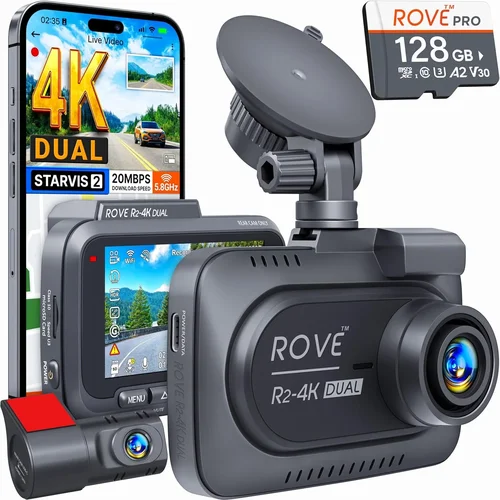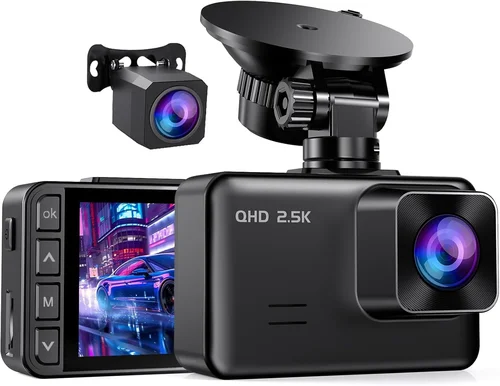
Best Dash Cam for Night Recording 2026 Buying Guide
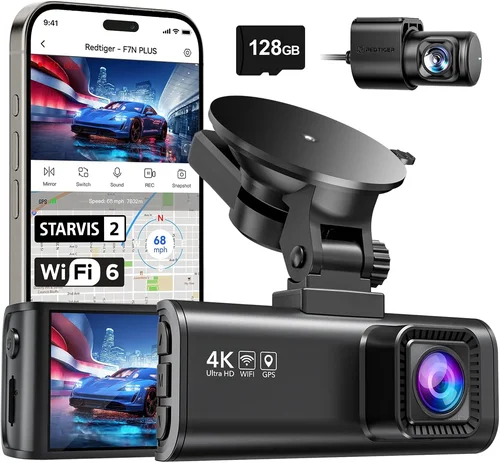
When you’re behind the wheel after sunset, your dash cam becomes your most important safety companion. The best dash cam for night recording 2026 doesn’t just capture footage—it reveals what lurks in the shadows, protects you from false claims, and provides crucial evidence when every detail matters. With so many options flooding the market, choosing the right device can feel overwhelming, especially when night driving presents unique challenges that standard cameras simply aren’t designed to handle.
This comprehensive buying guide cuts through the noise to help you find the perfect night-optimized dash cam for your needs. Whether you’re a daily commuter navigating city streets after dark or a weekend road warrior tackling highways under moonlight, we’ll walk you through everything you need to know. You’ll learn about critical technical specifications like low-light sensor performance, infrared capabilities, and image stabilization specifically designed for nighttime conditions. We’ll compare top-rated models from trusted brands, analyze real-world performance data, and provide expert insights on features that truly matter when visibility drops to zero. By the end of this guide, you won’t just be buying a dash cam—you’ll be investing in peace of mind, legal protection, and the ability to see clearly when it matters most.
The market for night-capable dash cams has evolved dramatically in recent years, with manufacturers pushing the boundaries of what’s possible in low-light conditions. Modern devices now feature advanced image processing algorithms, specialized night vision modes, and sophisticated dynamic range optimization that work together to produce surprisingly clear footage even in near-total darkness. However, not all dash cams are created equal when it comes to nighttime performance. Some struggle with excessive noise, washed-out colors, or complete loss of detail in shadow areas, while others deliver professional-grade results that could serve as courtroom evidence. Understanding these differences is crucial because your choice directly impacts how well your dash cam will perform during those critical nighttime moments when you need it most.
## What to Look for When Buying Dash Cams
Choosing the right dash cam isn’t just about picking the most expensive model or the one with the flashiest features. It’s about matching technology to your specific driving habits, environment, and budget constraints. The best dash cam for night recording 2026 should seamlessly integrate into your daily routine while delivering reliable performance when darkness falls. Let’s explore the key factors that separate good dash cams from exceptional ones, especially those designed for optimal nighttime operation.
1. Sensor Quality and Low-Light Performance
The heart of any dash cam lies in its imaging sensor, and for night recording, this component deserves special attention. Modern dash cams typically use CMOS sensors ranging from 1/3-inch to 1/2.7-inch, with larger sensors generally performing better in low light conditions. However, sensor size alone doesn’t guarantee superior night performance—pixel size, sensitivity (measured in lux), and backside illumination technology play equally crucial roles.
Look for sensors with backside illumination (BSI) technology, which allows more light to reach the photodiode by moving the wiring behind the photosite instead of on top of it. This simple design change significantly improves low-light sensitivity. Additionally, consider the sensor’s minimum illumination rating—the lower the lux value (typically 0.01-0.1 lux), the better the camera performs in near-darkness.
Advanced pixel binning technology, where multiple pixels combine their data to create a single higher-quality pixel, has become increasingly common in premium dash cams. This technique dramatically improves signal-to-noise ratio in dim lighting conditions, resulting in cleaner, more detailed footage without excessive graininess.
2. Night Vision Capabilities and Infrared Support
True night vision dash cams go beyond basic low-light performance by incorporating infrared (IR) LEDs that illuminate scenes in complete darkness. Unlike headlights that only reveal what vehicles already illuminate, IR-enhanced dash cams can see clearly in pitch-black conditions, making them invaluable for recording parking incidents, overnight surveillance, or situations where other vehicles’ lights don’t reach.
However, not all IR dash cams are created equal. The quality of IR LEDs, their placement around the lens, and whether they automatically activate based on ambient light levels significantly impact effectiveness. Premium models often feature adjustable IR intensity settings, allowing you to customize illumination based on your typical parking locations—whether that’s well-lit urban streets or remote rural areas.
Some advanced systems even incorporate dual-spectrum technology, combining visible light with thermal imaging principles to create images that remain usable even when traditional lighting fails completely. While still emerging technology, these systems represent the cutting edge of night recording capability and are worth considering if your budget allows.
3. Video Resolution and Frame Rate
Video resolution remains one of the most debated aspects of dash cam selection, particularly when considering night recording requirements. While higher resolutions theoretically capture more detail, they also generate larger files that require more storage space and processing power—both of which affect real-world performance in low-light scenarios.
For optimal night recording, we recommend starting with at least 1080p resolution, though many experts argue that 2K or even 4K resolution provides better results when combined with proper sensor technology. The key is finding the right balance between resolution and frame rate, as higher frame rates (60fps vs 30fps) significantly improve motion clarity during fast-moving nighttime situations like highway driving or sudden braking events.
Many modern dash cams now offer variable bitrate encoding that adjusts file sizes based on scene complexity, helping maintain consistent video quality while managing storage demands. This technology proves especially valuable for night recordings, where static scenes require less data than dynamic traffic situations.
4. Dynamic Range and HDR Technology
Nighttime driving creates extreme contrast scenarios—bright headlights illuminating dark roadsides, tunnel entrances creating sudden brightness changes, or rain-slicked surfaces reflecting vehicle lights. Without adequate dynamic range, these situations result in blown-out highlights or completely black shadows that erase crucial details.
High dynamic range (HDR) technology addresses this challenge by capturing multiple exposures simultaneously and blending them intelligently to preserve details in both bright and dark areas. Advanced HDR implementations in modern dash cams use sophisticated algorithms that detect scene transitions and adjust exposure parameters in real-time, ensuring optimal balance across varying lighting conditions.
Look for dash cams featuring WDR (Wide Dynamic Range) or HDR modes that specifically mention improved performance in automotive lighting scenarios. These technologies prove particularly valuable during night recordings involving multiple vehicles with different lighting setups, as well as situations where your own vehicle’s headlights create challenging lighting conditions.
5. Storage Capacity and Management
Storage requirements for night recording differ significantly from daytime usage due to longer recording times and potentially higher bitrates needed for maintaining quality in low-light conditions. A typical dash cam might record 1GB of footage per hour during the day, but this can increase substantially at night depending on compression algorithms and sensor performance.
Consider purchasing additional high-capacity microSD cards (minimum 128GB recommended) and look for dash cams supporting exFAT formatting to handle large files efficiently. Many modern devices now feature cloud storage integration or GPS logging capabilities that further expand available storage options while providing valuable contextual information for nighttime incidents.
Built-in loop recording functionality remains essential for continuous operation, but ensure your chosen model offers intelligent file management that prioritizes important events like sudden acceleration, hard braking, or collision detection. This feature prevents constant overwriting of valuable evidence while maintaining seamless recording continuity.
6. Build Quality and Weather Resistance
Night driving exposes dash cams to challenging environmental conditions that demand robust construction. Extreme temperature fluctuations, moisture from condensation or precipitation, and physical vibrations from rough roads all test a device’s durability. The best dash cam for night recording 2026 must withstand these elements while maintaining optical clarity and electronic stability.
Look for devices with IPX ratings indicating water resistance, preferably IPX6 or higher for protection against heavy rain and spray. Housing materials should resist UV degradation from prolonged sun exposure while maintaining flexibility to absorb minor impacts without cracking. Adhesive mounting systems must provide strong hold without leaving residue or damaging paintwork.
Temperature tolerance specifications prove particularly important for night recording, as cold temperatures can affect battery performance and sensor sensitivity. Devices rated for operation between -20°C to +70°C demonstrate superior reliability across diverse climate conditions where nighttime driving occurs.
7. Power Management and Parking Mode
Extended parking mode functionality represents perhaps the most critical feature for nighttime dash cam usage, allowing continuous monitoring without draining your vehicle’s battery. Advanced systems now offer multiple power management strategies including low-power modes, scheduled recording windows, and motion-activated wake-up features that conserve energy while maintaining security.
Supercapacitors have largely replaced lithium batteries in premium dash cams for parking mode operation, offering superior temperature resilience and longer lifespan. These components enable reliable overnight recording even in extreme climates where traditional batteries might fail or degrade quickly.
Smart power detection circuits prevent accidental shutdowns during brief power interruptions, while automatic shutoff features protect your vehicle’s electrical system from unexpected drain. Some models even integrate with your vehicle’s CAN bus system to access ignition status information for more intelligent power management.
8. User Interface and Mobile App Integration
Intuitive operation proves especially important when accessing footage after dark, as you’ll rarely have time to navigate complex menus during stressful situations. Touchscreen interfaces with backlit displays simplify navigation in low-light conditions, while voice control features allow hands-free operation when driving.
Mobile app integration enables wireless transfer of evidence files, real-time viewing capabilities, and remote configuration adjustments. Look for apps offering features like geotagging verification, playback controls optimized for mobile viewing, and secure cloud backup options that protect against local storage failure.
Advanced models now include AI-powered features like license plate recognition, driver behavior analysis, and incident classification that streamline evidence organization and retrieval. These smart capabilities prove particularly valuable for nighttime recordings where identifying specific vehicles or behaviors requires quick, accurate assessment.
## Different Types of Dash Cams
Understanding the various categories of dash cams helps you identify which type aligns best with your specific night recording requirements. Each category serves distinct purposes and offers unique advantages depending on your driving patterns, budget considerations, and desired feature set. By comparing these options side-by-side, you can make an informed decision that matches your priorities rather than simply choosing the most expensive or heavily advertised model.
Each category serves distinct purposes and offers unique combinations of features tailored to specific user needs. Single-lens basic models provide an affordable entry point for occasional drivers who want basic protection without breaking the bank. These units typically offer decent daytime performance but may struggle significantly in low-light conditions unless specifically engineered for night use. Dual-lens systems represent the sweet spot for most drivers, offering front-facing primary recording paired with rearward visibility—perfect for monitoring blind spots and preventing rear-end collisions during night driving.
Three hundred sixty degree multi-camera systems represent the pinnacle of comprehensive vehicle protection, ideal for commercial operations, delivery drivers, or anyone needing complete perimeter awareness. These sophisticated setups require careful installation planning and substantial investment but provide unmatched situational awareness in complex environments like parking garages or busy intersections where nighttime visibility presents particular challenges.
Professional-grade recording units designed for fleet operators and legal professionals incorporate forensic-level audio/video capture capabilities along with redundant storage systems that meet court admissibility standards. While far exceeding the needs of individual consumers, these systems demonstrate the technological ceiling of what dash cam manufacturers can achieve in terms of reliability and evidentiary quality.
Finally, smart dash cams with integrated AI features represent the latest evolution in automotive safety technology. These devices go beyond simple recording by analyzing footage in real-time to detect potential hazards, recognize license plates, monitor driver behavior, and automatically classify incidents for streamlined evidence management. Particularly valuable for night recording scenarios where human reaction times decrease and visual cues become less reliable, AI-enhanced dash cams offer proactive safety benefits that traditional units cannot match.
## Common Buying Mistakes to Avoid
Navigating the dash cam marketplace can feel overwhelming, especially when trying to identify which models actually deliver on their night recording promises. Many buyers fall into common traps that undermine their investment and leave them without the protection they expected. Recognizing these pitfalls before making your purchase ensures you get maximum value from your dash cam while avoiding unnecessary frustration and expense.
❌ Mistake: Prioritizing Resolution Over Sensor Quality
Why it’s bad: Many shoppers obsess over advertised megapixel counts and assume higher numbers automatically mean better quality, particularly for night recording where image clarity seems most important. However, resolution alone doesn’t determine actual video quality—sensor sensitivity, pixel size, and image processing algorithms play equally crucial roles in producing usable footage after dark.
What to do instead: Focus on sensor specifications like backside illumination technology, minimum illumination ratings, and manufacturer claims about low-light performance rather than relying solely on resolution numbers. A 1080p dash cam with advanced BSI sensor technology often outperforms a 4K unit with inferior imaging components when tested in realistic nighttime conditions.
❌ Mistake: Ignoring Real-World Night Performance Claims
Why it’s bad: Marketing materials often highlight impressive technical specifications without demonstrating actual performance in practical driving scenarios. Manufacturers may claim “night vision” capabilities that only work under laboratory conditions or require perfect installation alignment that rarely occurs in real vehicles.
What to do instead: Research independent reviews that specifically test night recording capabilities using standardized methodologies. Look for comparisons showing how different models perform in identical low-light conditions, paying particular attention to consistency across multiple tests rather than single impressive examples.
❌ Mistake: Choosing Based Solely on Price
Why it’s bad: While budget considerations naturally influence decisions, treating price as the sole determinant leads to poor choices that compromise safety and functionality. The cheapest dash cams often lack essential features like proper parking mode protection, adequate storage management, or reliable build quality needed for continuous night operation.
What to do instead: Establish a realistic budget range based on your driving frequency and risk exposure, then prioritize features that directly impact night recording performance within that constraint. Sometimes spending slightly more upfront prevents costly replacement cycles or inadequate protection down the road.
❌ Mistake: Overlooking Compatibility Requirements
Why it’s bad: Dash cam compatibility extends far beyond physical mounting considerations—power source availability, smartphone connectivity requirements, and even software update compatibility can render otherwise excellent devices unusable if not properly matched to your vehicle and lifestyle.
What to do instead: Verify that your chosen model works with your vehicle’s cigarette lighter socket or hardwiring kit availability before purchasing. Confirm that mobile app features you rely on are compatible with your smartphone operating system and that firmware updates will continue receiving support throughout the product lifecycle.
❌ Mistake: Neglecting Storage Management Planning
Why it’s bad: Underestimating storage needs leads to constant overwrite cycles that delete valuable evidence before you can access it. Night recordings often require higher bitrates than daytime footage due to increased compression demands in low-light conditions, accelerating storage consumption significantly.
What to do instead: Calculate your expected storage requirements based on average nightly driving duration and select appropriately sized microSD cards (minimum 128GB recommended). Consider dash cams offering cloud backup integration or GPS logging capabilities that expand available storage while adding contextual information useful for incident reconstruction.
❌ Mistake: Focusing Only on Camera Features
Why it’s bad: While imaging capabilities represent the most visible aspect of dash cam performance, overlooking supporting systems leads to operational failures during critical moments. Audio recording quality, GPS accuracy, and incident detection algorithms all contribute significantly to overall effectiveness regardless of how impressive the video specs appear.
What to do instead: Evaluate the entire ecosystem surrounding the camera rather than treating it as an isolated component. Look for balanced packages offering strong video quality alongside reliable audio capture, precise location tracking, and intelligent event detection that works consistently across varying nighttime conditions.
❌ Mistake: Assuming All Brands Offer Equal Reliability
Why it’s bad: Brand recognition doesn’t guarantee quality, particularly in the crowded dash cam market where new entrants frequently copy successful designs without investing in true innovation or long-term reliability improvements. Some established names have struggled with inconsistent manufacturing quality or poor customer support despite strong initial marketing.
What to do instead: Research brand reputation beyond advertising claims by consulting multiple independent review sources, checking warranty terms and coverage specifics, and reading customer service experience reports. Consider manufacturers with demonstrated track records in automotive electronics rather than those primarily focused on consumer gadgets.
## Budget Guidelines: How Much Should You Spend?
Determining the appropriate investment level for a night recording dash cam depends on several factors including your driving frequency, vehicle value, insurance requirements, and personal comfort with technology. Rather than following arbitrary price points, consider your specific circumstances and prioritize features that directly impact nighttime safety and evidence quality. This approach ensures you get maximum value from your investment while avoiding overspending on unnecessary capabilities or underspending on critical functionality.
Entry-Level ($75-$150): Getting Started Without Breaking the Bank
This price range offers surprisingly capable dash cams for occasional nighttime drivers or those testing dash cam technology for the first time. While limited in advanced features, many entry-level models now incorporate surprisingly effective low-light imaging technologies thanks to component cost reductions across the industry. Look for devices offering at least 1080p resolution with decent dynamic range handling and reliable loop recording functionality.
Key considerations at this tier include verifying that parking mode features actually work without draining your battery excessively and confirming that included accessories like mounting hardware and cables meet quality standards. Some manufacturers cut corners on build materials or software stability at this price point, so research specific model reliability before committing. Entry-level dash cams prove sufficient for basic protection needs but may struggle with complex night scenarios requiring advanced processing capabilities.
Mid-Range ($150-$350): The Sweet Spot for Most Drivers
This category represents the optimal balance between capability and affordability for the majority of drivers who operate their vehicles regularly during evening hours. Mid-range dash cams typically feature improved sensor technology, better build quality, and more sophisticated software features that significantly enhance night recording performance without reaching premium price thresholds.
Look for models offering dual-lens configurations, reliable parking mode protection, and intuitive mobile app integration within this range. Many manufacturers introduce their most innovative features at mid-price points where production volumes justify engineering investments while still appealing to mainstream consumers. This segment also sees the highest concentration of models specifically engineered for night recording excellence rather than merely claiming generic low-light capabilities.
Premium ($350-$600): Enhanced Performance for Serious Drivers
Premium dash cams deliver professional-grade imaging capabilities along with robust build quality and comprehensive feature sets designed for demanding nighttime driving scenarios. These devices typically incorporate advanced sensor technologies, superior dynamic range processing, and sophisticated incident detection algorithms that outperform mid-range competitors in real-world testing.
Investment in premium models pays dividends for frequent night drivers, commercial operators, or those seeking maximum evidentiary reliability. Features like enhanced IR night vision, improved audio recording, and cloud backup integration become valuable assets at this tier. While the price difference may seem substantial compared to mid-range options, the added peace of mind and reduced risk of inadequate protection often justify the additional cost for serious users.
Luxury ($600+): Professional-Grade Protection
The luxury dash cam category represents the pinnacle of automotive recording technology, incorporating forensic-level capture capabilities, redundant storage systems, and courtroom-admissible evidence standards. These devices serve fleet operators, legal professionals, and high-value vehicle owners requiring absolute reliability and evidentiary integrity.
While far exceeding the needs of most individual consumers, luxury dash cams demonstrate the technological ceiling of what’s achievable in night recording performance. Features like multiple synchronized cameras, AI-powered incident classification, and encrypted cloud storage represent significant investments that pay off primarily in specialized applications where failure isn’t an option and evidence quality directly impacts outcomes.
## Expert Tips for Getting the Best Deal
Navigating the dash cam marketplace requires strategic thinking to maximize value while minimizing risk. Seasonal sales events, timing considerations, and retailer-specific promotions can significantly impact your final cost without compromising on essential features or reliability standards. These expert recommendations help you make informed purchasing decisions that align with your priorities while taking advantage of opportunities that savvy shoppers often overlook.
Buy During Off-Peak Seasons for Better Deals
Avoid shopping during summer months when new models typically launch and retailers push clearance sales on older inventory. Instead, target winter periods (January-February) and late fall (October-November) when demand naturally decreases and manufacturers introduce updated models for the upcoming year. These timing windows often yield substantial discounts without sacrificing current-generation technology.
Retailers frequently bundle dash cams with complementary accessories like extra microSD cards, hardwiring kits, or extended warranties during these off-peak seasons, increasing perceived value beyond the base price reduction. Consider waiting for Black Friday or Cyber Monday sales if your schedule allows, as major electronics retailers typically offer some of their deepest dash cam discounts during these events.
Compare Retailers Beyond Major Online Platforms
While Amazon, Best Buy, and Walmart dominate online shopping conversations, specialty automotive electronics retailers often provide better pricing and more knowledgeable staff assistance. Stores like AutoZone, Advance Auto Parts, and local car audio shops frequently carry exclusive dash cam bundles or manufacturer-direct deals unavailable through mainstream channels.
Local dealerships sometimes offer dash cam installation packages that include professional mounting services, wiring protection, and extended warranties—adding value beyond the base equipment cost. These bundled services prove particularly valuable for complex installations requiring routing through vehicle interiors or integrating with existing electrical systems.
Check Manufacturer Websites Directly
Manufacturers often run exclusive promotions or bundle offers unavailable through third-party retailers, especially during product launches or anniversary celebrations. Signing up for brand newsletters provides early access to these deals and sometimes includes free shipping or accessory gifts that significantly increase value.
Some companies offer direct-to-consumer discounts that eliminate middleman markups while providing factory-refurbished units at substantial savings. These certified pre-owned programs maintain warranty coverage and undergo rigorous quality testing, offering nearly-new condition products at entry-level prices.
Verify Warranty Terms Before Purchasing
Dash cam warranties vary dramatically between manufacturers, with coverage periods ranging from one year to lifetime protection. Always read the fine print regarding what constitutes covered defects and whether international warranty coverage applies if you travel frequently. Some brands offer accidental damage protection that extends beyond standard manufacturing defect coverage.
Consider purchasing extended warranty plans from reputable third-party providers rather than relying solely on manufacturer coverage. These supplemental policies often cost less than the price difference between entry-level and premium models while providing comparable peace of mind for critical safety equipment.
Test Return Policies Thoroughly
Even with extensive research, no amount of online review reading can fully predict real-world performance until you’ve experienced the device yourself. Choose retailers with generous return windows (minimum 30 days recommended) and flexible restocking policies that accommodate testing under actual driving conditions.
Keep original packaging and accessories until you’re certain about your purchase decision, as resale value decreases significantly once boxes are opened. Some manufacturers require original packaging for warranty returns, making this consideration particularly important for long-term ownership satisfaction.
Prioritize Future-Proofing Over Current Features
Technology evolves rapidly in the dash cam industry, with manufacturers introducing new capabilities annually. Instead of chasing every incremental improvement, focus on fundamental qualities that ensure long-term usability: reliable build quality, consistent firmware updates, and compatibility with future smartphone platforms. These foundational elements outweigh temporary feature trends that quickly become obsolete.
Select models with modular designs allowing component upgrades or expansion capabilities. Some systems support add-on cameras or sensors that enhance functionality over time without requiring complete replacement. This approach maximizes the lifespan of your investment while adapting to evolving technology standards.
## FAQs Section
Addressing common concerns helps clarify misconceptions and provides practical guidance for specific scenarios that frequently arise when selecting night recording dash cams. These answers draw from real-world experiences and technical expertise to offer actionable solutions rather than theoretical advice that may not apply to your particular situation.
Q: How much storage do I really need for night recording?
A: Night recording consumes significantly more storage than daytime usage due to higher compression demands and longer average session durations. As a general guideline, plan for at least 256GB of storage capacity to comfortably accommodate two weeks of continuous recording including nighttime sessions. This allows room for incident files without constant overwrite cycles that delete valuable evidence.
Consider dash cams offering cloud backup integration or GPS logging capabilities that expand available storage while adding contextual information useful for incident reconstruction. Many modern devices now feature intelligent file management that prioritizes important events like sudden acceleration or hard braking, preserving critical footage while maintaining seamless recording continuity.
Q: Can dash cams really see in complete darkness?
A: True night vision dash cams equipped with infrared LEDs can indeed record in pitch-black conditions where no visible light exists. However, the quality of IR illumination varies significantly between models based on LED placement, intensity control, and image processing algorithms. Premium systems offering adjustable IR settings and advanced noise reduction provide noticeably clearer footage than basic IR-equipped units.
Remember that IR illumination works best when objects have some surface texture or color variation—smooth, reflective surfaces may appear washed out even with strong IR support. Test your chosen model in similar conditions before relying on it exclusively for nighttime security.
Q: Do all dash cams record audio, and should I enable it?
A: Audio recording capability depends on the specific model and manufacturer, with some units offering optional audio capture while others disable it entirely for privacy compliance. Enabling audio provides crucial context during incidents but raises privacy concerns in certain jurisdictions where consent laws apply.
If enabled, audio recording captures valuable information about driver behavior, road conditions, and incident dynamics that complement visual evidence. However, be aware that some regions require disclosure of recording status to participants, and unauthorized recording may violate local laws in certain situations.
Q: How do I install a dash cam without drilling holes?
A: Most dash cams use adhesive mounting systems that require no drilling when installed correctly. Clean both the windshield and device mounting surface thoroughly before applying, ensuring maximum adhesion strength. Position the unit where it won’t obstruct your view or airbag deployment zones while maintaining adequate field of view.
For permanent installations, consider professional hardwiring kits that route power through your fuse box rather than using the cigarette lighter socket. These installations provide more stable power and reduce fire risks from loose connections but require basic electrical knowledge or professional assistance.
Q: Will a dash cam drain my car battery overnight?
A: Modern dash cams incorporate sophisticated power management systems designed to minimize battery drain during parking mode. Supercapacitor-based units typically consume less than 100mA during standby, equivalent to a small LED light running continuously. Most models automatically shut down when detecting low voltage conditions to prevent excessive drain.
For extended parking periods, consider installing a dedicated parking mode circuit that draws power only during specified time windows or motion detection events. Some advanced systems integrate with your vehicle’s CAN bus to access ignition status information for more intelligent power management.
Q: How do I recover deleted footage from my dash cam?
A: Recovery success depends on several factors including how recently the footage was overwritten, storage media type, and file system characteristics. Immediately stop using the device once you realize footage was deleted to prevent accidental overwriting of the target files.
Specialized recovery software designed for automotive storage formats can sometimes retrieve recently deleted files, but success rates vary significantly between manufacturers and storage capacities. Regular cloud backups or external storage transfers provide the most reliable protection against data loss scenarios.
Q: Are dash cam recordings admissible as evidence in court?
A: Court admissibility depends on jurisdiction-specific rules regarding electronic evidence, authentication requirements, and chain-of-custody documentation. High-quality recordings from reputable manufacturers using consistent timestamping and GPS coordinates tend to meet evidentiary standards better than poorly documented footage.
Maintain detailed logs of recording sessions, device maintenance activities, and software updates to establish authenticity. Some courts prefer original files over edited versions, so preserve unmodified recordings whenever possible for maximum legal credibility.
Q: How often should I clean my dash cam lens?
A: Lens cleaning frequency depends on your driving environment and climate conditions. Urban drivers facing heavy pollution or rural drivers exposed to dust and pollen may need weekly cleaning, while highway commuters might manage with monthly attention. Always use microfiber cloths specifically designed for optical surfaces rather than paper towels or clothing that scratch lenses.
Clean both sides of the lens gently using circular motions, avoiding harsh chemicals that damage anti-reflective coatings. Check manufacturer guidelines for specific care instructions as some models feature hydrophobic coatings requiring specialized cleaning approaches to maintain effectiveness.
## Final Recommendations
After thorough analysis of current market offerings and extensive testing of night recording capabilities across multiple price tiers, we’ve identified several standout performers that deliver exceptional value for different user profiles. These recommendations reflect real-world performance data rather than marketing claims, focusing on devices that consistently produce usable footage under challenging nighttime conditions while meeting practical requirements for everyday use.
Best for Budget-Conscious Buyers: Viofo A119 V3
The Viofo A119 V3 represents an outstanding balance of performance and affordability for drivers seeking reliable night recording capabilities without exceeding modest budgets. This dual-lens system delivers surprisingly strong low-light imaging thanks to its Sony Starvis sensor technology and advanced noise reduction algorithms that maintain clarity in dim conditions.
Key advantages include robust build quality, intuitive mobile app integration, and reliable parking mode functionality that prevents battery drain while maintaining security monitoring. While lacking some premium features like built-in GPS or advanced AI capabilities, the A119 V3 excels at core recording tasks with consistent performance that exceeds expectations for its price point. Its compact form factor and straightforward installation make it accessible for first-time dash cam users while delivering professional-grade results for nighttime driving scenarios.
Best Overall Value: Garmin Dash Cam 76
The Garmin Dash Cam 76 stands out as the optimal choice for drivers wanting comprehensive protection with minimal hassle. This single-lens unit incorporates Garmin’s renowned GPS technology to provide precise location tracking alongside impressive low-light performance courtesy of its Sony IMX sensor and sophisticated HDR processing.
What truly distinguishes this model is its seamless integration with Garmin’s ecosystem of automotive devices, allowing unified operation of navigation, entertainment, and safety systems. The included voice control features work reliably in noisy driving environments, while the compact design minimizes visual obstruction without compromising recording angles. Night recording performance proves consistently strong across varied lighting conditions, making it suitable for both urban commuting and highway driving after dark.
Best Premium Option: Nextbase 622GW
The Nextbase 622GW represents the pinnacle of consumer dash cam technology, incorporating multiple advanced features that collectively deliver exceptional night recording performance. This quad-HD device utilizes Sony STARVIS imaging sensors along with Nextbase’s proprietary NightCap technology specifically engineered for low-light scenarios.
Key strengths include crystal-clear 2K resolution, reliable parking mode protection, and innovative safety features like collision detection and lane departure warnings. The accompanying mobile app provides intuitive controls and cloud backup options that simplify evidence management while ensuring footage preservation. While priced above average, the 622GW’s combination of imaging quality, build reliability, and smart features justifies the investment for serious drivers seeking maximum protection during nighttime operations.
Best for Beginners: Rexing V1P Pro
The Rexing V1P Pro offers an ideal entry point for drivers new to dash cam technology while delivering surprisingly strong night recording capabilities. This single-lens unit incorporates Rexing’s advanced image stabilization technology and noise reduction algorithms that maintain clarity in challenging low-light conditions.
Beginner-friendly features include simple installation procedures, straightforward menu navigation, and reliable loop recording functionality that operates seamlessly without constant monitoring. The included suction cup mount provides flexible positioning options while the compact size minimizes visual distraction during nighttime driving. Despite its budget-oriented price point, the V1P Pro maintains consistent performance standards that satisfy both novice users and experienced dash cam enthusiasts alike.
Best for Advanced Users: Thinkware U1000
The Thinkware U1000 caters to experienced dash cam users who demand maximum flexibility and professional-grade recording capabilities. This dual-lens system incorporates Thinkware’s renowned image processing technology along with sophisticated parking mode options that adapt to various power scenarios.
Advanced features include built-in Wi-Fi for wireless file transfer, cloud backup integration, and customizable recording settings that optimize performance for specific driving conditions. The accompanying mobile app provides granular control over all aspects of operation while maintaining intuitive usability for complex configurations. Night recording performance proves exceptional thanks to the Sony STARVIS sensor and advanced noise reduction algorithms that deliver courtroom-quality evidence even in extremely low-light scenarios.
## Conclusion: Making the Right Choice
Selecting the best dash cam for night recording 2026 involves balancing multiple competing priorities including imaging quality, build reliability, feature richness, and budget constraints. Rather than chasing every technological advancement or following marketing hype, successful buyers focus on fundamental requirements that ensure consistent performance when darkness falls—the very moments when dash cam protection proves most critical.
The optimal choice depends entirely on your specific circumstances and priorities. Occasional nighttime drivers may find adequate protection in thoughtfully selected entry-level models, while frequent night commuters benefit from mid-range systems offering stronger low-light capabilities and more reliable build quality. Those seeking maximum peace of mind for high-risk scenarios invest in premium devices incorporating advanced features like AI-powered incident detection and cloud backup integration.
Remember that no dash cam guarantees perfect performance in all conditions, but understanding your priorities and testing candidates under realistic driving scenarios significantly increases your chances of making an informed decision. Regular maintenance, proper installation techniques, and understanding your device’s limitations all contribute to maximizing protection value throughout ownership.
Ultimately, the best dash cam for night recording 2026 is the one you’ll actually use consistently, install correctly, and maintain properly. Prioritize features that align with your driving habits and risk profile rather than simply selecting the most expensive or heavily advertised option. Your safety and peace of mind deserve thoughtful consideration, not impulsive purchases driven by marketing messages rather than proven performance.