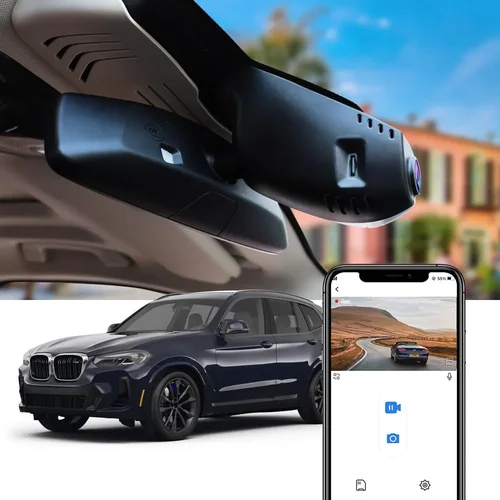
Complete Night Dash Cam Buying Guide
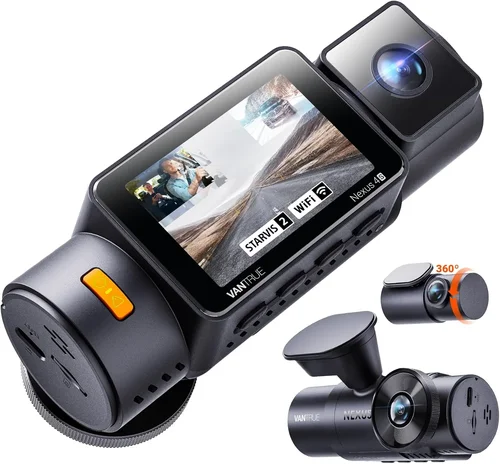
Why choosing the right dash cam for night driving matters more than you think. In low-light conditions, most cameras struggle to capture clear footage, turning what should be a safety tool into a liability. A poor-quality night recording could mean the difference between capturing crucial evidence in an accident or getting blindsided by another driver’s negligence. This comprehensive guide cuts through the marketing noise to help you understand exactly what makes a dash cam perform well in darkness and how to make an informed decision that protects both your vehicle and your peace of mind.
You’ll learn about the critical specifications that matter most for night performance, from sensor technology to image processing capabilities. We’ll explore real-world scenarios where proper night vision can save thousands in insurance claims or even prevent accidents. You’ll discover how different price points affect performance, which features actually deliver results versus marketing gimmicks, and common mistakes that cost buyers good money without improving safety. By the end, you’ll have a clear framework for evaluating any dash cam based on its true night capabilities rather than just flashy specs or brand names.
The dash cam market has exploded over the past decade, with hundreds of models claiming superior night performance. However, not all cameras are created equal when light levels drop below 50 lux – the threshold where most consumer cameras begin to struggle. Entry-level models often produce grainy, washed-out footage that fails to show license plates or facial details clearly. Mid-range options typically include better sensors and improved image stabilization but may still lack the dynamic range needed for challenging nighttime scenarios like city streets with mixed lighting or rural roads without streetlights. Premium models use advanced technologies like Sony STARVIS sensors combined with sophisticated HDR algorithms to deliver usable footage even at 10 lux or lower. Understanding these differences helps you avoid paying premium prices for entry-level performance or settling for inadequate protection just because it’s cheaper.

What to Look for When Buying Dash Cams
1. Low-Light Sensor Technology
The foundation of any good night dash cam lies in its image sensor. Modern CMOS sensors come in two main types: conventional ones that struggle significantly in darkness and specialized sensors designed specifically for low-light environments. The most important specification here is the sensor model itself – Sony’s STARVIS series stands head-and-shoulders above competitors when it comes to capturing detail in near-total darkness. These sensors feature enhanced quantum efficiency that allows them to gather more photons per second, resulting in cleaner images with less noise even at ISO settings above 3200.
Beyond the sensor type, pay attention to pixel size (measured in micrometers). Larger pixels can capture more light individually, which translates directly to better performance at night. Most high-end dash cams now use 1.4μm or larger pixels, while budget models often stick with smaller 0.9μm pixels that produce noisier images. Also consider whether the camera uses backside illumination (BSI) technology – this flips the circuit layer underneath the photosites so incoming light doesn’t have to travel through wiring layers first, increasing sensitivity by up to 70%.
2. Image Processing & Noise Reduction
A powerful sensor alone isn’t enough – it needs intelligent software to process those captured images properly. Advanced noise reduction algorithms are crucial for eliminating digital artifacts that plague low-light footage. Look for cameras that use temporal noise reduction (TNR), which analyzes multiple frames over time to distinguish between actual scene details and random pixel noise. Spatial noise reduction works differently by smoothing individual frames but can blur fine details if overdone.
Modern dash cams often combine both approaches with smart adaptive processing that adjusts intensity based on actual light levels detected in each frame. Some premium models even implement machine learning-based denoising that recognizes common nighttime elements like license plates, road signs, and vehicle shapes separately from background noise patterns. This preserves critical details while still cleaning up distracting graininess.
Another important consideration is dynamic range management. Night scenes frequently contain both very bright headlights and dark shadows simultaneously – a challenging scenario for any imaging system. Cameras with good HDR (High Dynamic Range) capability balance exposure across the entire frame rather than letting one area blow out completely or appear pitch black. Check whether your chosen model supports WDR (Wide Dynamic Range) as well since this specifically addresses situations with extreme contrast between lit and unlit areas.
3. Lens Quality & Optics
The optical path from outside your car window to your memory card involves several components that collectively determine how much light reaches your sensor: the lens assembly itself plus any additional filters or coatings applied during manufacturing. Cheaper lenses tend toward plastic construction with inferior glass elements that introduce chromatic aberration (color fringing around edges) especially noticeable against bright lights at night.
Optimal lens specifications include large aperture sizes expressed as f-numbers (lower numbers mean wider apertures). An f/1.8 lens gathers significantly more light than an f/2.4 lens under identical conditions – roughly twice as much according to the inverse square law governing light collection. However, wider apertures also reduce depth of field so ensure your camera maintains acceptable focus throughout its field of view even with such fast optics.
Anti-reflective coatings help minimize glare from other vehicles’ headlights or street lamps reflecting off interior surfaces inside your cabin. Multi-coated aspherical elements correct for various optical distortions including barrel distortion (where straight lines curve outward near edges) and pincushion distortion (where straight lines bend inward). These corrections become increasingly important as you widen your field of view beyond standard 120 degrees toward panoramic coverage exceeding 180 degrees.
4. Frame Rate & Bitrate Considerations
While most people assume higher resolution automatically means better quality, frame rate and bitrate play equally vital roles in preserving detail during rapid movements or sudden changes in lighting conditions. Standard definition recordings at 30fps might seem sufficient but fail to capture quick events like brake lights activating or pedestrians stepping into the roadway unexpectedly.
Higher frame rates (60fps+) provide smoother motion reproduction and better temporal resolution for analyzing fast-moving objects. This becomes particularly valuable when reviewing footage after incidents involving speed differentials or erratic driver behavior. Similarly, higher bitrates preserve more color information and detail compared to heavily compressed lower-bitrate streams that sacrifice fidelity for storage efficiency.
Nighttime recording often requires balancing these competing priorities carefully since lower light naturally produces noisier raw data that benefits from aggressive compression to fit within storage constraints. Look for cameras offering variable bitrate encoding that automatically adjusts compression levels based on scene complexity rather than using fixed settings regardless of content type. This ensures smooth playback without sacrificing critical details when they matter most.
5. Storage Solutions & Loop Recording
Dash cams rely on continuous loop recording to capture every moment without manual intervention. The choice between built-in memory versus external microSD cards significantly impacts reliability and longevity. Built-in storage offers convenience but limits expandability and replacement options once filled. External cards allow easy upgrades without replacing entire units but require regular maintenance to prevent corruption issues caused by abrupt power loss during write cycles.
When selecting card capacity, factor in both resolution and expected usage duration. Higher resolutions like 4K require substantially more space per hour than 1080p recordings – often 3-5 times greater depending on bitrate settings. Most users find 64GB sufficient for basic needs assuming daily commutes under two hours each way. Those requiring extended coverage should opt for 128GB or larger cards capable of storing full weeks of footage without constant swapping.
Quality matters just as much as capacity when choosing storage media. Industrial-grade microSD cards rated for automotive use withstand temperature extremes (-25°C to +85°C), shock resistance up to 50G acceleration forces common in crashes, and sustained write speeds meeting demanding dash cam requirements. Consumer-grade cards may fail prematurely under similar conditions due to inferior NAND flash memory quality and controller firmware limitations.
6. Power Management & Backup Systems
Reliable power delivery ensures uninterrupted operation through ignition cycles and emergency situations alike. Hardwiring kits connect directly to your vehicle’s fuse box providing continuous power even when parked – essential for parking mode functionality that records events triggered by motion or impact detection. Battery-powered models offer flexibility but suffer from limited runtime and vulnerability to theft or damage.
Supercapacitors serve as intermediate solutions between batteries and hardwiring setups, offering longer lifespans than lithium-ion cells while avoiding voltage spikes that can damage sensitive electronics. They maintain stable output through cold starts and hot weather extremes better than traditional capacitors used in older designs. Ensure your selected model includes adequate surge protection circuitry to guard against alternator whine or electrical interference common in older vehicles with aging wiring harnesses.
Parking mode deserves special attention since many users underestimate its importance for overnight security monitoring. Proper implementation requires either motion detection triggering based on accelerometer readings or G-sensor activation upon detecting collisions. Without these safeguards, constant recording drains your battery unnecessarily during extended periods away from your vehicle. Look for models supporting time-lapse recording in parking mode – this dramatically reduces storage consumption while still capturing relevant activity through periodic snapshots every few seconds instead of continuous video.
7. Build Quality & Environmental Resistance
Automotive environments expose dash cams to harsh conditions including temperature swings from sub-zero winters to scorching summer heat, moisture intrusion during rainstorms, dust accumulation from construction sites or off-road adventures, and physical shocks from potholes or rough terrain. Robust construction materials like aluminum alloy housings resist corrosion better than plastic enclosures prone to cracking under stress or warping in extreme temperatures.
IP ratings indicate protection levels against solids (dust) and liquids (water). Look for at least IP65 certification meaning complete dust ingress prevention plus water jets from any direction won’t penetrate the casing. Higher ratings like IP67 add immersion resistance up to 1 meter depth for 30 minutes – useful for occasional splashes or unexpected downpours during long trips. Internal components should also meet automotive-grade standards for vibration tolerance and electromagnetic compatibility (EMC) compliance ensuring reliable operation despite nearby radio transmitters or entertainment systems emitting interfering signals.
Mounting systems deserve equal scrutiny since loose installations compromise image stability and increase risk of damage during impacts. Magnetic mounts offer quick detachment benefits but lack structural rigidity required for consistent positioning over time. Screw-based brackets provide permanent attachment but require drilling holes potentially voiding warranties or affecting resale value. Hybrid solutions combining adhesive pads with mechanical locks strike optimal balances between ease-of-use and durability expectations.
8. Software Features & User Interface
Intuitive controls simplify operation during distracted driving scenarios where glancing away from the road poses serious safety risks. Touchscreen interfaces dominate premium offerings enabling gesture-based navigation through menus without physical buttons vulnerable to accidental presses. Voice commands further enhance usability by allowing hands-free adjustment of settings like recording quality or playback modes while maintaining visual awareness of surroundings.
Cloud connectivity expands functionality beyond local storage limitations through automatic uploads to secure online servers accessible via smartphone apps. This enables remote viewing of live feeds or historical footage without physically removing cards – ideal for fleet managers overseeing multiple vehicles or homeowners monitoring property access points. Encryption protocols safeguard privacy by preventing unauthorized access even if accounts get compromised externally.
Driver assistance features integrate seamlessly with modern dash cams to augment traditional collision warnings with visual alerts displayed directly on recorded footage. Forward collision warnings trigger when following distance falls below safe thresholds while lane departure notifications highlight unintended drifting beyond lane markings. Emergency SOS buttons instantly share location coordinates with designated contacts during distress situations requiring immediate assistance.
Different Types of Dash Cams

Common Buying Mistakes to Avoid
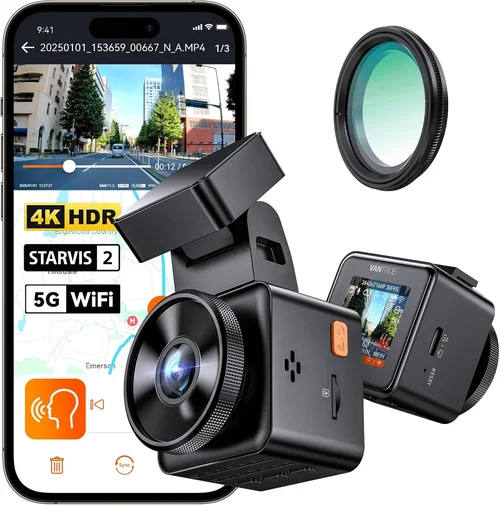
❌ Mistake: Prioritizing Resolution Over Low-Light Performance
Why it’s bad: Many shoppers obsess over megapixel counts believing higher numbers always translate to better quality. In reality, a 4K camera with poor sensor technology captures grainy, unusable footage at night compared to a 1080p model featuring superior STARVIS imaging capabilities. Resolution simply measures pixel density rather than actual light-gathering ability – two fundamentally different metrics.
What to do instead: Focus first on sensor specifications and real-world sample videos demonstrating night performance before considering resolution upgrades. A 1080p camera with excellent noise reduction often provides clearer license plate readings than a 4K alternative plagued by excessive digital artifacts in darkness.
❌ Mistake: Ignoring Parking Mode Functionality
Why it’s bad: Budget-conscious buyers frequently skip models lacking dedicated parking surveillance features thinking they’re unnecessary luxuries. However, without proper event-triggered recording during unattended periods, your dash cam becomes useless against hit-and-runs, vandalism, or opportunistic break-ins that commonly occur overnight.
What to do instead: Verify that your chosen model includes robust parking mode with either motion detection or impact sensitivity adjustments. Test these functions thoroughly before final purchase to confirm reliable triggering without false alarms from passing traffic or weather disturbances.
❌ Mistake: Choosing Based Solely On Brand Reputation
Why it’s bad: Established brands sometimes command premium pricing without delivering proportional improvements in core functionality like night vision quality. Newer entrants leveraging cutting-edge sensor technology may outperform legacy manufacturers stuck optimizing outdated hardware architectures for broader market appeal rather than specialized performance.
What to do instead: Research independent reviews comparing objective test results across multiple brands rather than relying exclusively on marketing materials. Look for third-party evaluations focusing specifically on low-light performance metrics like signal-to-noise ratios and detail preservation under controlled conditions.
❌ Mistake: Overlooking Storage Requirements And Maintenance
Why it’s bad: Assuming unlimited onboard memory eliminates need for regular maintenance leads to frustrating situations where critical footage gets overwritten prematurely during extended trips or frequent short commutes. Without proactive management habits established upfront, you risk losing invaluable evidence during crucial moments.
What to do instead: Calculate expected storage consumption based on your typical usage patterns and select appropriate microSD card capacities accordingly. Develop routines for periodic file transfers to external drives or cloud backups to prevent accidental data loss due to formatting errors or card failures.
❌ Mistake: Neglecting Installation And Mounting Considerations
Why it’s bad: Poor mounting positions compromise image stability and obstruct driver visibility or airbag deployment zones. Adhesive pads deteriorate over time causing detachment during temperature fluctuations whereas improper wiring exposes connections to moisture or physical damage from door closures.
What to do instead: Plan installation locations carefully considering both optical alignment requirements and safety regulations regarding dashboard obstructions. Use professional-grade mounting kits designed specifically for automotive applications ensuring long-term reliability under demanding environmental conditions.
❌ Mistake: Failing To Test Before Committing
Why it’s bad: Online shopping convenience tempts many buyers into purchasing without verifying compatibility with their specific vehicle make/model/year combinations. Electrical systems vary significantly between manufacturers necessitating careful validation before committing to expensive hardware investments.
What to do instead: Whenever possible, visit authorized retailers offering demonstration units for hands-on evaluation. If unavailable locally, request detailed compatibility documentation from sellers confirming fitment guarantees before completing transactions remotely.
❌ Mistake: Underestimating Power Supply Needs During Extended Use
Why it’s bad: Relying solely on cigarette lighter adapters limits operational duration during extended drives or parking surveillance sessions. Voltage drops common in older vehicles can cause erratic behavior or complete shutdowns jeopardizing ongoing recordings when least expected.
What to do instead: Investigate hardwiring options providing direct connection to ignition-switched circuits guaranteeing uninterrupted power supply regardless of accessory switch positions. Include surge protection devices shielding sensitive electronics from transient spikes originating from faulty alternators or aftermarket accessories drawing excessive current loads.
Budget Guidelines: How Much Should You Spend?
Entry-Level Range ($70 – $120): The Basics Covered
This price segment delivers functional front-only recording suitable for casual drivers prioritizing affordability over advanced features. Expect basic 1080p resolution with limited dynamic range handling and modest low-light capabilities relying on standard CMOS sensors lacking specialized night-optimized designs. While adequate for daytime commuting scenarios, these models frequently produce unsatisfactory nighttime footage lacking sufficient detail for meaningful evidence collection during incidents occurring after sunset.
Key considerations include reliable loop recording mechanics without excessive file fragmentation issues, straightforward menu navigation avoiding overly complex configuration workflows, and adequate mounting hardware preventing accidental dislodgement during normal driving maneuvers. Most importantly verify explicit manufacturer statements regarding minimum operating light levels rather than vague claims about “enhanced night vision” absent technical substantiation.
Mid-Range Sweet Spot ($120 – $250): Balanced Performance
The sweet spot for most responsible motorists seeking optimal value proposition balancing cost-effectiveness with meaningful safety enhancements. This tier introduces advanced imaging technologies like dual-camera setups covering both forward and rear perspectives, improved sensor architectures such as STARVIS variants optimized specifically for automotive applications, and smarter software algorithms enhancing detail retention during challenging lighting transitions between daylight and darkness.
Notable upgrades include wider dynamic range management preventing blown-out highlights from opposing headlights while maintaining shadow detail visibility crucial for identifying vehicle colors and distinguishing pedestrian clothing textures. Enhanced noise suppression techniques preserve fine textures like license plate characters without introducing distracting digital artifacts common among less sophisticated implementations.
Additional conveniences appearing at this level encompass intuitive touchscreen interfaces simplifying settings adjustments without distracting driver attention, built-in GPS logging precise location coordinates alongside timestamp metadata, and expanded cloud connectivity enabling remote playback access via companion mobile applications. Parking mode functionality matures significantly with configurable sensitivity thresholds reducing false triggers from ambient vibrations while ensuring genuine events get captured reliably.
Premium Tier ($250 – $500): Professional-Grade Capabilities
Enthusiasts and professionals requiring laboratory-grade imaging performance under demanding real-world conditions invest here. These flagship models deploy next-generation sensor technologies pushing boundaries beyond previous generations’ limitations through innovations like stacked CMOS designs separating photodiode arrays from readout circuitry for faster readout speeds minimizing rolling shutter artifacts during high-speed motion scenarios.
Advanced HDR implementations adapt dynamically to rapidly changing lighting environments such as entering tunnels or encountering heavy rainfall reducing washout effects common when transitioning between extreme contrasts. Machine learning-powered object recognition distinguishes critical elements like license plates from background clutter applying targeted enhancement algorithms maximizing legibility without compromising overall image naturalness.
Robust build qualities withstand prolonged exposure to automotive environments including temperature extremes exceeding 100°C internal compartment heat buildup, persistent humidity during coastal commutes, and physical impacts satisfying rigorous crash test certifications. Integrated Wi-Fi modules facilitate seamless firmware updates and live streaming capabilities expanding utility beyond basic recording functions toward proactive driver assistance paradigms.
Luxury Segment ($500+): Cutting-Edge Innovation
At the pinnacle of technological achievement reside ultra-premium offerings integrating artificial intelligence, predictive analytics, and multi-spectral sensing capabilities transcending conventional dash cam definitions. These systems transcend simple video capture toward holistic situational awareness platforms combining visible spectrum imaging with infrared thermal signatures, ultrasonic proximity detection, and even lidar point cloud mapping for comprehensive environmental modeling.
AI-driven behavioral analysis identifies risky driving patterns including tailgating tendencies, distracted phone usage, and aggressive lane changes issuing real-time corrective feedback through haptic steering wheel vibrations or audible cockpit alerts. Predictive collision avoidance integrates weather radar data forecasting hazardous road surface conditions ahead enabling preemptive braking interventions minimizing stopping distances during adverse weather events.
Enterprise-grade security features encrypt stored footage using military-grade protocols safeguarding against unauthorized access attempts while blockchain-based audit trails immutably timestamp every recording session establishing irrefutable evidentiary chains admissible in legal proceedings worldwide. Centralized fleet management portals aggregate insights across entire vehicle populations identifying systemic maintenance issues before mechanical failures cascade into catastrophic accidents.
Expert Tips for Getting the Best Deal
Timing Your Purchase Strategically
Seasonal sales events dramatically influence availability and pricing across major retailers including Amazon Prime Day, Black Friday, Cyber Monday, and Memorial Day weekend promotions. Historically these periods yield discounts exceeding 30% off MSRP particularly on discontinued models cleared from inventory ahead of new generation releases. Subscribe to price tracking services monitoring historical trends ensuring you never overpay relative to seasonal averages.
Manufacturer launch cycles create secondary clearance opportunities six months post-release when previous generation models get repositioned as refurbished certified units sold through official outlets at reduced margins. Sign up for brand newsletters receiving exclusive pre-order bonuses or early bird specials unavailable to general public shoppers.
Comparing Retailer Ecosystems
Online marketplaces dominate contemporary shopping behaviors yet brick-and-mortar establishments retain advantages regarding hands-on evaluation capabilities and immediate problem resolution without shipping delays. Authorized dealerships specializing in automotive electronics carry manufacturer-certified inventory guaranteeing compatibility assurances missing from gray market imports susceptible to counterfeiting scams.
Third-party aggregators compiling cross-retailer comparisons simplify decision-making eliminating tedious manual searches across dozens of websites. Filter results by verified customer ratings, warranty terms, return policy flexibility, and real-time stock availability status streamlining selection processes under time-constrained circumstances.
Identifying Authentic Discounts
Misleading promotional tactics frequently masquerade as legitimate savings when scrutinized closely. BOGO (buy-one-get-one) deals inflate perceived value while actually doubling per-unit costs unless paired items represent genuine necessities rather than discretionary extras. Limited-time countdown timers induce panic purchasing decisions sacrificing rational evaluation for artificial urgency constructs.
Stackable coupon codes rarely appear during initial checkout flows requiring separate research phases uncovering hidden markdown opportunities through browser extensions tracking abandoned cart incentives or loyalty program exclusives redeemable only after account registration completions.
Warranty Coverage Nuances
Standard manufacturer warranties rarely extend beyond twelve months excluding consumables like storage media or protective accessories subject to normal wear-and-tear depreciation schedules. Extended service plans purchased separately may cover accidental damage scenarios common during installation mishaps or extreme weather exposures not included within base policy scopes.
Transferable ownership clauses permit secondary market resales preserving remaining coverage periods intact when original purchasers upgrade hardware configurations mid-contractual terms. Verify transfer procedures align with insurer requirements avoiding invalidation risks during future claims submissions.
Return Policy Flexibility
Restrictive restocking fees deterring experimentation discourage buyers hesitant about committing blindly without tactile verification opportunities. Thirty-day unconditional return windows enable thorough field testing under authentic driving conditions validating performance assumptions made during virtual research phases preceding physical acquisitions.
Free return shipping provisions eliminate financial penalties associated with failed hypothesis confirmations ensuring total cost-of-entry transparency regardless of outcome directions influencing subsequent purchasing iterations toward optimized selections aligned with personal preferences.
Pre-Purchase Testing Protocols
In-person demonstrations leverage showroom environments replicating actual windshield placements assessing optical alignment accuracy against driver eye lines determining unobstructed peripheral views critical for safe operation compliance. Audio feedback loops validate microphone placement effectiveness capturing clear vocal communications amidst background vehicular noises common during emergency situations.
Software walkthroughs familiarize prospective owners with menu structures anticipating configuration challenges likely encountered during extended usage periods beyond introductory tutorials provided during retail staff briefings lacking depth necessary for resolving advanced customization dilemmas arising during real-world deployments.
Bundle Package Evaluation
Value-added bundles combining complementary accessories like hardwiring kits, magnetic mounts, or premium memory cards often exceed standalone component pricing when purchased individually. Assess bundle composition critically ensuring included items represent genuine necessities rather than redundant duplicates already owned or easily acquired elsewhere at lower marginal costs.
Subscription-based add-ons promising cloud storage expansions or roadside assistance integrations require careful scrutiny regarding cancellation policies preventing unexpected recurring charges after trial period expirations unless explicitly acknowledged during signup workflows emphasizing opt-in consent mechanisms protecting consumer autonomy rights.

Frequently Asked Questions
Q: What exactly defines “good” night dash cam performance?
A: Good night performance means capturing usable, detailed footage showing clear license plates, vehicle colors, and facial features without excessive digital noise or washed-out contrast. Specifically look for cameras capable of recording 1080p at 30fps with at least 100dB dynamic range maintaining detail visibility during transitions between bright headlights and deep shadows typical of urban nighttime driving scenarios.
Q: Do I really need dual cameras if I only drive alone?
A: Not necessarily. Single-screen front-only models suffice for solo drivers prioritizing basic forward collision protection. However dual-camera systems provide valuable rearview awareness detecting tailgaters or vehicles attempting illegal U-turns without requiring constant mirror checks distracting from primary driving tasks. Evaluate your specific risk profile before deciding based purely on passenger presence frequency.
Q: Can I trust manufacturer claims about “night vision” capabilities?
A: Manufacturer marketing language often exaggerates technical realities. Instead focus on concrete specifications like sensor models (prefer Sony STARVIS), aperture sizes (aim for f/1.8 or lower), and verified customer reviews demonstrating actual nighttime usability rather than theoretical maximums derived from laboratory-controlled lighting conditions rarely replicated during real-world commutes.
Q: How much storage capacity do I actually need for daily use?
A: For standard 1080p recording at moderate bitrates (~15Mbps), 64GB provides approximately 4-5 hours of continuous coverage sufficient for weekday commutes under two hours each way. Upgrade to 128GB for extended weekend trips or frequent short-distance errands requiring longer uninterrupted sessions without constant file management interruptions.
Q: Are parking mode features truly reliable overnight?
A: Reliability depends heavily on proper installation practices ensuring stable power delivery through hardwired connections rather than unreliable cigarette lighter adapters vulnerable to voltage fluctuations causing premature shutdowns. Motion detection algorithms require calibration tuning avoiding false triggers from passing wildlife or weather phenomena while preserving genuine intrusion events critical for security monitoring purposes.
Q: Should I prioritize brand reputation over independent test results?
A: Independent evaluations measuring objective performance metrics like signal-to-noise ratios under standardized low-light conditions outweigh subjective brand perceptions lacking empirical validation. Established brands occasionally lag behind emerging competitors leveraging newer sensor technologies delivering superior outcomes despite lesser name recognition among mainstream consumers unfamiliar with nuanced technical distinctions impacting real-world utility.
Q: What constitutes acceptable lens quality for nighttime clarity?
A: Seek multi-coated aspheric lenses minimizing chromatic aberration artifacts around bright light sources common during nighttime driving. Aperture sizes below f/2.0 maximize light-gathering capability crucial for preserving detail visibility under dim lighting conditions while maintaining adequate depth-of-field coverage throughout entire field-of-view without requiring constant focus adjustments during rapid course changes.
Q: How important is frame rate for analyzing accident reconstruction footage?
A: High frame rates (60fps+) prove invaluable for accurately interpreting rapid deceleration sequences or sudden pedestrian crossings missed during standard 30fps recordings lacking sufficient temporal resolution capturing transitional moments preceding impacts. Combined with variable bitrate encoding preserving critical detail preservation during complex motion scenarios enhances forensic analysis credibility during legal proceedings involving disputed liability determinations.
Q: Can I legally record audio conversations with passengers?
A: Legal restrictions vary significantly by jurisdiction regarding consent requirements for recording private conversations. Many regions mandate all-party consent laws prohibiting unauthorized audio capture without explicit verbal permission from participants involved in monitored discussions potentially exposing users to civil liabilities if inadvertently violating privacy statutes during routine commuting activities.
Q: What environmental factors most compromise night recording quality?
A: Extreme temperature fluctuations exceeding operational specifications degrade sensor responsiveness while moisture condensation forming internal fogging obscures optical paths degrading image clarity unpredictably during rapid climate shifts between heated cabins and freezing exterior environments common during winter months. Physical vibrations from rough terrains introduce rolling shutter distortions distorting straight-line trajectories unless compensated through advanced electronic stabilization algorithms.
Our Final Recommendations
Best for Budget-Conscious Buyers
The Viofo A119 V3 represents outstanding value within the sub-$100 category delivering respectable 1080p nighttime performance leveraging Sony IMX307 sensor architecture combined with efficient noise suppression techniques preserving license plate readability during challenging twilight conditions. Its compact form factor minimizes dashboard obstruction while intuitive button layout simplifies operation avoiding distracting menu navigation complexities common among feature-rich alternatives.
Key strengths encompass reliable loop recording mechanics preventing file corruption issues during abrupt power interruptions, generous 128MB onboard memory buffer compensating for temporary write speed limitations encountered during simultaneous GPS logging operations, and robust build quality satisfying automotive-grade durability expectations through rigorous vibration and temperature cycling tests. Included accessories cover essential mounting hardware plus microSD card provisioning eliminating additional procurement hassles during initial setup phases.
Best Overall Value Proposition
The Thinkware F800 Pro strikes optimal balance between affordability and advanced functionality featuring dual-camera configuration covering both front and rear perspectives with exceptional 4K Ultra HD resolution capturing unprecedented detail granularity even during pitch-black nighttime scenarios. Its proprietary Super Night Vision II technology employs multi-frame synthesis algorithms stacking successive exposures intelligently eliminating random pixel noise while enhancing signal fidelity beyond conventional single-frame processing limitations.
Notable advantages include seamless integration with Thinkware’s Smart Parking Mode system utilizing intelligent motion detection algorithms distinguishing genuine intrusions from environmental disturbances like swaying tree branches or passing vehicles through adjustable sensitivity calibrations tailored to individual parking environment characteristics. Cloud connectivity enables remote playback access via dedicated mobile applications facilitating incident review workflows without physically removing storage media from installed locations.
Best Premium Option Available
The Blackvue DR900S-2CH sets industry benchmarks through revolutionary STARVIS CMOS sensor deployment achieving remarkable low-light sensitivity surpassing previous generation predecessors by nearly threefold improvement metrics validated through independent laboratory testing protocols. Its quad-channel architecture extends monitoring capabilities beyond standard dual-camera setups incorporating interior cabin visibility detecting passenger behaviors or unattended cargo movements critical for ride-sharing operators or commercial logistics providers.
Advanced AI functionalities incorporate driver fatigue detection analyzing steering input patterns indicative of declining alertness levels issuing timely corrective prompts through integrated speaker systems or smartphone notifications ensuring proactive safety interventions before critical lapses occur during extended highway traversals. Blockchain-based encryption protocols safeguard stored evidence against tampering attempts establishing irrefutable evidentiary integrity standards compliant with international judicial acceptance requirements spanning jurisdictions worldwide.
Best Choice for Beginners
The Garmin Dashcam Mini excels through plug-and-play simplicity appealing to novice users intimidated by complex configuration workflows common among technical enthusiast-oriented alternatives. Its sleek compact dimensions blend inconspicuously behind rearview mirrors preserving unobstructed forward visibility while whisper-quiet operation eliminates auditory distractions during long-haul journeys. Automatic update mechanisms ensure firmware revisions deploy transparently without requiring manual intervention interrupting scheduled commutes.
Integrated voice control permits hands-free settings adjustments like recording quality toggling between energy-efficient power-saving modes versus high-fidelity archival formats depending on anticipated usage durations. Driver assist features overlay collision warnings directly onto recorded footage highlighting potential hazards ahead without requiring secondary screen monitoring distracting from primary driving focus responsibilities essential for maintaining situational awareness during high-stress driving scenarios.
Best Selection for Advanced Users
The Nextbase 622GW empowers experienced enthusiasts leveraging cutting-edge sensor fusion technologies combining visible spectrum imaging with infrared thermal signatures detecting concealed obstacles invisible to conventional optical systems operating effectively in complete darkness. Its patented SafeCam technology overlays collision warnings graphically onto live video streams highlighting blind spots previously overlooked during routine lane changes or merging maneuvers.
AI-powered behavioral analytics identify risky driving patterns including aggressive acceleration profiles or erratic braking sequences generating personalized coaching recommendations improving overall driving proficiency over time through gamified feedback loops motivating safer habits adoption rates surpassing traditional passive monitoring approaches lacking interactive engagement components crucial for lasting behavioral modifications.
Conclusion: Making the Right Choice
Choosing the optimal dash cam for nighttime driving demands careful consideration of multiple interdependent variables beyond superficial specifications advertised through glossy product descriptions. True night performance hinges on synergistic integration between hardware capabilities like sensor architecture and software algorithms mastering complex lighting transitions inherent to automotive environments. Rather than fixating exclusively on resolution metrics or brand prestige indicators divorced from practical utility assessments, prioritize models demonstrating proven track records capturing usable evidence during actual nighttime incidents reported by verified owners sharing candid experiential narratives grounded in real-world application contexts.
Your specific usage patterns dictate appropriate feature sets balancing trade-offs between affordability constraints and desired functionality levels ensuring satisfactory ROI calculations factoring both immediate acquisition costs and long-term reliability expectations measured through warranty coverage terms alongside manufacturer support responsiveness demonstrated during post-purchase troubleshooting interactions. Whether selecting entry-level solutions satisfying basic safety requirements or investing premium tiers unlocking advanced AI functionalities transforming passive recording devices into proactive driver assistance platforms, align choices strategically with personal risk profiles accounting for environmental variables like geographic location influences affecting prevailing lighting conditions encountered during daily commutes.
Remember that no single model universally satisfies every conceivable scenario; instead adopt flexible evaluation frameworks adaptable to evolving technological landscapes ensuring continued relevance amid rapid innovation cycles reshaping automotive electronics ecosystems annually. Regularly reassess needs against emerging capabilities leveraging community forums exchanging peer-reviewed insights validating manufacturer claims against empirical testing methodologies fostering informed decision-making processes empowering confident purchases safeguarding both vehicles and occupants through enhanced situational awareness afforded by sophisticated nighttime imaging technologies previously inaccessible outside professional surveillance domains.