Smart Dash Cam Buying Guide for Cops
For law enforcement professionals, a dash cam isn’t just an accessory—it’s a critical piece of equipment that can protect both the officer and the public. In today’s increasingly complex legal environment, having objective video evidence from the road can mean the difference between a justified action and a costly investigation. A reliable dash cam serves as an impartial witness, capturing every detail during traffic stops, pursuits, and emergency situations.
This comprehensive buying guide is designed specifically for police officers, detectives, and law enforcement administrators who need to make informed decisions about dash cam technology. We’ll explore everything from essential features like night vision and impact sensors to advanced capabilities such as cloud connectivity and AI-powered analytics. Whether you’re equipping a single patrol car or an entire fleet, understanding the technical specifications and operational requirements will help you select the right solution for your agency’s needs.
The market offers dozens of options ranging from basic entry-level models to sophisticated professional-grade systems. Each category comes with distinct advantages and limitations that directly affect performance in real-world scenarios. By the end of this guide, you’ll have the knowledge needed to evaluate dash cams objectively, compare different technologies, and choose equipment that enhances safety while providing defensible evidence when it matters most.
## What to Look for When Buying Dash Cams
### Resolution and Video Quality
Video resolution stands as the foundation of any effective dash cam system. For law enforcement applications, clarity is paramount—you need to capture fine details like license plate numbers, facial expressions, and vehicle damage clearly enough for court proceedings. Most agencies require at least 1080p Full HD resolution, but we strongly recommend 4K Ultra HD for optimal detail retention.
When evaluating resolution, consider both the main camera and any secondary cameras (such as interior cabin views). Higher resolution doesn’t automatically guarantee better quality though—factors like sensor size, lens quality, and image processing algorithms play equally important roles. Look for cameras with large sensors (1/2.7″ or larger) paired with wide aperture lenses (f/1.8 or lower) to ensure excellent low-light performance.
Frame rate also affects video quality significantly. Standard 30fps works adequately for most scenarios, but 60fps provides smoother motion capture during high-speed pursuits or rapid maneuvers. Some premium models offer variable frame rates that adjust based on detected motion intensity, optimizing storage usage while maintaining critical footage quality.
### Storage Capacity and Management
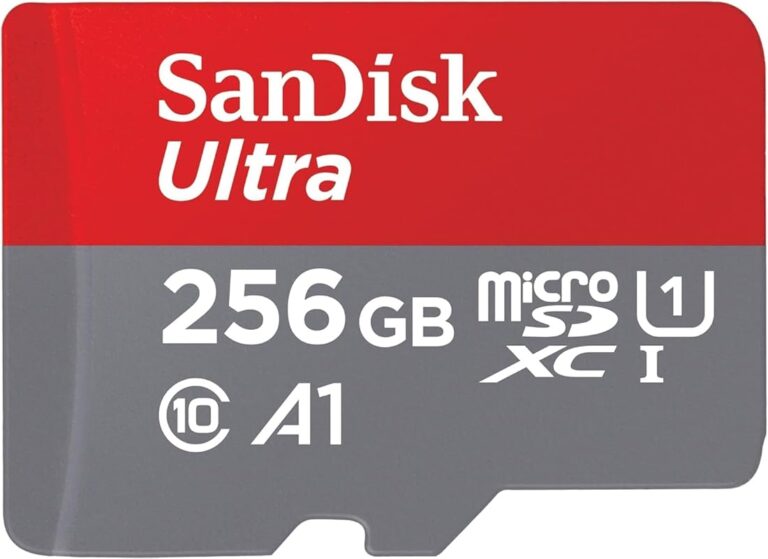
Storage capacity requirements vary dramatically based on usage patterns and recording policies. Basic patrol cars might get away with 64GB cards, while busy units with frequent incidents may need 256GB or more. Consider your department’s retention policy—some agencies keep all footage indefinitely, requiring substantial storage solutions.
Loop recording is essential for continuous operation without manual intervention. Modern dash cams automatically overwrite older files when storage fills up, but intelligent management systems can prioritize keeping incident-related footage. Advanced models feature G-sensor technology that locks and protects recordings when sudden impacts or rapid deceleration occur, preventing those crucial moments from being overwritten.
Cloud storage integration has become increasingly valuable for remote access and backup. Cloud-connected dash cams upload critical incidents immediately to secure servers, ensuring evidence isn’t lost due to card failure or theft. However, consider bandwidth limitations and data security protocols before implementing cloud solutions.
### Night Vision and Low-Light Performance
Nighttime operations present unique challenges for visual documentation. Police work extends well beyond daylight hours, making low-light capability absolutely essential. Look for dash cams with specialized night vision features including infrared illumination, enhanced sensitivity CMOS sensors, and dynamic range optimization.
True color reproduction in darkness remains challenging—many budget models produce washed-out, grainy footage after sunset. Professional-grade units address this through multiple approaches: wider aperture lenses allow more light capture, back-illuminated sensors improve sensitivity, and software algorithms enhance contrast while minimizing noise. Some advanced systems include active infrared lighting that illuminates scenes without affecting human vision or creating glare.
Consider how your dash cam performs in various nighttime conditions: streetlights, headlights, moonlight, and complete darkness. Test footage should show clear license plates, facial features, and environmental details under these different lighting scenarios.
### Build Quality and Durability
Law enforcement vehicles face extreme conditions—temperature fluctuations, vibration, dust exposure, and potential impacts during pursuits. Your dash cam must withstand these challenges reliably. Look for ruggedized construction with IP rating certifications (IP65 or higher) indicating protection against dust and water jets.
Mounting hardware deserves special attention. The mounting bracket should provide secure attachment to your vehicle’s dashboard without obstructing view or airbag deployment zones. Quick-release mechanisms allow easy removal for maintenance or charging but must maintain stability during high-G maneuvers.
Temperature tolerance ranges from -4°F to 140°F (-20°C to 60°C) for most professional models. Extreme cold can cause batteries to drain rapidly while excessive heat may trigger automatic shutdowns or damage sensitive components. Choose models tested for automotive environments rather than consumer electronics standards.
### Features and Functionality
Advanced features significantly enhance dash cam utility beyond basic recording. GPS tracking provides precise location data synchronized with video timestamps—valuable for accident reconstruction and pursuit documentation. Speed and heading information can be overlaid directly onto footage for immediate reference.
Wi-Fi connectivity enables wireless file transfers and live viewing capabilities. This allows officers to review recent footage on mobile devices before returning to service, improving situational awareness and accountability. Some systems support dual-band Wi-Fi with encrypted connections to prevent unauthorized access.
Audio recording remains controversial but legally necessary in many jurisdictions. Ensure your selected model complies with local wiretapping laws regarding consent requirements and recording permissions. Built-in microphones should provide clear voice capture while allowing optional external microphone inputs for enhanced audio quality.
Driver assistance features like lane departure warnings or collision alerts can supplement traditional driving skills but shouldn’t replace proper training. These systems work best as supplementary tools rather than primary safety mechanisms.
### Brand Reputation and Support
Established brands typically offer better reliability, customer service, and long-term software updates. Research manufacturer history in the law enforcement sector specifically—some companies specialize exclusively in public safety technology while others target consumer markets.
Check whether the brand provides dedicated technical support lines staffed by knowledgeable personnel familiar with law enforcement workflows. Software update frequency indicates ongoing commitment to product improvement; regular firmware releases suggest responsive development teams addressing emerging needs.
Warranty terms reveal manufacturer confidence in product durability. Look for minimum two-year coverage periods with repair or replacement guarantees. Extended warranty options may be available through authorized dealers offering comprehensive protection plans.
User communities and professional forums provide valuable insights into real-world performance beyond marketing claims. Active discussion groups indicate engaged user bases willing to share troubleshooting tips and configuration advice tailored to specific agencies’ requirements.
### Size and Portability
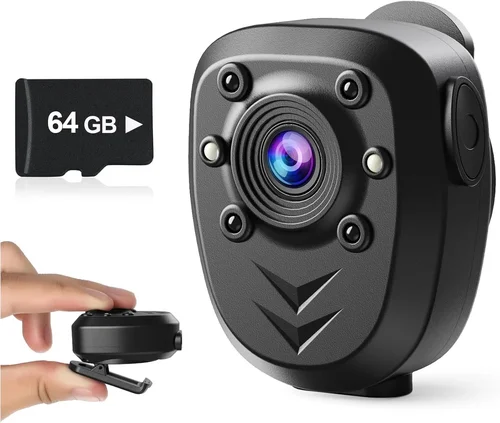
Compact designs minimize visual obstruction while maintaining full functionality. Most modern dash cams measure between 2-4 inches diagonally but vary considerably in depth and mounting requirements. Slim profiles reduce wind resistance and aerodynamic drag during high-speed pursuits.
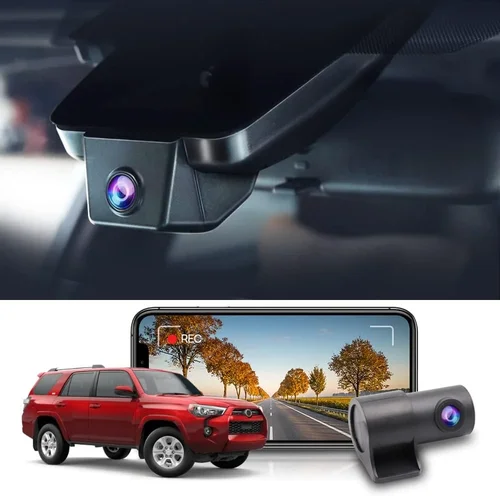
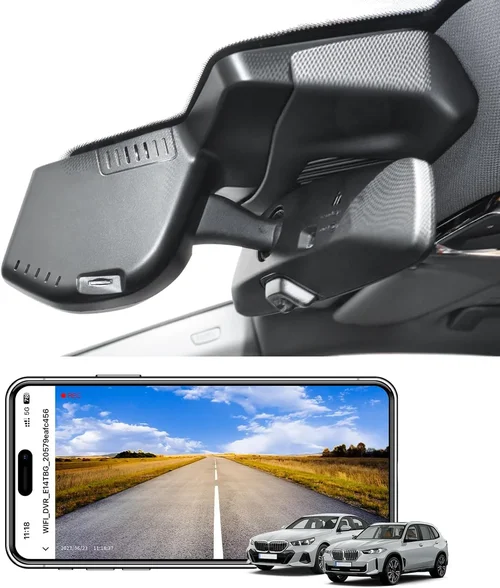
Hidden installation options allow temporary concealment when discretion is required, though this may compromise accessibility for quick retrieval during emergencies. Magnetic mounts offer flexible positioning flexibility but may lack stability during aggressive driving maneuvers.
Power management considerations affect portability choices. Hardwired installations provide uninterrupted operation but limit placement flexibility. Battery-powered models offer greater positioning freedom but require regular recharging or solar panel integration for extended field use.
Compatibility with existing vehicle systems ensures seamless integration without requiring custom modifications or additional wiring harnesses. Universal mounting brackets accommodate various windshield angles and curvature differences across vehicle makes and models.
## Different Types of Dash Cams
## Common Buying Mistakes to Avoid
### ❌ Mistake: Choosing Based Solely on Price
Many departments make the critical error of selecting dash cams primarily because they’re inexpensive. While budget constraints are real, compromising too much on essential features can create bigger problems down the line. Cheap units often suffer from poor video quality, unreliable recording intervals, and premature failures—all of which undermine their intended purpose as evidence-gathering tools.
Instead of focusing exclusively on initial purchase cost, calculate the total cost of ownership over three years. Include expenses for replacement parts, storage media, power adapters, mounting hardware, and potential downtime during repairs. Agencies that invest slightly more upfront in proven professional-grade equipment typically save money through reduced maintenance requirements and longer service life.
### ❌ Mistake: Ignoring Compatibility Requirements
Dash cams must integrate seamlessly with existing vehicle systems and agency workflows. Selecting incompatible equipment leads to installation headaches, workflow disruptions, and frustrated officers who abandon underperforming systems altogether. Pay attention to voltage requirements, physical dimensions, mounting compatibility, and software integration needs.
Before purchasing, verify that your chosen model works with your vehicle’s electrical system without requiring expensive modifications or additional components. Check whether the manufacturer provides integration guides for common fleet management platforms used by law enforcement agencies.
### ❌ Mistake: Overlooking Legal Compliance Issues
Legal considerations extend far beyond basic functionality. Many jurisdictions have specific requirements regarding dash cam usage, including audio recording consent laws, data retention periods, and chain-of-custody procedures. Failing to comply with these regulations can render captured evidence inadmissible in court or expose agencies to liability risks.
Consult with your department’s legal counsel before implementing any new recording technology. Ensure your selected dash cam meets all applicable state and federal regulations regarding privacy rights, employee notification requirements, and evidence handling protocols.
### ❌ Mistake: Neglecting User Training Needs
Even the most advanced dash cam becomes ineffective without proper training. Officers need to understand how to operate their equipment correctly, recognize when recordings are occurring, and know how to retrieve and preserve footage properly. Without adequate training, valuable evidence may be lost due to accidental deletion, formatting errors, or improper file management.
Plan comprehensive training sessions covering hardware operation, software navigation, troubleshooting common issues, and compliance procedures. Include hands-on practice with actual equipment so officers gain confidence using their dash cams during real-world scenarios rather than theoretical exercises.
### ❌ Mistake: Focusing Only on Hardware Specifications
While technical specs provide useful baseline information, they don’t tell the whole story about real-world performance. Many manufacturers exaggerate capabilities or test under ideal laboratory conditions that rarely reflect actual field usage. Relying solely on spec sheets without considering practical experience leads to disappointment when equipment fails to deliver expected results.
Seek out independent reviews from reputable sources specializing in law enforcement technology. Contact other agencies using similar models to gather firsthand feedback about reliability, ease of use, and overall satisfaction levels. Remember that no single metric determines success—consider multiple factors including build quality, software usability, customer support responsiveness, and long-term durability.
### ❌ Mistake: Underestimating Storage Requirements
Insufficient storage capacity causes frustrating situations where critical footage gets overwritten before it can be reviewed or preserved. Agencies often underestimate how much footage they actually generate—especially during busy shifts with multiple incidents, traffic stops, or pursuits requiring extensive documentation.
Calculate your daily storage needs based on average recording time per shift multiplied by incident frequency estimates. Account for additional space reserved for locked event files and future expansion requirements. Consider implementing automated cloud backup solutions to reduce local storage demands while ensuring off-site preservation of important recordings.
### ❌ Mistake: Disregarding Maintenance Procedures
Like any electronic device, dash cams require periodic maintenance to remain functional. Dust accumulation, temperature extremes, and physical impacts can degrade performance over time. Neglecting routine cleaning, battery replacement, and software updates compromises reliability and shortens equipment lifespan.
Establish preventive maintenance schedules including monthly inspections for physical damage, quarterly cleaning of lenses and sensors, and annual firmware updates. Train designated personnel responsible for managing dash cam inventories and coordinating repairs when needed.
## Budget Guidelines: How Much Should You Spend?
### Entry-Level Options ($80 – $200)
These affordable dash cams serve basic patrol needs with essential recording capabilities. Models in this range typically offer 1080p resolution, loop recording functionality, and compact designs suitable for most sedan and SUV applications. While limited in advanced features, entry-level units provide reliable core functionality without breaking department budgets.
Expect single-lens systems without interior cameras or sophisticated analytics. Storage capacity usually caps at 64GB microSD cards with basic G-sensor event locking. Audio recording may be included but often lacks noise cancellation or directional microphone arrays found in higher-end models.
Recommended for small agencies with limited equipment budgets or departments testing dash cam adoption before committing to fleet-wide deployments. These units work best for routine traffic enforcement and general documentation purposes where maximum video quality isn’t critical.
### Mid-Range Sweet Spot ($200 – $400)
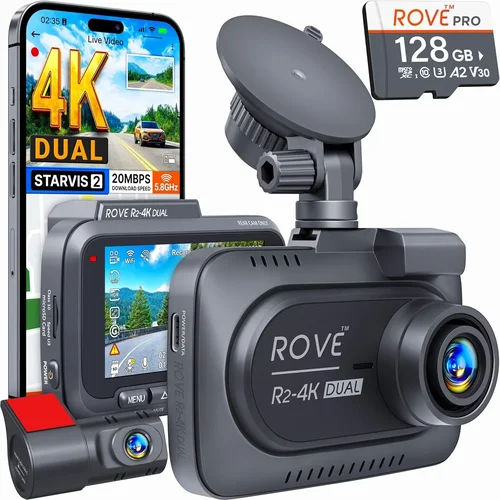
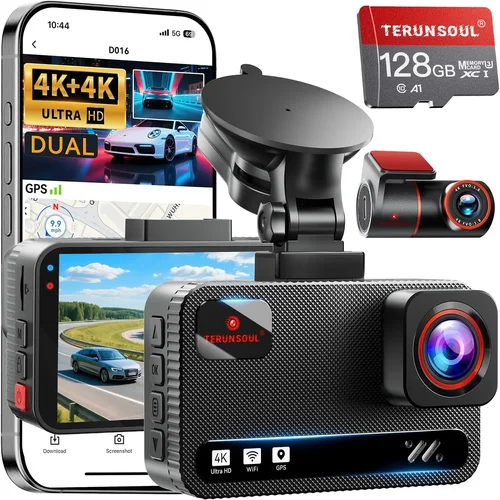
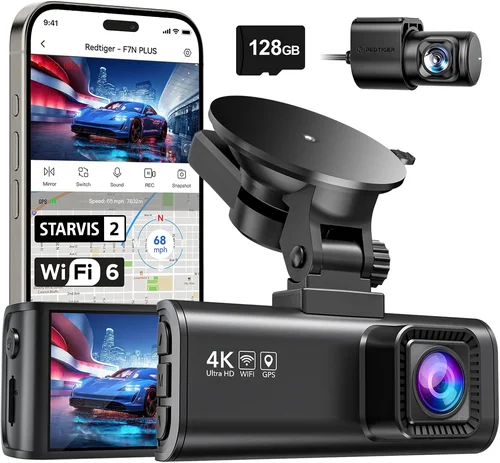
This price tier represents the optimal balance between capability and affordability for most law enforcement agencies. Mid-range dash cams typically feature dual-lens configurations capturing both exterior road views and interior cabin footage simultaneously. Resolution upgrades to 2K or even 4K provide noticeably sharper image quality for evidence presentation.
Advanced models include GPS tracking, Wi-Fi connectivity for wireless file transfer, and improved low-light performance through enhanced sensors and wider aperture lenses. Storage management becomes more sophisticated with intelligent looping algorithms that prioritize preserving event-triggered recordings.
Look for robust build quality with temperature tolerance ratings suitable for year-round operation. Warranty coverage generally extends to two years with responsive customer support addressing technical questions promptly. These units represent the sweet spot where essential features meet reasonable pricing for sustainable fleet implementation.
### Premium Professional Grade ($400 – $800)
High-end dash cams deliver exceptional video quality and advanced functionality tailored specifically for demanding law enforcement environments. Premium models often feature tri-lens systems providing comprehensive scene coverage from multiple angles simultaneously. Resolution reaches 4K Ultra HD with superior dynamic range handling challenging lighting conditions.
Sophisticated image stabilization compensates for vehicle movement during pursuits or rough terrain driving. Enhanced night vision capabilities include active infrared illumination and specialized algorithms optimizing dark scene visibility without disturbing witnesses or suspects.
Fleet management integration becomes seamless with centralized monitoring dashboards allowing supervisors real-time oversight of unit status, location tracking, and incident reporting. Cloud storage solutions ensure automatic backup of critical events regardless of local storage availability.
These systems justify their higher price points through superior reliability, comprehensive feature sets, and proven track records in professional applications. Agencies requiring maximum evidentiary value or operating in complex urban environments benefit most from investing in premium-grade equipment.
### Luxury Top-Tier Solutions ($800+)
Ultra-premium dash cams represent the pinnacle of mobile recording technology combining cutting-edge hardware with proprietary software innovations. Luxury models push boundaries with 5K resolution, hyperspectral imaging capabilities, and AI-powered analytics detecting objects, behaviors, and license plates automatically.
Advanced driver assistance integrates with vehicle systems providing predictive alerts for potential hazards while maintaining full recording continuity. Multi-spectrum sensors capture visible light, infrared, and thermal radiation simultaneously enabling unprecedented situational awareness during nighttime operations.
Military-grade ruggedization withstands extreme temperatures, shock impacts, and chemical exposures encountered in tactical environments. Customizable configurations allow agencies to tailor hardware specifications exactly matching their operational requirements without unnecessary feature bloat.
While cost-prohibitive for most departments, luxury solutions find applications in specialized units including K-9 teams, motorcycle patrols, SWAT operations, and federal agencies requiring maximum evidentiary integrity under the most challenging conditions.
## Expert Tips & Pro Advice
### Timing Your Purchase Strategically
Departmental procurement cycles follow predictable patterns that savvy buyers can exploit for better deals. Most agencies align major equipment purchases with annual budget approvals, typically occurring between Q1 and Q3 depending on local government structures. Waiting until late summer or early fall often yields surplus inventory clearance sales as vendors prepare for new product launches.
Additionally, consider seasonal variations in demand—winter months see reduced outdoor activity decreasing dash cam requirements for certain specialized units. Conversely, spring and summer bring increased patrol activity making now the ideal time to outfit vehicles before peak season demands strain existing equipment.
### Leveraging Bulk Discounts Effectively
Large-volume purchases unlock significant savings unavailable to individual buyers. Negotiate tiered pricing structures based on quantity ordered—the more units secured, the greater percentage discount achieved. Request extended warranties bundled with volume purchases to maximize value proposition.
Establish relationships with preferred vendors through consistent ordering patterns. Reputable distributors recognize loyal customers and may offer exclusive benefits like priority shipping, dedicated account managers, or customized training programs unavailable to one-time buyers.
### Evaluating Retailer Credentials Carefully
Not all retailers specialize equally in law enforcement technology. Seek out dealers with proven experience serving public safety agencies rather than general consumer electronics stores. Authorized resellers receive manufacturer certification ensuring genuine products with valid warranties honored nationwide.
Verify dealer credentials through industry associations like NENA (National Emergency Number Association) or APCO (Association of Public-Safety Communications Officials). Membership indicates adherence to professional standards and commitment to serving emergency services customers appropriately.
### Testing Before Committing Fully
Never assume all advertised features perform identically across different models. Request demonstration units for hands-on evaluation under realistic operating conditions mirroring actual patrol scenarios. Test video quality during day and night operations, assess ease of mounting in your specific vehicle configuration, and verify software interface intuitiveness during high-stress situations.
Conduct comparative testing between competing models side-by-side whenever possible. Note subtle differences in button placement, menu navigation complexity, and overall workflow efficiency that could significantly impact officer adoption rates and evidence retrieval speed.
### Understanding Warranty Terms Thoroughly
Warranties reveal manufacturer confidence in product reliability but vary widely in coverage scope and duration. Standard consumer electronics warranties rarely match professional-grade protections needed for law enforcement applications. Look for minimum two-year coverage periods with explicit inclusion of accidental damage protection.
Review exclusions carefully—some policies exclude normal wear and tear, environmental damage, or unauthorized modifications. Clarify whether repairs require factory return versus on-site service availability. Extended warranty options may provide additional peace of mind for mission-critical equipment.
### Prioritizing Return Policies
Flexible return windows allow testing equipment risk-free if initial impressions disappoint. Standard retail policies often impose restocking fees or shorten return periods compared to specialized technology dealers serving law enforcement clients. Confirm return eligibility timelines before signing purchase agreements.
Ensure returned items remain fully functional for resale to other departments. Proper packaging and documentation streamline returns while protecting remaining inventory value. Establish clear communication channels with vendors regarding defective merchandise replacements or exchanges.
### Integrating With Existing Systems Smoothly
Seamless integration prevents costly workflow disruptions during implementation phases. Verify compatibility with current fleet management software, evidence management platforms, and mobile computing devices used throughout your organization. Request integration documentation showing how new dash cams will interface with established infrastructure.
Train IT staff alongside operational personnel to address technical questions promptly post-implementation. Designate super-users within each squad willing to champion new technology adoption among peers reducing overall transition friction.
## FAQs Section
### Q: What minimum resolution should police dash cams have?
A: Most agencies require at least 1080p Full HD resolution for acceptable evidence quality, but we strongly recommend 2K or 4K Ultra HD for optimal detail retention during court proceedings. Higher resolutions enable clearer identification of license plates, facial features, and vehicle damage essential for investigations and prosecutions.
### Q: How much storage do I really need per vehicle?
A: Calculate based on average daily recording time multiplied by incident frequency estimates plus buffer space for locked event files. Basic patrol cars might manage with 64GB cards while busy units generating frequent incidents require 128GB or 256GB capacities. Implement cloud backup solutions to reduce local storage demands while ensuring off-site preservation of important recordings.
### Q: Are audio recordings legally permissible in my jurisdiction?
A: Regulations vary significantly by state and locality regarding consent requirements for audio recording. Consult with your department’s legal counsel before implementing any new recording technology to ensure compliance with all applicable laws regarding privacy rights, employee notification requirements, and evidence handling protocols.
### Q: How often should dash cams receive firmware updates?
A: Regular firmware updates indicate responsive development teams addressing emerging needs and vulnerabilities. Expect monthly to quarterly update cycles for professional-grade equipment with active support lifecycles lasting several years. Subscribe to manufacturer newsletters or join user communities to stay informed about new releases benefiting your specific model.
### Q: Can dash cams survive high-speed pursuits safely?
A: Premium professional-grade dash cams undergo rigorous testing simulating extreme conditions including high-G impacts, temperature extremes, and vibration stress typical during aggressive driving scenarios. Look for military-grade ruggedization certifications and verified performance data from agencies conducting routine high-speed operations.
### Q: What’s the difference between hardwired and battery-powered installations?
A: Hardwired installations provide uninterrupted operation without battery limitations but require permanent mounting locations near power sources. Battery-powered models offer greater placement flexibility but necessitate regular recharging or solar panel integration for extended field use. Choose based on your vehicle layout preferences and operational requirements.
### Q: How do I ensure chain-of-custody compliance for recorded evidence?
A: Implement standardized procedures including timestamp verification, secure storage protocols, and documented access logs. Use dash cams with automatic file locking during events combined with encrypted cloud backups maintaining audit trails. Train personnel thoroughly on proper evidence handling techniques meeting judicial standards for admissibility.
### Q: Should I choose single, dual, or tri-camera systems?
A: Single-lens systems suit budget-conscious departments with basic patrol needs. Dual-camera setups provide simultaneous exterior and interior documentation ideal for standard operations. Tri-camera configurations deliver comprehensive multi-angle coverage beneficial for specialized units investigating complex scenes requiring multiple perspectives simultaneously.
## Final Recommendations
### Best for Budget-Conscious Buyers
For agencies operating with limited equipment budgets seeking reliable core functionality without unnecessary frills, the BlackVue DR-490L-MV offers exceptional value starting around $180. This dual-lens system delivers crisp 1080p video from both exterior and interior perspectives with built-in GPS tracking and Wi-Fi connectivity. Robust build quality withstands typical patrol conditions while intuitive software simplifies operation during busy shifts. Optional cloud subscription provides remote access capabilities without overwhelming initial investment costs.
### Best Overall Value
Representing the perfect balance between capability and affordability, the Viofo A119 V3 earns recognition as the gold standard for mid-tier dash cams favored by law enforcement agencies worldwide. Priced competitively around $220, this tri-camera system captures stunning 2K resolution footage from front, rear, and interior viewpoints simultaneously. Advanced image stabilization compensates for vehicle movement during pursuits while intelligent parking mode monitors parked vehicles continuously. Comprehensive feature set includes GPS logging, Wi-Fi sharing, and customizable settings meeting diverse operational requirements.
### Best Premium Option
Agencies demanding maximum evidentiary integrity under the most challenging conditions should consider the Garmin Dash Cam Pro Series starting approximately $550. This ultra-premium dash cam delivers breathtaking 4K Ultra HD video quality with HDR enhancement balancing exposure across bright headlights and dark shadows simultaneously. Military-grade ruggedization withstands extreme temperatures, shock impacts, and chemical exposures encountered in tactical environments. Integrated driver assistance features provide predictive alerts for potential hazards while maintaining full recording continuity throughout critical situations.
### Best for Beginners
New adopters transitioning from paper-based documentation to digital recording benefit most from user-friendly interfaces minimizing learning curves. The Nextbase 522GW offers straightforward operation with clear menus and helpful voice guidance assisting officers during stressful situations. Dual-lens configuration provides both exterior and interior perspectives while built-in Alexa integration adds convenience features like weather updates and traffic alerts. Automatic cloud backup ensures important footage remains safe even if local storage fails unexpectedly.
### Best for Advanced Users
Specialized units requiring maximum customization flexibility find ideal solutions in the Thinkware U1000 series priced starting around $600. Professional-grade dash cam featuring dual Sony Starvis sensors delivering exceptional low-light performance unmatched by consumer alternatives. Tri-lens system captures comprehensive scene coverage from multiple angles simultaneously with advanced image stabilization compensating for vehicle movement during rough terrain driving. Extensive configuration options allow tailoring hardware specifications exactly matching unique operational requirements without unnecessary feature bloat compromising performance.
## Conclusion: Making the Right Choice
Selecting the optimal dash cam for law enforcement operations requires careful consideration of multiple interrelated factors spanning technical specifications, operational requirements, budget constraints, and legal compliance considerations. No single “best” solution exists universally—successful implementations depend on aligning equipment capabilities precisely with organizational needs and resource availability.
Begin by assessing your agency’s specific use cases including typical patrol routes, incident frequencies, environmental conditions, and evidence retention policies. Prioritize essential features like resolution quality, storage capacity, night vision performance, and build durability while avoiding unnecessary complexity that distracts from core recording objectives. Evaluate total cost of ownership beyond initial purchase prices including maintenance, training, and integration expenses ensuring sustainable long-term viability.
Engage stakeholders across your organization including frontline officers, supervisors, IT specialists, and legal advisors to gather comprehensive input shaping final decisions. Pilot testing multiple candidates under realistic conditions provides invaluable insights before committing to fleet-wide deployments minimizing costly mistakes down the line. Remember that dash cams serve as impartial witnesses protecting both officers and citizens—invest wisely in technology empowering your team with objective evidence when it matters most.