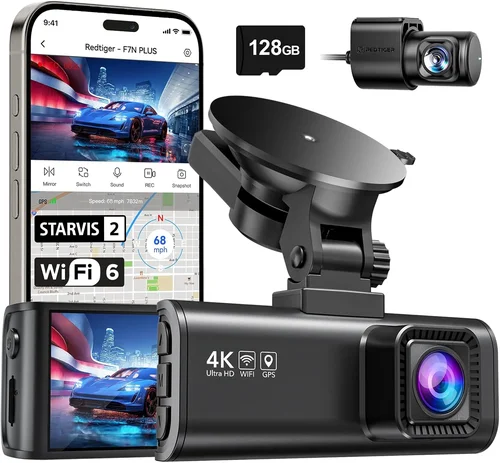
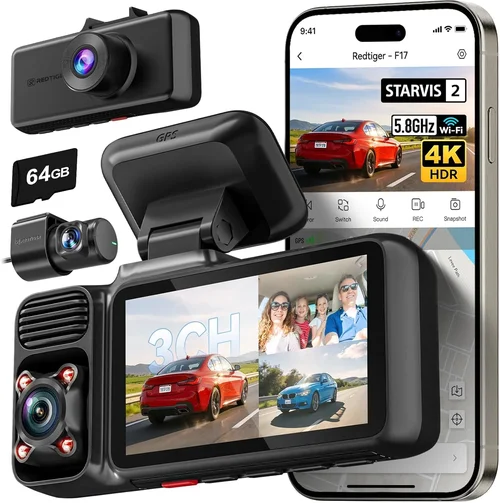
Best Dash Cam for Car Malaysia Selection Guide
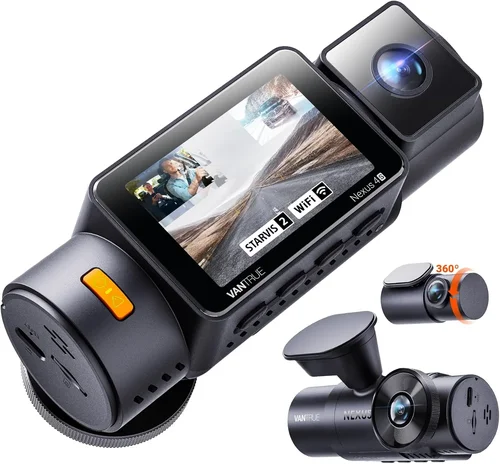
Why This Guide Matters for Malaysian Drivers
In Malaysia’s bustling urban centers like Kuala Lumpur, Johor Bahru, and Penang, traffic congestion, unpredictable road conditions, and the occasional aggressive driving behavior make dash cams an essential safety investment rather than just a luxury item. With accident rates remaining stubbornly high in our country—according to Road Transport Department (JPJ) statistics showing over 200,000 accidents annually—having documented evidence of incidents can be crucial when dealing with insurance claims, legal disputes, or simply protecting yourself from false allegations. The right dash cam serves as your impartial witness on every journey, capturing critical moments that could otherwise disappear without a trace.
This comprehensive guide will walk you through everything you need to know about selecting the best dash cam for your vehicle in Malaysia. You’ll learn about the specific challenges of Malaysian roads, understand which features matter most in our tropical climate, discover how to navigate local regulations, and find solutions that fit various budgets and driving styles. Whether you’re a daily commuter navigating Kuala Lumpur’s infamous rush hour traffic, a delivery driver making multiple trips across the Klang Valley, or someone who frequently travels between states, this guide will help you make an informed decision that protects both your vehicle and your peace of mind.
The Malaysian dash cam market has evolved significantly over recent years, offering everything from basic parking monitors to advanced AI-powered systems with night vision capabilities. However, not all dash cams are created equal, and many popular models available online may not perform well under our unique environmental conditions—high humidity, intense tropical sun exposure, and frequent heavy rainfall. By understanding the key factors that influence dash cam performance in our specific context, you’ll avoid common pitfalls and select a device that delivers reliable protection year-round.

What to Look for When Buying Dash Cams
1. Resolution and Video Quality
The foundation of any good dash cam is its ability to capture clear, detailed footage. In Malaysia’s diverse lighting conditions—from the bright glare of equatorial sunshine to the challenging low-light conditions of tunnel driving or nighttime city navigation—video quality makes the difference between useful evidence and blurry confusion. Most reputable dash cams now offer Full HD (1920×1080) resolution, but within this category, you’ll find significant variation in image sensor quality, lens optics, and video processing capabilities.
When evaluating resolution, consider that higher megapixels don’t always translate to better footage. A 12MP sensor producing 1080p video will generally outperform an 8MP sensor at the same resolution. Look for cameras with larger sensors (1/2.7″ or larger) and better low-light sensitivity. For Malaysian drivers, 2K (2560×1440) resolution has become increasingly common in mid-range options and offers excellent detail for identifying license plates, road signs, and vehicle details without significantly impacting storage requirements.
Additionally, pay attention to frame rate—30fps is standard, but 60fps provides smoother motion capture during fast-moving scenarios like highway overtakes or sudden braking incidents. Some premium models even offer variable frame rates that adapt based on movement detection, optimizing file sizes while maintaining critical moment clarity.
2. Field of View (FOV)
Your dash cam’s field of view determines how much of the road ahead and surrounding area it can capture simultaneously. In Malaysia’s complex driving environment—where motorcycles dart between lanes, pedestrians cross unexpectedly, and multiple vehicles interact—a wider perspective proves invaluable. Standard FOV ranges from 120° to 170°, with ultra-wide options reaching 190°.
A 140-150° FOV strikes an excellent balance for most drivers, providing comprehensive coverage without excessive distortion at the edges. Wider angles (160°+) capture more of the road scene but may stretch license plates and distant objects unnaturally. Narrower fields (120°-130°) provide crisper center-lane detail but miss important peripheral context.
Consider your typical driving patterns when choosing FOV. Urban drivers benefit from wider perspectives to catch lane changes and intersections, while highway commuters might prioritize center-focused clarity. Some advanced models offer adjustable FOV settings or dual-lens systems that combine wide-angle front recording with narrow rear monitoring.
3. Night Vision Capability
Tropical Malaysia operates on a 24-hour cycle, and many of our most dangerous driving scenarios occur after dark—whether it’s navigating Kuala Lumpur’s poorly lit service roads, dealing with erratic motorbike riders, or avoiding debris left by other vehicles. A dash cam’s night vision performance directly impacts your ability to document these incidents clearly.
Effective night vision requires more than just higher resolution—it demands specialized image processing, infrared LEDs (if applicable), and superior low-light sensors. Look for cameras featuring:
- Wide dynamic range (WDR): Balances bright headlights with darker road surfaces
- Night mode algorithms: Enhance contrast and reduce noise in low light
- Manual brightness control: Allows adjustment for different lighting conditions
- IR cut filter removal: Improves color accuracy and detail in darkness
Many users underestimate how quickly their expectations change once they experience true night recording capability. A camera that captures fuzzy, washed-out images at night becomes useless when you actually need it during an incident after hours.
4. Storage Solutions and Loop Recording
Malaysian roads generate plenty of content—from minor fender benders to dramatic multi-vehicle pileups—and your dash cam needs reliable storage to preserve these moments. Modern dash cams typically use microSD cards, with capacities ranging from 32GB to 256GB+.
Loop recording automatically overwrites older footage when storage fills up, ensuring continuous operation without manual intervention. This feature proves especially valuable given our tropical climate: unexpected downpours, sudden hailstorms, or even minor accidents can fill storage quickly during single trips. Look for cameras that support Class 10 or UHS-I/UHS-II cards for smooth high-bitrate recording.
Some advanced models include cloud storage integration, allowing automatic backup to mobile apps—though this requires constant internet connectivity and raises privacy considerations. For most Malaysian drivers, local storage with manual review capability offers the best balance of reliability and cost-effectiveness.
5. Parking Mode and Motion Detection
Parking mode transforms your dash cam into a security system, recording events while your car is unattended. Given Malaysia’s sometimes challenging parking environments—tight spaces, crowded lots, or areas with questionable security—this feature provides valuable peace of mind.
Most parking modes operate using one of three methods:
- Motion detection: Records only when movement is detected (saves battery/storage)
- Time-lapse recording:: Creates compressed footage every few seconds
- Impact detection: Activates when vibrations suggest potential collision
For Malaysian conditions, impact detection combined with motion sensing often proves most effective. However, these features require careful configuration to avoid false triggers from passing trucks, slamming car doors, or even strong winds during storms. Battery drain remains a concern—ensure your dash cam draws minimal current in standby mode or consider hardwiring it to your car’s electrical system.
Hardwiring eliminates battery concerns entirely and allows 24/7 recording capability. While requiring professional installation (approximately RM50-100 at most auto shops), hardwired setups provide the most reliable parking surveillance for vehicles parked overnight or in public areas.
6. Build Quality and Weather Resistance
Malaysia’s tropical climate presents unique challenges for electronic devices: high humidity (often exceeding 80%), intense UV radiation, sudden temperature swings between shaded and sunny areas, and frequent heavy rainfall. Your dash cam must withstand these conditions without compromising functionality.
Look for specifications indicating:
- IP rating: At minimum IP65 for dust and water resistance
- Temperature tolerance:: -20°C to +70°C operational range
- UV-resistant housing:: Prevents yellowing and cracking from sun exposure
- Anti-glare screen:: Reduces reflection during daytime driving
Physical construction matters too—metal housings generally outperform plastic ones in durability tests, though they add weight and may interfere with wireless signals. Magnet mounts offer convenience but can fail during high-speed turns; suction cup mounts provide stronger adhesion but may leave residue on glass surfaces.
Consider where you’ll mount the unit: dashboard placement exposes it to direct sunlight and heat buildup, while windshield mounting risks glare issues but keeps it cooler. Some models include built-in fans for thermal management, though these consume additional power and may produce distracting noise.
7. Audio Recording Capability
While controversial due to privacy laws in some countries, audio recording provides crucial context beyond visual evidence. In Malaysian traffic situations—where horn honking, engine revving, or verbal altercations frequently escalate incidents—sound can reveal exactly what triggered a conflict.
Modern dash cams handle audio in several ways:
- Full audio:: Records conversations and ambient sounds continuously
- Event-triggered:: Only records audio during incidents or motion detection
- Audio muting:: Disables microphone when needed for privacy
Legal considerations vary by state in Malaysia—some allow two-party consent recording, others permit one-party consent. Always verify local regulations before enabling full audio recording. Even if legally permissible, consider whether constant audio monitoring aligns with your comfort level regarding privacy.
Quality varies significantly between models—cheaper units often capture muffled, distorted audio that loses important details. Premium cameras employ directional microphones that focus on frontal sounds while reducing wind and cabin noise interference.
8. Smart Features and Connectivity
As smartphone penetration reaches near-universal levels in Malaysia, connected dash cam features have become increasingly valuable. These capabilities enhance usability, provide remote access, and integrate seamlessly with existing digital lifestyles.
Essential smart features include:
- Wi-Fi connectivity:: Enables app-based viewing, downloading, and sharing
- G-sensor integration:: Automatically locks footage during impact detection
- GPS tracking:: Adds location and speed data to video files
- Cloud backup:: Automatic upload to secure servers
- Driver assistance alerts:: Lane departure warnings, forward collision alerts
Mobile applications simplify management tremendously—you can preview clips, download evidence, and share files without physically removing the microSD card. Some brands offer dedicated apps with facial recognition for driver identification or fatigue detection algorithms.
However, connectivity comes with trade-offs: Wi-Fi increases power consumption, requires compatible smartphones, and depends on stable networks for cloud features. For drivers who frequently travel between states with varying network coverage, offline functionality remains crucial.
9. Ease of Installation and User Interface
A complicated setup process discourages proper usage—if installing your dash cam takes longer than 15 minutes or requires technical expertise beyond basic electronics knowledge, you’re less likely to maintain it correctly. Malaysian drivers appreciate straightforward solutions that respect limited time and technical confidence.
Evaluate these aspects before purchasing:
- Mounting system:: Tool-free installation with secure attachment
- Cable management:: Clean routing behind trim panels without drilling
- Screen visibility:: Clear menus even in direct sunlight
- Button accessibility:: Easy operation while driving without looking away
- Voice controls:: Hands-free operation for critical functions
Touchscreen interfaces dominate modern designs but suffer from fingerprint smudges and accidental inputs. Physical buttons provide tactile feedback but may feel outdated. Hybrid approaches—large physical buttons with simplified touch menus—offer the best compromise.
Consider your passenger habits too: if family members frequently use your vehicle, intuitive controls ensure everyone understands how to operate basic functions safely. Some manufacturers provide multilingual support, which proves valuable in Malaysia’s multicultural environment.
Different Types of Dash Cams

Common Buying Mistakes to Avoid
❌ Mistake: Prioritizing Price Over Performance
Why it’s bad: Choosing the cheapest option often means sacrificing critical features like reliable loop recording, decent night vision, or sturdy build quality. In Malaysia’s demanding driving conditions, a subpar dash cam becomes useless precisely when you need it most—during an incident after dark or during sudden weather changes.
What to do instead: Establish your minimum requirements first (e.g., “must have parking mode,” “need 1080p minimum”), then compare prices within that feature set. Often, spending slightly more upfront prevents costly replacement or inadequate protection later.
❌ Mistake: Ignoring Local Climate Conditions
Why it’s bad: Many imported dash cams designed for temperate climates struggle with Malaysia’s extreme heat, humidity, and UV exposure. Plastic components yellow and crack, screens become unreadable in direct sun, and internal electronics degrade faster than expected.
What to do instead: Research models specifically tested in tropical environments or look for local brands with proven track records. Check warranty terms regarding environmental damage—many exclude heat-related failures despite being advertised as “weatherproof.”
❌ Mistake: Overlooking Storage Requirements
Why it’s bad: Assuming a 32GB card will suffice for weeks of recording leads to frustrating situations where important footage gets overwritten before you realize the storage limit. High bitrates from newer models consume space rapidly, especially when recording at higher resolutions or with audio enabled.
What to do instead: Calculate your actual storage needs: 1080p @ 30fps typically uses 3-5GB per hour. Plan accordingly with adequate capacity cards and consider models supporting multiple storage formats (microSD + USB + cloud).
❌ Mistake: Neglecting Installation Practicality
Why it’s bad: Complex installations discourage proper usage—if mounting takes too long or requires tools you don’t own, you’ll skip this essential safety feature. Additionally, poor cable management creates distractions while driving and may violate vehicle modification regulations.
What to do instead: Choose models with tool-free mounting systems and clean cable routing. Test the setup in your specific vehicle before final installation. Remember that temporary adhesive mounts allow repositioning if needed.
❌ Mistake: Assuming All Brands Equal
Why it’s bad: Well-known consumer electronics brands often lack automotive-grade reliability standards. Their dash cams may look similar externally but use inferior image sensors, weaker processors, or cheaper capacitors that fail prematurely under constant vibration and temperature cycling.
What to do instead: Research automotive-specific brands with proven track records. Read independent lab tests rather than marketing claims. Consider manufacturer reputation for customer service—important if repairs or replacements are needed locally.
❌ Mistake: Forgetting About Legal Compliance
Why it’s bad: Recording audio without consent violates Malaysia’s Personal Data Protection Act in many contexts. Using dash cams in restricted areas (school zones, government buildings) may breach local ordinances. Unauthorized recording could compromise evidence admissibility in court.
What to do instead: Understand your rights and responsibilities under Malaysian law. Disable audio recording when appropriate, respect privacy boundaries, and familiarize yourself with evidence collection procedures for official use.
Budget Guidelines: How Much Should You Spend?
Entry-Level Options (RM200 – RM400)
This price range suits occasional drivers, those seeking basic protection, or anyone wanting to test dash cam benefits before committing to premium features. Expect reliable core functionality: Full HD recording, loop recording, motion detection, and adequate night performance for well-lit areas. While lacking advanced smart features, these models deliver essential incident documentation capabilities.
Recommended features at this tier include:
- 1080p resolution with 30fps
- 120-140° field of view
- Built-in G-sensor for impact detection
- MicroSD card compatibility (32-64GB recommended)
- Basic parking mode with motion detection
- Simple menu interface with physical buttons
Brands like Viofo, BlackVue (entry models), and some Xiaomi offerings compete effectively in this segment. While lacking cloud connectivity or sophisticated AI features, they provide dependable performance for everyday commuting and short trips around town.
Mid-Range Sweet Spot (RM400 – RM800)
The ideal balance for most Malaysian drivers falls within this range, offering substantial improvements over entry-level models without premium price tags. You’ll gain access to better image sensors, enhanced night vision algorithms, improved build materials, and emerging smart features like Wi-Fi connectivity and GPS tracking.
Expect these capabilities:
- 2K resolution (2560×1440) or exceptional 1080p performance
- Wider field of view (150-170°) with reduced distortion
- Advanced night vision with WDR technology
- Dual-lens systems (front + rear) becoming standard
- Smartphone app integration for clip management
- Improved parking mode with impact detection
- Better temperature and humidity resistance
This category includes popular models from brands like Garmin, Thinkware, and newer entrants targeting the Southeast Asian market. The jump in price reflects genuine hardware improvements rather than marketing hype, making this tier the sweet spot for value-conscious buyers seeking reliable protection.
Premium Performance (RM800 – RM1,500)
For drivers who demand maximum reliability, professional-grade features, and future-proof technology, premium dash cams deliver exceptional performance under Malaysia’s challenging conditions. These models incorporate military-grade components, advanced imaging technologies, and comprehensive connectivity options that justify their higher price points.
Premium features include:
- 4K Ultra HD recording with HDR capabilities
- True 360-degree monitoring with multiple cameras
- Artificial intelligence for driver behavior analysis
- Enhanced cloud services with automatic backup
- Professional installation accessories included
- Extended warranty coverage (3-5 years)
- Specialized firmware updates for local regulations
Brands like BlackVue Pro Series, Garmin MAX models, and specialized automotive electronics companies dominate this space. While expensive, these systems provide peace of mind for high-risk drivers, commercial operators, or anyone whose vehicle represents significant investment.
Luxury & Specialty Options (RM1,500+)
Ultra-premium dash cams target specific niches: professional fleet operators, ride-sharing companies, automotive enthusiasts, or those requiring specialized compliance features. These systems often include redundant recording channels, forensic-grade data preservation, and integration with vehicle telematics systems.
Specialized capabilities might encompass:
- Multiple simultaneous recording streams (front, rear, interior)
- Blockchain-verified timestamp authentication
- Integration with insurance telematics programs
- Customizable firmware for regional requirements
- Dedicated support teams for enterprise clients
- Forensic recovery tools for legal proceedings
While rarely necessary for personal use, understanding this tier helps contextualize feature availability and sets realistic expectations about what’s truly valuable versus merely impressive.
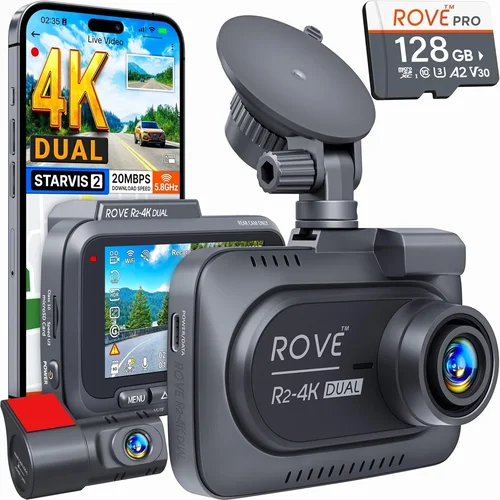
Expert Tips for Getting the Best Deal
Timing Your Purchase Strategically
Malaysian retail cycles create excellent opportunities for dash cam bargains. Major shopping festivals like Ramadan Bazaars, Hari Raya promotions, and year-end clearance sales (December-January) frequently slash dash cam prices by 20-40%. Additionally, new model releases typically trigger immediate discounts on previous generations—wait 3-6 months after launch for significant markdowns.
Seasonal considerations also apply: monsoon season (November-March) sees increased demand for weather-resistant gear, driving prices up temporarily. Conversely, dry season months offer better deals as retailers clear inventory. Online platforms like Shopee and Lazada run frequent flash sales, while physical stores may offer bundle deals with accessories like extra memory cards or hardwire kits.
Comparing Retail vs. Direct Purchases
Local authorized dealers provide immediate service and warranty fulfillment but often charge premium prices. Direct purchases from manufacturers (via official websites or regional distributors) eliminate middleman markups but require careful shipping arrangements. Third-party sellers on e-commerce platforms mix legitimate deals with counterfeit products—verify seller ratings, return policies, and product authenticity before committing.
Hybrid approaches work best: purchase core dash cam units online for better pricing, then acquire installation services locally. Many auto accessory shops offer competitive installation rates (RM30-50) compared to dealerships while providing hands-on expertise for Malaysian vehicle specifics.
Identifying Authentic Deals vs. Hidden Costs
Suspiciously low prices often conceal compromises: refurbished units sold as new, bundled accessories that inflate effective prices, or models with modified firmware that voids warranties. Watch for these red flags:
- “Factory sealed” claims from unofficial sellers
- Missing original packaging or documentation
- Prices dramatically below market average
- Vague product descriptions lacking technical specs
Always verify warranty coverage terms, especially regarding international shipping for repairs. Local warranty fulfillment beats global claims any day—imagine waiting weeks for replacement parts during peak accident seasons!
Maximizing Warranty Benefits
Comprehensive warranty terms differ vastly between brands and regions. Malaysian consumers benefit from Consumer Protection Act guarantees regardless of manufacturer warranties, but extended coverage provides additional peace of mind. Look for:
- Minimum 2-year coverage (preferably 3-5 years)
- Accidental damage inclusion (not just manufacturing defects)
- Free return shipping for warranty claims
- Local service center partnerships
Register your purchase immediately—many manufacturers void warranties if products aren’t registered within specified periods. Keep proof-of-purchase documentation safe, including receipts showing exact purchase date and serial numbers.
Testing Before Committing
Whenever possible, evaluate dash cams in person before buying. Visit authorized showrooms or request demo units from trusted retailers. Test critical functions:
- Video playback quality on actual microSD cards
- Menu navigation while driving (simulated)
- Audio recording clarity (if enabled)
- Mounting stability during movement
- Power consumption during parking mode
Bring your actual vehicle to test fitment—dashboard curvature, sun visor placement, and windshield angle vary dramatically between makes and models. What fits perfectly in your sedan may obstruct views in your SUV.
Negotiating Accessory Packages
Most dash cam purchases benefit from complementary accessories that enhance functionality and longevity. Common additions include:
- Industrial-grade microSD cards (64GB+)
- Hardwire installation kits
- Cable management solutions
- Extra suction cups or magnetic mounts
- Protective carrying cases
Retailers often sell these separately at inflated prices. Negotiate bundled packages or request free accessories with main unit purchase. Some brands include installation services with premium models—take advantage if offered.

Frequently Asked Questions
Q: Do I need a dash cam in Malaysia?
A: Absolutely. Malaysia’s traffic environment—congested urban centers, unpredictable weather patterns, and sometimes aggressive driving behaviors—makes dash cams valuable protective tools. Beyond accident documentation, they deter opportunistic theft attempts, provide evidence during insurance disputes, and offer peace of mind during daily commutes. Even if you never experience incidents, the psychological reassurance alone justifies the modest investment.
Q: What’s the difference between a regular camera and a dash cam?
A: Dash cams specialize for automotive use with features absent from consumer cameras: continuous loop recording, automatic file management, impact detection, parking surveillance, and optimized mounting systems. They prioritize reliability over photo quality, focusing on capturing critical moments rather than creating vacation albums. Automotive-grade components withstand constant vibration, temperature extremes, and moisture exposure better than general-purpose devices.
Q: Can I install a dash cam myself, or do I need a professional?
A: Self-installation works for most drivers with basic technical confidence. Simple models require only mounting the camera and connecting power via cigarette lighter socket. However, hardwired installations (connecting directly to vehicle battery) demand electrical knowledge and should ideally involve professionals to avoid damaging wiring harnesses or voiding vehicle warranties. Temporary adhesive mounts allow testing before permanent commitment.
Q: How much storage space do I actually need?
A: Calculate based on your recording habits: 1080p @ 30fps uses approximately 3-5GB per hour. Urban drivers recording frequently may need 128GB+, while occasional highway travelers might manage with 64GB. Factor in audio recording (adds ~1GB/hour), parking mode compression (reduces storage needs significantly), and emergency footage locking (consumes space unpredictably). Always purchase slightly more capacity than calculated minimums.
Q: Are there legal restrictions on using dash cams in Malaysia?
A: Yes—but primarily concerning audio recording. The Malaysian Communications and Multimedia Commission (MCMC) regulates audio surveillance under the Communications and Multimedia Act 1998. One-party consent suffices for recording your own vehicle’s interior, but recording other people’s private conversations without consent constitutes illegal interception. Always disable audio recording when parked in sensitive areas (hospitals, government buildings) and consult legal counsel for specific scenarios.
Q: Will a dash cam drain my car battery?
A: Standard dash cams draw minimal current (typically 100-300mA) when idle. However, parking mode activation can increase consumption to 500mA+. Extended parking (weekends, overnight street parking) risks deep discharge unless using hardwired installation with built-in voltage monitoring. Many modern models include low-voltage cutoff circuits that shut down recording when battery drops below safe thresholds (usually 11.8V).
Q: How do I choose between front-only and dual-lens systems?
A: Front-only cameras suit most personal vehicles where rear coverage isn’t critical. Dual-lens systems provide complete scene documentation, proving invaluable in multi-vehicle accidents or situations involving rear-end collisions. Consider your driving patterns: delivery drivers, ride-share operators, or those frequently reversing in tight spaces benefit greatly from rear monitoring. Remember that dual-lens models consume more power and storage space.
Q: What maintenance does a dash cam require?
A: Minimal routine care suffices: monthly cleaning of lenses with microfiber cloth, quarterly verification of storage capacity and recording functionality, annual inspection of mounting hardware integrity. Avoid chemical cleaners that damage anti-reflective coatings. Update firmware when manufacturers release improvements. Replace microSD cards every 12-18 months if used heavily, as NAND flash memory has finite write cycles regardless of capacity.
Q: Can dash cams record while driving and parking simultaneously?
A: Yes—this dual-mode operation is standard across modern dash cams. While actively recording your journey, the device simultaneously monitors for parking events. When motion or impact is detected while parked, it captures relevant footage without interrupting active driving recordings. This requires sufficient power supply (either cigarette lighter socket or hardwired connection) and properly configured parking mode settings.
Q: How do I extract and save important footage legally?
A: Malaysian police and courts accept dash cam footage as evidence provided it meets chain-of-custody requirements. Immediately download incident clips to secure storage (encrypted external drive preferred) rather than relying on original microSD cards. Include metadata showing exact timestamps, GPS coordinates (if available), and device identification. Never edit or alter footage—maintain original files exactly as recorded. Consult legal professionals about proper evidence submission procedures for your specific case type.
Our Final Recommendations
Best for Budget-Conscious Buyers (RM200-400)
The Viofo A119 V3 stands out as an exceptional value proposition within Malaysia’s entry-level segment. This compact 1080p dash cam delivers reliable performance with 140° field of view, advanced night vision capabilities, and robust impact detection. Its simple interface ensures hassle-free operation, while the included suction mount allows flexible positioning. Users praise its consistent recording quality across varying lighting conditions and appreciate the absence of complex software requirements. For RM300 price points, it offers features typically found in pricier models, making it ideal for Malaysian drivers seeking dependable protection without breaking the bank.
Best Overall Value (RM400-700)
The BlackVue DR970X-2CH represents the perfect balance of performance and features for discerning Malaysian drivers. This dual-lens system provides comprehensive coverage with stunning 2K front and Full HD rear recording, enhanced by superior low-light processing and reliable loop recording. Advanced connectivity options include Wi-Fi for smartphone app integration, GPS for precise location tagging, and cloud backup capabilities—all managed through BlackVue’s intuitive interface. Its military-grade build quality withstands Malaysia’s harsh conditions, while the included parking mode ensures round-the-clock protection. Though priced toward the upper end of mid-range brackets, the DR970X-2CH justifies its cost through unmatched reliability and feature completeness.
Best Premium Option (RM700+)
For those demanding absolute excellence, the Garmin Dashcam Mini delivers professional-grade performance in an unobtrusive package. This 1440p dash cam combines sleek design with powerful functionality, featuring Garmin’s renowned voice command system, advanced driver alerts, and seamless smartphone integration. Its compact form factor minimizes visual obstruction while maintaining exceptional recording quality, even during challenging weather conditions. The included parking guard technology provides intelligent event detection, and the cloud storage subscription ensures automatic backup of critical incidents. While positioned at premium price points, the Mini’s combination of cutting-edge technology, reliable performance, and brand reputation makes it the ultimate choice for safety-conscious Malaysian motorists.
Best for Beginners (RM200-350)
Newcomers to dash cam technology will appreciate the Ewent EW2700‘s straightforward operation and educational approach. This Full HD camera includes beginner-friendly tutorials, simplified menu structures, and helpful indicator lights that explain device status at a glance. Its automatic settings optimize recording parameters without user intervention, eliminating guesswork for first-time owners. The included accessories package covers essential mounting and power solutions, while the affordable price point removes financial barriers to entry. Malaysian reviewers particularly commend its stability during installation and consistent performance in urban environments, making it an excellent starting point for drivers transitioning from basic to advanced dash cam features.
Best for Advanced Users (RM600-900)
Power users and tech enthusiasts will find their match in the Thinkware F800 Pro, a feature-rich dash cam engineered for demanding applications. This 2K-resolution powerhouse incorporates artificial intelligence for driver behavior analysis, customizable alert systems, and comprehensive connectivity options including LTE module compatibility. Advanced users appreciate its granular control over recording parameters, sophisticated parking mode configurations, and professional-grade video editing software. The robust build quality handles Malaysia’s temperature extremes while maintaining crisp image clarity, and the extensive accessory ecosystem supports custom installations. Though requiring greater technical aptitude, the F800 Pro rewards knowledgeable users with unmatched flexibility and performance for specialized monitoring needs.
Conclusion: Making the Right Choice
Selecting the best dash cam for your Malaysian vehicle involves balancing practical requirements against budget constraints while accounting for our unique environmental challenges. Rather than chasing the latest technological trends, focus on fundamental capabilities that deliver reliable protection: clear video quality in all lighting conditions, dependable storage management, and robust build quality suited to tropical climates. Remember that your dash cam serves as your silent witness—its effectiveness depends less on flashy features and more on consistent, trustworthy performance when incidents occur.
Prioritize models with proven track records in Southeast Asian markets, verify local warranty coverage, and consider professional installation for hardwired setups. Don’t overlook the importance of proper maintenance—regular checks ensure your device remains functional during critical moments. Whether you choose budget-friendly options for basic protection or invest in premium systems for comprehensive monitoring, your dash cam represents more than just an electronic gadget; it’s a vital component of responsible driving in Malaysia’s complex traffic environment.
Ultimately, the best dash cam empowers you with confidence rather than complexity. By understanding your specific needs—whether urban commuting, long-distance travel, or commercial operations—you’ll select equipment that enhances safety without overwhelming your daily routine. Take time to research thoroughly, test where possible, and remember that even modest dash cam investments provide significant returns through accident prevention, evidence preservation, and peace of mind knowing you’ve done everything reasonable to protect yourself on Malaysia’s roads.