Expert Car Mirror Dash Cam Buying Guide
When it comes to protecting yourself on the road, having a reliable dash cam isn’t just convenient—it’s essential. A mirror dash cam offers a sleek, unobtrusive solution that enhances your rearview visibility while recording what happens around your vehicle. But with dozens of models flooding the market, choosing the right one can feel overwhelming. This comprehensive guide cuts through the noise to help you find the best dash cam for car mirror mount that matches your needs, budget, and driving habits.
Whether you’re a daily commuter, a weekend adventurer, or someone who simply wants peace of mind behind the wheel, understanding the key features, performance benchmarks, and real-world usability of mirror dash cams is crucial. We’ll walk you through everything from video resolution and night vision capabilities to loop recording, parking mode, and smart connectivity. By the end of this article, you won’t just be informed—you’ll be empowered to make a confident, expert-level purchase decision.
The mirror dash cam market has evolved rapidly in recent years, offering everything from basic 1080p recorders to advanced models with GPS tracking, Wi-Fi connectivity, and even dual-lens systems. While older models often suffered from poor image quality or limited functionality, today’s top-tier options rival professional-grade surveillance equipment in clarity and reliability. However, not all mirror dash cams are created equal. Some prioritize aesthetics over performance, while others cram too many features into a fragile package. Our goal is to help you identify which models strike the perfect balance between form and function.
What to Look for When Buying Dash Cams
1. Video Resolution & Recording Quality
The foundation of any good dash cam is its ability to capture clear, detailed footage. For mirror dash cams, where space is limited and placement is fixed, resolution becomes even more critical. Most reputable models now offer at least 1080p Full HD recording, but we recommend aiming for 2K (2560×1440) or higher if your budget allows. Higher resolutions mean sharper license plates, clearer facial recognition, and better evidence in court if needed.
Look for cameras using modern image sensors like Sony Starvis or Exmor R, which deliver excellent low-light performance. The frame rate also matters—30fps is standard, but 60fps provides smoother motion and better slow-motion playback when reviewing incidents. Additionally, consider the field of view (FOV): a wider angle (typically 120–150 degrees) captures more of the road ahead, but beyond 140 degrees can introduce significant distortion at the edges.
2. Night Vision & Low-Light Performance
Driving at dawn, dusk, or during nighttime hours demands strong low-light capabilities. Mirror dash cams are particularly vulnerable to glare and poor lighting since they’re mounted directly behind the windshield, often facing bright headlights or streetlights. Advanced models use wide dynamic range (WDR) technology to balance exposure between bright and dark areas, ensuring drivers aren’t silhouetted against headlights while still capturing detail in shadows.
Some premium units feature infrared LEDs or starlight-level CMOS sensors that maintain visibility in near-total darkness. These are especially valuable for parking mode monitoring, where subtle movements or impacts need to be recorded clearly. Always check user reviews for real-world night performance—spec sheets alone don’t tell the whole story.
3. Storage Capacity & Loop Recording
A dash cam without sufficient storage is useless. Most mirror dash cams support microSD cards ranging from 32GB to 256GB, with higher-end models accommodating up to 512GB. For average drivers, a 128GB card lasting 7–10 days of continuous recording is ideal. Be sure the device supports loop recording, which automatically overwrites the oldest footage when the card fills up—ensuring you never lose critical incident data due to full storage.
Some models also offer cloud backup or automatic upload via Wi-Fi, though these require constant power and internet access. If you frequently drive long distances or work irregular hours, consider how often you’re willing to swap out or manage SD cards manually.
4. Parking Mode & Motion Detection
This feature turns your dash cam into a 24/7 security system while parked. When connected to your car’s battery via hardwiring kit (sold separately), parking mode activates upon detecting motion or impact via built-in G-sensors. It records short clips before and after the event, preserving evidence of hit-and-runs, vandalism, or attempted break-ins.
However, parking mode significantly increases power consumption. Without a proper hardwiring solution, your car battery could drain within days. Many users overlook this step, leading to dead batteries and missed recordings. Always pair your dash cam with a reliable hardwire kit rated for continuous operation and designed specifically for mirror mounts.
5. Build Quality & Weather Resistance
Mirror dash cams face unique environmental challenges: extreme temperatures inside a parked car, direct sunlight exposure, humidity from condensation, and vibrations from rough roads. High-quality models use shatter-resistant glass, anti-glare coatings, and sealed housing to withstand these conditions. Cheaper plastic shells may crack under heat or fog up during temperature swings.
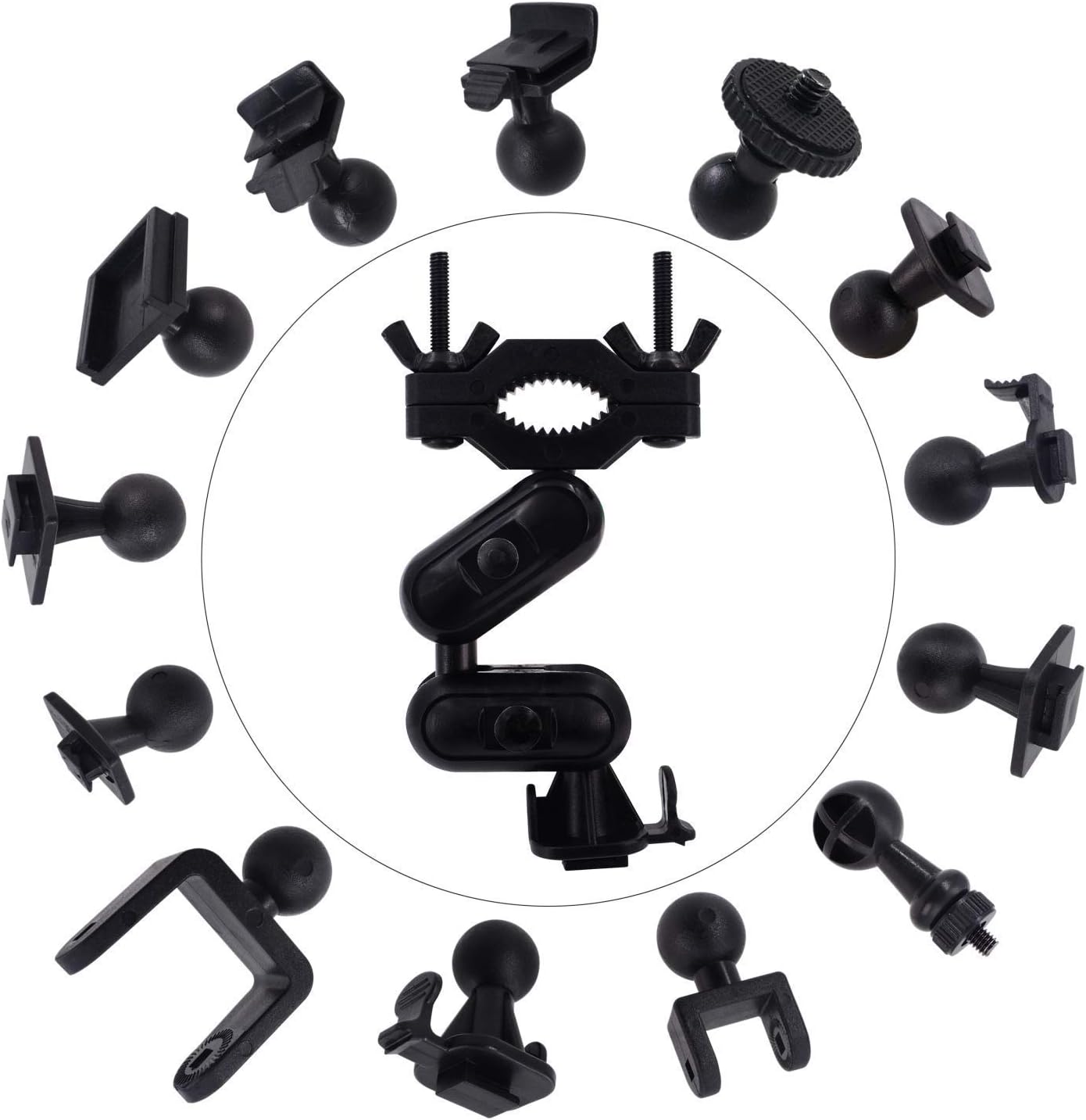
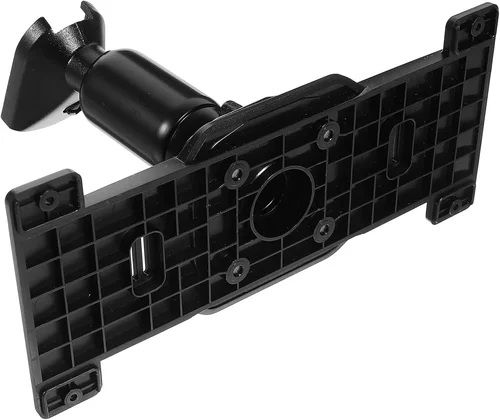
Also consider the adhesive or mounting mechanism. Strong, reusable adhesive strips work well initially, but prolonged sun exposure can weaken them. Magnetic mounts offer easier removal and repositioning but may interfere with rearview visibility if not aligned properly. Opt for models with military-grade adhesives or secure locking mechanisms.
6. Ease of Use & Interface Design
A complicated interface defeats the purpose of a simple, hands-free device. Top mirror dash cams feature intuitive touchscreens or button controls that allow quick access to settings like recording start/stop, file deletion, or switching between front/rear views (in dual-lens models). Voice control or smartphone app integration adds convenience but shouldn’t come at the cost of responsiveness.
Playback should be straightforward: plug the SD card into a computer or use the built-in screen to navigate files by date/time. Avoid models with laggy menus or confusing navigation—drivers need quick access during emergencies, not troubleshooting sessions.
7. Smart Features & Connectivity
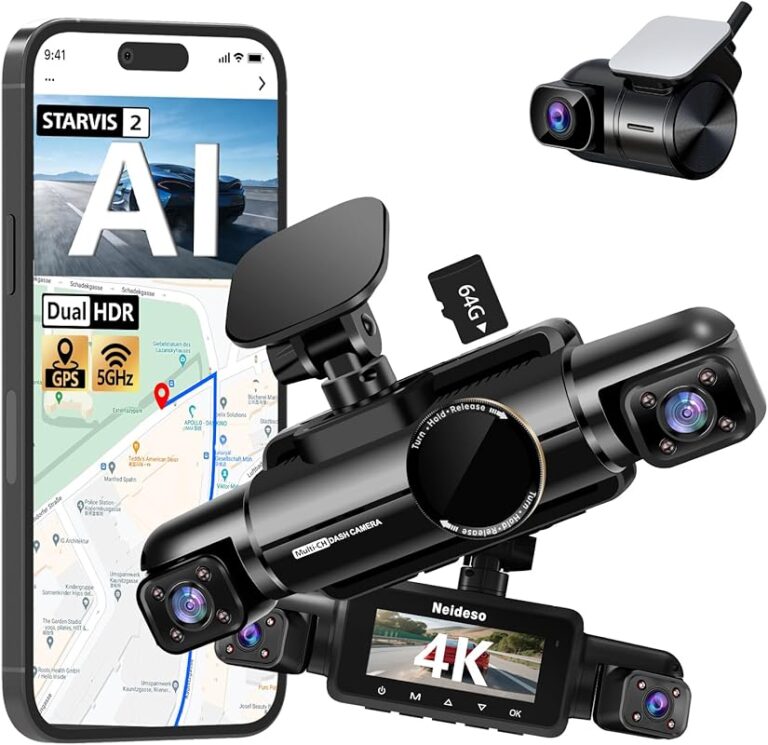
Modern mirror dash cams increasingly include smart capabilities: GPS logging (to track speed and location), Wi-Fi for live streaming and file transfer, and cloud storage integration. Some even offer driver behavior monitoring, lane departure warnings, or collision alerts via AI-powered software.
While these extras enhance safety and convenience, they often require subscriptions or premium plans. Evaluate whether such features align with your actual driving patterns. For example, GPS tracking is useful for fleet managers but may raise privacy concerns for private users. Similarly, Wi-Fi drains battery faster unless paired with a power management system.
8. Brand Reputation & Customer Support
Purchase from established brands known for electronics reliability—such as Garmin, Viofo, BlackVue, or Rexing—rather than unknown no-name manufacturers. These companies typically offer longer warranties (1–3 years), responsive customer service, and regular firmware updates to fix bugs and improve performance.
Check independent review sites, forums, and Reddit threads to gauge real-world experiences. Pay attention to how brands handle defective units: do they honor warranties promptly? Are replacement parts available? Poor post-purchase support can turn a great product into a frustrating experience.
Different Types of Dash Cams
Common Buying Mistakes to Avoid
❌ Mistake: Ignoring Night Vision Capabilities
Why it’s bad: Many buyers focus solely on daytime resolution and overlook how poorly their dash cam performs in low light. Headlights at night wash out footage, making it nearly impossible to identify vehicles or license plates—especially during critical moments.
What to do instead: Prioritize models with WDR, HDR, or starlight sensors. Test night performance through reviews or return policies. Remember: 90% of accidents happen at night or in marginal light conditions.
❌ Mistake: Choosing Based Solely on Price
Why it’s bad: The cheapest dash cam might lack essential features like loop recording, motion detection, or reliable firmware. Over time, hidden costs—like frequent SD card replacements or poor warranty claims—can exceed savings.
What to do instead: Compare value, not just price. Read professional and user reviews. Consider total cost of ownership: warranty length, availability of accessories, and ease of maintenance.
❌ Mistake: Skipping Parking Mode Setup
Why it’s bad: Assuming “parking mode” works straight out of the box leads to dead batteries and missed incidents. Without a proper hardwiring kit, your car’s battery drains rapidly, leaving you vulnerable when you’re not driving.
What to do instead: Always invest in a compatible hardwire kit. Install it correctly, ideally near the fuse box. Test the setup before relying on it for security.
❌ Mistake: Overlooking Storage Management
Why it’s bad: Failing to format or manage SD cards regularly causes file corruption and loss of important footage. Some users forget to back up files, then overwrite them unintentionally.
What to do instead: Format cards monthly. Back up critical files immediately after an event. Use high-endurance cards rated for dash cams (not consumer-grade).
❌ Mistake: Neglecting Mounting Position
Why it’s bad: Placing the mirror dash cam too low or too high distorts the FOV, misses blind spots, or obstructs the driver’s view. Incorrect alignment ruins recording angles and usability.
What to do instead: Follow manufacturer guidelines precisely. Adjust until the camera points slightly downward toward the hood—not flat or upward. Ensure it doesn’t block your line of sight.
❌ Mistake: Assuming All Mirror Cams Are Equal
Why it’s bad: Mirror mounts differ vastly in size, shape, and compatibility. A bulky unit might not fit certain rearview mirrors, while others interfere with airbags or sun visors.
What to do instead: Measure your existing mirror. Check if the dash cam includes adjustable brackets or universal clips. Confirm clearance for wipers or other components.
Budget Guidelines: How Much Should You Spend?
Entry-Level ($60 – $100)
In this range, expect solid 1080p recording, basic loop recording, and decent daytime visibility. Brands like Apeman or Z-Edge offer reliable options with simple interfaces. Ideal for occasional drivers or those testing dash cam benefits before upgrading. Avoid ultra-cheap models below $50—they often use outdated chips with poor heat dissipation and unreliable performance.
Mid-Range ($100 – $200)
This sweet spot delivers excellent value: 2K resolution, WDR, GPS tracking, and robust build quality. Models from Viofo AK70 Pro, Garmin Dash Cam Mini, or Rexing V1P dominate here. Most daily drivers will find everything they need without overspending. Includes features like voice control, parking mode compatibility, and mobile apps.
Premium ($200 – $350)
For serious users, this tier offers dual-lens systems, 4K recording, advanced AI features, and superior night vision. BlackVue DR970X-2CH or Thinkware U1000 fall into this category. Perfect for ride-share drivers, delivery professionals, or anyone needing courtroom-ready evidence. Often includes cloud connectivity and professional-grade durability.
Luxury ($350+)
Top-tier mirror dash cams blend automotive-grade hardware with smart home integration. Expect OLED displays, built-in navigation, driver fatigue alerts, and multi-camera syncing. Rare but powerful—best suited for fleet operators or tech enthusiasts wanting ultimate customization.
Expert Tips for Getting the Best Deal
- Timing Matters: Shop during holiday sales (Black Friday, Cyber Monday) or end-of-season clearances (July–August). Retailers like Amazon, Best Buy, and Walmart consistently discount dash cams by 20–40%.
- Bundle Wisely: Look for kits that include a hardwiring adapter, suction cup mount, or extra SD card. These add value but aren’t always included in base prices.
- Check Return Policies: Buy from retailers with 30-day hassle-free returns (Amazon, Costco). Test the unit for at least a week to ensure it meets your expectations.
- Read Fine Print: Some “free” shipping deals exclude hardwiring kits or require minimum purchases. Hidden fees can erode savings.
- Verify Compatibility: Confirm the dash cam works with your car’s voltage system (12V vs. 24V trucks). Mismatched adapters cause malfunctions.
- Join Loyalty Programs: Stores like B&H Photo or Adorama offer member discounts and extended warranties on electronics.
Frequently Asked Questions
Q: Do I need a separate rear camera for a mirror dash cam?
A: Not necessarily. Many mirror dash cams include a secondary lens pointing backward for rear visibility. However, if you want true dual-channel recording (front + rear simultaneously), choose a dedicated dual-lens model. Single-lens units only record forward footage.
Q: Can I install a mirror dash cam myself?
A: Absolutely. Most mirror cams use strong adhesive mounts and require no tools. Hardwiring for parking mode takes about 30 minutes with basic knowledge. Watch tutorial videos specific to your model and car make/model year.
Q: Will a mirror dash cam affect my insurance?
A: In most states, dash cams are legal and can actually lower premiums—some insurers offer discounts for drivers with them. Always inform your provider and ensure footage is stored securely to protect privacy.
Q: How long do dash cam batteries last in parking mode?
A: With a proper hardwiring kit, parking mode can run indefinitely without draining your car battery. Without hardwiring, expect 12–24 hours max depending on model efficiency. Modern kits include voltage cutoffs to prevent deep discharge.
Q: Are mirror dash cams legal in all states?
A: Yes, in the U.S., there are no federal restrictions on dash cam usage. However, recording audio may violate wiretapping laws in some states. Stick to visual-only recording if concerned.
Q: What’s the difference between a mirror dash cam and a standard dash cam?
A: Mirror dash cams replace your rearview mirror entirely, offering a larger screen and less obstruction. They’re designed specifically for integration with factory mirrors, whereas standard dash cams attach separately below the windshield.
Q: Can I use a mirror dash cam while driving without the mirror?
A: No. Removing your rearview mirror creates a dangerous blind spot. Mirror dash cams rely on the mirror structure for mounting and visibility. Always keep it installed.
Q: How do I clean my mirror dash cam screen?
A: Use a microfiber cloth and isopropyl alcohol (70% or less). Avoid abrasive cleaners or paper towels that scratch anti-glare coatings. Clean gently to preserve image clarity.
Our Final Recommendations
Best for Budget-Conscious Buyers
Rexing V1P Dash Cam – Priced around $80, this single-lens mirror dash cam delivers 2K resolution, WDR, and reliable loop recording. It lacks GPS but excels in day/night performance and comes with a 1-year warranty. Ideal for first-time buyers seeking quality without overspending.
Best Overall Value
Viofo AK70 Pro – At $140, it strikes the perfect balance: 2K front + rear dual recording, built-in GPS, parking mode readiness, and a sturdy aluminum casing. Users praise its crystal-clear footage and intuitive interface. A favorite among ride-share drivers and families.
Best Premium Option
BlackVue DR970X-2CH Cloud – Over $300, but worth it for professionals. Features 4K front recording, dual 1440p rear, super night vision, cloud connectivity, and military-grade build. Includes a 3-year global warranty and optional subscription for remote viewing and event alerts.
Best for Beginners
Garmin Dash Cam Mini – Compact, simple, and trustworthy. Records 1080p with GPS and voice control. Easy setup, no screen needed (files saved to SD card), and integrates seamlessly with Garmin ecosystem apps. Great for those new to dash cams.
Best for Advanced Users
Thinkware U1000 – A powerhouse with 4K recording, thermal imaging sensor (for parking mode), and advanced driver assistance alerts. Supports multiple cameras and includes a 3-year warranty. Favored by delivery fleets and tech enthusiasts.
Conclusion: Making the Right Choice
Choosing the best dash cam for car mirror mount isn’t about finding the shiniest gadget—it’s about matching technology to your lifestyle. Whether you prioritize affordability, advanced features, or absolute reliability, this guide equips you to evaluate every option critically. Remember: the best dash cam is the one you’ll actually use consistently, backed by solid evidence when it matters most.
Start by assessing your core needs: Do you drive mostly in cities or highways? Do you park in high-risk areas overnight? How much time are you willing to spend managing files or setting up wiring? Once you answer these questions, cross-reference them with our recommendations and avoid common pitfalls. And above all, test your choice thoroughly—installation, playback, and real-world performance should feel effortless.
Investing in a quality mirror dash cam is more than buying a camera; it’s purchasing peace of mind, legal protection, and enhanced safety for you and your passengers. With the insights from this guide, you’re now ready to navigate the market confidently and select a device that truly serves you—on every mile of the road ahead.