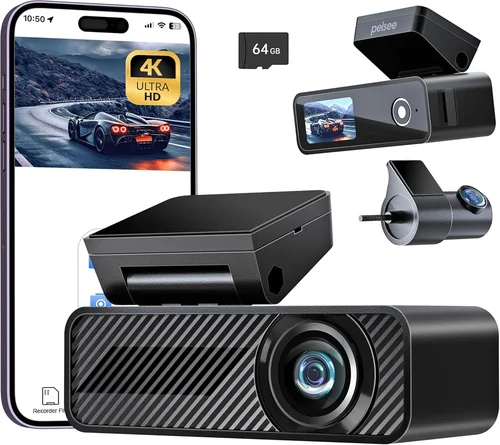
Best Car Mirror Dash Cam Selection Guide
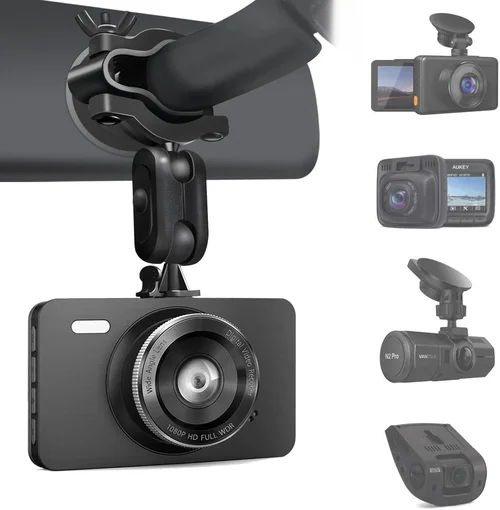
Why choosing the right dash cam for your car mirror mount is more important than you think. In today’s world, where road safety concerns and insurance requirements are becoming increasingly stringent, having a reliable recording device mounted on your rearview mirror can be a game-changer. Whether you’re dealing with insurance claims, protecting yourself from false accusations, or simply wanting to document your journeys, the right mirror-mounted dash cam offers discreet protection without obstructing your view of the road.
This comprehensive guide will walk you through everything you need to know about selecting the best dash cam for your car mirror mount. You’ll learn about the essential features to prioritize, understand different types available in the market, discover common pitfalls to avoid, and get expert recommendations tailored to various needs and budgets. By the end of this article, you’ll have all the knowledge necessary to make an informed decision that enhances your driving experience while providing valuable peace of mind.
The market for car mirror dash cams has evolved dramatically over the past few years. What started as simple recording devices has transformed into sophisticated pieces of technology with advanced features like night vision, GPS tracking, Wi-Fi connectivity, and intelligent parking monitoring. These compact devices are designed to integrate seamlessly with your existing rearview mirror setup, offering high-quality video recording without compromising your visibility or adding bulk to your vehicle’s interior. With so many options available from various brands, understanding what sets each model apart becomes crucial for finding the perfect match for your specific requirements.
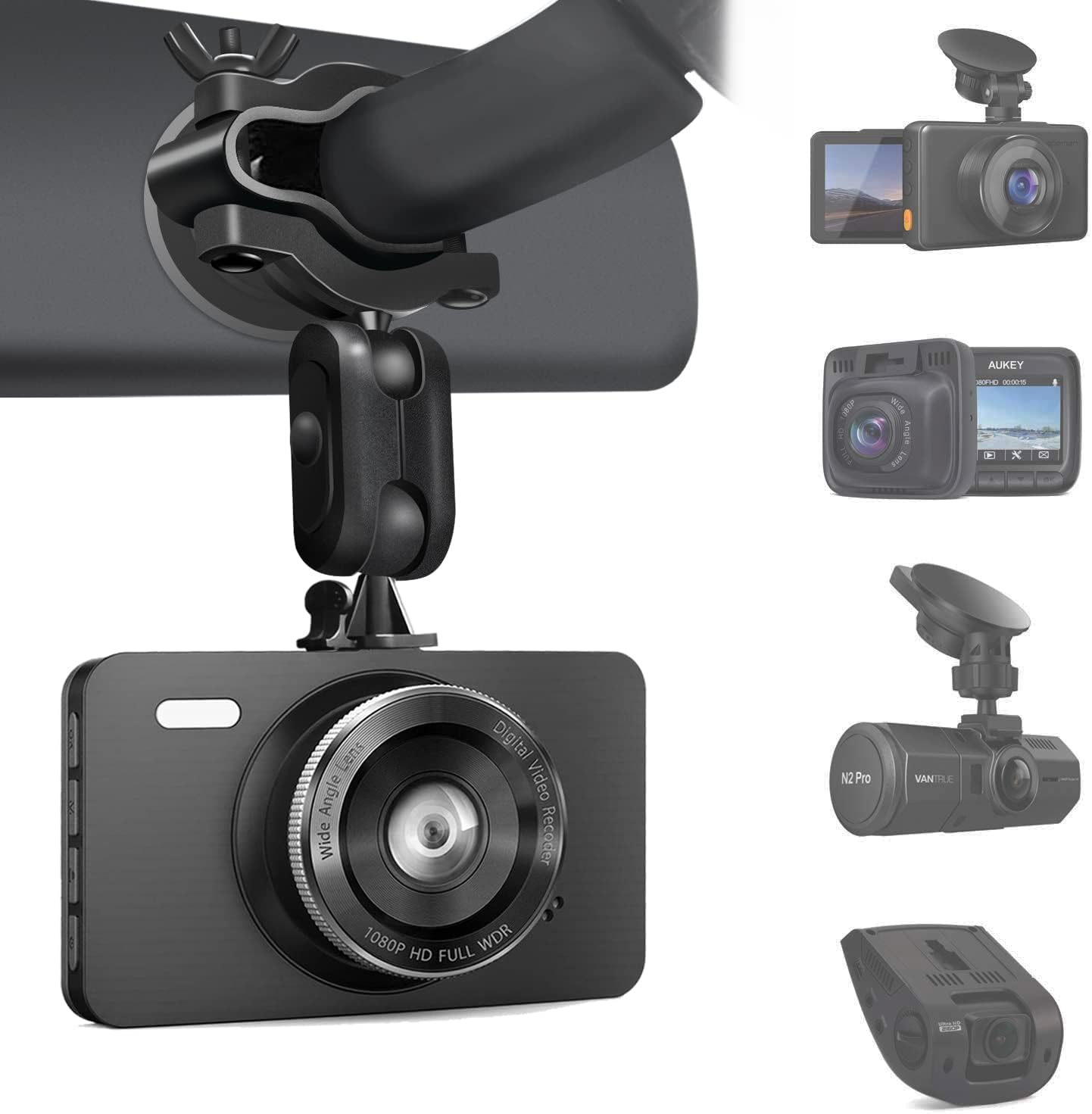
What to Look for When Buying Dash Cams
1. Budget & Price Range
Your budget plays a significant role in determining the features and quality you can expect from a mirror dash cam. Entry-level models typically range from $50-100 and offer basic recording capabilities with limited resolution and storage options. Mid-range units ($100-200) often include better video quality, additional features like loop recording and motion detection, and improved build quality. Premium models ($200-400) deliver professional-grade performance with 4K recording, superior sensors, enhanced night vision, and advanced functionality such as GPS logging and cloud connectivity. Luxury options ($400+) cater to enthusiasts who demand the absolute best in terms of image quality, reliability, and feature set, often including dual cameras and professional mounting solutions.
2. Resolution & Video Quality
Video resolution is arguably the most critical factor when selecting a mirror dash cam. Most quality models offer between 1080p and 4K resolution, with 2K (2560×1440) being an excellent sweet spot that balances file size and image clarity. Higher resolutions capture more detail, which proves invaluable during accident reconstruction or identifying license plates. However, they also create larger files that require more storage space and faster processing power. Consider your typical driving conditions—urban areas with frequent incidents benefit from higher resolution, while highway driving might prioritize other features like wide-angle coverage. Always check real-world reviews to see how the camera performs in various lighting conditions, as advertised specifications don’t always reflect actual performance.
3. Field of View & Lens Quality
The field of view (FOV) determines how much of the road ahead and surrounding area your dash cam can capture. Mirror-mounted cams typically offer 120-170 degrees of coverage, with wider angles providing better situational awareness but potentially introducing some distortion at the edges. A good rule of thumb is that 140-150 degrees strikes the right balance between coverage and image quality. The lens quality significantly impacts overall performance, with optical glass lenses outperforming plastic alternatives in terms of clarity and durability. Look for models featuring multi-coated lenses to reduce glare and improve color accuracy. Some premium units also include curved lens designs that help minimize fisheye distortion while maintaining a wide viewing angle.
4. Night Vision Capabilities
Night driving presents unique challenges for dash cams, requiring specialized sensors and processing algorithms to capture clear footage in low-light conditions. Effective night vision relies on several factors: the camera sensor’s sensitivity (measured in lux), infrared illumination capabilities, and image processing software. Look for cameras with low lux ratings (0.1 lux or lower) that can record visible light in near-darkness. Some models incorporate built-in infrared LEDs or use starlight sensors specifically designed for nighttime performance. Additionally, consider how the camera handles different night scenarios—streetlights, tunnel transitions, and complete darkness each present distinct challenges. Real-world testing shows that cameras with good dynamic range handling perform significantly better when moving between bright headlights and dark roads.
5. Storage Capacity & Loop Recording
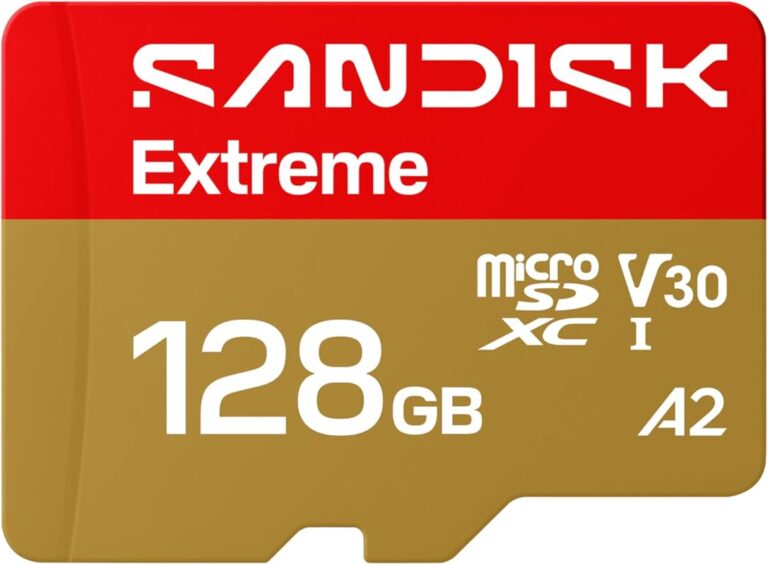
Storage capacity directly affects how long you can record before needing to overwrite old footage. Most mirror dash cams use microSD cards ranging from 32GB to 128GB, with larger capacities allowing longer recording times between file deletions. Loop recording automatically overwrites the oldest footage when storage fills up, ensuring continuous recording without manual intervention. However, it’s crucial to understand that this feature only works if your camera has sufficient storage for your typical driving patterns. For daily commuters, a 64GB card might suffice, while long-distance travelers may need 128GB or more. Consider whether your model supports automatic backup to cloud storage or external devices, which adds redundancy against accidental deletion or theft. Always purchase high-quality, high-endurance microSD cards specifically designed for dash cams to prevent data corruption.
6. Build Quality & Durability
Since your dash cam will be exposed to temperature extremes, vibrations, and potential impacts, build quality is non-negotiable. Look for models constructed with high-grade materials like reinforced plastics or metal alloys that can withstand both heat buildup in parked cars and sudden jolts during driving. The housing should be sealed against dust and moisture, ideally rated IP65 or higher for outdoor durability. Mounting mechanisms must securely attach to your mirror without causing damage or slipping under stress. Thermal management is another critical aspect—cameras that can operate reliably in both freezing winter temperatures and scorching summer heat provide consistent performance year-round. Check user reviews for reports of overheating issues, condensation problems, or mechanical failures after extended use.
7. Features & Functionality
Modern mirror dash cams come packed with features that enhance usability and protection. Essential functions include:
– G-sensor for automatic collision detection and emergency locking
– Parking mode with motion detection or time-lapse recording
– Wi-Fi connectivity for smartphone app control and live streaming
– GPS tracking for speed and location logging
– Built-in display or mobile app interface for easy navigation
– Voice commands for hands-free operation
– Emergency backup battery for continued recording after power loss
– Advanced driver assistance features like lane departure warnings
Consider which features align with your primary use case—daily commuting versus weekend adventures, urban driving versus rural routes. Some models offer subscription-based services for cloud storage and advanced analytics, while others provide one-time purchases with local storage only.
8. Brand Reputation & Customer Support
Established brands with a proven track record tend to deliver more reliable products and responsive customer service. Research manufacturer history, read independent reviews, and check warranty terms before making your decision. Brands known for quality mirror dash cams include Garmin, Viofo, Rexing, BlackVue, and Nextbase, though many smaller manufacturers also produce competent devices. Pay attention to post-purchase support availability, firmware update frequency, and community forums where users share tips and troubleshooting advice. A generous warranty period (typically 1-3 years) and responsive customer service can save significant headaches down the line.
9. Installation & Compatibility
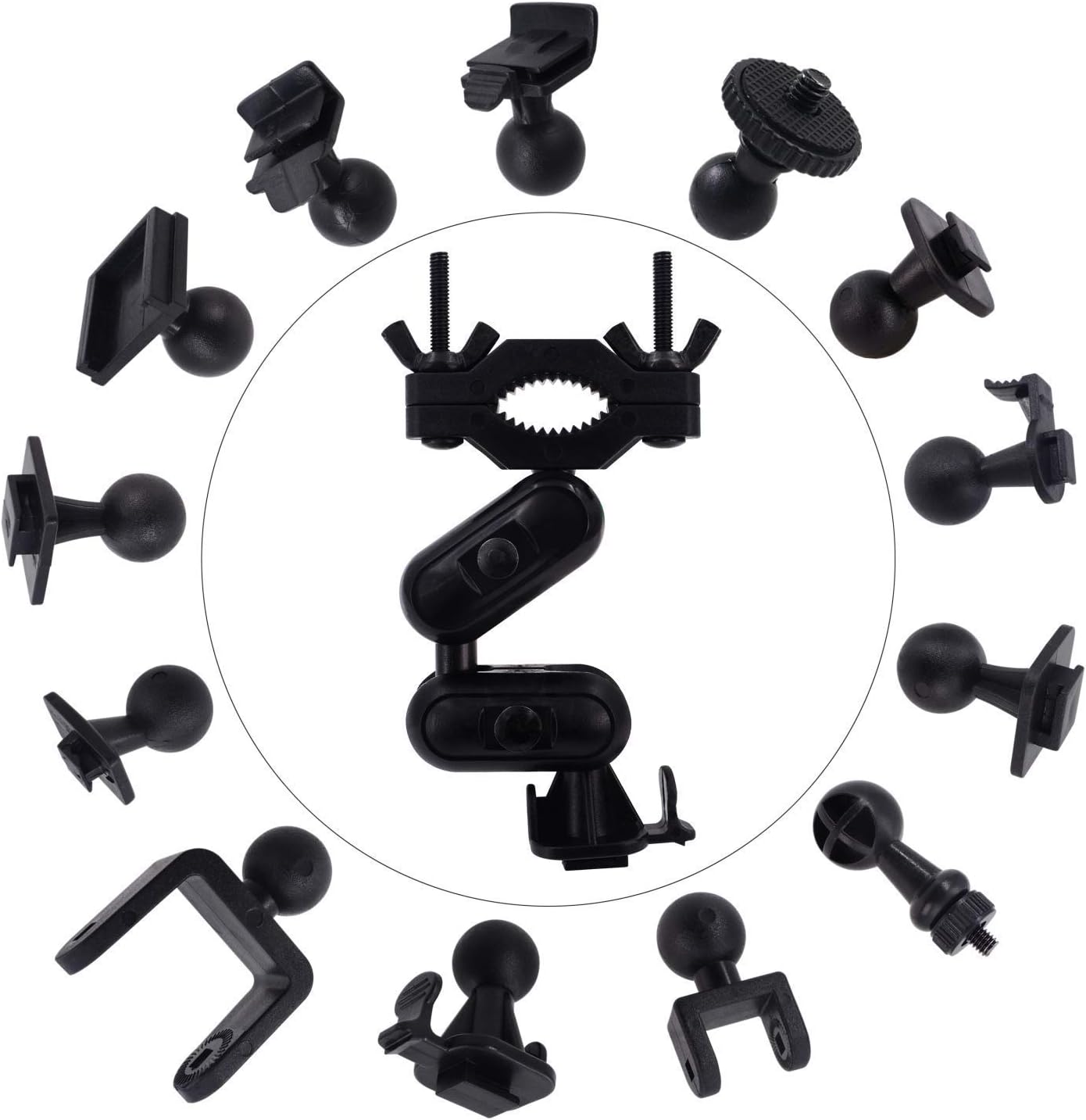
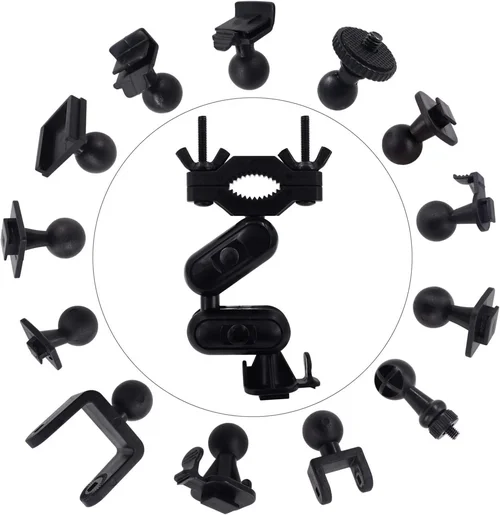
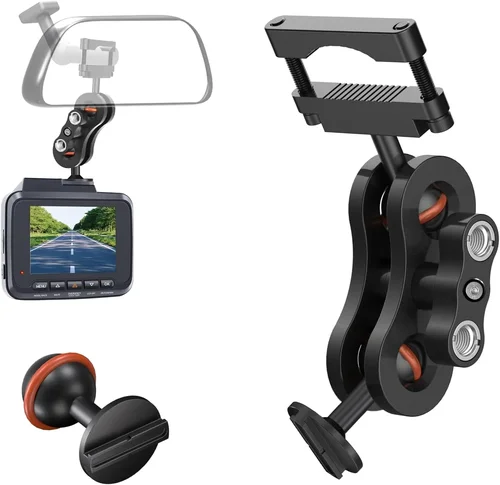
Mirror-mounted dash cams vary significantly in installation complexity. Some models simply clip onto your existing rearview mirror, while others require permanent adhesive mounting or integration with your mirror assembly. Consider whether your vehicle’s mirror type (manual vs. automatic dimming, heated, etc.) might interfere with installation or functionality. Professional installation services are available for complex setups, but many drivers prefer DIY installation for cost savings and convenience. Ensure your chosen model includes all necessary mounting hardware and adapters for compatibility with various mirror sizes and styles. Test fit the unit before committing to ensure it doesn’t obstruct your view or interfere with mirror adjustments.
10. User Interface & Ease of Use
A well-designed interface makes operating your dash cam intuitive and stress-free. Look for models with clearly labeled buttons, readable displays (if applicable), and straightforward menu navigation. Touchscreen interfaces offer convenience but may become unresponsive in cold weather or difficult to use with gloves. Mobile apps provide additional control options but require smartphone pairing and may drain your phone’s battery. Voice command capabilities add safety by reducing distraction while driving. Consider how you’ll access recorded footage—some models allow direct file transfer via USB, while others require removing the memory card. Quick-access buttons for emergency recording or locking clips can be invaluable during unexpected events.
Different Types of Dash Cams
Common Buying Mistakes to Avoid
❌ Mistake: Choosing Based Solely on Price
Why it’s bad: While budget considerations are important, selecting the cheapest option often leads to disappointment. Low-priced models frequently compromise on critical components like lens quality, sensor performance, or build materials, resulting in poor video quality, frequent malfunctions, or short lifespan.
What to do instead: Set a realistic budget based on your needs rather than looking for the absolute lowest price. Consider the total cost of ownership including potential replacement parts, software updates, and storage requirements. Sometimes spending slightly more upfront saves money long-term by avoiding multiple replacements.
❌ Mistake: Ignoring Real-World Performance Claims
Why it’s bad: Manufacturers often highlight theoretical specifications that don’t translate to real driving scenarios. Advertised features like “4K recording” or “night vision” may not deliver promised results in actual usage conditions such as heavy rain, tunnel transitions, or extreme temperatures.
What to do instead: Research independent reviews from trusted automotive tech websites and YouTube reviewers who test cameras under diverse conditions. Look for detailed comparisons showing actual footage samples rather than just spec sheets. User forums provide valuable insights into real-world reliability and performance.
❌ Mistake: Overlooking Storage Requirements
Why it’s bad: Assuming any microSD card will work properly is a common error. Standard consumer-grade cards often fail in dash cams due to constant write cycles, temperature fluctuations, and vibration exposure. Using incompatible cards leads to data loss, corrupted files, or complete system failure.
What to do instead: Purchase high-endurance microSD cards specifically recommended for dash cams from reputable retailers. Follow the manufacturer’s storage guidelines carefully—larger cards don’t always mean longer recording times due to file size limitations. Regularly check available space and establish a maintenance routine for managing recordings.
❌ Mistake: Neglecting Installation Impact
Why it’s bad: Poor installation can compromise both safety and functionality. Oversized units may block critical portions of your rearview mirror, creating blind spots. Improper mounting positions result in suboptimal recording angles or excessive vibration during driving.
What to do instead: Measure your mirror dimensions before ordering and verify clearance requirements. Practice installation multiple times before final placement. Consider professional installation for integrated smart mirror systems. Always test the unit’s position thoroughly before relying on it for safety-critical situations.
❌ Mistake: Underestimating Power Management Needs
Why it’s bad: Many drivers assume their car’s electrical system can handle additional power draw without issues. However, dash cams with inadequate power management can drain batteries, cause voltage drops that affect other electronics, or fail to start in colder temperatures.
What to do instead: Choose models with efficient power consumption and reliable parking mode functionality. Consider dedicated hardwiring kits for permanent installations to eliminate battery dependency. Test the unit’s startup behavior in winter conditions to ensure reliable operation year-round.
❌ Mistake: Disregarding Software Updates
Why it’s bad: Failing to keep firmware updated leaves your dash cam vulnerable to bugs, security issues, and missing new features. Some manufacturers stop supporting older models after 1-2 years, rendering them obsolete or less functional.
What to do instead: Select brands with active development communities and regular update schedules. Enable automatic updates when available and periodically check for new firmware releases. Subscribe to manufacturer newsletters or follow social media channels for update announcements.
❌ Mistake: Expecting Perfect Footage Every Time
Why it’s bad: Setting unrealistic expectations about recording quality leads to frustration when minor issues occur. Factors like dirty lenses, changing lighting conditions, or extreme weather naturally affect image quality regardless of equipment quality.
What to do instead: Understand that perfect footage is rare and focus on reliable, usable recordings rather than cinematic perfection. Keep lenses clean, adjust settings seasonally, and maintain realistic expectations about what constitutes useful evidence in various scenarios.
Budget Guidelines: How Much Should You Spend?
Entry-Level ($50 – $100): The Basics Covered
For occasional drivers or those on tight budgets, entry-level mirror dash cams provide essential recording capability without breaking the bank. These models typically feature 1080p resolution, basic motion detection, and simple loop recording functionality. While they may lack advanced features like GPS tracking or Wi-Fi connectivity, they fulfill the core requirement of capturing incident footage when needed. Expect decent daytime performance with some limitations in low-light conditions. This tier works well for city commuters who primarily drive during daylight hours and want basic protection against accidents or disputes.
Mid-Range ($100 – $200): Sweet Spot for Most Buyers
This price range represents the optimal balance between features, quality, and value. Mid-range mirror dash cams usually offer 2K or higher resolution, improved night vision capabilities, robust build quality, and a growing list of convenient features like voice commands, parking mode, and mobile app integration. Many models in this category also include dual-channel recording options or enhanced storage management. For the average driver covering mixed daily commuting and weekend trips, this tier provides professional-grade performance without excessive cost. The investment pays dividends through reliable operation and comprehensive feature sets that adapt to various driving scenarios.
Premium ($200 – $400): Enthusiast and Professional Grade
Premium mirror dash cams deliver exceptional image quality, advanced functionality, and superior reliability designed for demanding users. These units typically feature 4K recording, professional-grade sensors, extensive feature sets including cloud connectivity, advanced driver assistance, and robust construction suitable for commercial applications. Enhanced thermal management ensures consistent performance across extreme temperatures, while sophisticated software provides detailed analytics and reporting capabilities. This tier appeals to serious drivers, delivery professionals, ride-share operators, and anyone who demands maximum protection and feature completeness regardless of cost.
Luxury ($400+): Top-Tier Performance
Luxury mirror dash cams represent the pinnacle of automotive recording technology, incorporating cutting-edge innovations and premium materials. These systems often include multiple high-resolution cameras, artificial intelligence features, satellite connectivity, and military-grade durability. Subscription-based services provide unlimited cloud storage, advanced analytics, and priority customer support. While the price point may seem prohibitive for individual consumers, these systems offer unparalleled peace of mind for fleet operators, security professionals, and ultra-high-end vehicle owners who require absolute reliability and feature completeness. The investment reflects not just recording capability but comprehensive digital protection and data management solutions.
Expert Tips for Getting the Best Deal
Timing Your Purchase Strategically
Seasonal sales events offer substantial savings on mirror dash cams throughout the year. Black Friday and Cyber Monday typically feature the deepest discounts, but also watch for Memorial Day, Labor Day, and back-to-school promotions. Many manufacturers release new models annually, creating natural incentive to sell remaining inventory from previous generations. End-of-year clearance events in December often provide excellent opportunities to snag last-season models at reduced prices. Additionally, consider waiting for major automotive trade shows or tech conferences when companies frequently unveil new products and offer launch discounts.
Choosing the Right Retail Channels
Online retailers generally offer broader selection, competitive pricing, and detailed product information compared to brick-and-mortar stores. Amazon provides extensive customer reviews and fast shipping options, while specialized automotive electronics sites like Crutchfield, Best Buy, and B&H Photo often carry professional-grade models. Direct manufacturer websites sometimes include exclusive bundles, extended warranties, or customization options unavailable elsewhere. Local auto accessory shops may offer immediate availability, hands-on demonstrations, and installation services but typically charge premium prices. For complex installations or warranty repairs, physical stores can provide convenience, though online channels usually offer better value for standard purchases.
Identifying Authentic Deals and Discounts
Be wary of prices that seem too good to be true—they often are. Authentic discounts typically range from 10-30% off MSRP for seasonal promotions, while extreme markdowns may indicate counterfeit products or discontinued models with unresolved defects. Look for verified seller badges, detailed return policies, and genuine customer feedback when shopping online. Subscribe to manufacturer newsletters for early access to sales and exclusive promotional codes. Compare prices across multiple reputable retailers before committing, and check for bundle deals that include accessories like extra mounts, cables, or memory cards at reduced overall cost.
Understanding Warranty Coverage
Comprehensive warranty terms significantly impact long-term ownership costs and peace of mind. Most reputable manufacturers offer 1-3 year limited warranties covering defects in materials and workmanship. Read warranty fine print carefully—some exclude damage from improper installation, environmental factors, or unauthorized modifications. Extended warranty programs available through third parties may add 1-2 years of coverage but often come with restrictive terms. Register your product immediately after purchase to activate warranty benefits and ensure timely support when needed. Document original packaging and purchase receipts as required for warranty claims.
Evaluating Return Policies
Flexible return windows allow you to test dash cams under real driving conditions before committing fully. Ideal return policies offer at least 30 days for testing functionality and performance, with prepaid return shipping for defective items. Avoid retailers with restrictive restocking fees or limited return periods that discourage experimentation. If possible, schedule installation and testing during your typical commute hours to evaluate performance under familiar conditions. Keep all original packaging and accessories until you’re completely satisfied with your choice to facilitate smooth returns if necessary.
Testing Before Committing
Whenever feasible, request hands-on demonstration or borrow a friend’s unit for personal testing. Pay attention to how the device feels during installation, assess button responsiveness, and evaluate screen readability in sunlight. Test recording quality by capturing various scenarios including daylight, dusk, and nighttime driving. Verify that mounting doesn’t interfere with mirror adjustment or create blind spots. If purchasing online, choose retailers with generous return policies that accommodate testing periods. Some specialty stores offer loaner programs or in-store demo units for evaluation before purchase.
Negotiating Better Terms
Don’t hesitate to ask for additional accessories, extended warranties, or price matching when making your purchase. Sales representatives often have discretionary authority to improve deals beyond posted prices. Mentioning competitor offerings or expressing interest in alternative models can prompt counter-offers. Bundle requests for installation services, extra memory cards, or protective cases frequently yield better overall value than separate purchases. Building rapport with knowledgeable staff increases chances of receiving personalized assistance and potential discounts, especially during slower business periods.
Considering Total Cost of Ownership
Beyond initial purchase price, factor in ongoing expenses like memory card replacements, cloud storage subscriptions, and potential repair costs. High-capacity memory cards suitable for dash cams typically cost more than standard consumer cards, and premium features like GPS logging or cloud backup often require monthly fees. Calculate five-year ownership costs including accessories, software updates, and possible replacements. Sometimes paying slightly more upfront for higher-quality components reduces long-term expenses through increased reliability and extended lifespan.

Frequently Asked Questions
Q: Can I install a mirror dash cam myself, or do I need professional installation?
A: Most modern mirror dash cams are designed for DIY installation and can be mounted within minutes using clip-on or adhesive methods. Clip-style units simply attach to your existing rearview mirror without tools or permanent modification. Adhesive mounts require surface preparation but don’t damage your mirror. Only integrated smart mirror systems typically require professional installation due to electrical connections and calibration requirements. Always read the manufacturer’s instructions carefully and practice positioning before final mounting.
Q: How long will my dash cam record before overwriting old footage?
A: Recording duration depends on several factors including resolution, compression settings, and available storage capacity. At 1080p resolution with standard compression, a 64GB microSD card typically records continuously for 3-4 hours before overwriting begins. Higher resolutions like 2K or 4K reduce recording time to 1-2 hours due to larger file sizes. Loop recording automatically manages storage by overwriting oldest footage first, ensuring continuous coverage without manual intervention. You can adjust recording intervals or enable event-triggered saving for critical moments.
Q: Do mirror dash cams work in extreme weather conditions?
A: Quality mirror dash cams are engineered to operate reliably across normal temperature ranges (-4°F to 140°F/-20°C to 60°C). However, extreme conditions present challenges: very hot temperatures can cause lens fogging or internal component stress, while freezing conditions may affect battery performance and touchscreen responsiveness. Look for models with anti-fog coatings, robust thermal management, and tested performance in harsh environments. During severe weather events, manually wiping lenses and ensuring proper ventilation helps maintain optimal recording quality.
Q: Will my dash cam drain my car battery when parked?
A: Modern dash cams consume minimal power when in standby mode, typically drawing less than 1 watt. Most models enter ultra-low power parking mode that reduces consumption further. However, extended parking periods without engine operation can eventually drain batteries, especially in cold climates where parasitic loads increase. Solutions include hardwiring kits that connect directly to your car’s electrical system, battery isolation modules, or smart parking modes that activate only during detected motion. Monitoring your car’s battery health regularly prevents unexpected power issues.
Q: How do I access and manage recorded footage from my mirror dash cam?
A: Access methods vary by model but commonly include direct USB connection to a computer, removable microSD card extraction, or wireless transfer via Wi-Fi. Some advanced units feature cloud storage with mobile app synchronization. File management typically involves chronological folders organized by date and time, with automatic naming conventions for easy identification. Emergency lock files created during impact detection remain protected from overwriting during loop recording cycles. Organize and backup important footage regularly to prevent accidental loss during card formatting or replacement.
Q: Are there legal restrictions on using dash cams in my state or country?
A: Regulations regarding dash cam usage vary significantly by jurisdiction. Most regions permit recording public roads for personal protection purposes, but restrictions exist regarding audio recording, privacy laws, and data retention requirements. Some European countries prohibit recording other vehicles’ license plates without consent, while certain US states have specific rules about video surveillance and evidence handling. Always research your local laws before installing and using dash cams, particularly if planning to use footage for insurance claims or legal proceedings.
Q: How often should I replace my memory card?
A: Memory card lifespan depends on usage patterns, write cycles, and quality grade. High-endurance cards rated for dash cam use typically last 3-5 years under normal conditions. Signs indicating replacement need include slow performance, file corruption errors, or inability to format properly. Frequent large-file writing (high-resolution recording) accelerates wear, while infrequent use extends longevity. Maintain one spare card and establish a replacement schedule based on your recording frequency and card specifications. Regularly check card health through manufacturer diagnostic tools when available.
Q: Can I use multiple dash cams simultaneously in my vehicle?
A: While technically possible, running multiple dash cams creates conflicting recording sources and potential legal complications. Most jurisdictions consider simultaneous recording devices as evidence tampering or illegal surveillance unless properly disclosed. If absolutely necessary for comprehensive coverage, consult legal counsel regarding compliance with local regulations. Single-unit solutions with wide-angle lenses or dual-camera systems generally provide adequate coverage without regulatory concerns. Multiple cameras also increase power consumption, storage requirements, and management complexity unnecessarily for most drivers.
Q: What happens if my dash cam fails to record during an incident?
A: Reliable dash cams include safeguards against recording failures during critical events. G-sensors detect sudden deceleration or impacts and automatically lock relevant footage to prevent overwriting. Battery backup systems maintain power briefly after ignition cutoff for emergency recording. Redundant storage options like dual memory cards or cloud backup mitigate single-point failures. If your unit fails during an incident, immediately contact manufacturer support with details about the event. Regular maintenance including firmware updates, storage checks, and component testing reduces failure risks significantly.
Q: How do I ensure my dash cam provides admissible evidence in legal proceedings?
A: To maximize evidentiary value, maintain meticulous records including purchase dates, serial numbers, firmware versions, and maintenance logs. Store footage securely with chain-of-custody documentation when relevant to incidents. Ensure recordings meet court standards for authenticity, clarity, and timestamp accuracy. Consult with legal professionals about admissibility requirements specific to your jurisdiction before relying on dash cam footage as sole evidence. Proper handling procedures prevent evidence contamination and ensure compliance with discovery rules governing electronic evidence.
Final Recommendations
Best for Budget-Conscious Buyers
For those seeking essential protection without overspending, the VIOFO A119 V3 stands out as an exceptional value proposition. This 2K resolution mirror dash cam delivers crisp, detailed footage at an accessible price point while maintaining reliable performance across various driving conditions. Its compact design integrates seamlessly with most rearview mirrors, and the included suction cup mount offers flexible positioning options. The unit features advanced night vision capabilities, loop recording functionality, and robust build quality that withstands daily driving demands. Despite its affordable price tag, the A119 V3 includes essential features like G-sensor collision detection and parking mode monitoring, providing comprehensive protection without compromising on core functionality.
Best Overall Value
The Nextbase 522GW emerges as the definitive choice for balanced performance and features. This premium mirror dash cam combines stunning 1440p recording quality with intelligent driver assistance features including lane departure warnings, collision alerts, and emergency SOS functionality. Its impressive 150-degree field of view captures extensive road coverage while minimizing distortion at the edges. The built-in Alexa integration adds convenience through voice commands, and the innovative rear camera accessory enables dual-channel recording for comprehensive vehicle coverage. Cloud connectivity allows remote viewing and instant sharing of critical footage, while the robust build quality ensures years of reliable service. The 522GW represents the perfect marriage of advanced technology, user-friendly interface, and dependable performance that adapts to evolving driving needs.
Best Premium Option
For discerning drivers demanding absolute excellence, the Garmin Dash Cam Mini 2 sets the benchmark for compact sophistication. This pocket-sized powerhouse delivers professional-grade 1080p recording with impressive night vision capabilities despite its diminutive size. The seamless integration with Garmin’s ecosystem provides navigation overlays and voice guidance features that enhance driving safety. Its discreet design blends invisibly with your mirror setup while delivering reliable performance in all weather conditions. The unit includes advanced safety features like forward collision warning and lane departure alerts, along with automatic cloud backup for worry-free storage management. Garmin’s renowned build quality and customer support ensure peace of mind alongside exceptional recording performance.
Best for Beginners
New dash cam users will appreciate the simplicity and reliability of the Rexing V1 Pro. This user-friendly mirror dash cam prioritizes ease of use with intuitive controls, clear display, and straightforward setup process. Its 140-degree field of view provides adequate coverage without overwhelming complexity, while the included accessories simplify installation and maintenance. The V1 Pro delivers solid 1080p recording quality suitable for most driving scenarios, with reliable loop recording and emergency event locking functionality. Clear documentation and responsive customer support help newcomers navigate initial setup and troubleshooting confidently. For drivers transitioning from basic recording needs to enhanced vehicle protection, this model offers the perfect introduction to advanced automotive safety technology.
Best for Advanced Users
Power users and professionals seeking maximum flexibility will find the BlackVue DR970X-2CH Ultimate delivers unmatched capabilities. This sophisticated dual-channel system features front and rear cameras with 2K+ recording resolution, providing comprehensive 360-degree coverage. Its cloud-connected architecture enables remote monitoring, instant event notifications, and secure file management through BlackVue’s robust server infrastructure. Advanced driver assistance features include intelligent parking mode with motion detection, GPS speed logging, and thermal management for extreme temperature resilience. The unit’s modular design allows customization for specific professional requirements, while BlackVue’s industry-leading support and firmware updates ensure continuous improvement and reliability. This system represents the pinnacle of automotive recording technology for those demanding absolute performance and functionality.
Conclusion: Making the Right Choice
Selecting the ideal dash cam for your car mirror mount requires careful consideration of your specific needs, driving patterns, and budget constraints. Rather than chasing the latest technological advancements or focusing solely on price points, successful buyers prioritize their actual usage scenarios and select equipment that genuinely enhances their safety and peace of mind. Whether you’re a daily commuter seeking basic protection, a weekend adventurer wanting comprehensive coverage, or a professional driver requiring maximum reliability, understanding your requirements upfront streamlines the decision-making process.
Remember that mirror-mounted dash cams serve as both protective devices and potential legal assets. Their effectiveness depends not just on hardware specifications but also on proper installation, regular maintenance, and responsible usage practices. Take time to research thoroughly, compare real-world performance data, and test installation options before making your final selection. The investment you make today could prove invaluable during unexpected situations tomorrow, providing clarity, protection, and confidence behind the wheel.
As automotive technology continues evolving, mirror dash cams remain essential tools for modern drivers navigating increasingly complex road environments. By choosing wisely and maintaining your equipment properly, you’ll enjoy years of reliable service while benefiting from enhanced safety, potential insurance advantages, and documented peace of mind for every journey.