Ultimate Dash Cam Buying Guide for India 2026
Ultimate Dash Cam Buying Guide for India 2026
Your Complete Guide to Choosing the Perfect Dash Cam for Indian Roads
In today’s rapidly evolving automotive technology landscape, dash cams have transitioned from luxury accessories to essential safety tools for every Indian driver. With increasing traffic congestion, unpredictable road conditions, and the need for reliable evidence in case of accidents, a quality dash cam can make all the difference. This comprehensive guide will walk you through everything you need to know about selecting the best dash cam for your vehicle in India as we move into 2026.
Whether you’re a daily commuter navigating Delhi’s chaotic streets or a weekend explorer traveling through rural highways, understanding the key features, technical specifications, and market trends will help you make an informed decision. We’ll cover everything from budget considerations to advanced features like night vision, GPS tracking, and cloud connectivity, ensuring you get the perfect dash cam that fits your specific needs and driving patterns.
The Indian dash cam market has seen tremendous growth over the past few years, with both international brands and local manufacturers offering feature-rich solutions at various price points. However, with so many options available, choosing the right one can be overwhelming. That’s why this guide breaks down complex technical information into actionable insights, helping you navigate through the sea of choices and find a dash cam that not only meets but exceeds your expectations.
## What to Look for When Buying Dash Cams
### Resolution and Video Quality
When it comes to dash cam selection, resolution is arguably the most critical factor. The video quality directly impacts how clearly important details will appear in recordings, especially during critical moments. For Indian roads, where lighting conditions can vary dramatically from bright sunsets to pitch-black nights, high-resolution cameras are non-negotiable.
Look for dash cams that offer at least Full HD (1920×1080) resolution, though 2K and 4K options are becoming increasingly common and provide exceptional detail. Higher resolutions capture finer details like license plates, road signs, and facial expressions, which can be crucial evidence in accident investigations. However, keep in mind that higher resolution also means larger file sizes and potentially shorter recording times between memory card writes.
Consider the camera sensor quality as well – CMOS sensors generally perform better in low light conditions compared to CCD sensors. Many premium dash cams now feature starlight-level sensors that maintain excellent clarity even in near-darkness, making them invaluable for nighttime driving in India’s urban environments.
### Storage Capacity and Loop Recording
Storage management is another crucial aspect that often gets overlooked. Dash cams use loop recording to continuously overwrite older footage when the storage is full, but this functionality works best when paired with adequate storage capacity. For Indian drivers who frequently travel on highways or commute through busy city areas, having sufficient storage ensures important events aren’t overwritten too quickly.
Most dash cams come with built-in storage ranging from 16GB to 128GB, but external microSD cards are typically recommended for optimal performance. A 32GB or 64GB microSD card should be sufficient for daily commuting, while longer trips might require 128GB or higher. Always choose Class 10 or UHS-I microSD cards for reliable performance and faster write speeds.
Another important consideration is whether your dash cam supports automatic file management. Some models automatically save important clips (like collision detection) to a protected folder that won’t be overwritten during loop recording, ensuring critical evidence remains accessible even after extended periods.
### Night Vision and Low-Light Performance
Night driving in India presents unique challenges due to poor street lighting, inadequate signage visibility, and the prevalence of poorly maintained roads. A dash cam with superior night vision capabilities can significantly enhance your safety and provide clearer evidence during nocturnal incidents.
Modern dash cams employ several technologies to improve low-light performance, including wide dynamic range (WDR), infrared LEDs, and enhanced image processing algorithms. WDR technology helps balance exposure between bright headlights and dark road surfaces, preventing overexposure in well-lit areas while maintaining detail in shadowy regions.
Many top-tier dash cams now feature dedicated night vision modes that automatically adjust settings based on ambient light levels. These modes optimize white balance, reduce noise, and enhance contrast specifically for nighttime recording, ensuring you capture clear footage regardless of lighting conditions.
### Build Quality and Weather Resistance
Indian weather conditions can be extremely challenging for electronic devices. From scorching summer heat to sudden monsoon rains, dash cams must withstand extreme temperatures, humidity, and water exposure. When evaluating build quality, look for IP rating certifications that indicate dust and water resistance levels.
Most reputable dash cams feature weather-resistant casings designed to operate reliably in temperatures ranging from -20°C to 70°C. This is particularly important for Indian vehicles that may be parked in direct sunlight during hot summer months or exposed to monsoon rains.
Additionally, consider the lens protection features. Some dash cams come with hydrophobic coatings that repel water droplets, preventing blurry footage during rain. Others feature reinforced glass lenses that resist scratches and maintain optical clarity over time.
### Power Source and Installation
The power source determines how seamlessly your dash cam integrates with your vehicle’s electrical system. Most dash cams connect to your car’s cigarette lighter socket using a standard power cable, but this method has limitations in terms of power stability and convenience.
Consider investing in a hardwired installation kit if you plan to use your dash cam regularly. Hardwiring provides several advantages: continuous power supply (even when the car is off), automatic startup/shutdown with the vehicle, and reduced cable clutter. However, professional installation is recommended for this option, adding to the overall cost.
For occasional use or rental vehicles, a simple cigarette lighter connection works perfectly fine. Just ensure your car’s electrical system can handle the additional load, and always unplug the device when leaving the vehicle to prevent battery drain.
### Features and Functionality
Beyond basic recording capabilities, modern dash cams offer a wealth of advanced features that can enhance your driving experience and safety. Here are some key functionalities to consider:
GPS Tracking: Built-in GPS allows your dash cam to record location data, speed, and direction alongside video footage. This information can be invaluable for accident reconstruction and insurance claims.
G-Sensor and Collision Detection: Automatic impact detection triggers the dash cam to lock current footage, preventing it from being overwritten during loop recording. Sensitivity settings allow you to customize what constitutes a “significant impact.”
Parking Mode: When connected to a power source, parking mode continues monitoring your vehicle even when you’re away. Motion detection alerts can trigger recording when suspicious activity occurs around your parked car.
Wi-Fi and Mobile App Integration: Many dash cams feature built-in Wi-Fi that connects to smartphone apps, allowing you to view live feeds, download recordings, and configure settings remotely.
Voice Commands and Controls: Some advanced models support voice commands for hands-free operation, crucial for maintaining focus on the road while driving.
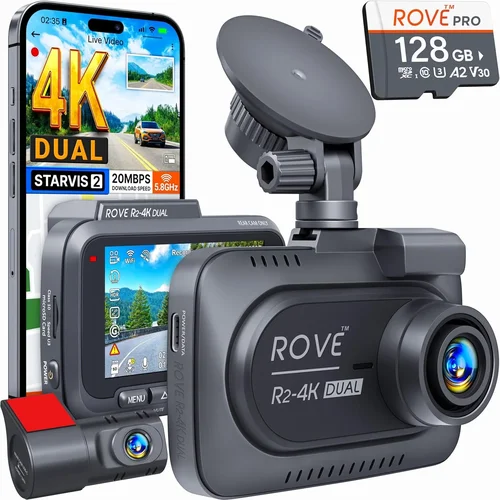
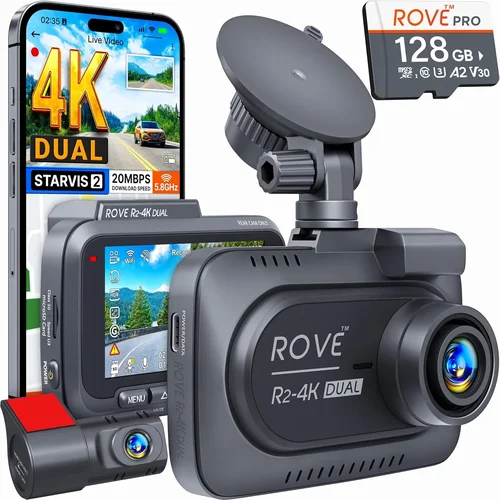
Dual Camera Setup: Front and rear camera systems provide comprehensive coverage of your vehicle’s surroundings, protecting against both front and rear-end collisions.
### Brand Reputation and Customer Support
While brand recognition doesn’t guarantee quality, established manufacturers with good reputations tend to offer better build quality, more reliable software updates, and responsive customer service. Research each brand’s track record in the Indian market, paying attention to warranty terms, service center availability, and user feedback.
Local service centers are particularly important for quick repairs and replacements, especially if you encounter hardware issues after purchase. Brands with strong distribution networks across major Indian cities will provide better post-purchase support.
Also consider the availability of spare parts and firmware update policies. Manufacturers who regularly release software updates demonstrate commitment to improving their products and addressing security vulnerabilities.
## Different Types of Dash Cams
## Common Buying Mistakes to Avoid
### ❌ Mistake: Ignoring Local Climate Conditions
Why it’s bad: Many buyers purchase dash cams without considering India’s diverse climate conditions. Extreme heat, monsoon rains, and dusty roads can severely affect performance and longevity. A dash cam rated for European temperatures might fail completely in Indian summer conditions.
What to do instead: Look for devices specifically tested for Indian climate conditions. Check temperature operating ranges (ideally -10°C to 60°C+) and ensure they have proper weather sealing. Consider dash cams with anti-fogging features and hydrophobic lens coatings for monsoon season reliability.
### ❌ Mistake: Overlooking Power Requirements
Why it’s bad: Insufficient power supply can cause the dash cam to shut down unexpectedly, missing critical moments. In some cases, it might drain your car battery overnight, leaving you stranded when you need your vehicle most.
What to do instead: Understand your vehicle’s electrical system before purchasing. For regular use, consider hardwiring options that include battery cutoff protection. Always test the dash cam with your specific car model to ensure compatibility and adequate power delivery.
### ❌ Mistake: Neglecting Storage Management
Why it’s bad: Without proper storage planning, your dash cam will constantly overwrite important footage. During long trips or busy city commutes, this can result in losing crucial evidence within minutes rather than hours or days.
What to do instead: Calculate your storage needs based on usage patterns. For daily city driving, a 32GB card might suffice for 2-3 days of footage. For highway trips, consider 64GB+ capacity. Always carry spare cards and establish a regular backup routine for important files.
### ❌ Mistake: Choosing Based Solely on Price
Why it’s bad: While budget is important, focusing only on lowest-priced options often leads to disappointment. Cheap dash cams may lack essential features, have poor build quality, or fail within weeks of use, providing no real value proposition.
What to do instead: Evaluate the total cost of ownership, including potential replacement costs, installation fees, and any necessary accessories. Sometimes spending 20-30% more upfront results in significantly better reliability and longer lifespan.
### ❌ Mistake: Skipping Warranty and Support Research
Why it’s bad: Dash cam malfunctions can leave you vulnerable during critical situations. Without proper warranty coverage or accessible support channels, resolving issues becomes frustrating and expensive, especially if you need it urgently.
What to do instead: Prioritize brands with comprehensive warranty terms (at least 1 year) and readily available customer service. Check for local service center availability and read reviews about post-purchase support experiences before making your decision.
### ❌ Mistake: Not Testing Before Committing
Why it’s bad: Online shopping makes impulse purchases easy, but dash cams are too important to buy without seeing them in action. You might discover compatibility issues, uncomfortable mounting positions, or confusing interfaces that weren’t apparent from product descriptions alone.
What to do instead: Visit physical stores when possible, or choose retailers with generous return policies. Test the interface, check video quality in different lighting conditions, and ensure the mounting solution works well with your windshield angle before finalizing your purchase.
## Budget Guidelines: How Much Should You Spend?
### Entry-Level Dash Cams (₹2,000 – ₹5,000)
This price range offers basic dash cam functionality suitable for occasional drivers or those testing the waters. At this level, you’ll find single-lens Full HD devices with essential features like loop recording, G-sensor, and manual recording controls.
Expect limited night vision capabilities, basic build quality, and minimal extra features. These dash cams work well for city commuting where lighting conditions are relatively stable. However, they might struggle with low-light performance during evening drives or in poorly lit parking areas.
Popular entry-level options include rebranded Chinese models from local retailers, often marketed under various brand names. While these can serve basic purposes, research thoroughly and read multiple reviews to avoid disappointing experiences.
### Mid-Range Dash Cams (₹5,000 – ₹12,000)
This sweet spot represents the best value proposition for most Indian drivers. Mid-range dash cams typically offer Full HD or 2K resolution with improved night vision, better build quality, and more reliable performance.
You’ll find features like GPS tracking, WiFi connectivity, parking mode, and enhanced audio recording at this price point. Many mid-range models also include dual-lens systems, providing front and rear coverage for comprehensive protection.
Brands like BlackVue, Thinkware, and Nextbase dominate this segment with proven reliability and good customer support. These devices strike an excellent balance between features, performance, and affordability, making them ideal for daily commuters and family drivers.
### Premium Dash Cams (₹12,000 – ₹25,000)
Premium dash cams deliver professional-grade performance with advanced features tailored for serious drivers and fleet operators. Expect 4K resolution, superior low-light performance, robust build quality, and extensive connectivity options.
These devices often feature cloud connectivity, advanced driver assistance systems (ADAS), lane departure warnings, and sophisticated parking surveillance. Premium models also offer superior audio quality, better microphone sensitivity, and enhanced weather resistance.
While the price point is higher, the investment pays off through superior reliability, clearer evidence quality, and peace of mind during critical situations. Premium dash cams are particularly valuable for commercial drivers, delivery services, and individuals who frequently drive in challenging conditions.
### Luxury Dash Cams (₹25,000+)
Luxury dash cams represent the pinnacle of automotive technology, featuring cutting-edge innovations and premium materials. At this level, you’ll find multi-camera setups with AI-powered features, advanced analytics, and seamless integration with smart home systems.
Expect features like 360-degree coverage, artificial intelligence for event detection, thermal imaging capabilities, and professional-grade audio recording. Luxury models often include custom mounting solutions, premium packaging, and concierge-level customer support.
While overkill for most personal use, luxury dash cams are perfect for high-profile individuals, luxury car owners seeking maximum protection, and professional fleet operators requiring enterprise-grade security solutions.
## Expert Tips for Getting the Best Deal
### Timing Your Purchase Right
Seasonal sales can significantly impact dash cam prices throughout the year. The best deals typically occur during major shopping festivals like Diwali, Amazon Great Indian Festival, and Big Billion Days. These events often feature substantial discounts, bundle offers, and free shipping that can save you hundreds of rupees.
Additionally, consider purchasing during monsoon season (June-August) when demand naturally decreases, or during winter months (November-January) when new models are being introduced. Retailers often clear inventory during these periods, offering better prices on existing models.
### Choosing the Right Retailer
Online platforms like Amazon, Flipkart, and specialized electronics retailers offer competitive pricing and convenient delivery options. However, don’t overlook local electronics markets where you can physically inspect products and negotiate prices directly with sellers.
For premium models, consider authorized dealer networks that provide genuine products, comprehensive warranties, and professional installation services. While slightly more expensive, this ensures you receive authentic products with proper documentation and support.
Always verify seller ratings, read customer reviews, and check return policies before completing your purchase. Reliable retailers will offer at least 7-14 days for testing the product, giving you time to ensure compatibility and satisfaction.
### Spotting Hidden Deals and Bundles
Watch for package deals that include valuable accessories at no extra cost. Many retailers offer bundles containing extra microSD cards, hardwiring kits, suction cup mounts, or protective cases that would normally cost additional money separately.
Sign up for retailer newsletters to receive exclusive discount codes and early access to sales events. Some manufacturers also run direct promotions through their websites, sometimes offering better deals than third-party retailers.
Compare prices across multiple platforms using price comparison tools, but remember that shipping costs and delivery times should factor into your decision. Sometimes a slightly higher online price with free express shipping beats a lower local store price with expensive delivery charges.
### Understanding Warranty Terms
Comprehensive warranty coverage is crucial for dash cam protection. Look for minimum 1-year manufacturer warranty, preferably extendable through registration or purchase of extended warranty plans. Check what’s covered – some warranties exclude damage from water exposure or extreme temperatures.
Verify if warranty service requires returning the entire unit or if local repair centers can handle minor issues. Remote diagnostics and software updates should be included in warranty coverage, ensuring your dash cam stays current with the latest improvements.
Always keep original purchase receipts and warranty registration documents safe. Digital copies stored securely can expedite warranty claims and prevent disputes about purchase dates or authenticity.
### Testing Before Committing
Whenever possible, visit physical stores to test dash cam interfaces and video quality under different lighting conditions. Pay attention to button layout, menu navigation, and overall user experience. Can you easily access important functions while driving? Is the display readable in bright sunlight?
Check the mounting mechanism’s stability and adjustability. Does it securely hold position on your windshield without obstructing your view? Test the power connection with your specific car model to ensure reliable operation.
If buying online, choose retailers with generous return policies (minimum 14 days). This gives you adequate time to test the dash cam during various driving scenarios before committing to long-term use.
### Leveraging Technology and Reviews
Use video review platforms and YouTube unboxing videos to see real-world performance before purchasing. Many reviewers demonstrate actual driving scenarios, showing how the dash cam performs in traffic, during night driving, and in various weather conditions relevant to Indian roads.
Join online forums and Facebook groups dedicated to dash cam discussions. Experienced users often share valuable insights about specific models, installation tips, and troubleshooting advice that aren’t covered in official product descriptions.
Check government certification marks and compliance standards displayed on packaging. Products meeting Indian safety and electromagnetic compatibility standards will perform more reliably and safely in local conditions.
## Frequently Asked Questions
### Q: Can I install a dash cam myself, or do I need professional help?
A: Most basic dash cam installations can be done by yourself with the right tools and instructions. Single-lens units connecting to your cigarette lighter socket require minimal effort – simply plug it in and mount it on your windshield using the provided adhesive pad or suction cup.
However, hardwiring installations and dual-camera systems benefit from professional installation. Professional installers understand your vehicle’s electrical system, can route cables discreetly, and ensure proper power management to prevent battery drain. For most users, the added convenience and reliability justify the installation fee, especially for premium models.
### Q: How often should I back up my dash cam footage?
A: Regular backups are essential to prevent important evidence from being lost. For daily commuters, backing up footage weekly is sufficient. If you experience significant events (accidents, near-misses, or valuable incidents), back up immediately after the event.
Establish a consistent backup routine based on your usage patterns. Many modern dash cams automatically upload footage to cloud storage when connected to WiFi, reducing manual backup requirements. Regardless of your method, ensure backups are stored securely and organized by date for easy retrieval when needed.
### Q: Do dash cams work in monsoon season in India?
A: Yes, quality dash cams are designed to perform well during monsoon season. Look for models with hydrophobic lens coatings that repel water droplets, preventing blurry footage during heavy rain. Ensure the dash cam has proper weather sealing and is rated for humid conditions.
During intense rainfall, you might notice slightly reduced visibility due to water accumulation on the lens. Most dash cams automatically adjust exposure settings to compensate, but periodic lens cleaning with microfiber cloths can maintain optimal performance throughout the monsoon months.
### Q: Will a dash cam drain my car battery?
A: Modern dash cams consume very little power, typically 1-3 watts depending on the model and features. This translates to approximately 0.1-0.3 amps per hour, which is negligible compared to your car’s normal electrical consumption.
However, continuous operation during long periods away from the vehicle can eventually drain the battery, especially in older cars with less efficient charging systems. Parking mode with motion detection helps minimize power consumption, and many dash cams include intelligent shutdown features that prevent excessive battery drain.
For extended parking periods, consider using a parking mode timer or installing a smart power module that disconnects the dash cam when the battery reaches critical levels.
### Q: Are dash cams legal in India?
A: Yes, dash cams are completely legal in India for personal use. There are no specific laws prohibiting their use, and they’re commonly used by both private individuals and commercial vehicle operators. In fact, many insurance companies recognize dash cam footage as valid evidence, which encourages their widespread adoption.
Keep in mind that privacy laws apply when recording others. Avoid intentionally capturing private property, residential areas, or sensitive locations where recording might violate privacy rights. Focus on recording public roadways and traffic-related activities, which are considered legitimate subjects for dash cam documentation.
### Q: How long does dash cam battery backup last?
A: Battery backup duration varies significantly based on the dash cam model and usage patterns. Most dash cams have internal backup batteries lasting 1-5 minutes, sufficient to record critical events before shutting down completely.
Some advanced models feature supercapacitors that provide longer backup times (up to 10 minutes) and better temperature tolerance compared to traditional lithium batteries. For extended emergency recording, hardwired installations with intelligent power management can provide indefinite backup as long as your car battery maintains charge.
Always test your dash cam’s emergency recording capability after installation to ensure it activates properly during unexpected shutdowns or power interruptions.
### Q: Can I use my dash cam while charging my phone?
A: Many dash cams include USB ports that can simultaneously charge your smartphone while recording. However, check your specific model’s power specifications to ensure it can handle the combined load without performance issues.
Using dash cam charging ports for high-draw devices like tablets might overload the system. Stick to moderate-power devices and avoid charging multiple devices simultaneously. For regular smartphone charging needs, consider separate car chargers that don’t interfere with dash cam operation.
### Q: What maintenance does a dash cam require?
A: Dash cam maintenance is minimal but important for optimal performance. Clean the lens regularly with a microfiber cloth to remove dust, fingerprints, and moisture. Avoid using harsh chemicals that might damage the lens coating or housing.
Periodically check the microSD card for errors and replace it if you notice recording issues or corruption. Update firmware when manufacturers release new versions, as updates often improve performance, add features, and fix known bugs.
Store your dash cam in a cool, dry place when not installed to prolong component life. Extreme temperatures and prolonged sun exposure can degrade internal components over time, especially affecting battery performance.
## Our Final Recommendations
### Best for Budget-Conscious Buyers: EZROAD Mini Pro
For those entering the dash cam world on a tight budget, the EZROAD Mini Pro offers excellent value with Full HD resolution and essential features. Priced competitively in the entry-level segment, it delivers reliable performance for city commuting without breaking the bank.
This model includes loop recording, G-sensor collision detection, and manual recording controls, providing all the basics needed for personal protection. While night vision capabilities are modest, the EZROAD Mini Pro handles well-lit urban environments effectively and serves as an excellent starting point for new dash cam users.
The compact design and straightforward installation make it perfect for first-time buyers wanting to test dash cam benefits before upgrading to more advanced models. Its reliability and ease of use have earned positive feedback from budget-minded Indian drivers seeking affordable protection.
### Best Overall Value: Thinkware U1000
The Thinkware U1000 strikes the perfect balance between features, performance, and price in the mid-range segment. This dual-lens dash cam delivers stunning 2K front recording and Full HD rear coverage, providing comprehensive protection for both ends of your vehicle.
Advanced features include superior night vision, GPS tracking, WiFi connectivity, and intelligent parking mode. The build quality is exceptional, with weather-resistant construction that withstands India’s diverse climate conditions. Thinkware’s reputation for reliability and excellent customer support adds significant value to this already impressive package.
For drivers wanting professional-grade protection without premium pricing, the U1000 represents the sweet spot in dash cam technology. Its advanced features and robust performance make it suitable for both daily commuters and occasional long-distance travelers seeking dependable evidence capture.
### Best Premium Option: BlackVue DR970X-2CH
For serious drivers and fleet operators requiring the absolute best performance, the BlackVue DR970X-2CH delivers enterprise-grade protection with cutting-edge technology. This premium dash cam features 4K Ultra HD recording with HDR capabilities, providing exceptional detail capture in all lighting conditions.
The dual-lens system includes both front and rear cameras with synchronized recording, while cloud connectivity enables remote viewing and management. Advanced features like AI-powered event detection, superior low-light performance, and military-grade durability set this model apart from competitors.
While priced at the higher end of the spectrum, the BlackVue DR970X-2CH justifies its cost through unparalleled reliability, superior video quality, and comprehensive feature set. It’s particularly valuable for high-risk driving scenarios, commercial operations, and individuals who demand the highest level of protection and evidence quality.
### Best for Beginners: Garmin Dash Cam 67W
New to dash cams? The Garmin Dash Cam 67W offers an intuitive, user-friendly experience with excellent build quality and reliable performance. Known for their navigation expertise, Garmin brings similar reliability and ease-of-use principles to their dash cam lineup.
This single-lens device features Full HD recording with advanced voice control, making it easy to operate while driving. The simple interface and clear display help beginners focus on driving rather than complicated technology. Garmin’s reputation for quality and excellent customer service provides peace of mind for first-time dash cam users.
With automatic update capabilities and seamless smartphone integration, the Garmin Dash Cam 67W grows with your needs while remaining approachable for those new to automotive technology. Its straightforward operation and reliable performance make it perfect for learning the benefits of dash cam protection without overwhelming complexity.
### Best for Advanced Users: Viofo A119 V3 Pro
Advanced users seeking maximum functionality will appreciate the Viofo A119 V3 Pro’s extensive feature set and professional-grade performance. This dual-camera system delivers exceptional 2K front recording and 1080P rear coverage with superior low-light capabilities.
The comprehensive feature list includes GPS tracking, WiFi connectivity, parking mode, and advanced driver assistance systems. Viofo’s customizable settings allow experienced users to fine-tune performance parameters for specific driving conditions and preferences. The robust build quality and weather resistance ensure reliable operation in India’s challenging environments.
For drivers who want maximum control over their dash cam settings and enjoy exploring advanced features, the Viofo A119 V3 Pro offers unparalleled flexibility and performance. Its powerful combination of features, reliability, and customization options makes it ideal for tech-savvy users who demand the best from their automotive technology.
## Conclusion: Making the Right Choice
Choosing the perfect dash cam for your vehicle involves careful consideration of your specific needs, driving habits, and budget constraints. Rather than focusing solely on price or the latest features, prioritize reliability, video quality, and ease of use to ensure you get maximum value from your investment.
Remember that a dash cam is more than just a recording device—it’s your personal witness on the road, providing protection, peace of mind, and valuable evidence when needed most. Take time to research thoroughly, test different models if possible, and choose a solution that aligns with your lifestyle and driving patterns.
The Indian automotive landscape continues to evolve rapidly, with new technologies emerging regularly. Stay informed about industry developments, read updated reviews, and don’t hesitate to upgrade as your needs change. Whether you’re a daily commuter, weekend explorer, or professional driver, the right dash cam will serve as your vigilant companion on every journey, helping ensure safety and accountability for years to come.