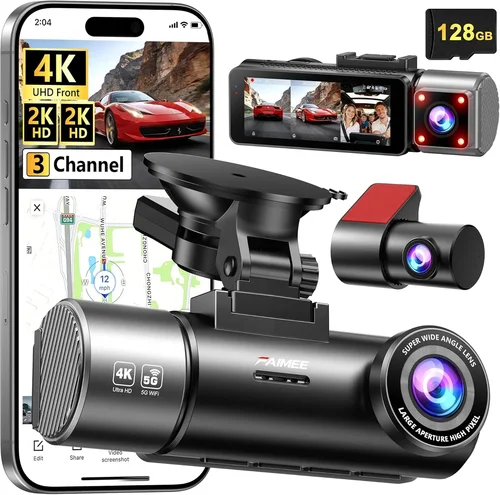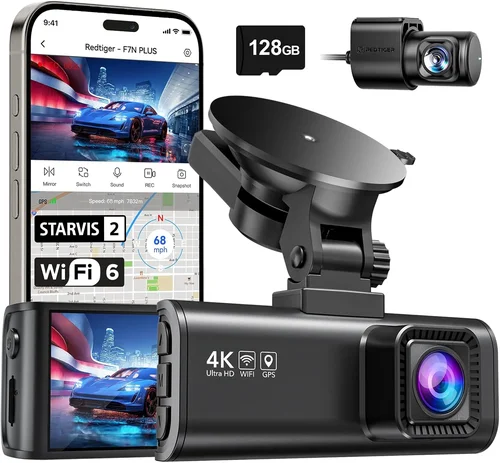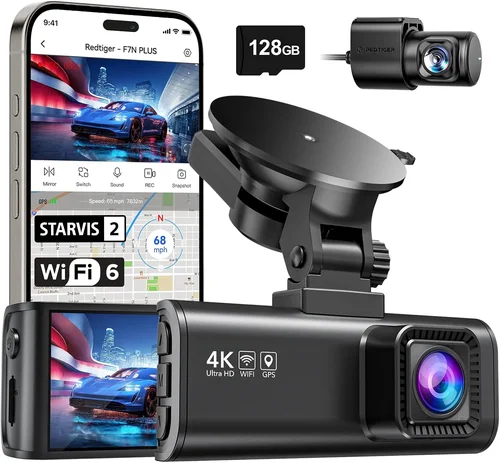
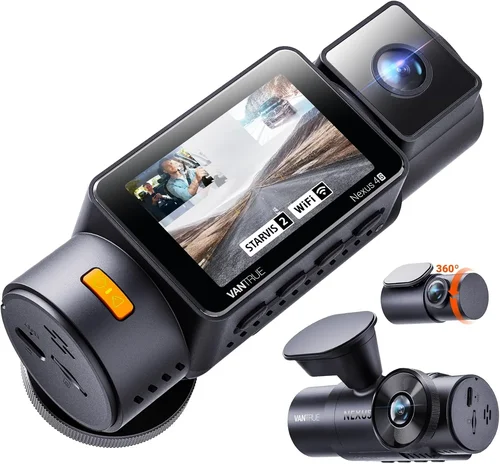
Best Dash Cam for Car Selection Guide
Why this guide matters
Choosing the right dash cam for your car in India can feel overwhelming. With so many models, features, and price points available, it’s easy to get lost in technical jargon or fall for marketing gimmicks. This comprehensive buying guide cuts through the noise, offering expert insights specifically tailored to the Indian driving environment. Whether you’re a daily commuter navigating city traffic, a long-distance traveler, or someone looking for peace of mind on the road, understanding what makes a dash cam truly effective is essential.
What readers will learn
This article provides a complete roadmap for selecting the best dash cam in India as we approach 2026. You’ll discover how to evaluate critical performance metrics like video resolution, night vision capabilities, and storage solutions, while also considering factors unique to Indian roads—such as dust, humidity, and variable lighting conditions. We’ll break down different types of dash cams, explain common pitfalls to avoid, offer budget-friendly recommendations, and share insider tips from automotive safety experts.
Brief overview of the market
The Indian dash cam market has grown significantly over the past five years, driven by rising insurance costs, increasing awareness of road safety, and the proliferation of affordable recording devices. From basic single-lens models to advanced dual-camera systems with GPS and Wi-Fi connectivity, options abound. However, not all dash cams are built equally, especially when it comes to durability under Indian weather extremes and compatibility with local voltage standards. This guide ensures you make an informed decision that balances functionality, reliability, and value.
What to Look for When Buying Dash Cams
Budget & Price Range
Your budget sets the foundation for everything else. In India, dash cams typically range from as low as ₹2,500 to over ₹15,000 for premium models. While it may be tempting to go for the cheapest option available, remember that lower-priced units often compromise on build quality, image processing chips, and after-sales support. That said, you don’t need to spend a fortune to get reliable performance. A well-chosen mid-range model (around ₹4,000–₹7,000) usually delivers excellent value without sacrificing essential features.
When setting your budget, consider not just the upfront cost but also ongoing expenses like memory card replacements or cloud storage fees if applicable. Some brands bundle extended warranties or offer free software updates, which add real value over time. Always compare at least three models within your price bracket before deciding.
Performance Specifications
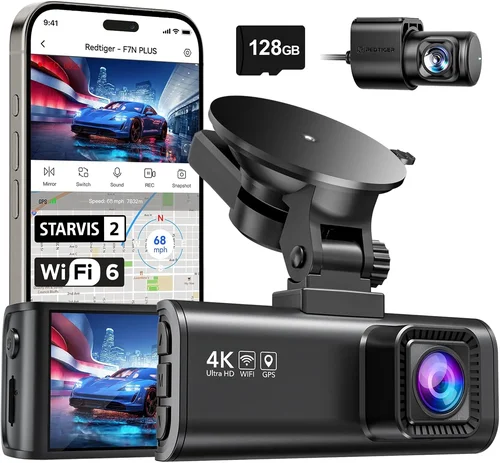
At the heart of any dash cam lies its imaging and recording capability. Key specifications include resolution (measured in pixels), frame rate (frames per second), and sensor size. Most modern dash cams offer Full HD (1920×1080) recording, but some high-end models now support 2K or even 4K resolution—though 4K tends to consume storage quickly and isn’t always necessary unless you require forensic-level detail.
Frame rate matters too: 30fps is standard and sufficient for most scenarios, while 60fps captures smoother motion during rapid turns or sudden braking. Equally important is the field of view (FOV). A wider angle (typically between 120°–150°) gives you more context around your vehicle, helping identify surrounding vehicles or pedestrians in case of an incident.
Night vision is another critical specification. Many entry-level dash cams struggle in low-light conditions due to poor light sensitivity and lack of infrared or starlight sensors. Look for units with large aperture lenses (f/1.8 or lower) and enhanced CMOS sensors designed for nighttime recording. Some models also include built-in infrared LEDs for true dark environments, though these can sometimes create red-eye effects in human faces.
Build Quality & Durability
Indian roads present unique challenges—extreme heat, monsoon rains, dusty highways, and constant vibration from potholes. A poorly constructed dash cam may fail within months due to cracked casings, loose connections, or lens fogging. Opt for models made from high-impact polycarbonate or reinforced ABS plastic with IPX ratings indicating water resistance.
Mounting systems matter as well. Suction cup mounts work well on smooth surfaces but may lose grip during high-speed drives or extreme temperatures. Vent mounts are sturdier but limit placement flexibility. Magnetic mounts are convenient but risk falling off during sharp turns. Ideally, choose a dash cam with a secure adhesive mount backed by strong customer feedback about long-term adhesion.
Additionally, check whether the device includes thermal protection. Overheating is a common cause of failure in hot climates; look for automatic shutdown features when internal temperature exceeds safe limits.
Features & Functionality
Beyond basic recording, modern dash cams offer a suite of smart features. Loop recording automatically overwrites old footage once the memory card fills up, ensuring continuous operation without manual intervention. G-sensor technology detects collisions or hard braking and locks those clips to prevent deletion.
GPS tracking logs location data alongside video, useful for reconstructing accident timelines. Wi-Fi connectivity allows wireless file transfer to smartphones via companion apps, making it easier to review or share recordings. Some models even support voice commands or smartphone integration (Android Auto/Apple CarPlay), though this adds complexity and battery drain.
Dash cams with two-way audio let you communicate with passengers or pedestrians through the microphone and speaker—a feature gaining popularity in crowded urban areas. Parking mode monitors your vehicle when parked, triggering recording upon detecting motion or impact. However, enabling parking mode requires a stable power source, often via a hardwiring kit that draws from the car’s battery.
Brand Reputation
Not all brands are created equal. Established manufacturers like BlackVue, Garmin, Thinkware, and Rexing have invested heavily in R&D and customer service infrastructure. They typically provide firmware updates, responsive support teams, and genuine spare parts readily available online or through authorized dealers.
In contrast, lesser-known Chinese brands may offer attractive pricing but often lack transparency regarding component sourcing or warranty enforcement. If you purchase from a small retailer or unknown brand, ensure they offer at least a one-year warranty and clear return policies. Reading verified customer reviews on platforms like Amazon, Flipkart, or specialized forums can reveal hidden reliability issues not mentioned in product descriptions.
Warranty & Support
A robust warranty speaks volumes about a manufacturer’s confidence in their product. Aim for at least a one-year warranty covering defects in materials and workmanship. Premium brands often extend coverage to two or three years and include accidental damage protection—especially valuable given how easily dash cams can fall victim to theft or vandalism.
Support responsiveness is equally important. Test their customer service before buying: send a query about installation or troubleshooting and note response time and helpfulness. Brands with regional service centers in major cities (like Delhi, Mumbai, Bangalore, or Chennai) tend to resolve issues faster than those relying solely on remote support.
Size & Portability
While dash cams are meant to stay mounted, size affects both visibility and stealth. Compact models (under 8 cm wide) minimize obstruction of the windshield and reduce glare. Ultra-thin designs also make them less noticeable to potential thieves or vandals. On the other hand, larger screens (2.4″–3.0″) improve usability for reviewing footage on-device, though they may interfere with driver visibility.
If you plan to move the dash cam between vehicles frequently, portability becomes relevant. Some users prefer mini-dash cams that double as action cameras or security devices for homes or offices. Just ensure the mount remains secure across different setups.
User Reviews & Ratings
Never underestimate the power of real-world feedback. Scour multiple sources—not just the product page but independent tech blogs, YouTube reviews, and community forums like Reddit’s r/Dashcam or Indian automotive groups on Facebook. Pay attention to recurring complaints: do owners report frequent freezing? Does the suction cup detach during highway driving? Are there firmware bugs affecting loop recording?
Be wary of fake reviews. Authentic buyers often mention specific use cases (e.g., “used this on NH44 during monsoons”) or detail long-term performance beyond the first week of ownership. High-star ratings without substantive comments should raise suspicion.
Different Types of Dash Cams
Common Mistakes to Avoid
❌ Mistake: Ignoring Local Climate Conditions
Why it’s bad: Many buyers assume dash cams perform identically worldwide, but India’s climate poses special threats. High humidity causes condensation inside sealed units, leading to lens blurring or circuit corrosion. Extreme heat (>45°C) can trigger premature shutdowns in poorly designed models.
What to do instead: Choose dash cams with explicit IPX4 or higher water resistance ratings and thermal protection. Avoid cheap plastic shells that warp under prolonged sun exposure. Test reviews mentioning monsoon or desert usage.
❌ Mistake: Overlooking Storage Requirements
Why it’s bad: Without proper loop recording configuration or adequate microSD capacity, older footage gets overwritten too quickly, leaving gaps during incidents. A 16GB card might seem enough but fills rapidly at 1080p/30fps—often within 2–3 hours of driving.
What to do instead: Use Class 10 or UHS-I/U3 cards (32GB minimum recommended). Verify compatibility with your dash cam’s supported formats (exFAT vs FAT32). Set loop intervals longer than typical commute times (e.g., 3–5 minutes).
❌ Mistake: Skipping Firmware Updates
Why it’s bad: Manufacturers release patches to fix bugs, improve compression efficiency, or enhance night vision algorithms. Neglecting updates may leave your device vulnerable to known flaws or suboptimal performance.
What to do instead: Subscribe to brand newsletters or follow official social media channels. Enable auto-update if available. Periodically check for new versions manually through companion apps.
❌ Mistake: Assuming All Memory Cards Work
Why it’s bad: Not every microSD card functions reliably in dash cams. Some counterfeit or low-quality cards corrupt files during abrupt power loss (common during impacts detected by G-sensors), rendering evidence unusable.
What to do instead: Stick to reputable brands like SanDisk, Samsung, or Lexar. Avoid generic no-name cards advertised on e-commerce flash sales. Format cards in-camera before initial use.
❌ Mistake: Focusing Only on Resolution
Why it’s bad: Higher megapixels don’t guarantee clearer video if paired with weak image processors or narrow apertures. A 4K dash cam with poor low-light handling produces grainy footage at night—useless for identifying license plates or faces.
What to do instead: Prioritize real-world sample videos from user uploads. Compare dynamic range, color accuracy, and stabilization across resolutions. Remember: 1080p often suffices for legal disputes.
❌ Mistake: Neglecting Power Management
Why it’s bad: Running a dash cam directly from cigarette lighter sockets drains your car battery overnight—especially problematic during long trips or in areas with frequent power outages. Without proper cutoff circuits, deep discharges harm batteries.
What to do instead: Invest in a hardwiring kit with intelligent voltage monitoring. Alternatively, use a capacitor-based solution that avoids draining the battery entirely while still supporting parking mode.
Budget Guidelines: How Much Should You Spend?
Entry-Level (₹2,500 – ₹5,000)
At this tier, expect basic Full HD recording, modest build quality, and limited extras. These models suit occasional drivers or those testing dash cam benefits without major investment. Brands like EZROAD, Viofo A119 Mini, or Xiaomi Mi Dash Cam fall here. While functional, they may lack advanced features like GPS or Wi-Fi, and customer support tends to be minimal. Ideal for students or first-time buyers wanting proof-of-concept before upgrading.
Mid-Range (₹5,000 – ₹9,000)
This sweet spot offers the best balance of reliability, features, and price. You’ll find dual-lens options, improved night vision, loop recording, G-sensors, and sometimes GPS or Wi-Fi. Models from BlackVue DR970X-2CH, Garmin Dash Cam 67W, or Thinkware U1000 represent top performers in this range. Build quality improves significantly, and many include generous warranties. Perfect for regular commuters seeking dependable protection against false claims or hit-and-runs.
Premium (₹9,000 – ₹15,000)
High-end dash cams deliver near-professional results. Expect 2K/4K recording, superior HDR, starlight sensors for true darkness, cloud connectivity, and robust app ecosystems. Brands like Rexing V1 Pro, Nextbase 522GW, or BlackVue DR750LW-2CH dominate this segment. They often include extras like emergency SOS buttons, voice control, or AI-powered collision detection. While expensive, these justify the cost through longevity, ease of use, and courtroom-ready footage quality. Best suited for rideshare drivers, delivery personnel, or safety-conscious families.
Luxury (₹15,000+)
Ultra-premium models target commercial fleets or high-net-worth individuals needing maximum redundancy. Features include multi-camera arrays, encrypted cloud storage, real-time streaming, and integration with telematics systems. Examples include Garmin MARQ or custom-built surveillance rigs. Unless you operate a business vehicle or require enterprise-grade security, such spending rarely yields proportional personal benefits.
Expert Tips for Getting the Best Deal
Buy during monsoon or winter off-seasons, when demand dips and sellers reduce prices to clear inventory. Sign up for price-drop alerts using browser extensions or apps like Keepa or Honey. Compare listings across Amazon, Flipkart, Ajio, and direct brand websites—sometimes exclusive bundles appear only on official sites.
Always verify seller ratings and return policies before clicking “Buy Now.” Physical stores allow hands-on inspection; test button responsiveness, screen clarity, and mount stability. Ask staff about firmware version and included accessories. Don’t forget to haggle in offline markets like Nehru Place (Delhi) or M.G. Road (Bangalore), where markup percentages can reach 20–30%.
When evaluating warranties, read fine print carefully. Some exclude water damage or physical drops—even minor ones. Prefer brands offering international warranties serviced locally. Register your device immediately post-purchase to activate coverage.
Test functionality before committing. Record sample clips, check night mode performance, and simulate loop recording by filling a memory card. If possible, borrow a friend’s model for a weekend trial. Remember: a dash cam is worthless if it fails when you need it most.
FAQs Section
Q: Do I really need a dash cam in India?
A: Yes—especially if you drive frequently, park in insecure areas, or want protection against insurance fraud. Dash cams provide objective evidence in disputes, deter malicious actors, and capture memorable moments. In accident-prone regions like Mumbai or Delhi-NCR, they’ve become essential tools for responsible drivers.
Q: What’s the difference between 1080p and 4K dash cams?
A: 4K records four times more pixels than 1080p, enabling closer cropping of license plates or facial details. However, it doubles storage consumption and may reduce frame rates. For everyday use, 1080p strikes the ideal balance between clarity and practicality. Reserve 4K for professional applications requiring forensic analysis.
Q: Can dash cams record while parked?
A: Yes, but only if equipped with parking mode and a stable power source. Most dash cams enter standby when ignition is off, waking up upon detecting motion via G-sensor or PIR camera. Without hardwiring or a capacitor kit, battery drain risks leaving your car stranded overnight.
Q: Which memory card should I buy?
A: Use a Class 10, U3-rated microSD card from trusted brands (SanDisk, Samsung, Lexar). Minimum 32GB recommended; 64GB preferred for extended recording. Avoid counterfeit cards sold at suspiciously low prices—they often fail catastrophically during impact events.
Q: Will a dash cam affect my car insurance?
A: No, dash cams themselves don’t impact premiums. However, sharing footage with insurers during claims may expedite settlements or disprove false allegations. Some companies offer discounts for vehicles with installed dash cams—ask your insurer about incentives.
Q: How do I install a dash cam safely?
A: Clean the windshield thoroughly before applying adhesive mounts. Route cables behind trim panels to avoid dangling wires obstructing view. For hardwiring, consult a mechanic or watch tutorial videos—improper wiring can trigger warning lights or drain batteries.
Q: Are wireless dash cams reliable?
A: Wireless models simplify file transfers but rely on consistent Wi-Fi signals. In congested urban environments, interference may disrupt pairing or slow downloads. If you frequently drive through tunnels or rural areas, prioritize wired solutions for uninterrupted recording.
Q: Can I use a dash cam as a security camera at home?
A: Many compact models (e.g., Xiaomi Mi Dash Cam) support dual-purpose use. Remove the mount, connect via USB power, and position facing your entrance. Ensure local storage suffices for desired retention periods—cloud plans rarely include residential tiers.
Final Recommendations
Best for Budget-Conscious Buyers
For those entering the dash cam world on a tight budget, the Viofo A119 Mini stands out. Priced around ₹4,500, it delivers crisp 1080p/60fps footage, impressive night performance thanks to Sony STARVIS sensor technology, and reliable loop recording. Its compact size minimizes obstructions, and the included suction cup holds firm during moderate speeds. While lacking GPS or Wi-Fi, it excels at core recording duties—making it ideal for daily commuters prioritizing value over frills.
Best Overall Value
The Garmin Dash Cam 67W earns its reputation as the Swiss Army knife of dash cams. At approximately ₹8,500, it combines 1080p clarity, built-in GPS tracking, voice control, and surprisingly good night vision. Garmin’s lifetime map updates and seamless smartphone pairing streamline everything from firmware upgrades to live viewing. Robust build quality and two-year warranty reinforce its status as the go-to choice for discerning drivers seeking hassle-free reliability.
Best Premium Option
If budget isn’t a constraint, the BlackVue DR970X-2CH redefines excellence. Priced above ₹12,000, it features front and rear Full HD recording, WDR-enhanced HDR, cloud connectivity via BlackVue Over-the-Road service, and military-grade shock resistance. Automatic firmware updates, parking guard alerts, and dual SD card slots provide redundancy. Though complex to set up initially, its forensic-grade footage and unparalleled support justify the investment for serious users.
Best for Beginners
Newcomers benefit from intuitive interfaces and forgiving operation. The Nextbase 522GW, retailing near ₹7,000, includes Alexa voice commands, emergency SOS button, and pre-collision warnings—features rarely found in entry-level rivals. Its large 3-inch screen simplifies menu navigation, and the magnetic rear camera attaches effortlessly. Customer support is responsive, and the included accessories cover most installation needs out-of-the-box.
Best for Advanced Users
Power users demanding granular control will appreciate the Rexing V1 Pro. Priced around ₹9,500, it offers 2K recording, starlight night vision, GPS logging, and Wi-Fi with mobile app customization. The built-in DVR editor lets you trim clips directly on-device, while loop recording intervals are adjustable down to 1-minute segments. Optional hardwiring kits and waterproof housings expand its utility beyond standard vehicles.
Conclusion: Making the Right Choice
Selecting the best dash cam for your car in India hinges on aligning features with your lifestyle, driving habits, and environmental demands. Whether you’re a cautious commuter, a rideshare operator, or simply want documented peace of mind, this guide empowers you to navigate the market confidently. Remember: the ideal dash cam isn’t necessarily the most expensive—it’s the one that consistently delivers clear, reliable evidence when you need it most.
Prioritize proven brands, scrutinize real-world reviews, and never sacrifice build quality for marginal price savings. As we move toward 2026, advancements in AI-assisted recording, enhanced night vision, and smarter parking modes promise even greater convenience. But regardless of technological progress, your foremost consideration should remain simplicity, durability, and trustworthiness.
Take time to assess your priorities: Do you need rear coverage? Is cloud backup vital? Will you enable parking mode regularly? Answering these questions guides you toward models that integrate seamlessly into your routine. And once installed, treat your dash cam as an invisible guardian—present on every journey, ready to speak truth when silence would otherwise prevail.
Invest wisely, drive safely, and let objective clarity protect you on India’s dynamic roads.