Best Dash & Rear Cam Shopping Guide
When it comes to protecting your vehicle and ensuring peace of mind on the road, a quality dash cam has become an essential automotive accessory. Whether you’re commuting daily, taking road trips, or simply want to document your journeys, the right dash cam can provide invaluable evidence in case of accidents, capture stunning footage of scenic drives, or help monitor your vehicle when parked. With the market flooded with countless options ranging from basic single-camera systems to advanced multi-camera setups with parking mode and cloud connectivity, making the right choice can be overwhelming.
This comprehensive guide will walk you through everything you need to know about selecting the best dash and rear cam for your car. We’ll cover critical factors like video resolution, field of view, loop recording capabilities, and night vision performance. You’ll learn about different types of dash cam systems, understand what features truly matter versus those that are marketing gimmicks, and discover how to avoid common purchasing mistakes. By the end of this article, you’ll have a clear understanding of which dash and rear camera combination best suits your specific needs, driving habits, and budget constraints.
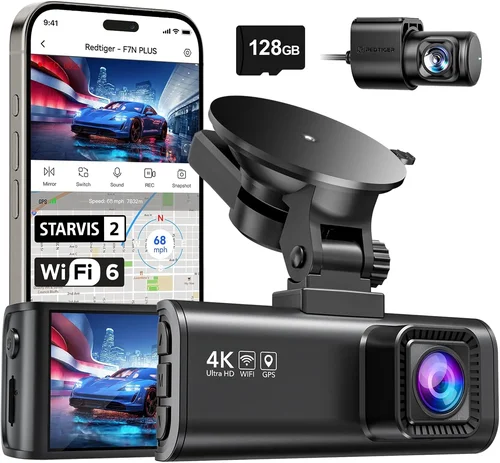
The modern dash cam market offers more variety than ever before, with systems ranging from affordable entry-level models under $100 to sophisticated multi-camera setups exceeding $500. While basic models can provide reliable 1080p recording, premium systems offer 4K resolution, dual recording capabilities, GPS tracking, and even built-in Wi-Fi for smartphone integration. Understanding these differences and knowing which features align with your priorities will help you make an informed decision rather than falling for marketing hype or overspending on unnecessary capabilities.

What to Look for When Buying Dash Cams
1. Budget & Price Range
Your budget should serve as your primary filter when evaluating dash cam options. Entry-level models typically range from $50-100 and offer solid 1080p recording with basic features like loop recording and G-sensor technology. Mid-range cameras ($100-250) often include improved image sensors, wider field of view, GPS tracking, and sometimes dual-channel recording. Premium models ($250+) may feature 4K front recording, superior low-light performance, advanced parking monitoring, and sophisticated app connectivity.
2. Resolution & Video Quality
Video resolution directly impacts the level of detail captured during incidents. Most reputable dash cams offer at least 1080p Full HD recording, but many newer models now provide 2K or even 4K Ultra HD resolution. Higher resolution means clearer license plate recognition and better identification of details like faces or damage. However, higher resolutions require more storage space and processing power. For most drivers, 1080p provides excellent clarity without excessive file sizes, while 2K offers noticeable improvement for those who prioritize maximum detail.
3. Field of View (FOV)
The field of view determines how much of the road ahead your dash cam can capture. A wider angle provides more coverage but may introduce fisheye distortion at the edges. Most dash cams offer between 110-170 degrees horizontally. Consider your typical driving environment: urban areas benefit from wider angles to capture cross-traffic, while highway driving might prioritize central focus over peripheral coverage. Dual-channel systems should ideally maintain consistent FOV across both front and rear cameras to avoid perspective discrepancies.
4. Storage Capacity & Recording Modes
Dash cams use microSD cards for storage, with capacities ranging from 32GB to 256GB or more. Smaller capacity cards create shorter recording loops, requiring more frequent manual intervention to preserve important footage. Most dash cams automatically overwrite older files once storage fills up (loop recording), but this means potentially losing recent events unless they’re manually saved using the G-sensor feature triggered by sudden movements. Consider getting a 64GB or 128GB card as a sweet spot for most users, balancing cost with recording duration.
5. Night Vision & Low-Light Performance
Night driving presents unique challenges for dash cams due to reduced ambient light and potential glare from headlights. Look for cameras with excellent low-light sensitivity, wide dynamic range, and noise reduction algorithms. Some premium models include infrared LEDs or specialized night vision modes that significantly improve visibility during nighttime hours. Test reviews often show how well a camera handles challenging scenarios like tunnel transitions, streetlight illumination, and glare from oncoming vehicles.
6. Build Quality & Durability
A dash cam is exposed to extreme temperatures, humidity, dust, and vibration. Quality construction includes heat-resistant materials, secure mounting systems, and reliable electronics that won’t fail after months of use. Check for IP rating certifications if you live in areas with heavy rain or snow, and ensure the camera housing seals properly against moisture intrusion. The power cable routing should also be robust enough to withstand repeated door openings without loosening connections.
7. Features & Functionality
Beyond basic recording, consider additional features that enhance usability:
– Permanent Parking Mode: Monitors your vehicle when parked using battery backup
– GPS Tracking: Records location, speed, and route data
– Built-in Wi-Fi/Bluetooth: Enables wireless viewing and downloading via smartphone apps
– Voice Commands: Hands-free operation while driving
– Stereo Audio Recording: Captures conversations or emergency sounds
– Emergency Lock: Automatically saves important clips to prevent overwriting
8. Brand Reputation & Customer Support
Established brands with good customer service tend to offer better long-term reliability and warranty support. Research manufacturer reputation for firmware updates, responsiveness to technical issues, and availability of replacement parts. Brands known for dash cam production often have dedicated support teams familiar with their products’ quirks and limitations.
9. Installation Complexity
Consider how complicated installation might be based on your mechanical skills. Some models offer plug-and-play designs with simple adhesive mounts, while others require professional wiring for hardwired installations or parking mode functionality. If you plan to install multiple cameras, factor in the time and effort required for proper cable management and power sourcing.
10. User Reviews & Ratings
Real-world user experiences provide valuable insights beyond technical specifications. Pay attention to consistent complaints about specific issues like poor night performance, software bugs, or unreliable recording continuity. Positive reviews mentioning durability and consistent performance are strong indicators of product reliability.
Different Types of Dash Cams

Common Buying Mistakes to Avoid
❌ Mistake: Prioritizing Resolution Over Other Critical Factors
Why it’s bad: Many buyers focus solely on achieving the highest possible resolution like 4K, but neglect other equally important aspects such as low-light performance, field of view, or reliable recording continuity. A 4K camera with poor night vision and narrow FOV might miss crucial details in real-world driving conditions.
What to do instead: Evaluate resolution in context with other specifications. For most drivers, 2K or high-quality 1080p provides sufficient detail without the excessive storage requirements and processing demands of 4K. Balance video quality with practical considerations like battery life and storage management.
❌ Mistake: Ignoring Parking Mode Functionality
Why it’s bad: Skipping cameras with proper parking monitoring features means missing out on protection when your vehicle is unattended. Without this capability, you risk being vulnerable to hit-and-runs, vandalism, or unauthorized access during overnight parking or extended periods away from home.
What to do instead: Invest in a system with reliable parking mode that includes impact detection, scheduled recording, or motion sensing. Ensure the camera has adequate power management and sufficient battery backup for continuous monitoring during extended parking periods.
❌ Mistake: Choosing Based Solely on Brand Name
Why it’s bad: Well-known brands don’t always guarantee quality performance. Some manufacturers focus more on marketing than engineering excellence, resulting in inconsistent firmware updates, poor customer support, or subpar hardware quality despite recognizable brand names.
What to do instead: Research actual user experiences through independent review sites and forums rather than relying exclusively on brand reputation. Look for consistent performance across multiple units and responsive manufacturer support when issues arise.
❌ Mistake: Overlooking Storage Requirements
Why it’s bad: Insufficient storage capacity leads to frequent overwrites of recent footage, especially with higher resolution recording. This defeats the purpose of having a dash cam for accident documentation or evidence preservation during disputes.
What to do instead: Calculate your storage needs based on recording resolution and desired retention period. Factor in automatic overwrite behavior and plan accordingly with appropriate microSD card capacity or consider cloud storage options where available.
❌ Mistake: Neglecting Installation Considerations
Why it’s bad: Poor installation compromises both functionality and aesthetics. Loose mounts, tangled cables, or improper positioning can lead to dropped recordings, obstructed views, or electrical system issues over time.
What to do instead: Choose models with intuitive mounting systems and clear installation guides. Consider professional installation for complex wiring needs, especially for parking mode functionality or multi-camera setups requiring proper power sourcing.
❌ Mistake: Assuming All Features Are Necessary
Why it’s bad: Loading up on every available feature often results in paying for capabilities you’ll never use while compromising on core performance aspects like image quality or reliability. Many advanced features add complexity without proportional benefits.
What to do instead: Identify your primary use cases and prioritize features that directly address those needs. Focus on essential capabilities like reliable recording, good night vision, and proper field of view rather than secondary bells and whistles.
❌ Mistake: Not Checking Compatibility Requirements
Why it’s bad: Assuming universal compatibility with all vehicles and accessories can lead to installation failures or system conflicts. Different cars have varying power requirements, mounting configurations, and electrical systems that may not suit all dash cam models.
What to do instead: Verify compatibility with your specific vehicle model, including dashboard dimensions, power outlet locations, and electrical load capacity. Check if any adapters or modifications might be needed for optimal integration.
Budget Guidelines: How Much Should You Spend?
Entry-Level ($50 – $100): The Reliable Foundation
For budget-conscious drivers seeking basic protection without breaking the bank, entry-level dash cams offer surprisingly solid performance. These models typically deliver 1080p recording with adequate field of view and reliable loop recording functionality. While they may lack advanced features like GPS tracking or dual-channel recording, they provide dependable evidence collection for everyday driving scenarios. Look for reputable brands with positive user reviews and warranty coverage, even within this price range. Entry-level systems work well for commuters, occasional drivers, or those testing dash cam technology before investing in more sophisticated options.
Mid-Range ($100 – $300): The Sweet Spot for Most Buyers
This category represents the optimal balance between features, performance, and value. Mid-range dash cams usually include dual-channel recording capabilities, improved image sensors for better low-light performance, GPS tracking, and enhanced build quality. Many models in this range offer 2K or high-quality 1080p resolution with wider field of view options. Advanced features like built-in Wi-Fi, parking mode, and sophisticated impact detection systems become standard offerings here. For the average driver seeking comprehensive protection without overspending, mid-range systems provide exceptional value and functionality that addresses most real-world driving concerns.
Premium ($300 – $600): For Enthusiasts and Professionals
High-end dash cam systems target drivers who demand maximum performance and reliability. These cameras often feature 4K Ultra HD recording, professional-grade image stabilization, superior low-light sensitivity, and extensive feature sets. Premium models frequently include multi-camera setups, advanced parking monitoring with cloud connectivity, and sophisticated analytics capabilities. Professional users, fleet managers, or those requiring maximum evidence quality for legal purposes will find these systems particularly valuable. While the price point is significant, the enhanced capabilities justify the investment for serious users who prioritize every aspect of recording quality and system reliability.
Luxury ($600+): Top-Tier Features and Uncompromising Quality
At the highest end of the market, luxury dash cam systems offer cutting-edge technology and unparalleled performance. These premium-priced devices may include 8K resolution prototypes, AI-powered object detection, integrated dashcam-cameras with facial recognition, and sophisticated cloud-based management platforms. Luxury systems often feature military-grade durability, advanced thermal management, and proprietary image processing algorithms. While most individual drivers won’t need these extreme capabilities, luxury systems appeal to professional photographers, videographers, security specialists, or those operating high-value vehicles requiring maximum protection and evidence quality.
Expert Tips for Getting the Best Deal
Timing Your Purchase Strategically
Major shopping holidays present excellent opportunities for dash cam deals. Black Friday and Cyber Monday consistently feature significant discounts on automotive accessories, often matching or beating Amazon Prime Day prices. End-of-season sales in spring and fall may also yield clearance pricing on previous model years. Consider purchasing during these periods rather than waiting for specific product launches, which typically command premium pricing initially.
Leverage Online vs In-Store Shopping Advantages
Online retailers generally offer broader selection, competitive pricing, and convenient delivery options compared to brick-and-mortar stores. Major online platforms like Amazon, Best Buy, and specialized automotive electronics sites frequently bundle dash cams with accessories like extra memory cards or protective cases at discounted rates. However, physical stores allow immediate product inspection and hands-on testing, which can be valuable for assessing build quality and ease of use before committing to a purchase.
Identify Authentic Discounts vs Marketing Tricks
Be wary of misleading promotions like “up to 80% off” that may only apply to discontinued models or limited quantities. Focus on genuine value propositions such as bundled packages, extended warranties, or free shipping. Compare current prices against historical data through tools like CamelCamelCamel for Amazon or Honey browser extensions to verify actual savings rather than marketing claims.
Understand Warranty Implications for Returns
Comprehensive warranty coverage typically indicates manufacturer confidence in product quality. Look for at least one-year comprehensive warranties covering both hardware defects and functional failures. Understand return policies before purchasing, especially for online orders, as some manufacturers may void warranties if the device shows signs of physical damage or unauthorized modifications.
Test Before Committing Large Purchases
For expensive multi-camera systems or professional-grade equipment, request demonstration units or consider rental options before making substantial investments. Many specialty automotive shops offer short-term rentals for evaluation, allowing you to test installation complexity, image quality, and feature usability in your actual vehicle environment.
Maximize Accessory Value Through Bundles
Many manufacturers and retailers package dash cams with complementary accessories that individually would increase the total cost. Common valuable bundles include extra memory cards, protective cases, suction cup mounts, or professional installation services. Assess whether included accessories genuinely add value rather than just inflating the overall package price.
Consider Refurbished or Certified Pre-Owned Options
Reputable manufacturers often sell refurbished units through official channels at substantial discounts. These items undergo thorough testing and come with full warranty coverage comparable to new products. Certified pre-owned programs from major retailers provide additional peace of mind regarding condition verification and return eligibility.
Evaluate Long-Term Ownership Costs
Factor in ongoing expenses like memory card replacements, potential software updates, and accessory purchases when calculating total ownership costs. Systems requiring proprietary memory cards or charging accessories may incur higher lifetime expenses compared to universally compatible alternatives.
Join Manufacturer Loyalty Programs
Several dash cam manufacturers offer loyalty programs providing early access to new products, exclusive discounts, or priority customer support. These programs can yield significant long-term savings and benefits, especially for frequent buyers or those considering multiple camera upgrades over time.
Monitor Seasonal Demand Patterns
Dash cam sales often follow seasonal patterns influenced by driving frequency changes. Summer road trips and winter driving conditions may temporarily boost demand, leading to price adjustments. Conversely, post-holiday periods and summer vacation seasons often feature clearance sales on previous generation models.

Frequently Asked Questions
Q: Do I really need a dash cam for my car?
A: While not legally required in most regions, dash cams provide valuable protection in various situations. They can document accidents when fault is disputed, capture evidence of hit-and-runs, record scenic drives, or simply provide peace of mind knowing your vehicle is monitored. For daily commuters or those concerned about insurance disputes, a dash cam represents relatively inexpensive insurance for your vehicle and driving experience.
Q: What’s the difference between single and dual channel dash cams?
A: Single channel dash cams record only the forward view through the windshield, while dual channel systems simultaneously record both front and rear views using separate cameras. Dual channel systems provide complete coverage of your vehicle’s movement and surrounding traffic flow, offering more comprehensive evidence collection during incidents involving rear-end collisions or following vehicles. They require more storage capacity and potentially complex installation for rear camera wiring.
Q: How much storage space do I actually need?
A: Storage requirements depend primarily on recording resolution and desired retention period. For 1080p recording, approximately 1GB per hour is typical, meaning a 64GB card provides about 70 hours of continuous recording. Consider your typical driving frequency and incident probability when selecting capacity. Most drivers benefit from 64GB-128GB cards as a practical balance between cost and recording duration before automatic overwrite occurs.
Q: Can dash cams drain my car battery?
A: Basic dash cams draw minimal power and rarely cause noticeable battery drain during normal operation. However, parking mode functionality can potentially drain batteries over extended periods if not properly configured. Modern systems include intelligent power management that reduces consumption during parking monitoring, but it’s advisable to disconnect the device during very long parking periods or use hardwiring kits designed specifically for continuous operation.
Q: Will dash cam footage be admissible in court?
A: Dash cam footage can serve as compelling evidence in legal proceedings, particularly for insurance claims or traffic violation disputes. The admissibility depends on jurisdiction-specific rules regarding electronic evidence, authentication procedures, and chain of custody protocols. Footage should be preserved promptly after incidents and stored securely to maintain evidentiary integrity. Consult legal professionals for guidance specific to your situation and local regulations.
Q: How do I choose the right field of view for my needs?
A: Field of view selection depends on your driving environment and priorities. Urban drivers benefit from wider angles (140-170 degrees) to capture cross-traffic and pedestrians, while highway drivers might prefer narrower angles (110-130 degrees) for focused lane monitoring. Consider your vehicle type and typical parking situations—tighter spaces require careful maneuvering visibility, while open areas allow broader coverage. Most dual-channel systems maintain consistent FOV across both cameras for accurate perspective comparison.
Q: What maintenance do dash cams require?
A: Regular maintenance involves cleaning the lens with microfiber cloths to remove dirt, smudges, or condensation that could impair image quality. Periodically check microSD card health and replace aging cards showing errors or corruption. Update firmware when available releases improve performance or add features. For parking mode systems, ensure adequate power supply and verify impact detection sensitivity periodically to maintain optimal functionality.
Q: Are there privacy concerns with dash cam recording?
A: Yes, dash cams capture audio and video continuously, raising privacy considerations regarding third-party recordings. Many jurisdictions have specific laws about recording audio without consent, particularly in private settings. Be aware of local regulations and consider disabling audio recording if privacy concerns outweigh your recording needs. Most modern dash cams include settings to disable microphone input entirely if desired.
Q: Can I transfer dash cam footage to my computer?
A: Absolutely. Dash cam footage transfers easily through USB connections or SD card readers. Most systems include companion software for organizing and managing recordings, though basic file copying works for all video formats. Cloud storage options are increasingly available for wireless transfer and backup, though this requires internet connectivity and may incur data usage charges depending on your plan.
Q: How do I handle extreme weather conditions with my dash cam?
A: Extreme temperatures pose challenges for electronic devices. Protect your dash cam from direct sunlight exposure that could overheat the device, and avoid installing in areas prone to water accumulation or freezing conditions. Many premium models include temperature resistance ratings, but basic units may struggle in severe climates. Consider parking in shaded areas during hot weather or using sunshades to reduce dashboard heat buildup.
Our Final Recommendations
Best for Budget-Conscious Buyers
For those seeking reliable basic protection without significant investment, we recommend the Viofo A119 V3. This single-channel dash cam delivers excellent 1080p recording with impressive night vision capabilities and reliable loop recording functionality. Priced around $80, it offers solid build quality and dependable performance for everyday driving scenarios. The compact design fits discreetly on most dashboards, and the included suction cup mount provides secure attachment. While lacking advanced features like GPS or dual-channel recording, the A119 V3 provides outstanding value for drivers prioritizing core functionality over extras.
Best Overall Value
The BlackVue DR970X-2CH stands out as the optimal balance of features, performance, and reliability for most drivers. This dual-channel system captures crisp 2K resolution video from both front and rear cameras with exceptional low-light sensitivity. Built-in Wi-Fi enables convenient smartphone viewing and downloading, while BlackVue’s cloud connectivity adds remote monitoring capabilities. The robust build quality and comprehensive feature set justify its premium positioning, making it our top recommendation for drivers seeking comprehensive protection without overspending on unnecessary capabilities.
Best Premium Option
For those demanding maximum performance and evidence quality, the Garmin Dashcam Pro series represents the pinnacle of consumer dash cam technology. Featuring 4K Ultra HD recording with advanced image stabilization, this system captures extraordinary detail even during rapid movements or challenging lighting conditions. The premium build quality, intuitive interface, and seamless smartphone integration make it ideal for serious drivers, professional photographers, or anyone requiring forensic-quality recordings. While the price point is significant, the uncompromising performance and reliability justify the investment for users who prioritize every aspect of recording quality.
Best for Beginners
New dash cam users will appreciate the simplicity and reliability of the Rexing V1P. This user-friendly single-channel camera offers straightforward installation and operation with clear on-screen menus and intuitive controls. The 1080p recording quality is more than adequate for basic protection needs, while the built-in GPS provides useful location data without overwhelming complexity. Rexing’s responsive customer support and generous warranty coverage provide additional peace of mind for first-time buyers exploring dash cam technology.
Best for Advanced Users
Experienced drivers seeking comprehensive coverage will find the Thinkware U1000 ideal for their needs. This dual-channel system combines 2K front recording with 1080p rear capture, delivering exceptional detail across both perspectives. Advanced features like parking guard technology, impact detection, and sophisticated loop recording management cater to demanding users who want maximum protection and control over their recording experience. The robust build quality and reliable performance make it suitable for daily commuters who drive frequently and want comprehensive evidence collection.
Best Multi-Camera System
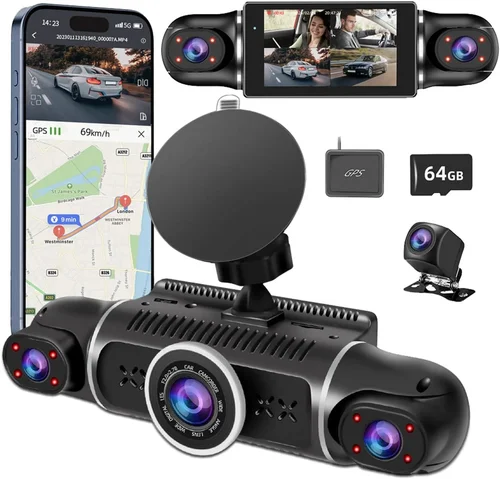
For complete vehicle protection, the Nextbase 622GW offers an excellent three-camera solution with front, rear, and interior monitoring capabilities. This integrated system provides comprehensive coverage of your entire driving environment, making it particularly valuable for ride-sharing drivers, fleet operators, or those concerned about passenger safety and cargo monitoring. The 4K front camera delivers stunning detail, while the dual 1080p interior and exterior cameras ensure no aspect of your vehicle remains unmonitored. The sophisticated app integration and cloud connectivity make this system ideal for users requiring maximum coverage and remote management capabilities.
Best Wireless Connectivity
Tech-savvy drivers will enjoy the convenience of the Satechi SDCAM200W, featuring seamless wireless connectivity with smartphone app control. This dual-channel system eliminates the need for physical cable transfers, enabling instant video preview and download directly to your mobile device. The 2K recording quality and built-in GPS tracking provide excellent performance, while the intuitive app interface simplifies operation and management. The wireless design also makes installation cleaner and less obtrusive than traditional wired systems.
Best for Extreme Conditions
Drivers facing harsh weather conditions should consider the Vantrue N2 Pro, engineered for reliable performance in challenging environments. This dual-channel system includes infrared night vision capabilities and wide dynamic range processing to maintain visibility during nighttime driving and difficult lighting conditions. The rugged build quality and temperature-resistant components ensure consistent operation in extreme heat, cold, or precipitation. Additional features like parking mode and impact detection provide comprehensive protection regardless of environmental challenges.
Best for Fleet Management
Businesses requiring comprehensive fleet monitoring will find the EKEN H9R PRO particularly effective for multiple vehicle management. This professional-grade system offers simultaneous front and rear recording with cloud-based management capabilities that scale efficiently across large fleets. The robust build quality and advanced analytics features make it suitable for commercial operations where evidence quality, driver behavior monitoring, and operational efficiency are paramount concerns. The centralized management platform simplifies oversight and reporting for multiple vehicles simultaneously.
Best for Ride-Sharing Drivers
Service industry professionals like Uber or Lyft drivers benefit greatly from the Garmin Dashcam Mini’s compact design and comprehensive protection features. This ultra-compact dual-channel system provides discreet yet effective monitoring without obstructing the driver’s view or passenger comfort. The 1080p recording quality captures essential evidence while maintaining a low profile, and the reliable performance ensures consistent operation during busy service periods. The simple interface and automatic file management make it ideal for drivers prioritizing convenience and reliability over complex features.
Conclusion: Making the Right Choice
Selecting the best dash and rear cam for your car ultimately comes down to aligning your specific needs, driving habits, and budget constraints with the available technology options. Rather than chasing the highest specifications or most elaborate features, focus on identifying which capabilities provide genuine value for your particular situation. Whether you’re a daily commuter seeking basic protection, a weekend road trip enthusiast capturing scenic journeys, or a professional driver requiring comprehensive evidence collection, understanding your priorities will guide you toward the optimal solution.
Remember that no single dash cam model serves every possible use case perfectly. The right choice balances practical functionality with reasonable expectations about what technology can accomplish in real-world driving conditions. Consider factors like your typical driving environment, parking circumstances, budget limitations, and willingness to manage technical requirements when making your decision. Don’t overlook the importance of reliable installation, proper maintenance, and understanding your device’s limitations—these aspects often prove more crucial than raw technical specifications.
As technology continues advancing, dash cam systems will undoubtedly incorporate even more sophisticated features and improved performance. However, the fundamental principles of reliable recording, clear image quality, and dependable operation remain constant regardless of technological advancements. By focusing on these core requirements and prioritizing features that match your actual needs rather than marketing hype, you’ll make a purchase that provides lasting value and peace of mind on every journey.
Before finalizing your decision, take time to research specific models thoroughly, read recent user reviews, and consider testing available options if possible. The investment in a quality dash cam system pays dividends through enhanced safety, evidence preservation, and tranquility knowing your vehicle and travels are properly documented. Whatever your specific requirements, the right dash and rear cam system will serve you reliably for years to come, providing valuable protection and peace of mind wherever your roads may lead.