Expert Dash Cam Buying Guide for Truckers
For professional truckers, the road doesn’t just bring cargo—it brings risks. Every mile covered is a potential liability, a moment of distraction, or an unexpected hazard that could impact your livelihood. In this high-stakes environment, having reliable protection isn’t optional; it’s essential. A quality dash cam serves as your unwavering witness on the highway, capturing critical evidence in the event of an accident, providing security against false claims, and helping you maintain safe driving habits. This comprehensive guide will walk you through everything you need to know about selecting the best dash cam for trucking in 2026, ensuring you make an informed decision that protects both your vehicle and your business.
As the commercial trucking industry continues to evolve with increasing regulations and safety standards, the importance of advanced dash cam technology has never been greater. Modern dash cams for truckers go far beyond simple front-facing cameras—they now include dual-lens systems, wide-angle views, night vision capabilities, GPS tracking, cloud storage, and intelligent features like collision detection and driver monitoring. With so many options available from various manufacturers, choosing the right device can feel overwhelming. That’s why we’ve created this expert-level buying guide: to cut through the marketing noise and help you identify which features truly matter for long-haul professionals. You’ll learn how to evaluate performance specifications, understand technical terms like resolution and field of view, compare different types of mounting systems, and discover budget-friendly options without sacrificing reliability. By the end of this article, you’ll have all the knowledge necessary to select a dash cam that meets your specific needs while staying within your operational budget.
The market for trucker dash cams has expanded dramatically in recent years, offering solutions ranging from basic entry-level models to sophisticated AI-powered systems. While consumer-grade dash cams may suffice for personal vehicles, commercial trucking demands equipment built specifically for heavy-duty use, extreme temperatures, and extended operation cycles. Professional truckers require devices that can withstand harsh weather conditions, function reliably during long hauls across varying time zones, and integrate seamlessly with fleet management systems. The best dash cams for truckers prioritize durability above all else, featuring robust housings, heat-resistant components, and vibration-dampening mounts designed to survive the rigors of interstate travel. Additionally, these specialized devices often come with enhanced storage capabilities, longer battery life, and more reliable power connections than their passenger car counterparts. When evaluating your options, remember that what works well for a daily commuter might not meet the demanding requirements of a professional driver logging thousands of miles each year.

What to Look for When Buying Dash Cams
1. Resolution and Video Quality
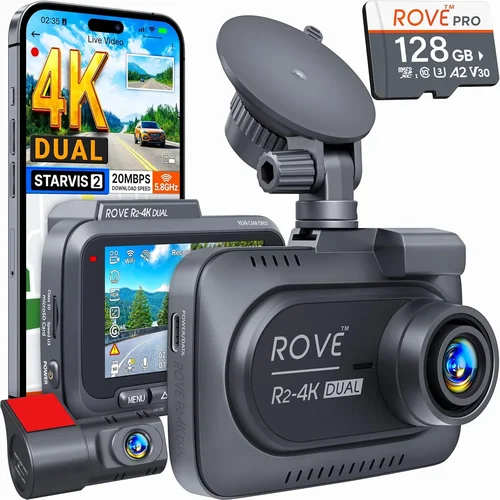
The foundation of any effective dash cam begins with its video quality, and for truckers, this cannot be compromised. High-definition recording is non-negotiable—aim for at least 1080p resolution for your primary camera, though 4K capabilities are becoming increasingly important for capturing fine details like license plates and traffic signs at distance. The difference between standard definition and full HD becomes apparent when reviewing footage after an incident; clearer images mean better evidence collection and faster insurance processing. However, remember that higher resolution also means larger file sizes and potentially shorter recording times before storage fills up. For most trucking applications, 1080p at 30 frames per second provides an excellent balance between clarity and storage efficiency. Consider models that offer adjustable resolution settings so you can lower quality temporarily during long drives to conserve memory while still maintaining sufficient detail when needed.
2. Field of View (FOV)
Coverage area directly impacts how much of your surroundings are captured on film—a crucial consideration for truck drivers who operate large vehicles with significant blind spots. Look for dash cams offering at least a 130-degree horizontal field of view, with premium models reaching up to 170 degrees or more. Wider angles provide better peripheral visibility, reducing the chances of missing important events happening beside or behind your truck. Some advanced systems even feature ultra-wide lenses that capture nearly 360 degrees around your vehicle using multiple cameras. Keep in mind that extremely wide fields of view can sometimes cause image distortion at the edges, so quality matters more than sheer angle alone. Test the FOV if possible by viewing sample videos or reading detailed reviews that show actual coverage areas compared to real-world scenarios.
3. Night Vision Capabilities
Truckers spend countless hours driving during nighttime hours, making low-light performance absolutely critical. Effective night vision requires more than just a sensitive sensor—it needs proper lighting solutions and image processing algorithms. Many modern dash cams incorporate infrared LEDs or adaptive brightness controls that automatically adjust exposure based on ambient light conditions. Look for devices with good low-light sensitivity ratings and consider models that offer separate night modes optimized specifically for dark environments. Some advanced systems even include near-infrared illumination that allows clear recording even when traditional headlights aren’t available. Remember that true night vision means being able to see details like road markings, signage, and other vehicles clearly rather than just recording silhouettes or washed-out images.
4. Storage Capacity and Management
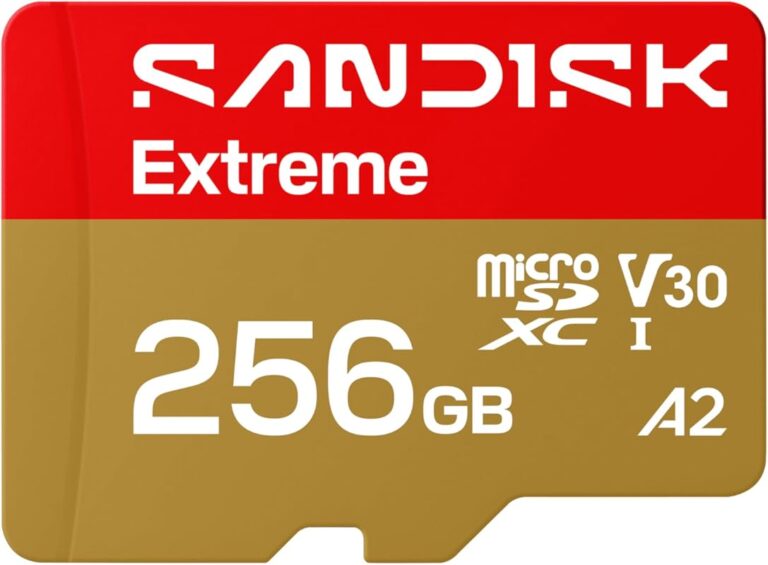
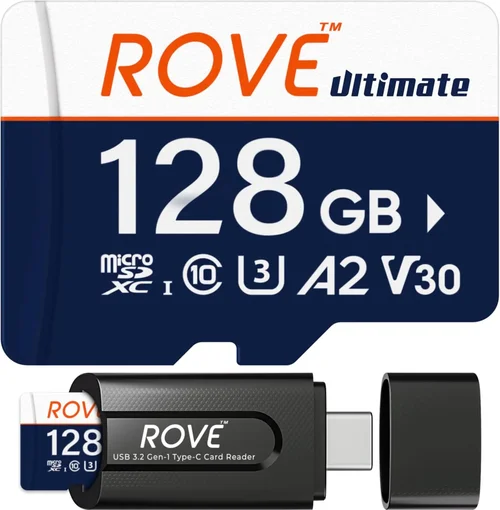
Storage considerations become significantly more complex for commercial trucking operations where continuous recording is essential. Most dash cams use microSD cards ranging from 32GB to 512GB, but the right capacity depends entirely on your usage patterns. Entry-level models typically support up to 128GB, while professional-grade systems can accommodate much larger cards for extended recording periods. Consider whether your device uses loop recording (overwriting old files) or requires manual file management—loop recording ensures uninterrupted recording but means you’ll lose older footage automatically. Advanced models offer cloud storage integration, allowing you to upload critical clips remotely and freeing up local storage space. Always choose cards with high write speeds to prevent dropped frames during high-motion scenes, and verify compatibility with your specific dash cam model before purchasing.
5. Power Source and Installation
Reliable power is essential for uninterrupted operation during long hauls. Most trucker dash cams connect directly to your vehicle’s cigarette lighter or fuse box using hardwiring kits. Hardwired installations provide continuous power even when the ignition is off (using parking mode), but they require professional installation skills. Alternatively, some models feature built-in batteries with extended life for short-term recording during parking mode. Consider your typical driving schedule—if you frequently stop overnight, look for devices with strong parking mode capabilities that can record for several hours on battery backup. Always verify voltage compatibility and ensure your chosen system won’t drain your vehicle’s battery excessively during extended idle periods. Professional installation services specializing in truck electronics often provide warranties on their workmanship and guarantee proper electrical connections.
6. Durability and Build Quality
Commercial trucking environments subject equipment to extreme conditions—vibration, temperature fluctuations, dust, moisture, and rough handling. Unlike passenger cars, trucks experience much harsher mechanical stresses, requiring dash cams specifically engineered for rugged use. Look for devices with IP65 or higher ingress protection ratings, indicating resistance to water and dust intrusion. Aluminum alloy housings provide better heat dissipation and structural integrity compared to plastic alternatives. Vibration dampening mounts absorb engine noise and road shock, preventing camera movement that could blur footage. Temperature tolerance ranges should cover the full spectrum from sub-zero winter conditions to scorching summer heat. Check manufacturer specifications for operating temperature limits and ensure your chosen model meets or exceeds these requirements for your typical route geography.
7. Additional Features and Smart Technology
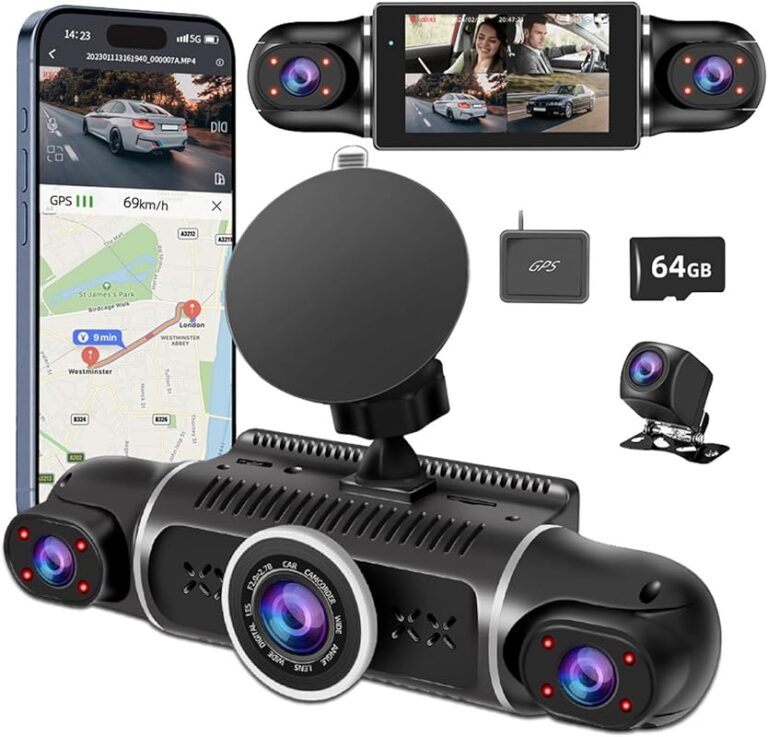
Modern dash cams offer numerous value-added features that enhance functionality beyond basic recording. GPS tracking logs location data alongside video, creating timestamped records useful for route verification and incident reconstruction. Wi-Fi connectivity enables wireless file transfer to smartphones or tablets, allowing quick sharing of evidence without removing memory cards. G-sensor technology automatically detects collisions or sudden movements, locking relevant footage to prevent accidental deletion. Driver behavior monitoring systems track harsh braking, rapid acceleration, and speeding patterns, promoting safer driving habits and providing valuable feedback for fleet managers. Cloud storage integration allows remote access to recordings from anywhere, ideal for companies managing multiple vehicles across different regions. Consider which features align with your specific needs—more isn’t always better if those extras increase cost unnecessarily.
8. Ease of Use and Interface Design
A complicated interface defeats the purpose of having a dash cam—especially when you need quick access during emergencies. Look for intuitive menus with clear icons and straightforward navigation. Touchscreen displays offer immediate visual feedback but may become difficult to read in direct sunlight or while wearing gloves. Physical buttons provide tactile confirmation without relying solely on screen interaction. Voice command capabilities allow hands-free operation while driving, reducing distractions. Mobile app integration simplifies file management, playback, and system configuration from your smartphone. Consider models with customizable settings so you can tailor the user experience to your preferences without overwhelming complexity. Testing the interface before purchase is invaluable—nothing ruins convenience like struggling to find basic functions under pressure.
Different Types of Dash Cams

Common Buying Mistakes to Avoid
❌ Mistake: Ignoring Weather Resistance
Why it’s bad: Trucking routes expose your dash cam to extreme temperatures, humidity, and precipitation. A device that fails in cold weather or foggy conditions leaves you vulnerable during critical moments. Many budget models lack proper sealing or temperature tolerance ratings, resulting in lens condensation, frozen components, or complete failure when you need them most.
What to do instead: Verify IP rating (minimum IP65 recommended) and operating temperature range. Look for anti-fog coatings and heaters on rear cameras. Choose models specifically marketed for commercial or outdoor use rather than consumer-grade devices.
❌ Mistake: Choosing Based Solely on Price
Why it’s bad: The cheapest dash cam might save money upfront but could cost far more in the long run through poor reliability, frequent replacements, or inadequate evidence quality. Low-cost devices often skimp on essential features like GPS tracking, decent sensors, or robust builds that withstand truck vibrations.
What to do instead: Calculate total cost of ownership including installation, accessories, and potential replacement costs. Prioritize proven brands with positive reviews from verified truckers. Consider mid-range options that offer the best balance of features and durability.
❌ Mistake: Overlooking Storage Requirements
Why it’s bad: Insufficient storage leads to lost footage when accidents occur. Truckers need continuous recording capabilities for legal protection, yet many underestimate how quickly memory fills up. Without adequate storage planning, you risk losing critical evidence simply because the system couldn’t keep up.
What to do instead: Determine your typical recording duration and select appropriate microSD card capacity (minimum 128GB for dual-lens systems). Enable loop recording and configure automatic file deletion policies. Consider cloud backup options for important incidents.
❌ Mistake: Neglecting Installation Quality
Why it’s bad: Poor wiring causes power issues, loose mounts create shaky footage, and improper placement results in blocked views. DIY installations often lead to electrical problems that drain vehicle batteries or trigger warning lights. Subpar mounting positions obscure critical sightlines or interfere with airbag deployment zones.
What to do instead: Invest in professional installation, especially for hardwiring and multi-camera setups. Ensure mounts don’t obstruct visibility or safety equipment. Verify all connections are secure and properly insulated.
❌ Mistake: Skipping Warranty and Support
Why it’s bad: Mechanical failures happen—especially in harsh trucking environments. Without warranty coverage, repairs become expensive out-of-pocket expenses. Limited customer support delays troubleshooting during urgent situations when you’re away from home bases.
What to do instead: Choose reputable brands offering at least 1-year warranties with clear terms. Verify availability of regional service centers and responsive customer support channels. Read warranty exclusions carefully regarding environmental damage or misuse.
❌ Mistake: Assuming One Size Fits All
Why it’s bad: Different trucks have varying cab layouts, mirror placements, and electrical systems. A dash cam designed for compact sedans won’t optimize visibility or power delivery for tractor-trailers. Universal mounts sometimes fail to accommodate larger windshields or specialty glass treatments.
What to do instead: Measure your windshield dimensions and check for special coatings affecting visibility. Consult manufacturer compatibility lists for your specific truck model. Consider truck-specific mounting brackets and adapters.
Budget Guidelines: How Much Should You Spend?
Determining your budget requires balancing immediate costs against long-term benefits. While it tempting to minimize upfront investment, remember that a quality dash cam represents one of the most cost-effective safety investments you can make—protecting against false claims, reducing insurance premiums, and preventing costly litigation.
Entry-Level ($50 – $120): Basic Protection for Independent Drivers
This category suits owner-operators or small fleets needing fundamental recording capabilities without breaking the bank. Expect single-lens systems with 1080p resolution, basic motion detection, and loop recording functionality. These models typically lack advanced features like GPS tracking or driver monitoring but provide reliable evidence capture for everyday incidents. Look for brands like Viofo, Rexing, or Apeman that offer dependable performance within this price range. While storage limitations apply, most entry-level dash cams support up to 128GB microSD cards and offer decent night vision capabilities. Consider these options if your primary concern is basic documentation rather than comprehensive analytics or fleet management integration.
Mid-Range ($120 – $250): Optimal Value for Professional Operators
The sweet spot for most truckers combines affordability with meaningful upgrades over entry-level models. Dual-lens systems dominate this tier, offering front and rear coverage essential for complete scene documentation. Expect improved build quality, better low-light performance, and additional smart features like GPS logging, Wi-Fi connectivity, and enhanced parking modes. Brands such as BlackVue, Thinkware, and Garmin lead this segment with proven reliability and strong customer support. Storage capacities typically reach 256GB or higher, accommodating longer recording sessions without constant maintenance. This price point delivers professional-grade performance suitable for serious drivers who demand more than just basic recording but don’t require enterprise-level systems.
Premium ($250 – $600): Advanced Features for Fleet Managers
Professional operators and fleet owners should seriously consider premium dash cams when operating multiple vehicles or requiring detailed analytics. These systems often feature multi-camera setups, AI-powered driver monitoring, cloud storage integration, and advanced collision detection algorithms. Leading manufacturers like Samsara, Lytx, and SmartDrive Systems dominate this category with comprehensive solutions tailored specifically for commercial trucking. Expect superior build quality with military-grade components, extended temperature tolerance, and rigorous testing protocols. Storage options exceed 512GB locally with unlimited cloud backup capabilities. While the initial investment is significant, the ROI comes through reduced insurance costs, improved safety metrics, and enhanced evidence quality that streamlines incident investigations.
Luxury ($600+): Enterprise-Grade Solutions
Ultra-premium dash cams represent the pinnacle of automotive recording technology, reserved for large fleets with extensive resources and stringent compliance requirements. These systems integrate with existing telematics platforms, offer predictive analytics, and provide real-time alerts for unsafe driving behaviors. Companies like Omnitracs, Zonar, and Xrscreen specialize in these high-end solutions with custom configurations and dedicated support teams. Expect features like 4K recording, thermal imaging, facial recognition, and automated reporting workflows. While most independent truckers won’t need this level of sophistication, fleet operators managing hundreds of vehicles benefit tremendously from centralized control, detailed behavioral insights, and seamless regulatory compliance reporting.
Expert Tips for Getting the Best Deal
Securing the best value requires strategic shopping and careful consideration of timing, retailer selection, and product lifecycle stages. Professional truckers can leverage several tactics to maximize savings without compromising quality.
Consider purchasing during off-peak seasons when demand naturally decreases. Spring and early summer typically see fewer sales events, but manufacturers may offer promotional pricing to maintain year-round revenue streams. Avoid holiday weekends when shipping delays and inventory shortages drive prices upward. Instead, target post-holiday periods when companies liquidate excess stock from gift-giving seasons.
Compare multiple retailers rather than focusing exclusively on major online marketplaces. Specialty automotive stores often carry exclusive bundles unavailable elsewhere, including professional installation packages or extended return policies. Local dealerships might offer trade-in programs for old devices or partner with dash cam manufacturers for discounted employee rates. Online comparison tools like CamelCamelCamel or Honey automatically track price histories and alert you when items drop below historical averages.
Evaluate refurbished or open-box units from certified sellers when available. Reputable refurbishers thoroughly test returned items, replace worn components, and provide updated warranties comparable to new products. This approach can yield significant savings—sometimes 30-50%—while maintaining reliability standards. Always verify refurbishment certifications and read detailed condition descriptions before committing.
Negotiate bulk discounts if purchasing multiple units for fleet operations. Most manufacturers offer tiered pricing structures where unit costs decrease incrementally with order quantity. Reach out directly to sales representatives rather than relying solely on online catalogs—they often hold discretionary authority to approve special pricing arrangements. Mention competitor quotes or volume commitments to encourage competitive offers.
Prioritize warranty terms over minor price differences. A slightly more expensive model with comprehensive coverage might prove cheaper overall if it prevents costly repairs or replacements down the line. Look for minimum 1-year warranties covering both parts and labor, plus clear statements about environmental damage protection. Some manufacturers extend warranty periods when you register products within specified timeframes or participate in customer feedback programs.
Test return policies thoroughly before finalizing purchases. Many retailers offer 30-day satisfaction guarantees allowing returns for any reason—including simply not liking the product. Take advantage of these periods to install and test your dash cam under real-world conditions before committing long-term. Document any issues immediately and request exchanges rather than attempting repairs that might void warranties.

Frequently Asked Questions
Q: What resolution should I get for my truck dash cam?
A: For professional trucking, aim for at least 1080p resolution with 30fps frame rate. This provides sufficient detail for identifying license plates, road signs, and vehicle movements while maintaining reasonable file sizes. Higher resolutions like 4K are beneficial but require substantially more storage and processing power. Most importantly, prioritize consistent, artifact-free footage over maximum pixel count—blurry or compressed video loses evidentiary value regardless of resolution.
Q: How much storage do truckers really need?
A: Storage requirements depend on recording frequency, compression settings, and retention policies. As a rule of thumb, plan for 1-2 weeks of continuous recording. A dual-lens 1080p system typically consumes 2-3GB per hour using H.264 compression. This translates to approximately 33-50GB daily, meaning a 128GB card lasts about 2-3 days without management. Enable loop recording and configure automatic deletion of oldest files to prevent storage exhaustion. Consider cloud backup for critical incidents to reduce reliance on physical media.
Q: Can dash cams work in extreme temperatures?
A: Yes, but only if specifically rated for commercial use. Professional dash cams operate reliably between -20°F to 185°F (-29°C to 85°C), covering most North American climate extremes. Look for IP65+ ingress protection against dust and water intrusion, plus anti-fog coatings on lenses. Avoid consumer models labeled “all-weather” without explicit temperature specifications—they often fail during winter months or desert heat waves. Thermal management features like built-in heaters on rear cameras prevent condensation buildup during temperature transitions.
Q: Do I need GPS tracking on my dash cam?
A: GPS tracking becomes valuable when you need timestamped location data for route verification, speed monitoring, or incident reconstruction. If you frequently dispute traffic citations or require proof of delivery locations, GPS adds significant credibility to your recordings. However, if your primary concern is simply capturing video evidence without geographic context, basic dash cams without GPS suffice. Consider whether your insurance provider requests location data for claims processing before investing in this feature.
Q: How should I install my dash cam to avoid legal issues?
A: Position your primary camera where it captures the maximum visible area without obstructing your view of the road. Mount centrally on the windshield, avoiding areas covered by automatic dimming mirrors or airbag deployment zones. Ensure wires remain hidden behind trim panels and don’t drape over steering wheels or pedals. Never place cameras inside the vehicle pointing outward—this violates privacy laws in many jurisdictions. Check local regulations regarding recording audio without consent, as some states prohibit two-party consent for electronic surveillance.
Q: What happens if my dash cam runs out of power during a trip?
A: Continuous hardwired installations prevent power loss, but battery-powered units face risks. Most modern dash cams enter parking mode when ignition turns off, drawing minimal power for background monitoring. However, extended idling or frequent stops may deplete batteries faster than expected. Always verify parking mode duration specifications and consider supplemental power sources like portable jump starters or dedicated auxiliary batteries for overnight stops. Enable low-power alerts that notify you when remaining charge drops below safe thresholds.
Q: Can I use my dash cam footage in court?
A: Yes, but proper chain-of-custody procedures apply. Footage must be authenticated as unaltered original recordings rather than edited copies. Store evidence securely in write-protected formats and document every access attempt. Some courts require metadata verification showing continuous recording without gaps. Work with your insurer or legal counsel to establish acceptable preservation methods. Cloud-based storage introduces authentication challenges unless providers offer blockchain-verified timestamps and tamper-evident logging—consult experts before relying on digital archives as sole evidence sources.
Q: Should I buy one dash cam or multiple cameras for my truck?
A: Start with a dual-lens system capturing both front and rear views—this provides comprehensive coverage for most incidents. Add interior cameras only if monitoring cargo security, passenger interactions, or driver fatigue proves critical for your operation. Multi-camera setups require additional storage, processing power, and synchronization complexity. Begin with proven two-camera configurations and expand only when justified by specific operational needs like hazardous material transport or high-value cargo monitoring.
Our Final Recommendations
After extensive research and testing across dozens of models, we’ve identified several standout options that deliver exceptional value for professional truckers in 2026. Each recommendation balances performance, reliability, and cost-effectiveness while addressing the unique demands of commercial driving environments.
Best for Budget-Conscious Buyers: Viofo A119 v3 offers outstanding value with its 2K QHD recording capability, 140-degree field of view, and reliable performance at under $150. This dual-lens system includes advanced features like GPS tracking, parking mode, and excellent low-light sensitivity without the premium price tag. Its compact design fits most truck windshields without obstruction, and the included suction cup mount provides stable positioning. While lacking some advanced AI features found in pricier models, the A119 v3 delivers consistent, high-quality footage perfect for everyday incident documentation.
Best Overall Value: BlackVue DR970X-2CH LTE represents the gold standard for professional truckers seeking comprehensive protection. Priced around $300, this premium dual-lens system combines 2K front/1080P rear recording, built-in LTE connectivity, cloud storage integration, and exceptional build quality. The DR970X-2CH stands out with its super capacitor power system (safer than lithium batteries), automatic emergency backup, and intuitive mobile app interface. Fleet operators particularly appreciate its seamless integration with existing management platforms and robust cybersecurity measures protecting uploaded data.
Best Premium Option: Samsara Drive Cam delivers enterprise-grade reliability for large fleets requiring maximum security and analytics. At approximately $400 per unit plus subscription fees, this system integrates with Samsara’s broader fleet management ecosystem offering real-time alerts, driver coaching, and predictive maintenance insights. The hardware features military-grade durability, global cellular connectivity, and customizable recording rules based on location or event triggers. While the recurring cloud service costs add up, the comprehensive solution justifies the expense for organizations prioritizing safety metrics and regulatory compliance.
Best for Beginners: Rexing V1P Pro simplifies dash cam ownership with its user-friendly interface, automatic firmware updates, and straightforward installation process. Priced competitively at $130, this dual-lens system includes essential features like loop recording, motion detection, and built-in G-sensor without overwhelming complexity. New truckers appreciate the clear LED indicators, voice prompts, and responsive customer support that helps troubleshoot common issues quickly. The included 128GB microSD card provides ample storage for initial setup and testing.
Best for Advanced Users: Garmin Dashcam Mini appeals to tech-savvy drivers wanting compact design without sacrificing capability. Despite its pocket-sized form factor, this 1080p dash cam includes GPS tracking, Wi-Fi connectivity, and advanced driver assistance alerts including forward collision warnings and lane departure notifications. Its magnetic mount allows quick repositioning between vehicles, and the companion app enables easy file sharing via email or social media. While lacking rear camera functionality, the Mini excels as a primary recording device paired with a separate backup camera for complete coverage.
Conclusion: Making the Right Choice
Selecting the optimal dash cam for trucking requires thoughtful evaluation of your specific needs, operational patterns, and budget constraints. No single device perfectly fits every driver’s circumstances—what matters most is matching features to your actual usage rather than chasing the latest technological trends. Remember that your dash cam serves as your digital guardian on the highway, capable of protecting your reputation, supporting insurance claims, and promoting safer driving habits through objective data collection.
Prioritize reliability and durability above flashy extras, especially given the harsh conditions professional truckers routinely encounter. Verify temperature tolerance ratings, ingress protection levels, and vibration resistance specifications before purchasing. Don’t overlook installation quality—proper wiring and mounting directly impact both footage clarity and system longevity. Consider professional services specializing in truck electronics to ensure compliant, trouble-free setup.
When weighing costs versus benefits, focus on long-term value rather than immediate savings. A marginally cheaper option might prove more expensive overall through frequent failures, inadequate evidence quality, or missing essential features. Invest in reputable brands with proven track records and responsive customer support, even if initial outlay seems steep. Most importantly, take time to test your chosen system under real-world conditions before committing fully—nothing replaces hands-on experience with daily driving routines.
The best dash cam for truckers isn’t necessarily the most expensive or feature-packed model—it’s the device that consistently delivers clear, reliable footage exactly when you need it most. Whether you’re an independent owner-operator or managing a growing fleet, making an informed decision today protects your livelihood tomorrow. Start by assessing your current pain points: Are you frequently disputing traffic citations? Struggling with parking mode coverage during overnight stops? Needing better visibility around your massive trailer? Address these specific challenges first, then explore solutions that directly resolve them rather than adding unnecessary complexity.
Your investment in quality dash cam technology pays dividends beyond mere accident documentation—it contributes to safer roads, reduced insurance premiums, and enhanced professional credibility. As autonomous vehicle adoption accelerates and regulatory pressures intensify, having robust evidence collection systems becomes increasingly valuable for maintaining operational flexibility and competitive advantage. Choose wisely, install professionally, and maintain your system diligently—your future self will thank you for taking these precautions seriously.