Tarp Truck Bed Cover
A tarp truck bed cover is a simple yet powerful solution for protecting your truck bed and its contents. Whether you’re hauling tools, equipment, or groceries, this affordable and portable option keeps rain, dirt, and sun off your load. Unlike permanent hard covers, tarps offer flexibility, quick setup, and easy storage—making them ideal for everyday use.
If you’ve ever loaded up your truck bed only to find it soaked after a sudden rainstorm, or worse—your gear scattered across the road because the cover slipped—you know how frustrating it can be. That’s where a tarp truck bed cover comes in. It’s not the flashiest accessory on the market, but it’s one of the most practical and reliable ways to protect your cargo. Whether you’re a contractor hauling tools, a farmer moving hay, or just someone who needs to keep their groceries dry, a tarp cover delivers fast, effective protection without breaking the bank.
Unlike expensive hard shell or roll-up tonneau covers, a tarp truck bed cover offers simplicity, portability, and versatility. It’s the kind of tool that grows on you the more you use it. You can throw it in the back of your truck when you need it and stow it away when you don’t. Best of all, it works with virtually any pickup truck—no modifications needed. In this guide, we’ll walk you through everything you need to know about choosing, installing, and maintaining a tarp truck bed cover so you can make the most of this underappreciated piece of truck gear.
Key Takeaways
- Understanding tarp truck bed cover: Provides essential knowledge
Quick Answers to Common Questions
Can a tarp truck bed cover really keep water out?
Yes, especially if it’s made of polyethylene or vinyl with UV treatment. While no tarp is 100% leak-proof, high-quality models effectively shed rain and moisture, keeping your cargo dry in most conditions.
Do I need special tools to install a tarp cover?
Nope! Most tarp truck bed covers use bungee cords, ratchet straps, or ropes—all of which require no tools. Setup takes just a few minutes.
Will a tarp work on a truck with a bed extender?
It depends on the size. Many tarps are designed to accommodate extenders, but check the dimensions beforehand. A larger tarp or one with adjustable straps usually fits well.
How do I fix a torn tarp truck bed cover?
Minor tears can be repaired with waterproof tape or patch kits. For larger holes, consider replacing the tarp. Regular inspections help catch damage early.
Are tarp covers safe for highway driving?
They’re generally safe if properly secured, but strong winds or high speeds can cause flapping. Use heavy-duty straps, add weight anchors, and avoid overloading the tarp.
📑 Table of Contents
What Is a Tarp Truck Bed Cover?
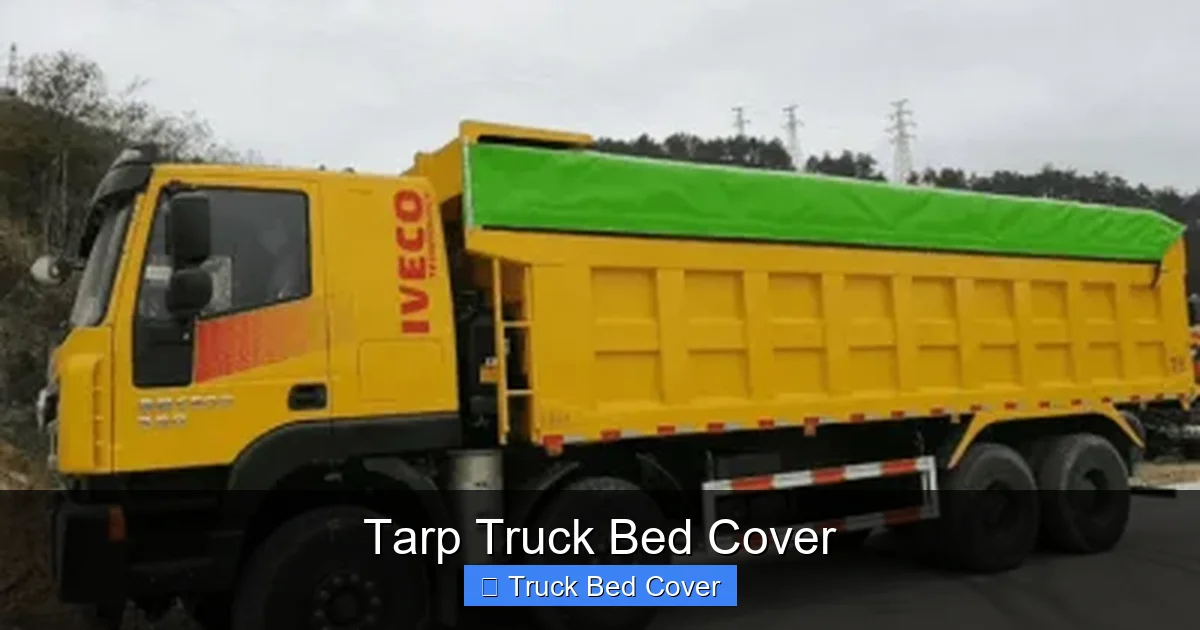
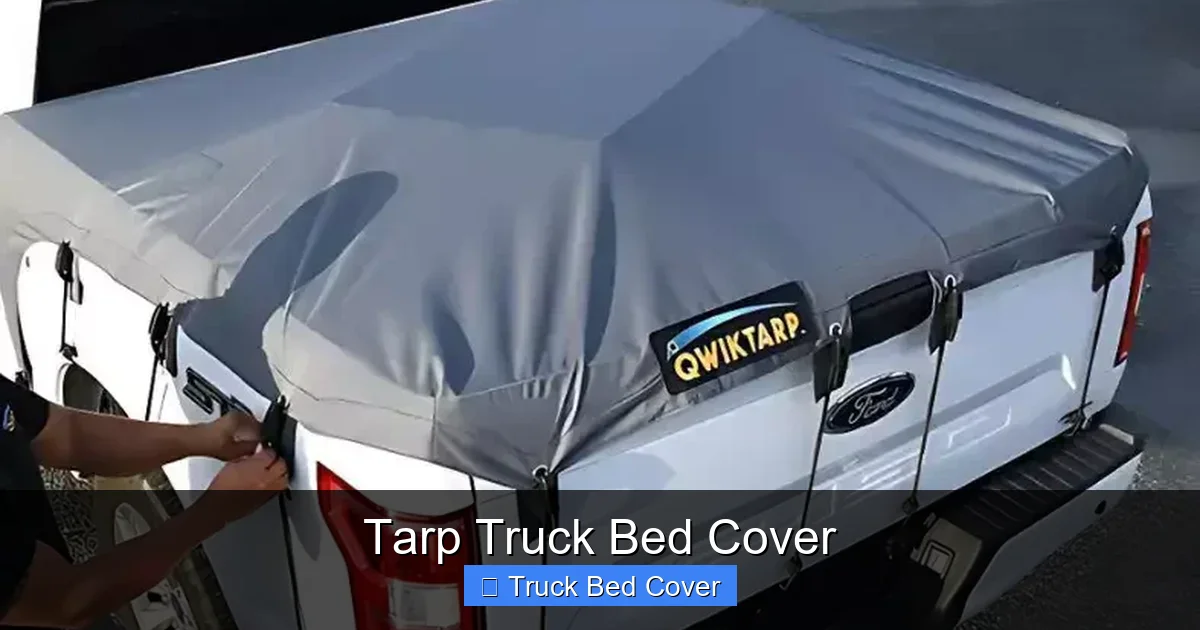
At its core, a tarp truck bed cover is exactly what it sounds like: a large, flexible sheet of waterproof or water-resistant material draped over your truck bed. These tarps are typically made from heavy-duty polyethylene, canvas, or vinyl, and are designed to withstand outdoor elements like rain, snow, wind, and sunlight. The cover is secured at the front and sides using straps, bungee cords, or ratchets, and may include grommets or reinforced edges for added durability.
While some people confuse tarps with full truck bed enclosures or soft roll-up covers, a tarp cover is fundamentally different. It’s not a fixed system—it’s a temporary, removable solution that provides instant protection whenever needed. Think of it as the “blanket” version of truck bed covers. You can quickly pull it out, stretch it tight, and secure it in seconds. No complicated mechanisms, no permanent installation, just straightforward protection.
Tarp truck bed covers come in many shapes and sizes. Some are rectangular and wrap entirely around the bed, while others are fitted with elasticized edges or drawstring closures for a snugger fit. They’re also available in multiple thicknesses—lighter models for casual use and heavier ones for rugged conditions. Because they’re so adaptable, tarps are a favorite among tradespeople, campers, boaters, and anyone who values convenience and protection on the go.
Types of Tarp Materials Used for Truck Beds
The effectiveness of your tarp truck bed cover largely depends on the material it’s made from. Each type offers different levels of durability, water resistance, and longevity.
Polyethylene Tarps are the most common choice. Made from thick plastic sheets, they’re lightweight, inexpensive, and excellent at repelling water. However, they can become brittle over time when exposed to constant sun exposure unless treated with UV inhibitors. Still, for short-term or seasonal use, polyethylene is hard to beat.
Canvas Tarps offer a more natural look and feel. They’re breathable, which helps prevent condensation buildup underneath, and they’re strong enough to handle moderate wear and tear. Canvas absorbs water slightly, so it’s best used in dry climates or with an additional waterproof spray coating.
Vinyl Tarps are the premium option. Fully waterproof, tear-resistant, and built to last, vinyl is ideal for harsh environments. It doesn’t fade as easily as polyethylene and holds up well against punctures. The downside? It’s more expensive and heavier, which can affect fuel efficiency if not properly supported.
When selecting a material, consider how often you’ll use the tarp, the climate you live in, and whether you need maximum protection or just basic coverage. For example, a construction worker in a rainy region might prefer a heavy vinyl tarp, while a weekend camper might opt for a lightweight canvas model.
Common Features to Look For
Not all tarp truck bed covers are created equal. Here are some key features to keep an eye out for:
- Grommets: Metal or plastic rings sewn into the corners and edges allow you to thread ropes or bungee cords securely.
- Reinforced Edges: Double-stitched or welded seams prevent fraying and extend the tarp’s lifespan.
- UV Treatment: Sunlight breaks down most plastics; UV-coated tarps resist cracking and fading.
- Elasticized Corners: These help the tarp hug the contours of your truck bed better.
- Drawstring Closures: Found on some models, these let you cinch the tarp tighter at the tailgate.
- Reflective Strips: Enhance visibility at night or in low-light conditions.
Investing in a tarp with these features may cost a bit more upfront, but it pays off in durability and performance. Cheaper versions might save money now but fail within months.
Benefits of Using a Tarp Truck Bed Cover
Visual guide about Tarp Truck Bed Cover
Image source: truckio.org
Why choose a tarp over other types of truck bed covers? Let’s break down the advantages.
First and foremost, cost-effectiveness is a huge selling point. A quality tarp truck bed cover can be purchased for anywhere between $20 and $100, depending on size and material. Compare that to a hard tonneau cover ($300–$800) or even a soft roll-up ($150–$400), and the savings are clear. You get similar protection without the hefty price tag.
Another benefit is ease of use. There’s no installation process—just unfold, stretch, and secure. This makes it ideal for people who don’t want to drill holes or modify their truck. Need to switch between open-bed access and covered storage? With a tarp, you can do it in under a minute.
Then there’s versatility. A tarp isn’t limited to just trucks—it can cover trailers, boats, camping gear, ATVs, or even serve as an emergency shelter. This multi-functionality means you get more value from a single purchase.
From a safety standpoint, a well-secured tarp prevents loose items from flying off during high winds. It also adds a layer of security by hiding your cargo from prying eyes. While it won’t stop a determined thief, it’s enough to deter casual snooping.
Finally, maintenance is minimal. Most tarps just need to be hosed off or wiped down occasionally. Just avoid dragging sharp objects across the surface, and store it rolled up in a dry place when not in use.
Real-World Use Cases
Let’s look at how different people put their tarp truck bed covers to work:
Contractors and Tradespeople: Electricians, plumbers, and landscapers often carry tools, materials, and equipment that can’t get wet. A tarp keeps saw blades, wiring, and paint cans safe during transport.
Farmers and Ranchers: Hay, feed, and livestock supplies are vulnerable to rain and dust. A tarp ensures nothing gets ruined before reaching the barn.
Outdoor Enthusiasts: Campers, hunters, and fishermen use tarps to shield coolers, fishing rods, and sleeping bags from dew and morning fog.
Delivery Drivers: Food, packages, and medical supplies stay dry and organized, improving customer satisfaction.
No matter your profession or hobby, a tarp truck bed cover adapts to your needs.
How to Choose the Right Size Tarp Truck Bed Cover
Getting the right size is crucial. Too small, and it won’t cover the entire bed. Too large, and it’ll flap in the wind or sag in the center. Most truck beds range from 5 to 8 feet in width and 6 to 7 feet in length. Measure your bed carefully—including the height of the side rails—before buying.
Standard sizes include:
- 5′ x 8′
- 6′ x 10′
- 8′ x 12′
- 10′ x 14′
Some manufacturers offer custom-fit tarps designed specifically for popular truck models (Ford F-150, Toyota Tacoma, etc.). These often include pre-cut flaps and adjustable straps for a tighter seal.
Don’t forget to account for overlap. You’ll want the tarp to extend a few inches beyond the sides and tailgate so you can tie it down securely. A general rule: add 12–18 inches to each dimension for proper anchoring.
If you’re unsure, go slightly oversized. You can always fold extra material or use rocks or weights to weigh down the edges.
Tips for Securing Your Tarp
Even the best tarp will fail if it’s not fastened properly. Here are some tried-and-true methods:
Bungee Cords: Quick, no-tools solution. Attach one end to a bed rail hook and the other to a grommet. Works well for light loads and calm weather.
Ratchet Straps: Provide tension control. Loop through grommets and pull tight. Ideal for heavier tarps or windy days.
Ropes and Pulleys: Great for tall beds. Run a rope from the front corner over the cab roof and down to the tailgate.
Tailgate Locks: Some tarps include magnetic or spring-loaded locks that snap onto the tailgate for extra security.
Weighted Anchors: Use sandbags, bricks, or commercial anchor kits to hold down loose ends.
Pro tip: Always test your setup before hitting the highway. Give the tarp a tug to ensure it won’t come undone mid-journey.
Maintenance and Longevity Tips
With proper care, your tarp truck bed cover can last several years. Start by inspecting it regularly for cuts, tears, or worn grommets. If you notice damage, repair it promptly—most minor tears can be patched with waterproof tape.
Clean your tarp after heavy use, especially if you’ve hauled muddy, chemical, or oily materials. Use mild soap and water, then air dry completely before storing. Avoid machine washing unless the manufacturer recommends it.
Store the tarp in a cool, dry place—never leave it rolled in the sun or damp garage. A fabric bag or original box helps keep dust and pests off.
If your tarp starts to crack or lose elasticity, it’s time to replace it. Signs of aging include brittleness, discoloration, or failure to repel water.
For added protection, consider applying a silicone-based waterproofing spray once a year. This extends life and improves performance.
Common Mistakes to Avoid
Many users make simple errors that shorten their tarp’s life:
- Over-tightening: Stretching too much can cause stress fractures.
- Dragging on Rough Surfaces: Always lift the tarp instead of sliding it.
- Ignoring Wind Direction: Secure the windward side first to prevent flapping.
- Storing Wet: Mold and mildew love damp tarps.
- Using Sharp Tools Near Grommets: This can punch holes or loosen stitches.
Avoiding these pitfalls will keep your cover functional and ready when you need it.
Tarp vs. Other Truck Bed Covers
It’s helpful to compare tarps with alternatives to understand when each shines.
Tarp vs. Soft Roll-Up Covers: Roll-ups offer better aerodynamics and a cleaner look, but they’re more expensive and less versatile. Tarps win on price and multi-purpose use.
Tarp vs. Hard Tri-Fold or Retractable Covers: Hard covers provide superior security and weatherproofing but require permanent installation and cost hundreds. Tarps are temporary and removable.
Tarp vs. Drop-Nose Covers: These sit below the truck bed rails for full coverage but are complex and costly. Tarps sit flush and work with any bed style.
In short: if you want something cheap, simple, and adaptable, go with a tarp. If you need long-term, locked-in protection, consider a hard or soft cover.
When a Tarp Isn’t Enough
There are situations where a tarp truck bed cover falls short. For example:
- You frequently drive at high speeds—flapping tarps create drag and noise.
- Your cargo is highly valuable or sensitive (electronics, documents).
- You need full-time coverage without daily setup/teardown.
- You’re in a region with extreme weather (blizzards, hurricanes).
In those cases, upgrading to a permanent cover may be worth the investment.
Final Thoughts: Is a Tarp Truck Bed Cover Worth It?
Absolutely. For most drivers, a tarp truck bed cover strikes the perfect balance between function, affordability, and convenience. It’s not glamorous, but it gets the job done—rain, snow, or shine. Whether you’re protecting tools, groceries, or camping gear, this humble accessory delivers peace of mind without costing a fortune.
The beauty of a tarp is its simplicity. No batteries, no motors, no complicated parts—just a tough sheet of material that keeps your stuff safe. And because it’s so easy to use, you’ll actually remember to put it on every time.
So next time you load up your truck, reach for that tarp instead of worrying about the weather. You’ll be glad you did.
Frequently Asked Questions
What’s the difference between a tarp and a tonneau cover?
A tarp truck bed cover is a temporary, flexible sheet that you drape and secure yourself, while a tonneau cover is a permanent, rigid or semi-rigid system installed on the bed. Tarps are cheaper and more versatile, but tonneau covers offer better security and aerodynamics.
How often should I replace my tarp truck bed cover?
This depends on usage and material. Polyethylene tarps may last 1–2 years with regular sun exposure, while vinyl or canvas models can last 3–5 years. Replace it if it becomes brittle, cracks, or loses waterproofing ability.
Can I use a tarp truck bed cover in winter?
Yes, but choose a heavy-duty, UV-treated tarp to prevent cracking. Snow and ice won’t damage it, but avoid dragging heavy snow off with sharp tools, as this can puncture the material.
Is a tarp better than a bed mat for protecting my truck bed?
A tarp protects your cargo from weather, while a bed mat protects the truck bed itself from scratches. They serve different purposes—use both together for maximum protection.
Do tarp truck bed covers work with toolboxes or racks?
Most do, but clearance can be an issue. Ensure the tarp clears over any mounted accessories. Adjust the fit or use a larger tarp if needed.
Where can I buy a tarp truck bed cover?
They’re widely available at auto parts stores, hardware stores, online retailers like Amazon, and specialty truck accessory shops. Compare prices, read reviews, and measure your bed before purchasing.