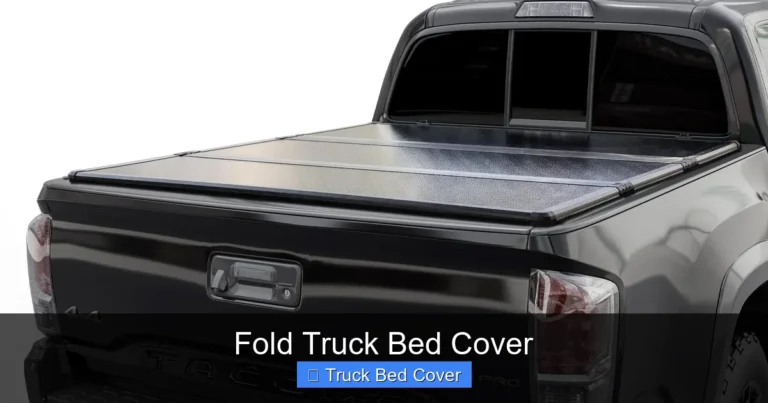
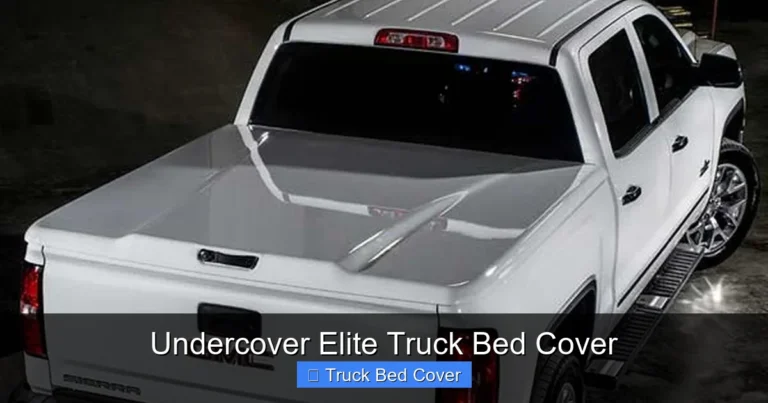
Trifold Truck Bed Cover
A trifold truck bed cover is a three-panel folding tonneau that offers quick access to your truck bed while providing excellent security and weather protection. Ideal for daily drivers who need both convenience and durability, these covers come in vinyl or aluminum materials and are easy to install without drilling. They balance functionality with affordability, making them a top choice for pickup owners seeking a practical bed cover solution.
If you’re a pickup truck owner looking for a smart way to protect your cargo without breaking the bank, a trifold truck bed cover might be exactly what you need. Unlike bulky hard shells or complex retractable systems, these covers strike a perfect balance between convenience, security, and affordability. Whether you use your truck for work, weekend adventures, or everyday errands, a trifold bed cover can make a real difference in how you transport gear, tools, and supplies.
The beauty of a trifold design lies in its simplicity and versatility. With three panels that fold forward like a concertina, you get instant access to the full bed when needed—without having to remove the entire cover. This makes loading long items like lumber or kayaks much easier than with fixed lids. At the same time, when folded, the cover stays neatly secured and out of the way, maintaining a clean, low-profile look. Plus, most models are designed to fit snugly over standard truck bed sizes, so compatibility isn’t usually an issue.
In this guide, we’ll walk through everything you need to know about trifold truck bed covers—from how they work and what materials they’re made from, to installation tips, maintenance advice, and even comparisons with other cover types. By the end, you’ll have all the information you need to decide if a trifold is right for your truck and lifestyle.
Key Takeaways
- Trifold covers fold into three sections: This design allows partial bed access while keeping the rest protected—perfect for hauling tools, equipment, or groceries without removing the entire cover.
- Easy installation: Most models clamp onto the truck bed rails without permanent modifications, saving time and preserving your truck’s resale value.
- Vinyl and aluminum options: Vinyl trifolds are lightweight and budget-friendly, while aluminum versions offer superior strength and resistance to impacts and UV damage.
- Enhanced security: Lockable latches and tight seals deter theft and protect cargo from prying eyes, rain, dust, and debris.
- Weather resistance: Waterproof seals and rugged materials keep your truck bed dry during storms and prevent rust or interior moisture buildup.
- Improved fuel efficiency: A streamlined profile reduces wind drag, helping improve gas mileage by up to 5% compared to open beds.
- Affordable protection: Trifold covers deliver excellent value, offering near-full-bed coverage at a fraction of the cost of hard shell or retractable systems.
Quick Answers to Common Questions
What is a trifold truck bed cover?
A trifold truck bed cover is a three-panel tonneau cover that folds forward to provide access to the truck bed while protecting cargo from weather and theft. It’s known for its balance of affordability, convenience, and durability.
Are trifold covers waterproof?
Yes, high-quality trifold covers feature watertight seals and rugged materials that repel rain and snow. While no soft cover is 100% leak-proof in heavy downpours, most perform excellently under normal conditions.
Can I install a trifold cover myself?
Absolutely! Most trifold systems are designed for DIY installation using clamps and bolts without drilling into the truck bed. Detailed instructions and video guides make the process straightforward for average DIYers.
Do trifold covers improve gas mileage?
Yes—by reducing wind drag, trifold covers can improve fuel economy by up to 5%, especially at highway speeds. The streamlined profile helps cut down on wasted energy caused by turbulent airflow.
Which material is better: vinyl or aluminum?
It depends on your needs. Vinyl is lighter and more affordable, ideal for casual users. Aluminum offers superior strength and longevity, making it better for heavy-duty use or harsh environments.
📑 Table of Contents
What Is a Trifold Truck Bed Cover?
At its core, a trifold truck bed cover is a type of tonneau cover made up of three individual panels that fold together along pre-designed hinges. These panels are typically constructed from durable materials such as heavy-duty vinyl or reinforced aluminum, depending on your needs and budget. When unfolded, the cover spans the entire width of the truck bed, offering full protection against rain, snow, dirt, and unauthorized access.
One of the standout features of a trifold system is its portability. Since each panel folds independently, you can open just one or two sections to access specific areas of the bed—ideal for grabbing a cooler or toolbox without exposing the whole load. When fully opened, the folded cover stacks neatly at the front of the bed, creating a compact footprint that doesn’t interfere with visibility or aerodynamics.
Unlike roll-up or retractable covers that require sliding mechanisms or complex tracks, trifold systems rely on simple latch-and-lock systems. This makes them less prone to mechanical failure and easier to operate, even in cold weather when components might otherwise freeze or stick.
How Does It Work?
When you want to access your truck bed, simply unlatch the rear panel and fold it forward. The center panel then folds over it, followed by the front panel. All three stack neatly at the cab end of the bed. To close, reverse the process—lift each panel into place and secure them with sturdy side latches. Some models also feature a central locking mechanism for added security.
Most trifold covers include adjustable side rails that conform to the shape of your truck bed, ensuring a tight seal even on older or slightly warped beds. Weatherstripping along the edges helps prevent water from seeping underneath, while the taut surface of the cover deflects rain and snow away from the cab.
Common Applications
Trifold covers are especially popular among:
- Contractors and tradespeople who need quick access to tools and materials
- Ranchers and farmers transporting livestock feed or equipment
- Outdoor enthusiasts carrying bikes, surfboards, or camping gear
- Daily commuters who want to protect personal items from weather and theft
Their versatility makes them suitable for virtually any pickup truck—from compact models like the Ford Ranger to full-size trucks like the Chevy Silverado or Ram 1500.
Types of Trifold Truck Bed Covers
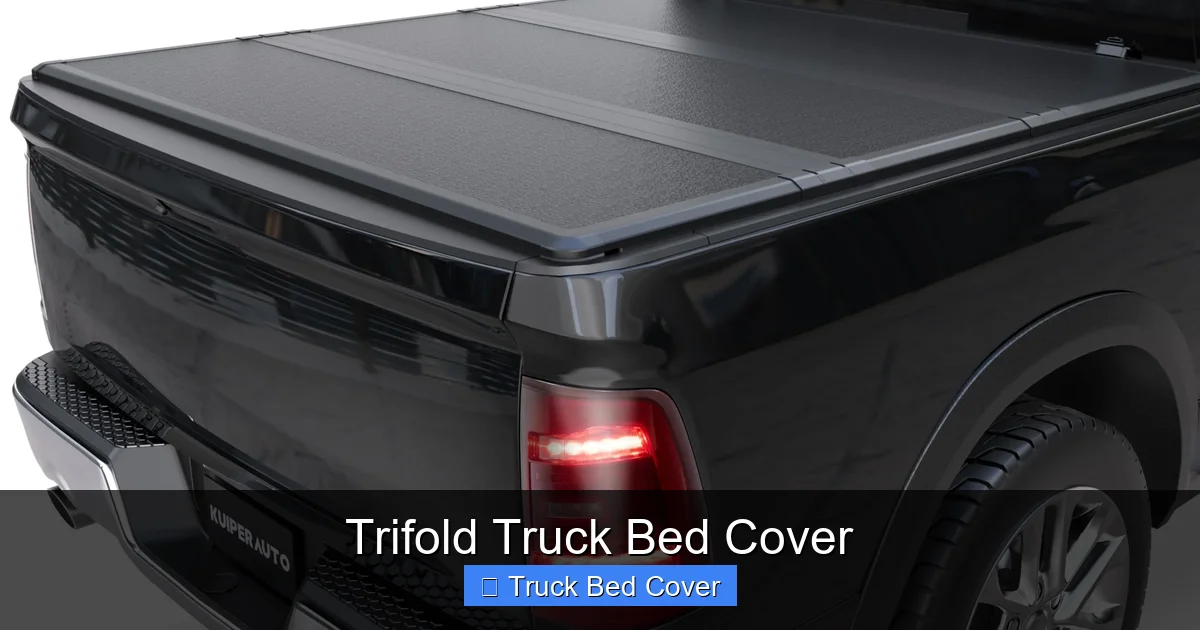
Visual guide about Trifold Truck Bed Cover
Image source: images-na.ssl-images-amazon.com
Not all trifold covers are created equal. They come in several variations based on material, mounting style, and included features. Understanding the differences will help you choose the best option for your needs.
Vinyl Trifold Covers
Vinyl trifolds are the most common and affordable option. Made from tough marine-grade fabric stretched over a rigid frame, they resist UV rays, mildew, and punctures. These covers are lightweight, which means less strain on your truck’s suspension, and they’re often easier to handle during installation.
Pros:
- Lower cost (typically $200–$400)
- Lightweight and easy to fold/unfold
- Resistant to fading and cracking over time
- Good water resistance with proper sealing
Cons:
- Less impact-resistant than metal
- May dent under heavy loads or sharp objects
- Can stretch slightly if over-tightened
Vinyl covers are ideal if you prioritize affordability and ease of use over extreme durability.
Aluminum Trifold Covers
For those who need maximum strength and longevity, aluminum trifold covers are the go-to choice. Constructed from lightweight yet rigid aircraft-grade aluminum, these panels resist dents, scratches, and heavy impacts. They’re also highly resistant to corrosion, making them great for coastal or humid environments.
Pros:
- Extremely durable and impact-resistant
- Long lifespan (often 10+ years)
- Maintains shape under heavy loads
- Low maintenance—just wipe down occasionally
Cons:
- Higher price point ($600–$1,200)
- Slightly heavier than vinyl
- More expensive shipping due to weight
If you frequently carry heavy equipment or live in an area with rough roads or harsh weather, aluminum is worth the investment.
Soft Folding vs. Rigid Panel Designs
Even within material categories, there are subtle design differences. Soft folding covers use flexible fabric panels that bend at the seams, while rigid designs feature solid panels connected by hinges. Rigid panels provide better structural integrity and reduce the chance of flapping in strong winds.
However, soft designs are generally quieter and more aerodynamic when closed. Your choice here depends on whether you value quiet operation (soft) or maximum protection (rigid).
Benefits of Installing a Trifold Truck Bed Cover
Choosing a trifold cover isn’t just about aesthetics—it delivers tangible benefits that enhance your driving experience and protect your investment.
Enhanced Security
One of the biggest advantages is peace of mind. With no exposed cargo and lockable latches, opportunistic thieves are far less likely to target your truck. The taut surface also hides valuables from view, reducing temptation.
Many modern trifold systems include integrated tie-down points or D-rings, allowing you to secure items directly to the cover itself. This keeps gear from shifting during transit and prevents damage from loose loads.
Weather Protection
Rain, snow, and dust can ruin sensitive electronics, damage upholstery, or contaminate stored items. A well-fitted trifold cover creates a watertight barrier that keeps moisture out. Even in light drizzle, you won’t have to worry about wet tools or documents.
Additionally, UV-resistant materials prevent sun damage to plastic parts inside the bed, like tailgate handles or bed liners. Over time, this reduces wear and extends the life of your truck’s interior.
Improved Fuel Economy
An open truck bed creates significant wind turbulence, which increases drag and lowers gas mileage. Studies show that adding any type of tonneau cover—including trifolds—can improve fuel efficiency by 2–5%. That might not sound like much, but over thousands of miles, it adds up to real savings at the pump.
The sleek, low-profile design of a trifold minimizes air resistance compared to taller hard shells, making it one of the most fuel-efficient soft cover options available.
Aesthetic Appeal
Let’s face it: a clean, covered bed looks more polished than an open cargo area. Trifold covers give your truck a finished, custom appearance without the bulk of a full hardtop. They’re available in black, grey, and sometimes color-matched finishes to complement your vehicle’s paint.
Whether you drive a rugged off-roader or a daily commuter, a trifold adds a touch of sophistication while staying functional.
Installation Tips for Trifold Covers
While most trifold covers are marketed as “no-drill” or “bolt-on,” proper installation ensures optimal performance and longevity. Follow these steps to get it right the first time.
Gather Your Tools
You’ll typically need:
- Socket wrench or Allen key set
- Tape measure
- Lubricant (silicone-based spray works best)
- Helper (optional but helpful for alignment)
Read the manufacturer’s instructions carefully—different brands may have unique requirements.
Prepare the Truck Bed
Before starting, clean the bed rails thoroughly. Remove any debris, rust spots, or old adhesive residue. If your bed has a spray-in liner, ensure it’s smooth and free of cracks. Uneven surfaces can cause gaps and allow water intrusion.
Apply a thin layer of silicone lubricant to the mounting clamps and hinges. This reduces friction during folding and prevents metal-on-metal squeaking over time.
Mount the Side Rails
Slide the side rails onto the bed rails and tighten the clamps evenly. Don’t overtighten—this can warp the rails or damage the bed coating. Use a tape measure to confirm both sides are level.
Pro tip: Have someone hold the cover in place while you secure the rails. Misalignment leads to loose seals and poor performance.
Attach the Panels
Once the rails are secure, attach the first (front) panel. Make sure it sits flush against the cab and doesn’t sag. Then add the center and rear panels, checking that all latches engage smoothly.
Test the folding mechanism a few times before finalizing everything. You should feel confident that it opens and closes without jamming.
Final Checks
After installation:
- Inspect all seals for gaps
- Run a hose test (spray water along the edges) to check for leaks
- Adjust tension straps if the cover feels too loose or tight
- Lubricate moving parts annually
Remember: a poorly installed cover defeats its purpose. Take your time—it’s a one-time job that pays off for years.
Maintenance and Care
Like any outdoor gear, trifold covers benefit from regular care. Here’s how to keep yours looking good and performing well.
Cleaning
Use mild soap and water to wash the surface every few months. Avoid abrasive cleaners or pressure washers, which can degrade the material or force water into seams. For stubborn stains, a soft-bristle brush helps without scratching.
After cleaning, rinse thoroughly and let it air dry completely before closing. Moisture trapped inside accelerates mold growth and weakens fabric.
Storage
If you remove the cover seasonally (e.g., winter), store it in a cool, dry place away from direct sunlight. Never leave it folded tightly for extended periods—this can cause creases and reduce flexibility.
Some owners recommend rolling the cover loosely instead of folding it flat, especially for vinyl models. This preserves the material’s elasticity.
Lubrication
Every 6–12 months, apply a small amount of silicone spray to hinges, latches, and moving parts. This prevents stiffness in cold weather and ensures smooth operation year-round.
Avoid petroleum-based oils—they attract dirt and can damage rubber gaskets over time.
Winter Care
In snowy climates, clear off accumulation regularly to prevent ice from forming in the folds. Use a plastic scraper (not metal!) to avoid scratching the finish. If ice does form, warm the area gently with a hairdryer—never use an open flame.
Comparing Trifold Covers to Other Types
To help you decide, here’s how trifold covers stack up against alternative options:
vs. Roll-Up Covers
Roll-ups offer full bed access and are great for frequent loading/unloading. However, they expose the bed when rolled up, offering minimal protection in bad weather. Trifolds stay in place and provide continuous coverage.
vs. Retractable Covers
Retractables slide back into a canister under the bed, offering a clean look and full access. But they’re expensive, complex, and vulnerable to mechanical issues. Trifolds are simpler, cheaper, and equally effective for most users.
vs. Hard Shell Covers
Hard shells (like fiberglass or aluminum lids) offer maximum security and durability but cost significantly more and reduce truck bed volume. Trifolds give you similar protection at a lower price and with greater flexibility.
vs. No Cover
Leaving your bed open leaves it vulnerable to weather, theft, and road debris. Even basic tarpaulins lack the precision engineering and secure fit of a quality trifold.
For most truck owners, the trifold strikes the sweet spot between cost, function, and style.
Frequently Asked Questions
===
How do I choose the right size trifold cover?
Measure your truck bed’s length, width, and depth. Match these specs to the manufacturer’s dimensions, noting whether the cover fits short beds, standard beds, or crew cabs. Always double-check compatibility with your exact model year and trim.
Can I drive with a trifold cover partially open?
Yes, one of the main advantages of a trifold is partial access. You can open just the rear panel to grab items without exposing the entire bed. Just ensure the open section is securely latched to avoid flapping in the wind.
Will a trifold cover fit my truck?
In most cases, yes—trifold covers are made for popular truck models like Ford F-150, Chevrolet Silverado, Toyota Tacoma, and others. Use the product description or contact customer service to verify fitment before purchasing.
Are trifold covers secure enough to lock?
Many models include lockable latches or central locking systems to deter theft. While not as robust as hard shell locks, they provide sufficient security for everyday use and discourage casual tampering.
How often should I clean my trifold cover?
Clean it every 3–6 months using mild soap and water. Avoid harsh chemicals or high-pressure washers. Regular cleaning prevents mold, dirt buildup, and UV damage, extending the cover’s lifespan.
Can I add a bed mat with a trifold cover?
Yes, but ensure the mat is thin and doesn’t interfere with the cover’s folding mechanism. Some users place mats only in the areas where the cover rests when folded, leaving other zones uncovered to maintain functionality.