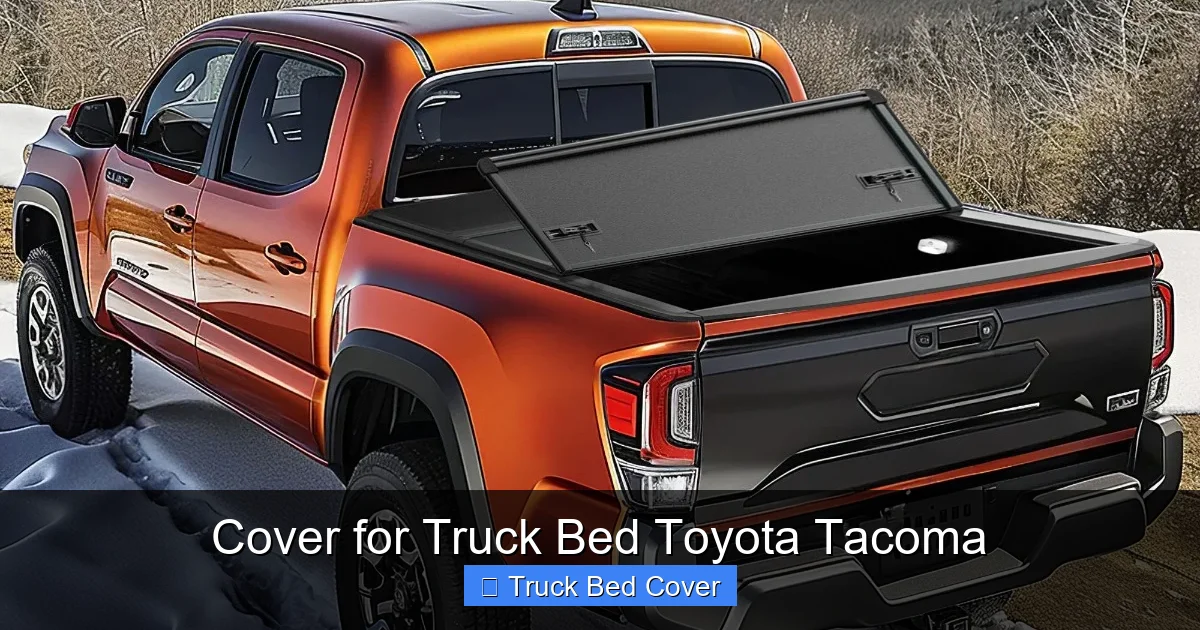
Cover for Truck Bed Toyota Tacoma
A cover for truck bed Toyota Tacoma is more than just a protective accessory—it’s a smart investment that enhances security, fuel economy, and style. Whether you haul gear, protect valuables, or simply want a sleek look, the right tonneau cover fits your Tacoma like a glove. From roll-up models to retractable systems, there are options for every need and budget.
If you own a Toyota Tacoma, you know how versatile and capable your truck can be. From weekend adventures to daily work duties, the open bed offers unmatched flexibility. But with great power comes a few challenges—especially when it comes to protecting your cargo, improving aerodynamics, and keeping your truck looking sharp. That’s where a cover for truck bed Toyota Tacoma steps in.
Whether you’re carrying tools, sports gear, groceries, or even furniture, an open bed exposes everything to dirt, rain, UV rays, and worst of all—theives. Enter the tonneau cover: a sleek, functional solution designed specifically for trucks like yours. In this guide, we’ll walk you through everything you need to know about choosing, installing, and maintaining the best cover for your Toyota Tacoma.
Why You Need a Cover for Your Truck Bed
Let’s face it—your Tacoma isn’t just a vehicle; it’s part of your lifestyle. Maybe you’re into off-roading, fishing, or running a small business out of your truck. No matter how you use it, your bed is constantly exposed. Without protection, your belongings get wet, dirty, or worse—stolen.
A quality tonneau cover acts as a shield. It seals off the bed, creating a secure, weather-resistant compartment. But beyond basic protection, many modern covers also boost fuel efficiency by reducing drag. According to studies, a properly installed cover can improve gas mileage by up to 10%. That’s not just good for the environment—it adds up at the pump.
Plus, let’s talk aesthetics. A clean, closed-in bed makes your Tacoma look more polished and purposeful. Whether you’re cruising downtown or heading to the job site, a well-designed cover adds a touch of professionalism.
Types of Covers for Toyota Tacoma
Not all covers are created equal. The market offers several styles, each with unique benefits. Here’s a breakdown of the most popular types:
Roll-Up Tonneau Covers
These are among the most affordable and user-friendly options. Made from heavy-duty vinyl over a series of rails, roll-up covers unfold like a carpet. They’re lightweight, easy to remove, and provide decent security.
– Pros: Affordable, quick access, no drilling needed.
– Cons: Less rigid, may not handle high winds well.
– Best for: Everyday users who value convenience.
Retractable Hard Covers
Think of these as sliding drawers. They retract along the bed rails, exposing the entire cargo area when needed. Made from solid panels—often aluminum or composite—they offer excellent security and a flush, aerodynamic look.
– Pros: Full-bed access, strong protection, sleek design.
– Cons: Higher price point, heavier.
– Best for: Those who need both security and style.
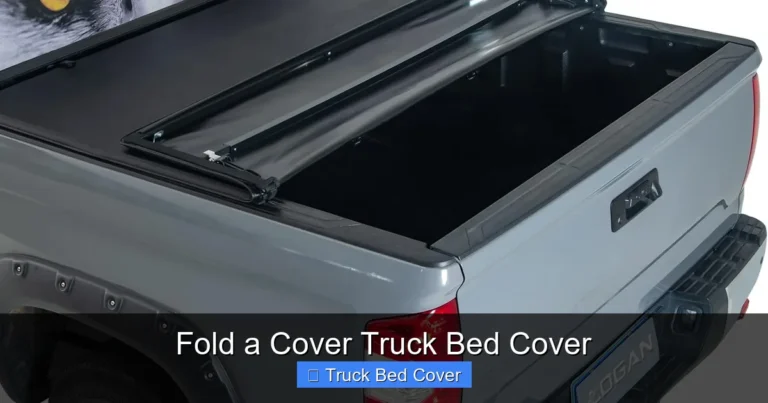
Folding Panel Covers
These feature multiple hinged sections that fold up like a garage door. They’re sturdy, lockable, and often come with drain tubes to manage water runoff.
– Pros: Strong, customizable, good for larger loads.
– Cons: Bulkier when folded, can be expensive.
– Best for: Tradespeople and outdoor enthusiasts.
Soft Tri-Fold Covers
Lightweight and flexible, tri-fold covers are made of layered fabric stretched over aluminum slats. They fold into three sections, allowing partial bed access.
– Pros: Easy to install, affordable, low profile.
– Cons: Not as durable as hard covers.
– Best for: Casual users on a budget.
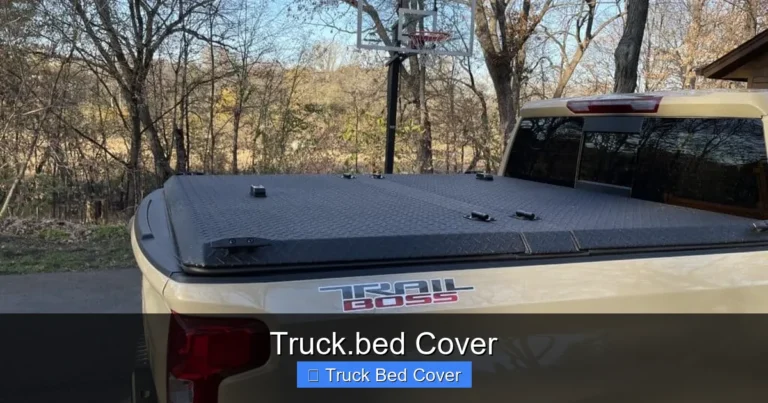
Hard One-Piece Covers
As the name suggests, these are single-panel designs made of fiberglass or aluminum. They sit flush with the bed and offer maximum security.
– Pros: Extremely durable, weatherproof, theft-resistant.
– Cons: Expensive, harder to remove fully.
– Best for: High-security needs and extreme weather.
Materials Matter: What to Look For
When shopping for a cover for truck bed Toyota Tacoma, material plays a huge role in performance, longevity, and cost. Let’s compare the most common options:
Vinyl
Commonly used in soft covers, vinyl is waterproof, UV-resistant, and relatively inexpensive. However, over time, exposure to sunlight can cause cracking or fading.
Aluminum
Lightweight yet strong, aluminum is ideal for hard covers. It resists rust and impacts well. Many Tacoma owners prefer aluminum for its balance of durability and affordability.
Fiberglass
Used in premium one-piece covers, fiberglass is impact-resistant and blends seamlessly with the truck’s body. But it’s heavier and can crack under stress.
Composite Materials
Combining wood, plastic, and resin, composites offer the best of both worlds—lightweight and strong. They’re often found in high-end retractable systems.
Always consider climate and usage. If you live in a harsh winter area, choose a cover with drainage features. For coastal regions, corrosion-resistant materials like powder-coated aluminum are a must.
Installation Tips for Your Toyota Tacoma
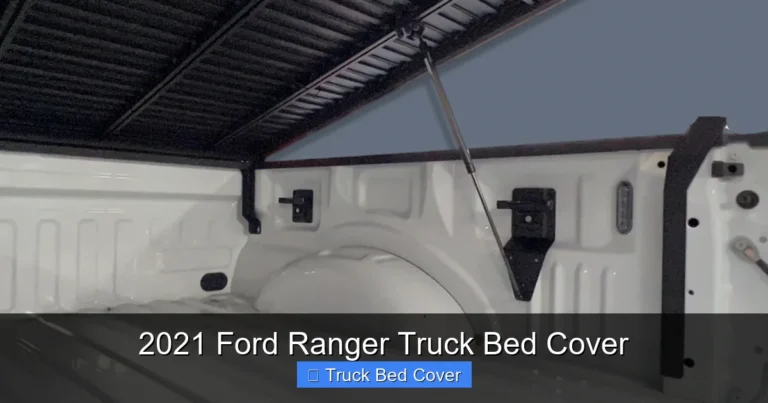
One of the best things about most tonneau covers is how easy they are to install. Most systems snap, clamp, or bolt onto existing bed rails without permanent modifications. Still, proper installation ensures safety, security, and longevity.
Here’s how to do it right:
1. Clear the Bed Area
Remove any debris, tools, or loose items from the truck bed. Clean the surface thoroughly to ensure a tight seal.
2. Measure and Verify Compatibility
Confirm your Tacoma’s model year, cab type (Double Cab or Access Cab), and bed length (5’ or 6’). Even small variations affect fit.
3. Follow Manufacturer Instructions
Most kits include detailed step-by-step guides. Take your time—rushing can lead to misalignment or leaks.
4. Use Included Hardware
Don’t substitute bolts or clamps. Using the wrong parts can compromise the seal and stability.
5. Test the Seal
After installation, close the cover completely and check for gaps. Rain tests (if possible) help identify leaks early.
Pro Tip: Apply weather stripping if recommended. This extra step enhances water resistance and reduces rattling.
Maintenance and Care
Even the best cover needs a little TLC. Here’s how to keep it in top shape:
– Wipe down the cover weekly with mild soap and water.
– Avoid using abrasive cleaners or pressure washers directly on seams.
– Lubricate moving parts (like latches or hinges) annually with silicone spray.
– Store the cover rolled or folded in a dry place when not in use.
– Inspect for tears, loose straps, or worn seals every six months.
For hard covers, check for scratches or dents after off-road trips. A quick touch-up with automotive paint can prevent rust.
Accessories to Enhance Your Cover
Want to take your setup to the next level? Consider these add-ons:
Cargo Management Systems
Use bed dividers, tie-downs, or cargo nets to organize gear inside. Some covers come with integrated racks for bikes or kayaks.
Locking Mechanisms
Upgrade to a dual-lock system (key + combination) for extra peace of mind.
Drain Tubes
Prevent water pooling in the bed by routing runoff away from sensitive areas.
LED Lighting
Add under-cover lighting for nighttime visibility and security.
Tailgate Seals
Complement your cover with a tailgate seal to create a full weatherproof barrier.
These small upgrades can make a big difference in usability and protection.
Real-World Benefits for Tacoma Owners
Toyota Tacomas are built tough—but they’re also used tough. Whether you’re hauling firewood, camping gear, or client invoices, your bed sees it all. A reliable cover transforms your Tacoma into a mobile command center.
Imagine driving home from a fishing trip with a dry cooler, protected rods, and muddy waders—all thanks to a sealed bed. Or picture a tradesperson who never worries about tools being stolen overnight. These aren’t just possibilities; they’re realities with the right cover for truck bed Toyota Tacoma.
And let’s not forget the fuel savings. Over a year of driving, a 5% improvement in MPG could save you $100–$200. Multiply that by thousands of miles, and it becomes significant.
Top Brands to Consider
With so many options, choosing a brand can feel overwhelming. Here are some trusted names known for quality and Tacoma-specific support:
– Bak Industries (BakFlip)
– UnderCover
– TruXedo
– DiamondBack
– Tonno Pro
Each offers models tailored to different Tacoma generations. Read reviews, watch installation videos, and check warranty terms before buying.
Final Thoughts
Investing in a cover for truck bed Toyota Tacoma is one of the smartest upgrades you can make. It protects your cargo, improves fuel economy, and elevates your truck’s appearance. With so many styles and materials available, there’s a perfect match for every driver—whether you prioritize security, convenience, or style.
Remember: a good cover fits like a glove, not a suit. Take time to measure, research, and choose wisely. Once installed, enjoy the peace of mind that comes with knowing your Tacoma is ready for anything.
Key Takeaways
- Enhanced Security: A cover for truck bed Toyota Tacoma prevents unauthorized access, protecting tools, equipment, and personal items from theft and weather.
- Improved Fuel Efficiency: Streamlined designs reduce wind resistance, helping your Tacoma achieve better gas mileage—sometimes by up to 10%.
- Diverse Material Options: Choose between soft vinyl, aluminum, fiberglass, or composite materials based on durability, weight, and cost.
- Easy Installation: Most covers install in under an hour without drilling or permanent modifications, making them ideal for DIYers.
- Weather Protection: Keeps cargo dry during rain, snow, or sun exposure—ideal for camping, construction, or daily commutes.
- Custom Fit Matters: Always verify compatibility with your Tacoma’s year, cab size (Double Cab vs. Access Cab), and bed length.
- Aesthetic Appeal: A well-fitted cover gives your Tacoma a clean, professional look that turns heads on the road.
Quick Answers to Common Questions
What type of cover is best for a Toyota Tacoma?
The best cover depends on your needs. Roll-up and retractable hard covers are popular for their balance of security, ease of use, and style. For heavy-duty use, consider a folding panel or one-piece hard cover.
Can I install a tonneau cover myself?
Yes! Most covers are designed for DIY installation and take less than an hour. Kits include hardware and instructions. Just ensure your Tacoma model matches the product specifications.
Do tonneau covers improve gas mileage?
Absolutely. By reducing wind resistance and creating a smoother airflow over the truck bed, a well-fitted cover can improve fuel efficiency by up to 10%.
Will a cover protect my cargo from theft?
Yes, especially hard covers with locking mechanisms. They conceal your belongings from view and make unauthorized access difficult.
Are covers compatible with all Tacoma models?
No—compatibility depends on the year, cab size, and bed length. Always verify fit before purchasing. Most manufacturers list supported models clearly.
Frequently Asked Questions
What’s the difference between a soft and hard tonneau cover?
A soft cover uses flexible fabric over slats and rolls up easily, while a hard cover has a rigid panel (aluminum or fiberglass) that sits flush with the bed. Hard covers offer better security and weather resistance.
Can I leave my tonneau cover on in the rain?
Yes, but ensure it’s sealed properly. Most quality covers are waterproof. Check for leaks after heavy rain and reapply weather stripping if needed.
How much does a cover for truck bed Toyota Tacoma cost?
Prices range from $150 for basic roll-ups to over $1,000 for premium retractable systems. Budget around $300–$700 for a mid-range option that balances quality and features.
Will a cover damage my truck bed?
No, if installed correctly. Most covers use non-invasive clamping or bolt-on systems. Avoid models that require drilling into the bed unless you’re comfortable with it.
Can I use a cover with a bedliner?
Yes, but you may need to trim the liner slightly for a flush fit. Some covers are designed specifically for trucks with bedliners—check compatibility before buying.
Do I need a cover if I have a bed extender?
It’s still recommended. A cover helps protect cargo and improves aerodynamics. Some extenders work well with certain cover models, but always verify compatibility.