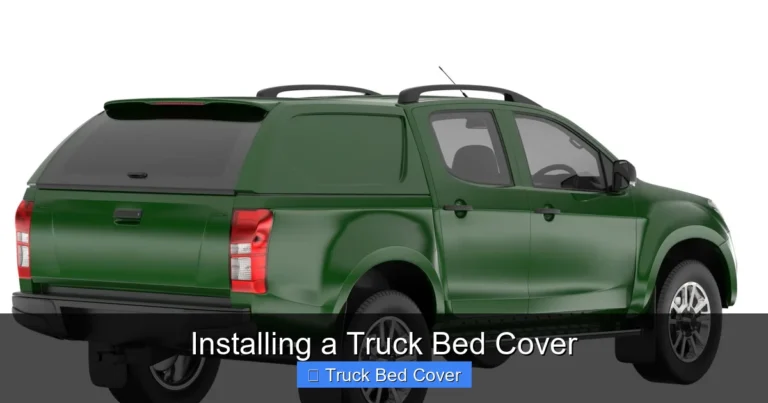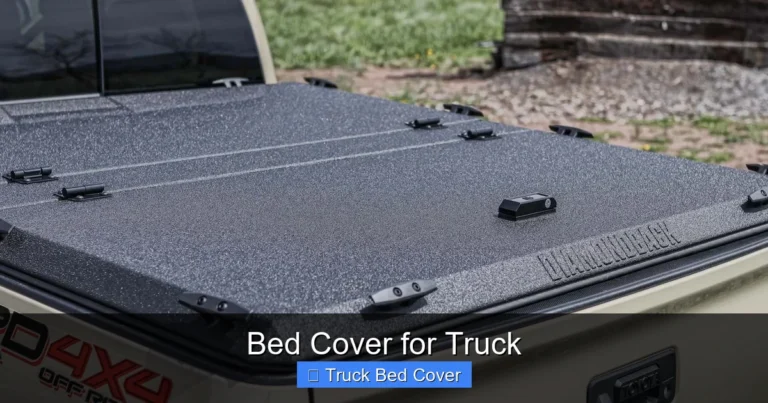
Vinyl Truck Bed Cover
A vinyl truck bed cover is a flexible, cost-effective solution that shields your truck bed from rain, snow, UV rays, and theft while improving fuel efficiency and aesthetics. Whether you’re hauling gear, tools, or groceries, this simple upgrade offers practical protection and long-term value without breaking the bank.
Key Takeaways
- Affordable Protection: Vinyl covers are one of the most budget-friendly options for securing your truck bed, offering excellent value compared to hard covers.
- Weather Resistance: High-quality vinyl withstands rain, snow, dust, and UV exposure, keeping your cargo dry and protected year-round.
- Easy Installation: Most vinyl covers can be installed in under 30 minutes without tools, making them ideal for DIY enthusiasts.
- Enhanced Security: A tight-fitting vinyl cover deters theft by concealing valuable items and reduces wind resistance for better fuel economy.
- Low Maintenance: Cleaning and maintaining a vinyl cover is simple—just hose it down or wipe with mild soap and water.
- Custom Fit Options: Many brands offer model-specific designs for popular truck makes and models, ensuring a snug fit.
- Drawbacks to Consider: Vinyl can tear under heavy impact and may stretch over time, especially if not properly tensioned during installation.
Quick Answers to Common Questions
What is a vinyl truck bed cover?
A vinyl truck bed cover is a soft, flexible tonneau cover made from waterproof fabric stretched over bows or rails. It protects the truck bed from weather and debris while allowing easy access to cargo.
How much does a vinyl truck bed cover cost?
Vinyl covers typically range from $150 to $400. Prices vary based on style, brand, and features like UV resistance or reinforced stitching.
Can a vinyl cover really keep water out?
Yes, if installed correctly. High-quality vinyl covers create a tight seal around the bed rails and tailgate, effectively blocking rain and snow.
Is installation hard?
No—most vinyl covers install in under 30 minutes using simple clamps or straps. No drilling or permanent modifications are required.
Will a vinyl cover scratch my truck bed?
Unlikely if handled carefully. Vinyl sits above the bed rails and doesn’t touch the floor. Just avoid dragging sharp objects directly on the cover.
📑 Table of Contents
- What Is a Vinyl Truck Bed Cover?
- Why Choose a Vinyl Truck Bed Cover?
- Types of Vinyl Truck Bed Covers
- How to Install a Vinyl Truck Bed Cover
- Maintaining Your Vinyl Truck Bed Cover
- Comparing Vinyl to Other Bed Cover Materials
- Best Uses for a Vinyl Truck Bed Cover
- Common Misconceptions About Vinyl Covers
- Top Brands and Models to Consider
What Is a Vinyl Truck Bed Cover?
A vinyl truck bed cover is a soft-top tonneau cover made from durable, waterproof fabric stretched over a series of aluminum or steel bows. Unlike rigid hard covers, vinyl covers fold or roll up for easy access to the truck bed. These covers are designed to sit just above the truck bed rails, covering the entire cargo area and sealing tightly at the sides and tailgate.
The primary purpose of a vinyl cover is to protect your truck bed and its contents from environmental damage. Whether you’re driving through a sudden downpour or leaving tools exposed to the sun all day, a vinyl cover acts as a protective barrier. It’s also lightweight, which means it doesn’t add significant weight to your vehicle—unlike metal or fiberglass hardtops.
Vinyl covers come in various styles: roll-up, tri-fold, and retractable. Each type offers different levels of convenience and protection, but they all share one thing in common: a strong emphasis on affordability and ease of use. For truck owners who want practicality without spending hundreds on a hardtop, vinyl is often the go-to choice.
Why Choose a Vinyl Truck Bed Cover?
If you’ve been considering a truck bed cover, you might wonder why vinyl stands out from other options like fiberglass, aluminum, or canvas covers. The answer lies in a combination of cost, functionality, and simplicity.
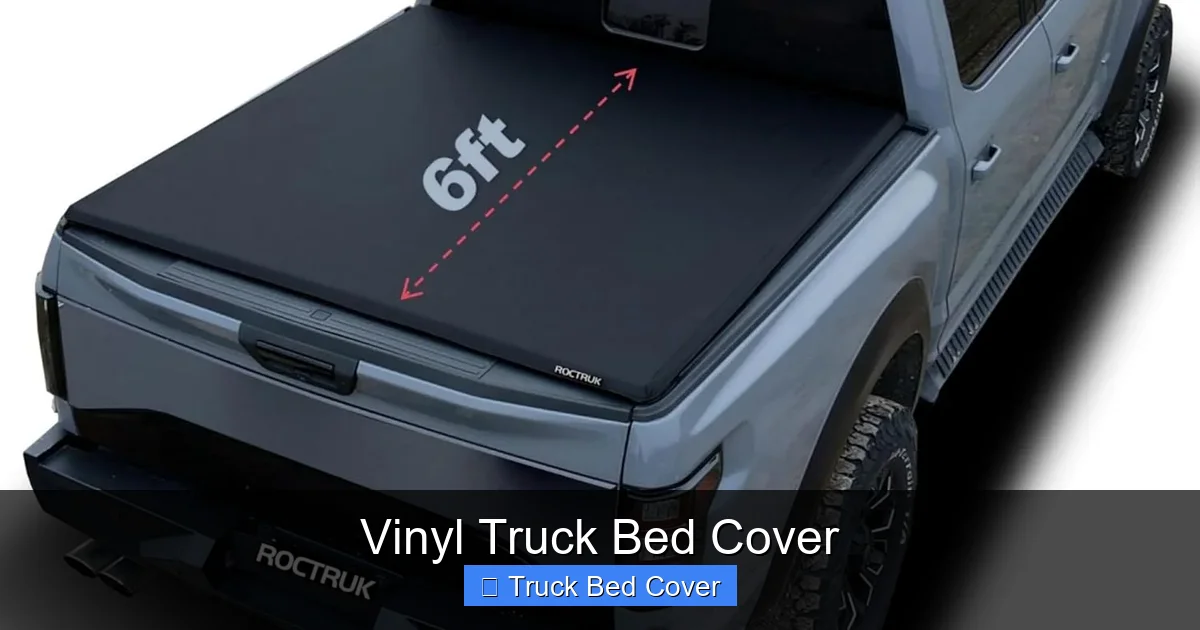
Visual guide about Vinyl Truck Bed Cover
Image source: m.media-amazon.com
Cost-Effective Protection
Vinyl covers typically range from $150 to $400, depending on the brand and features. Compare that to hard covers, which can easily exceed $1,000, and you’ll see why vinyl is so popular among everyday drivers. You get solid protection without the premium price tag.
Lightweight Design
Because vinyl is made of thin, flexible material, it adds minimal weight to your truck. This is especially important for fuel efficiency and handling. Hard covers, by contrast, can add 100+ pounds and affect ride quality.
Quick and Tool-Free Setup
Most vinyl covers are designed for fast installation. Roll-up models, for example, use clamps and straps that snap into place without drilling or welding. If you’re moving frequently or renting trucks, this flexibility is invaluable.
Improved Fuel Economy
A sealed truck bed reduces wind resistance—especially at highway speeds. Even a modest improvement in aerodynamics can save several miles per gallon over time. While the savings aren’t massive, they add up during long trips.
Stylish Appearance
Vinyl covers give your truck a sleek, finished look. They blend seamlessly with your vehicle’s design and eliminate the “open box” appearance. Whether you’re heading to work or the weekend trail, your truck looks more put-together.
Types of Vinyl Truck Bed Covers
Not all vinyl covers are created equal. The market offers several styles, each suited to different needs and driving habits. Understanding the differences helps you pick the right one for your truck.
Roll-Up Covers
Roll-up covers are the most common type of vinyl cover. They feature a single piece of vinyl fabric attached to a central roller bar. To open the bed, you simply unlatch and pull the cover toward the cab, then secure it with straps or buckles.
Pros:
- Very affordable (starting around $180)
- Easy to install and remove
- Full bed access when rolled back
- No moving parts to wear out
Cons:
- Vinyl can sag if not properly tensioned
- Exposed to sun and elements when rolled up
- Limited durability compared to higher-end materials
- Balances accessibility and coverage
- More stable than roll-ups in windy conditions
- Good for daily use and occasional full-bed loading
- Can be heavier than roll-ups
- May require occasional adjustment of hinges
- Less compact storage when folded
- Smooth operation with minimal effort
- Clean, flush appearance
- No external hardware visible
- Higher price point ($500–$900)
- Requires precise installation
- More complex repair if tracks misalign
- Install on a cool, dry day—vinyl expands in heat and contracts in cold.
- Use a lubricant like soapy water to help slide clamps along the rails.
- Re-tighten straps after the first week, as materials settle.
- UnderCover FlexPORC: Known for its flexible PVC construction and easy roll-up action. Great for light-duty use.
- TruXedo TruKlas II: A hybrid roll-up with a soft vinyl top and hard composite rails. Durable and weather-sealed.
- BakFlip MX4: While technically a hardcover, it uses a vinyl-like fabric and offers excellent value.
- BAK Revolve: A roll-up with a unique rolling mechanism that keeps the cover protected even when retracted.
- LT Cover LT-210: Budget-friendly roll-up with reinforced edges and UV protection.
Tri-Fold Covers
Tri-fold covers divide the vinyl into three sections that fold forward in thirds. These are popular because they provide quick access to the front of the bed while keeping the rear covered.
Pros:
Cons:
Retractable Covers
Retractables use a track system along the inside of the truck bed rails. The vinyl rolls onto a drum at the cab end, allowing smooth, controlled extension and retraction.
Pros:
Cons:
How to Install a Vinyl Truck Bed Cover
Installing a vinyl cover is straightforward, but doing it correctly ensures a tight seal, prevents leaks, and extends the life of your cover. Follow these steps for a professional-looking result.
Step 1: Prepare Your Truck Bed
Start by cleaning the truck bed thoroughly. Remove dirt, rust, or old adhesive residue. Check that the bed rails are free of dents or warping that could interfere with the cover’s fit. If necessary, sand and repaint damaged areas.
Step 2: Unpack and Inspect the Cover
Carefully unpack your vinyl cover and check for any defects or shipping damage. Lay it out flat on the bed to ensure it matches the dimensions of your truck. Refer to the manufacturer’s instructions for model-specific details.
Step 3: Position the Cover
Place the cover over the bed, aligning the front edge with the tailgate. Make sure it drapes evenly across the sides. For roll-up models, position the roller bar securely at the front of the bed.
Step 4: Secure the Clamps or Straps
Tighten the side clamps or ratchet straps evenly. Avoid over-tightening, which can warp the rails or tear the vinyl. Use a rubber mallet gently if needed to help seat the clamps.
Step 5: Test the Seal
Close the tailgate and check for gaps or sagging. Adjust straps or reposition the cover as needed. A good seal keeps water out and improves wind resistance.
Pro Tips:
Maintaining Your Vinyl Truck Bed Cover
Like any vehicle accessory, a vinyl cover requires regular care to stay effective and last longer. With proper maintenance, many covers last 5–7 years or more.
Daily Use Tips
After heavy rain, wipe off pooled water from the surface. This prevents mineral buildup and prolongs the life of the vinyl. Avoid dragging sharp objects across the cover—use a soft cloth or towel to move items.
Cleaning Routine
Every few months, clean your cover with mild soap and lukewarm water. A soft sponge or microfiber cloth works best. Rinse thoroughly and allow it to air dry before rolling or folding.
Winter Care
In snowy climates, brush off accumulated snow instead of letting it melt and refreeze. Ice buildup can crack or stretch the vinyl. If snow piles up, consider removing the cover temporarily.
UV Protection
Prolonged sun exposure fades and weakens vinyl. If possible, park in the shade or use a reflective sunshade over the cover. Some manufacturers offer UV-treated fabrics—look for those if you live in sunny regions.
Repairing Minor Damage
Small tears or punctures can often be patched with vinyl repair kits available online. Larger damages may require replacement. Always address issues early to prevent further degradation.
Comparing Vinyl to Other Bed Cover Materials
To make an informed decision, it helps to compare vinyl with other common truck bed cover materials: aluminum, fiberglass, canvas, and hard plastic.
Vinyl vs. Aluminum
Aluminum covers are rigid and extremely durable, ideal for commercial use. But they’re heavy, expensive, and difficult to install. Vinyl offers similar weather protection at a fraction of the cost and weight.
Vinyl vs. Fiberglass
Fiberglass hardtops are stylish and secure but prone to cracking in cold weather and require professional installation. Vinyl is far more forgiving and user-friendly.
Vinyl vs. Canvas
Canvas covers absorb moisture and can mildew if not treated. Vinyl repels water instantly and dries quickly. However, canvas is slightly softer and quieter in wind—important for some drivers.
Vinyl vs. Hard Plastic
Hard plastic covers (like fiberglass or ABS) are rigid and impact-resistant. But they’re noisy, expensive, and don’t adapt well to temperature changes. Vinyl remains flexible and quiet.
In short, vinyl strikes the best balance between performance, price, and usability for most truck owners.
Best Uses for a Vinyl Truck Bed Cover
A vinyl cover isn’t just for show—it serves real-world purposes that improve your daily driving experience.
Cargo Protection
Keep groceries, electronics, or camping gear dry during unexpected showers. No more soggy lunchboxes or ruined equipment.
Worksite Utility
Protect tools, paint cans, or construction materials from dust and rain. A covered bed keeps your workspace organized and professional.
Recreational Activities
Whether you’re hauling kayaks, bikes, or firewood, a vinyl cover secures your load and prevents shifting during transit.
Urban Commuting
In cities, a covered bed reduces visibility of valuables, lowering theft risk. It also gives your truck a cleaner, more modern look.
Seasonal Storage
During winter, cover your bed to keep snow and ice from accumulating inside. In summer, block out intense sunlight that warps plastics or melts tarps.
Common Misconceptions About Vinyl Covers
Despite their popularity, several myths about vinyl truck bed covers persist. Let’s clear them up.
Myth 1: “Vinyl Covers Are Too Weak”
While vinyl isn’t bulletproof, high-quality versions resist tearing from minor impacts and stand up to harsh weather. They won’t stop a sledgehammer strike, but they’ll protect against everyday hazards.
Myth 2: “They Leak Easily”
Modern vinyl covers use reinforced edges and tight-fit systems that prevent leaks. Poor installation is usually the culprit—not the material itself.
Myth 3: “They Look Cheap”
Many vinyl covers now feature textured finishes and color-matched trim that rival hardtops. Brands like UnderCover and TruXedo offer sleek, OEM-style appearances.
Myth 4: “They Reduce Bed Accessibility”
Roll-up and tri-fold designs allow full or partial access in seconds. You’re not stuck constantly opening and closing a heavy lid.
Myth 5: “They Don’t Last”
With care, premium vinyl covers outlast cheaper alternatives. Just avoid dragging sharp objects and store properly when not in use.
Top Brands and Models to Consider
Choosing a reputable brand ensures quality, warranty support, and compatibility. Here are five top-rated vinyl truck bed covers:
Always check customer reviews and verify fitment before purchasing. Compatibility varies by truck year, model, and bed length.
Frequently Asked Questions
Are vinyl truck bed covers worth it?
Absolutely. They offer affordable protection from the elements, improve fuel efficiency, and enhance your truck’s appearance. For most drivers, the benefits far outweigh the costs.
Do I need special tools to install a vinyl cover?
Nope. Most kits include everything you need—clamps, straps, and instructions. No wrenches or drills required.
Can I drive with the vinyl cover open?
Yes, roll-up and tri-fold models let you leave the cover partially or fully open for quick access. Just secure it with straps to prevent flapping.
How do I clean my vinyl cover?
Wipe it down with mild soap and water every few months. Avoid harsh chemicals or abrasive scrubbers that can damage the surface.
Will a vinyl cover fit my truck?
Check your truck’s make, model, year, and bed length. Most brands list compatible vehicles on their websites or packaging.
Can I wash my truck with the vinyl cover on?
Yes, but avoid high-pressure washes directly on the cover. Instead, hose off the bed and let the cover air dry.