How to Clean Vinyl Truck Bed Cover
Keeping your vinyl truck bed cover clean is essential for maintaining its appearance, functionality, and lifespan. A dirty or neglected cover can lead to mold, mildew, fading, and even premature wear. With the right tools and routine, you can restore shine and protect your investment in just a few simple steps.
Key Takeaways
- Regular cleaning prevents buildup: Dust, dirt, and grime accumulate over time and can dull the finish of your vinyl truck bed cover if not cleaned regularly.
- Use gentle, vinyl-safe cleaners: Harsh chemicals or abrasive tools can damage the protective coating on your vinyl cover.
- Dry before storing: Always ensure the cover is completely dry before folding or storing to avoid mold and mildew.
- Inspect for damage during cleaning: While cleaning, check for tears, UV damage, or loose stitching that may need repair.
- Apply a vinyl protectant: After cleaning, use a high-quality protectant to maintain water resistance and prevent cracking.
- Clean the bed liner too: The truck bed itself should be cleaned before covering it to ensure a clean, smooth surface.
- Frequency matters: Clean your vinyl truck bed cover every 2-4 months depending on climate and usage.
Quick Answers to Common Questions
How often should I clean my vinyl truck bed cover?
It’s recommended to clean your vinyl truck bed cover every 2 to 4 months, depending on usage and climate. More frequent cleaning is needed in dusty, salty, or humid environments.
Can I use dish soap to clean my vinyl cover?
Yes, mild dish soap mixed with warm water can be used in a pinch, but avoid strong detergents. They can strip protective layers and leave residue. Always rinse thoroughly afterward.
Is pressure washing safe for vinyl covers?
Only if done carefully. Use a pressure washer on a low setting (under 1,200 PSI) and keep the nozzle at least 12 inches away. Never aim directly at seams or zippers.
What happens if I don’t dry the cover completely?
Moisture trapped in folds can lead to mold, mildew, and unpleasant odors. It can also weaken the vinyl over time. Always dry thoroughly before storing.
Should I clean the inside of the cover too?
Yes. The underside is exposed to dirt and moisture from the truck bed. Lightly wiping it with a damp cloth during your regular clean helps prevent contamination when you roll it up.
📑 Table of Contents
- How to Clean Vinyl Truck Bed Cover: A Complete Guide
- Why Cleaning Your Vinyl Truck Bed Cover Matters
- Gathering the Right Supplies
- Step-by-Step: How to Clean Vinyl Truck Bed Cover
- Common Mistakes to Avoid
- Special Considerations for Different Climates
- When to Repair vs. Replace
- Pro Tips for Long-Lasting Protection
- Conclusion: Keep Your Cover Looking Sharp
How to Clean Vinyl Truck Bed Cover: A Complete Guide
Your vinyl truck bed cover isn’t just a stylish addition—it’s a vital piece of equipment that protects your cargo from rain, snow, sun, and theft. But like any protective gear, it needs care. Over time, dirt, salt, bird droppings, tree sap, and general grime can build up on the surface, making your cover look faded and worn. That’s why learning how to clean vinyl truck bed cover properly is so important.
Many people assume that a quick hose-down or pressure wash is enough, but using the wrong method can actually do more harm than good. The delicate balance between thorough cleaning and preserving the vinyl’s integrity means you need the right products, tools, and techniques. In this guide, we’ll walk you through everything you need to know—from prep work to post-cleaning care—so your vinyl truck bed cover stays in top shape for years.
Why Cleaning Your Vinyl Truck Bed Cover Matters
Think of your truck bed cover as a shield. It stands between your belongings and the elements, but it’s also exposed to the same harsh conditions—direct sunlight, heavy rain, road salt, and flying debris. Without proper maintenance, these elements can cause irreversible damage.
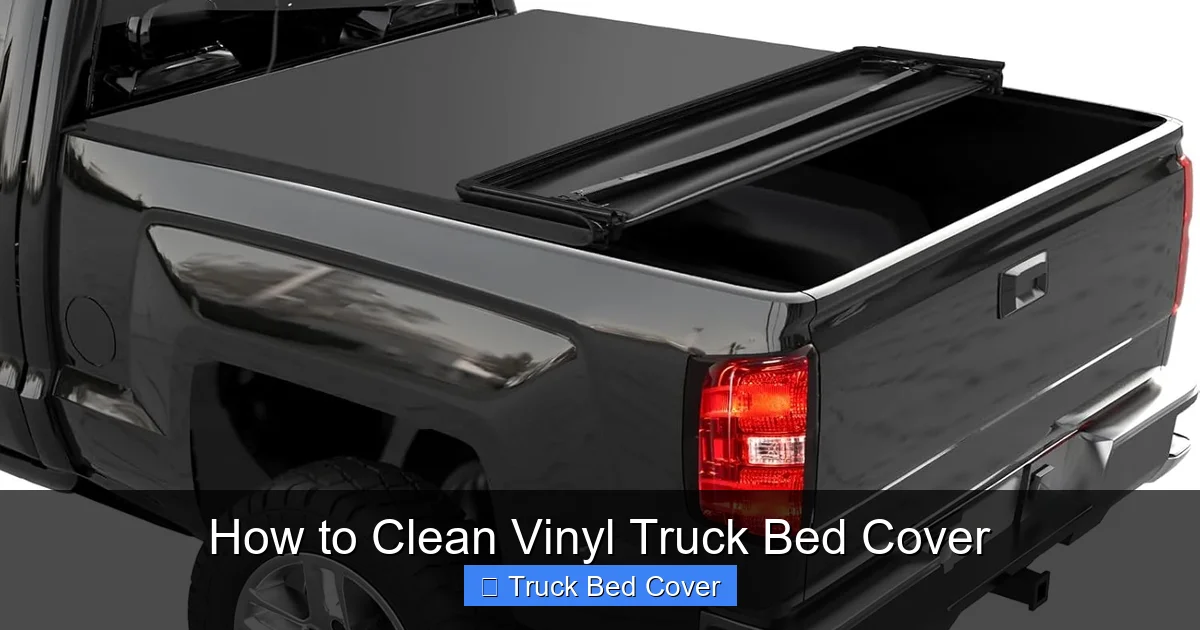
Visual guide about How to Clean Vinyl Truck Bed Cover
Image source: m.media-amazon.com
Vinyl degrades when exposed to UV rays and moisture without protection. When left uncleaned, organic matter like leaves or bird droppings can etch into the material, creating permanent stains. Salt from winter roads accelerates corrosion and discoloration. And if the cover isn’t dried properly after exposure to water, mold and mildew can grow underneath the folds, leading to odors and weakening the material.
But beyond aesthetics, a clean and well-maintained cover ensures it functions as intended. A dirty cover can trap moisture, reduce seal integrity, and make it harder to open and close smoothly. So, cleaning isn’t just about looks—it’s about performance and longevity.
Gathering the Right Supplies
Before you start scrubbing, make sure you have everything you need. Using the wrong product or tool can scratch the surface or strip away protective layers. Here’s what you’ll need:
- Soft-bristle brush or microfiber cloth: Avoid wire brushes or stiff sponges that can scratch.
- Bucket of warm water: Not hot—excessive heat can warp vinyl.
- Vinyl cleaner or mild soap: Look for pH-balanced formulas designed specifically for automotive vinyl.
- Spray bottle: For applying cleaner evenly.
- Lint-free towels or chamois: For drying without streaks.
- Vinyl protectant or conditioner: Recommended for long-term care.
- Isopropyl alcohol (optional): For removing stubborn stains or residue.
You might already have some of these items around the house—dish soap works in a pinch, though it’s not ideal for frequent use. But for best results, invest in a dedicated vinyl cleaner. Products like Meguiar’s Quik Vinyl Cleaner or Chemical Guys V7 Detailer are trusted by professionals and DIYers alike.
Step-by-Step: How to Clean Vinyl Truck Bed Cover
1. Park in a Shaded Area
Start by parking your truck in a shaded spot. Cleaning under direct sunlight can cause the cleaner to dry too quickly, leaving behind streaks or mineral deposits. Morning or evening light is ideal—cool and gentle.
2. Remove Loose Debris
Before adding water or cleaner, shake off or gently brush away loose dirt, leaves, or sand. You can even use a soft broom to sweep the surface. This prevents scratching when you start washing.
3. Rinse with Fresh Water
Use a garden hose with a spray nozzle set to a low-pressure stream. Start at one end and work your way across, rinsing off surface grime. Make sure both sides of the cover are wet—this helps loosen embedded dirt.
4. Apply Cleaner
In a bucket, mix warm water with a small amount of vinyl cleaner or mild dish soap. Dip your soft brush into the solution and gently scrub the cover in straight lines—avoid circular motions, which can spread dirt. Focus on stained or dirty areas, but don’t over-scrub.
If you’re dealing with tough spots like old grease marks or road tar, spray a bit of isopropyl alcohol on a cloth and dab the area. Let it sit for 30 seconds, then wipe clean. Never spray alcohol directly onto the vinyl—it can dry out the material over time.
5. Rinse Thoroughly
Rinse off all the cleaner using fresh water. Make sure no soap residue remains, as it can attract more dirt over time. Soap left behind acts like a magnet for grime.
6. Dry Completely
This is one of the most important steps. Use a lint-free towel or microfiber cloth to dry the cover thoroughly. Pay extra attention to seams and folds where moisture can get trapped. If possible, let the cover air-dry for another hour before rolling it up.
7. Apply Protectant
Once dry, apply a high-quality vinyl protectant using a clean applicator pad. Work the product into the surface in small sections, following the direction of the grain. This creates a barrier against UV rays, moisture, and cracking. Don’t forget to protect the edges and corners—they’re often overlooked but highly exposed.
Common Mistakes to Avoid
Even experienced truck owners make mistakes when cleaning their covers. Here are some common errors and how to fix them:
- Using household bleach or ammonia: These can break down vinyl polymers, causing yellowing and brittleness.
- Pressure washing above 1,200 PSI: High pressure can peel back seams or crack the material.
- Skipping the protectant step: Without a protectant, your cover will age faster, especially in sunny climates.
- Storing a damp cover: Always ensure the cover is 100% dry before folding. Use desiccant packs in storage containers if needed.
- Ignoring the bed liner: A dirty bed can transfer grime to the underside of your cover. Clean your truck bed first.
Special Considerations for Different Climates
The frequency and method of cleaning your vinyl truck bed cover can vary based on where you live. Here’s how different environments affect your maintenance routine:
Hot & Humid Climates
In places like Florida or Texas, humidity promotes mold growth. After cleaning, make sure the cover dries completely—consider using a fan or dehumidifier in your garage. Also, apply a UV-blocking protectant more frequently, as intense sun accelerates fading.
Snowy & Salty Regions
If you drive in winter climates, road salt is your enemy. Rinse the cover within 24 hours of exposure to prevent salt crystals from hardening into the vinyl. Use a cleaner formulated to neutralize alkaline residues.
Dusty Desert Areas
Dust and sand act like sandpaper over time. Clean your cover more often—every 6–8 weeks—and always rinse first before applying cleaner to remove abrasive particles.
Coastal Environments
Saltwater spray and ocean mist are corrosive. After each beach trip or coastal drive, give your cover a quick rinse with fresh water to wash away salt buildup.
When to Repair vs. Replace
No matter how well you care for it, vinyl truck bed covers eventually show wear. But knowing when to repair versus replace saves you money and keeps your truck protected.
If you notice minor scuffs, small cracks, or faded spots, a good cleaning and protectant application might restore the cover. However, if you see:
- Large tears or holes that compromise security
- Delamination (layers separating)
- Severe cracking or brittleness
- Mold deep within the material
Then it’s time to consider replacement. Most vinyl covers last 5–10 years with proper care, but neglect can cut that lifespan in half.
Pro Tips for Long-Lasting Protection
Want your vinyl truck bed cover to stay looking brand new? Follow these expert recommendations:
- Clean every 2–4 months: Regular maintenance prevents buildup and makes deep cleans easier.
- Use a cover when parked: Even if it’s rolled up, a full cover shields the material from UV and weather.
- Store indoors when possible: Keep the cover in a garage or shed to extend its life.
- Check seals and latches: Damaged seals allow water intrusion. Replace weatherstripping if cracked.
- Rotate the cover occasionally: If stored flat, shift the fold line every few months to prevent creases from becoming permanent.
Conclusion: Keep Your Cover Looking Sharp
Cleaning your vinyl truck bed cover doesn’t have to be a daunting task. With the right approach—gentle cleaning, thorough rinsing, complete drying, and regular protection—you can keep your cover looking sleek and performing reliably for years. Remember, prevention is key: a little effort now saves you from costly replacements later.
Whether you’re hauling gear for work or weekend adventures, a well-maintained cover adds value, security, and peace of mind. So grab your supplies, follow these steps, and treat your vinyl truck bed cover like the important asset it is.
Frequently Asked Questions
Can I use bleach to remove stains from my vinyl truck bed cover?
No, bleach is too harsh and can permanently damage vinyl by breaking down its chemical structure. Use a vinyl-specific cleaner instead.
Will cleaning restore faded vinyl?
Cleaning removes surface grime and can temporarily brighten faded vinyl, but it won’t fully reverse sun damage. For severe fading, a professional restorer or replacement may be needed.
Do I need special tools to clean a roll-up or tonneau cover?
Not necessarily. The same cleaning principles apply, but focus on accessible areas. For retractable covers, clean the rails separately with a soft brush and mild cleaner.
How do I remove bird droppings from vinyl?
Soak the area with water first. Once softened, gently wipe with a microfiber cloth dampened with vinyl cleaner. Avoid scraping, as this can scratch the surface.
Can I clean my vinyl cover while it’s still on the truck?
Yes, but it’s more efficient to remove it for thorough cleaning. If cleaning on-truck, use a hose with low pressure and avoid spraying directly into seams or electronics.
What’s the best time of day to clean my cover?
Early morning or late afternoon is ideal. Avoid direct sunlight, as it can cause cleaner to dry too fast and leave streaks. Cooler temperatures help preserve the vinyl.