How to Clean Truck Bed Cover
Keeping your truck bed cover clean isn’t just about looks—it’s about protecting your investment and maintaining functionality. Over time, dirt, grime, bird droppings, and UV damage can weaken materials and reduce lifespan. With the right tools and techniques, you can restore your cover’s shine and extend its life significantly.
Key Takeaways
- Regular cleaning prevents buildup: Washing your truck bed cover every 4–6 weeks keeps it looking new and avoids stubborn stains.
- Use gentle products: Harsh chemicals can damage rubber seals or vinyl coatings—opt for pH-neutral cleaners instead.
- Start with a rinse: Always rinse off loose debris before applying soap to prevent scratching during scrubbing.
- Drying is crucial: Never let moisture sit on the surface; dry thoroughly to avoid mold, mildew, or warping.
- Condition leather or vinyl: Use a dedicated conditioner to maintain flexibility and prevent cracking in cold weather.
- Inspect seals and hinges: Check for wear after cleaning and address issues early to prevent leaks or malfunctions.
- Safety first: Work in shaded areas to avoid water spots and wear gloves if using stronger detergents.
Quick Answers to Common Questions
Can I use a pressure washer on my truck bed cover?
It’s generally not recommended. Pressure washers above 1200 PSI can damage seals, fabric, or paint. Stick to a garden hose with low pressure for safe cleaning.
How often should I clean my truck bed cover?
For routine maintenance, clean every 4–6 weeks. Do a deeper clean every 3–6 months, especially if you frequently haul dirty or wet items.
Will vinegar damage my truck bed cover?
In most cases, no. White vinegar is safe for fabric, vinyl, and aluminum when diluted (1:1 with water). Test on a small area first, and avoid prolonged exposure on rubber seals.
Do I need special cleaner for fiberglass caps?
Yes. Use a pH-neutral automotive cleaner. Avoid ammonia or acid-based products—they etch the surface and cause permanent cloudiness.
How do I remove bird droppings safely?
Rinse immediately with lukewarm water to soften. Then gently wipe with a damp microfiber cloth. Do not rub—acidic droppings can etch painted surfaces.
📑 Table of Contents
- How to Clean Truck Bed Cover: A Complete Guide for Every Owner
- Understanding Your Truck Bed Cover
- Gathering the Right Supplies
- Step-by-Step Cleaning Process
- Special Considerations by Material
- Deep Cleaning vs. Routine Maintenance
- Common Mistakes to Avoid
- When to Seek Professional Help
- Protecting Your Investment Long-Term
- Conclusion
How to Clean Truck Bed Cover: A Complete Guide for Every Owner
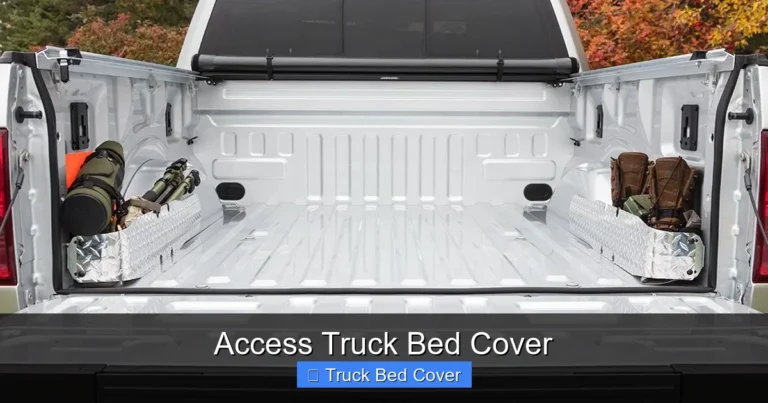
Let’s face it—your truck bed cover is more than just a piece of equipment tucked behind the cab. It’s your shield against rain, dust, sun, and theft. Whether you’ve got a soft roll-up, hard tri-fold, retractable, or fiberglass cap, keeping it clean isn’t optional—it’s essential. Dirt, bird droppings, sap, road salt, and even spilled coffee can degrade materials over time, leading to discoloration, stiffness, or worse, premature failure.
But don’t worry. Cleaning a truck bed cover doesn’t require expensive gear or hours of labor. With a few simple steps, common household items, and a little elbow grease, you can keep your cover looking like new year after year. This guide walks you through everything from prep work to post-cleaning care, tailored to different cover types and materials.
Understanding Your Truck Bed Cover
Before diving into the cleaning process, it helps to know what kind of cover you have. Not all covers are made the same, and some materials respond differently to water, soap, and pressure.
Common Types of Truck Bed Covers
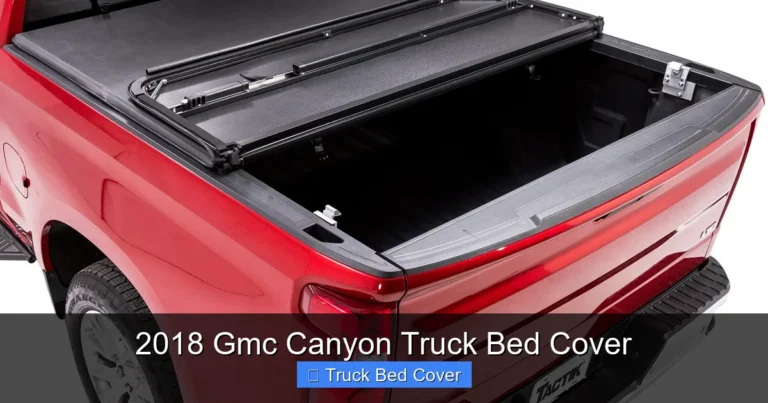
- Soft Roll-Up Covers: Made from heavy-duty fabric (often canvas or polyester). These are lightweight and easy to operate but can collect dirt in folds and seams.
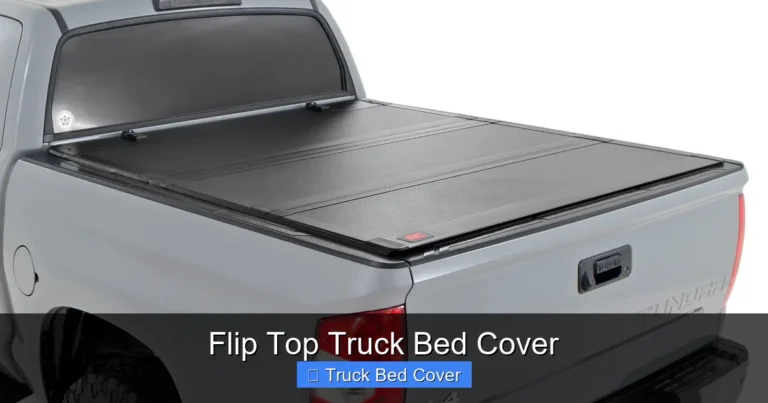
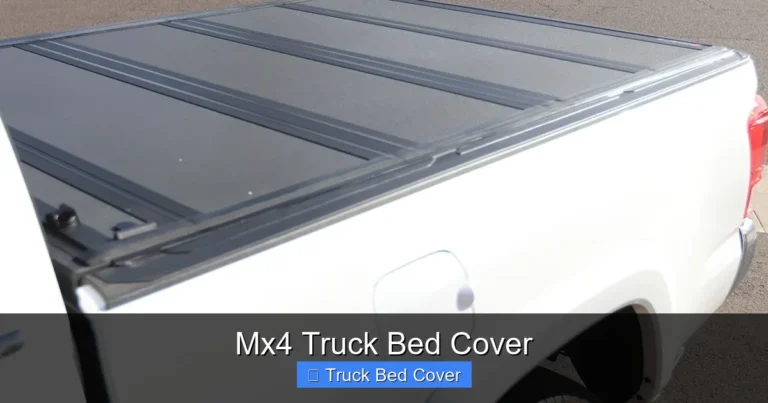
- Hard Tri-Fold Covers: Typically aluminum with a powder-coated finish. They’re rigid, secure, and resistant to scratches—but joints and seals need attention.
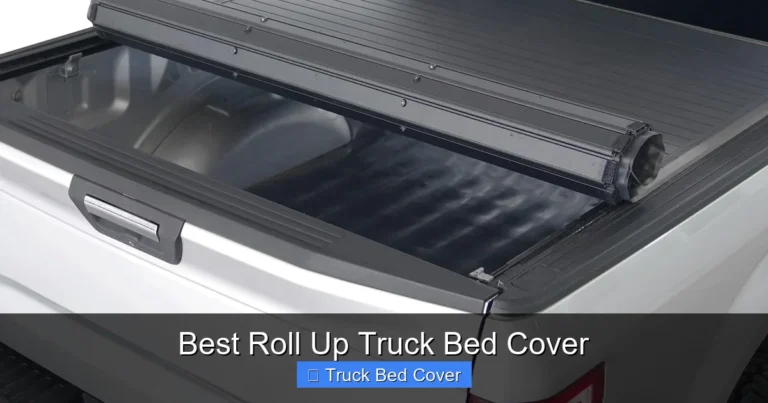
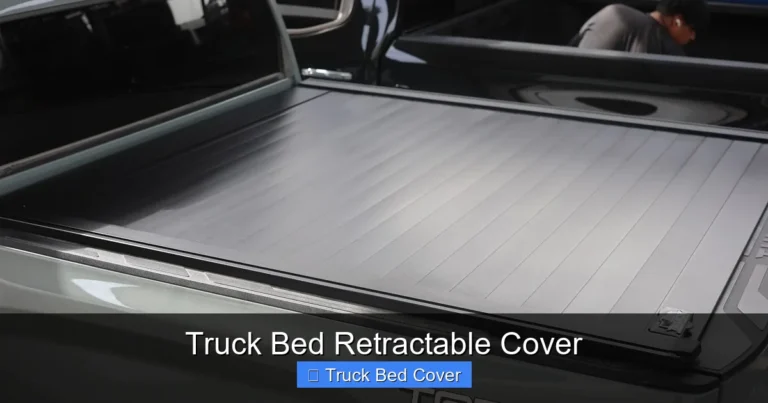
- Retractable Covers: Motorized systems that slide back into a canister. Often made of reinforced fabric or metal panels. Require careful handling during cleaning.
- Fiberglass Caps: One-piece shells that replace the entire tailgate. Usually painted and sealed; sensitive to acidic substances.
Each type has unique maintenance needs. For example, fabric covers won’t handle high-pressure washes well, while metal panels can corrode if not dried properly. Knowing your cover’s material helps you choose the safest and most effective cleaning method.
Gathering the Right Supplies
You don’t need a professional detailing kit to get great results. Most supplies are things you probably already own or can pick up at any hardware store.
Essential Cleaning Tools & Products
- A bucket or sprayer (preferably with adjustable nozzle)
- pH-neutral automotive cleaner or mild dish soap (like Dawn Free & Clear)
- Microfiber towels or soft-bristle brushes (avoid wire brushes!)
- Lukewarm water
- Isopropyl alcohol (for spot treatment of sticky residue)
- Vinyl or leather conditioner (if applicable)
- Gloves (optional but recommended)
- Tarp or drop cloth (to protect your truck bed during cleaning)
Why pH-neutral cleaner? Because harsh soaps strip protective coatings and leave residues that attract more dirt. Mild dish soap works fine for light cleaning, but if you’re dealing with oil stains or road grime, opt for a dedicated auto wash product.
Step-by-Step Cleaning Process
Now for the main event. Follow these steps carefully to avoid damaging your cover while getting it sparkling clean.
Step 1: Park Smartly and Prep the Area
Choose a shaded spot—direct sunlight causes soap suds to dry quickly, leaving ugly spots. Lay down a tarp inside the bed to catch drips and protect cargo. Open the cover fully so you can access every inch without bending awkwardly.
Step 2: Rinse Off Loose Debris
Using a garden hose with a gentle spray setting, rinse both sides of the cover. This removes loose dirt, sand, leaves, and bugs. Don’t skip this step—scrubbing dry gunk will only scratch the surface.
Step 3: Apply Cleaner Gently
Dilute your chosen cleaner per package instructions (usually 1:10 ratio with water). Spray or pour onto a microfiber cloth instead of directly onto the cover—this gives you better control and reduces overspray onto windows or paint. Work in small sections, especially on textured or folded areas where grime hides.
Step 4: Scrub Lightly, Don’t Aggress
Use a soft brush or cloth to gently agitate the surface. Focus on high-stain zones like near the tailgate hinge or where mud splatters accumulate. Avoid scrubbing too hard on seams or rubber seals—they’re delicate and can tear.
Step 5: Rinse Thoroughly
Rinse off all soap residue using low-pressure water. Soap left behind attracts dust and creates a dull film. Make sure no suds remain under flaps or around edges.
Step 6: Dry Completely
Wipe down with a clean microfiber towel, then allow to air-dry completely. Moisture trapped in crevices leads to mold or warping. If possible, prop the cover open slightly to improve airflow.
Special Considerations by Material
Not all covers behave the same when wet. Here’s how to tailor your approach based on material.
Fabric Covers (Soft Roll-Ups)
These breathe well but can mildew if not dried fast. After rinsing, blot excess water rather than rubbing. Never use bleach or ammonia-based cleaners—they weaken fibers. Instead, mix equal parts water and white vinegar for natural stain removal.
Aluminum Panels (Hard Folds/Retractables)
Aluminum resists rust but shows water spots easily. Use a non-abrasive cleaner and dry immediately with a chamois cloth. For oxidation or old scuffs, try a paste made of baking soda and water—but test on a hidden area first.
Vinyl Windows (On Some Hard Covers)
Vinyl can yellow over time due to UV exposure. Clean with diluted vinegar solution (1 cup vinegar per gallon water), then apply vinyl protectant. Avoid silicone sprays—they trap dirt between layers.
Leather Trim (Rare but Possible)
If your cover has faux leather accents, treat them like car interior leather. Clean with saddle soap or a leather-specific wipe, then condition monthly during dry seasons.
Deep Cleaning vs. Routine Maintenance
Think of cleaning your truck bed cover like brushing your teeth—daily care prevents big problems later.
Weekly Tips
- Wipe down with a damp microfiber cloth after muddy drives
- Remove pet hair with a lint roller
- Check for loose straps or latches
Biannual Deep Cleans
- Full wash with soap and rinse
- Inspect seals for cracks or dry rot
- Reapply UV protectant if needed
Deep cleans once every 3–6 months keep your cover in top shape, especially if you haul construction materials, pets, or live in salty climates.
Common Mistakes to Avoid
Even experienced truck owners make these errors—and they cost money in repairs.
- Using a power washer: High PSI (>1200 psi) blasts away sealants and damages fabric. Stick to garden hoses.
- Skipping the dry phase: Waterlogged covers sag and warp. Always dry completely.
- Ignoring the underside: Dust and grime settle here too. Flip the cover (if possible) or use a long-handled brush.
- Harsh scrubbers: Steel wool or stiff bristles scratch finishes. Microfiber is your best friend.
- Cleaning wet paint:** If your cap is brand-new, wait 30–60 days before washing to let paint cure.
When to Seek Professional Help
Sometimes DIY isn’t enough. Signs you might need a pro:
- The cover has deep scratches, bubbling, or delamination
- Seals are cracked or missing
- There’s persistent mold or mildew despite thorough cleaning
- Mechanical parts (hinges, latches) aren’t working smoothly
Manufacturers often recommend certified installers for repairs. Check your warranty—some void coverage if unauthorized service is performed.
Protecting Your Investment Long-Term
Cleaning is only half the battle. Prevention goes a long way.
Best Practices for Longevity
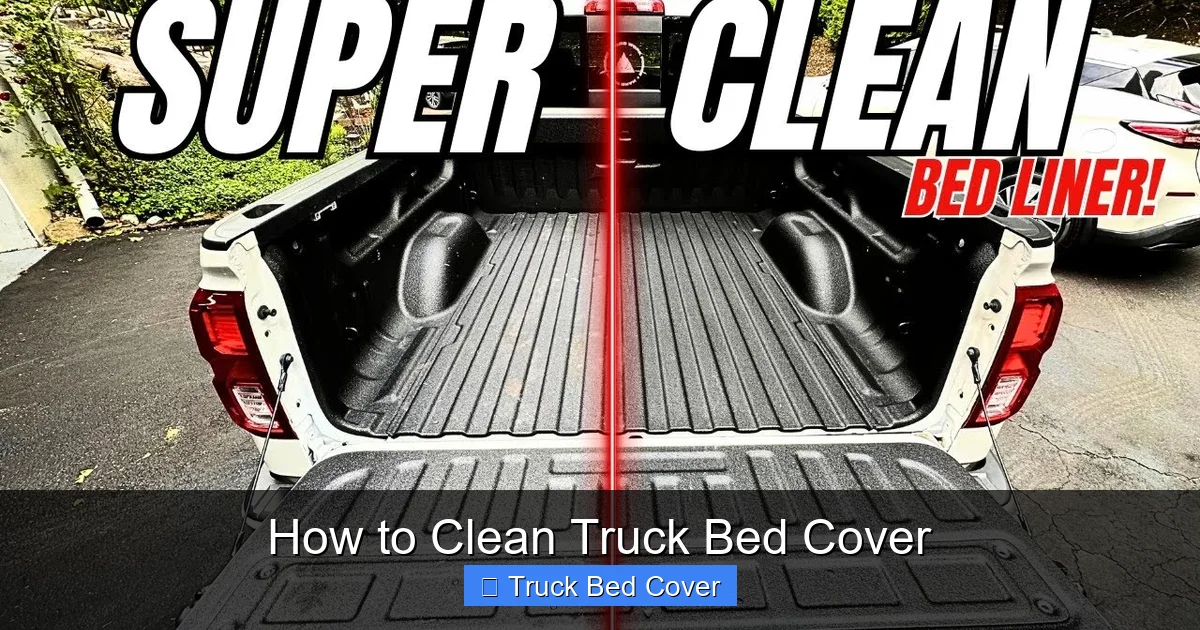
- Install a bed liner to minimize direct contact with cargo
- Use a cover protector spray (e.g., Scotchgard Fabric & Upholstery Protector) annually
- Avoid dragging heavy items across the cover surface
- Store the cover rolled loosely (not tightly) if unused for weeks
Bonus tip: In winter, remove snow and ice gently with a plastic scraper—never metal!
By combining smart cleaning habits with proactive care, your truck bed cover will stay functional, secure, and stylish for years to come.
Conclusion
Cleaning your truck bed cover doesn’t have to be daunting. With the right mindset—gentle actions, quality tools, and consistent routine—you can preserve its appearance and performance effortlessly. Remember: prevention beats repair. A quick wipe-down after each trip buys you months of hassle-free protection.
Whether you drive a rugged work truck or a weekend cruiser, your cover deserves respect. Treat it right, and it’ll do the same for you—shielding your gear, boosting resale value, and turning heads wherever you go.
Frequently Asked Questions
What’s the best cleaner for a soft roll-up truck bed cover?
Use a mild, pH-balanced soap like Dawn Free & Clear or a dedicated fabric cleaner. Mix with lukewarm water and apply with a soft sponge or cloth. Always rinse thoroughly.
Can I wax my truck bed cover?
Only certain types benefit from waxing. Aluminum panels may gain extra shine and protection, but fabric or vinyl covers shouldn’t be waxed—it attracts dirt and degrades materials.
How do I prevent mold on my fabric cover?
Ensure complete drying after cleaning. Store the cover loosely when not in use. Occasionally spray with a mixture of water and vinegar (1:3) as a preventive measure.
Is it okay to park under trees frequently?
Tree sap and pollen can stain covers. If unavoidable, clean the cover regularly and consider applying a protective coating to repel organic residue.
Should I clean the inside of the cover too?
Absolutely. The underside collects dust, oil, and grime. Use a vacuum attachment or damp cloth to wipe it down periodically, especially after long trips.
Can I use dish soap for tough stains?
Yes, plain liquid dish soap (without bleach or degreasers) works well for grease and oil. Just rinse immediately to avoid residue buildup.