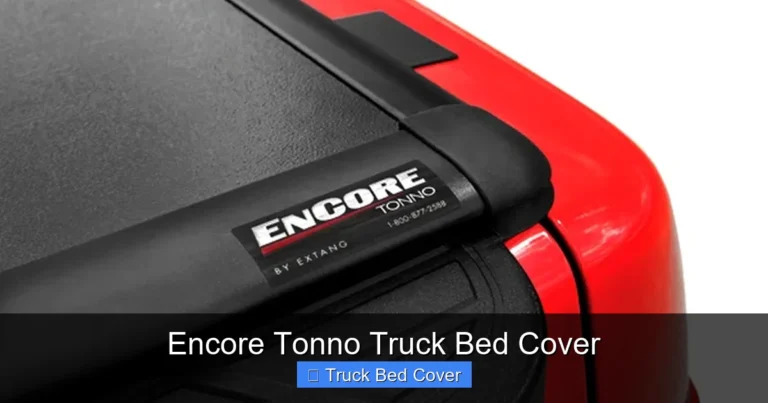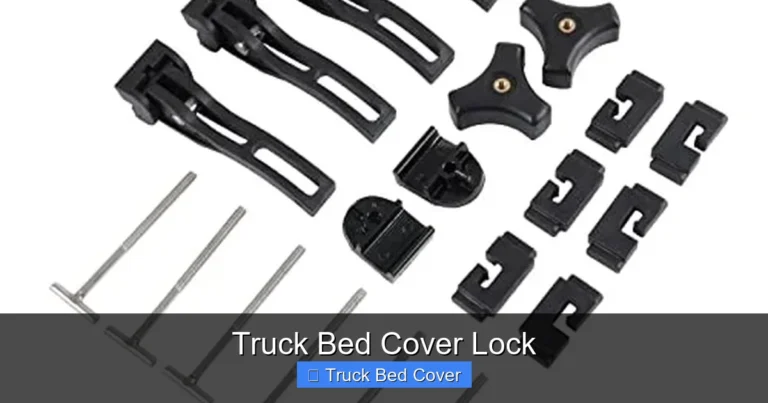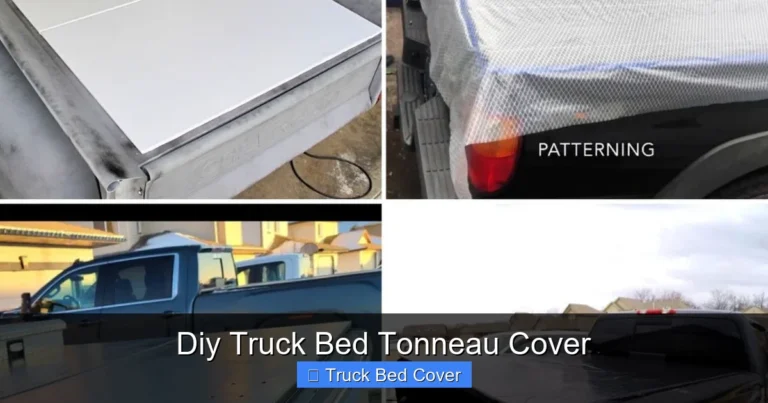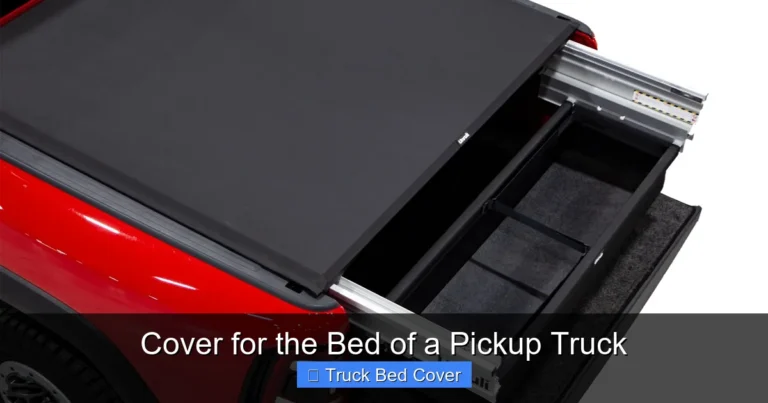
Bed Cover for Truck
A bed cover for truck is more than just a tarp—it’s a smart investment that protects your cargo, enhances fuel efficiency, and boosts your truck’s style. Whether you’re hauling tools, gear, or groceries, the right cover keeps everything secure and dry. With options like roll-up, folding, and retractable designs, finding the perfect fit has never been easier.
When you own a truck, especially one used for work, outdoor adventures, or daily errands, protecting your cargo is essential. Whether you’re transporting lumber, sports equipment, or fragile goods, exposure to rain, dirt, or curious eyes can ruin your load—and your day. That’s where a bed cover for truck comes in. It’s not just a piece of fabric or metal—it’s a protective shield, a security feature, and even a style statement all rolled into one.
Over the years, truck owners have relied on simple tarps or bed liners, but modern bed covers offer so much more. They’re engineered for durability, ease of use, and performance in all seasons. From roll-up models that let you access your bed in seconds to retractable systems hidden beneath the tailgate, today’s options are as functional as they are sleek. In this guide, we’ll walk you through everything you need to know about choosing, installing, and maintaining the best bed cover for your truck.
Key Takeaways
- Weather Protection: A quality bed cover shields your cargo from rain, snow, dust, and UV rays, preventing damage and spoilage.
- Theft Deterrence: Closed covers make it harder for thieves to access your tools and equipment, adding peace of mind during stops.
- Fuel Efficiency: Streamlined covers reduce wind resistance, improving gas mileage by up to 10% on highway drives.
- Aesthetic Appeal: Modern covers come in sleek designs that enhance your truck’s look, from low-profile to bold tonneau styles.
- Easy Installation: Most covers are tool-free and clamp-on, allowing quick setup without permanent modifications.
- Durability Matters: Choose materials like aluminum, vinyl, or canvas based on climate, budget, and intended use.
- Maintenance Tips: Regular cleaning and inspection extend lifespan; avoid dragging heavy items over the surface.
Quick Answers to Common Questions
What’s the difference between a roll-up and a retractable bed cover?
Roll-up covers are manually rolled and stored on the bed, offering quick access and lower cost. Retractables are mounted under a front rail and unroll smoothly, providing a cleaner look and precise control over exposure.
Can I install a bed cover myself?
Yes, most bed covers are designed for DIY installation with basic tools. Clamp-on models are especially beginner-friendly, though some may require minor drilling depending on the design.
Do bed covers really improve gas mileage?
Absolutely. By reducing wind resistance and drag, a well-fitted cover can improve fuel efficiency by up to 10%, saving money on long trips.
Are all bed covers waterproof?
Most high-quality covers are designed to be water-resistant or waterproof, but entry-level models may allow some seepage. Always check product specs and reviews for leak reports.
How do I clean my bed cover without damaging it?
Use a soft cloth, mild soap, and water. Avoid abrasive scrubbers or harsh chemicals. For fabric covers, spot-test any cleaner first and rinse thoroughly.
📑 Table of Contents
- Why You Need a Bed Cover for Your Truck
- Types of Truck Bed Covers: Which One Is Right for You?
- Top Benefits of Installing a Bed Cover
- How to Choose the Best Bed Cover for Your Truck
- Installation Tips for a Seamless Setup
- Maintenance and Care: Keep Your Cover Lasting Longer
- Popular Brands and Models to Consider
- Common Myths About Truck Bed Covers Debunked
Why You Need a Bed Cover for Your Truck
Imagine loading your brand-new camping gear into the bed after a long drive. You hop out, toss the cooler, and head inside—only to return and find it soaked from an unexpected drizzle. Or worse, someone walks past and grabs your expensive tools while you’re grabbing coffee. These scenarios happen every day, and they don’t just waste time—they cost money.
A high-quality bed cover solves these problems. It keeps moisture out, deters theft, and reduces wind drag. Plus, many models are designed to be easy to open and close, giving you full access when needed. Whether you’re a contractor, weekend warrior, or family driver, a reliable cover adds value to your vehicle and simplifies your life.
Beyond practicality, a well-chosen cover can also improve your truck’s resale value. Buyers notice clean, protected beds and often pay more. So, investing in a good bed cover isn’t just about convenience—it’s about protecting your asset.
Types of Truck Bed Covers: Which One Is Right for You?
Visual guide about Bed Cover for Truck
Image source: realtruck.com
Not all bed covers are created equal. The type you choose depends on how you use your truck, your budget, and personal preferences. Let’s break down the most popular options:
Roll-Up Covers
These are among the most common and affordable choices. Made from heavy-duty vinyl, they roll up along the inside of the bed and lock in place with side straps or buckles. Roll-up covers are lightweight, easy to install, and offer full bed access when rolled up. They’re ideal for light to moderate use and are great if you want a no-fuss solution.
However, since they sit exposed when rolled up, they’re vulnerable to UV damage and may require occasional resealing. Also, they don’t offer complete enclosure, so wind can still lift them slightly during high speeds.
Folding Tonneau Covers
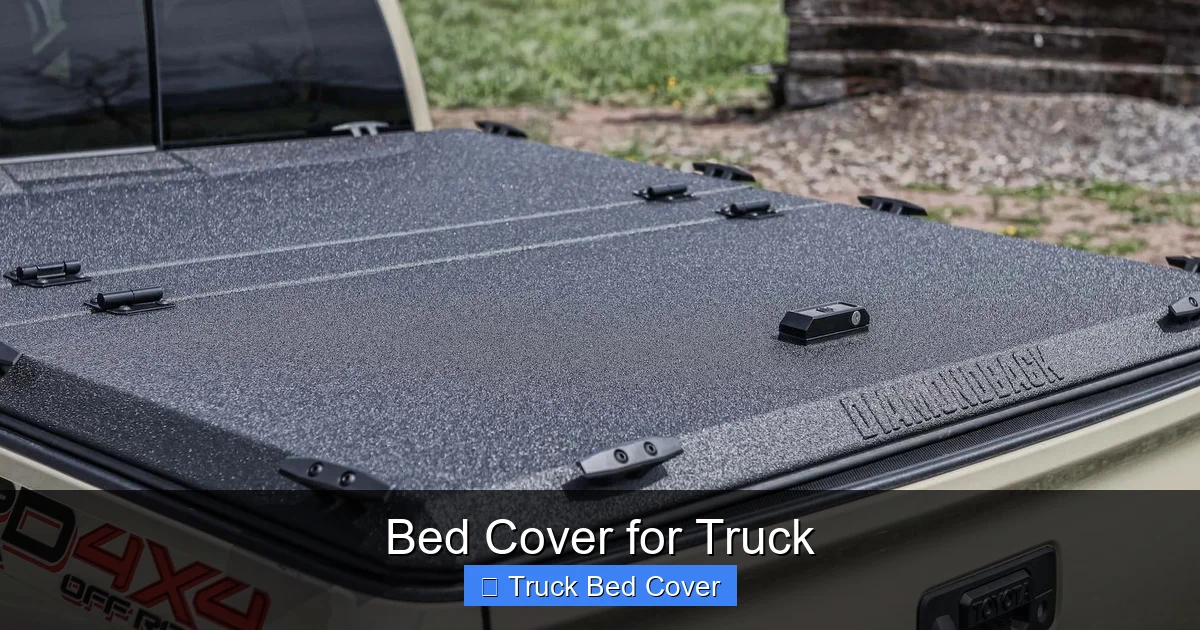
Also known as tri-fold or quad-fold covers, these consist of three or four hinged panels made from aluminum or fiberglass. When opened, they fold neatly behind the cab, exposing the entire bed. Folding covers strike a balance between accessibility and protection.
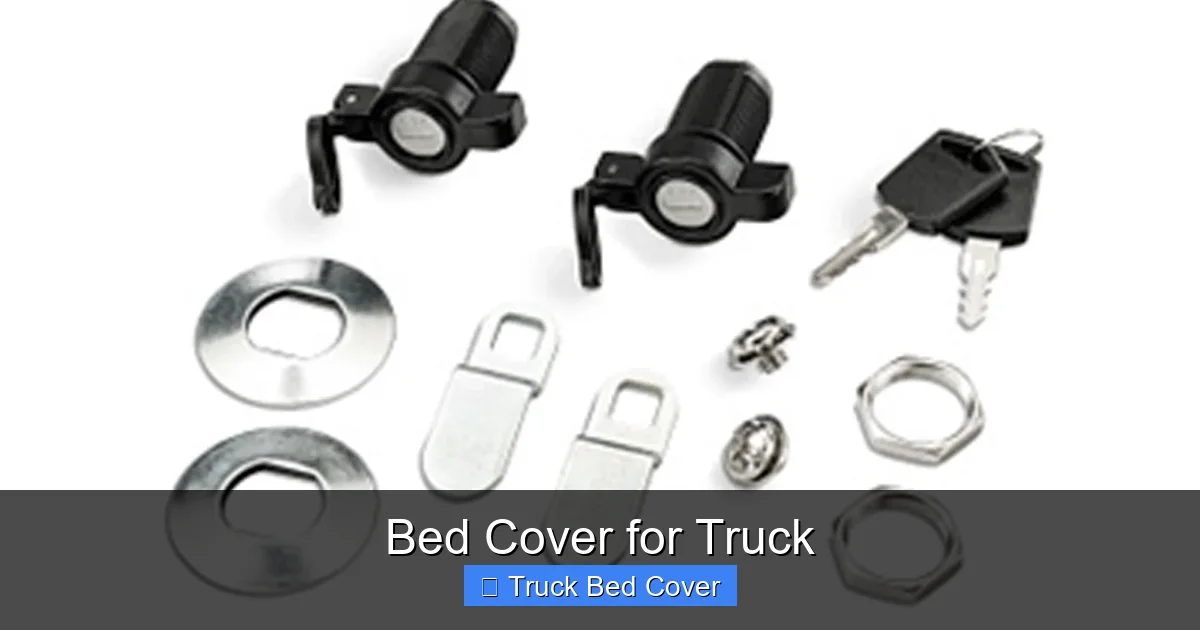
They’re sturdy, resistant to punctures, and often come with built-in locking mechanisms. Because they lie flat, they provide better wind resistance than roll-ups. However, they can be heavier and bulkier to handle, and some models may require periodic lubrication of hinges.
Retractable Bed Covers
For those who want ultimate convenience and a clean look, retractable covers are the gold standard. Hidden beneath a front header rail, they unroll smoothly using a manual crank or electric motor (in premium models). You can stop at any point along the bed, leaving just the section you need exposed.
Retractables offer excellent aerodynamics, full weather protection, and a flush-mounted appearance. They’re perfect for long-distance drivers or anyone who values both form and function. Downsides include higher cost and complexity—repairs can be pricey if something goes wrong with the mechanism.
Hard Tri-Fold vs. Soft Roll-Up: Making the Choice
If you’re torn between soft and hard covers, consider this: soft roll-ups are cheaper and lighter but less durable in extreme conditions. Hard tri-folds offer superior strength and security but add weight and may affect ground clearance slightly. For most users, a hard tri-fold provides the best mix of protection and usability.
Soft Top Covers
Made from canvas or marine-grade fabric, soft top covers are flexible and often waterproofed. They attach via clamps or bolts and drape over the bed rails. While they’re easy to remove entirely, they tend to sag over time and may require re-waterproofing annually. They’re best for mild climates and casual users.
Top Benefits of Installing a Bed Cover
Investing in a bed cover delivers multiple advantages beyond basic cargo protection. Let’s explore the key benefits:
Enhanced Security
An opaque, locked cover makes it nearly impossible for opportunistic thieves to see what’s inside. Even if someone tries to pry underneath, most modern covers are reinforced to resist cutting or lifting. This is especially valuable in urban areas or when parking overnight at job sites.
Improved Fuel Economy
Did you know that an uncovered truck bed creates significant air turbulence? Studies show that a properly installed cover can improve fuel efficiency by 5–10%. That’s not just eco-friendly—it saves you money at the pump. Retractables and low-profile hard covers are particularly effective here.
Better Resale Value
Trucks with covered beds consistently sell faster and for higher prices. Potential buyers appreciate knowing the bed has been protected from rust, scratches, and water damage. It signals responsible ownership.
Year-Round Versatility
Whether it’s freezing rain in winter or scorching sun in summer, a good cover adapts. Some models include features like drain tubes for melting snow or UV-resistant coatings to prevent fading. You won’t need to remove the cover seasonally unless absolutely necessary.
Noise Reduction
Cargo shifting in the bed creates road noise. A fixed cover keeps items snug and quiet, making your cabin quieter during long drives. This is especially helpful for phone calls or music enjoyment.
How to Choose the Best Bed Cover for Your Truck
With so many options available, selecting the right cover might feel overwhelming. Here’s a step-by-step guide to help you decide:
Step 1: Measure Your Truck Bed
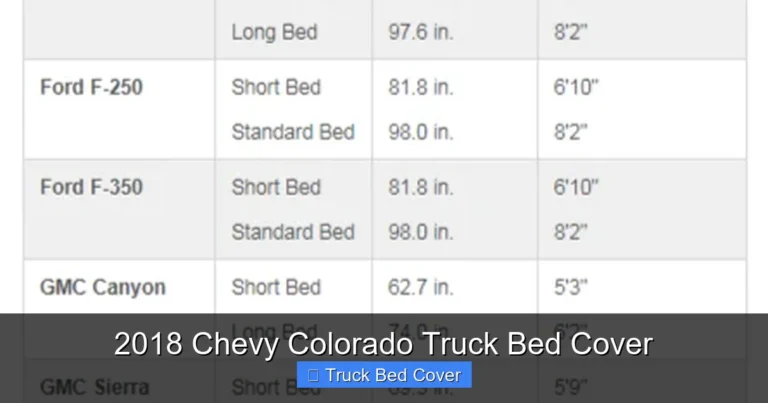
Accuracy matters. Measure the length, width, and height of your bed—including any toolboxes or racks. Most manufacturers list compatible truck models, but double-checking ensures a perfect fit. A poorly fitted cover will rattle, flap, or fail to seal properly.
Step 2: Consider Your Usage
Ask yourself: Do you frequently carry large items that need full bed access? Are you driving cross-country often? If yes, a retractable or folding cover might be worth the extra cost. If you mostly use the bed for small loads, a roll-up could suffice.
Step 3: Think About Climate
In rainy or snowy regions, prioritize watertight seals and drainage features. In hot climates, UV protection and heat reflection are crucial. Cold areas benefit from durable, non-rusting materials like aluminum.
Step 4: Evaluate Budget
Entry-level roll-ups start around $150, while high-end retractables can exceed $2,000. Set a realistic budget but remember: spending more upfront often means fewer headaches later. Read reviews and compare warranties before buying.
Step 5: Check Installation Requirements
Most covers are DIY-friendly, but some require drilling or professional help. If you’re not handy with tools, look for clamp-on models or brands offering installation services.
Installation Tips for a Seamless Setup
Even the best cover won’t perform well if installed incorrectly. Follow these steps for a smooth experience:
– **Clean the Bed Rails:** Remove dirt, debris, and old sealant. A clean surface ensures tight seals.
– **Follow Instructions Exactly:** Each brand has specific torque settings or alignment notes. Skipping these can cause leaks or misalignment.
– **Use Included Hardware:** Don’t substitute screws or brackets. Aftermarket parts may compromise fit and safety.
– **Test the Seal:** After installation, spray water over the cover to check for leaks. Adjust if needed.
– **Allow Time to Settle:** Some covers need 24–48 hours to stretch and conform fully.
Pro tip: Watch tutorial videos for your specific model. Visual guides save time and reduce frustration.
Maintenance and Care: Keep Your Cover Lasting Longer
Like any gear, your bed cover needs care to stay effective. Here’s how to maintain it:
– **Wipe Down Weekly:** Use mild soap and water to remove grime, salt, or bird droppings.
– **Inspect for Damage:** Look for cracks, tears, or loose clamps monthly. Fix issues early.
– **Lubricate Moving Parts:** Apply silicone spray to rollers or hinges on retractables or foldables.
– **Avoid Harsh Chemicals:** Bleach or ammonia can degrade vinyl and fabric.
– **Store Properly:** If removing seasonally, clean and dry the cover before storing in a cool, dark place.
For soft covers, reapply waterproofing spray every 6–12 months. Hard covers usually only need occasional cleaning.
Popular Brands and Models to Consider
While we can’t endorse specific products, here are some well-regarded names in the industry based on customer feedback and durability:
– **BakFlip MX4:** A popular hard tri-fold with excellent sealing and toolbox compatibility.
– **TruXedo TruXport:** A trusted roll-up model known for smooth operation and UV resistance.
– **UnderCover Elite Series:** Offers a sleek, low-profile design with integrated locks.
– **DiamondBack HD:** A premium retractable option with heavy-duty construction.
– **Gatorback Element:** Combines affordability with solid performance for everyday users.
Always read recent reviews and verify compatibility with your truck’s year, make, and model.
Common Myths About Truck Bed Covers Debunked
Let’s clear up some misconceptions:
– **”Covers block too much light.”** Actually, most are translucent or semi-opaque, allowing natural light in while keeping contents private.
– **”They’re hard to open.”** Modern designs prioritize user-friendliness—even elderly drivers can operate them easily.
– **”Only trucks used for work need them.”** Even personal trucks benefit from protection and aesthetics.
– **”Soft covers tear easily.”** High-quality fabrics like marine-grade vinyl resist abrasion and last years with care.
– **”Installation voids warranty.”** Reputable brands support DIY installs; just follow guidelines.
Frequently Asked Questions
What type of bed cover is best for cold climates?
For cold and wet weather, opt for a hard cover made of aluminum or fiberglass with a rubber gasket seal. These resist cracking in freezing temps and shed snow effectively.
Can I leave my bed cover on in the rain?
Yes, most modern covers are built to withstand heavy rain. Ensure the seal around the edges is tight, and check for any gaps or worn gaskets that might allow water in.
Will a bed cover scratch my truck bed?
No—if installed correctly and maintained. Hard covers sit above the bed rails, and soft covers use padded mounting systems to prevent contact with the surface below.
How often should I replace my bed cover?
This varies by material and usage. Soft covers may last 3–5 years; hard covers can last 10+ years. Replace when you notice persistent leaks, cracks, or structural damage.
Are bed covers compatible with toolboxes?
Many covers, especially tri-fold and retractable models, are designed to work with standard toolboxes. Check compatibility charts before purchasing to ensure a secure fit.
Do I need a bed cover if I already have a bed liner?
A bed liner protects the floor from scratches, but a cover protects the entire contents from weather and theft. For maximum protection, use both together.