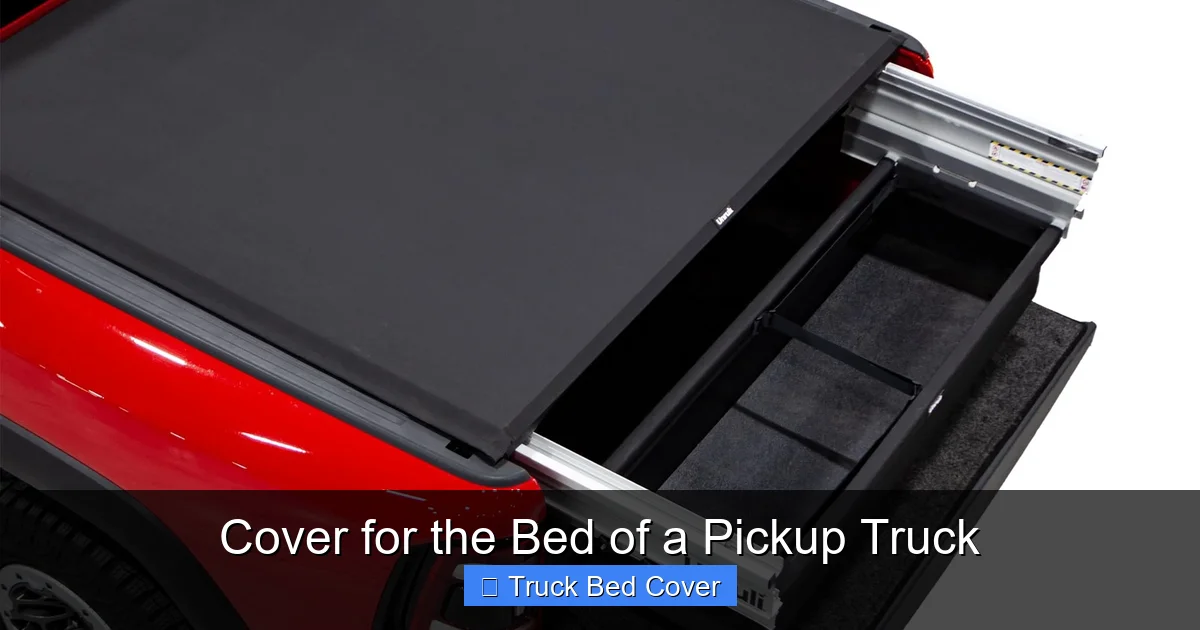
Cover for the Bed of a Pickup Truck
A cover for the bed of a pickup truck keeps your gear dry, secure, and protected from damage. Whether you’re hauling tools, groceries, or camping gear, the right cover makes all the difference in durability and convenience. From roll-up tonneau covers to hardtop models, there’s a solution for every need and budget.
Key Takeaways
- Protection: A quality cover shields your truck bed from rain, snow, dust, and UV rays, preserving both contents and vehicle value.
- Security: Most covers include locking mechanisms that deter theft and prevent unauthorized access to stored items.
- Fuel Efficiency: Aerodynamic designs reduce drag, potentially improving gas mileage by up to 10% compared to open beds.
- Versatility: Choose from soft, hard, retractable, folding, or custom-fit options depending on your daily use and climate.
- Installation: Many modern covers install in under an hour without permanent modifications to your truck frame.
- Value Retention: A well-maintained truck with a cover sells faster and at a higher resale price.
- Maintenance Tips: Regular cleaning and inspections extend cover life and ensure reliable performance year-round.
Quick Answers to Common Questions
What’s the most important feature to look for in a truck bed cover?
Waterproof sealing is critical. Even minor leaks ruin cargo and accelerate bed corrosion. Always choose covers with rubber gaskets and secure latches to prevent water intrusion.
Can I install a cover myself, or should I hire a professional?
Many soft covers install in under 30 minutes with no tools. Hard panels and retractables often require drilling and alignment—best left to professionals unless you’re experienced with mechanical projects.
Do truck bed covers improve gas mileage?
Yes! Aerodynamic covers reduce wind resistance, improving fuel efficiency by 2–10%, depending on speed and cover design. The smoother airflow cuts drag significantly at highway speeds.
Are soft covers less secure than hard ones?
Generally, yes. Hard covers offer stronger resistance to forced entry and provide a solid barrier against prying hands. However, high-quality soft covers with locking rails still deter casual thieves effectively.
How much does a good truck bed cover cost?
Expect to pay $150–$2,000 based on material, mechanism, and brand. Budget $300–$600 for reliable mid-tier options that balance price, durability, and features.
📑 Table of Contents
- Why Every Truck Owner Needs a Cover for the Bed of a Pickup Truck
- Types of Truck Bed Covers: Which One Is Right for You?
- How to Choose the Best Cover for Your Truck
- Installation Tips: Do It Yourself or Hire a Pro?
- Maintaining Your Truck Bed Cover for Long-Term Performance
- Real-World Benefits: Why Truck Owners Love Their Covers
- Top Brands and Models Worth Considering
- Common Misconceptions About Truck Bed Covers
- Final Thoughts: Protect What Matters Most
Why Every Truck Owner Needs a Cover for the Bed of a Pickup Truck
You’ve invested in a pickup truck because it gives you power, versatility, and freedom. But what happens when you load it up with work supplies, weekend gear, or family essentials—only to return and find everything soaked from unexpected rain? Or worse, someone snooped through your open bed while you were away? That’s where a cover for the bed of a pickup truck becomes more than just a luxury—it’s essential.
Whether you drive a Ford F-150, Chevrolet Silverado, Ram 1500, or Toyota Tacoma, your truck bed is constantly exposed to the elements. Sunlight fades materials, moisture warps wood or electronics, and wind scatters loose items. Over time, these small exposures add up. A good cover doesn’t just protect what’s inside—it protects your truck’s resale value and makes everyday driving easier and safer.
In this guide, we’ll walk you through everything you need to know about choosing, installing, and maintaining the perfect cover for the bed of a pickup truck. From understanding different types of covers to comparing materials and features, we’ll help you make an informed decision that fits your lifestyle, budget, and truck model.
Types of Truck Bed Covers: Which One Is Right for You?
Not all truck bed covers are created equal. The market offers several styles, each with unique benefits and trade-offs. Let’s break them down so you can pick the one that matches how you use your truck.
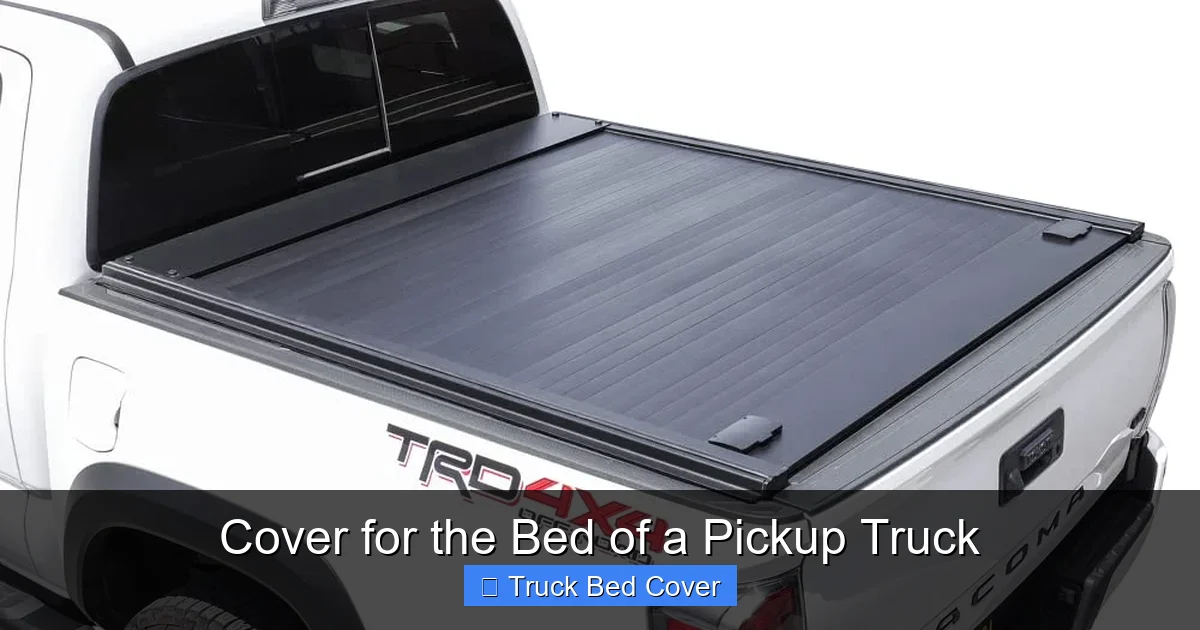
Visual guide about Cover for the Bed of a Pickup Truck
Image source: m.media-amazon.com
Roll-Up Tonneau Covers
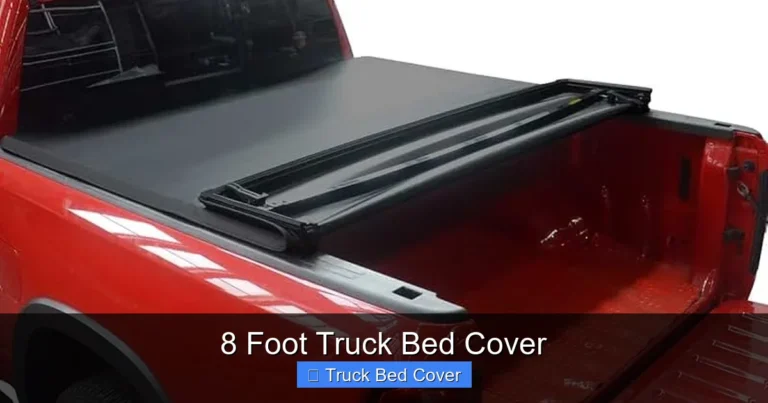
If you want simplicity and affordability, a roll-up tonneau cover is often the go-to choice. These soft covers made of heavy-duty vinyl or canvas roll tightly toward the front cab and latch securely into place. They’re lightweight, easy to operate, and usually cost between $150 and $400.
One major advantage is that they leave the entire bed accessible when unrolled. Want to throw in a cooler or ladder quickly? No problem. And because they don’t require complex hardware, installation is typically straightforward—often completed in under 30 minutes using clamps or bolts.
However, since they’re soft-sided, they offer less structural rigidity than hard covers. In strong winds or heavy rain, some models may billow slightly unless properly tensioned. Still, for most daily drivers, roll-ups deliver excellent value and functionality.
Hard Folding Covers
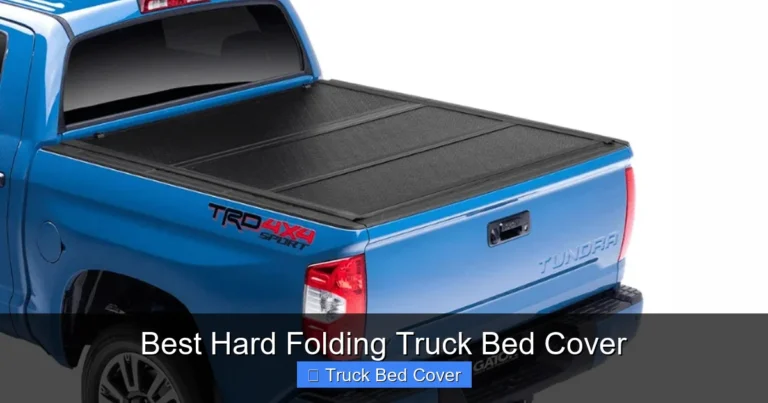
For those who need both security and convenience, hard folding covers strike a great balance. Made of aluminum or reinforced fiberglass panels, these sit flush over the bed and fold forward like a garage door. You can open one, two, or three sections depending on the model, giving partial access without fully removing anything.
These covers provide superior protection against weather and prying eyes. Many come with multi-point locking systems that secure each panel individually. Plus, their flat profile improves aerodynamics slightly compared to older soft designs.
The downside? Hard folding covers tend to be heavier and more expensive—usually ranging from $600 to $1,200. Installation might take longer due to mounting brackets and alignment requirements. But if you frequently carry valuables or live in areas with harsh winters, the extra investment pays off in peace of mind.
Retractable (Sliding) Tonneau Covers
Want ultimate flexibility? Consider a retractable tonneau cover. These sleek systems slide open smoothly along rails mounted inside the bed rails. Some models retract completely into a canister near the cab, revealing 100% of the bed floor. Others stop partway, allowing access to rear corners.
Retractables are pricier—typically $800 to $2,000—but they offer premium features like remote operation, integrated lighting, and enhanced sealing against water intrusion. They also look more polished on the truck’s exterior, boosting curb appeal.
Installation requires drilling into the bed rails, so it’s not DIY-friendly for everyone. But professional installers can set these up in half a day with minimal fuss. Just be aware that moving parts mean more potential points of failure over time, especially if neglected during maintenance.
Top-Mount Hard Covers
For maximum protection and style, top-mount hard covers are king. Also called “lids,” these rigid panels snap directly onto the bed rails and create a watertight seal. They’re ideal for trucks used in construction, hunting, or off-road adventures where durability matters most.
These covers resist impacts better than soft alternatives and block nearly all UV exposure. Many models double as rooftop storage platforms when equipped with crossbars. Prices start around $700 and climb above $1,500 for high-end composites.
Drawbacks include limited access—you must lift the entire lid to reach items at the very back—and added weight affecting payload capacity. Also, removing them entirely isn’t practical once installed, though some brands offer quick-release kits.
Soft Folding Covers
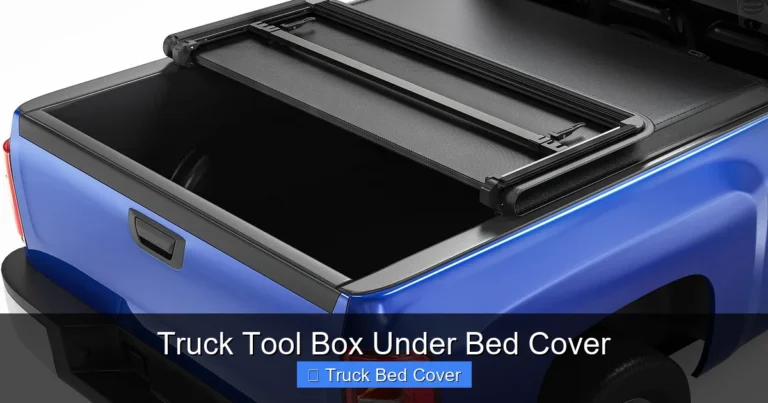
A middle ground between roll-ups and hard panels, soft folding covers use layered fabric stretched over aluminum bows. When folded, they stack neatly at the cab end, leaving space for tailgate use. They’re lighter than hard panels but sturdier than basic roll-ups.
Cost-wise, they sit mid-range ($300–$700), offering decent weather resistance and moderate security. However, repeated folding can cause wear on seams and buckles over time. Still, they’re popular among fleet owners and contractors who need frequent partial access.
How to Choose the Best Cover for Your Truck
With so many options, how do you narrow it down? Start by answering three key questions:
- What will you store in the bed? Tools? Sports equipment? Sensitive electronics? If theft or moisture is a concern, prioritize lockable, waterproof models.
- How often do you need full access? Daily? Weekly? Occasional? Full-access designs like roll-ups or retractables suit high-frequency needs.
- What’s your climate like? Heavy snow? Extreme heat? Salt air? Rigid covers handle snow loads better; UV-resistant fabrics last longer in sunny regions.
Next, verify compatibility. Measure your bed length and width precisely—even small variations matter. Check manufacturer specs for fitment notes specific to your truck year/make/model. Some companies offer universal kits; others sell exact-match solutions.
Budget is another big factor. While cheaper covers save money upfront, they may tear easily or fail to seal properly after months of sun exposure. Investing $300–$600 in a reputable brand often means fewer headaches down the road.
Finally, read real customer reviews. Pay attention to long-term feedback about durability, ease of use, and warranty support. Brands like TruXedo, UnderCover, BAK Industries, and Tonno Pro consistently rank highly for reliability and service.
Installation Tips: Do It Yourself or Hire a Pro?
Most modern covers claim “tool-free” or “clamp-on” installation, which sounds easy—but reality varies. Here’s what to expect:
- Roll-up & Soft Folding Covers: Usually clamp onto existing bed rails. No drilling needed! Just align brackets and tighten knobs. Expect 20–45 minutes for novices.
- Hard Panels (Top-Mount): Require drilling into bed rails for secure mounting. Use a drill guide to avoid stripping threads. Allow 1–2 hours plus prep work.
- Retractables: Rail-mounted systems demand precise alignment. Professionals recommend this step—improper setup leads to misfeeds and motor issues.
If you’re handy and own basic tools (drill, wrench set, measuring tape), DIY saves money. But if you’re unsure about measurements or fear damaging paint/finish lines, pay for professional installation. Many retailers charge $50–$150 for this service and guarantee proper fit.
Either way, inspect your truck bed before starting. Clean rust spots, sand rough edges, and ensure tailgate operates smoothly. Loose bolts or worn hinges complicate installation and compromise seal integrity later.
Maintaining Your Truck Bed Cover for Long-Term Performance
A cover is only as good as its condition. Neglect it, and even the best design fails. Follow these simple care steps:
- Clean Regularly: Wipe down with mild soap and water monthly. Avoid harsh chemicals that degrade vinyl or fabric over time.
- Lubricate Moving Parts: Apply silicone spray to latches, rollers, or folding joints every 3–6 months to prevent stiffness.
- Check Seals & Straps: Inspect rubber gaskets and bungee cords annually. Replace cracked seals immediately to avoid leaks.
- Store Properly: In winter climates, remove soft covers during extended idle periods to prevent mold or mildew buildup.
- Avoid Sharp Objects: Never drag tools across the cover surface—use a tarp or mat underneath heavy loads.
Also, park in shade when possible to reduce UV fading. Over time, prolonged sun exposure weakens adhesives and discolors materials regardless of quality.
Real-World Benefits: Why Truck Owners Love Their Covers
Beyond theoretical advantages, real users report tangible improvements:
- Reduced Cargo Damage: One contractor told us his solar panels stayed dry during monsoon season thanks to a waterproof hard cover.
- Improved Gas Mileage: A survey by TruckTrend found that trucks with aerodynamic covers averaged 2–3 mpg better than uncovered peers—especially at highway speeds.
- Higher Resale Value: Kelley Blue Book data shows trucks with factory or aftermarket covers command premiums of up to 10% over similar models without.
- Easier Loading/Unloading: Retractable owners appreciate sliding open the cover just enough to drop in a cooler without fully exposing the bed.
- Privacy & Theft Deterrence: Police reports indicate thieves avoid vehicles with locked, opaque covers—they prefer easy targets with open beds.
Even casual drivers benefit. Imagine loading groceries home after rain without worrying about wet bags. Or protecting kids’ toys during summer road trips. The peace of mind alone justifies the cost for many.
Top Brands and Models Worth Considering
While countless options exist, focus on established names with solid warranties and responsive customer service:
| Brand | Best For | Average Price |
|---|---|---|
| TruXedo TruXport | Affordable roll-up security | $250–$350 |
| BAKFlip FiberMax | Rugged hard folding protection | $800–$1,100 |
| UnderCover G2 | Smooth retractable operation | $1,200–$1,600 |
| DeWalt DCB200 | Tool-focused durability | $900–$1,300 |
| Tonno Pro Lo-Pro | Low-profile aesthetics | $700–$1,000 |
Compare warranties too—lifetime coverage on materials is rare but worth seeking. Also, check shipping policies: some brands ship free within 250 miles; others charge restocking fees for returns.
Finally, consider bundled packages. Some retailers include installation kits, sealants, or replacement straps—saving you extra trips to the store.
Common Misconceptions About Truck Bed Covers
Let’s clear up a few myths:
- Myth: “Covers make my truck look boxy or less cool.”
Reality: Modern designs are sleek and low-profile. Many owners say their trucks look more purposeful and finished with a cover than without. - Myth: “I can’t use my tailgate if I have a cover.”
Reality: Most covers allow tailgate operation. Roll-ups and folding models especially let you lower it fully for loading. - Myth: “Hard covers crack in cold weather.”
Reality: Quality aluminum or composite panels flex safely below freezing temps. Avoid cheap plastic lids if you live in snow country. - Myth: “Covers trap moisture and rot stuff.”
Reality: Poorly sealed covers cause leaks—not the cover itself. Ensure tight gaskets and avoid overpacking damp items.
Knowing these facts helps you choose confidently and avoid buyer’s remorse.
Final Thoughts: Protect What Matters Most
A cover for the bed of a pickup truck isn’t just about keeping things dry—it’s about protecting your investment, your schedule, and your sanity. Whether you’re a tradesperson relying on your truck for income, a weekend warrior heading to the mountains, or a parent shuttling school supplies, the right cover adds layers of convenience and security.
Take time to evaluate your needs honestly. Don’t rush into the cheapest option if you need heavy-duty protection. Likewise, don’t overspend on features you’ll never use. Match the cover to your usage pattern, climate, and budget.
And remember: no matter which type you choose, regular maintenance turns a good cover into a great one. Clean it, check seals, and address small issues early. With proper care, your cover could outlast multiple ownership cycles.
So next time you load up your truck bed, think beyond just what you’re carrying. Think about what you’re protecting—and how a simple cover makes life easier, safer, and more enjoyable.
Frequently Asked Questions
How do I measure my truck bed for the right cover?
Measure the interior length from bulkhead to tailgate, plus width at the widest point. Include any bed liner depth if present. Compare these numbers to manufacturer fit guides for exact match.
Will a cover void my truck’s warranty?
Aftermarket covers rarely affect factory warranties unless they damage the truck during installation. Always follow instructions carefully and avoid modifying structural components.
Can I wash my truck with the cover installed?
Yes, but use low-pressure water and avoid direct sprays on latches or seals. Let the cover air-dry completely before closing to prevent trapped moisture.
Are retractable covers worth the extra cost?
If you need frequent full-bed access and value smooth operation, yes. Otherwise, folding or roll-up models offer similar functionality at lower prices.
What’s the difference between a tonneau cover and a truck bed cover?
“Tonneau cover” is a specific term referring to any cover designed to close the truck bed. So all tonneaus are bed covers, but not all bed covers are called tonneaus—some are lids or tarps.
How long do truck bed covers last?
With proper care, high-quality covers last 5–10 years. Cheaper models may fade or tear within 2–3 years, especially in extreme climates or heavy use.