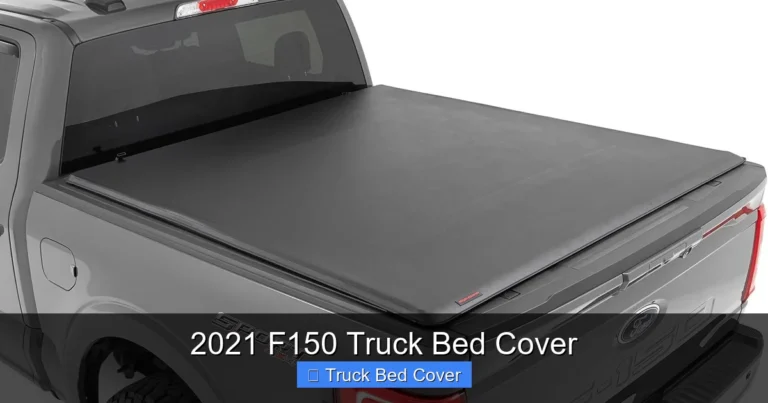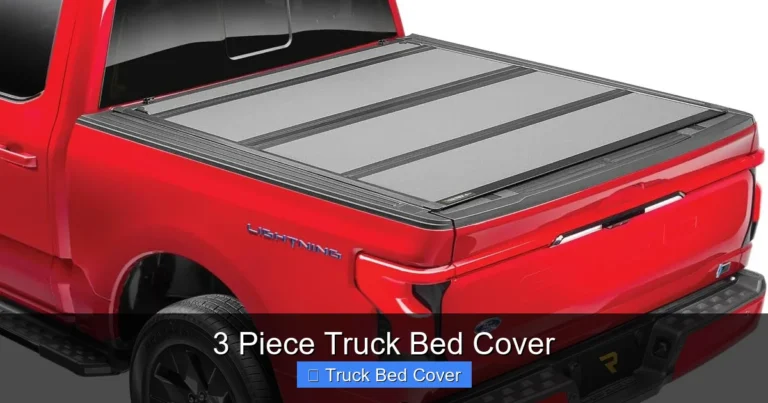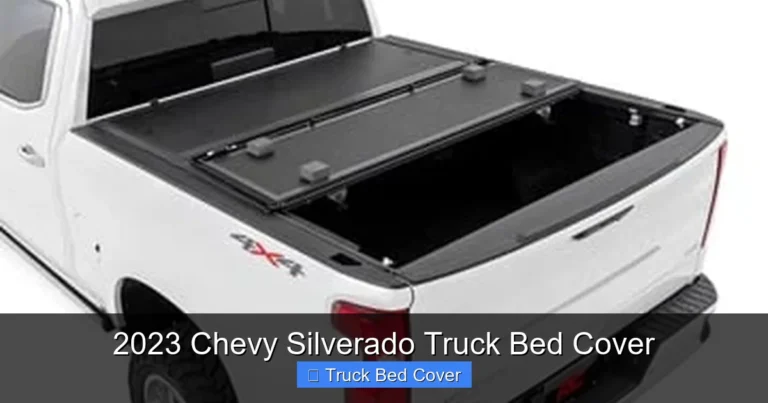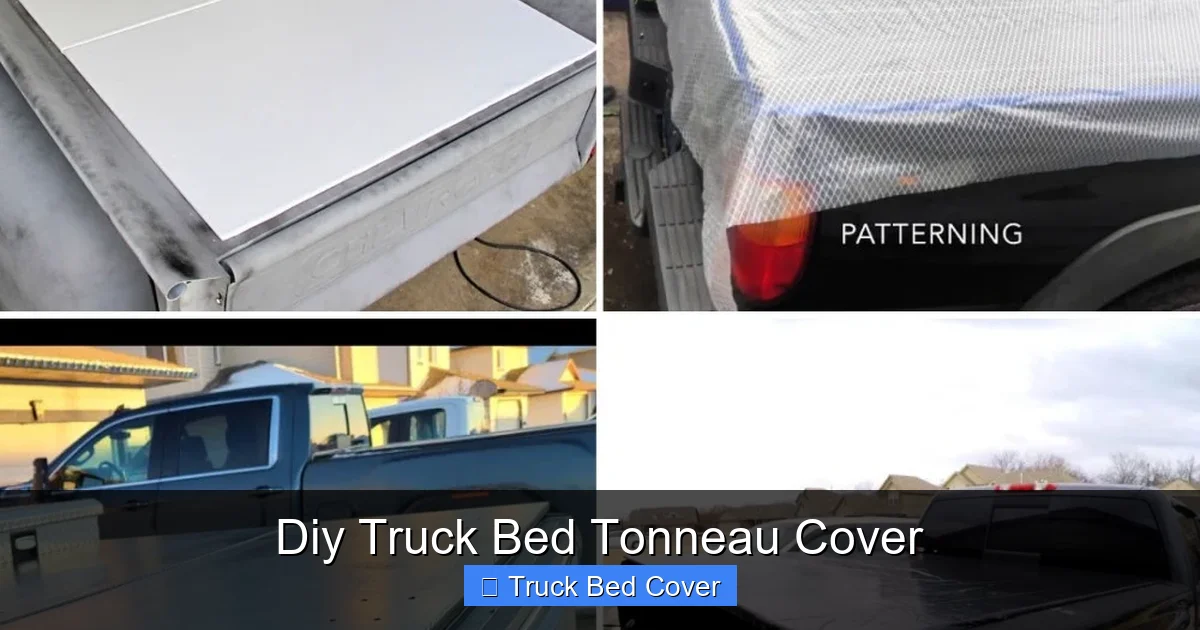
Diy Truck Bed Tonneau Cover
A DIY truck bed tonneau cover is a smart upgrade for any truck owner looking to enhance security, fuel economy, and style. These custom-fit covers are easy to build or install yourself, offering protection from rain, snow, sun, and prying eyes without the high cost of factory options. Whether you’re hauling gear, tools, or groceries, a tonneau cover keeps your bed secure and your truck looking sharp—all while saving money and adding value.
If you own a pickup truck, you know how valuable that open cargo space is—until it’s not. Rain pours in, wind scatters loose items, and curious eyes peek into your bed at stoplights. Enter the diy truck bed tonneau cover: a simple yet powerful upgrade that transforms your truck’s utility, security, and fuel efficiency. Whether you’re a weekend warrior, a tradesperson, or just someone who loves tinkering with tools, building your own tonneau cover is a rewarding project that pays off every time you hit the road.
Unlike expensive factory-installed options, a do-it-yourself tonneau cover lets you tailor the design to your exact needs. Want something lightweight and removable? Go soft roll-up. Prefer durability and a sleek look? Try a hard folding or fiberglass shell. And the best part? You can complete most projects in under two hours with basic tools and a little know-how. Plus, you’ll save money—often 50% or more—while gaining the satisfaction of a job well done.
In this guide, we’ll walk you through everything you need to know about diy truck bed tonneau covers: what they are, why they matter, how to choose the right one, and step-by-step instructions for building your own. By the end, you’ll be ready to roll up your sleeves and turn your truck bed into a secure, aerodynamic, and stylish cargo zone.
Key Takeaways
- Cost-effective solution: Building or installing your own diy truck bed tonneau cover saves hundreds compared to pre-made versions.
- Improved aerodynamics: A smooth, enclosed bed reduces wind resistance, boosting fuel efficiency by up to 10%.
- Enhanced security: Lockable covers deter theft and keep your cargo out of sight.
- Weather protection: Shields items from rain, snow, UV rays, and dirt—ideal for long-term storage.
- Easy customization: Use common materials like plywood, aluminum, or hard-shell kits to match your truck’s bed size and style.
- DIY-friendly installation: Most designs require basic tools and under an hour to assemble—no professional help needed.
- Increased resale value: A well-maintained tonneau cover improves your truck’s appearance and market appeal.
Quick Answers to Common Questions
Can I really build a tonneau cover myself?
Absolutely! With basic tools and simple materials like plywood, vinyl, and aluminum, most DIYers can construct a functional tonneau cover in under a day. Many online tutorials and community guides make the process straightforward.
Will a DIY cover improve my gas mileage?
Yes—up to 10%. Enclosing your truck bed reduces wind turbulence, which improves aerodynamics and lowers fuel consumption, especially at highway speeds.
Are DIY covers secure enough?
They can be very secure if built well. Use sturdy latches, lockable mechanisms, and reinforced frames to deter theft. Just remember that no cover is 100% theft-proof—always park in safe areas.
What’s the cheapest material for a tonneau cover?
For soft covers, marine-grade vinyl stretched over PVC pipe bows is one of the most affordable options. For hard covers, reclaimed wood or particleboard can be cost-effective, though less durable than composites.
Do I need special tools to build one?
Basic tools suffice: a circular saw, drill, staple gun, measuring tape, and clamps. More complex designs may require welding gear, but simple projects stay within reach of homeowners.
📑 Table of Contents
What Is a Tonneau Cover?
A tonneau cover is a type of truck bed cover designed to enclose the rear area of your truck bed. The word “tonneau” comes from French and means “barrel-shaped,” referencing the rounded design that follows the contours of the bed. These covers sit flush with the tailgate and extend over the load area, creating a sealed compartment.
Tonneau covers come in several styles: soft (roll-up, tri-fold, or snap-on), hard (fiberglass, aluminum, or retractable), and hybrid models. Each offers different levels of protection, convenience, and aesthetics. But no matter the type, their primary purpose remains the same: protect your cargo from the elements, reduce wind drag, and improve the overall look of your truck.
For DIYers, tonneau covers are especially appealing because they’re modular and adaptable. You don’t have to settle for a one-size-fits-all solution. Instead, you can mix and match materials, hinges, latches, and hardware to create a system that fits your truck, your budget, and your lifestyle.
Why Choose a DIY Truck Bed Tonneau Cover?
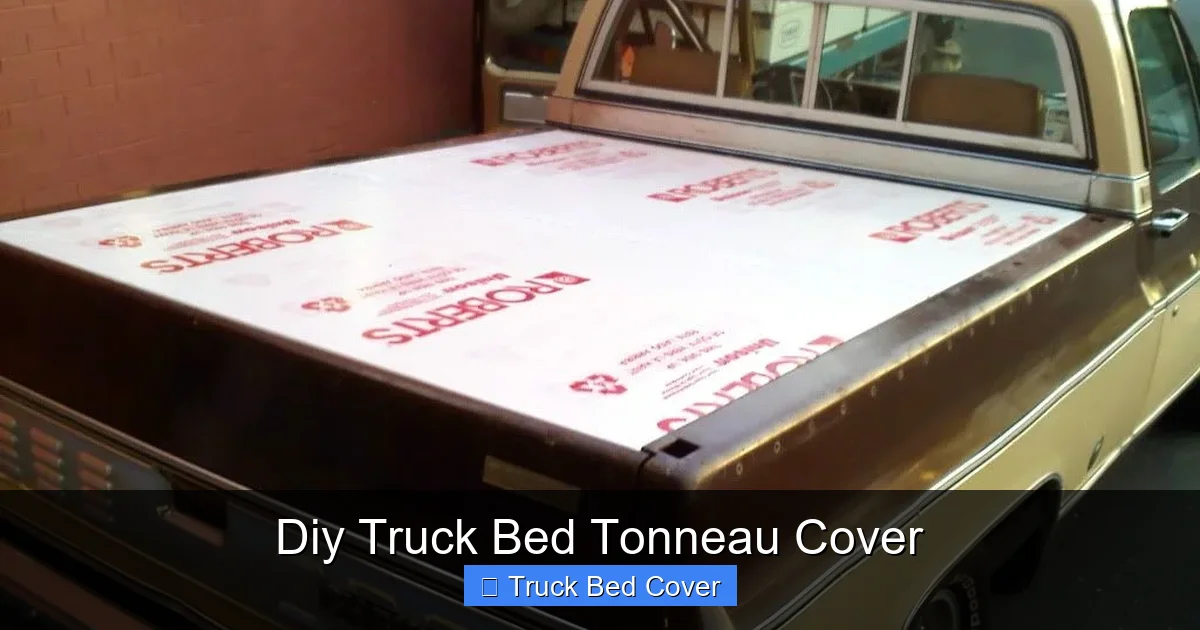
Visual guide about Diy Truck Bed Tonneau Cover
Image source: i.pinimg.com
You might wonder why go the DIY route when you can buy a pre-made tonneau cover online or at an auto parts store. While factory options are reliable and come with warranties, they often cost $500–$1,500 depending on the material and features. A DIY version can achieve similar results for under $200—sometimes even less.
But it’s not just about saving money. There are real practical advantages to building your own diy truck bed tonneau cover:
- Perfect fit: Measure your truck bed precisely, then cut and shape materials to match exactly—no guesswork or adjustments.
- Custom features: Add side rails, built-in toolboxes, LED lighting, or extra tie-down points tailored to your work.
- Learning experience: Gain hands-on skills in woodworking, metalworking, or fabrication that boost your confidence around tools.
- Eco-friendly: Reuse scrap lumber, repurpose old cabinets, or use sustainably sourced wood to reduce waste.
- Community support: Join forums, watch YouTube tutorials, and share tips with other DIY truckers worldwide.
Of course, there are trade-offs. A DIY cover may lack the polished finish of commercial products, and some styles require ongoing maintenance (like resealing seams). But for most truck owners, the benefits far outweigh the drawbacks—especially when you consider the long-term savings and personal pride involved.
Types of DIY Tonneau Covers
Before diving into construction, it helps to understand the main types of tonneau covers available for DIY builds. Each has unique pros and cons depending on your needs.
Soft Roll-Up Covers
The softest and most flexible option, roll-up tonneau covers are made from heavy-duty vinyl stretched over a frame of aluminum or steel bows. To use, you unroll the cover across the bed and secure it at the cab with a latch.
Pros:
- Lightweight and easy to remove
- Affordable materials (vinyl, foam, and PVC pipe)
- Great for occasional use
Cons:
- Limited weather sealing
- Less durable in extreme heat or cold
- Can sag over time if not properly tensioned
These are ideal if you want quick access and low cost but aren’t worried about total weatherproofing.
Hard Folding Panels
Hard folding covers use multiple rigid panels connected by hinges, allowing them to fold back toward the cab in sections. They’re often made from aluminum or composite materials and secured with latches at the sides.
Pros:
- Excellent structural strength
- Good wind resistance
- Clean, modern appearance
Cons:
- Heavier than soft covers
- More complex assembly
- Higher material cost (aluminum sheets, hinges, etc.)
This is a popular choice for DIYers who want durability without committing to a full hard shell.
Hard Shell (Fiberglass or Plywood)
For maximum protection, many builders opt for a single-piece hard shell. This involves constructing a box-like cover that sits entirely over the bed and locks at both ends.
Pros:
- Fully weatherproof
- High theft deterrence
- Sleek, professional look
Cons:
- Difficult to install and remove
- Requires precise measurements and cutting
- Heavy—may affect payload capacity
While challenging, a hard shell is unbeatable if you frequently carry sensitive or expensive items.
Hybrid and Custom Designs
Some DIYers get creative with hybrid systems—combining soft and hard elements, adding solar panels, or integrating smart locks. These require advanced planning but offer unmatched functionality.
For example, you could build a roll-up cover with a reinforced aluminum frame and add magnetic seals for better weather resistance. Or mount a small battery-powered fan inside to prevent condensation buildup during hot days.
No matter which type you choose, always start with accurate measurements and a solid plan. Sketch your design, list required materials, and test-fit components before final assembly.
How to Build Your Own DIY Truck Bed Tonneau Cover
Ready to get started? Here’s a practical, beginner-friendly guide to building a diy truck bed tonneau cover. We’ll focus on a soft roll-up design using affordable, widely available materials.
Materials Needed
- 1/2-inch exterior-grade plywood (for frame supports)
- Aluminum angle stock (for bows or rails)
- Heavy-duty vinyl fabric (marine-grade recommended)
- Foam padding (to cushion vinyl and reduce noise)
- PVC or aluminum pipes (for tension rods)
- Stainless steel screws, brackets, and latches
- Duct tape, silicone sealant, and weather stripping
Step 1: Measure Your Truck Bed
Start by measuring the width, length, and depth of your truck bed. Note any obstructions like spare tires, wheel wells, or tailgate handles. Write down these dimensions—you’ll need them to cut all pieces accurately.
Pro tip: Measure twice, cut once! It’s better to order slightly oversized materials than to run short.
Step 2: Build the Frame
Create a rectangular frame using plywood strips for the top and bottom edges. Attach aluminum angle stock along the sides to serve as attachment points for the vinyl.
For the bows (horizontal supports), cut PVC pipes to fit the bed width. If using aluminum, bend it into U-shapes or use straight pieces secured with clamps.
Space the bows evenly—typically every 6–8 inches—to prevent sagging. Reinforce corners with corner braces for extra stability.
Step 3: Attach the Vinyl
Cut your vinyl sheet slightly larger than the frame. Lay it over the structure and stretch it tight. Secure one edge permanently with staples or adhesive, then wrap the rest around the bows.
Use foam padding between the vinyl and frame to reduce rattling and improve insulation. Trim excess material and seal all seams with silicone to prevent water ingress.
Step 4: Install Tension System
Add tension rods (made from coiled springs or bent metal) that run front-to-back under the cover. These pull the vinyl taut when rolled forward.
Mount end caps at the cab side so you can easily latch the cover shut. Test the roll mechanism several times to ensure smooth operation.
Step 5: Final Touches
Install rubber seals along the edges where the cover meets the bed and tailgate. Apply a coat of outdoor sealant to protect against UV rays and moisture.
Optional: Add reflective tape for visibility at night, or mount small LED lights inside for interior illumination.
With these steps, you’ll have a functional, weather-resistant tonneau cover that looks great and performs well. Total time: 3–5 hours with basic tools.
Tips for Maintaining Your DIY Tonneau Cover
Even the best-built cover needs care to last. Here’s how to keep your diy truck bed tonneau cover in top condition:
- Clean regularly: Wipe down vinyl with mild soap and water. Avoid harsh chemicals that can degrade the material.
- Lubricate moving parts: Apply silicone spray to hinges, latches, and roller mechanisms to prevent sticking.
- Inspect seals: Check weather stripping annually and replace if cracked or compressed.
- Store properly: When not in use, fully roll up the cover and secure it tightly to avoid creasing.
- Shield from extreme weather: In winter, remove snow buildup to prevent ice formation; in summer, park in shade if possible.
Regular maintenance extends lifespan by years and ensures consistent performance. It also prevents costly repairs down the road.
When Not to DIY
While DIY tonneau covers offer many benefits, they’re not always the best choice. Consider commercial alternatives if:
- You need a fully waterproof seal with zero leakage.
- Your truck sees extreme off-road conditions or heavy loads daily.
- You lack confidence in carpentry or metalworking skills.
- You require a warranty or professional installation.
That said, even experienced DIYers sometimes combine approaches—building a custom frame and attaching a premium pre-made cover for the best of both worlds.
Conclusion
A diy truck bed tonneau cover isn’t just a way to protect your cargo—it’s an investment in your truck’s functionality, safety, and appearance. With the right plan and materials, you can create a cover that’s stronger, cheaper, and more personalized than anything off the shelf.
Whether you’re building a soft roll-up for casual use or crafting a rugged hard shell for serious hauling, the process teaches valuable skills and delivers real-world results. And let’s be honest: there’s nothing quite like turning a blank piece of wood or metal into a working solution that solves a problem you actually face every day.
So grab your tape measure, fire up the saw, and give your truck the upgrade it deserves. Your future self—and your wallet—will thank you.
Frequently Asked Questions
How much does a DIY tonneau cover cost?
A DIY tonneau cover typically costs between $100 and $300 depending on materials. Soft roll-up versions are cheapest, while hard shell builds with premium finishes run higher but still undercut commercial prices.
How long does it take to install a DIY tonneau cover?
Most DIY installations take 2 to 6 hours, depending on complexity. Simple roll-up designs can be done in under an hour with practice and clear instructions.
Will a tonneau cover damage my truck bed?
No, if installed correctly. Use rubber pads or felt under mounting hardware to prevent scratches. Avoid overtightening bolts, which can crack painted surfaces or warp metal rails.
Can I remove my DIY tonneau cover easily?
Yes, especially with roll-up or folding designs. These allow full access to the bed in seconds. Hard shells are harder to remove but offer maximum security when locked.
Is a tonneau cover worth it for everyday driving?
Definitely. Even if you don’t carry much, a cover protects valuables from view, shields items from rain and sun, and enhances your truck’s curb appeal—making it worthwhile for most drivers.
Can I modify my tonneau cover later?
Yes, many DIY designs are modular. You can add side rails, upgrade latches, reinforce the frame, or change the fabric without redoing the entire system.