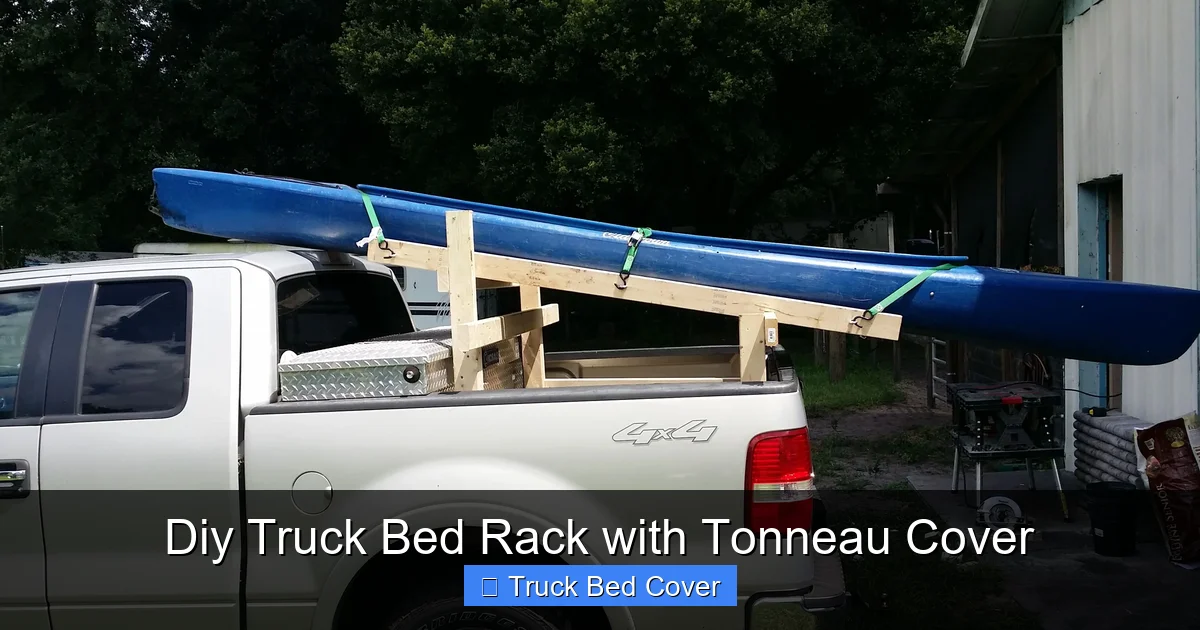
Diy Truck Bed Rack with Tonneau Cover
Want to maximize your truck’s storage potential? A DIY truck bed rack with a tonneau cover is the perfect solution for hauling gear safely while keeping it dry and secure. This powerful combination offers unmatched versatility for work, adventure, and everyday use.
Key Takeaways
- Customizable Storage: Build a rack that fits your exact needs—whether for tools, sports equipment, or camping gear.
- Weather Protection: Pair your rack with a tonneau cover to shield cargo from rain, snow, and sun damage.
- Improved Fuel Efficiency: A sleek tonneau cover reduces wind resistance, helping your truck get better gas mileage.
- Enhanced Security: Lockable racks and covers prevent theft and keep valuables out of sight.
- Easy Installation: Most DIY kits require basic tools and take less than a weekend to complete.
- Cost-Effective Upgrade: Save money by building your own system instead of buying expensive pre-assembled units.
- Boosts Truck Value: A well-installed rack and cover increase resale value and appeal to serious truck buyers.
Key Takeaways
- Understanding diy truck bed rack with tonneau cover: Provides essential knowledge
Quick Answers to Common Questions
Can I install a tonneau cover over my existing truck bed rack?
Yes, most tonneau covers are designed to work with aftermarket racks. Just ensure the rack doesn’t block airflow or interfere with the cover’s operation.
Do I need special tools to build a DIY truck bed rack?
Basic tools like a drill, wrench, and measuring tape are sufficient. Advanced builds may require a welder or angle grinder, but many people complete projects with just hand tools.
Will a DIY rack affect my truck’s warranty?
If installed properly and not welded directly to the frame, a rack usually won’t void your warranty. However, consult your dealer or review your warranty terms first.
How much does it cost to build a rack and cover combo?
Expect $200–$600 depending on materials and cover type. DIY saves hundreds compared to pre-built systems, which can cost over $1,000.
Is a tonneau cover worth it with a rack?
Absolutely. The cover protects cargo from weather and improves aerodynamics, making the entire system more practical and efficient.
📑 Table of Contents
- Why a DIY Truck Bed Rack with Tonneau Cover Is a Game Changer
- What Is a DIY Truck Bed Rack?
- Choosing the Right Tonneau Cover for Your Rack
- Step-by-Step Guide to Building Your DIY Truck Bed Rack
- Maximizing Space and Functionality
- Maintenance Tips for Longevity
- Real-Life Examples: What People Are Doing
- Common Mistakes to Avoid
- Conclusion: Your Truck, Your Rules
Why a DIY Truck Bed Rack with Tonneau Cover Is a Game Changer
There’s nothing quite like the freedom of a pickup truck—especially when you’re ready to tackle projects, hit the trail, or just carry more without overloading your vehicle. But let’s be honest: the open bed is vulnerable to weather, prying eyes, and inefficient space use. That’s where a DIY truck bed rack with a tonneau cover comes in. It’s not just about adding height—it’s about creating a secure, organized, and weatherproof workspace on wheels.
Whether you’re a tradesperson needing to haul tools safely, an outdoor enthusiast packing camping gear, or someone who simply wants more trunk space without sacrificing style, combining a custom rack with a tonneau cover gives you control. You get the best of both worlds: elevated storage that stays protected and accessible. And the best part? You can build it yourself—saving money and tailoring it exactly to your truck and lifestyle.
What Is a DIY Truck Bed Rack?
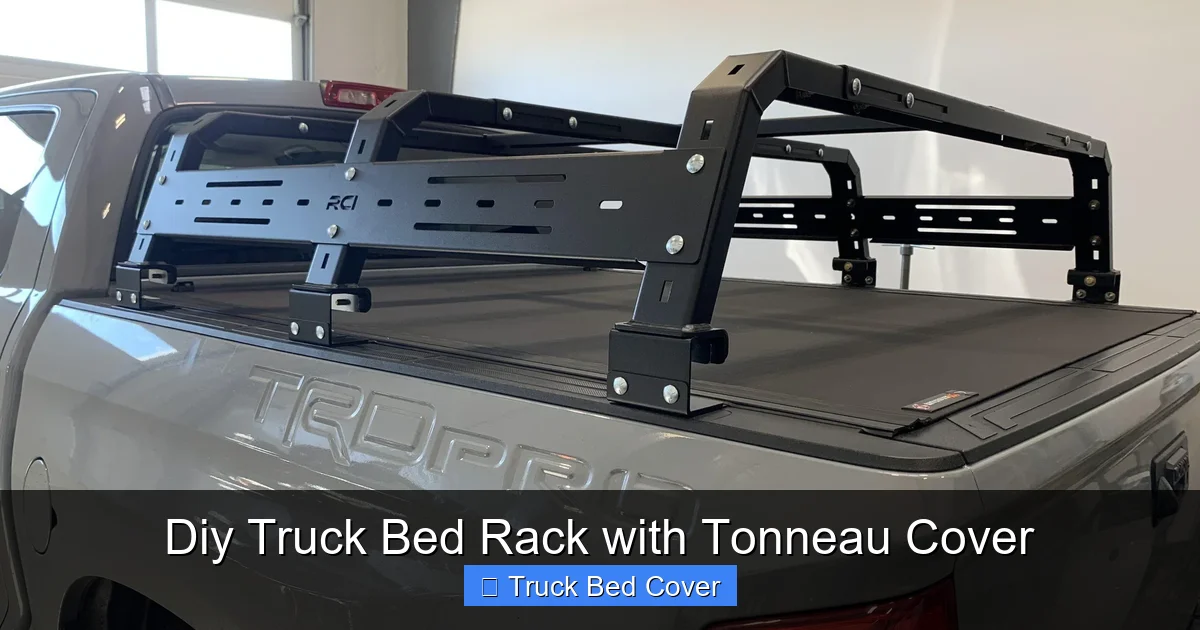
Visual guide about Diy Truck Bed Rack with Tonneau Cover
Image source: cdn.shopify.com
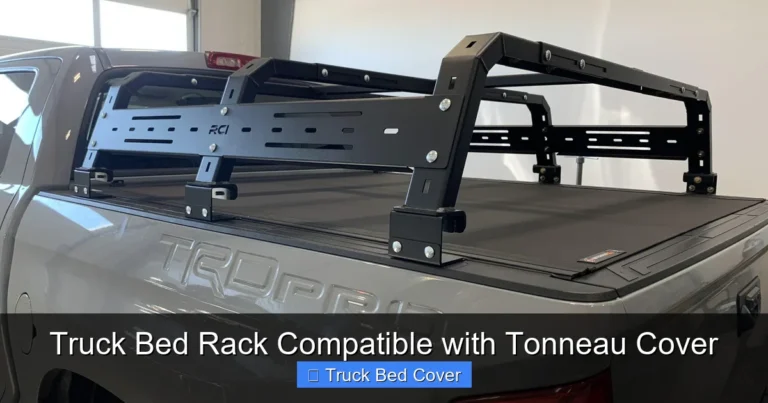
A DIY truck bed rack is a customizable overhead storage system built specifically for your truck’s bed. Unlike factory racks, which are often limited in design and coverage, a DIY version allows you to shape, size, and position supports according to your needs. These racks typically include crossbars, side rails, and attachment points for accessories like bike carriers, cargo boxes, or even solar panels.
The Benefits of Building Your Own Rack
When you build your own truck bed rack, you gain several advantages:
– Precision Fit: No more guessing—measure your truck bed and design the rack to match.
– Material Choice: Use aluminum for lightweight strength, steel for durability, or composite for corrosion resistance.
– Modular Design: Add or remove components as needed without starting over.
– Safety First: Properly engineered racks distribute weight evenly and reduce strain on the truck frame.
For example, if you drive a Ford F-150 with a 6.5-foot bed, you can design a low-profile rack that sits just above the cab roof, leaving room for taller cargo underneath. Or, if you have a smaller truck like a Nissan Frontier, you might opt for a compact, aerodynamic setup.
How It Works with a Tonneau Cover
The magic happens when you pair your DIY rack with a tonneau cover. Think of the rack as the foundation and the cover as the lid. The rack provides structural support and mounting points, while the tonneau cover seals the bed, protecting everything below. Together, they create a sealed cargo compartment that’s both functional and stylish.
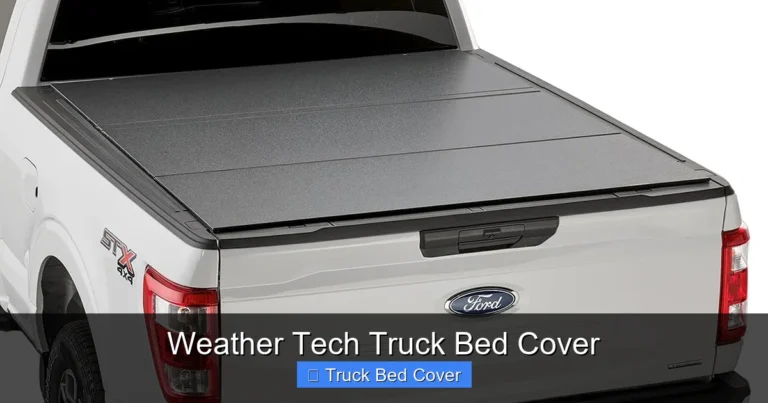
Most modern tonneau covers—like retractable, folding, or roll-up models—are designed to work seamlessly with aftermarket racks. Some even include pre-drilled mounting holes that align perfectly with common rack designs.
Choosing the Right Tonneau Cover for Your Rack
Not all tonneau covers are created equal. The right choice depends on your climate, cargo type, and how you plan to use your truck.
Retractable Covers
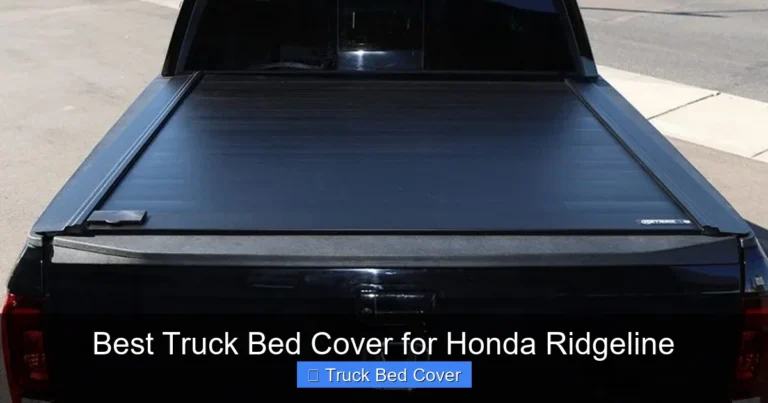
These sleek, rolling covers offer full bed access and are ideal for frequent loading. They’re easy to operate with one hand and provide excellent protection from rain and UV rays. Brands like DeWalt and BAK offer models that integrate smoothly with most DIY racks.
Folding Covers
Made of multiple rigid panels, folding covers (like the Truxedo Lo Pro QT) fold up against the cab. They’re sturdy, affordable, and great for moderate climates. However, they can add bulk when opened.
Roll-Up Covers
Simple and lightweight, these covers unroll like a carpet and latch at the front. They’re perfect for light-duty users but may not hold up well in high winds or heavy snow.
Hard Tri-Fold Covers
These combine the durability of hard covers with the convenience of folding. They’re heavier but offer superior security and weather resistance—ideal for trucks used in harsh environments.
When choosing, consider:
– How often you access the bed
– Whether you need full-width coverage
– Your budget and preferred material
Step-by-Step Guide to Building Your DIY Truck Bed Rack
Building a rack doesn’t require engineering expertise—just some patience, the right tools, and a solid plan.
Gather Your Tools and Materials
You’ll need:
– Measuring tape
– Drill and drill bits
– Wrenches and sockets
– Angle iron or aluminum extrusions (1×2 or 2×2)
– Corner brackets and L-brackets
– Threaded rods or bolts
– Level and clamps
– Safety glasses and gloves
Materials depend on your truck model. For most mid-size trucks, 1/8-inch thick aluminum is strong enough. For heavy-duty use, go with steel.
Measure and Plan Your Design
Start by measuring your truck bed’s length, width, and height clearance. Note where the wheel wells, tailgate, and bed rails are located. Sketch a layout that includes:
– Front and rear crossbars
– Side rails
– Attachment points for the tonneau cover
Pro tip: Leave a 2–4 inch gap between the rack and the cab roof to allow for taller items like coolers or toolboxes.
Cut and Assemble the Frame
Using a chop saw or hacksaw, cut your materials to size. Assemble the main frame using corner brackets and bolts. Make sure all joints are square and secure. Use a level to ensure the crossbars are perfectly horizontal.
If you’re new to metalworking, start with a simple rectangular design before adding curves or extensions.
Mount the Rack to the Truck
Most racks attach to the factory bed rails using U-bolts or clamps. If your truck lacks rails, you can weld or bolt directly to the bed’s inner walls—but be cautious not to compromise the truck’s structural integrity.
Use rubber gaskets or anti-vibration pads under mounting points to reduce noise and prevent rust.
Install the Tonneau Cover
Once the rack is secure, install your chosen tonneau cover. Follow the manufacturer’s instructions carefully. Most covers come with mounting rails that clip or bolt onto the rack’s crossbars.
Test the operation a few times to ensure smooth opening and closing. Adjust tension or alignment if needed.
Add Accessories
Now for the fun part! Attach accessories like:
– Roof-mounted cargo boxes
– Bike racks
– Ski and snowboard holders
– LED light bars
Make sure all additions are within your truck’s payload limit and don’t exceed legal height restrictions.
Maximizing Space and Functionality
A well-designed rack and tonneau system isn’t just about height—it’s about smart organization.
Use Modular Storage Solutions
Add removable bins, tool organizers, or mesh pockets inside the covered area. These keep small items from shifting during transit. Magnetic strips are great for holding screwdrivers or flashlights.
Optimize for Seasonal Use
In winter, use the rack to carry shovels or emergency kits. In summer, switch to kayaks or surfboards. Some owners even install portable grills or coolers that plug into the truck’s 12V outlet.
Improve Aerodynamics
Smooth, streamlined racks reduce drag. Avoid bulky, boxy designs unless you need them for enclosed storage. Curved crossbars or tapered edges help air flow smoothly over the top.
Consider Solar Integration
For off-grid adventures, mount small solar panels on the rack to power devices. With a tonneau cover, your electronics stay charged without taking up bed space.
Maintenance Tips for Longevity
Like any outdoor gear, your rack and cover need regular care.
Clean After Each Use
Rinse off dirt and salt with fresh water, especially after driving in winter. Dry thoroughly to prevent rust.
Lubricate Moving Parts
Apply silicone spray to hinges and rollers on retractable covers. Check bolts quarterly and re-tighten if necessary.
Inspect for Damage
Look for cracks, loose bolts, or worn seals. Replace parts immediately to avoid safety hazards.
Store When Not in Use
If you live in a region with extreme weather, consider removing the rack during peak summer or winter months to extend its lifespan.
Real-Life Examples: What People Are Doing
Meet Jake, a contractor who built a custom rack with built-in tool drawers and a retractable tonneau cover. Now he can carry ladders, generators, and supplies securely—without overloading his truck.
Then there’s Maria, who uses her DIY system for weekend camping trips. She mounts a rooftop tent on the rack and keeps all gear locked inside the covered bed. Her truck gets better fuel economy, and she never worries about gear getting wet.
Even farmers and landscapers benefit. By installing a reinforced rack with side-mounted seed bags and a waterproof cover, they transport equipment safely and efficiently.
Common Mistakes to Avoid
– Overloading the Rack: Always check your truck’s payload capacity. Adding too much weight can damage the suspension or frame.
– Poor Alignment: Misaligned crossbars cause uneven stress and can warp over time.
– Ignoring Weather Seals: A loose cover lets water in. Re-seal seams annually with marine-grade tape.
– Skipping Permits: Some areas regulate rack height and lighting. Check local laws before installing.
– DIY Without Research: Watch video tutorials and read reviews. What works for one truck may not fit another.
Conclusion: Your Truck, Your Rules
A DIY truck bed rack with a tonneau cover isn’t just a modification—it’s a transformation. It turns your pickup into a mobile command center, a rugged adventure rig, or a reliable workhorse. With the right planning, materials, and a little elbow grease, you can build something truly unique.
The beauty of going DIY is the freedom to adapt. Need more height? Add taller crossbars. Want extra storage? Install a cargo box. Protecting your gear has never been easier—or more personalized.
So grab your tools, measure twice, and start building. Your perfect truck setup is closer than you think.
Frequently Asked Questions
Can I use a soft tonneau cover with a DIY rack?
Yes, soft roll-up and tri-fold covers work well with most DIY racks. Just ensure the rack doesn’t create sharp edges that could tear the material.
How do I prevent my tonneau cover from blowing off in the wind?
Use a high-quality cover with strong latches, secure the tailgate tightly, and avoid overloading the bed. Wind deflectors on the rack can also help.
What’s the maximum weight a DIY rack can hold?
It depends on materials and installation, but a well-built aluminum rack can support 200–500 lbs. Always stay within your truck’s payload limit.
Can I paint my DIY rack to match my truck?
Yes, spray paint or powder coat the metal for a seamless look. Use automotive-grade paint for durability and color matching.
Do I need a license to build and install a truck bed rack?
No license is required for DIY installations, but you must comply with local regulations regarding height, lighting, and visibility.
How long does it take to assemble a DIY truck bed rack?
Most people finish in 8–12 hours over two days, depending on complexity. Simple designs can be done in a single afternoon.