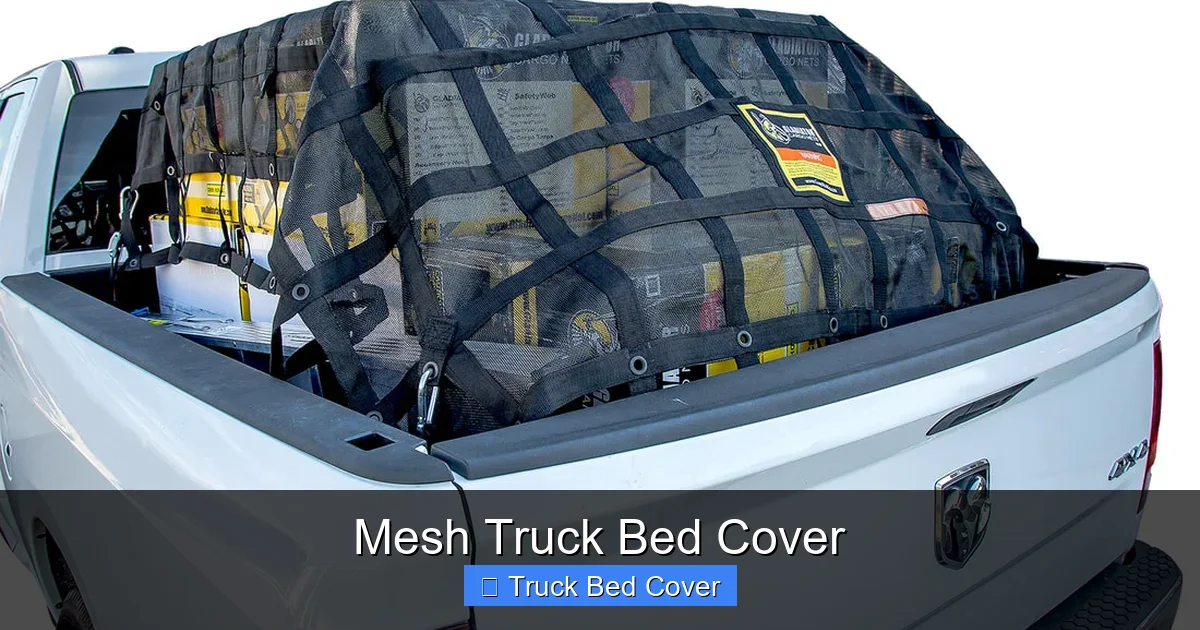
Mesh Truck Bed Cover
A mesh truck bed cover offers the perfect balance of protection and airflow for truck owners who need to transport cargo safely without blocking ventilation. Unlike solid covers, mesh designs allow air to circulate while shielding items from rain, dust, and prying eyes. Whether you’re hauling tools, equipment, or outdoor gear, a mesh truck bed cover provides lightweight security that’s easy to install and remove.
# Mesh Truck Bed Cover: The Ultimate Guide to Lightweight, Secure Cargo Protection
If you’re a truck owner who regularly hauls tools, sports gear, or construction materials, you know how frustrating it can be when your cargo gets wet, stolen, or damaged. Enter the **mesh truck bed cover**—a versatile, budget-friendly solution that combines security, breathability, and ease of use. Unlike traditional hard or soft tonneau covers, mesh bed covers offer open-air protection while keeping your belongings safe from the elements and opportunistic thieves.
In this comprehensive guide, we’ll walk you through everything you need to know about mesh truck bed covers. From understanding how they work to choosing the right one for your vehicle, installation tips, maintenance, and real-world benefits, you’ll learn why this lightweight cover is gaining popularity among both everyday drivers and professionals.
—
## What Is a Mesh Truck Bed Cover?
A **mesh truck bed cover** is a protective layer made from high-strength, tear-resistant fabric—typically polyester or vinyl-coated nylon—that stretches over the open bed of a pickup truck. It’s designed to provide partial coverage, allowing air and light to pass through while blocking windblown debris, rain, and unauthorized access.
Unlike full-enclosure tonneau covers that completely seal the bed, mesh covers are open on top and sides but secured tightly enough to prevent most intruders from reaching inside. They come in several styles, including roll-up, roll-tight, tailgate-specific, and fixed-frame models, each tailored to fit different truck bed sizes and user preferences.
### Why Choose Mesh Over Solid Covers?
While solid covers like fiberglass, aluminum, or vinyl tarps offer total weatherproofing, they have drawbacks:
– Trap heat and moisture, leading to mold or rust.
– Add weight and reduce fuel efficiency.
– Are more expensive and harder to install.
– Limit access to cargo without full removal.
Mesh covers solve these issues by offering selective protection. You get visibility, ventilation, and quick access—all at a fraction of the cost and weight.
—
## Types of Mesh Truck Bed Covers
Not all mesh covers are created equal. Here are the most common types you’ll encounter:
### 1. Roll-Up Mesh Covers
These are the most popular style. Made from heavy-duty mesh fabric stretched over a metal or aluminum frame, they roll up toward the cab when not in use. They’re held in place with side rails and often include bungee cords or latches at the tailgate.
**Best for:** Daily drivers who want easy access and moderate protection.
### 2. Roll-Tight Mesh Covers
Similar to roll-ups but feature tighter-weave fabric and reinforced edges. These models often come with ratchet-style tension systems that pull the cover taut, reducing flapping in the wind.
**Best for:** Windy areas or users carrying fragile items.
### 3. Tailgate-Specific Mesh Covers
Designed to attach only to the tailgate, leaving the front half of the bed exposed. These are ideal for those who already use a tonneau cover on the front.
**Best for:** Hybrid setups combining front and rear protection.
### 4. Fixed Frame Mesh Covers
These come with permanent frames bolted into the truck bed. Once installed, they stay in place year-round.
**Best for:** Commercial users or off-road enthusiasts needing constant coverage.
### 5. Bungee Net Style Covers
Made from elasticized netting stretched over hooks or clips along the bed rails. Extremely lightweight but less secure.
**Best for:** Casual use, light loads, or temporary protection.
—
## Key Benefits of Using a Mesh Truck Bed Cover
So why should you invest in a **mesh truck bed cover**? Let’s break down the advantages.
### 1. Superior Airflow & Breathability
One of the biggest perks of mesh fabric is its ability to let air flow freely. This prevents condensation buildup—especially important if you carry damp items like gardening supplies or gym equipment. In humid climates, this can mean the difference between dry tools and rusted hardware.
### 2. Theft Deterrent Without Full Securing
A mesh cover doesn’t fully enclose the bed, but it makes it significantly harder for someone to reach in and grab something valuable. Criminals prefer easy targets, so even partial visibility can discourage break-ins. Plus, many models include zippered or snap closures for added security.
### 3. Weather Resistance That’s Smart, Not Extreme
While not 100% waterproof like rubber tarps, high-quality mesh covers repel light rain and shield against dust, leaves, and bird droppings. The weave is tight enough to block most water droplets unless it’s pouring heavily.
### 4. Easy Access & Quick Deployment
Need to load something fast? With a roll-up or bungee style, you can unroll or lift the cover in seconds. No fumbling with latches or folding tarps—just pull and go.
### 5. Lightweight & Fuel Efficient
Most mesh covers weigh under 15 pounds. Compare that to a full aluminum tonneau cover (which can add 70+ lbs), and you’ll save on gas and wear-and-tear.
### 6. Affordable & Replaceable
At $50–$150, mesh covers are far cheaper than hard tops or composite panels. If one section rips, you can usually buy just the patch instead of replacing the entire system.
—
## How to Choose the Right Mesh Truck Bed Cover
With so many options out there, picking the best **mesh truck bed cover** for your truck can feel overwhelming. Here’s what to look for:
### Measure Your Truck Bed
Truck beds come in different lengths (short, standard, long) and widths. Always measure before buying—even if you think you know your model. Some manufacturers list exact dimensions; others use approximate sizing.
### Check Material Quality
Look for:
– **UV-treated fabric** to resist sun fading
– **Reinforced edges** to prevent tearing
– **Double-stitched seams** for durability
– **Vinyl coating** on polyester for better water resistance
Avoid thin, flimsy mesh that stretches too much or lets in small objects.
### Consider Your Climate
– **Dry, sunny regions**: Focus on UV protection and heat reflection.
– **Wet or windy areas**: Opt for roll-tight or fixed-frame styles with snug fits.
– **Extreme cold**: Ensure the material stays flexible in low temperatures.
### Review Installation Requirements
Most mesh covers require no drilling or permanent mounting. Look for models with:
– Bungee cord or strap systems
– Snap-on rails
– Magnetic or hook-and-loop fasteners
Avoid complicated setups unless you’re handy with tools.
### Read Customer Reviews
Pay attention to feedback about:
– Durability after 6+ months
– Ease of cleaning
– Performance in storms or heavy traffic
Real-world experiences matter more than marketing claims.
—
## Step-by-Step Installation Tips
Installing a **mesh truck bed cover** is surprisingly simple—even for beginners. Follow these steps:
1. **Clear the Bed**: Remove any loose items, debris, or sharp edges that could damage the fabric.
2. **Lay the Cover Flat**: Unroll or unfold the cover and position it evenly across the bed.
3. **Attach Side Rails**: Secure the fabric to the bed rails using included straps, bungees, or magnetic strips.
4. **Fasten the Tailgate**: Use the built-in clamps, snaps, or latches to lock the cover to the tailgate.
5. **Tighten for Stability**: Pull the cover taut to reduce flapping. Some models use ratchets or buckles for extra tension.
6. **Test It Out**: Open and close the cover a few times to ensure smooth operation.
**Pro Tip**: Install the cover slightly loose initially—then tighten once the fabric settles.
—
## Maintenance & Care for Longevity
Like any outdoor accessory, your mesh cover needs occasional care to last years. Here’s how to keep it in top shape:
– **Clean Regularly**: Hose off dirt and grime every few weeks. For stubborn stains, use mild soap and a soft brush.
– **Dry Thoroughly**: Never leave the cover wet—mold grows fast in damp mesh.
– **Store Properly**: When not in use, roll it up neatly and store in a cool, dry place.
– **Inspect for Damage**: Check for tears, loose stitching, or worn-out fasteners monthly.
– **Avoid Sharp Objects**: Keep tools, branches, or rocks away from the cover to prevent punctures.
Most quality mesh covers come with a 1–3 year warranty—so report defects promptly.
—
## Real-Life Use Cases for Mesh Truck Bed Covers
Wondering where a **mesh truck bed cover** shines? Here are some common scenarios:
### Construction Workers
Carry power tools, ladders, and materials without worrying about rain ruining electronics or paint peeling off wood.
### Campers & Outdoor Enthusiasts
Keep camping gear dry during hikes or fishing trips without sacrificing quick access.
### Delivery Drivers
Protect packages from morning dew or afternoon showers while maintaining visibility for loading zones.
### Farmers & Landscapers
Shield fertilizer bags or mulch from wind-blown dirt without blocking airflow that could cause spoilage.
### Everyday Commuters
Prevent mud from splashing onto your tailgate or protecting a cooler from direct sunlight.
—
## Common Misconceptions About Mesh Covers
Let’s clear up some myths:
❌ *“Mesh covers don’t protect anything.”*
✅ Actually, they stop most rain, dust, and small debris while allowing airflow.
❌ *“They’re too flimsy to last.”*
✅ High-end models use industrial-grade fabric that resists tears and UV damage.
❌ *“You can’t secure them properly.”*
✅ Many include ratchets, locks, or zipper flaps for added security.
❌ *“Only used by professionals.”*
✅ Anyone who values convenience and cargo protection will benefit.
—
## Final Thoughts: Is a Mesh Truck Bed Cover Right for You?
If you want a practical, affordable way to protect your truck bed without sacrificing access or adding bulk, a **mesh truck bed cover** is an excellent choice. It’s not meant to replace a full tonneau cover in extreme weather, but for daily use, it delivers smart protection with minimal hassle.
Whether you’re a contractor, weekend warrior, or delivery driver, investing in a quality mesh cover means peace of mind every time you load up the truck. Plus, with installation taking just minutes and maintenance being minimal, it’s a small upgrade that pays big dividends.
Ready to give it a try? Measure your bed, pick a trusted brand, and enjoy the freedom of secure, breathable cargo transport.
—
Key Takeaways
- Enhanced Security: Mesh covers deter theft by making it harder to access cargo while still allowing visibility.
- Breathability & Ventilation: Prevent condensation and mold buildup in your truck bed during humid or rainy conditions.
- Weather Protection: Shields cargo from rain, snow, dirt, and UV rays without trapping moisture.
- Easy Installation: Most models use simple bungee cords, snaps, or straps—no tools required.
- Lightweight Design: Weighing less than 10 lbs, mesh covers don’t add significant load to your vehicle.
- Universal Fit: Available in roll-up, roll-tight, and tailgate-specific styles for most pickup trucks.
- Cost-Effective Solution: More affordable than tonneau covers and easier to replace if damaged.
Quick Answers to Common Questions
What’s the difference between a mesh cover and a tarp?
A tarp blocks all airflow and usually requires tying down multiple points, while a mesh cover allows air circulation and uses fewer attachment points for faster setup.
Can I drive with a mesh truck bed cover rolled up?
Yes, most roll-up styles are designed to stay secured in the upright position during driving without flapping.
Will a mesh cover protect my cargo in heavy rain?
It resists light to moderate rain but isn’t fully waterproof—for heavy storms, consider pairing it with a solid tonneau cover.
Are mesh covers compatible with all pickup trucks?
Most universal models fit standard bed sizes, but always check length and width specifications for your make and model.
Do mesh covers fade in the sun?
High-quality ones include UV inhibitors to minimize fading, but prolonged exposure without shade may still cause gradual color change over time.
Frequently Asked Questions
How do I clean my mesh truck bed cover?
Rinse it with water to remove loose dirt, then use mild soap and a soft brush for stains. Always let it air dry completely before rolling up.
Can I install a mesh cover without tools?
Yes! Most models use bungee cords, straps, or snap-on rails—no drilling or screws required for basic installation.
Is a mesh cover good for off-roading?
It works well for trail runs and light off-roading, but avoid deep mud or rock crawling where sharp objects could puncture the fabric.
Will the mesh let insects into my truck bed?
Only if the weave is very loose. Choose a cover with a fine, tightly woven mesh (like 1/4-inch holes) to keep most bugs out.
How long does a mesh truck bed cover last?
With proper care, a quality cover lasts 2–5 years. Cheaper versions may degrade faster due to poor material or stitching.
Can I leave my mesh cover on in winter?
Yes, it protects against snow and ice buildup. Just shake off excess moisture and ensure it’s not dragging on the ground.