How to Open a Truck Bed Cover
Opening your truck bed cover is simple once you know the steps. Whether you have a hard or soft cover, this guide walks you through safe, quick methods to access your cargo. You’ll also learn how to avoid common mistakes and maintain your cover for long-lasting use.
Key Takeaways
- Identify your cover type: Hard covers (fiberglass, aluminum) usually unlatch from inside the cab, while soft covers (roll-up, tri-fold) often require external handles.
- Check for safety first: Always ensure the truck is in park, parking brake engaged, and engine off before attempting to open.
- Use the right tools: Most covers need no tools—just hands. But some may require a flathead screwdriver or key for latches or locks.
- Avoid force: If the cover won’t budge, don’t pry or hammer it. Check for frozen mechanisms or debris blocking movement.
- Maintain regularly: Lubricate hinges, clean tracks, and inspect seals to prevent sticking and extend cover life.
- Know your model: Refer to your owner’s manual—some covers open from the tailgate side or require a two-person operation.
- Safety gear matters: Wear gloves and eye protection when handling heavy or stiff covers, especially on older models.
Quick Answers to Common Questions
Can I open my truck bed cover with the tailgate closed?
No, you must open the tailgate fully to access most covers. Some retractable models allow limited operation with the tailgate closed, but this varies by design and manufacturer.
Do I need tools to open my truck bed cover?
Most covers open by hand using latches, straps, or handles. However, certain locks or latches may require a key, flathead screwdriver, or Allen wrench. Check your manual for specifics.
Why won’t my hard cover unfold easily?
Common causes include frozen latches in cold weather, dirty hinges, weak gas struts, or misaligned panels. Clean, lubricate, and warm up the area before trying again.
How often should I clean my truck bed cover?
Clean hard covers monthly and soft covers every few months. Use mild soap and water, and never use abrasive cleaners that can damage finishes or fabric.
Is it safe to leave my cover open overnight?
Yes, but only if it’s securely fastened and the tailgate is down. Leaving it partially open risks damage from weather, animals, or accidental closure.
📑 Table of Contents
- How to Open a Truck Bed Cover: A Complete Step-by-Step Guide
- Understanding Your Truck Bed Cover Types
- Preparing to Open Your Truck Bed Cover Safely
- Step-by-Step: How to Open Common Truck Bed Covers
- Troubleshooting Common Issues When Opening Your Cover
- Maintenance Tips to Keep Your Cover Opening Easily
- Safety Considerations When Opening Your Truck Bed Cover
- When to Call a Professional
- Conclusion: Mastering the Art of Opening Your Truck Bed Cover
How to Open a Truck Bed Cover: A Complete Step-by-Step Guide
If you own a pickup truck with a bed cover, you already know how valuable that extra layer of protection can be. From shielding your cargo from rain and snow to deterring theft and reducing wind resistance, a truck bed cover does a lot. But when it comes time to actually use that space, knowing how to open your cover quickly and safely becomes just as important.
Whether you’re loading equipment, unloading groceries, or heading off-road, the process of opening your truck bed cover can vary depending on the type you have. Some are as simple as pulling a strap, while others require a little more finesse. The good news? With the right knowledge, opening your cover shouldn’t feel like a puzzle. In this detailed guide, we’ll walk you through everything you need to know—from identifying your cover type to troubleshooting stubborn latches and maintaining smooth operation for years to come.
Understanding Your Truck Bed Cover Types
Before you even think about lifting or rolling anything, it’s crucial to understand what kind of cover you’re working with. There are several popular styles, each with its own way of opening. Let’s break them down so you know exactly what you’re dealing with.
Hard Tri-Fold Covers
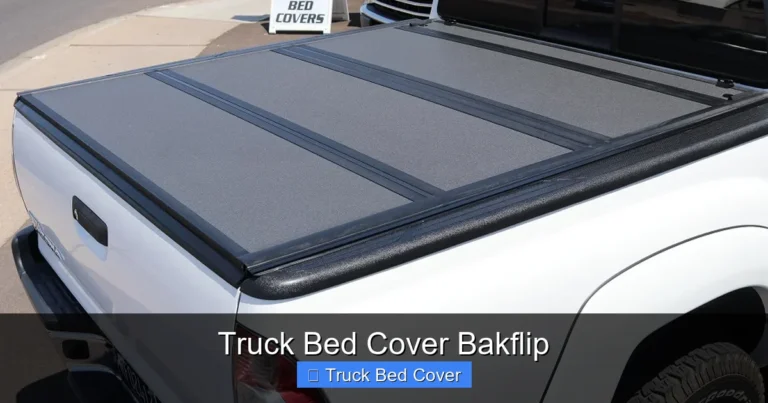
These are among the most common hard covers on trucks today. They’re made from durable materials like fiberglass, ABS plastic, or aluminum and fold up into three sections over the bed. To open one, you typically start by locating the release latch—usually found on the inside of the driver’s side window or near the tailgate.
Once you pull the latch (sometimes requiring a key), the front section lifts up. Then, you lift the second and third sections and fold them backward. Many modern designs include gas struts to help support the weight, making this process much easier. Just make sure the tailgate is open and there’s enough clearance before unfolding.
Hard Folding Covers
Similar to tri-folds but with only two main panels, these covers offer a slightly larger opening when fully folded. They’re often heavier and may require both hands to lift. Like tri-folds, they usually feature internal latches and gas shocks for smoother operation.
Retractable Hard Covers
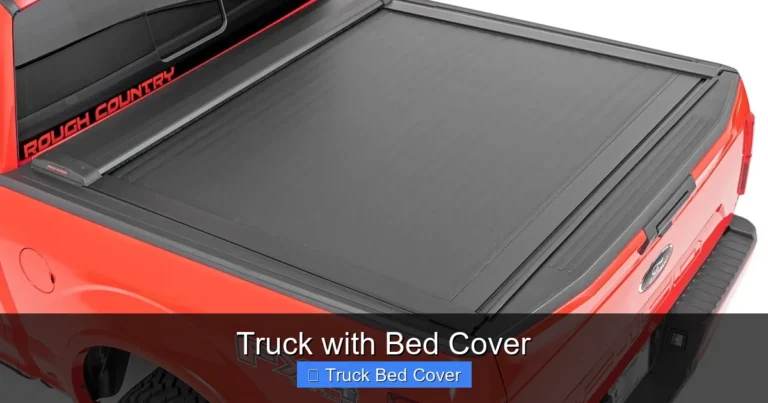
These slide open along rails at the front of the bed, retracting under the cab. Opening them is often as easy as pressing a button or turning a key lock. Once unlocked, you pull the handle to retract the cover fully. These are great if you want full bed access without folding anything, but they can be pricey and require regular rail maintenance.
Soft Roll-Up Covers
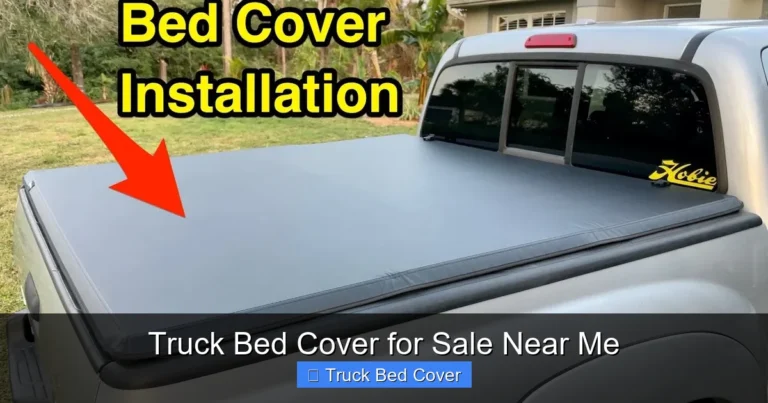
Made from heavy-duty vinyl or canvas, these covers roll up toward the front of the truck bed. To open, you usually grab the end flap, pull it toward the cab, and secure it with Velcro straps or buckles. Some models include a tension rod to help keep the cover tight when closed. Make sure the bed liner isn’t trapping the cover underneath before rolling.
Soft Tri-Fold or One-Piece Covers
These lay flat over the bed and fold up like a book. They often use snap buttons or zippers to stay in place. Opening involves unfastening the last panel, then folding the cover backward. Because they’re lighter, they’re less likely to strain your back—but they offer less structural rigidity than hard covers.
Preparing to Open Your Truck Bed Cover Safely
No matter which type you have, preparation is key. Rushing in without checking a few basics can lead to accidents or damage. Here’s how to get ready:
- Park on level ground: Uneven terrain can make lifting awkward or cause the truck to shift.
- Engage the parking brake: Safety first—especially if you’re working alone.
- Turn off the engine: Prevents accidental movement and conserves battery.
- Clear the area around the tailgate: Remove any obstacles, tools, or loose items that might interfere.
- Wear proper clothing: Gloves protect your hands, and sturdy shoes help with grip.
Also, check the weather. If it’s icy or wet, frost buildup or moisture can freeze latches or make surfaces slippery. In those cases, let the cover sit for a few minutes to warm up or gently wipe away condensation before touching metal parts.
Step-by-Step: How to Open Common Truck Bed Covers
Now let’s dive into the actual process. We’ll go through each major cover type with clear instructions and pro tips.
Opening a Hard Tri-Fold Cover
- Locate the release latch: Look inside the cab near the rearview mirror or on the driver’s side window trim.
- Unlock the latch: If it’s locked, insert your key and turn it. Some models have a red indicator showing “open” or “closed.”
- Lift the front panel: Use both hands to lift the front section. Gas struts should assist—if not, check if they’re damaged.
- Fold the remaining panels: Lift and fold the next two sections backward, stacking them neatly against the cab.
- Secure or store: Some covers have built-in straps; others may need to be leaned against the cab or removed entirely.
Pro Tip: Never slam folded sections down. This can warp panels or damage the tailgate seal.
Opening a Retractable Hard Cover
- Unlock the system: Turn the key in the lock (often located at the front edge of the bed) or press the remote button.
- Pull the handle: Grip the exposed edge and pull forward smoothly. The cover should retract automatically.
- Stop when desired length is reached: Most models have markers showing full open/close positions.
- Lock in place: If needed, re-lock the system to prevent accidental closure.
Note: If the cover jams during retraction, do not force it. Disconnect the battery and consult your manual—this could indicate misaligned rails or a motor issue.
Opening a Soft Roll-Up Cover
- Open the tailgate completely: This gives you full access to the cover’s rolling mechanism.
- Grab the end flap: Pull it firmly toward the cab. You may hear a slight “snap” as the tension rod releases.
- Roll it up evenly: Unroll the cover slowly to avoid creasing or tearing the material.
- Secure with straps or buckles: Attach the Velcro or clips at the front to keep it tidy.
Caution: Avoid yanking the cover—it can stretch the fabric or loosen stitching over time.
Troubleshooting Common Issues When Opening Your Cover
Even with perfect maintenance, sometimes covers act up. Here’s how to handle the most frequent problems.
The Latch Won’t Release
This is usually due to dirt, rust, or misalignment. Try spraying a silicone-based lubricant into the latch mechanism. If it’s stiff, wiggle the cover slightly while trying to unlock—sometimes thermal expansion helps. Never use WD-49 or oil-based products, as they attract grime.
The Cover Sticks or Won’t Fold Smoothly
Dust and debris build up in folds and hinges. Every few months, remove the cover (if possible) and clean all contact points with a damp cloth. For hard covers, use a dry microfiber cloth to wipe rails and joints. Reapply lubricant lightly after cleaning.
The Retractable Cover Jammed Midway
Check for obstructions in the rails—twigs, rocks, or ice can block movement. Use compressed air or a soft brush to clear debris. If it still won’t move, disconnect the battery and inspect the motor and track alignment. Professional service may be needed.
The Soft Cover Is Too Loose or Saggy
This often means the tension rod is worn out. Replace it following manufacturer guidelines. Also, ensure the cover isn’t stretched too tight when installing—it should drape naturally over the bed.
Maintenance Tips to Keep Your Cover Opening Easily
A well-maintained cover opens effortlessly and lasts longer. Follow these routines:
- Clean monthly: Wipe down hard covers with mild soap and water. For soft covers, use vinyl-safe cleaner and avoid harsh abrasives.
- Lubricate moving parts annually: Apply silicone spray to latches, hinges, and sliding tracks. Avoid petroleum-based oils.
- Inspect for wear: Look for cracks, frayed edges, or loose bolts. Address issues early to prevent bigger problems.
- Store properly: If removing your cover for winter, clean it thoroughly and store it indoors to prevent mold or UV damage.
- Check alignment after trips: Off-road driving can shift components. Verify that the cover sits flush before relying on it again.
Also, consider using a bed liner or mat. While helpful for cargo protection, they can sometimes trap the cover or interfere with rolling. Choose a liner designed to work with your cover model.
Safety Considerations When Opening Your Truck Bed Cover
Your safety—and the safety of others—should always come first. Follow these guidelines:
- Avoid working alone in high winds: Strong gusts can catch loose cover panels and whip them around.
- Never stand directly behind a raised cover: Panels can fall unexpectedly, especially if latches fail.
- Keep children and pets away: Moving parts pose pinch hazards.
- Use a step stool if needed: Don’t strain your back or neck reaching awkwardly.
- Be mindful of overhead obstructions: Low-hanging branches or garage doors can be dangerous when lifting.
If your cover has gas struts, inspect them yearly for leaks or weakness. Weak struts increase fall risk and make lifting harder.
When to Call a Professional
While most cover operations are DIY-friendly, some situations call for expert help:
- The cover won’t open at all and appears structurally damaged.
- Retractable rails are bent or misaligned.
- Gas struts are leaking fluid or lack support.
- You suspect electrical issues with powered systems.
- Your warranty is voided by improper handling.
Reputable dealers or specialty shops often offer installation and repair services. It’s better to spend a bit now than risk replacing an entire cover later.
Conclusion: Mastering the Art of Opening Your Truck Bed Cover
Opening your truck bed cover doesn’t have to be a daily headache. By understanding your cover type, preparing safely, and performing regular maintenance, you can enjoy seamless access every time. Whether you drive a rugged off-roader or a daily commuter, a well-handled cover protects your investment and makes hauling easier.
Remember: patience pays off. If something feels stuck, take a breath—don’t force it. Chances are, a little lubrication or a gentle nudge will do the trick. And always refer to your owner’s manual for model-specific instructions. After all, your cover was made to serve you, not the other way around.
So next time you need to load up, open up, or just admire your ride, you’ll know exactly how to open that truck bed cover—quickly, safely, and without stress.
Frequently Asked Questions
What’s the best way to clean a soft truck bed cover?
Use a soft sponge, mild soap, and lukewarm water. Rinse thoroughly and let air dry completely. Avoid bleach or solvents, which can weaken the material.
Can I install a new cover myself?
Yes, many owners install their own covers following step-by-step guides. Ensure you have the right hardware, follow torque specs, and double-check alignment before finalizing.
Why does my retractable cover make noise when opening?
Noise often comes from dry or misaligned rails. Apply silicone lubricant and check for debris. Persistent grinding may indicate worn gears needing replacement.
How do I winterize my truck bed cover?
Remove any standing water, clean the surface, and apply protective wax or sealant. Store removable covers indoors if possible to prevent cracking from extreme cold.
Can I use WD-40 on my cover latches?
Avoid WD-40 on moving parts—it attracts dust and grime. Instead, use a silicone-based lubricant like CRC or 3-in-One, which lasts longer and resists contamination.
What should I do if my cover gets stuck in the open position?
For hard covers, check if gas struts are damaged. For retractables, ensure the system is unlocked and the motor isn’t jammed. If unsure, consult your manual or a professional.