Pick Up Truck Bed Cover
A pick up truck bed cover is more than just a stylish addition—it’s a practical solution for protecting your cargo, improving fuel economy, and enhancing your truck’s resale value. Whether you’re hauling gear, groceries, or construction materials, the right cover keeps everything secure from weather, theft, and wear. With options like tonneau covers, retractable systems, and soft roll-up models, there’s a perfect fit for every driver’s needs and budget.
Key Takeaways
- Protection & Security: A truck bed cover shields your belongings from rain, snow, UV rays, and potential thieves.
- Fuel Efficiency: Aerodynamic designs reduce drag, helping improve gas mileage by up to 10%.
- Enhanced Aesthetics: Modern covers give your truck a sleek, customized look that turns heads on the road.
- Easy Installation: Most covers are DIY-friendly and require no drilling or permanent modifications.
- Increased Resale Value: A well-maintained bed cover can boost your truck’s market value.
- Weather Resistance: Quality materials like aluminum, vinyl, and fiberglass withstand harsh conditions year-round.
- Cargo Flexibility: Some models offer partial or full access, ideal for tailgating, camping, or daily errands.
Quick Answers to Common Questions
Do I really need a truck bed cover?
It depends on how you use your truck. If you carry valuable items, drive long distances, or live in a rainy climate, yes—a cover offers essential protection, improved fuel economy, and added security.
Can I install a bed cover myself?
Absolutely! Most covers are designed for DIY installation and take under two hours. Just follow the manual, gather basic tools, and take your time to ensure a tight, weatherproof fit.
Will a bed cover fit my truck?
Yes—but only if it’s compatible with your specific make, model, year, and bed size. Always double-check measurements and consult the product description before purchasing.
Are soft covers less secure than hard ones?
Generally, yes. Soft covers are easier to remove or tamper with, while hard covers provide stronger physical barriers. However, many include locking mechanisms for added security.
How much does a good bed cover cost?
Expect to pay between $100 and $2,500, depending on type, material, and brand. Mid-range options ($400–$800) often offer the best balance of features and durability for average users.
📑 Table of Contents
- What Is a Pick Up Truck Bed Cover?
- Why You Need a Pick Up Truck Bed Cover
- Types of Pick Up Truck Bed Covers
- Choosing the Right Cover for Your Needs
- Installation Tips & Tricks
- Maintenance & Longevity
- Cost Considerations
- Real-World Benefits Beyond Protection
- Top Brands Worth Considering
- Final Thoughts: Is a Bed Cover Right for You?
What Is a Pick Up Truck Bed Cover?
A pick up truck bed cover is a protective lid installed over the open area of a pickup truck’s cargo bed. Designed to secure, shield, and streamline your vehicle, these covers come in various styles—soft, hard, retractable, folding—and materials like vinyl, aluminum, fiberglass, or composite plastics. Whether you’re commuting to work, heading out for a weekend adventure, or transporting fragile items, a quality bed cover offers peace of mind and added functionality.
Beyond basic protection, modern truck bed covers are engineered with aerodynamics in mind. By closing the gap between the cab and bed, they help reduce wind resistance, which can improve fuel efficiency. Plus, they keep tools, equipment, or groceries dry during sudden downpours. For many drivers, it’s not just about utility—it’s also about giving their truck a polished, professional appearance that stands out on the road.
Why You Need a Pick Up Truck Bed Cover
Let’s be honest: leaving your truck bed open means leaving your stuff exposed. Rain turns your gear into a soggy mess. Dust coats everything after a long drive through construction zones. And if you’ve ever parked overnight at a job site or campsite, you know how tempting it is for opportunistic eyes—or worse, hands—to take what’s yours. That’s where a reliable truck bed cover steps in as your first line of defense.
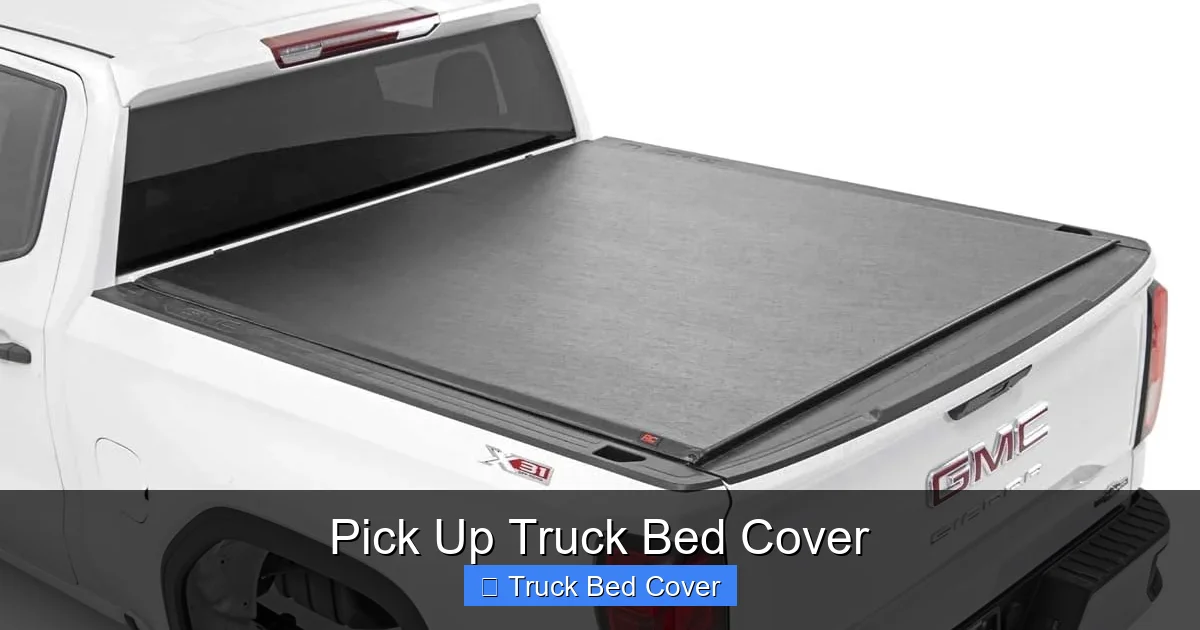
Visual guide about Pick Up Truck Bed Cover
Image source: images-na.ssl-images-amazon.com
But the benefits go far beyond keeping things dry and out of sight. Studies show that properly fitted bed covers can increase fuel economy by reducing aerodynamic drag. According to the U.S. Department of Energy, trucks without covers waste up to 30% more fuel due to air turbulence in the open bed. A simple cover can shave off several miles per gallon, especially on highway drives. And let’s not forget curb appeal—many owners choose covers not just for function, but because they love the way their truck looks with a closed-in bed.
Types of Pick Up Truck Bed Covers
Not all bed covers are created equal. The market offers several types, each suited to different driving habits, budgets, and aesthetic preferences. Understanding the differences helps you pick the best option for your lifestyle and vehicle.
Soft Roll-Up Covers
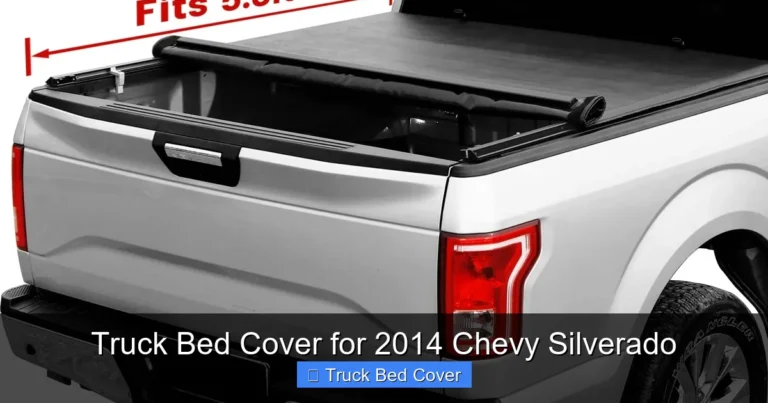
The most affordable and popular choice, soft roll-up covers are made from durable polyester fabric reinforced with PVC coating. They unroll from a front-mounted spool and lock securely using snap rails or twist locks. Easy to install and remove, they’re ideal for occasional use or those who need full bed access quickly.
Pros: Low cost, lightweight, easy to replace if damaged.
Cons: Less secure than hard covers; may flap in strong winds; limited design options.
Tri-Fold Hard Covers
Made of rigid panels (usually aluminum or fiberboard) hinged together, tri-fold covers unfold like a tent when needed. They sit flush with the bed rails and provide excellent security and weather resistance.
Pros: Strong, stable, moderate price point.
Cons: Can be bulky when folded; limited rear visibility; may require two people to install.
Retractable (Rolling) Covers
These slide open from the front like a garage door, offering unobstructed access to the entire bed. Constructed with heavy-duty aluminum slats and sealed tracks, they’re both sleek and functional.
Pros: Full bed access, smooth operation, great aesthetics.
Cons: Higher price; requires space to fully extend; maintenance needed for track seals.
One-Piece Hard Covers
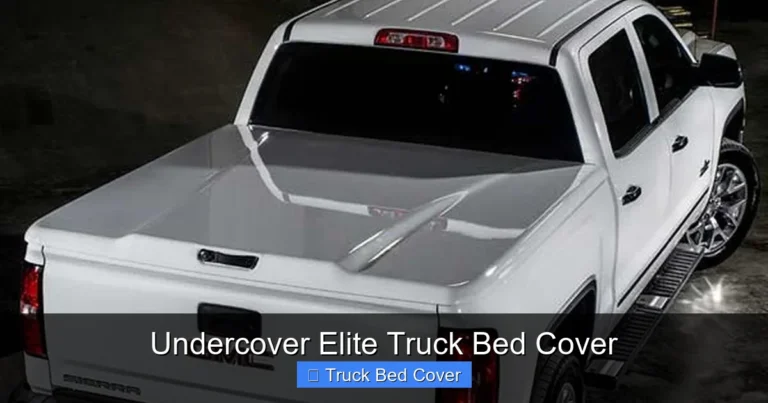
Sleek and seamless, one-piece covers are molded from fiberglass, ABS plastic, or aluminum. They attach directly to the bed rails and offer maximum protection and a premium look.
Pros: Extremely durable, weatherproof, enhances resale value.
Cons: Expensive; difficult to remove; may void factory warranties if not professionally installed.
Tonneau Covers (Soft & Hard)
Originally French for “drum” or “barrel,” tonneau covers refer broadly to any low-profile bed cover. Soft tonneaus use canvas or vinyl stretched over an aluminum frame; hard ones mimic one-piece designs but are often bolt-on.
Pros: Compact profile, blends well with truck styling.
Cons: Soft versions wear faster; hard ones may interfere with bedliner compatibility.
Choosing the Right Cover for Your Needs
Selecting the perfect pick up truck bed cover isn’t just about picking the fanciest model. It’s about matching your cover to your driving habits, climate, and how you use your truck.
If you frequently carry large items and need full bed access, consider a retractable or tri-fold cover. Love off-roading? Look for models with reinforced frames and corrosion-resistant hardware. Live in a rainy or snowy region? Prioritize watertight seals and UV-resistant materials. Budget-conscious buyers often lean toward soft roll-ups—they’re reliable and won’t break the bank.
Also think about your truck’s bed length and rail type. Not all covers fit every model. Measure carefully, check manufacturer specs, and read reviews from users with similar vehicles. And don’t forget about accessories—some covers work better with bedliners, toolboxes, or LED lighting kits.
Installation Tips & Tricks
Most truck bed covers are designed for DIY installation, taking anywhere from 30 minutes to a few hours depending on complexity. While professionals can do it faster, doing it yourself saves money and teaches you something useful about your rig.
Gather Your Tools
You’ll typically need: socket wrench or drill, screwdriver set, measuring tape, rubber mallet, silicone sealant (for hard covers), and a friend (sometimes!). Always follow the manufacturer’s instructions—they vary by brand and model.
Prepare the Bed
Clean the bed rails thoroughly. Remove dirt, rust, or old adhesive residue. If you have a spray-on bedliner, ensure it’s cured before installing. Some hard covers require drilling into the bed rails—use pilot holes to avoid cracking metal.
Test Fit First
Before tightening bolts, position the cover loosely to check alignment. Make sure it sits flat and doesn’t rub against the cab or tailgate. Adjust as needed before finalizing.
Lubricate Moving Parts
For retractables and rolling covers, apply automotive-grade lubricant to tracks and hinges. This prevents stiffness and prolongs lifespan.
Seal Gaps (If Applicable)
Use weatherstripping or silicone around edges to prevent water intrusion. Pay extra attention near the tailgate and cab interface.
Pro tip: Watch video tutorials specific to your truck make and model. Brands like BakBox, TruXedo, and UnderCover post detailed walkthroughs online. Many local auto shops offer free installation checks too—worth asking!
Maintenance & Longevity
Like any vehicle accessory, your truck bed cover needs regular care to perform well and last years. Neglecting maintenance might seem harmless, but small issues like cracked seals or misaligned panels can lead to big problems down the road.
Start with monthly inspections: check for loose bolts, worn gaskets, or signs of mold/mildew (especially on soft covers). Clean with mild soap and water—never pressure wash hard covers unless recommended by the maker. For retractables, wipe down tracks and rollers quarterly. Store soft covers in a dry place when not in use to prevent UV damage.
If you notice water pooling inside the bed, inspect the tailgate seal and cover seams. Sometimes reapplying sealant resolves minor leaks. Always address scratches or dents promptly—rust starts fast on untreated metal.
With proper care, even mid-range covers can last 5–10 years. Premium models with aerospace-grade materials? Even longer. Think of it as investing in your truck’s daily usability and long-term value.
Cost Considerations
Prices for pick up truck bed covers range from under $100 for basic soft roll-ups to over $2,000 for custom-fit one-piece fiberglass units. But don’t assume expensive always means best. Match your spending to your usage.
Soft roll-ups ($90–$300): Great for light-duty users, campers, or seasonal drivers.
Tri-fold hard covers ($400–$800): Best balance of price, security, and durability.
Retractable covers ($700–$1,500): Top-tier convenience and style for daily commuters.
One-piece hard covers ($1,200–$2,500+): Luxury finish for serious truck enthusiasts.
Factor in installation costs if hiring a pro (typically $50–$200). Also consider warranty coverage—most reputable brands offer 2–5 years against defects. Cheaper knockoffs may fail within months and void your truck’s warranty.
Real-World Benefits Beyond Protection
Sure, everyone knows a bed cover protects cargo—but its advantages ripple across your entire driving experience.
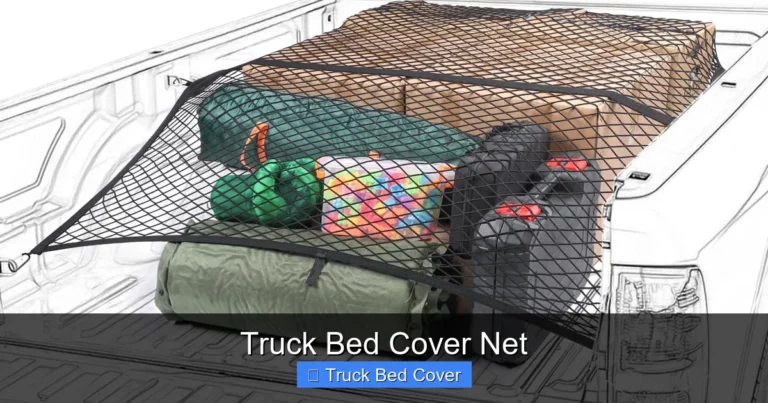
Security: A locked cover deters casual theft. Thieves often skip trucks with covered beds, assuming nothing valuable is inside. Add a cable lock for extra peace of mind.
Noise Reduction: Closed beds muffle wind and road noise, making highway drives quieter and more comfortable—especially on extended trips.
Better Fuel Economy: As mentioned earlier, even a modest 5–10% improvement in MPG adds up over time. At 15,000 miles/year, that’s $100–$200 saved annually on gas.
Improved Towing Performance: Reduced drag means less engine strain when pulling trailers or heavy loads.
Resale Appeal: Potential buyers notice well-kept accessories. A clean, intact bed cover signals responsible ownership and can justify higher asking prices.
Top Brands Worth Considering
Not all covers are equal—some brands consistently deliver reliability, innovation, and customer satisfaction. Here are five standouts in the market:
- Bak Industries: Known for rugged tri-folds and smooth-operating retractables. Their Boxxer series uses dual-latch security.
- TruXedo: Popular for roll-up models with integrated tailgate seal. Lightweight yet surprisingly tough.
- UnderCover: Offers premium one-piece covers with matte finishes. Great for show trucks and daily drivers alike.
- RuggedLidz: Specializes in hybrid covers combining soft and hard features—ideal for mixed-use scenarios.
- DeFender: Focuses on affordability without sacrificing quality. Excellent entry-level option.
Always compare features side-by-side: warranty length, material grade, ease of access, and compatibility with your truck’s year/make/model. Reading verified buyer reviews on sites like Amazon or TruckTrends.net helps spot recurring issues before you buy.
Final Thoughts: Is a Bed Cover Right for You?
In short—yes. Whether you drive a daily commuter, weekend warrior, or work truck, a pick up truck bed cover delivers real-world value. From shielding your belongings to boosting fuel efficiency and turning heads at the next tailgate party, the benefits are hard to ignore.
The key is choosing wisely. Don’t rush into the cheapest option thinking “I can always upgrade later.” A poorly fitting or flimsy cover might leak, warp, or fall apart—costing you more in replacements and frustration. Instead, invest in quality that matches your needs. Spend a little more now to avoid headaches down the road.
And remember: your truck is your mobile command center, your adventure base, your personal workspace. Protecting it with a reliable bed cover isn’t just smart—it’s respectful. Treat it well, and it’ll treat you back with years of dependable service.
Frequently Asked Questions
What is the best type of truck bed cover for heavy rain?
Hard covers with rubber seals and watertight gaskets are ideal for heavy rain. Models like Bak’s Revolver or UnderCover Ultra Flex offer superior water resistance compared to soft roll-ups.
Can I leave my bed cover on in winter?
Yes! In fact, keeping it on protects your bed liner and cargo from snow, ice, and road salt. Just ensure the cover is clean and free of debris that could trap moisture.
Will a bed cover damage my truck’s paint?
No—if installed correctly. Use felt pads or rubber spacers between the cover and bed rails to prevent scratching. Avoid dragging sharp tools across the surface.
Do bed covers affect my truck’s warranty?
They shouldn’t if installed properly, but some OEM warranties void claims related to aftermarket modifications. Check your owner’s manual or contact the manufacturer before major installations.
How do I clean my truck bed cover?
Wash with mild soap and water using a soft cloth. For stubborn stains, use a non-abrasive cleaner. Never use bleach or harsh solvents that can degrade vinyl or aluminum.
Can I add a bed cover to an older truck?
Yes, but compatibility matters. Older models may lack pre-drilled mounting points, requiring retrofitting kits. Consult a professional installer for tricky setups.