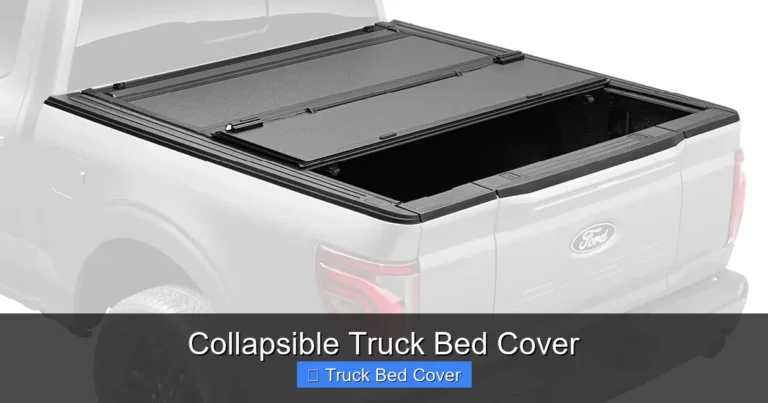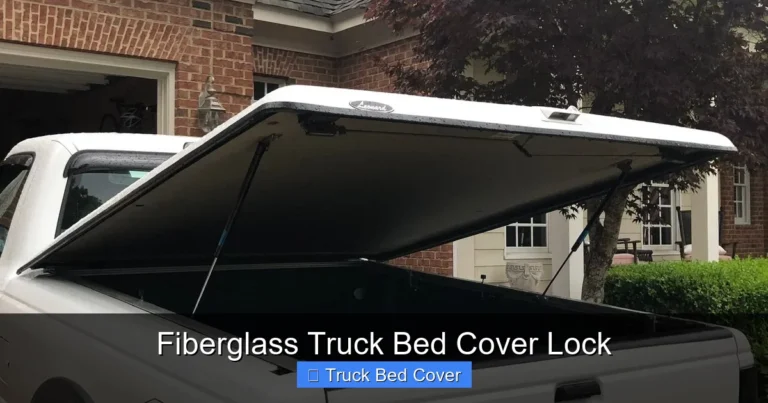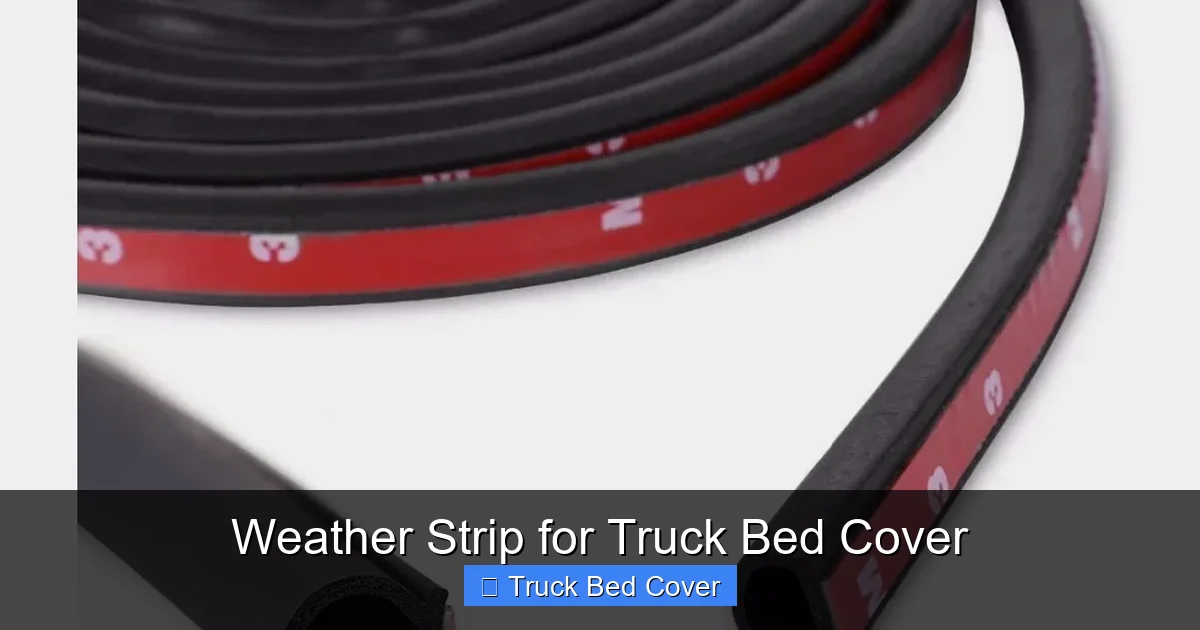
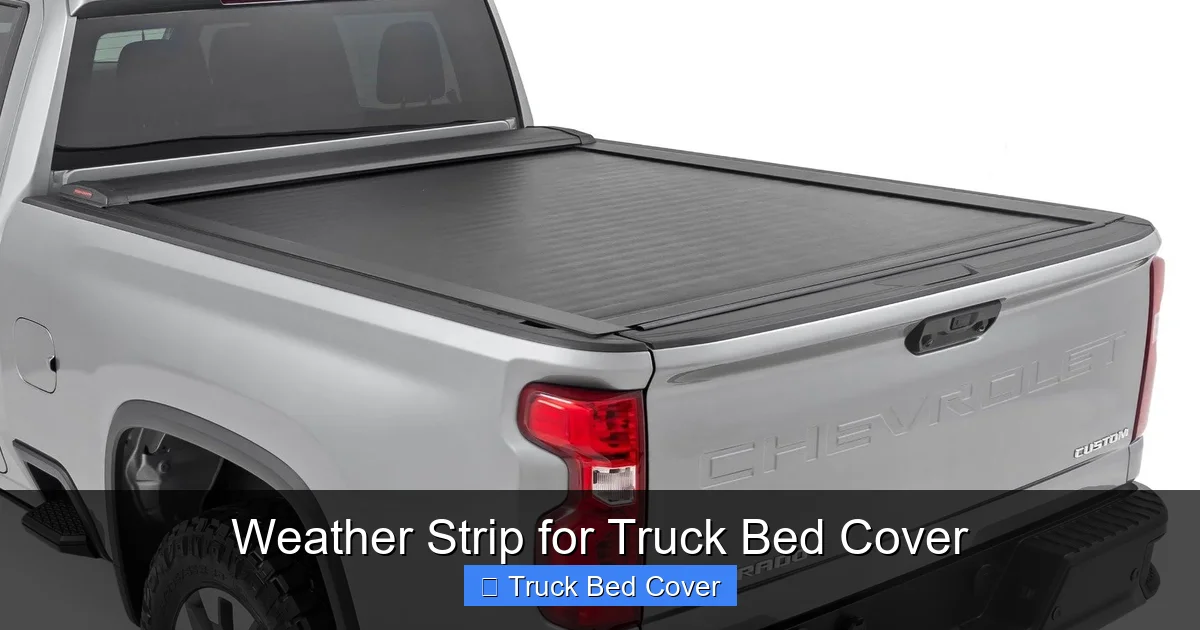
Weather Strip for Truck Bed Cover
A weather strip for truck bed cover is essential for keeping water, dust, and debris out of your cargo area. It ensures a tight seal, protects your belongings, and extends the life of your cover. Whether you’re hauling tools, equipment, or outdoor gear, this simple upgrade makes a big difference in weather resistance and overall protection.
Key Takeaways
- Weather strips improve seal integrity: They create a tight, watertight barrier between the truck bed and the cover, preventing leaks during storms or heavy rain.
- Protects cargo from moisture and debris: A proper seal keeps your gear dry and clean, even in harsh conditions.
- Enhances cover longevity: By reducing friction and exposure to elements, weather strips help extend the lifespan of both the cover and truck bed.
- Easy installation and maintenance: Most strips are adhesive-backed and require no tools—perfect for DIY upgrades.
- Available in multiple materials: Choose from EPDM rubber, vinyl, foam, or silicone based on climate and usage needs.
- Improves fuel efficiency slightly: A well-sealed cover reduces wind drag, contributing to better aerodynamics.
- Customizable fit for various truck models: Many brands offer model-specific kits for precise application.
When you’ve invested in a quality truck bed cover—whether it’s a soft roll-up, retractable, tonneau, or hard folding—you want to protect that investment. One of the most overlooked yet crucial components in maintaining your cover’s performance is the weather strip for truck bed cover. This often small but mighty piece of material plays a massive role in keeping your cargo safe, dry, and secure.
Think of the weather strip as the unsung hero of your truck setup. It sits at the interface between the bed rails and the cover, forming a tight seal that blocks out water, snow, dust, and even road salt. Without it, even the best cover can fail under extreme weather. Rain seeps in, mud gets tracked in, and over time, moisture damages both the cover and whatever you’re hauling.
In this guide, we’ll walk you through everything you need to know about weather strips for truck bed covers—why they matter, how to choose the right one, installation tips, and how to maintain them. Whether you’re a weekend warrior, a contractor, or someone who just wants their gear protected year-round, understanding the importance of a good weather strip will save you headaches down the road.
Key Takeaways
- Understanding weather strip for truck bed cover: Provides essential knowledge
Quick Answers to Common Questions
What is a weather strip for truck bed cover?
A weather strip for truck bed cover is a flexible sealing material installed along the edges where the cover meets the bed rails. It prevents water, dust, and debris from entering the truck bed, ensuring a tight, weatherproof seal.
Do I really need a weather strip?
Yes. Even the best truck bed cover can leak without proper sealing. A weather strip significantly improves protection against rain, snow, and dirt, preserving your cargo and extending the life of your cover.
Can I install a weather strip myself?
Absolutely. Most weather strips come with adhesive backing and require only basic preparation—cleaning the surface and pressing the strip into place. No tools or special skills are needed.
How often should I replace my weather strip?
Typically every 3–5 years, depending on climate and usage. Signs it’s time to replace include cracking, stiffness, or visible leaks. Regular inspection helps catch issues early.
Will a weather strip improve my gas mileage?
It can slightly improve aerodynamics by reducing wind drag from a loose cover. While the savings aren’t dramatic, every bit helps—especially for long-haul drivers.
📑 Table of Contents
Why Weather Strips Matter for Truck Bed Covers
Let’s start with the basics: what exactly does a weather strip do? Simply put, it’s a flexible, durable material installed along the edges of your truck bed where the cover meets the rails. Its primary job is to create a barrier against the elements. But beyond just keeping things dry, it also helps with noise reduction, reduces wear and tear, and improves the overall functionality of your cover.
Imagine driving through a thunderstorm with a poorly sealed cover. Water doesn’t just drip—it pours. Within minutes, your truck bed becomes a soggy mess. Tools, electronics, or even groceries get ruined. That’s where the weather strip comes in. It acts like a gasket, filling in tiny gaps and creating a continuous seal that stops water from sneaking in.
But it’s not just about water. Wind, snow, and debris all pose threats. A loose or worn-out strip allows air to pass through, which can cause the cover to flap and vibrate at high speeds. Over time, this flapping leads to premature wear on the cover fabric or mechanism. A snug seal keeps everything stable and quiet, especially on long highway drives.
Another benefit many people don’t realize is improved aerodynamics. A tightly sealed cover reduces wind resistance. While the impact on fuel economy isn’t huge, every little bit counts—especially for those who drive frequently or tow trailers.
Finally, weather strips help maintain the structural integrity of your cover. When moisture gets trapped inside, it can lead to mold, mildew, or rust on metal parts. Over time, this weakens the system and shortens the lifespan of both the cover and the truck itself.
Types of Weather Strips for Truck Bed Covers
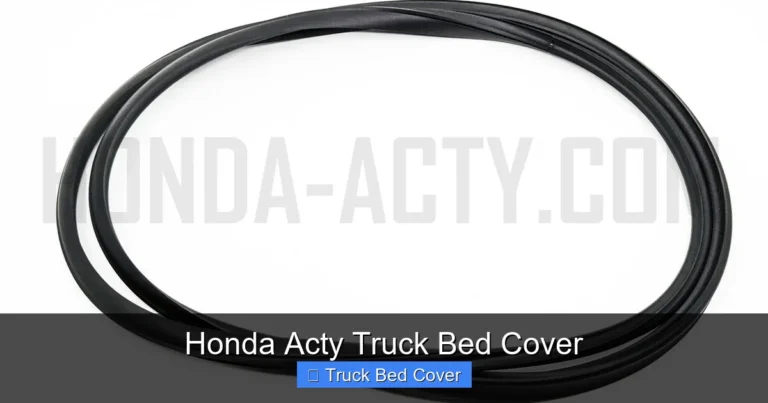
Visual guide about Weather Strip for Truck Bed Cover
Image source: images-na.ssl-images-amazon.com
Not all weather strips are created equal. The material you choose depends on your climate, the type of cover you have, and how much protection you need. Here are the most common types:
EPDM Rubber Strips
EPDM (ethylene propylene diene monomer) is one of the most popular materials for weather stripping. It’s highly resistant to UV rays, ozone, and extreme temperatures—both hot and cold. That makes it ideal for areas with harsh winters or intense summer sun.
EPDM strips are durable, flexible, and long-lasting. They won’t crack or become brittle over time, even when exposed to sunlight daily. Most come with an adhesive backing, making installation straightforward. They’re also relatively affordable compared to other options.
One downside is that EPDM can be slightly harder than some alternatives, so it might not conform perfectly to every contour. However, most manufacturers design these strips to bend and flex without losing shape.
Vinyl Weather Stripping
Vinyl is another common choice, especially for lighter-duty applications. It’s softer than EPDM, which allows it to form tighter seals around irregular surfaces. This makes it great for older trucks or those with less precise bed rail alignments.
Vinyl is easy to cut and install, and it resists moisture well. However, it’s not as UV-resistant as EPDM, so prolonged sun exposure can cause it to fade or become stiff. In hot climates, this could shorten its lifespan.
If you live in a mild environment and don’t mind replacing the strip every few years, vinyl is a cost-effective option.
Foam Weather Strips
Foam strips are lightweight and compress easily, which helps them adapt to gaps and uneven surfaces. They’re often used in conjunction with other materials to provide cushioning and extra sealing power.
The downside? Foam tends to break down faster when exposed to moisture or heat. It can also trap dirt and debris, requiring more frequent cleaning. For off-road use or heavy rain, foam alone may not be sufficient.
Still, when layered with a protective outer cover (like rubber), foam can enhance the overall performance of your weather strip system.
Silicone-Based Seals
Silicone offers excellent flexibility and resistance to temperature extremes. It stays pliable in both freezing cold and scorching heat, making it a top choice for extreme climates.
Silicone strips are also waterproof and resistant to mold and mildew. They bond well to most surfaces and can be applied without adhesives in some cases. However, they’re usually more expensive than rubber or vinyl options.
If you want maximum durability and performance, especially in variable weather, silicone is worth the investment.
Combination Strips
Many modern weather strips combine materials—for example, a foam core wrapped in rubber or vinyl. These hybrid designs aim to deliver the best of both worlds: compression for a tight seal and durability for long-term use.
For instance, a neoprene-coated foam strip provides cushioning while resisting water and abrasion. These are often found in premium aftermarket kits.
How to Choose the Right Weather Strip for Your Truck Bed Cover
Selecting the right weather strip isn’t just about picking a material. You also need to consider compatibility, fit, and intended use. Here’s how to make the best choice:
Match the Strip to Your Cover Type
Different covers require different sealing systems. For example:
– Roll-up covers typically need strips along the front and sides where the fabric rolls.
– Retractable covers often require strips along the track system and tailgate edge.
– Hard folding covers usually need strips at the front edge and along the side rails.
– Tonneau-style covers (like aluminum lids) may need perimeter sealing around the entire lid.
Make sure the weather strip kit you buy is designed specifically for your cover model. Universal strips rarely provide a perfect fit.
Consider Your Climate
If you live in a place with freezing winters, choose a material that remains flexible in sub-zero temperatures. EPDM and silicone are excellent choices here. In hot, sunny regions, prioritize UV resistance to prevent cracking.
For areas with heavy rain or snow, opt for waterproof, non-absorbent materials like EPDM or silicone.
Check the Adhesive Quality
Most weather strips come with 3M adhesive backing. Test the stickiness before installing—some low-quality adhesives lose grip after a season or two. Look for reinforced adhesive or double-sided tape for longer hold.
Also, ensure the surface is clean and dry before applying. Any grease, dirt, or moisture will reduce adhesion.
Evaluate Thickness and Flexibility
Thicker strips provide better sealing but may not fit tight spaces. Measure your bed rail gaps to find the right thickness. Most standard strips range from 1/4 inch to 1/2 inch wide.
Flexibility matters too. The strip should bend smoothly along curves without tearing or losing shape.
Look for Pre-Cut Kits vs. Roll Stock
Some brands sell pre-cut kits tailored to specific truck models. These are easier to install and ensure a perfect fit. Others offer roll stock that you cut yourself. While roll stock is cheaper, it requires measuring and cutting—ideal if you’re handy.
For most users, pre-cut kits are recommended for simplicity and reliability.
Installation Tips for Weather Strips
Installing a weather strip seems simple, but doing it wrong can lead to leaks and poor performance. Follow these steps for a professional result:
Prepare the Surface
Clean the truck bed rails thoroughly. Use rubbing alcohol or a degreaser to remove any dirt, oil, or old adhesive residue. Let it dry completely—water or leftover grime will prevent proper bonding.
Test Fit Before Gluing
Even with pre-cut kits, lay the strip along the rail to check alignment. Make sure it sits flush without twisting or overlapping.
Apply Even Pressure
Once satisfied with the fit, peel off the adhesive backing and press firmly along the entire length. Use a squeegee or credit card to smooth out bubbles and ensure full contact.
Allow Time to Cure
Most adhesives need 24 hours to fully set. Avoid driving or rolling up the cover during this time to prevent shifting.
Reinforce High-Wear Areas
If your cover opens and closes frequently, add extra tape or clips in high-stress zones like the tailgate edge or front corners.
Seal the Tailgate Gap
Don’t forget the tailgate! Many covers leave a gap at the back. Consider adding a magnetic or adhesive strip here to block water and wind.
Test After Installation
After the adhesive cures, test the seal by spraying water along the edges. Look for any leaks—adjust or reapply if needed.
With proper installation, your weather strip will last several seasons and keep your cover performing at its best.
Maintenance and Replacement
Like any part of your truck, weather strips need occasional care. Over time, exposure to sun, rain, and temperature swings can degrade the material. Here’s how to maintain your weather strip and know when it’s time to replace it:
Inspect Regularly
Check your strips monthly for signs of wear: cracking, hardening, peeling, or loss of elasticity. Pay attention to areas with the most movement or sun exposure.
Clean Gently
Use a damp cloth and mild soap to wipe away dirt and grime. Avoid harsh chemicals that could damage the material. Dry thoroughly before reinstalling or reapplying.
Lubricate Moving Parts
If your cover has sliding mechanisms, apply a silicone-based lubricant to the tracks. This reduces friction and helps the strip move smoothly without tearing.
Replace When Necessary
Most weather strips last 3–5 years with normal use. If you notice persistent leaks or the strip feels stiff and brittle, it’s time for a replacement. Don’t wait until it fails completely—preventive maintenance saves money and hassle.
Store Properly in Winter
If you remove your cover during winter, store it in a cool, dry place. Extreme cold can make rubber brittle, so avoid leaving it outside overnight.
By staying proactive, you’ll avoid unexpected water damage and keep your cover working like new.
Top Brands and Products to Consider
Not all weather strips are equal, and some brands stand out for quality and reliability. Here are a few trusted options:
– UnderCover: Offers model-specific EPDM strips with strong adhesive backing. Known for durability and precision fit.
– BakFlip: Provides high-performance rubber seals designed for their hard folding covers. Resistant to UV and moisture.
– Rugged Liner: Specializes in heavy-duty weather seals for industrial and off-road use. Great for contractors.
– Tonno Pro: Uses premium vinyl and rubber blends for long-lasting performance. Affordable and widely available.
– TruXedo: Known for retractable covers, their weather strips integrate seamlessly with the roll-up mechanism.
Always read reviews and verify compatibility with your truck and cover model before purchasing.
Frequently Asked Questions
What materials are weather strips made of?
Common materials include EPDM rubber, vinyl, foam, silicone, and combinations of these. Each offers different levels of durability, flexibility, and resistance to weather and UV exposure.
Can a weather strip fix a leaking bed cover?
Often yes. If your cover is sealing properly otherwise, a worn or missing weather strip is likely the culprit. Replacing it can resolve leaks without needing a new cover.
Are weather strips compatible with all truck bed covers?
Most are, but it’s important to choose a kit designed for your specific cover and truck model. Universal strips may not fit perfectly, leading to gaps and reduced effectiveness.
How do I clean a weather strip?
Wipe it down with a damp cloth and mild soap. Avoid abrasive cleaners or solvents. Dry thoroughly to prevent mold or mildew, especially in humid climates.
Should I lubricate my weather strip?
Only if it’s in a moving part, like a retractable cover track. Use a silicone-based lubricant sparingly. Do not use petroleum-based products, as they can damage rubber or vinyl.
Can I reuse old weather strips?
Generally no. Once cracked, hardened, or peeled, they lose their sealing ability. Attempting to reuse them can lead to leaks and further damage to your cover.