Weather Proof Truck Bed Cover
A weather proof truck bed cover is your best defense against the elements, keeping cargo dry and protected year-round. Whether you’re hauling tools, firewood, or camping gear, these covers offer durability, security, and peace of mind. Investing in a high-quality cover means less mess, fewer damaged items, and more confident driving in any condition.
# Weather Proof Truck Bed Cover: Your Ultimate Guide to All-Season Protection
If you’ve ever driven through a sudden downpour only to find your truck bed soaked after parking overnight, you know how frustrating it is when valuable cargo gets ruined by the weather. Maybe you’re a weekend warrior loading up for a camping trip, or perhaps you’re a contractor hauling tools across job sites. Either way, protecting what you carry isn’t just about convenience—it’s about protecting your investment.
That’s where a **weather proof truck bed cover** comes in. These aren’t your average tarp-style covers that flap in the wind or tear after one season. Modern truck bed covers are engineered to handle real-world conditions—rain, snow, sleet, dust, UV exposure, and even high winds. They’re designed to seal tightly, resist wear, and last for years with minimal maintenance.
In this guide, we’ll walk you through everything you need to know about choosing, installing, and maintaining a weather proof truck bed cover. From material types to security features, we’ll break it down so you can make an informed decision that fits your truck, your lifestyle, and your budget.
—
## What Makes a Truck Bed Cover “Weather Proof”?
Not all covers are created equal. The term “weather proof” might sound like marketing fluff, but there’s real engineering behind it. A truly weather resistant cover does more than just sit loosely over your bed—it actively fights off environmental damage.
### Water Resistance and Sealing Technology
The first line of defense is waterproofing. High-quality covers use multi-layered fabrics with sealed seams and waterproof coatings. Materials like heavy-duty vinyl, marine-grade polyester, or coated canvas are common. But it’s not just the material—how well the cover fits and seals at the edges makes the difference between drips and full immersion.
Look for features like:
– Overlapping flaps at the tailgate
– Rubber gaskets along the bed rails
– Double-stitched seams
– Waterproof zippers (if applicable)
Even a tiny gap near the cab or tailgate can let water trickle in during heavy rain. That’s why many premium covers include built-in drainage channels or allow you to remove the tailgate completely for a flush seal.
### UV Protection and Fade Resistance
Sunlight doesn’t just warm up your truck—it breaks down synthetic materials over time. Fading, cracking, and brittleness are signs of poor UV protection. Top-tier weather proof covers incorporate UV inhibitors directly into the fabric. This means they stay flexible and strong even after months of summer sun.
For example, some manufacturers use a process called “laminating” where a UV-resistant layer is fused to the inner and outer surfaces of the cover. This doubles as insulation in cold weather too—keeping your cargo warmer when temperatures drop.
### Wind and Tear Resistance
Strong winds can turn flimsy covers into whipping sails. A good weather proof cover stays put because it’s either clamped tightly to the bed rails or has weighted hems. Some models even include side straps or buckles to cinch the cover down securely.
Tear resistance is equally important. Reinforced panels over the bulkhead and tailgate areas prevent snags from tools or sharp edges. Think of it like a bulletproof vest for your truck bed—targeted reinforcement where stress is highest.
—
## Types of Weather Proof Truck Bed Covers
There are several styles available, each with pros and cons depending on your needs. Let’s explore the most popular options.
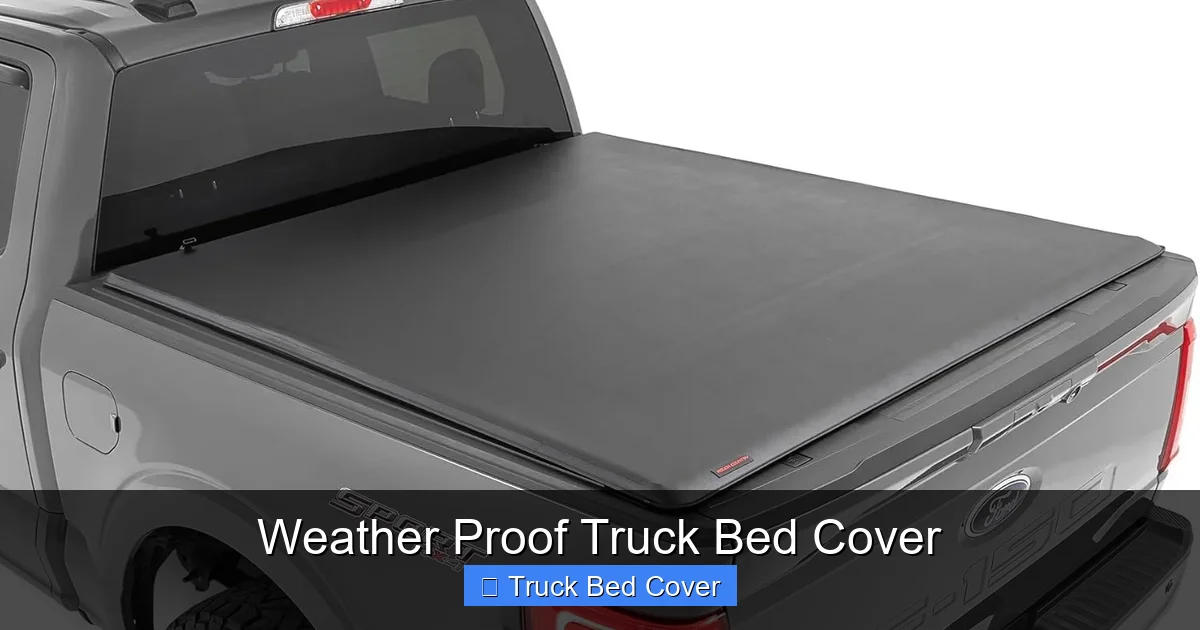
### Roll-Up Covers (Soft Top)
Roll-up covers are the most common type. They unroll from a roller tube at the front of the bed and roll back for access. Made from tough, flexible materials, they’re lightweight and easy to operate.
**Pros:**
– Quick access to the entire bed
– Affordable price point
– Easy to remove temporarily
**Cons:**
– Less rigid protection than hard tops
– Can be punctured by sharp objects
– May not seal as tightly in high winds
For daily drivers who want convenience without breaking the bank, roll-up covers are a solid choice—especially if paired with a tailgate lock.
### Hard Tri-Fold Covers
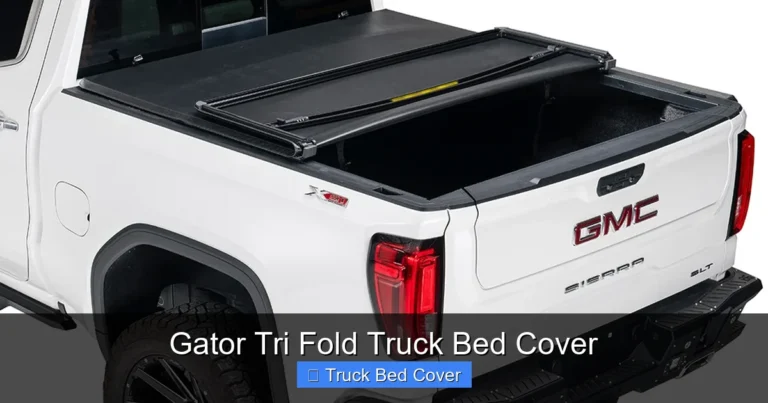
These fold into three sections across the bed and latch in place. The panels are usually made of aluminum or composite materials.
**Pros:**
– Excellent security—hard shell deters theft
– Rigid structure resists bending
– Superior weather sealing when closed
**Cons:**
– Slightly heavier than soft covers
– More expensive upfront
– Limited rear visibility when folded
Tri-folds strike a great balance between protection and accessibility. They’re ideal for contractors or homeowners who need frequent access but also want maximum security.
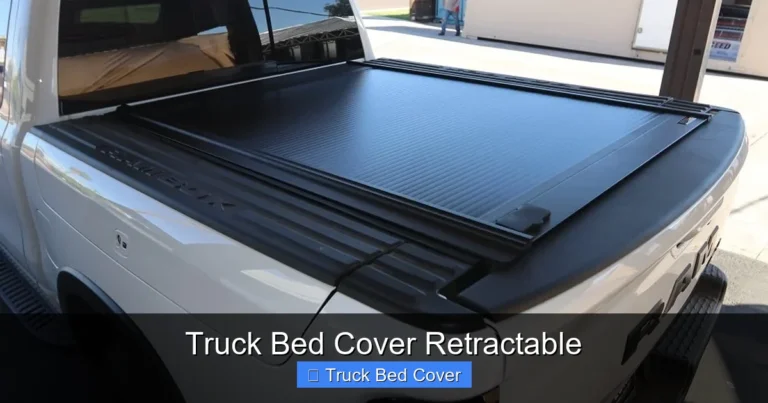
### Retractable Hard Covers
Imagine a garage door sliding open along tracks. That’s how retractable hard covers work. They store compactly in the bed’s front rail when opened.
**Pros:**
– Full bed access without folding
– Sleek, low-profile look
– Best-in-class weather sealing
**Cons:**
– Higher cost (often $1,000+)
– Complex installation
– Bulkier when stored
Retractables are top-of-the-line for serious users who demand both aesthetics and function. Brands like Extang and Bak dominate this space with reliable builds.
### Tonneau Hard Covers
Similar to tri-folds but often with a single-piece design. These sit flush over the bed and may include built-in locks or keyed handles.
**Pros:**
– Clean, integrated appearance
– Good airflow management
– Often compatible with racks
**Cons:**
– Can be pricey
– Limited customization options
—
## Key Features to Look For
When shopping for a weather proof truck bed cover, don’t just focus on brand names. Pay attention to these practical features:
### 1. Secure Clamping System
A loose fit invites water intrusion and wind lift. Premium covers use dual-stage clamps that grip both the bed rails and the bulkhead. Some even include rubberized inserts to prevent scratching your paint.
### 2. Tailgate Lock Compatibility
Always check if the cover works with your tailgate locked. Many modern covers have cutouts or allow full tailgate closure, which improves sealing and security.
### 3. Toolless Installation
You shouldn’t need a mechanic to put this on. Look for models that snap into place using pre-installed brackets or simple clamps. Most should take under 30 minutes.
### 4. Drainage Channels
Water pooling on the cover can weigh it down and cause leaks. Some covers include small channels along the sides or center that direct water away from sensitive areas like the tailgate latch.
### 5. Accessory Integration
Do you use a bike rack or ladder? Make sure the cover doesn’t interfere. Some brands offer side-opening panels or modular designs for added flexibility.
—
## Real-World Use Cases
Let’s talk about who actually benefits from a weather proof truck bed cover.
### Construction Workers
Picture this: You load up drills, saws, and extension cords before heading to a jobsite. Without a cover, rain turns your tools into rust machines overnight. With a weather proof cover, everything stays dry—even if you forget to check the forecast.
### Campers and Outdoor Enthusiasts
You pack sleeping bags, coolers, and fishing gear. Then you realize the morning dew has soaked everything. A good cover keeps moisture out so your food stays fresh and your equipment functions properly.
### Farmers and Landscapers
Hay bales, fertilizer bags, and garden tools need protection too. Wet hay loses nutritional value; wet fertilizer clumps together and becomes useless. A sealed cover preserves your supplies between loads.
### Everyday Commuters
Even casual drivers benefit. Kids’ sports gear, groceries, or pet supplies stay clean and dry. Plus, you avoid that awkward moment when your coworker asks, “Did you really drive through that storm?”
—
## Installation Tips for Maximum Performance
Getting the most out of your cover starts with proper setup. Follow these steps:
1. **Clean your truck bed thoroughly**—dirt or debris can create pressure points.
2. **Align the cover evenly** before tightening clamps.
3. **Use all included hardware**—don’t skip bolts or straps.
4. **Test the seal** by spraying water around the edges (use a garden sprayer).
5. **Adjust tension gradually**—over-tightening can warp the frame or damage the cover.
Pro tip: Apply a small amount of silicone lubricant to metal clamps to prevent corrosion and make future removal easier.
—
## Maintenance Made Simple
A weather proof truck bed cover shouldn’t require a PhD in upkeep. Here’s how to keep yours in top shape:
– **Wipe down weekly** with water and mild soap.
– **Avoid abrasive cleaners**—they strip protective coatings.
– **Dry completely** before storing (yes, even in summer).
– **Inspect seams and zippers** annually for wear.
– **Reapply waterproofing spray** every 6–12 months if needed.
Most manufacturers recommend checking the cover after extreme weather events like hurricanes or blizzards.
—
## Cost Considerations
Here’s a rough price breakdown:
| Type | Price Range |
|——|————-|
| Basic Roll-Up | $200–$400 |
| Mid-Range Tri-Fold | $500–$800 |
| Premium Retractable | $900–$1,500+ |
Remember: Cheaper isn’t always better. A $150 cover might save money upfront but fail in heavy rain within a year. Spend a bit more and avoid replacement costs later.
—
## Final Thoughts
A **weather proof truck bed cover** isn’t just an accessory—it’s a necessity for anyone who relies on their truck for work, play, or daily life. It protects your belongings, saves you money on replacements, and gives you confidence no matter the weather.
Whether you choose a roll-up, tri-fold, or retractable model, prioritize quality materials, secure sealing, and ease of use. And once installed, treat it like part of your truck—clean it regularly and address issues early.
Your next rainstorm won’t catch you unprepared. With the right cover, your cargo stays dry, your tools stay functional, and your peace of mind stays intact.
—
Key Takeaways
- Weather resistance: A quality weather proof truck bed cover blocks rain, snow, and UV rays to keep your cargo dry and safe.
- Durability matters: Look for materials like reinforced vinyl, polyester, or aluminum that stand up to harsh conditions.
- Easy installation: Most models feature clamp-on or roll-up designs that fit most trucks without permanent modifications.
- Security features: Lockable zippers, bungee cords, and tie-down points help prevent theft and keep the cover tight.
- Versatile use cases: Ideal for construction crews, campers, farmers, and anyone who needs reliable storage on the go.
- Maintenance is simple: Wipe down with water and mild soap; avoid harsh chemicals that can degrade fabric over time.
- Cost vs. value: While cheaper options exist, mid-to-high-end covers offer better longevity and performance in extreme weather.
Quick Answers to Common Questions
What’s the difference between weather resistant and weather proof?
“Weather resistant” means the cover can handle light moisture or brief exposure. “Weather proof” indicates it’s fully sealed against rain, snow, and wind—designed for long-term outdoor use without leakage.
Can I install a truck bed cover myself?
Yes! Most modern covers are designed for DIY installation using clamp-on systems or bolt-in brackets. Instructions typically take 20–45 minutes depending on the style.
Will a cover fit my truck?
Covers are made for specific truck models and bed lengths (short, standard, long). Always verify compatibility using your VIN or exact year/make/model before purchasing.
Do I need to remove the cover to use my tailgate?
It depends on the design. Some roll-ups allow full tailgate access; others require partial removal. Hard covers often support locked tailgates for easier loading.
How do I clean my truck bed cover?
Use water and a mild soap solution. Avoid pressure washers or harsh chemicals. Dry completely after cleaning to prevent mold or mildew buildup.
Frequently Asked Questions
Are all truck bed covers waterproof?
No. While many claim waterproofing, true weather proof covers use sealed seams, gaskets, and high-grade fabrics to prevent leaks. Cheaper tarps or thin vinyl may absorb water over time.
Can I leave my cover on in winter?
Absolutely. In fact, keeping it on helps shed snow and prevents ice buildup. Just ensure snow isn’t packed into the folds, which could strain the material.
Will a cover scratch my truck bed?
Properly installed covers shouldn’t. Look for models with rubber-lined clamps and padded edges. Avoid dragging the cover across the bed surface when removing it.
Do I need a cover if I already have a tonneau rack?
A rack adds utility but doesn’t replace weather protection. For full coverage, choose a cover designed to work with racks or opt for side-opening models.
How long do truck bed covers last?
With care, a quality cover lasts 5–10 years. Soft covers may fade faster; hard covers typically endure longer due to rigid construction and UV protection.
Can I add a cover to an older truck?
Yes, as long as your bed dimensions match a standard cover size. Universal-fit options exist, though custom brackets may be needed for older models with non-standard rails.