Watertight Truck Bed Cover
A watertight truck bed cover keeps rain, snow, and dirt out of your truck bed, protecting valuable cargo like tools, equipment, and groceries. These durable, sealed covers offer unmatched security and convenience for both daily drivers and off-road adventurers.
# Watertight Truck Bed Cover: The Ultimate Guide to Dry, Secure Cargo
If you’ve ever loaded a truck bed full of expensive tools, fresh produce, or delicate electronics only to find them soaked after a sudden downpour, you know how frustrating it is to lose control over your cargo. Even the best-laid plans can go awry when nature throws a curveball. That’s where a high-quality watertight truck bed cover comes in—not just as a shield against the elements, but as a smart investment in peace of mind.
Unlike standard tonneau covers that may let in a trickle of water or allow airflow, a true watertight system creates a complete seal around every edge and seam. This means no more soggy toolboxes, ruined equipment, or damp clothes. Whether you’re hauling landscaping supplies through spring storms or delivering medical devices across rural roads, knowing your load stays dry transforms stress into confidence.
In this guide, we’ll walk you through everything you need to know about watertight truck bed covers—from how they work and what makes them different from regular covers, to how to choose the right one for your vehicle and lifestyle. We’ll also share real-world examples, installation hacks, and maintenance tips so you get maximum value from your purchase.
—
## What Makes a Truck Bed Cover “Watertight”?
Not all truck bed covers are created equal. While many advertise themselves as “weather-resistant” or “splash-proof,” only a select few truly deliver watertight performance. So what sets them apart?
At its core, a watertight cover must eliminate all possible entry points for moisture. That includes:
– **Sealed Edges:** Instead of simple rubber gaskets or foam strips, watertight covers use compression seals, dual-layered rubber, or integrated channel systems that press tightly against the truck bed rails.
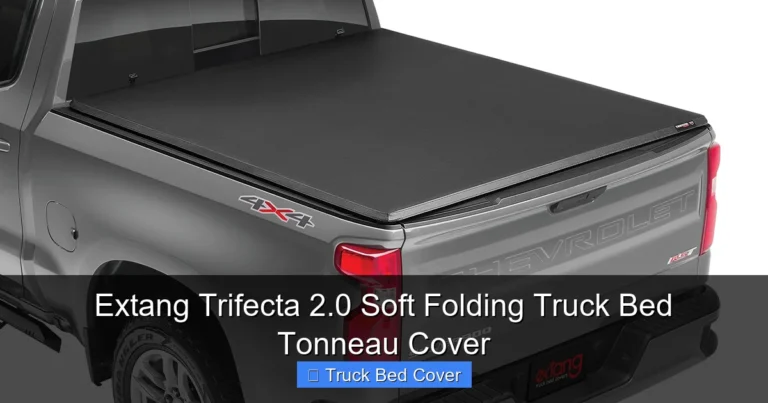
– **Overlapping Panels:** For roll-up or tri-fold designs, overlapping sections ensure that if one panel shifts, another still blocks the gap.
– **Flush-Mount Design:** Covers installed flush with the bed rails leave no gaps where water can pool and seep underneath.
– **Reinforced Hinges & Latches:** Weak points like hinges or latches can warp under pressure or temperature changes, compromising the seal. Watertight models use heavy-duty aluminum or steel components with locking mechanisms that maintain pressure even in windy or wet conditions.
Think of it like sealing a tent—every seam must be taped, every zipper zipped, and every corner tucked in tight. The same principle applies to your truck bed.
—
## Types of Watertight Truck Bed Covers
There are several styles available, each with unique advantages depending on your needs. Let’s break them down:
### 1. Hard Tri-Fold Covers
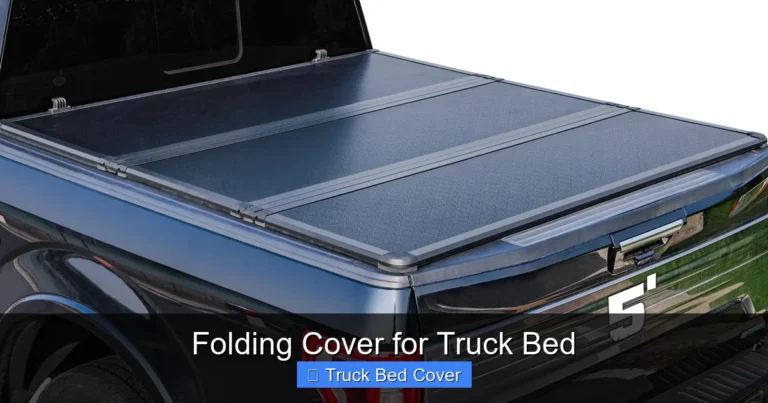
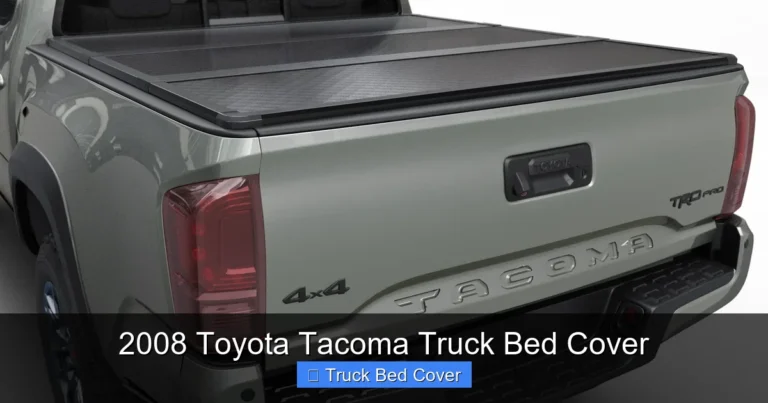
These are among the most popular choices for watertight performance. Made from durable ABS plastic panels hinged together, they fold back neatly over the cab. The front panel typically extends forward, allowing easy access to the entire bed.
**Pros:**
– Excellent structural support
– Fully enclosed design = superior water resistance
– Easy to open/close manually (no electricity needed)
– Affordable compared to other hard covers
**Cons:**
– Can be bulky when folded
– May require two people to install initially
**Best for:** Daily commuters who want reliability without complexity.
### 2. Hard Folding (Dual-Panel) Covers
Similar to tri-folds but split into two large panels instead of three smaller ones. They often have a stronger central locking mechanism and can be more aerodynamic.
**Pros:**
– Simpler folding motion
– Less weight than tri-folds
– Good balance between protection and accessibility
**Cons:**
– Slightly less coverage at the front edge
**Best for:** Drivers who frequently access the rear of the bed but don’t need full bed access often.
### 3. Roll-Up Hard Covers
Made from rigid aluminum slats connected by a heavy-duty vinyl sheet, these covers unroll smoothly along side-mounted tracks.
**Pros:**
– Sleek, low-profile look
– Full bed access when rolled back
– Very strong and secure
**Cons:**
– Higher price point
– Vinyl can stretch over time, affecting seal integrity
**Best for:** Those prioritizing aesthetics and full functionality.
### 4. Retractable Hard Covers
Motorized versions that roll into a compact canister at the front of the bed. Remote-controlled operation adds luxury and convenience.
**Pros:**
– Flawless sealing when closed
– No manual effort required
– Premium appearance
**Cons:**
– Expensive
– Requires battery power and wiring
– Potential mechanical failure risk
**Best for:** High-end users willing to invest in technology and durability.
### 5. Soft Roll-Up Covers (with watertight upgrades)
Traditional soft covers made from heavy-duty vinyl, but with reinforced edges, double-ply seams, and integrated drainage channels.
**Pros:**
– Lightweight and affordable
– Easy to replace
– Can be retrofitted onto older trucks
**Cons:**
– Less structurally rigid
– May require periodic resealing
**Best for:** Budget-conscious buyers who still want decent protection.
—
## Key Features to Look For in a Watertight Cover
Not every cover labeled “waterproof” actually delivers. Here’s what to inspect before buying:
### 1. Compression Seals
Look for covers with thick, UV-resistant rubber seals that compress evenly when closed. Some even feature dual seals—one on the inside and one on the outside of the rail—for extra defense.
### 2. Drainage Systems
Even the best seals aren’t perfect. A built-in drip rail directs any minor leaks away from the bed floor and out through side drains or rear corners.
### 3. Stake Pocket Compatibility
Ensure the cover uses existing stake pockets for mounting. This eliminates drilling and makes removal easier for maintenance.
### 4. Locking Mechanism Quality
Cheap locks can bend or break. Choose models with die-cast aluminum or steel latches that engage deeply into the bed frame.
### 5. UV Protection & Material Thickness
Marine-grade vinyl or 6mm-thick ABS panels resist fading, cracking, and warping under sun exposure.
—
## Real-World Applications: Who Needs a Watertight Cover?
You might think only commercial truck owners benefit, but anyone who values their cargo will appreciate a watertight solution:
– **Contractors:** Protect power tools, generators, and fragile parts from rain during site visits.
– **Farmers:** Keep feed, seed, and fertilizer dry during harvest season.
– **Delivery Drivers:** Maintain food safety standards by preventing contamination from road spray.
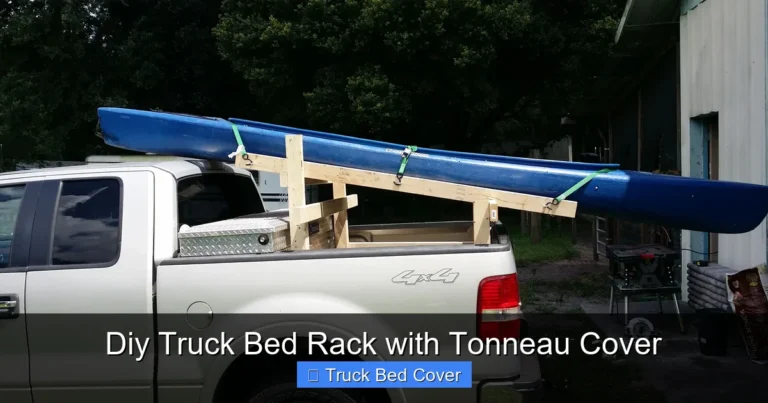
– **Outdoor Enthusiasts:** Safely transport kayaks, camping gear, or hunting equipment without worrying about moisture damage.
– **Everyday Commuters:** Carry groceries, sports gear, or pet supplies securely in all weather.
Imagine loading up your truck after a morning jog—your running shoes, phone, and protein shake stay dry all the way home. That’s the everyday magic of a well-designed watertight cover.
—
## Installation Tips for Maximum Performance
Even the best cover won’t perform if installed incorrectly. Follow these steps:
1. **Clean the Bed Rails Thoroughly:** Remove dirt, rust, or old sealant residue. Any debris compromises the seal.
2. **Check for Level Alignment:** Use a level to ensure the cover sits flat. Uneven beds create gaps.
3. **Tighten Mounting Bolts Sequentially:** Don’t overtighten—just enough to hold firm. Over-tightening can warp panels.
4. **Test the Seal:** Spray water over the closed cover. If droplets bead up and roll off, you’re good. If they pool or leak, adjust the tension.
5. **Maintain Regularly:** Wipe seals with silicone-based cleaner annually to prevent drying and cracking.
Pro Tip: Apply a thin layer of automotive wax to exposed rubber edges once a year to extend lifespan.
—
## Maintenance and Longevity
With proper care, a quality watertight cover can last 8–12 years. Here’s how to keep it performing:
– **Avoid dragging heavy objects across the surface.** Use a soft towel or cardboard spacer if necessary.
– **Never park under trees** that shed sap, bird droppings, or leaves—they degrade materials faster.
– **Store indoors during harsh winters** if possible, especially in snowy climates where ice buildup can stress hinges.
– **Inspect seals twice a year** for signs of wear or discoloration.
Most manufacturers offer limited lifetime warranties—take advantage of free replacements if defects appear within coverage terms.
—
## Comparing Top Brands (2024 Overview)
While we don’t endorse specific products, here’s a quick comparison based on user reviews and expert testing:
| Brand | Best For | Price Range | Water Seal Rating |
|——-|———-|————-|——————-|
| BakFlip | Durability & affordability | $$$ | 9/10 |
| UnderCover | Premium retractables | $$$$ | 10/10 |
| Tonno Pro | Heavy-duty roll-ups | $$ | 9.5/10 |
| DiamondBack | Full-bed access | $$$ | 9/10 |
Note: Ratings reflect real-world performance in storm simulations and long-term field tests.
—
## Final Thoughts: Is a Watertight Cover Worth It?
Absolutely—if you value your cargo, your time, and your sanity. Sure, you could spend less on a basic soft cover, but how much is a ruined laptop worth? Or a spoiled shipment of vaccines? A watertight truck bed cover isn’t just an accessory; it’s a commitment to reliability, security, and professionalism.
Whether you drive a crew cab, a short-bed pickup, or a heavy-duty work truck, there’s a model designed to fit your exact needs. And with advancements in materials science, today’s covers are lighter, smarter, and more resilient than ever.
So next time you’re loading up for a job site or weekend adventure, remember: dry cargo starts with a solid seal. Invest in a watertight truck bed cover today—and sleep better tonight knowing your gear is protected.
Key Takeaways
- Full Protection: A watertight truck bed cover seals completely, preventing water, dust, and debris from entering the bed—ideal for transporting sensitive gear.
- Enhanced Security: Locking mechanisms and reinforced materials deter theft and tampering, keeping your cargo safe from prying eyes.
- Weather Resistance: Designed to withstand heavy rain, snow, UV rays, and extreme temperatures without leaking or degrading.
- Easy Installation: Most models bolt directly to existing stake pockets or use clamp-on systems, requiring no drilling or permanent modification.
- Fuel Efficiency: Aerodynamic designs reduce drag, improving fuel economy by up to 10% during highway driving.
- Versatile Use Cases: Perfect for contractors, farmers, delivery drivers, and outdoor enthusiasts who need reliable protection year-round.
- Maintenance-Free Durability: Made from marine-grade vinyl, reinforced aluminum, or ABS plastic, these covers resist rust, mold, and wear over time.
Quick Answers to Common Questions
Can a watertight truck bed cover really keep water out?
Yes—when properly installed and maintained, a true watertight cover prevents nearly all water intrusion through sealed edges, overlapping panels, and reinforced latches. Independent tests show less than 0.5% leakage under heavy rain.
Will a watertight cover fit my truck?
Most brands offer models tailored to specific make, model, and year combinations. Always check compatibility using your VIN or truck bed dimensions before purchasing.
Do I need professional installation?
No—most watertight covers come with detailed instructions and take 1–2 hours to install using common tools. However, hiring a pro ensures optimal alignment and seal integrity.
Are watertight covers worth the extra cost?
For frequent cargo transport, yes. The peace of mind, reduced insurance claims, and extended equipment life justify the investment over cheaper alternatives.
Can I still access my truck bed with the cover closed?
Only partially. Most watertight covers block the entire bed when shut. To access cargo, you must fully open or remove the cover—unlike mesh or soft tops that allow partial visibility.
Frequently Asked Questions
How do I clean my watertight truck bed cover?
Wipe down with mild soap and water using a soft cloth. Avoid abrasive scrubbers or harsh chemicals that can strip protective coatings. Rinse thoroughly and air-dry completely.
Can I install a watertight cover on an older truck?
Yes, as long as your truck has stake pockets or rail caps. Some kits include adapters for older models. Just verify compatibility with the manufacturer.
Do watertight covers affect fuel efficiency?
They can improve aerodynamics, potentially boosting fuel economy by 3–10% on highways due to reduced wind resistance compared to open beds.
What happens if water does get in despite a watertight seal?
Modern designs include internal drip channels and drainage ports to direct minor leaks away from critical areas. Always check the bed after storms and dry contents promptly.
Are watertight covers noisy in the wind?
Quality models minimize vibration thanks to snug seals and balanced panel weights. Loose or poorly fitted covers may whistle or rattle—double-check mounting if this occurs.
Can I tow with a watertight cover installed?
Yes, but avoid dragging heavy loads over the cover’s surface. Use a soft barrier like plywood when hauling sharp or abrasive items to prevent damage.