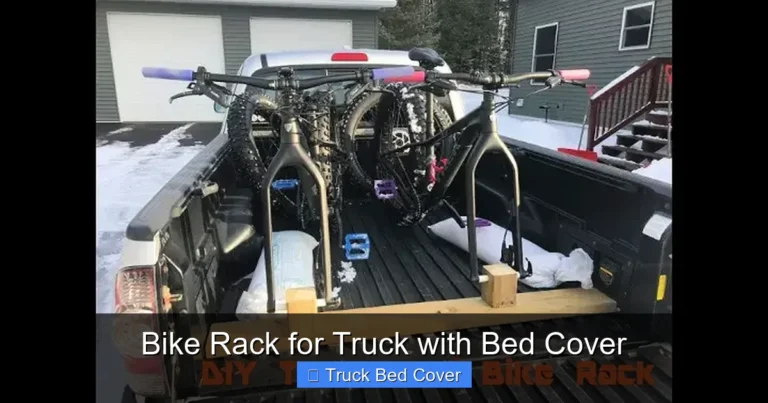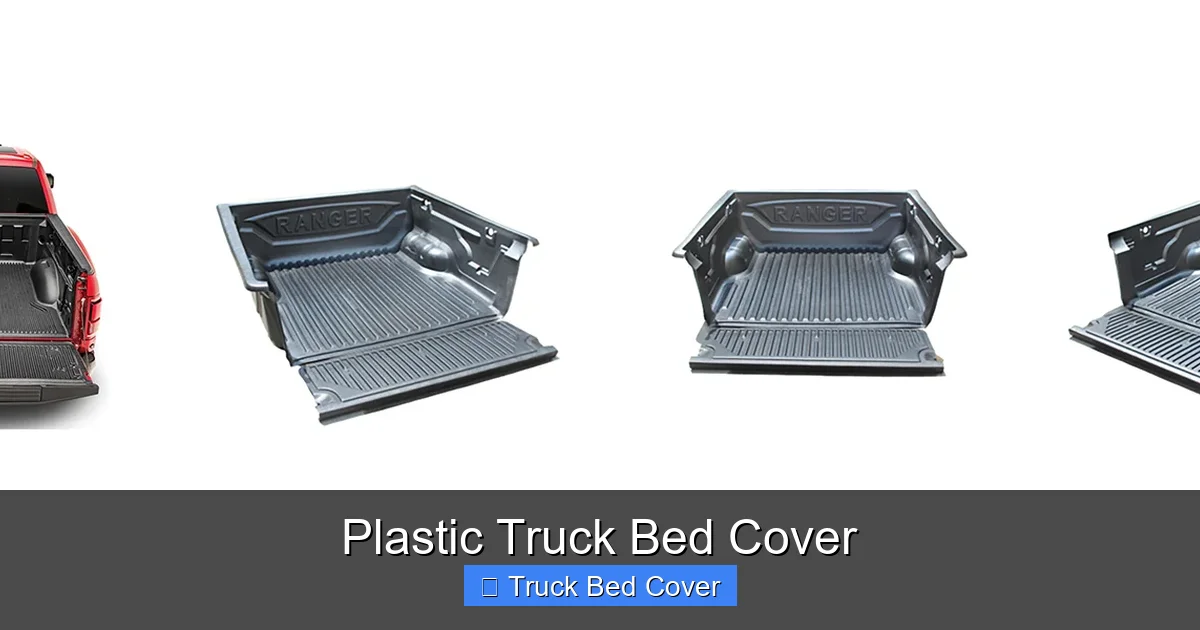
Plastic Truck Bed Cover
A plastic truck bed cover is a lightweight yet tough solution to shield your cargo from rain, dirt, and theft. It’s perfect for everyday haulers who need quick access, easy maintenance, and long-lasting durability. Whether you’re transporting tools, groceries, or gear, this cover keeps things safe without adding bulk.
Key Takeaways
- Durability: Plastic truck bed covers resist rust, corrosion, and UV damage, lasting for years under harsh conditions.
- Weather Protection: They keep your cargo dry during storms and prevent dust buildup in dry climates.
- Easy Installation: Most models snap into place without tools, making them ideal for DIY setups.
- Security Boost: A closed cover deters opportunistic theft and reduces visibility of valuables inside the bed.
- Cost-Effective: Cheaper than fiberglass or retractable covers, plastic options offer great value for basic protection.
- Lightweight Design: Doesn’t affect fuel economy or handling—great for daily drivers and fleet vehicles alike.
- Low Maintenance: Simply hose off or wipe down; no special cleaners or sealants required.
Quick Answers to Common Questions
Can a plastic truck bed cover handle heavy snow?
Yes, most high-quality plastic covers support up to 50–75 lbs per square foot without bending. However, always check the weight rating for your specific model and avoid piling snow higher than the cover’s edge to prevent collapse.
Will a plastic cover fit my truck if I have a bedliner?
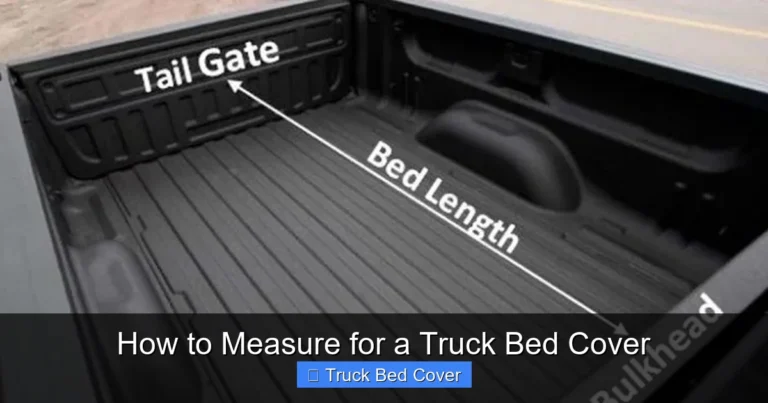
Generally yes—but you may need to remove or trim the liner first. Some covers are designed to work with liners by compressing slightly. Measure your bed dimensions and consult the product specs before purchasing.
Do plastic covers reduce truck bed visibility for thieves?
Absolutely. A closed plastic cover hides what’s inside, making your truck a less attractive target for opportunistic theft. Combine it with a tailgate lock for maximum security.
Are plastic covers noisy at highway speeds?
Modern designs minimize wind noise through aerodynamic shaping and tight seals. Older or poorly fitted models might whistle slightly, but this is rare with today’s engineered products.
Can I paint or customize a plastic truck bed cover?
Some owners apply vinyl wraps or spray paint for personalization, but be cautious—certain chemicals can degrade plastic over time. Test any coating on a small area first and ensure it’s compatible with HDPE.
📑 Table of Contents
- What Is a Plastic Truck Bed Cover?
- Types of Plastic Truck Bed Covers
- Benefits of Choosing a Plastic Truck Bed Cover
- Installation Made Simple
- Top Brands and Models to Consider
- Common Misconceptions About Plastic Truck Bed Covers
- Maintenance Tips to Extend Lifespan
- Final Thoughts: Is a Plastic Truck Bed Cover Right for You?
What Is a Plastic Truck Bed Cover?
A plastic truck bed cover is a protective lid made primarily from high-density polyethylene (HDPE) or polypropylene that fits over the open area of a pickup truck’s cargo bed. Unlike rigid tonneau covers or heavy-duty shells, these covers are designed to be lightweight, flexible, and affordable while still offering solid protection against the elements.
These covers come in various styles—flat, folding, rolling, or hinged—but all share one common goal: to keep your truck bed contents safe from rain, snow, wind, dust, and sun exposure. They’re especially popular among utility workers, contractors, and weekend adventurers who need reliable storage without investing in expensive aftermarket solutions.
How Does It Work?
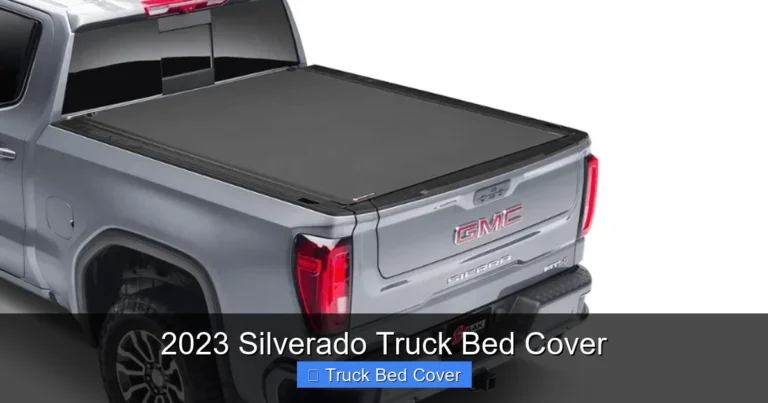
Most plastic truck bed covers attach directly to the truck’s bed rails using clamps, latches, or adhesive strips. Once installed, they create a snug seal that prevents water from seeping underneath. Some models feature rubber gaskets along the edges for added weather resistance. When not needed, many fold flat against the cab or roll back smoothly for full bed access.
Types of Plastic Truck Bed Covers
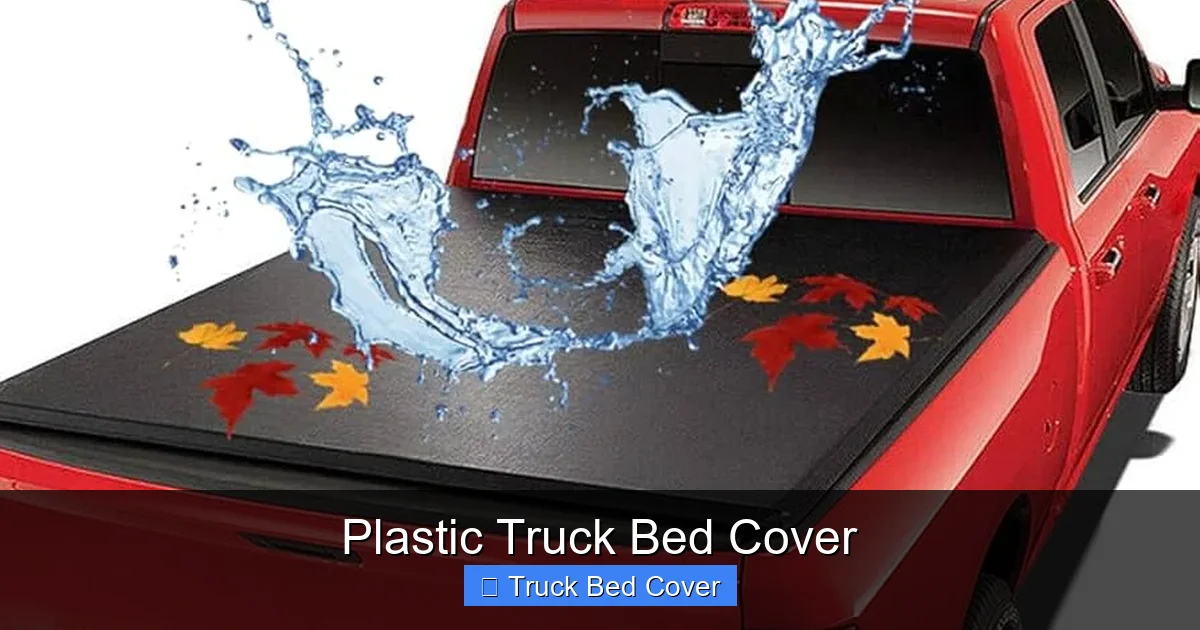
Visual guide about Plastic Truck Bed Cover
Image source: m.media-amazon.com
Not all plastic truck bed covers are created equal. The market offers several designs tailored to different needs, budgets, and vehicle types. Here’s a breakdown of the most common varieties:
1. Flat Bed Covers
As the name suggests, flat covers lay completely flush across the truck bed. They’re usually made of thick, corrugated plastic panels secured by side rails or straps. These are simple, low-profile options that don’t add much height to your truck but provide decent coverage.
Best for: Light-duty use, short trips, or users who prioritize aerodynamics over full-height clearance.
2. Folding Panel Covers
Folding panel covers consist of multiple interlocking plastic sheets that hinge together. You can fold them back in sections—like opening a book—to access specific areas of the bed without removing the entire cover.
Best for: Those who need partial access frequently but still want weather protection when fully closed.
3. Roll-Up Covers
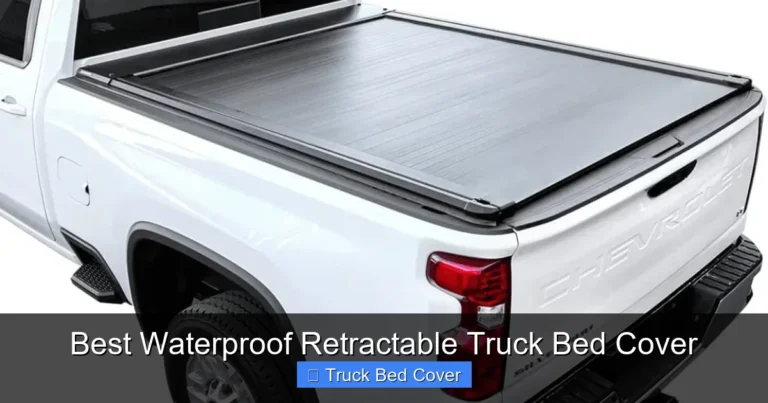
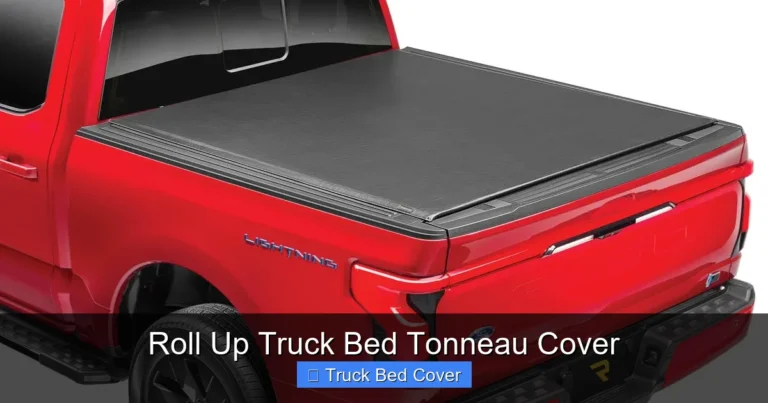
Roll-up models use a coiled mechanism similar to window shades. The plastic sheet rolls tightly around a metal or plastic drum at the front of the bed and unfolds as needed. These are among the most convenient options since they allow instant full-bed access.
Best for: Daily commuters and delivery drivers who load/unload often.
4. Hinged Top Covers
Hinged covers pivot upward like a car hood. One end remains fixed to the truck frame while the other lifts open. They’re sturdy and offer excellent sealing capabilities.
Best for: Users needing both secure storage and occasional full-bed access without tools.
5. Drop-in Panels
Drop-in panels sit directly into the truck bed without requiring hardware. They’re cut precisely to fit certain truck models and simply rest on top of the rails.
Best for: People who prefer a no-installation approach or lease their trucks.
Benefits of Choosing a Plastic Truck Bed Cover
Why go with a plastic truck bed cover instead of other materials like aluminum, fiberglass, or canvas? Let’s explore the key advantages:
Affordability Without Sacrificing Quality
Plastic covers typically cost between $100 and $400—significantly less than fiberglass shells ($800–$2,500) or premium retractable systems ($600–$1,500). Yet they deliver comparable protection for light-to-moderate use. For budget-conscious buyers, this makes plastic an unbeatable choice.
Resistance to Environmental Damage
High-quality plastic won’t rust like steel, crack under extreme heat like some fabrics, or fade rapidly due to UV exposure. Polyethylene-based covers can withstand temperatures from -40°F to 180°F without warping or losing strength.
Minimal Impact on Fuel Economy
Because they’re lightweight (most weigh under 30 pounds), plastic covers don’t significantly increase drag or weight distribution issues. Many drivers report only a 1–2% drop in gas mileage—well worth the trade-off for the security gained.
Easy Cleaning and Maintenance
Spills? Mud splatters? Just grab a hose or damp cloth. No need for specialized cleaners or waxes. Over time, you’ll save both money and effort compared to maintaining painted surfaces or fabric covers that trap moisture and mildew.
Versatility Across Vehicle Types
Whether you drive a compact pickup like a Ford Ranger or a full-size F-150, there’s likely a plastic cover designed specifically for your model. Plus, universal-fit options exist for DIY enthusiasts willing to make minor modifications.
Installation Made Simple
One of the biggest selling points of plastic truck bed covers is how straightforward they are to install. Most systems require no drilling, welding, or professional help:
Step-by-Step Setup Guide
- Unbox and Inspect: Check for damaged parts before beginning.
- Position the Cover: Align it over the bed rails according to the manual.
- Secure with Clamps: Tighten side brackets evenly to avoid warping.
- Test the Seal: Pour a little water on top—it should bead up and roll off.
- Adjust as Needed: Loosen slightly if the cover sags or gaps form.
Pro tip: Always read the manufacturer’s instructions first. Some models include pre-drilled holes for extra stability, while others rely entirely on friction fits.
If you’re unsure about compatibility, look for covers labeled “vehicle-specific” rather than generic ones. This ensures a perfect fit and reduces the chance of leaks or rattling.
Top Brands and Models to Consider
With so many options available online and in auto stores, narrowing down choices can be overwhelming. Here are five highly rated plastic truck bed cover brands worth checking out:
1. Tonno Pro – Best Overall Value
Known for its durable HDPE construction and tool-free installation, Tonno Pro offers reliable performance at mid-range prices. Their roll-up models include built-in straps for tension control and anti-slip pads to prevent sliding.
2. Lund – Runner-Up for Durability
Lund uses reinforced ribbing in their plastic panels to resist bending under heavy loads. Their folding panel series is praised for smooth operation and tight seals even in heavy rain.
3. Extang Solid Fold – Editor’s Pick
Though slightly pricier, Extang’s Solid Fold line stands out for its scratch-resistant surface and integrated locking system. Great for homeowners and small businesses needing frequent access.
4. BakFlip G2 – Premium Choice
BakFlip combines aluminum reinforcement with plastic skins for hybrid durability. Ideal if you want the best of both worlds—lightweight yet rugged.
5. UnderCover Elite – Best for Trucks with Rails
UnderCover specializes in rail-mounted systems that integrate seamlessly with OEM bed caps. Perfect for trucks where aesthetics matter.
When shopping, always check customer reviews for real-world feedback on longevity, ease of use, and customer service responsiveness.
Common Misconceptions About Plastic Truck Bed Covers
Despite their popularity, several myths persist about plastic covers. Let’s clear them up:
Myth #1: “They’re too flimsy for real work.”
Reality: Modern HDPE plastics have tensile strengths rivaling mild steel. As long as you buy from reputable brands and avoid cheap knockoffs, you’ll get years of dependable service—even carrying ladders or coolers.
Myth #2: “They block all airflow, making the bed stuffy.”
Reality: Most designs leave tiny gaps at corners or edges, allowing slight ventilation. Full-seal versions do restrict airflow more, but this also improves waterproofing. Choose based on your climate: vented for hot regions, sealed for rainy zones.
Myth #3: “You need special tools to install them.”
Reality: Over 90% of plastic covers use clamp-on or strap-based systems. Even those requiring minor drilling usually only need a standard drill bit—nothing exotic.
Myth #4: “They scratch easily.”
Reality: While plastic does show scuffs faster than polished metal, quality coatings minimize this. Plus, scratches don’t compromise function—just aesthetics.
Maintenance Tips to Extend Lifespan
Even though plastic covers demand minimal upkeep, following these simple practices will keep yours looking new and performing well:
– **Rinse Weekly:** Remove salt, sand, or debris after driving in winter or dusty environments.
– **Inspect Seals Annually:** Replace worn rubber gaskets or foam strips before moisture gets through.
– **Avoid Sharp Objects:** Don’t drag metal tools across the surface—they can gouge the plastic permanently.
– **Store Properly:** If removable, keep in a cool, dry place away from direct sunlight when not mounted.
– **Use Soft Brushes:** Clean stubborn grime gently; abrasive scrubbers may dull the finish.
By treating your plastic truck bed cover like any other automotive accessory, you’ll maximize its lifespan and maintain optimal performance.
Final Thoughts: Is a Plastic Truck Bed Cover Right for You?
If you’re searching for an affordable, practical way to protect your truck bed without breaking the bank or complicating your life, a plastic truck bed cover delivers exactly that. It’s ideal for anyone who values simplicity, reliability, and hassle-free ownership.
While it won’t offer the sleek appearance of a fiberglass cap or the convenience of a powered retractable system, it provides solid protection where it counts—keeping your belongings dry, clean, and secure. And because installation takes minutes, there’s virtually no learning curve.
So whether you’re a tradesperson loading up gear every morning or a family man heading to the beach on weekends, consider upgrading to a plastic truck bed cover. Your future self—and your cargo—will thank you.
Frequently Asked Questions
Are plastic truck bed covers waterproof?
Most high-end models are highly water-resistant, but no cover is 100% leak-proof forever. Look for ones with integrated rubber seals and test them before relying on them in heavy rain.
How long do plastic truck bed covers last?
With proper care, quality plastic covers typically last 5–10 years. Exposure to extreme heat or sharp objects may shorten lifespan, but routine cleaning helps preserve integrity.
Can I drive with a plastic truck bed cover open?
Yes, almost all roll-up and folding designs allow full bed access while parked or during loading. Just secure loose ends to prevent flapping in the wind.
Do plastic covers affect insurance premiums?
No—adding a plastic truck bed cover generally doesn’t impact your insurance rates. In fact, some insurers view it as a theft deterrent, which could marginally benefit claims history.
Should I choose a universal or vehicle-specific cover?
Vehicle-specific covers offer better fit and performance. Universals may require adjustments and aren’t recommended unless you’re confident in your measuring skills.
What’s the difference between HDPE and PVC plastic covers?
HDPE is more flexible, UV-resistant, and impact-resistant—ideal for outdoor use. PVC tends to become brittle over time when exposed to sunlight and isn’t advised for long-term applications.