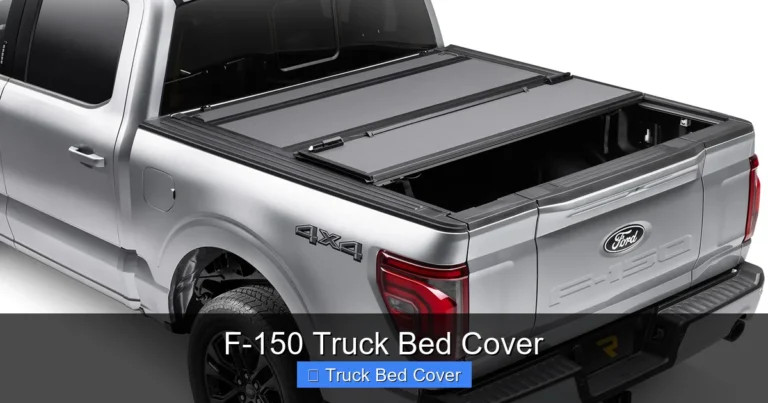
Truck Bed Roller Cover
A truck bed roller cover is a versatile, roll-up tonneau cover designed to shield your truck bed from rain, sun, and theft while improving fuel efficiency. Whether you’re hauling lumber, sports gear, or sensitive tools, this cover keeps your cargo secure and dry—plus it looks sleek on the road. Easy to install and maintain, it’s a smart upgrade for any pickup owner.
Key Takeaways
- Protection & Security: A roller cover shields your truck bed from weather damage and deters theft by keeping cargo out of sight.
- Fuel Efficiency: Streamlined design reduces wind resistance, helping improve gas mileage by up to 10%.
- Easy Access: Roll up or fold back quickly to load large items without removing the entire cover.
- Durability: Made from high-quality materials like aluminum frames and UV-resistant vinyl for long-lasting use.
- Custom Fit: Most models are vehicle-specific, ensuring a snug, secure fit for popular truck makes and models.
- Weather Resistance: Keeps snow, rain, and dirt off your gear while protecting the truck bed surface.
- Affordable Upgrade: Cost-effective alternative to hard covers, offering great value without sacrificing functionality.
Quick Answers to Common Questions
Can I install a roller cover myself?
Yes! Most truck bed roller covers are designed for DIY installation and take under two hours with basic tools. Just follow the instructions carefully, and you’ll have it done in no time.
Will a roller cover improve my gas mileage?
Absolutely. By smoothing airflow over the truck bed, a roller cover can reduce wind drag and improve fuel efficiency by up to 10%, especially during highway driving.
Are roller covers waterproof?
They’re highly water-resistant, but not completely waterproof. Rainwater may pool slightly at the edges. Look for models with sealed seams and rubber gaskets for better protection.
Can I drive with the roller cover rolled back?
Yes, but always secure it with the latch or strap. An unsecured cover can flap in the wind, damage the bed, or even become a projectile in heavy traffic.
Do roller covers work on short beds?
Yes! Most manufacturers make models for short, standard, and long beds. Just measure your truck and pick the right size for a perfect fit.
📑 Table of Contents
- What Is a Truck Bed Roller Cover?
- Why Should You Consider a Roller Cover?
- Types of Truck Bed Roller Covers
- How to Choose the Right Truck Bed Roller Cover
- Installation Tips and Tricks
- Maintenance and Care
- Top Brands and Models to Consider
- Roller Covers vs. Other Tonneau Types
- Final Thoughts: Is a Roller Cover Worth It?
What Is a Truck Bed Roller Cover?
Imagine pulling into work with a full bed of fresh mulch or weekend camping gear, only to have it soaked by an unexpected downpour. Or picture driving through a dusty trail, only to arrive with a grimy, scratched bed that’s tough to clean. Sound familiar? That’s where a truck bed roller cover comes in handy.
A truck bed roller cover—also known as a roll-up tonneau cover—is a flexible, rollable lid installed over the open bed of a pickup truck. It sits just above the tailgate and rolls forward or backward along a track system, allowing you to access the entire bed when needed. These covers are made from heavy-duty vinyl or canvas stretched over a lightweight aluminum or fiberglass frame.
Unlike hard covers that require removal to access the full bed, roller covers offer quick, one-handed operation. You can roll them back in seconds, load your stuff, and then secure them again with a built-in latch. It’s like having a garage door for your truck bed—convenient, secure, and always ready.
Why Should You Consider a Roller Cover?
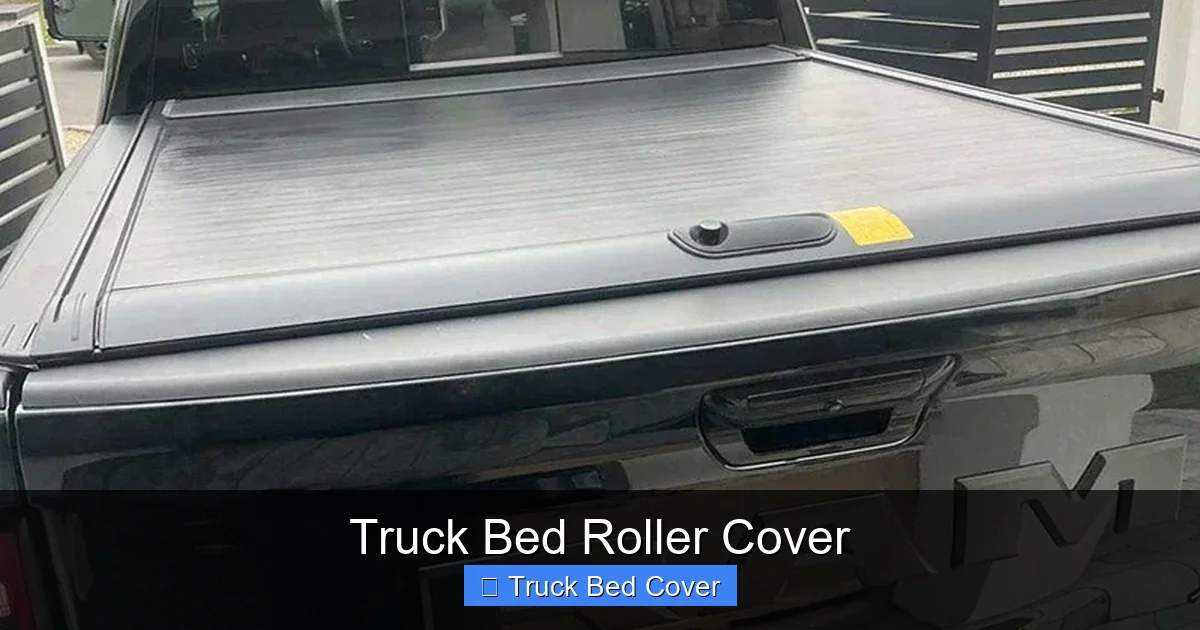
Visual guide about Truck Bed Roller Cover
Image source: ae01.alicdn.com
Let’s be honest—pickup trucks are built tough, but their beds aren’t exactly luxury compartments. Without protection, your gear gets exposed to the elements, your bed rusts faster, and your privacy vanishes. Enter the roller cover: a simple yet powerful solution.
First, consider security. A covered bed hides your belongings from prying eyes. Thieves often target trucks because they assume loose cargo is visible and accessible. But with a roller cover rolled up and secured, your items stay out of sight—unless you want them to be.
Second, think about fuel economy. Aerodynamics matter on the highway. A smooth, closed truck bed cuts down on drag, which means less engine strain and better gas mileage. Studies show that adding a tonneau cover can improve fuel efficiency by up to 10%, especially at higher speeds.
And let’s not forget convenience. Need to toss in a cooler, tools, or a folding table? No need to remove the whole cover. Just unlatch and roll it back. Then, when you’re done, zip it forward and lock it down. It’s that easy.
The Real-World Benefits
Beyond the basics, roller covers offer surprising perks:
- Weather Protection: Rain, snow, and dust won’t ruin your gear. The vinyl material is water-resistant and designed to shed moisture quickly.
- Bed Longevity: By keeping debris off the surface, you reduce scratches, dents, and corrosion over time.
- Noise Reduction: A sealed bed dampens wind noise, making long drives more comfortable.
- Resale Value: A well-maintained truck with a quality cover often sells faster and for more money.
For contractors, outdoor enthusiasts, or daily commuters, these benefits add up fast. A roller cover isn’t just a accessory—it’s a practical investment.
Types of Truck Bed Roller Covers
Not all roller covers are created equal. While they share the same basic rolling mechanism, differences in materials, mounting systems, and features affect performance, price, and longevity.
Soft Roll-Up Covers
These are the most common type. Made from heavy-duty, tear-resistant fabric like vinyl or polyester, they roll tightly around a central drum mounted near the cab. The cover unfolds smoothly and locks securely at the front.
Best for: Everyday drivers who want affordability and ease of use.
Pros:
- Lightweight and easy to operate
- Generally more affordable than hard covers
- Good weather resistance
Cons:
- Less secure against heavy-handed vandals
- Vinyl may fade or crack in extreme heat over time
- Not ideal for extreme off-roading
Hard Rolling Covers
Made from reinforced panels (often aluminum or fiberglass), these covers offer the look and feel of a solid lid but retain the roll-up feature. They’re heavier but more durable.
Best for: Truck owners who want maximum security and a premium appearance.
Pros:
- Extremely secure—hard to break into
- Rigid construction resists bending and damage
- Better long-term value despite higher cost
Cons:
- More expensive
- Heavier, which can slightly reduce fuel economy
- Slightly more complex installation
Bolt-On vs. Snap-On Installation
How the cover attaches matters too. Bolt-on systems use hardware to clamp the frame to the truck bed rails. They’re stronger and more stable but require drilling. Snap-on models clip into pre-installed brackets—faster to install, no drilling needed, but may not be as secure on rough terrain.
Choose based on your truck model, skill level, and how much you drive off-road.
How to Choose the Right Truck Bed Roller Cover
With so many options, picking the right roller cover can feel overwhelming. But don’t worry—we’ve broken it down into key factors to consider.
Measure Your Truck Bed
Start with accuracy. Measure the length, width, and depth of your truck bed. Even small variations (like different trim levels) can affect fit. Most manufacturers list compatible models, so double-check before buying.
Pro tip: If you’re unsure, bring your truck to a parts store or consult the owner’s manual for exact dimensions.
Consider Climate and Usage
If you live in a hot, sunny region, look for covers with UV inhibitors in the vinyl. In cold climates, ensure the material stays flexible in freezing temps. For frequent off-roading, choose a heavy-duty model with reinforced corners and a secure latch.
Think About Cargo Needs
Do you carry long boards, bulky furniture, or fragile equipment? If you need full-bed access often, a soft roll-up might suffice. But if you prioritize security and protection, a hard rolling cover could be worth the extra investment.
Check Weight Capacity
Some covers support light loads on top (like a cooler or toolbox), but not heavy items. Make sure the model you choose can handle what you plan to put on it.
Look for Quality Features
Top-tier roller covers include:
- Stainless steel or powder-coated aluminum frames
- Dual-latch systems for added security
- Sealed tracks to prevent dirt buildup
- Easy-release handles
- Weather-resistant seals around the edges
Avoid cheap models with thin fabric, plastic clips, or flimsy latches—they won’t last.
Installation Tips and Tricks
Installing a roller cover yourself saves money and builds confidence. Most take under two hours with basic tools.
Tools You’ll Need
- Socket wrench or drill
- Phillips and flathead screwdrivers
- Tape measure
- Lubricant (silicone-based works best)
- A helper (optional but helpful)
Step-by-Step Installation Guide
1. Clean the Bed Rails: Remove dirt, rust, or debris from the bed rails. Any obstruction will mess up the seal.
2. Position the Canister: Place the rolled cover’s drum near the cab end of the bed. Mark the spot if needed.
3. Attach the Side Tracks: Slide the side rails into place and secure with bolts or clamps. Ensure they’re level and parallel.
4. Install the Cross Braces (if applicable): Some models require a crossbar across the bed for stability.
5. Roll Out and Test: Unroll the cover fully, then roll it back. Make sure it moves smoothly and doesn’t bind.
6. Lubricate the Tracks: Apply silicone spray to keep rollers gliding without squeaking.
7. Secure the Latch: Attach the front latch and test locking/unlocking.
Common mistakes:
- Not cleaning the rails first
- Over-tightening bolts (can warp the frame)
- Skipping lubrication
If you’re nervous about drilling, snap-on kits are a great alternative. But for most, bolt-on offers better long-term results.
Maintenance and Care
Like any gear, your roller cover needs care to last. Here’s how to keep it in top shape.
Weekly Checks
- Wipe down the vinyl with a damp cloth and mild soap
- Inspect latches and seals for wear
- Ensure tracks are free of dirt or gravel
Seasonal Maintenance
- In winter, brush off snow and ice gently—don’t scrape
- In summer, avoid parking in direct sunlight if possible to prevent vinyl drying out
- Reapply lubricant to tracks every few months
Storage Tips
If you remove the cover for winter or storage:
- Store it indoors or in a dry garage
- Keep it rolled loosely—never tightly wound for long periods
- Cover it with a breathable tarp to prevent dust buildup
Avoid using harsh chemicals or abrasive sponges—they can damage the finish.
Top Brands and Models to Consider
Not all roller covers are equal. Here are some trusted brands known for quality and reliability:
Undercover
Known for sleek designs and durable construction. Their SoftTop and Flex models offer excellent UV protection and smooth rolling action.
BakFlip
Popular for their hard rolling covers like the BakFlip HD and FiberMax. Great for those wanting a hardtop look with roll-up convenience.
TruXedo
Offers budget-friendly soft roll-ups with reliable performance. The TruXedo TruXport is a favorite among DIYers.
DeWalt
While primarily a tool brand, DeWalt makes rugged, contractor-grade covers perfect for heavy-duty jobs.
When choosing, read customer reviews and check warranty terms. A good cover should come with at least a 3-year warranty.
Roller Covers vs. Other Tonneau Types
You might wonder: “Why not get a hardtop or retractable cover instead?” Let’s compare.
Roller Cover vs. Hard Folding Cover
- Access: Roller = full bed access; folding = partial
- Weight: Roller lighter
- Security: Hard folding often more secure
- Price: Roller usually cheaper
Roller Cover vs. Retractable Cover
- Operation: Roller = manual roll-up; retractable = motorized or hand-pull tape
- Malfunction Risk: Retractable can jam; roller rarely fails
- Maintenance: Retractable needs more upkeep
For most drivers, roller covers strike the best balance between cost, function, and ease of use.
Final Thoughts: Is a Roller Cover Worth It?
If you drive a pickup regularly—whether for work, play, or daily errands—a truck bed roller cover is a no-brainer upgrade. It protects your investment, secures your gear, improves fuel efficiency, and adds a polished look to your rig.
Yes, there’s upfront cost, but compared to the damage from weather exposure or theft, it’s a smart spend. And with easy installation and low maintenance, you’ll enjoy benefits for years.
Whether you choose a soft roll-up for everyday use or a hard rolling model for maximum security, you’re making your truck more functional and valuable. So next time you load up the bed, do it with confidence—because your cargo is safer, drier, and out of sight.
Frequently Asked Questions
How do I clean my truck bed roller cover?
Wipe it down with a damp cloth and mild soap weekly. Avoid harsh chemicals or scrubbing pads. For stubborn stains, use a soft brush and water. Always let it air dry completely.
Can I leave my roller cover on in winter?
Yes, but clear snow and ice gently with a soft brush. Never scrape directly—it can scratch the vinyl. Also, ensure the cover isn’t trapping moisture, which can lead to mold.
Do roller covers block rearview visibility?
No. When fully rolled back, they’re stored at the cab end, leaving the entire bed open and unobstructed for safe loading and visibility.
Are roller covers easy to remove for full bed access?
Yes. Unlike hard covers, roller covers roll up smoothly and lock securely at the front, giving you instant access to the full bed without disassembly.
How long do roller covers typically last?
With proper care, high-quality roller covers last 5–10 years. Factors like UV exposure, weather, and usage affect lifespan, but most reputable brands offer 3–5 year warranties.
Can I install a roller cover on an older truck?
Yes, as long as your truck has standard bed rails. Most modern roller covers are compatible with trucks made after 2000, including Ford, Chevy, Ram, Toyota, and Nissan models.